
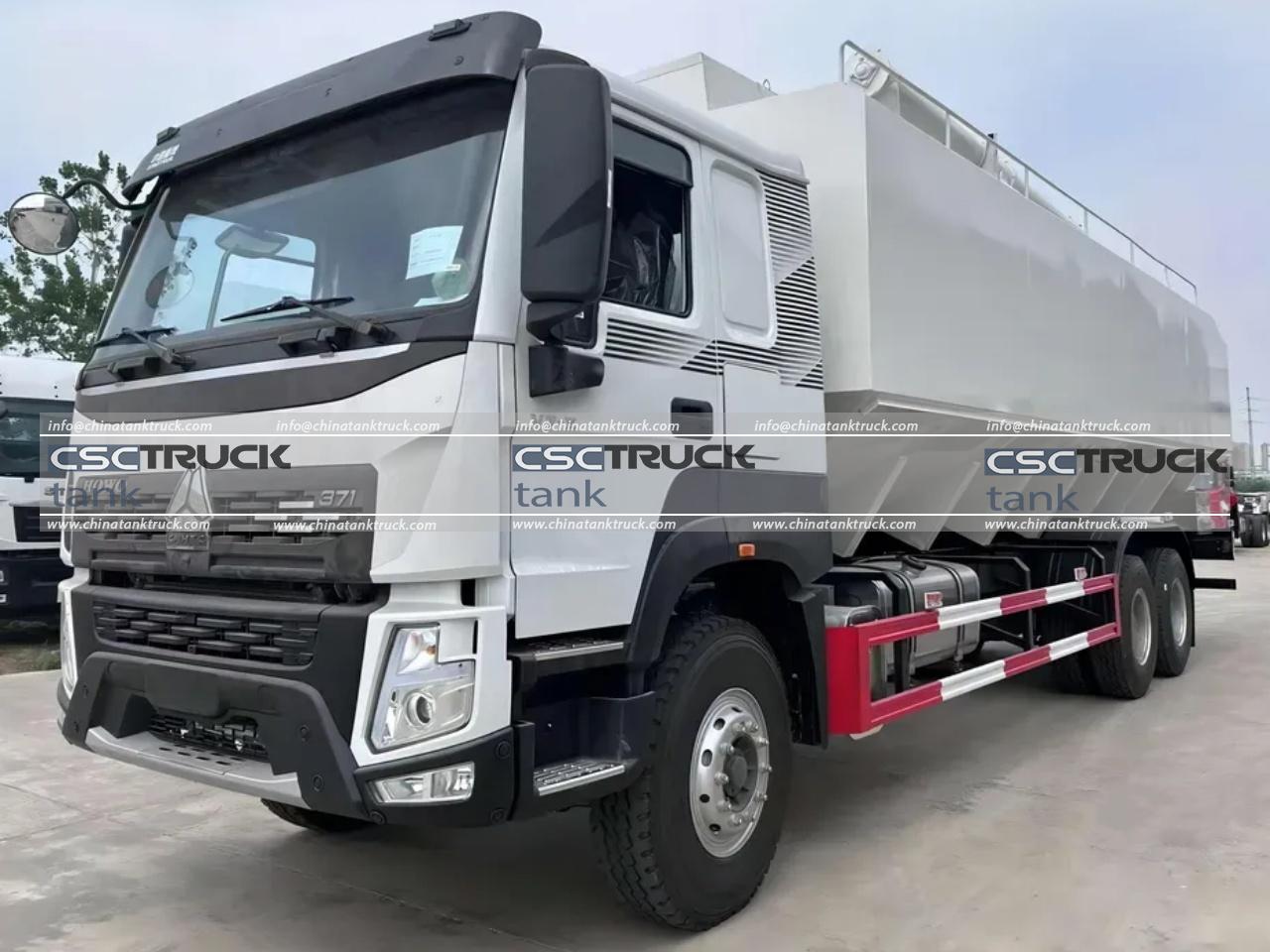
Pneumatic tank trucks play a vital role in transporting dry bulk materials such as cement, fly ash, lime, flour, plastic pellets, and other powdered or granular products. These specialized vehicles use compressed air to unload cargo quickly and efficiently without requiring tipping equipment, making them indispensable in the construction, chemical, food processing, and manufacturing industries. However, their advanced pneumatic systems, air compressors, discharge pipelines, and pressure vessels require regular maintenance to ensure safe and reliable operation.
As a professional manufacturer of specialized transport equipment, CSCTRUCK China Tank Truck has been producing high-quality tank trucks since 2005. Based in Suizhou, Hubei, China, the company offers a wide range of pneumatic tank trucks designed for durability, efficiency, and long service life. With advanced manufacturing technology, strict quality control, customized solutions, and comprehensive after-sales support, CSCTRUCK China Tank Truck has supplied specialized vehicles to customers in more than 190 countries worldwide.
Although pneumatic tank trucks are built for demanding working conditions, neglecting maintenance can result in costly repairs, reduced unloading performance, and unexpected downtime. Understanding the most common maintenance issues helps fleet managers and operators prevent failures before they become serious.
1. Air Compressor Wear and Failure
The air compressor is the heart of a pneumatic tank truck. It generates the compressed air required to unload bulk materials from the tank.
Common problems include:
- Bearing wear
- Overheating
- Oil leakage
- Reduced air pressure
- Internal component damage
These issues often develop because of inadequate lubrication, dirty air filters, excessive operating temperatures, or operating beyond recommended pressure limits.
Preventive maintenance includes:
- Changing compressor oil regularly
- Inspecting bearings
- Cleaning cooling fins
- Replacing intake filters
- Monitoring operating temperatures
- Checking belt tension (if belt-driven)
Ignoring compressor maintenance eventually reduces unloading efficiency and may lead to complete compressor failure.
2. Air Filter Blockage
Air filters protect the compressor by preventing dust and contaminants from entering the pneumatic system.
When filters become clogged:
- Airflow decreases
- Compressor efficiency drops
- Fuel consumption increases
- Operating temperatures rise
- Compressor wear accelerates
Because pneumatic tank trucks often operate in dusty environments, filters should be inspected frequently and replaced according to operating conditions rather than waiting for scheduled intervals alone.
3. Leaking Pneumatic Valves
Valves control airflow throughout the unloading system.
Over time, valve problems may include:
- Damaged seals
- Worn O-rings
- Corrosion
- Dirt accumulation
- Mechanical wear
Symptoms include:
- Difficulty maintaining pressure
- Slow unloading
- Air leaks
- Compressor running continuously
Routine inspection, cleaning, and replacement of seals help prevent costly downtime.
4. Discharge Pipeline Damage
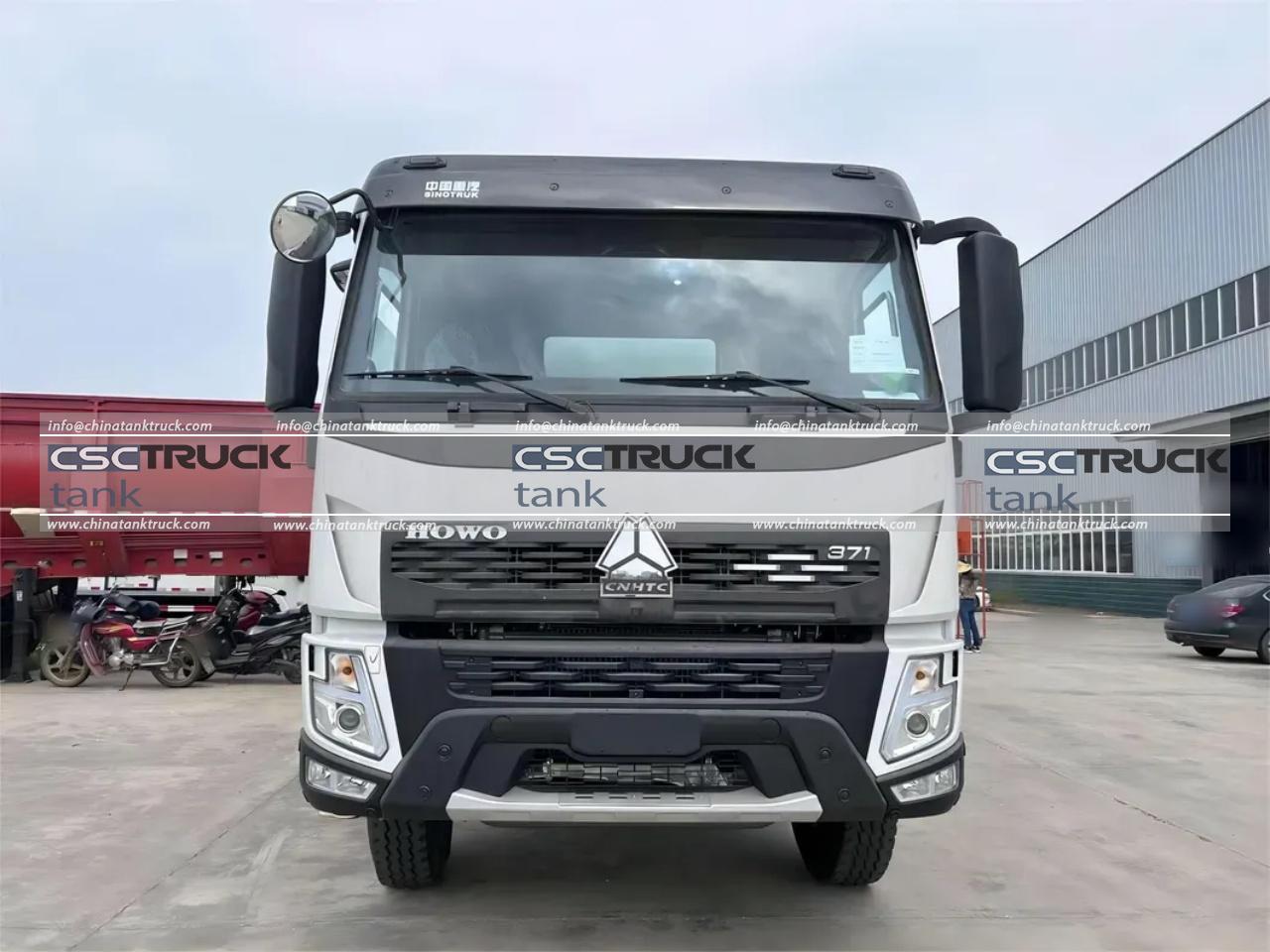
Discharge pipes transport bulk materials from the tank to the receiving silo.
Common issues include:
- Internal abrasion
- Cracks
- Loose connections
- Corrosion
- Worn pipe elbows
Abrasive materials like cement and fly ash gradually wear away the inside of pipes, especially at bends.
Maintenance should include:
- Visual inspections
- Thickness measurements
- Leak testing
- Replacement of worn pipe sections
- Tightening all pipe clamps
5. Pressure Relief Valve Malfunctions
Pressure relief valves protect the tank against dangerous overpressure conditions.
Problems include:
- Sticking valves
- Spring fatigue
- Seal damage
- Dirt contamination
A malfunctioning relief valve may either release pressure too early or fail to open during an overpressure event.
Operators should periodically test these safety devices and replace worn components immediately.
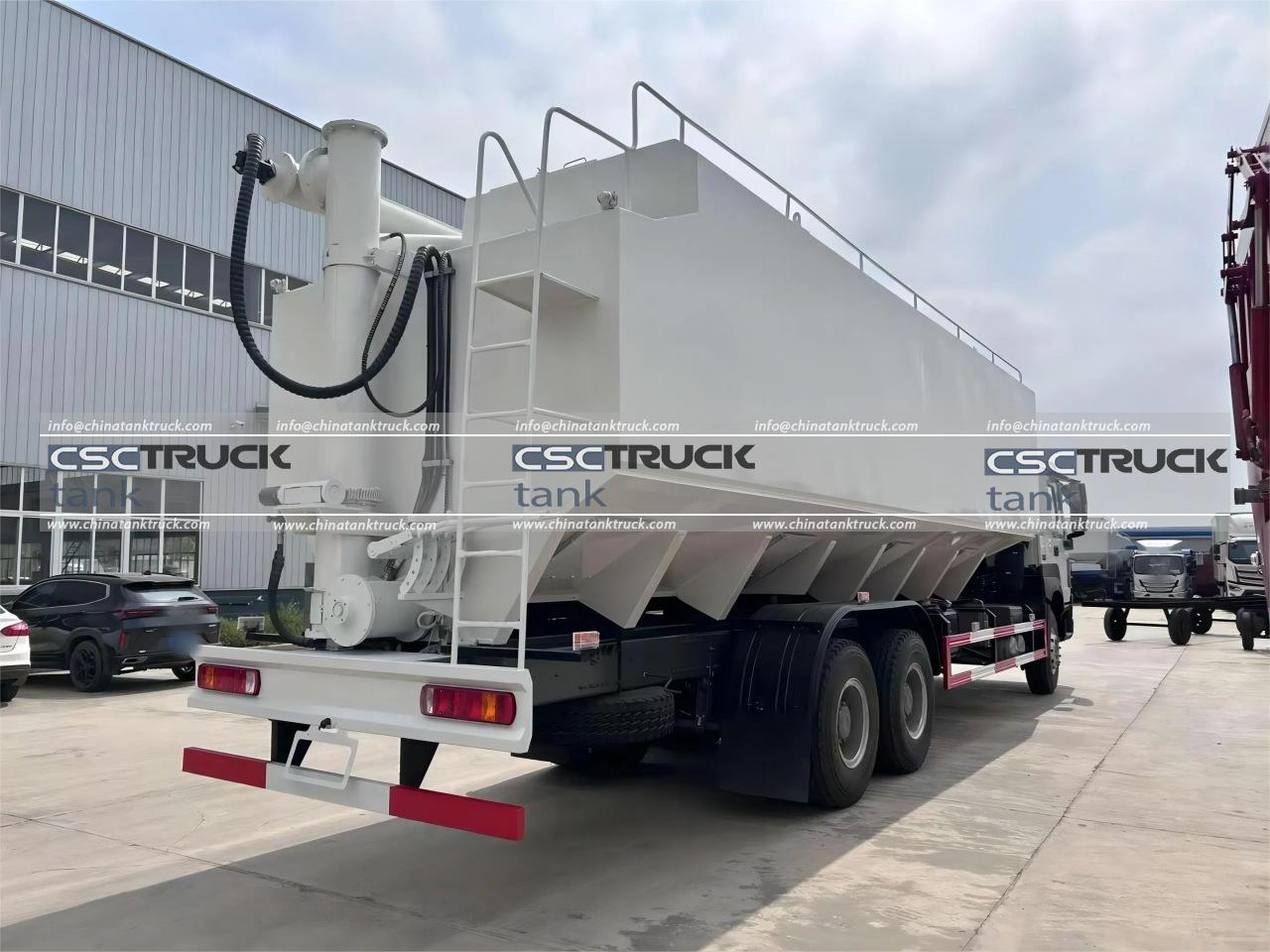
6. Tank Interior Wear
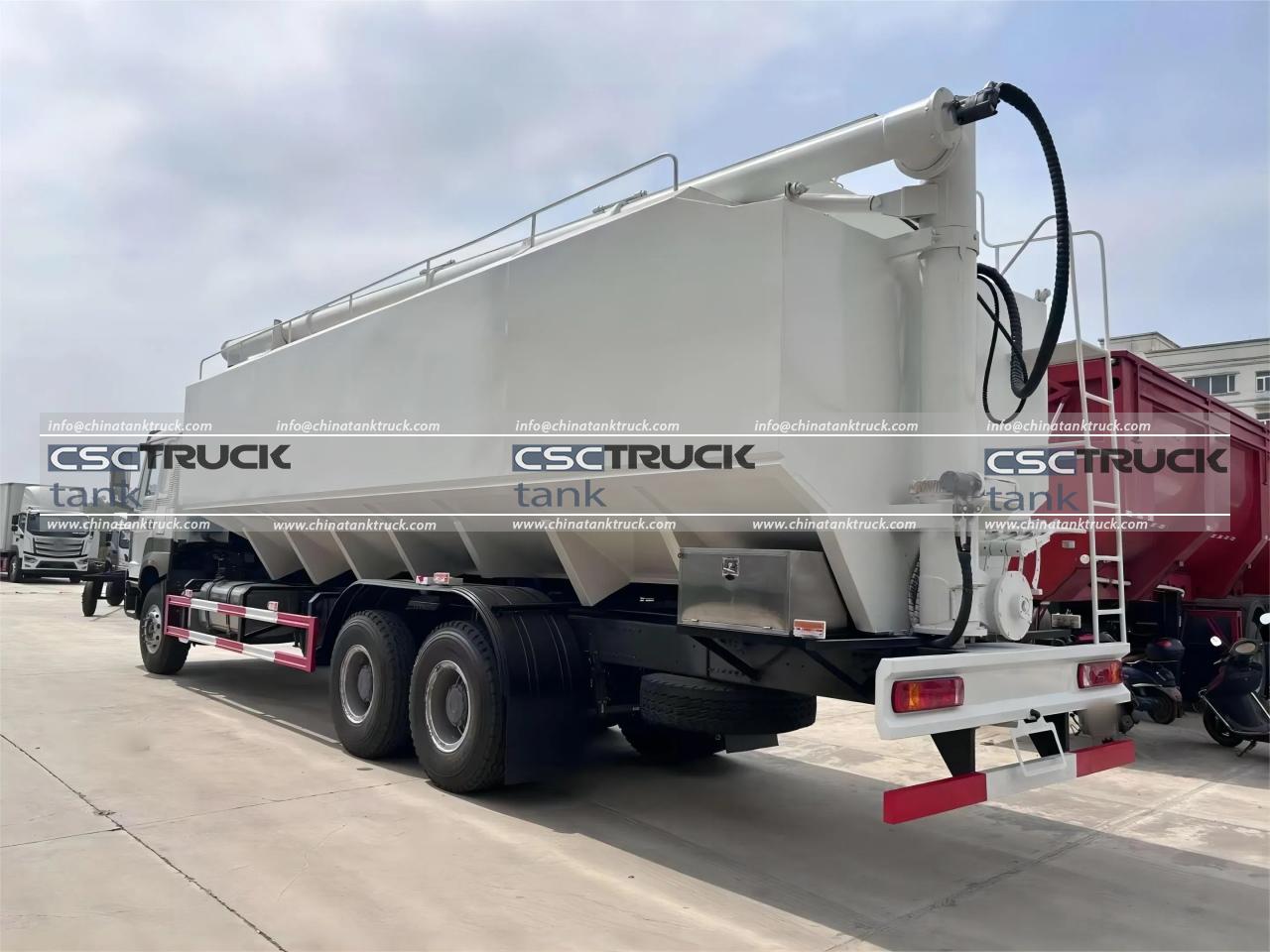
Although the tank itself appears robust, its interior experiences continuous abrasion from dry bulk materials.
Potential problems include:
- Internal erosion
- Corrosion
- Material buildup
- Moisture contamination
- Weld fatigue
Regular internal inspections help identify:
- Surface damage
- Cracked welds
- Rust formation
- Material residue
Keeping the tank dry significantly reduces corrosion and prevents material from sticking to internal surfaces.
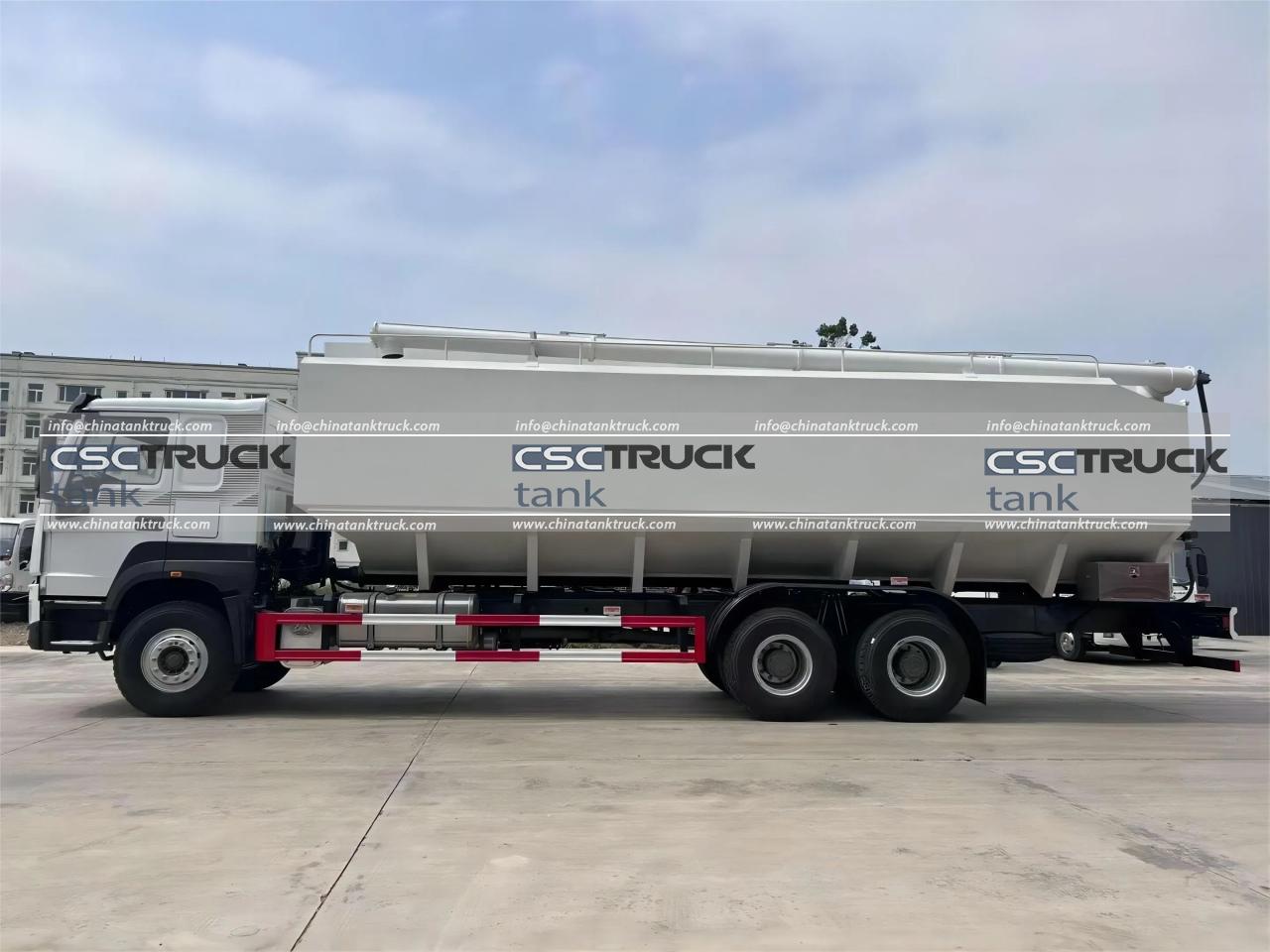
7. Hose Deterioration
Flexible unloading hoses experience constant movement, vibration, pressure cycling, and abrasion.
Common hose issues include:
- Surface cracks
- Internal wear
- Loose couplings
- Bulging sections
- Air leakage
Damaged hoses reduce unloading efficiency and may create safety hazards.
Routine inspections should verify:
- Hose flexibility
- Coupling tightness
- Surface condition
- Pressure integrity
Replacing worn hoses before failure prevents unexpected interruptions during unloading.
8. Compressor Lubrication Problems
Proper lubrication extends compressor life considerably.
Common lubrication-related issues include:
- Low oil level
- Contaminated lubricant
- Incorrect oil type
- Oil oxidation
Poor lubrication causes:
- Increased friction
- Bearing failure
- Higher operating temperatures
- Premature compressor wear
Operators should always use the manufacturer’s recommended lubricant and maintain proper oil change intervals.
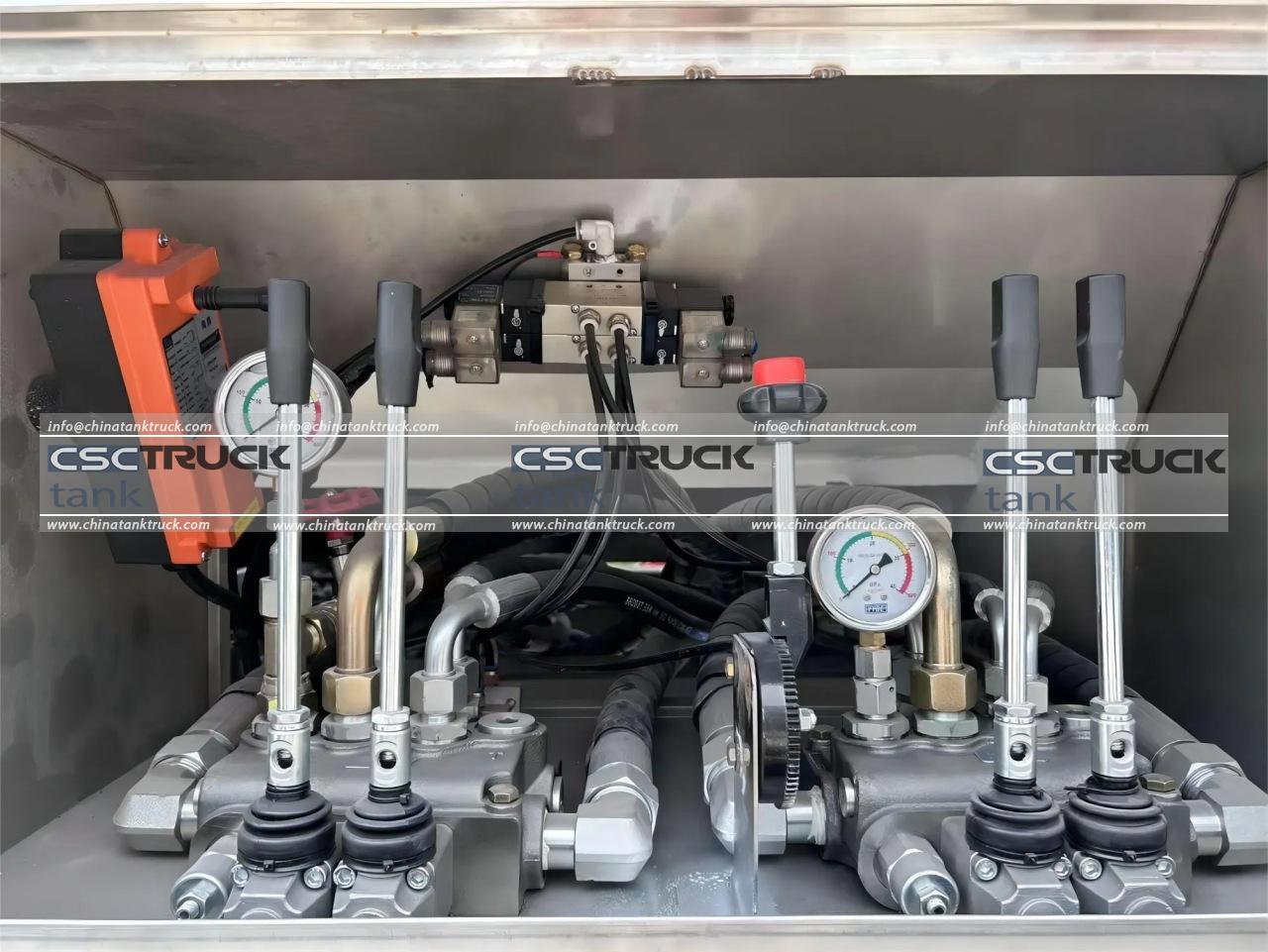
9. Pressure Gauge and Sensor Failure
Modern pneumatic tank trucks rely on gauges and sensors to monitor system performance.
Problems may include:
- Inaccurate readings
- Damaged pressure sensors
- Broken wiring
- Calibration errors
Faulty instruments make it difficult to detect developing problems before they become serious.
Routine calibration and inspection ensure accurate pressure monitoring throughout unloading operations.
10. Moisture Contamination
Moisture is one of the biggest enemies of pneumatic systems.
Water entering the compressed air system can cause:
- Internal corrosion
- Frozen air lines in cold weather
- Material clumping
- Valve sticking
- Reduced unloading efficiency
Regular draining of air tanks and proper maintenance of moisture separators greatly reduce these risks.
11. Worn Seals and Gaskets
Numerous seals are used throughout the pneumatic system.
Over time, they deteriorate due to:
- Heat
- Pressure cycling
- Chemical exposure
- Aging
Damaged seals lead to:
- Air leaks
- Pressure loss
- Longer unloading times
- Increased compressor workload
Replacing inexpensive seals during scheduled maintenance often prevents much larger repairs later.
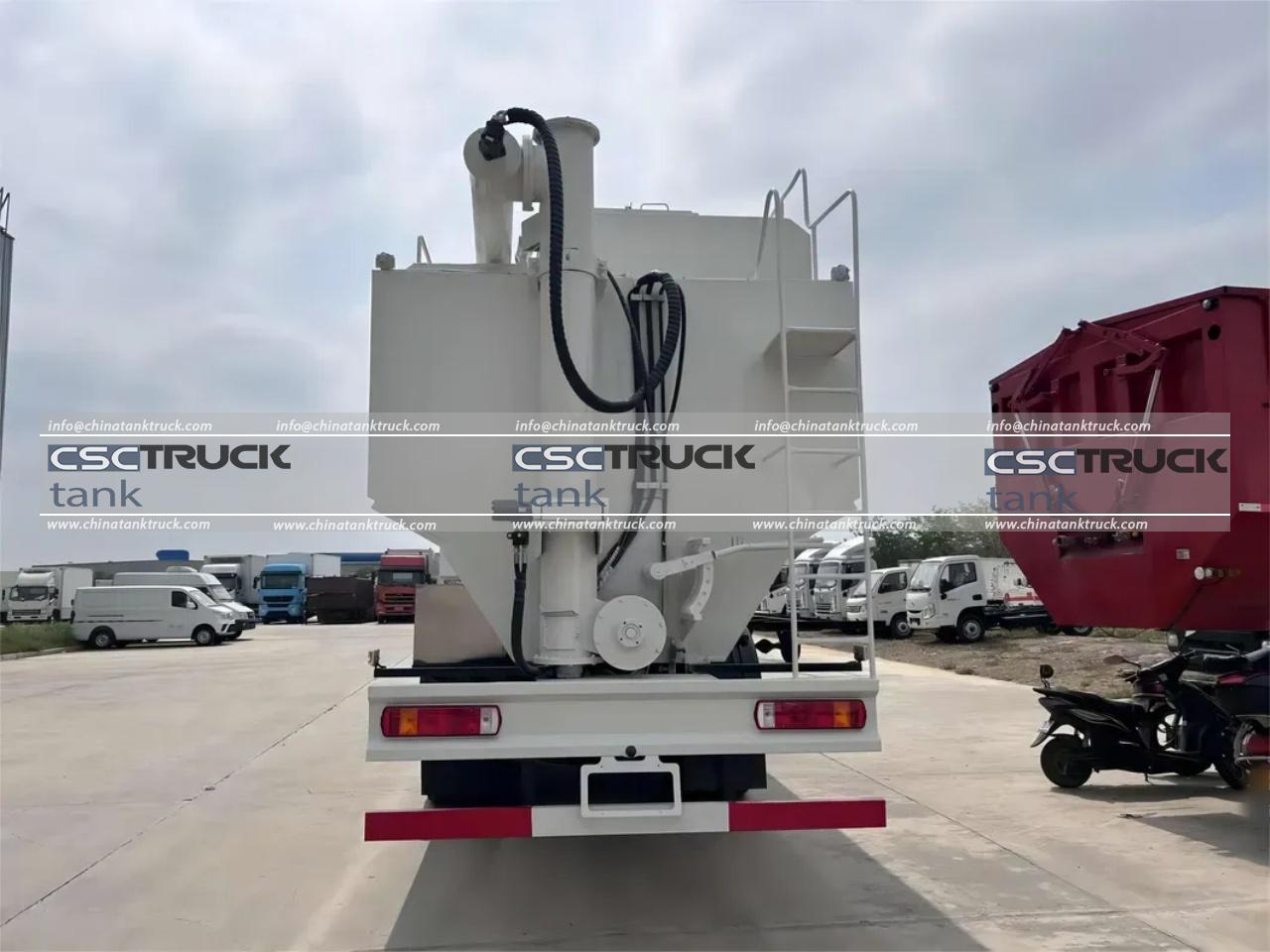
12. Structural Fatigue
Pneumatic tank trucks frequently operate under heavy loads across rough roads.
Over many years, structural fatigue may affect:
- Tank supports
- Mounting brackets
- Frame members
- Suspension attachments
Small cracks can eventually grow into major structural failures.
Routine inspections should focus on welds, mounting points, and high-stress areas where fatigue typically develops.
Building an Effective Preventive Maintenance Program
The best way to minimize maintenance issues is through preventive maintenance rather than reactive repairs.
A comprehensive maintenance schedule should include:
- Daily visual inspections
- Weekly leak detection
- Monthly pressure testing
- Compressor oil changes
- Air filter replacement
- Hose inspections
- Valve cleaning
- Tank interior inspections
- Pressure gauge calibration
- Safety valve testing
Keeping accurate maintenance records also helps identify recurring issues and schedule component replacements before failures occur.
Operator Training Matters
Even the highest-quality pneumatic tank truck requires proper operation.
Well-trained operators can identify early warning signs such as:
- Unusual compressor noise
- Slower unloading speed
- Pressure fluctuations
- Air leaks
- Excessive vibration
- Temperature increases
Prompt reporting of these symptoms allows maintenance personnel to resolve problems before they escalate into expensive repairs.
Conclusion
Pneumatic tank trucks are reliable, efficient machines when maintained correctly. The most common maintenance issues—including compressor wear, clogged air filters, leaking valves, damaged discharge pipes, pressure loss, hose deterioration, moisture contamination, worn seals, and structural fatigue—can all be significantly reduced through regular inspections and preventive maintenance.
Investing in routine servicing not only extends vehicle lifespan but also improves unloading efficiency, reduces operating costs, enhances safety, and minimizes unexpected downtime. Choosing a quality manufacturer further contributes to long-term reliability. Companies such as CSCTRUCK China Tank Truck combine advanced engineering, rigorous quality control, and strong after-sales support to provide pneumatic tank trucks capable of delivering dependable performance in demanding bulk material transportation applications around the world.