

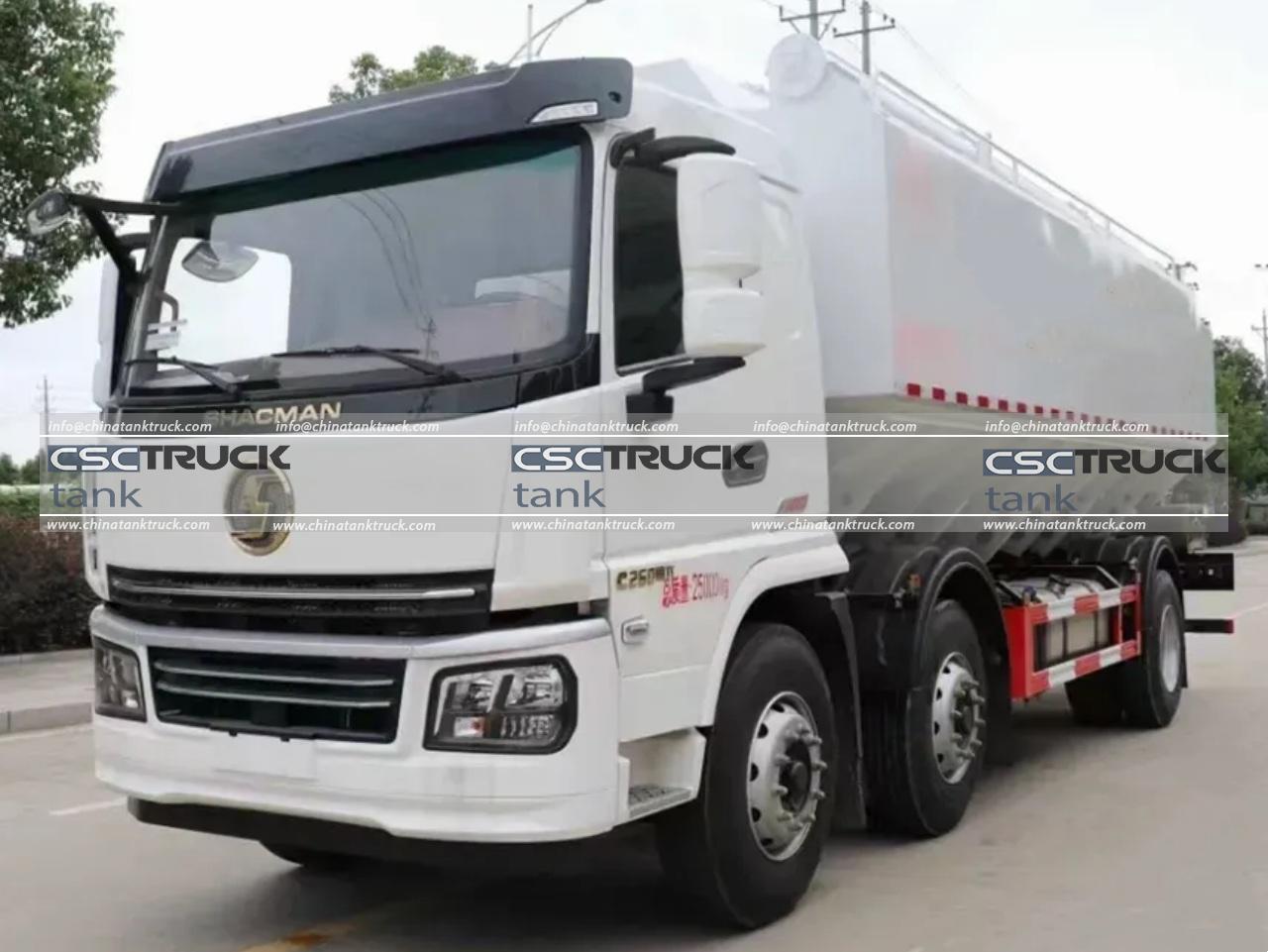
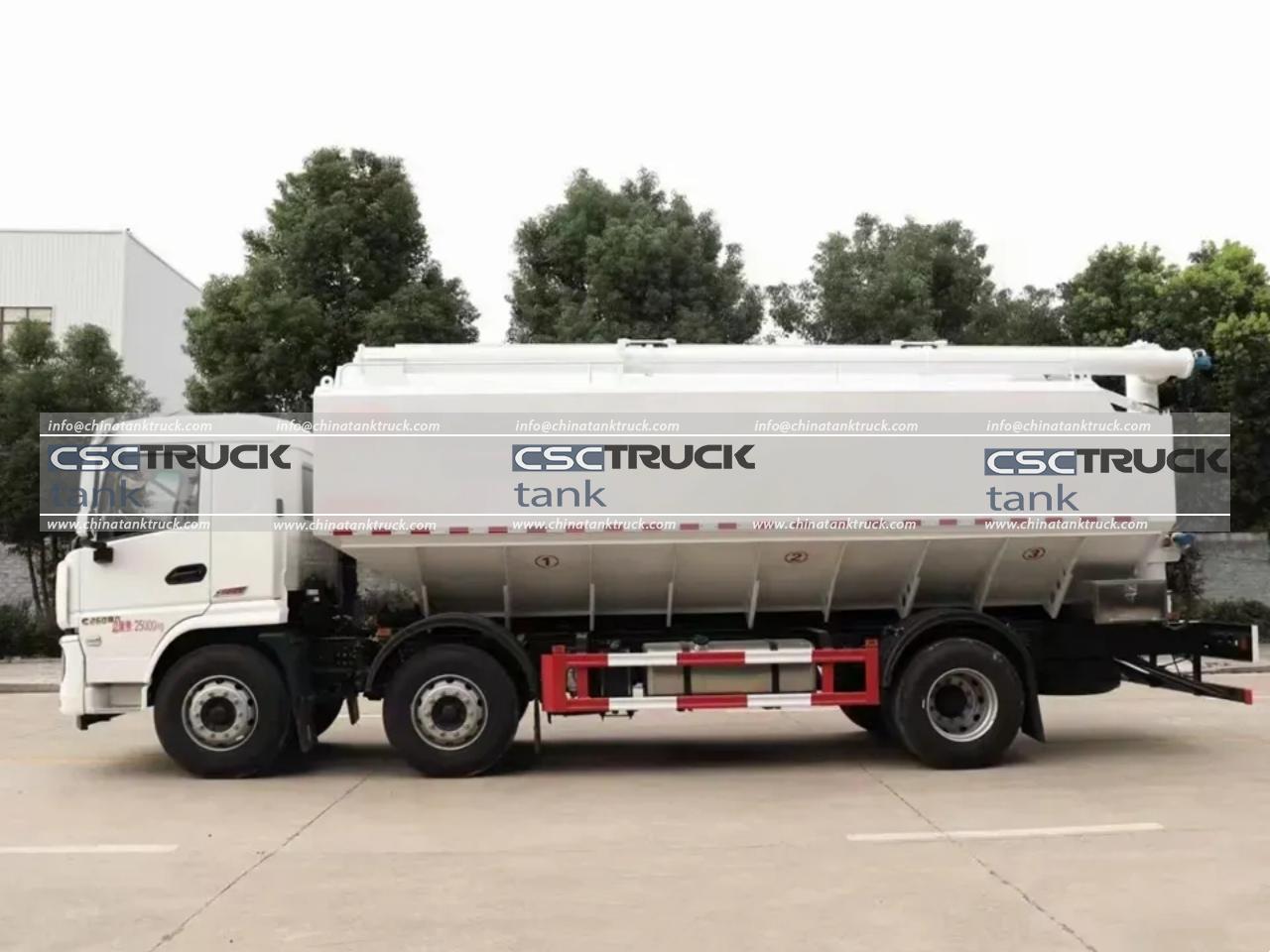
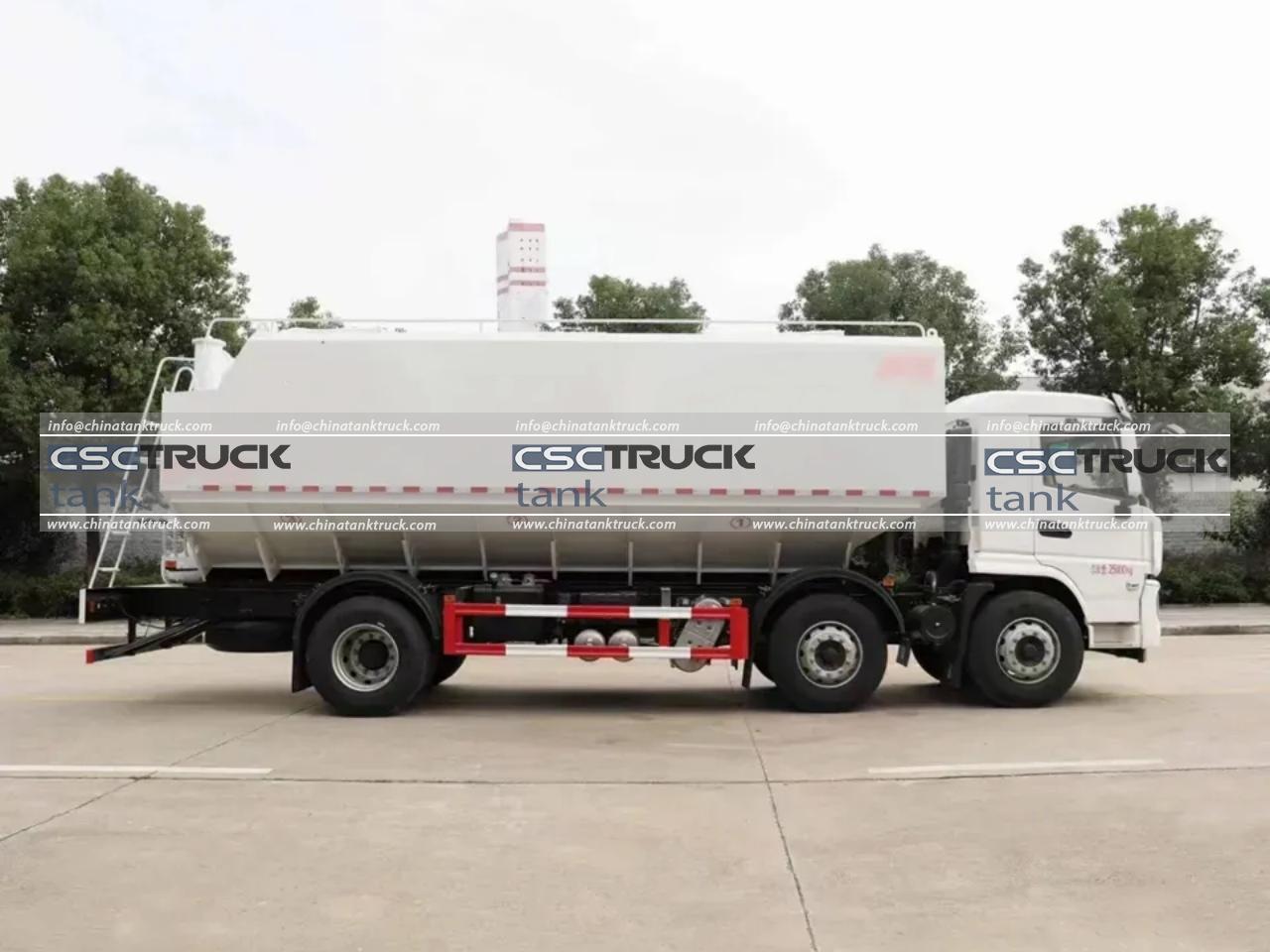
Pneumatic tank trucks are among the most valuable assets in industries that transport dry bulk materials such as cement, fly ash, lime, flour, plastic pellets, and other powdered or granular products. Built to withstand demanding operating conditions, these specialized vehicles represent a significant investment for fleet owners. One of the most common questions buyers ask is: How long does a pneumatic tank truck last?
The answer depends on several factors, including build quality, operating environment, maintenance practices, and usage frequency. With proper care, a high-quality pneumatic tank truck can provide reliable service for 15 to 25 years or even longer.
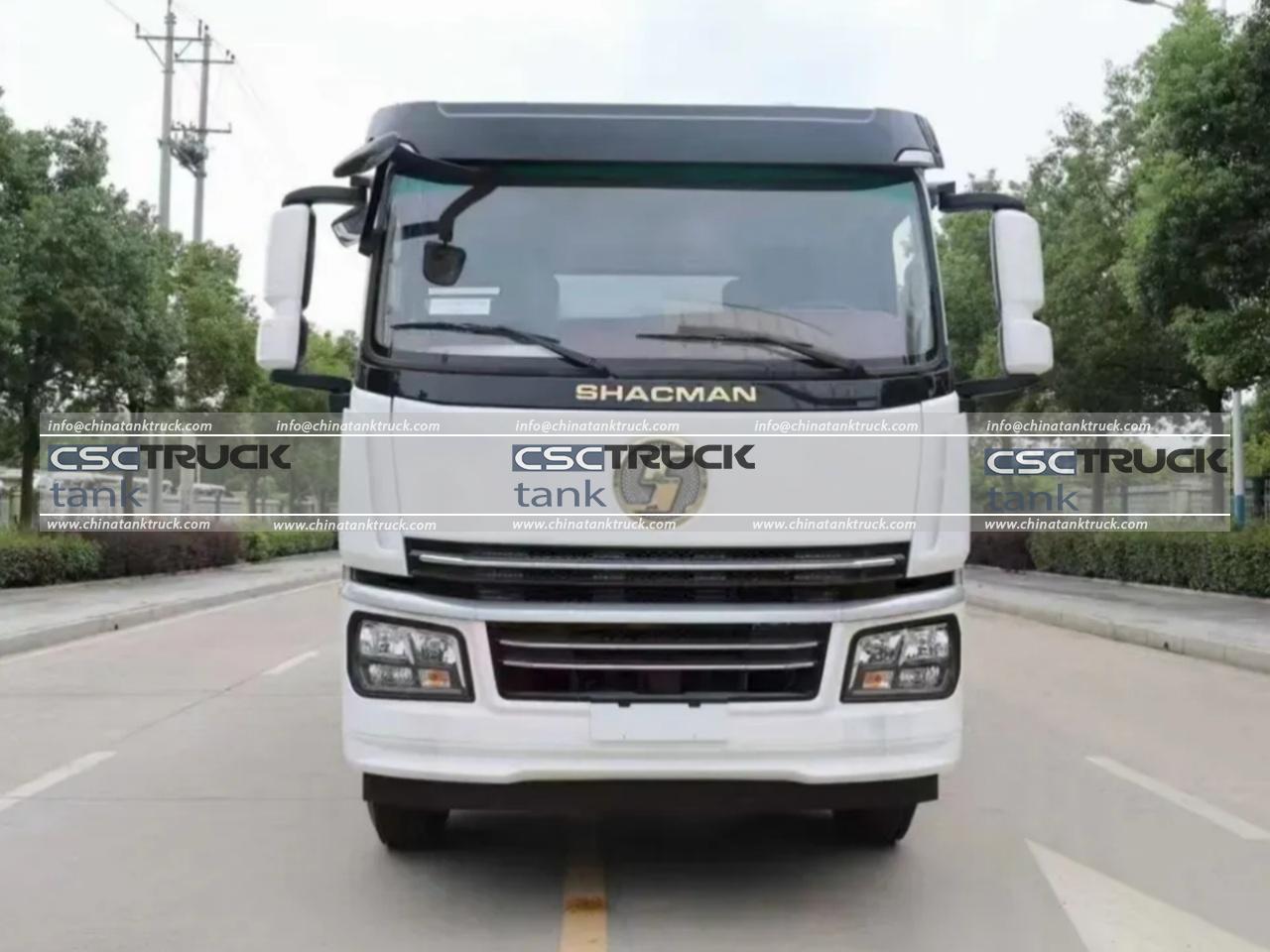
Manufacturers such as CSCTRUCK China Tank Truck specialize in designing and manufacturing pneumatic tank trucks for global customers. Founded in the year of 2005, the company produces specialized tank trucks for transporting liquids, gases, and dry bulk materials while emphasizing quality manufacturing, customization, and after-sales support.
Average Service Life of a Pneumatic Tank Truck
A well-maintained pneumatic tank truck generally has the following lifespan:
- Tank body: 20–25 years
- Truck chassis: 10–15 years (depending on mileage and road conditions)
- Air compressor: 8–15 years with regular maintenance
- Pipelines and valves: 8–12 years
- Suspension and braking components: Replaced periodically throughout the vehicle’s life
Although the chassis may eventually require replacement or rebuilding, the tank itself often remains structurally sound for many additional years if corrosion is properly controlled.
What Determines the Lifespan?
Several important factors influence how long a pneumatic tank truck remains productive.
1. Manufacturing Quality
The initial quality of the truck is perhaps the biggest contributor to longevity.
Premium manufacturers use:
- High-strength carbon steel or aluminum alloy
- Precision welding technology
- Durable protective coatings
- High-quality pneumatic components
- Reliable safety valves
- Reinforced tank structures
A professionally manufactured tank resists fatigue, vibration, and pressure cycles far better than a poorly constructed one.
2. Operating Environment
Working conditions greatly affect service life.
For example:
- Smooth highways create less chassis wear.
- Rough mining roads accelerate suspension damage.
- Coastal regions increase corrosion from salt.
- Extremely cold climates place greater stress on seals and air systems.
- Hot climates speed up rubber aging.
Vehicles operating in harsh environments typically require more frequent maintenance.
3. Annual Mileage
Mileage has a direct impact on wear.
Typical annual mileage includes:
- Low usage: 20,000–40,000 km
- Medium usage: 40,000–80,000 km
- Heavy commercial use: 80,000–150,000 km
A truck covering 100,000 km annually experiences much faster mechanical wear than one operating only occasionally.
Importance of Preventive Maintenance
Regular maintenance is the single most effective way to maximize service life.
Daily inspections should include:
- Air pressure
- Compressor operation
- Hose connections
- Valve leaks
- Tire condition
- Brake performance
Weekly maintenance should include:
- Cleaning filters
- Lubricating moving components
- Inspecting discharge pipes
- Checking mounting bolts
- Examining pressure gauges
Monthly inspections should focus on:
- Structural welds
- Tank supports
- Air compressor belts
- PTO operation
- Suspension components
Routine preventive maintenance prevents small issues from becoming expensive failures.
Air Compressor Life
The air compressor is the heart of every pneumatic tank truck.
It provides compressed air that moves dry bulk materials from the tank into storage silos.
Typical compressor lifespan:
- 8–15 years
- 10,000–20,000 operating hours
To maximize compressor life:
- Change lubricating oil on schedule.
- Replace air filters regularly.
- Monitor operating temperatures.
- Avoid excessive discharge pressure.
- Warm up before heavy loading.
Neglecting compressor maintenance can significantly shorten the life of the entire unloading system.
Tank Body Durability
The pressure vessel itself is designed for decades of operation.
Key durability factors include:
Corrosion Protection
Internal moisture should be minimized because water can eventually cause rust inside carbon steel tanks.
Protective coatings and proper drying procedures help prevent corrosion.
Pressure Control
Over-pressurizing the tank places unnecessary stress on welds and structural components.
Operators should always stay within the manufacturer’s recommended operating pressure.
Proper Loading
Consistently overloading the truck increases stress on:
- Tank supports
- Suspension
- Frame
- Axles
- Tires
Following rated payload limits extends the lifespan of both the tank and chassis.
Components That Wear Out First
Although the tank itself lasts many years, several components naturally require replacement.
Common wear items include:
- Rubber seals
- Gaskets
- Butterfly valves
- Relief valves
- Air hoses
- Flexible discharge hoses
- Bearings
- Brake pads
- Tires
- Shock absorbers
These are considered normal maintenance items and should be replaced before failure occurs.
Signs Your Pneumatic Tank Truck Is Aging
As the truck approaches the later stages of its life, operators may notice:
- Frequent air leaks
- Reduced unloading efficiency
- Increased compressor noise
- Corrosion around welds
- Slow pressure build-up
- Cracked hoses
- Excessive vibration
- Declining fuel efficiency
Addressing these issues promptly can often restore performance and delay major repairs.
Can an Older Pneumatic Tank Truck Be Refurbished?
Yes.
Many fleet owners extend vehicle life through refurbishment programs.
Typical refurbishment includes:
- Sandblasting and repainting the tank
- Replacing pneumatic pipelines
- Installing a rebuilt compressor
- Updating valves
- Replacing suspension parts
- Overhauling brakes
- Renewing electrical wiring
A properly refurbished pneumatic tank truck can continue operating safely for many additional years at a fraction of the cost of purchasing a new vehicle.
Best Practices to Extend Truck Life
Fleet managers can significantly increase equipment longevity by following these recommendations:
- Perform scheduled preventive maintenance.
- Keep the tank clean and dry after unloading.
- Replace worn seals before leaks develop.
- Avoid overloading.
- Operate within recommended pressure limits.
- Use high-quality lubricants.
- Store the truck under cover whenever possible.
- Inspect welds annually.
- Flush air lines when contamination occurs.
- Train operators in proper loading and unloading procedures.
Consistent attention to these practices minimizes downtime and reduces lifetime operating costs.

Is Buying a High-Quality Truck Worth It?
While premium pneumatic tank trucks typically require a higher initial investment, they often provide better long-term value.
Advantages include:
- Longer service life
- Greater reliability
- Lower maintenance costs
- Improved fuel efficiency
- Higher resale value
- Better unloading performance
- Enhanced safety
For companies operating large fleets, these benefits can translate into substantial savings over the truck’s lifetime.
Conclusion
A pneumatic tank truck is designed to serve for many years under demanding industrial conditions. With proper maintenance, quality components, and responsible operation, the tank body can remain in service for 20 to 25 years, while many mechanical systems can be rebuilt or replaced as needed. Preventive maintenance, regular inspections, and timely replacement of wear components are the keys to maximizing return on investment.
Choosing a reputable manufacturer is equally important. Companies such as CSCTRUCK China Tank Truck produce durable pneumatic tank trucks engineered for long-term performance, incorporating quality materials, advanced manufacturing processes, and comprehensive after-sales support to help operators achieve maximum equipment lifespan and reliable dry bulk transportation.
