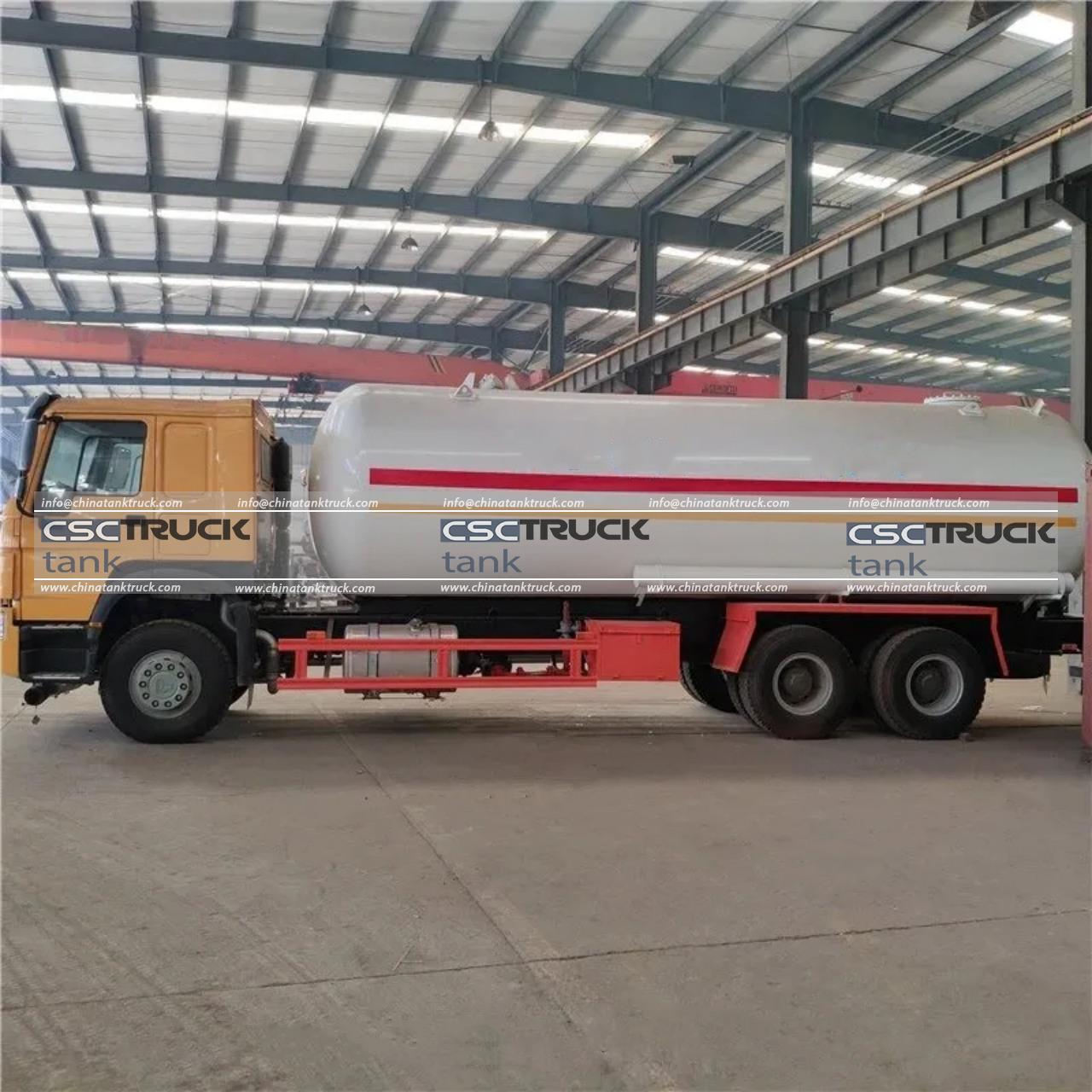

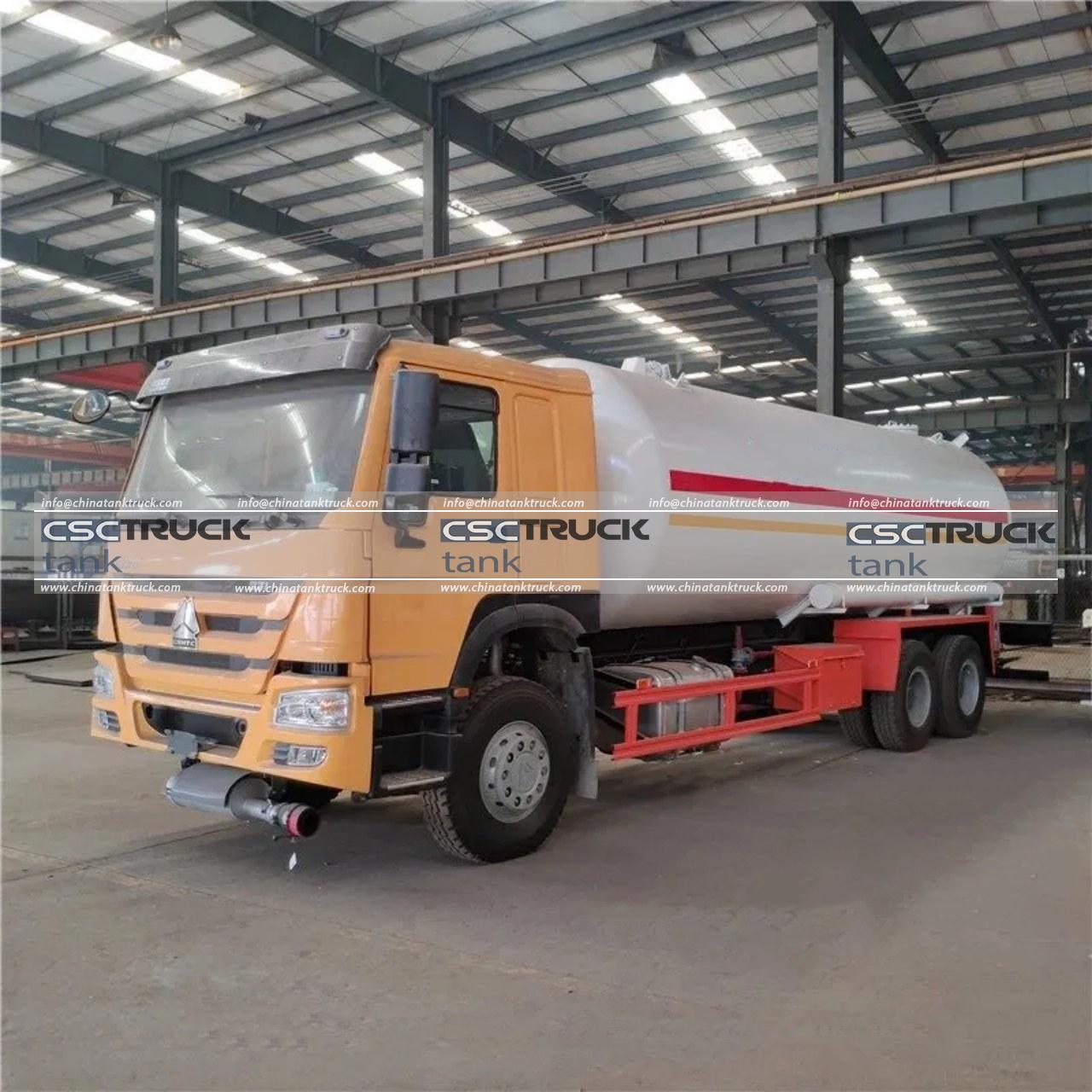
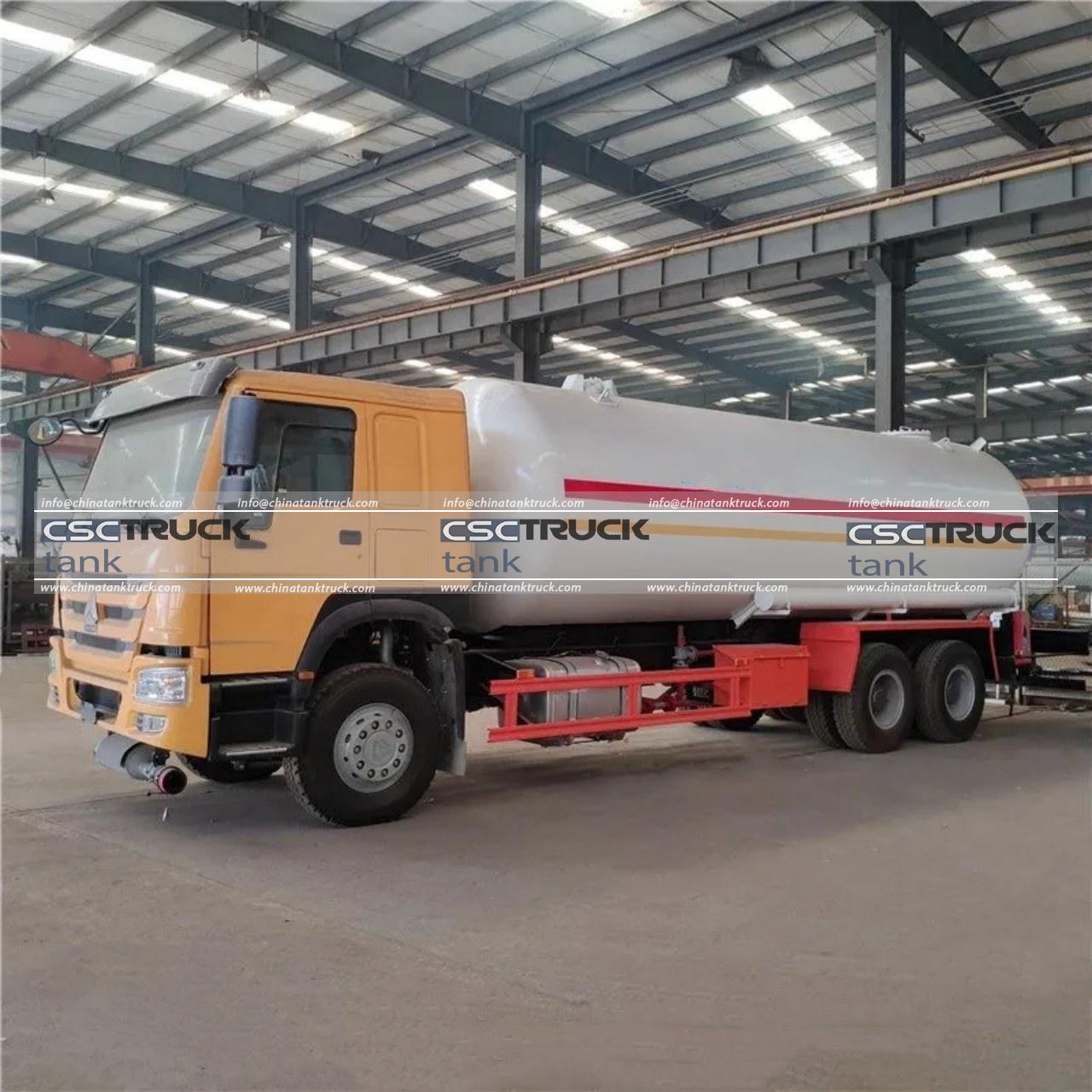
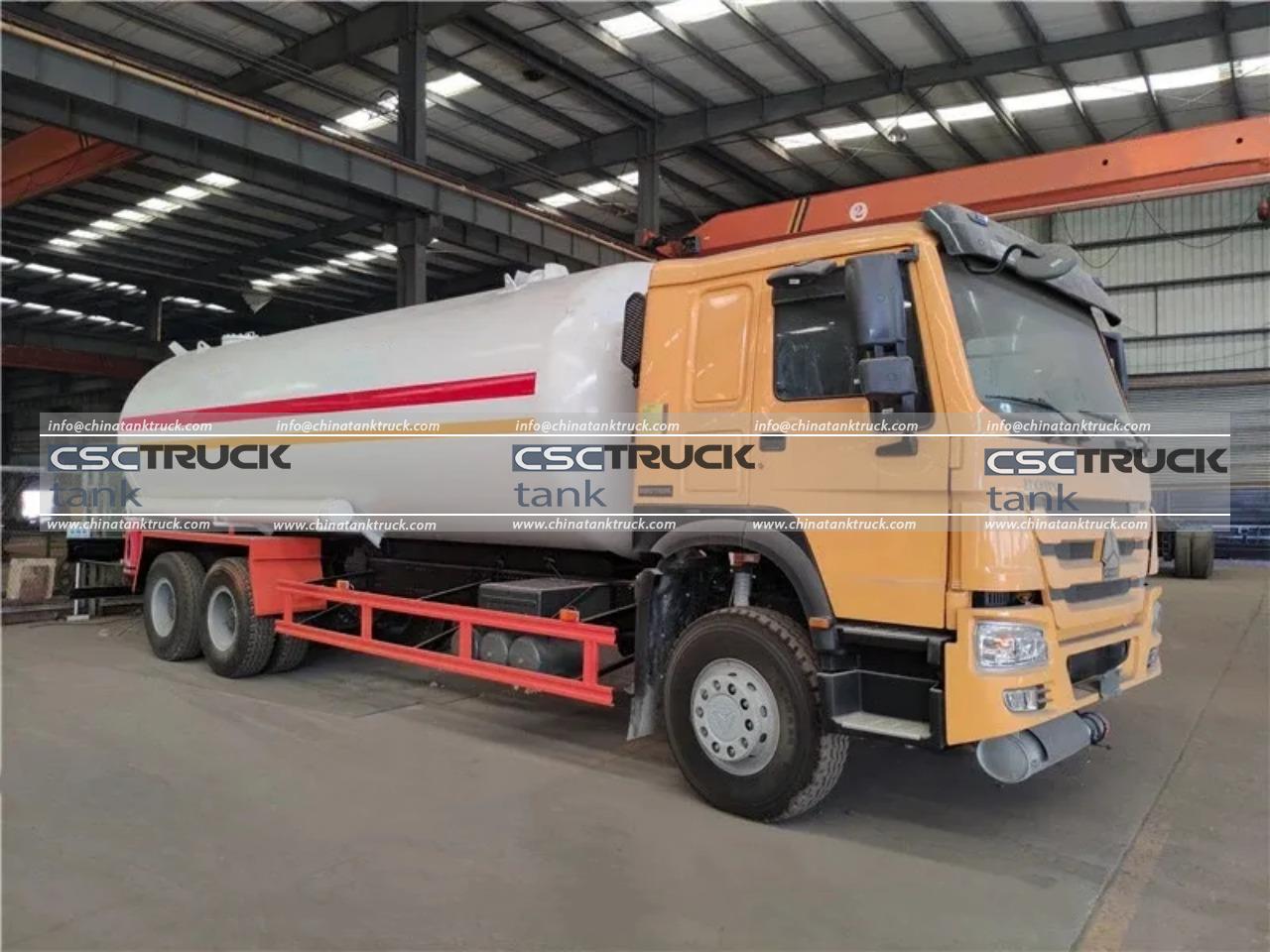
Propane, also known as liquefied petroleum gas (LPG), plays a vital role in powering homes, industries, and commercial operations worldwide. Transporting propane safely and efficiently is critical due to its flammable nature and pressurized storage conditions. Propane tank trucks are the backbone of LPG distribution networks, ensuring a continuous supply from refineries and terminals to end users. However, as the demand for propane grows globally, so do the expectations for safer, more efficient, and environmentally responsible delivery systems. Based on user experiences and expert feedback, this article explores practical ideas and recommendations to enhance propane tank truck safety and improve the overall LPG distribution process.
1. Reinforcing Tank Structure for Maximum Safety
A key concern among propane transport operators is the strength and resilience of the tank under extreme conditions. Users suggest the use of high-tensile carbon steel or aluminum alloy materials with advanced anti-corrosion coatings to extend the tank’s service life. Double-layer tank walls with integrated insulation can also help reduce risks of over-pressurization due to heat exposure.
Moreover, users emphasize the value of impact-resistant design. Reinforced tank ends, side guards, and rollover protection devices can minimize damage during accidents, reducing the chance of gas leakage. In regions with harsh climates, additional protection against UV rays and temperature fluctuations ensures consistent pressure containment and longer-term reliability.
2. Advanced Pressure and Temperature Monitoring Systems
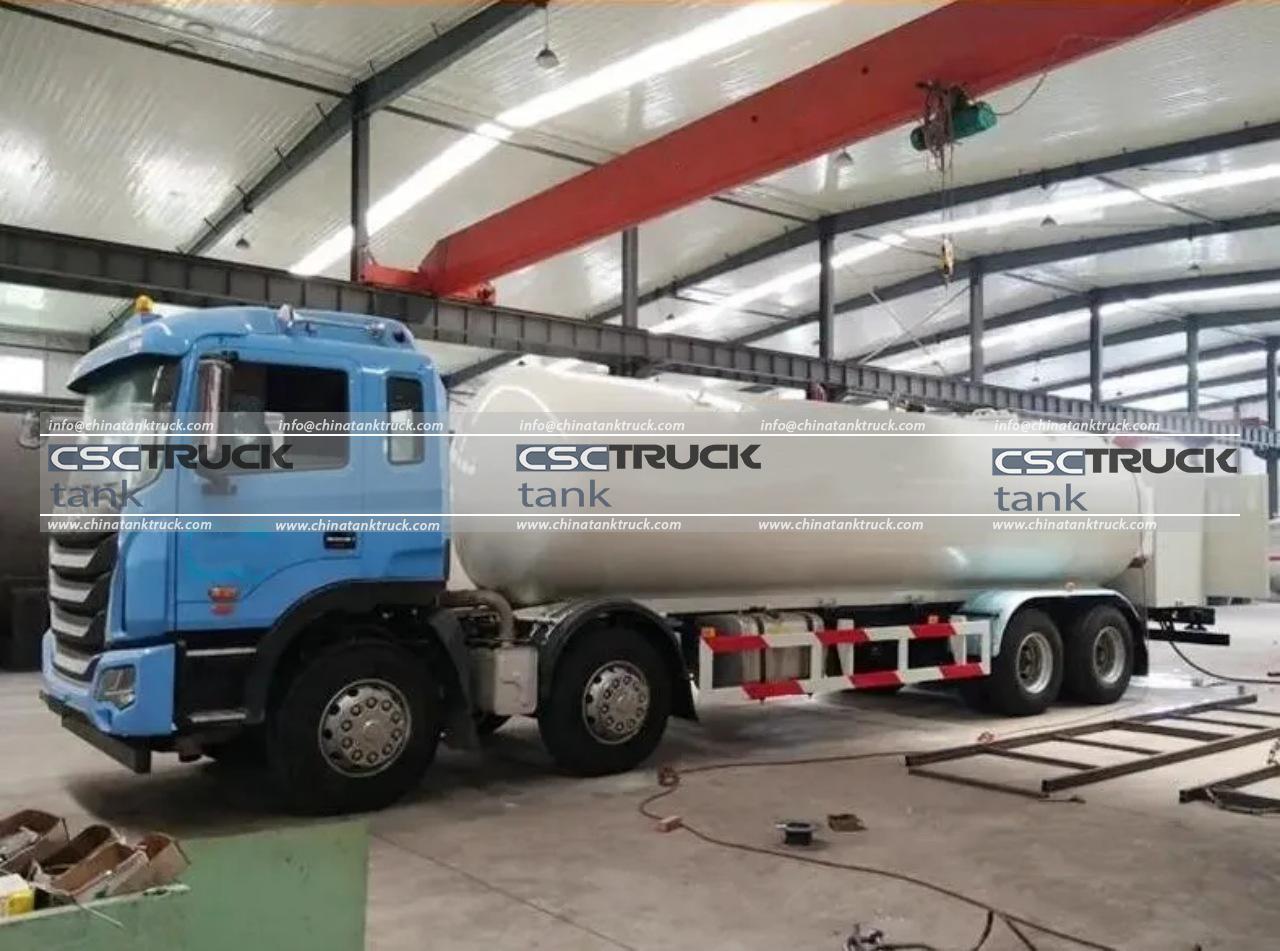
One of the most common user suggestions for improving LPG truck safety is the integration of real-time monitoring systems. Traditional analog gauges are being replaced by digital pressure and temperature sensors linked to onboard telematics systems. These sensors can continuously measure tank conditions and trigger alerts if readings move beyond safe thresholds.
Users recommend equipping trucks with automatic shut-off valves that activate if dangerous pressure levels or leaks are detected. Pairing this with cloud-based monitoring enables fleet operators to oversee multiple trucks simultaneously and respond rapidly to any irregularities.
Additionally, thermal protection systems, such as temperature-controlled insulation or reflective coatings, can help stabilize internal conditions and reduce the risk of vapor expansion in hot environments.
3. Improved Loading and Unloading Procedures
User feedback highlights that many safety incidents occur during loading and unloading operations rather than during transit. To mitigate these risks, users recommend adopting closed transfer systems that minimize gas release into the atmosphere. Using quick-connect fittings with built-in leak prevention seals ensures tighter coupling between hoses and tank valves.
Automating some transfer operations is another user-driven idea. Smart flow control systems can monitor filling levels and automatically stop the flow once the tank reaches its safe limit, eliminating the risk of overfilling. Operators also suggest including emergency venting systems that can safely release excess pressure if a sudden temperature rise occurs during transfer.
4. Enhanced Leak Detection Technologies
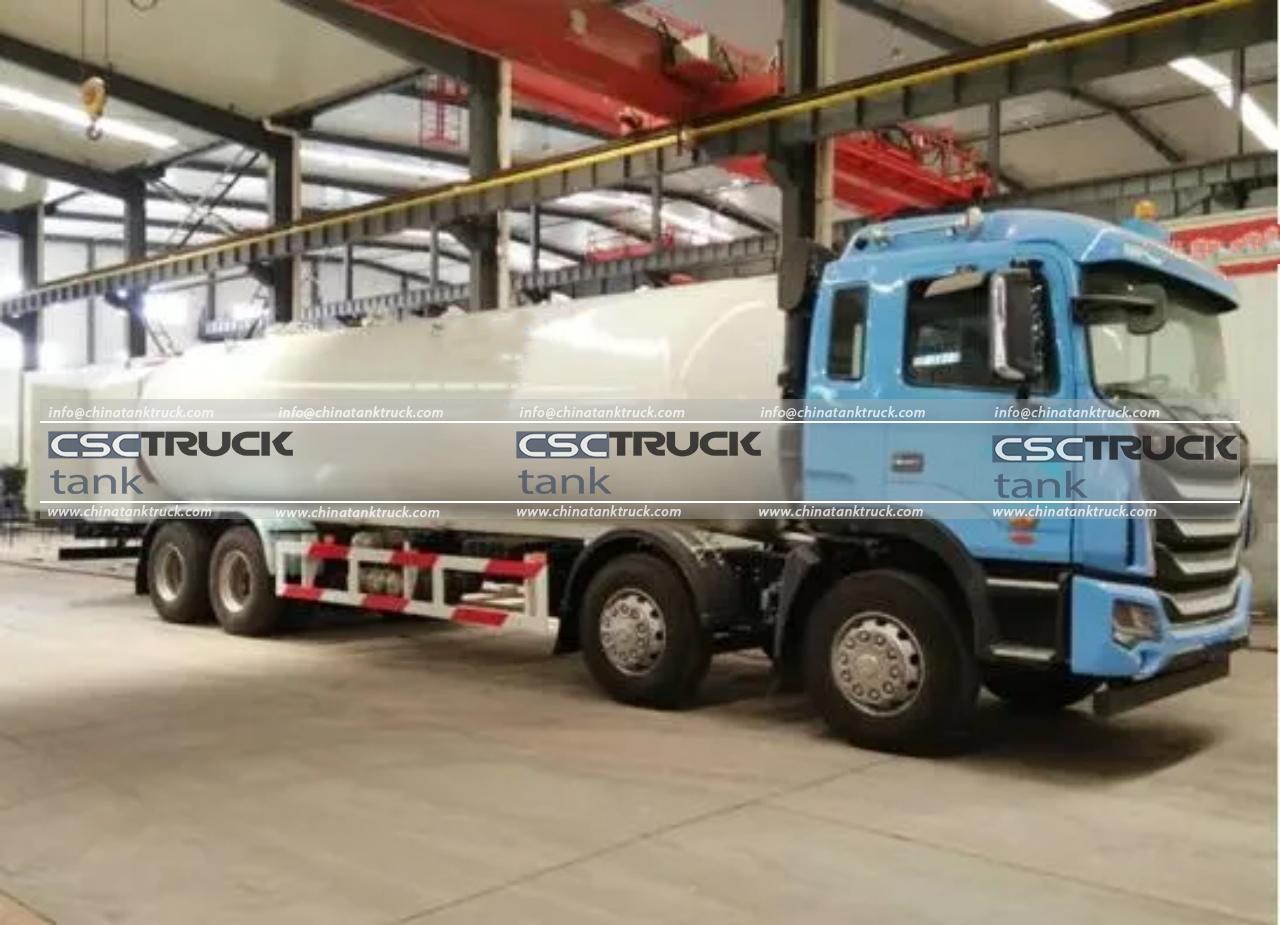
Leak detection remains a top priority for propane distribution. Users suggest combining infrared gas detectors, ultrasonic leak sensors, and electronic sniffers for early detection of even the smallest leaks. When integrated with the truck’s telematics system, these devices can instantly notify drivers and dispatch centers, allowing for immediate corrective action.
Another innovative idea from users involves installing AI-assisted camera systems capable of detecting vapor clouds or irregular gas dispersion patterns around the truck. These technologies enhance situational awareness, especially during refueling or unloading in confined spaces.
5. Fire Suppression and Emergency Response Systems
Given propane’s flammable nature, users propose fitting tank trucks with built-in fire suppression systems, such as automatic dry powder or foam dispensers that activate when flames or extreme heat are detected. Fire-retardant coatings on tanks and hoses can add another layer of protection.
Additionally, clearly marked emergency shut-off switches should be installed at multiple points around the vehicle, allowing drivers or bystanders to stop fuel flow instantly during emergencies. Some operators also advocate for onboard safety training simulations integrated into the truck’s monitoring software, which can guide drivers through response procedures in case of fire or leak emergencies.
6. Smart Fleet Management and Telematics Integration
User feedback shows growing support for integrating GPS tracking and telematics systems into propane tank trucks. These technologies not only optimize delivery routes but also enhance safety by monitoring driver behavior, vehicle speed, and brake performance.
With smart telematics, fleet managers can receive real-time alerts about excessive acceleration, sharp turns, or high-pressure readings. This data helps identify risky driving habits and enforce safety protocols. Moreover, predictive maintenance systems analyze sensor data to detect early signs of wear or corrosion, allowing timely servicing before potential failures occur.
Users also highlight the benefits of geo-fencing technology, which ensures that trucks follow approved routes and avoid high-risk zones such as tunnels, bridges, or densely populated areas when carrying hazardous loads.
7. Training and Human Factor Improvements
While advanced technology can significantly enhance safety, users repeatedly emphasize that driver training and operational discipline remain irreplaceable. Regular refresher courses focusing on LPG handling, emergency response, and environmental safety are essential.
Users also recommend that companies implement virtual reality (VR) or simulator-based training, allowing drivers to experience realistic emergencies in a controlled environment. This hands-on approach strengthens awareness and decision-making skills during critical moments.
Furthermore, standardizing operating procedures across companies can reduce human errors. Consistent inspection checklists, maintenance routines, and communication protocols ensure that all operators adhere to the same safety standards.
8. Environmental and Sustainability Considerations
As global energy sectors push for cleaner operations, users have suggested several environmentally responsible practices for propane transport. One major idea is transitioning to hybrid or LNG-powered tractor units, which reduce emissions without compromising hauling capacity.
Leak prevention and recovery systems also play a role in sustainability. By ensuring 0 gas loss during transfer and delivery, propane tank trucks can contribute to both environmental protection and operational efficiency. Additionally, users recommend recycling of safety valves, gaskets, and metal components after decommissioning, aligning LPG transport with circular economy principles.
9. Design Standardization and International Compliance
With the globalization of the LPG trade, users stress the importance of harmonized safety standards across countries. Propane tank trucks should comply with ADR, DOT, and ASME codes for pressure vessels, ensuring compatibility and safety across international routes.
Users also suggest including multilingual safety signage, universal color coding for valves, and standardized connection systems to facilitate smoother operations between suppliers, transporters, and clients worldwide.
10. Future Innovations and Digital Transformation
Looking ahead, users envision propane tank trucks as smart, connected platforms that combine automation, predictive analytics, and sustainability. Technologies like blockchain tracking can ensure transparency in LPG supply chains, while AI-driven diagnostics can predict maintenance needs with remarkable accuracy.
Some users also advocate for autonomous delivery vehicles equipped with redundant safety systems, allowing safer, round-the-clock LPG transport in controlled environments. While this remains a future concept, it represents the natural evolution of a safer and more intelligent propane logistics industry.
Conclusion
Propane tank trucks are indispensable assets in the global LPG supply chain, but they carry inherent risks that demand continuous improvement in design, technology, and operational practices. From stronger tank structures and advanced monitoring systems to smarter logistics management and better-trained operators, user-driven innovations are paving the way toward a safer, more efficient, and environmentally responsible propane distribution network.
As manufacturers and fleet operators adopt these user suggestions, the industry will not only enhance safety standards but also build public trust in the secure and sustainable transport of one of the world’s most versatile fuels — propane.