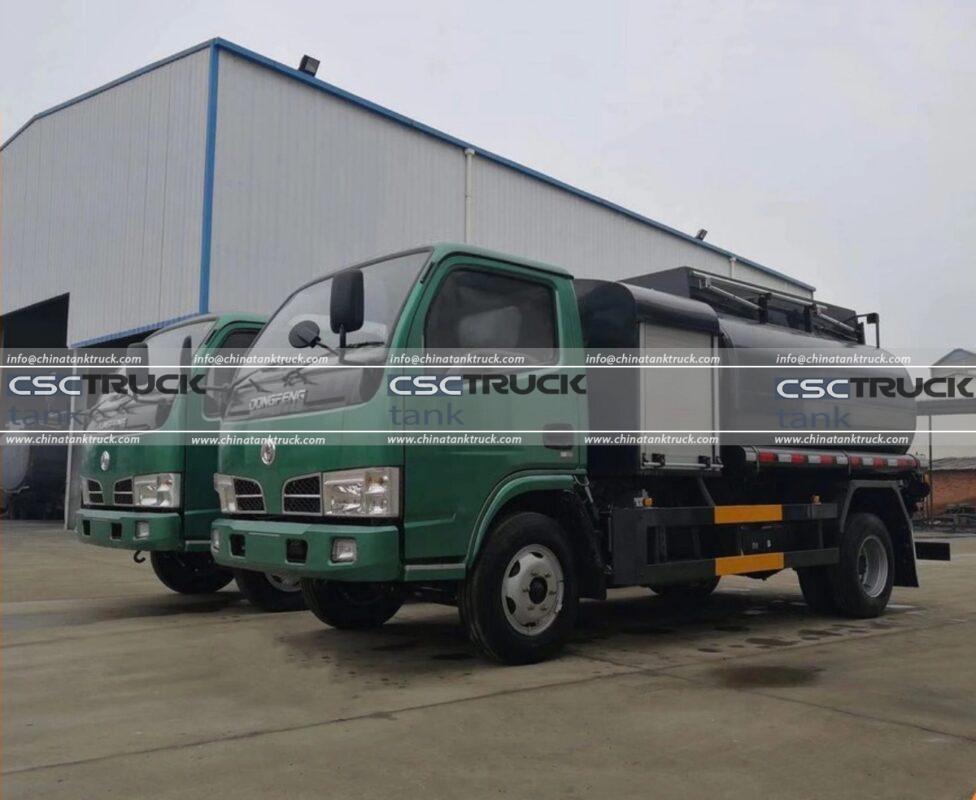
Improving petroleum logistics is less about single, flashy breakthroughs and more about stacking many small, practical improvements that come straight from the people who work with crude oil tank trucks every day — drivers, dispatchers, maintenance crews, safety officers, and terminal operators. This article collects real-world user feedback and translates it into actionable ideas operators and fleet managers can implement to boost throughput, reduce downtime, and raise safety and compliance standards across the supply chain.
1. Smarter routing and scheduling
Users consistently point to inefficient routing and poorly timed deliveries as a major drag on productivity. 2 practical fixes:
- Adopt dynamic routing systems that use real-time traffic, weather, and terminal queuing data. Even modest reductions in idle time at terminals compound quickly across a fleet.
- Shift from rigid, time-window programs to flexible appointment systems at loading/unloading terminals. Allowing drivers to reserve narrow windows reduces wait times and prevents long queues that erode fuel efficiency and driver morale.
Practical tip from drivers: Let dispatchers push short-notice reroutes to mobile devices with clear turn-by-turn guidance and an easy “accept/reject” UI so drivers stay informed without being overloaded.

2. Faster, safer loading and unloading
Bottlenecks at loading racks and delivery points are frequent user complaints. Suggested improvements include:
- Standardize quick-connect couplings and hoses across terminals whenever possible. Fewer incompatible connections means less time swapping adapters and a reduced risk of spills.
- Invest in well-lit, ergonomic access points on trucks (folding steps, railings) to speed inspections and hose handling without compromising safety.
- Install vapor-recovery and anti-siphon systems where applicable to reduce product loss and environmental risk during transfers.
Operators also recommend regular joint training for terminal and truck crews so both sides operate with the same expectations and signal protocols, minimizing confusion during busy windows.
3. Preventive and predictive maintenance
Downtime for breakdowns and unplanned inspections is one of the biggest hidden costs in crude logistics. Users offer 2 complementary approaches:
- Strengthen preventive maintenance schedules focused on tank integrity, valves, hoses, and braking systems. A checklist-driven system with mandatory sign-offs keeps small problems from becoming shutdowns.
- Adopt predictive maintenance using telematics and sensor data (vibration, temperature, pressure trends) to flag components that are drifting toward failure. Users reported that moving from calendar-based to condition-based maintenance reduced roadside failures considerably.
A simple change with big impact: keep a digital parts inventory tied to each truck so technicians can source commonly replaced valves, seals, and gaskets rapidly.

4. Improve telemetry and real-time visibility
Fleet managers and customers want transparency. Feedback shows that increasing visibility helps every stakeholder:
- Equip tank trucks with GPS, payload sensors, and telemetry that report tank temperature, pressure, and fill-level in real time.
- Present data on a single dashboard accessible to dispatch, operations, and customers. Alerts for deviations (pressure spike, unauthorized stop, route deviation) enable fast intervention.
Drivers value telemetry when it’s used constructively — for safety and scheduling — not punitively. Clear policies and fair use build trust.
5. Reduce administrative friction
Paperwork is a recurring annoyance for drivers and clerical staff. Users recommend:
- Move paperwork to mobile platforms with e-signature capability (bills of lading, delivery notes, safety checklists). Make them offline-capable for low-connectivity areas.
- Automate reconciling deliveries with invoices using barcode/RFID scanning at the rack and at delivery.
Streamlining admin saves hours per delivery cycle and cuts invoicing errors that slow payments.

6. Focus on safety culture, not just equipment
Safety suggestions from the field emphasize culture as much as hardware:
- Regular, scenario-based emergency drills that include terminal staff, drivers, and first responders.
- Anonymous reporting channels for near-misses so systemic issues can be corrected before an incident.
- Incentive programs that reward safe driving, careful hose handling, and adherence to checklists — balanced to avoid under-reporting.
Users say investing in a positive safety culture reduces costly incidents and improves on-time performance because people are less likely to hide small problems.
7. Tank design and materials improvements
Operators shared specific feedback about tank and component design:
- Use corrosion-resistant linings and high-quality seals that tolerate the range of crude grades carried. Reducing internal corrosion lowers inspection frequency and prevents contamination events.
- Modular manway and valve assemblies that can be swapped quickly in the field minimize long repair times.
- Consider multi-compartment tanks with robust baffling for certain routes to allow mixed-load flexibility without compromising safety.
Small design upgrades tuned to actual cargo and route patterns deliver measurable uptime improvements.

8. Training and human factors
Several common training gaps emerged from user feedback:
- Skills-based training for new technologies (telemetry apps, lane-based routing systems) should be hands-on and short — users prefer bite-sized modules that drivers can complete on a tablet between trips.
- Cross-training between drivers, mechanics, and loading staff helps everyone understand constraints and reduces blame when something goes wrong.
- Focus on human factors: Ergonomics of hose handling, safe ladder use, and fatigue management. Well-trained, rested staff are more efficient and safer.
9. Environmental and regulatory alignment
Compliance and sustainability are not optional. Users recommend:
- Proactively monitoring and auditing vapor recovery systems, spill kits, and secondary containment to stay ahead of regulatory changes and community concerns.
- Tracking emissions and fuel consumption per trip to identify routes or behaviors that can be optimized for both cost and carbon footprint.
Transparency with regulators and communities avoids costly shutdowns and builds social license to operate.

10. Measure what matters: KPIs that drive improvement
Finally, users emphasize clear, simple KPIs to guide improvement:
- On-time delivery rate (With context: Weather/traffic exceptions).
- Turn time at loading/unloading (Goal and trending).
- Mean time between failures and mean time to repair.
- Percentage of deliveries with proper telemetry data (Completeness).
- Safety incidents per million kilometers.
Regularly review these KPIs in cross-functional huddles so maintenance, operations, and commercial teams can prioritize the highest-impact fixes.
Conclusion
User feedback paints a clear picture: Improving crude oil tank truck logistics is about combining technology with practical process fixes and a strong human-centered safety culture. Start with the low-hanging fruit — scheduling, paperwork digitization, and preventive maintenance — and layer in telemetry, predictive analytics, and modest tank design upgrades. Above all, involve drivers and terminal staff early. The people closest to the work will keep your operations reliable, efficient, and safe — and their suggestions will often show the fastest path to measurable gains.
