
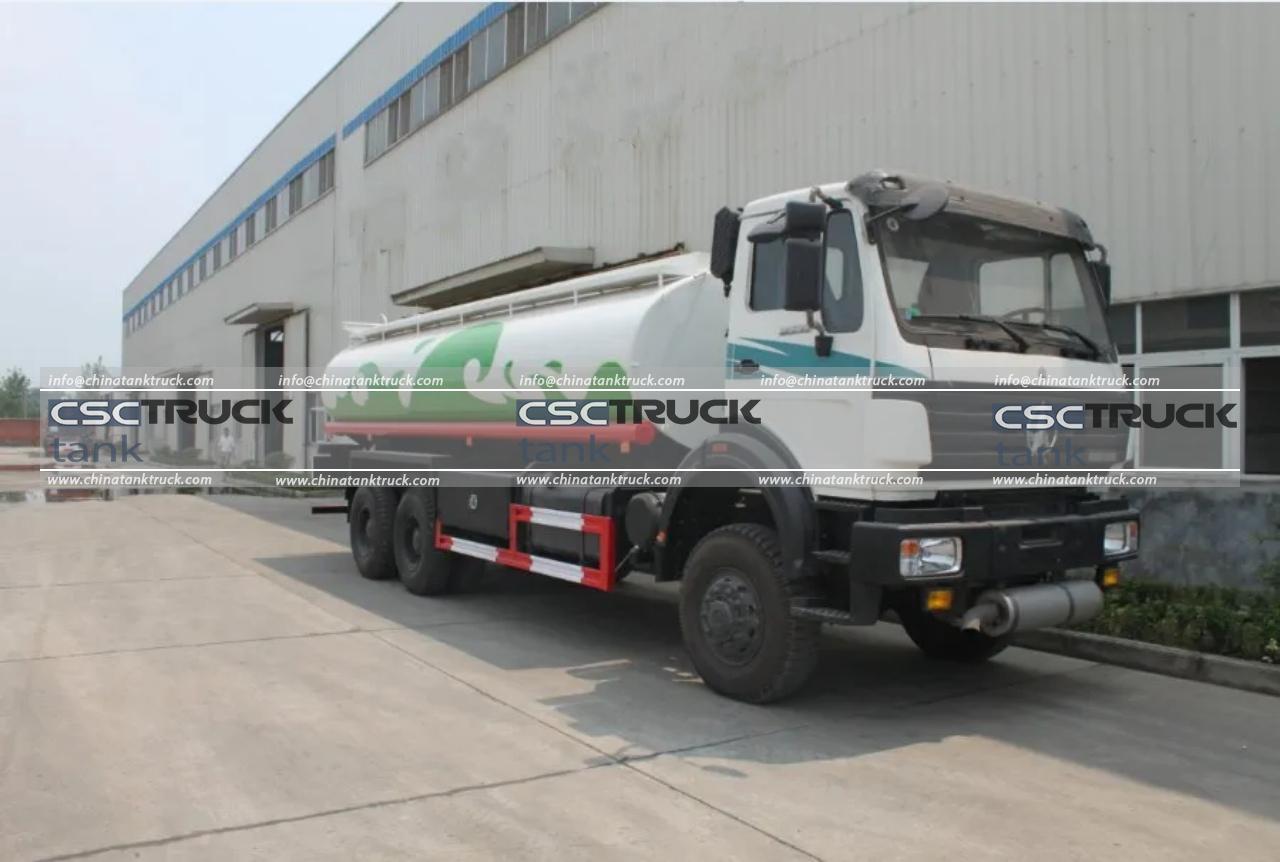
Flammable liquid tanker trucks play a crucial role in transporting hazardous chemicals for industries such as petroleum, chemical manufacturing, and energy. Their operational safety is directly linked to public safety and environmental protection. Even a minor oversight may result in leaks or explosions caused by vehicle malfunctions, leading to catastrophic consequences. Therefore, scientific, standardized, and regular maintenance is the fundamental safeguard for ensuring the safe operation of these vehicles.
The following sections outline key maintenance and inspection procedures, focusing on the major components of flammable liquid tanker trucks.
I. Daily Inspections — The First Line of Defense
(1) Exterior and Sealing Inspection
Before every trip, the driver must thoroughly inspect the vehicle’s exterior. Check the tank, pipelines, and valves for signs of deformation, cracks, or corrosion. Dents or rust on the tank surface can weaken its pressure resistance and increase leakage risk. Special attention should be paid to the connections between the tank and chassis—ensure all bolts are securely fastened to prevent displacement during operation.
Sealing integrity is equally critical. Apply soapy water around valve seals, pipeline joints, and manhole covers; the formation of bubbles indicates leakage. Replace gaskets or repair sealing components immediately. Ensure loading and unloading port caps are tightly secured to prevent vaporization losses or contamination during transport.

(2) Brake and Lighting System Inspection
The braking system is vital to vehicle safety. Inspect brake pads—replace them if worn beyond one-third of their original thickness. Check that the brake fluid level remains within the normal range; low levels may indicate leakage in the brake lines and must be corrected promptly. Perform regular air bleeding to prevent air intrusion that could reduce braking efficiency.
The lighting system ensures visibility in low-light or adverse conditions. Test all lights—headlights, brake lights, turn signals, and clearance lights—to confirm they operate properly. Replace damaged bulbs with identical models, and clean the lamp covers to maintain illumination clarity and ensure driving safety.
(3) Tire and Pressure Monitoring
Tires are the only components in direct contact with the road, making their condition essential. Examine for cracks, bulges, or cuts; if a cut exceeds 2 mm or a bulge is found, replace the tire immediately. Check tread depth—below 1.6 mm, traction is significantly reduced, necessitating replacement.
Regularly measure and adjust tire pressure according to the manufacturer’s specifications. Both underinflation and overinflation can impair handling and shorten tire life. In hot weather, excessive pressure may cause blowouts. Installing a tire pressure monitoring system (TPMS) is recommended for real-time monitoring.
II. Core Component Maintenance — Extending Service Life
(1) Tank Maintenance
The tank is the vehicle’s main load-bearing component and requires regular cleaning and corrosion protection. After transporting different flammable liquids, the tank must be thoroughly cleaned to avoid chemical reactions between residues. Use specialized cleaning agents and high-pressure water jets to ensure all residues are removed.
Conduct annual anti-corrosion inspections, focusing on areas where coatings may have peeled or rusted. For localized rust, polish and repaint with anti-corrosion coatings; for extensive corrosion, the tank should be repaired by a certified manufacturer. Perform regular pressure tests to confirm the tank meets required strength and safety standards.
(2) Loading and Unloading System Maintenance
The loading and unloading system—comprising valves, pipelines, and pumps—directly affects operational safety and efficiency. Inspect valve operation regularly, clean and lubricate sealing surfaces, and remove impurities to prevent leaks. Examine pipelines for deformation or wear, replacing damaged sections promptly.
The pump serves as the system’s power source. Check lubricant levels and quality according to manufacturer guidelines, and replace as required. If abnormal vibration or noise occurs, stop operation immediately for inspection. Verify the integrity of pump seals to prevent liquid leakage.
(3) Power System Maintenance
The engine, as the truck’s power unit, must be serviced per its maintenance schedule. Replace engine oil, oil filters, and air filters on time to ensure smooth lubrication and cleanliness. Inspect engine belts for cracks or looseness—adjust or replace them as necessary.
Maintain the cooling system by checking coolant levels and replacing coolant periodically to prevent corrosion or scaling. Clean the radiator to remove dust and debris, ensuring effective heat dissipation. Regular engine tuning helps maintain optimal power output and fuel efficiency.
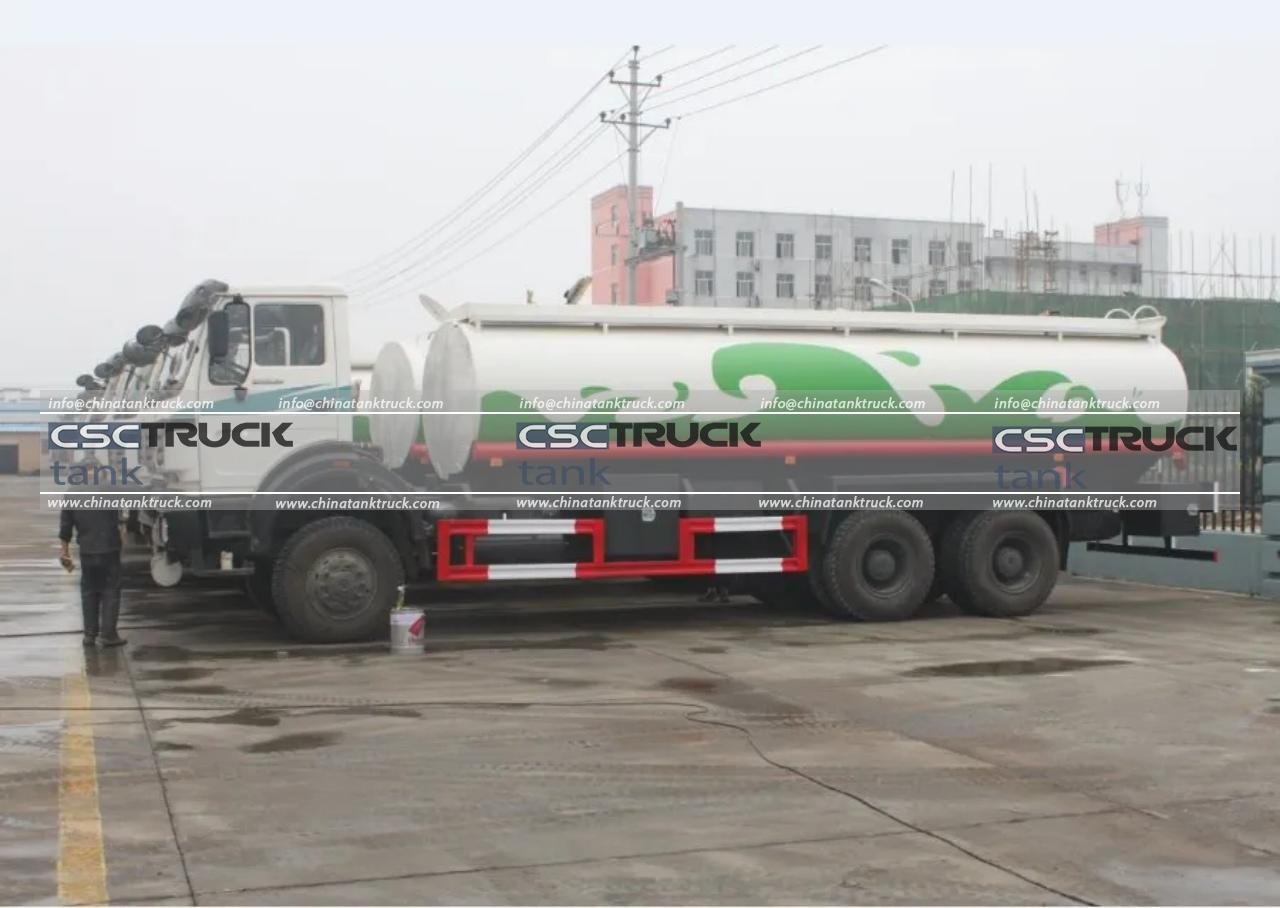
III. Safety Device Maintenance — Ensuring Transport Security
(1) Anti-Static Device Maintenance
Flammable liquids generate static electricity during transport, posing ignition risks if not properly discharged. Regularly check the vehicle’s grounding chain to confirm it is intact, well-grounded, and free from wear or breakage. Test the static discharge alarm monthly to ensure timely warning signals under high static conditions.
Inspect the anti-static coating on the vehicle body; reapply it promptly if peeling is observed to maintain conductivity. Before loading or unloading, always connect the grounding device to safely discharge static buildup.
(2) Firefighting Equipment Inspection
Onboard firefighting equipment is essential for emergency response. Regularly inspect fire extinguishers—if the gauge pointer falls below the green zone, recharge or replace immediately. Ensure the extinguisher body and nozzle are intact and unobstructed for reliable performance.
Check fire hoses and nozzles for wear or aging, and verify the flexibility of their switches. Conduct periodic firefighting drills to ensure drivers and attendants are familiar with emergency procedures and can respond promptly in case of fire.
(3) Emergency Shutoff Device Maintenance
The emergency shutoff system prevents hazardous liquid leaks and must undergo routine maintenance. Inspect the hydraulic system of the emergency shutoff valve for adequate fluid levels and absence of leaks. Test manual and automatic closures monthly—if closing time exceeds standards or fails, repair or replace the valve immediately.
Check the control wiring for secure connections and insulation integrity. During loading and unloading, operation of the emergency shutoff device is strictly prohibited except in emergencies—always follow established procedures to prevent accidental discharge.

Conclusion
Strict adherence to inspection and maintenance standards ensures that flammable liquid tanker trucks operate safely and reliably. Through consistent checks, timely repairs, and proper use of safety systems, the risks of leakage, fire, and explosion can be effectively minimized—safeguarding personnel, property, and the environment throughout every stage of transport.
