
Pneumatic bulk trucks, also known as dry bulk tankers or powder tanker trucks, are essential for transporting and unloading materials such as cement, fly ash, lime powder, flour, starch, plastic pellets, and other dry bulk products. By using compressed air to fluidize and discharge materials through pipelines, these vehicles can provide fast, clean, and controlled material transfer without the need for tipping or external mechanical conveyors.
However, achieving the best results from a pneumatic bulk truck requires more than simply selecting a large-capacity tank. Safety, unloading performance, fuel consumption, maintenance, operator skills, and vehicle configuration all influence overall productivity.
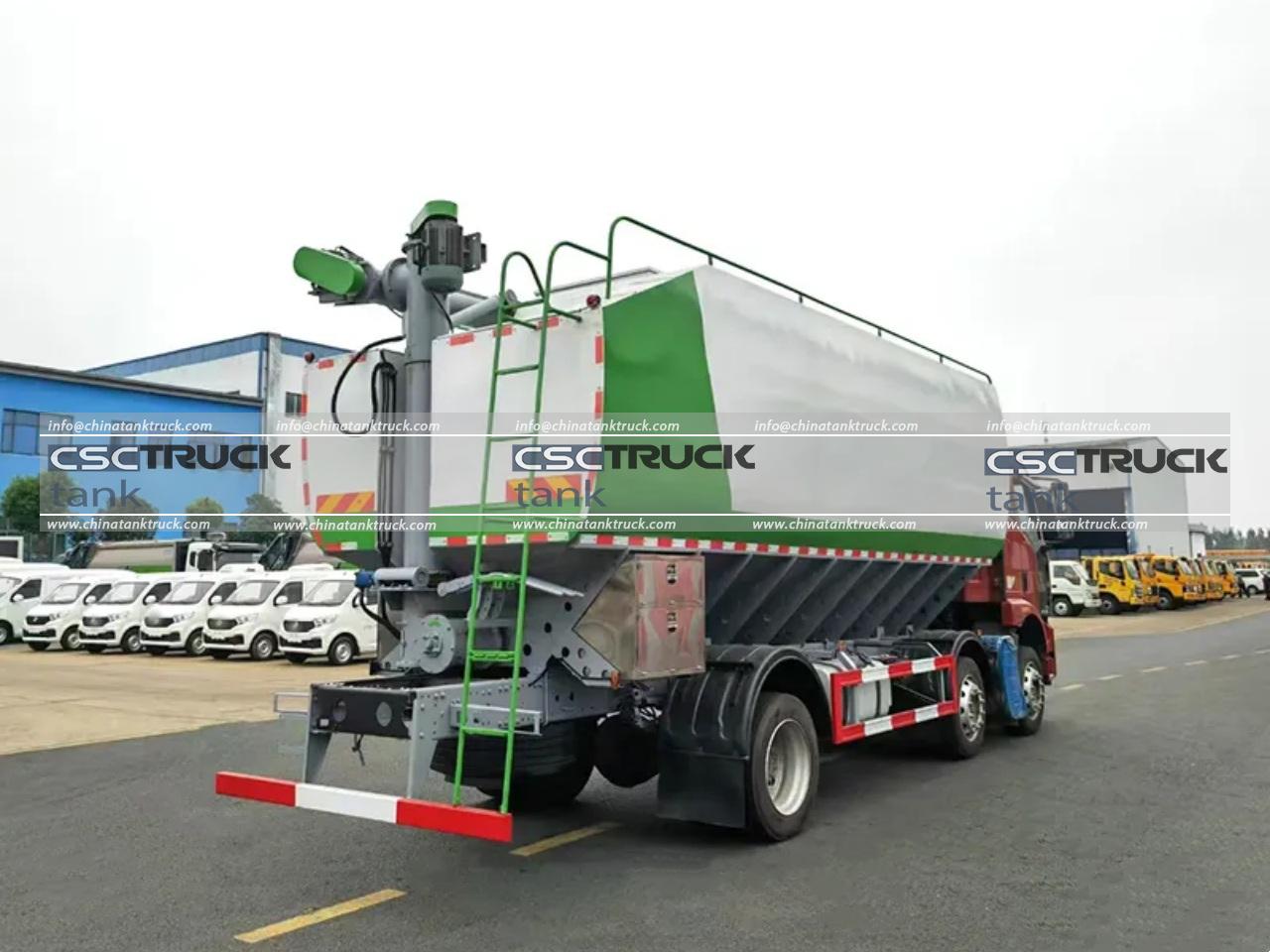
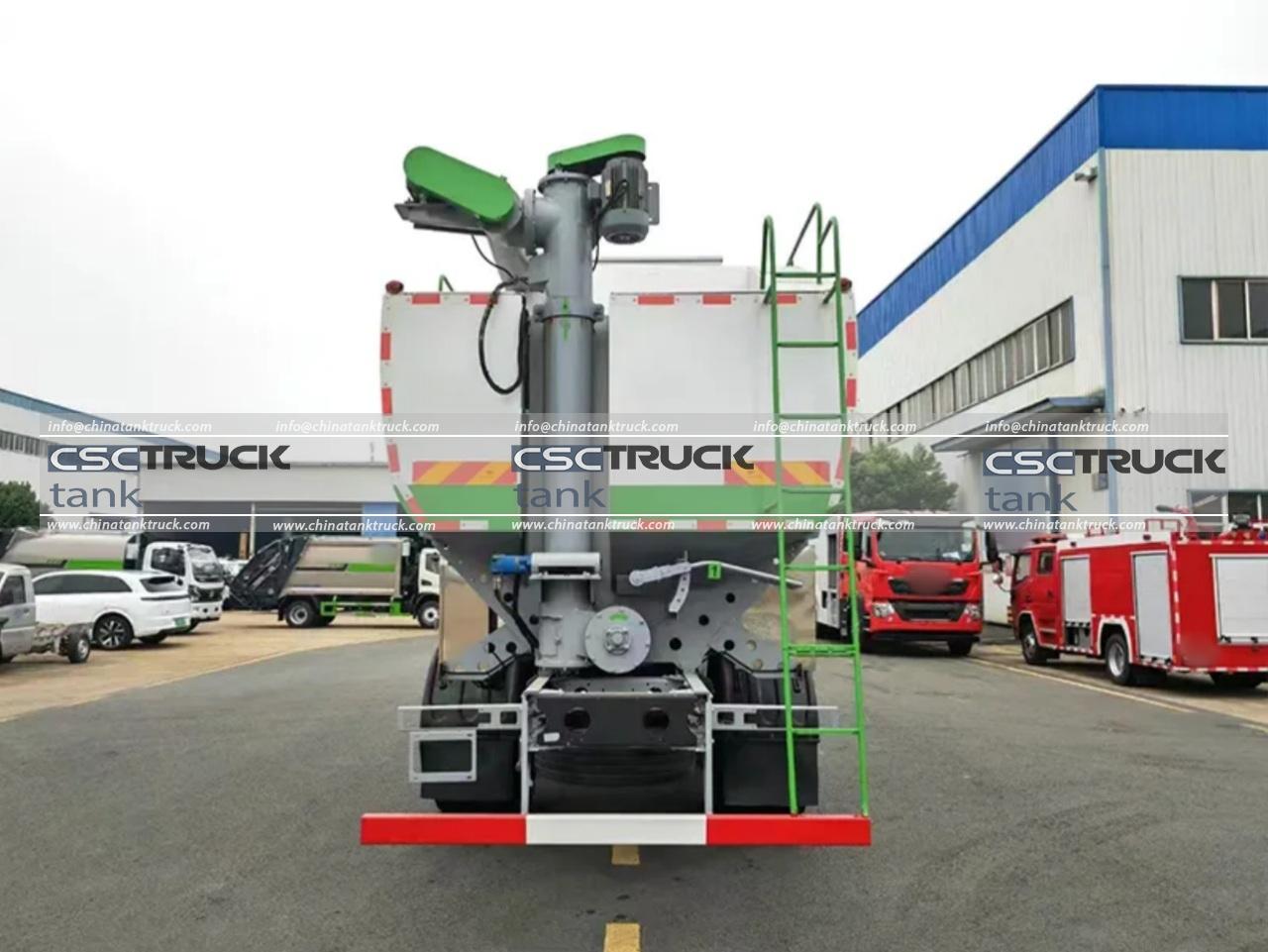
CSCTRUCK China Tank Truck is a professional manufacturer of specialized tank trucks, including pneumatic tank trucks and dry bulk transport vehicles. The company provides different chassis configurations, tank capacities, pneumatic systems, and customized solutions for customers transporting cement, fly ash, lime, feed, and other dry bulk materials. Its pneumatic tanker designs combine durable tank structures, air compressors, fluidization systems, valves, pipelines, and safety equipment to support reliable bulk-material transportation.
Here are 10 practical ways to improve pneumatic bulk truck safety, efficiency, and productivity.
1. Choose the Right Truck Configuration
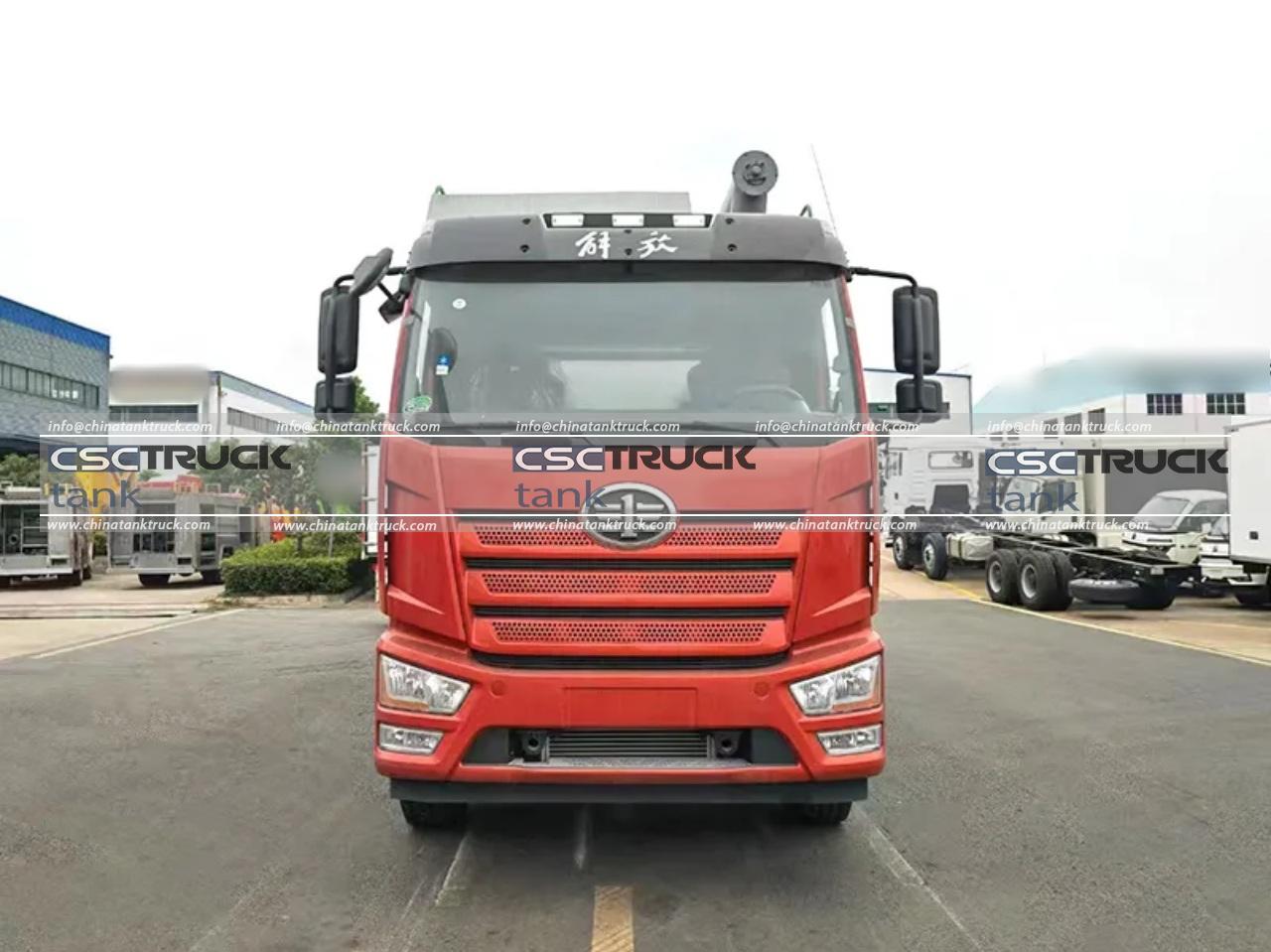
The first step toward better performance is selecting a pneumatic bulk truck that matches the actual transportation requirements.
Consider the type and density of the material, required tank capacity, delivery distance, unloading height, road conditions, payload requirements, and local regulations. A truck designed for cement transportation may require different specifications from one used for food powders or animal feed.
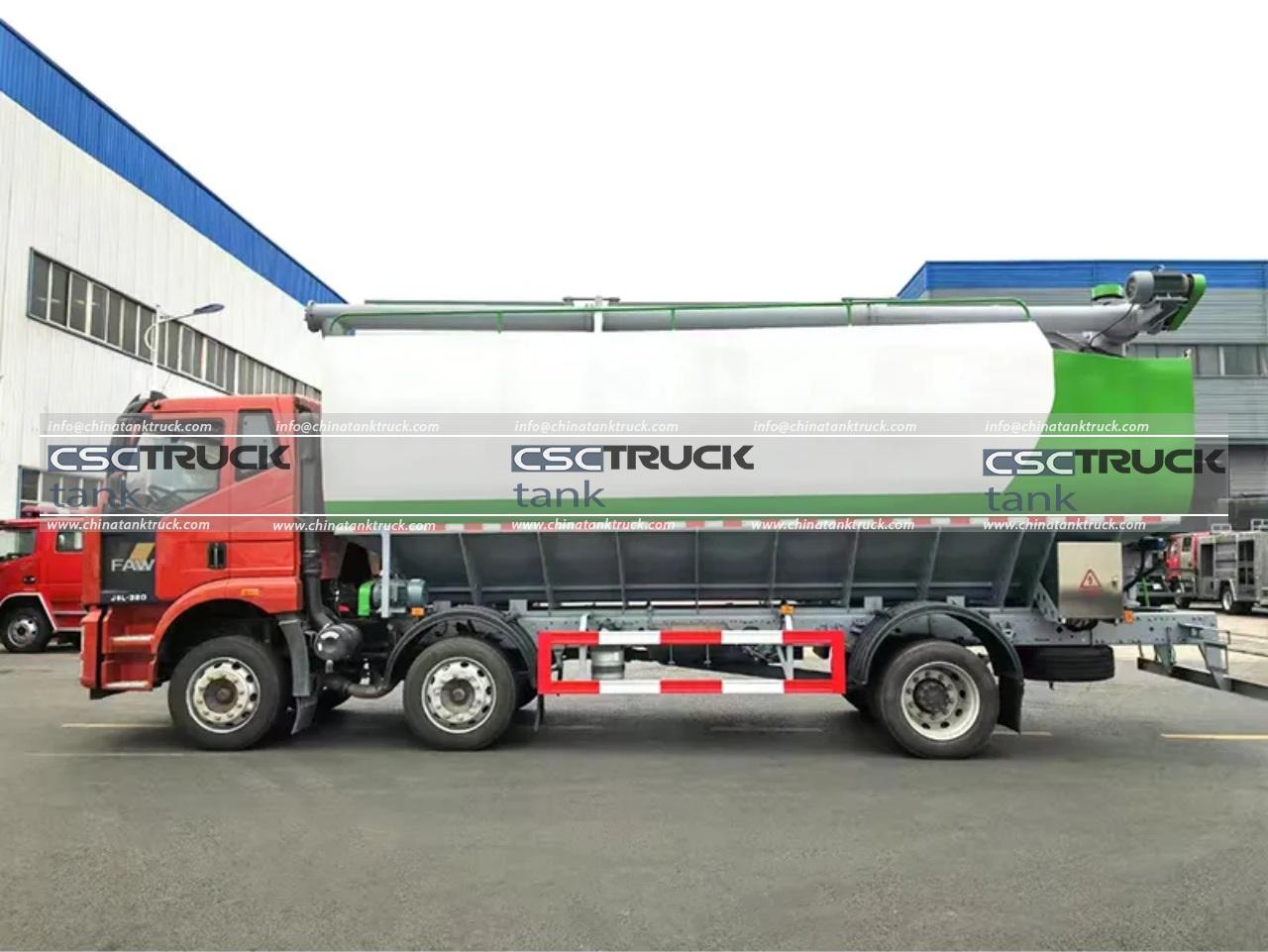
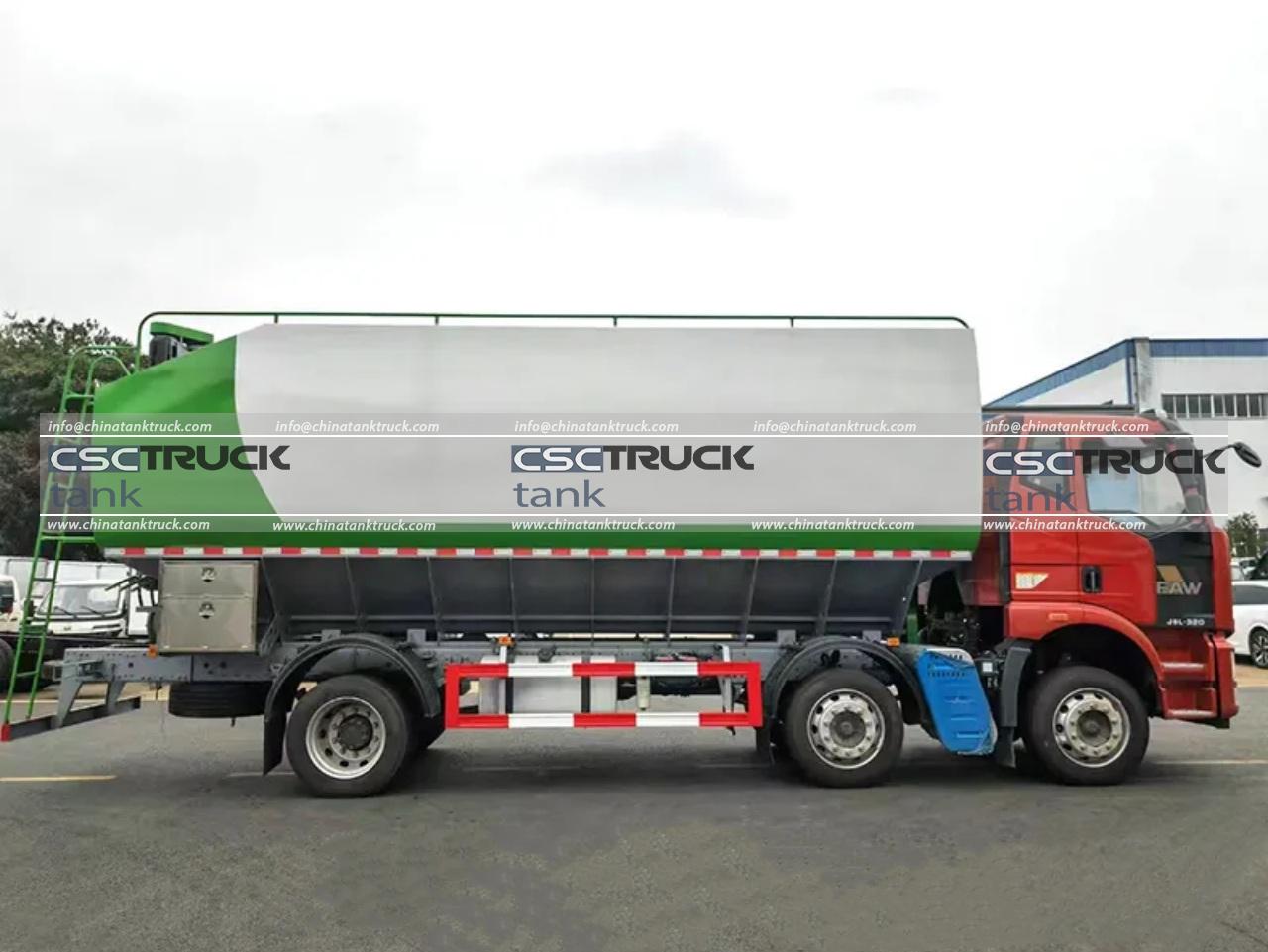
Chassis configuration is also important. Depending on operating conditions, buyers may consider 4×2, 6×4, or 8×4 configurations, while tank capacity should be selected according to payload requirements and legal axle-load limits.
Choosing the correct configuration prevents unnecessary fuel consumption and avoids operating a truck that is either under-capacity or unnecessarily oversized.
2. Maintain Correct Operating Pressure
Pressure is one of the most important parameters in pneumatic bulk transportation.
Too little pressure may result in slow unloading, poor material flow, or pipeline blockage. Excessive pressure can increase stress on the tank, valves, hoses, and other components and create serious safety risks.
Operators should always follow the pressure limits specified by the manufacturer rather than relying on guesswork. Typical pneumatic tank truck operating pressures are often around 0.18–0.25 MPa, depending on the vehicle design and application.
During unloading, monitor the pressure gauge continuously. If pressure rises unexpectedly, stop and investigate the cause rather than simply increasing compressor output.
3. Inspect the Truck Before Every Unloading Operation
A short pre-operation inspection can prevent major accidents and costly downtime.
Before unloading, check the air compressor, pressure gauge, safety relief valve, discharge hoses, couplings, valves, pipelines, fluidizing system, and tank connections. Look for air leaks, damaged hoses, loose fittings, corrosion, or unusual wear.
The receiving silo should also be ready to accept the material before the truck begins pressurization.
CSCTRUCK China Tank Truck recommends checking compressor condition, hose connections, valve positions, pressure gauges, and safety relief devices as part of the unloading process.
4. Optimize Fluidization for Better Material Flow
Fluidization is the key to efficient pneumatic unloading.
Compressed air passes through aeration or fluidizing membranes, loosening the dry material and reducing friction. The powder then behaves more like a fluid, allowing it to move more easily toward the discharge outlet.
If fluidization is inadequate, material can compact inside the tank, causing slow discharge or blockage. Operators should therefore ensure that fluidizing membranes remain clean and undamaged.
Proper fluidization can improve unloading speed while reducing the need for excessive compressor pressure.
5. Keep Discharge Hoses and Pipelines in Good Condition
The discharge pipeline has a direct influence on unloading performance.
Long pipelines, excessive bends, undersized hoses, damaged couplings, and material buildup can increase resistance and reduce airflow efficiency. Air leaks can also cause pressure loss and make the compressor work harder.
Before unloading, make sure hose connections are airtight and the pipeline is free from obstructions. Keep the discharge route as short and direct as practical.
If a blockage occurs, never attempt to solve it by continuously increasing pressure. Close the appropriate discharge valve, follow the manufacturer’s blockage-clearing procedure, and ensure the system is depressurized before performing any manual intervention.
6. Operate the Compressor Efficiently
The air compressor is one of the most important components of a pneumatic bulk truck.
Running the compressor at unnecessarily high speed can increase fuel consumption, heat generation, and component wear without necessarily improving unloading performance. Conversely, insufficient airflow can result in poor material movement.
Operators should use the compressor speed and pressure recommended for the specific material and truck configuration. Regularly inspect compressor oil levels, air filters, lubrication, drive components, and connections.
A properly maintained compressor provides stable airflow, faster unloading, and lower operating costs.
7. Follow a Controlled Loading and Unloading Procedure
Standardized operating procedures improve both safety and productivity.
Before opening a tank manhole, the operator must ensure that internal pressure has been completely released. During unloading, the tank cover should remain securely closed. Operators should also avoid disconnecting pressurized hoses or fittings.
A typical unloading sequence includes positioning and securing the truck, connecting the discharge hose, checking valves and connections, starting the compressor, gradually building pressure, fluidizing the material, controlling discharge flow, and safely depressurizing the system after unloading.
A written procedure also helps ensure that different drivers and operators follow the same safe process.
8. Train Operators to Recognize Abnormal Conditions
Even a well-designed pneumatic bulk truck can become dangerous when operated incorrectly.
Drivers and operators should understand pressure readings, valve functions, compressor operation, hose connections, emergency shutdown procedures, and material characteristics.
Training should also cover abnormal conditions such as sudden pressure increases, unusual hose movement, air leaks, blocked discharge lines, compressor overheating, and malfunctioning safety valves.
Operators should know when to stop the unloading operation instead of attempting to force the system to continue working.
9. Use Preventive Maintenance Instead of Emergency Repairs
Preventive maintenance can significantly improve fleet productivity.
Regularly inspect and service the compressor, pressure gauges, relief valves, butterfly valves, check valves, air filters, discharge hoses, pipelines, fluidizing membranes, seals, and other pneumatic components. Replace worn parts before they fail during a delivery.
Maintenance records can help fleet managers identify recurring problems. For example, repeated pressure loss may indicate hose leakage, valve wear, pipeline blockage, or compressor problems.
Preventive maintenance reduces unexpected downtime, extends equipment life, and helps maintain consistent unloading performance.
10. Measure Performance and Continuously Improve Operations
The final step is to measure actual performance.
Fleet operators can monitor indicators such as unloading time, fuel consumption, average payload, delivery distance, maintenance costs, compressor operating time, material loss, and downtime.
For example, if a truck consistently takes much longer to unload than expected, investigate whether the problem is caused by material properties, insufficient airflow, excessive pipeline length, poor fluidization, valve problems, or operator technique.
Comparing performance across vehicles and drivers can reveal opportunities for improvement. Small changes in unloading procedures or maintenance schedules can produce significant savings over the life of the truck.
Conclusion
Improving pneumatic bulk truck performance requires a combination of proper equipment selection, safe operating procedures, effective maintenance, and continuous performance monitoring. The most productive truck is not necessarily the one with the largest tank or the highest compressor output. Instead, it is the vehicle whose tank, chassis, pneumatic system, compressor, discharge equipment, and operating procedures are properly matched to the application.
Safety should always remain the priority. Operators must control pressure carefully, inspect hoses and valves, maintain safety devices, prevent unauthorized access to pressurized components, and follow established unloading procedures.
At the equipment level, working with an experienced manufacturer can make the selection process easier. CSCTRUCK China Tank Truck provides pneumatic bulk transport solutions for different dry materials and operating conditions, with customizable tank capacities, chassis configurations, pneumatic systems, and discharge arrangements. Its product range is designed to support efficient and reliable bulk-material transportation for construction, agriculture, mining, chemical, food-processing, and other industries.
By combining the right truck configuration with disciplined operation and preventive maintenance, fleet owners can achieve 3 important goals at the same time: Safer operation, higher unloading efficiency, and greater long-term productivity.