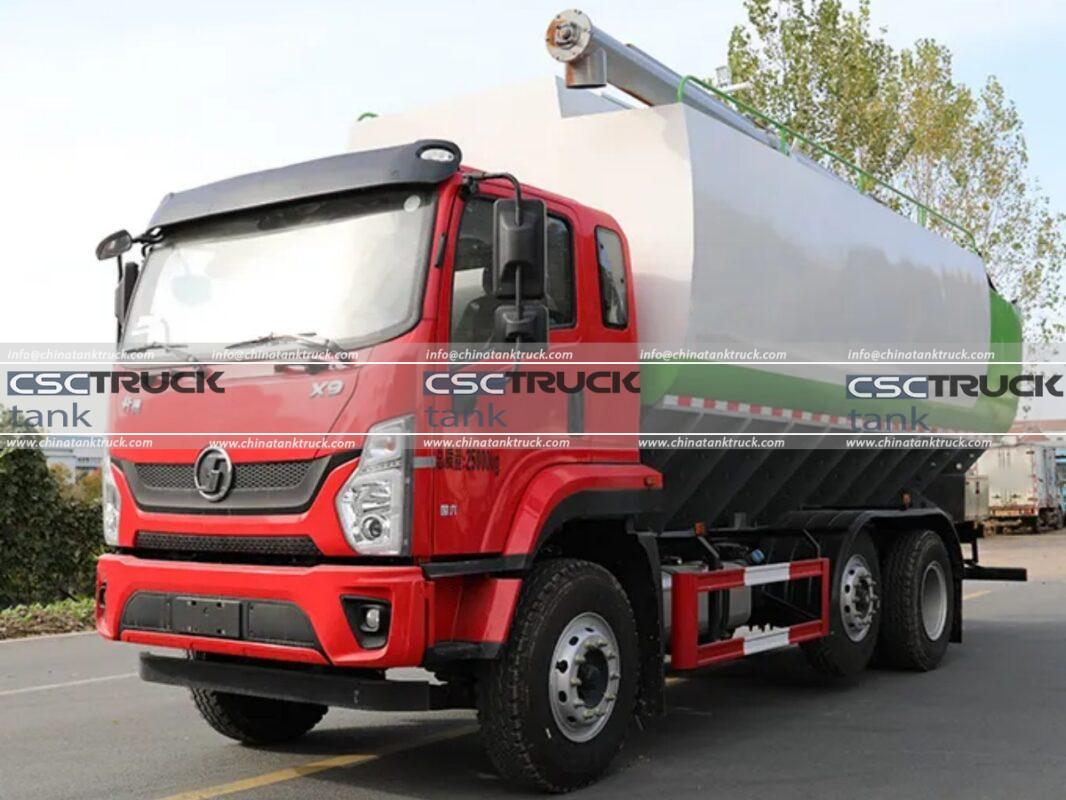
Pneumatic tanker trucks are essential for transporting dry bulk materials such as cement, fly ash, lime, flour, mineral powders, and plastic pellets. Unlike conventional dump trucks or mechanical bulk carriers, pneumatic tankers use compressed air to fluidize and discharge dry materials through pipelines, allowing fast, enclosed, and relatively clean transfer into silos or storage systems. The right truck can significantly improve transportation efficiency, reduce unloading time, lower operating costs, and minimize material loss.
However, choosing a pneumatic tanker truck is not simply a matter of selecting the largest tank or the lowest purchase price. Tank construction, payload, compressor performance, chassis configuration, discharge system, safety features, maintenance requirements, and after-sales support all influence the truck’s long-term value.
CSCTRUCK China Tank Truck is a Chinese manufacturer and exporter of specialized tank trucks and trailers, offering pneumatic tank trucks and dry bulk transport solutions in different capacities and configurations. Its product range includes pneumatic trucks and trailers such as 22 CBM, 30 CBM, 40 CBM, 45 CBM, and larger configurations. The company also provides customized tank capacity, materials, chassis brands, and equipment according to customer requirements.
If you are planning to purchase a pneumatic tanker truck, the following ten tips can help you make a more practical and cost-effective decision.
1. Match the Tank Capacity to Your Actual Cargo
The first consideration should be tank capacity. Pneumatic tankers are available in different volume configurations, and a larger tank does not automatically mean better performance.
Consider your typical cargo density, transportation distance, road restrictions, loading facilities, and required payload. For example, a truck transporting relatively dense cement may reach its legal weight limit before the tank is filled, while lower-density materials may require greater tank volume.
CSCTRUCK China Tank Truck offers pneumatic configurations ranging from smaller rigid trucks to high-capacity semi-trailers, giving buyers flexibility when matching tank volume to their logistics requirements.
2. Check the Tank Material and Structural Quality
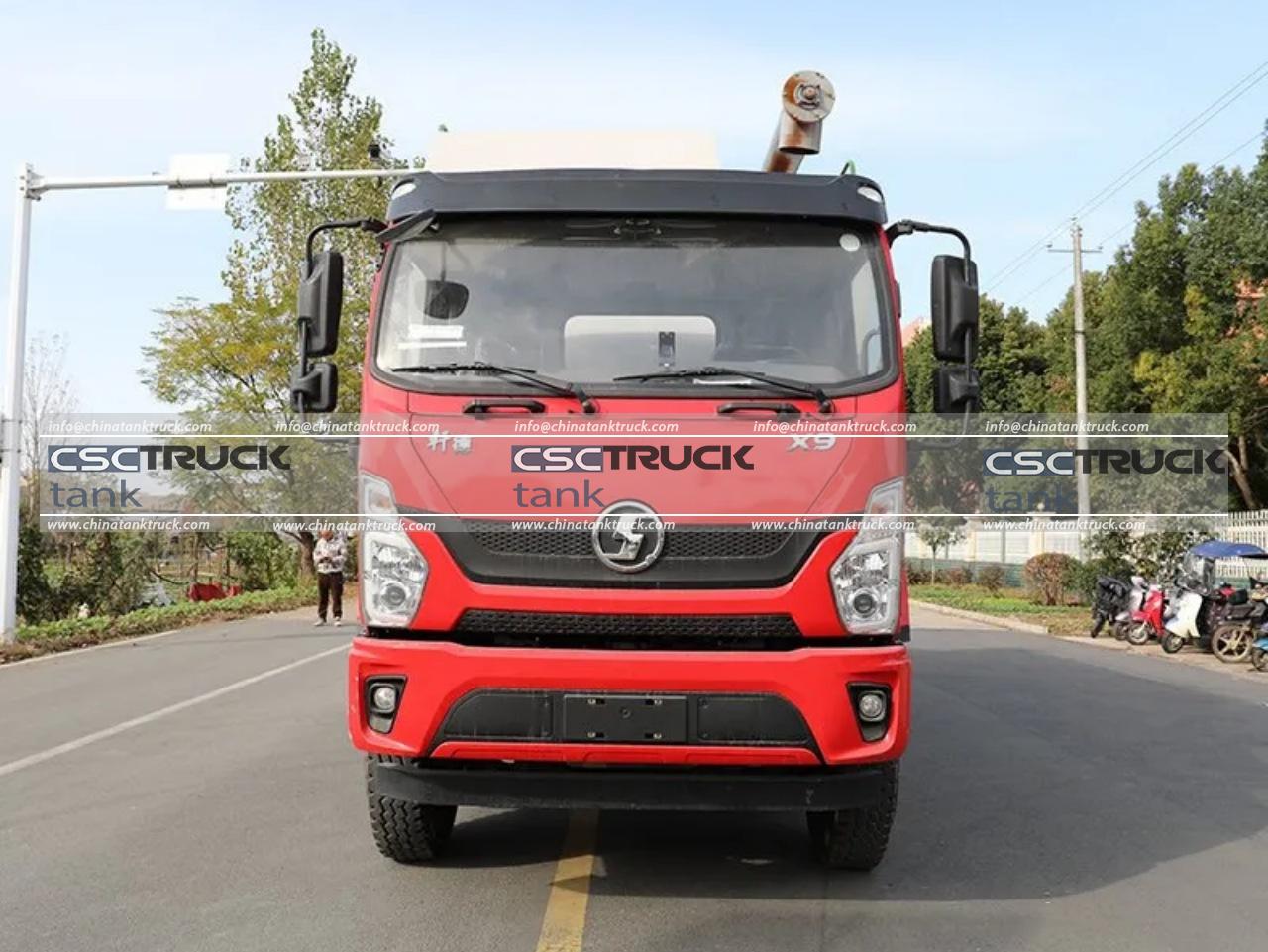
The tank is the core component of a pneumatic tanker, so its material and manufacturing quality directly affect service life.
Buyers should examine the steel grade, plate thickness, welding quality, internal structure, reinforcement design, and corrosion protection. The tank must withstand repeated pressure cycles, vibration, road impacts, and loading and unloading operations.
For demanding applications, ask the manufacturer about material certificates, welding procedures, pressure testing, and leak testing. A well-built tank may cost more initially but can reduce repairs, downtime, and premature replacement.
3. Choose the Right Air Compressor
The air compressor is one of the most important components of a pneumatic tanker because it supplies the compressed air required for unloading.
Do not evaluate the compressor simply by looking at its maximum pressure. Air delivery capacity, operating pressure, reliability, drive method, cooling performance, and compatibility with the cargo should all be considered.
PTO-driven compressors are widely used because the truck engine can provide power to the compressor through the power take-off system. This arrangement can provide reliable and efficient operation when properly matched to the vehicle.
Before buying, ask for the compressor’s airflow rate and recommended operating conditions, and make sure these specifications match your material and required unloading speed.
4. Consider the Properties of Your Bulk Material
Different dry bulk materials behave differently during transportation and unloading.
Cement, fly ash, flour, lime, chemical powders, and plastic pellets can have different densities, flow characteristics, moisture sensitivity, and aeration requirements. A system that performs well with cement may not necessarily be optimized for food-grade powders or lightweight plastic materials.
Tell the manufacturer exactly what materials you intend to transport. The tank volume, fluidization system, air pressure, discharge pipeline, valves, and compressor can then be selected accordingly. Pneumatic tank trucks are specifically designed for dry bulk materials that need enclosed pneumatic transfer.
5. Pay Attention to the Fluidization and Discharge System
Fast unloading depends on more than compressor power. The fluidization system, aeration pads, valves, pipelines, and discharge outlets must work together efficiently.
A properly designed system helps loosen and fluidize the powder so that it can move smoothly toward the discharge outlet. Poor aeration or an unsuitable pipeline can result in slow unloading, material blockage, excessive air consumption, or incomplete discharge.
Also check the discharge pipe diameter and connection design. Pipe size affects conveying speed, pressure loss, and compatibility with the receiving silo.
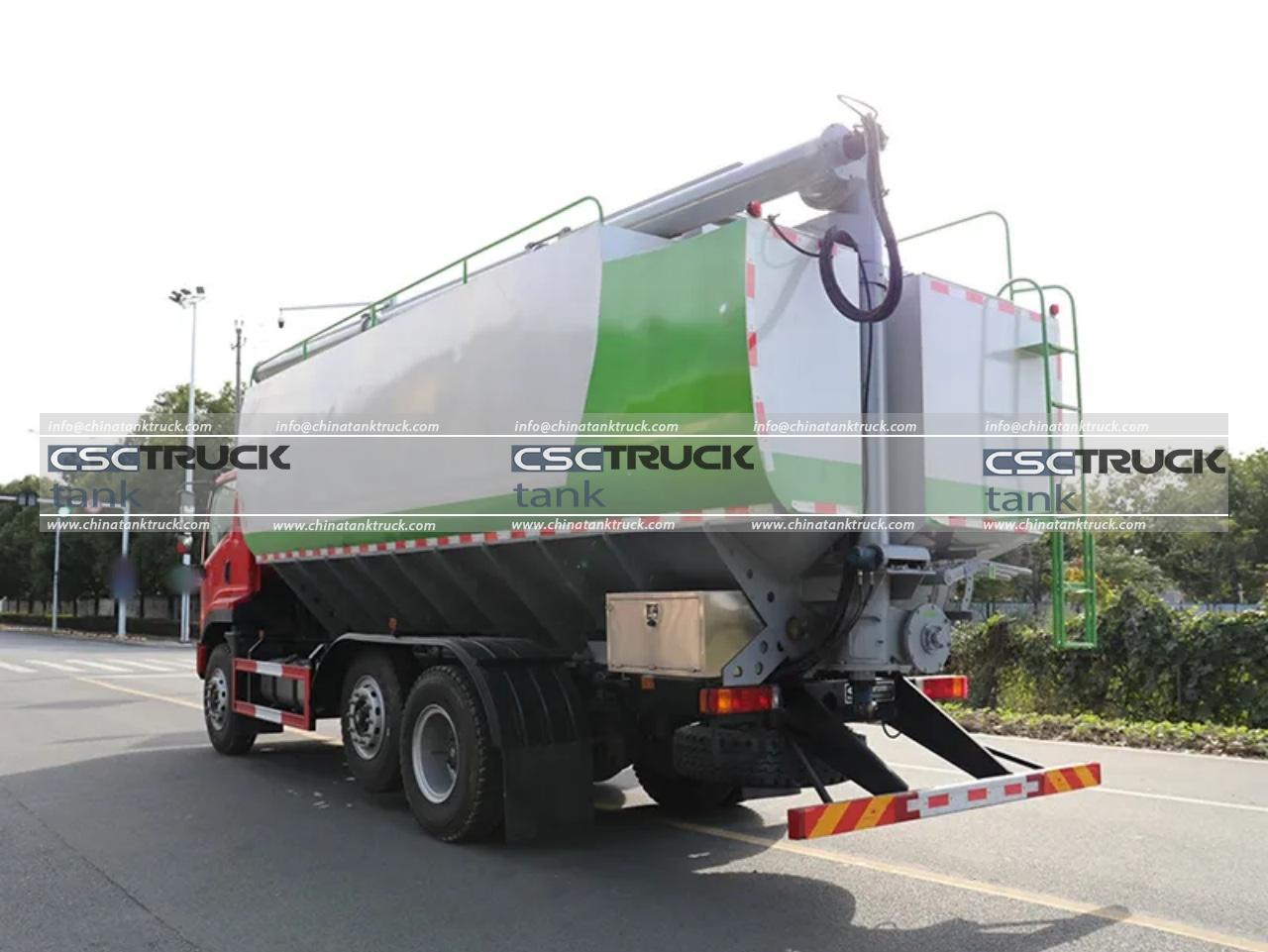
6. Select a Chassis Suitable for Your Operating Conditions
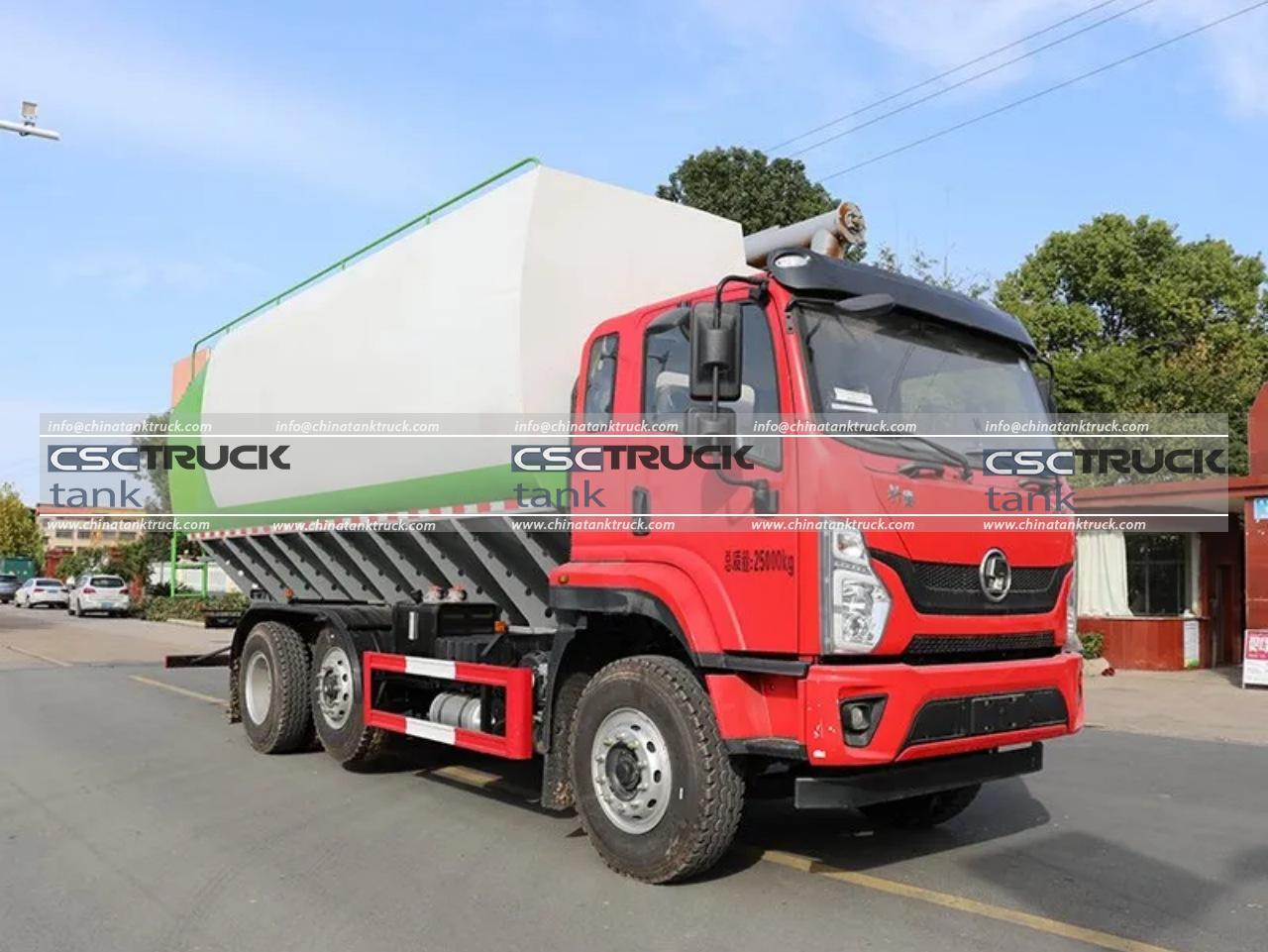
For a complete pneumatic tanker truck, the chassis is just as important as the tank system.
Consider the required gross vehicle weight, payload, engine power, axle configuration, transmission, wheelbase, suspension, and local road conditions. A 4×2 truck may be appropriate for relatively light-duty urban transport, while 6×4 or other heavy-duty configurations may be preferable for higher payloads and demanding routes.
You should also consider local service availability. Choosing a chassis brand with accessible spare parts and maintenance facilities in your market can significantly reduce downtime.
7. Verify Safety and Pressure Protection Features
Pneumatic tankers operate with compressed air, making pressure control a critical safety consideration.
Ask about pressure gauges, pressure relief valves, safety valves, pressure-control devices, emergency shutoff systems, and other protective components. The tank and pneumatic system should be designed and tested according to applicable regulations and standards in the destination country.
Do not select a truck solely because it has a high operating pressure. The entire pressure system must be properly engineered and matched to the tank, valves, compressor, and transported material. Understanding the manufacturer’s specified maximum operating pressure is an important part of evaluating a pneumatic tanker.
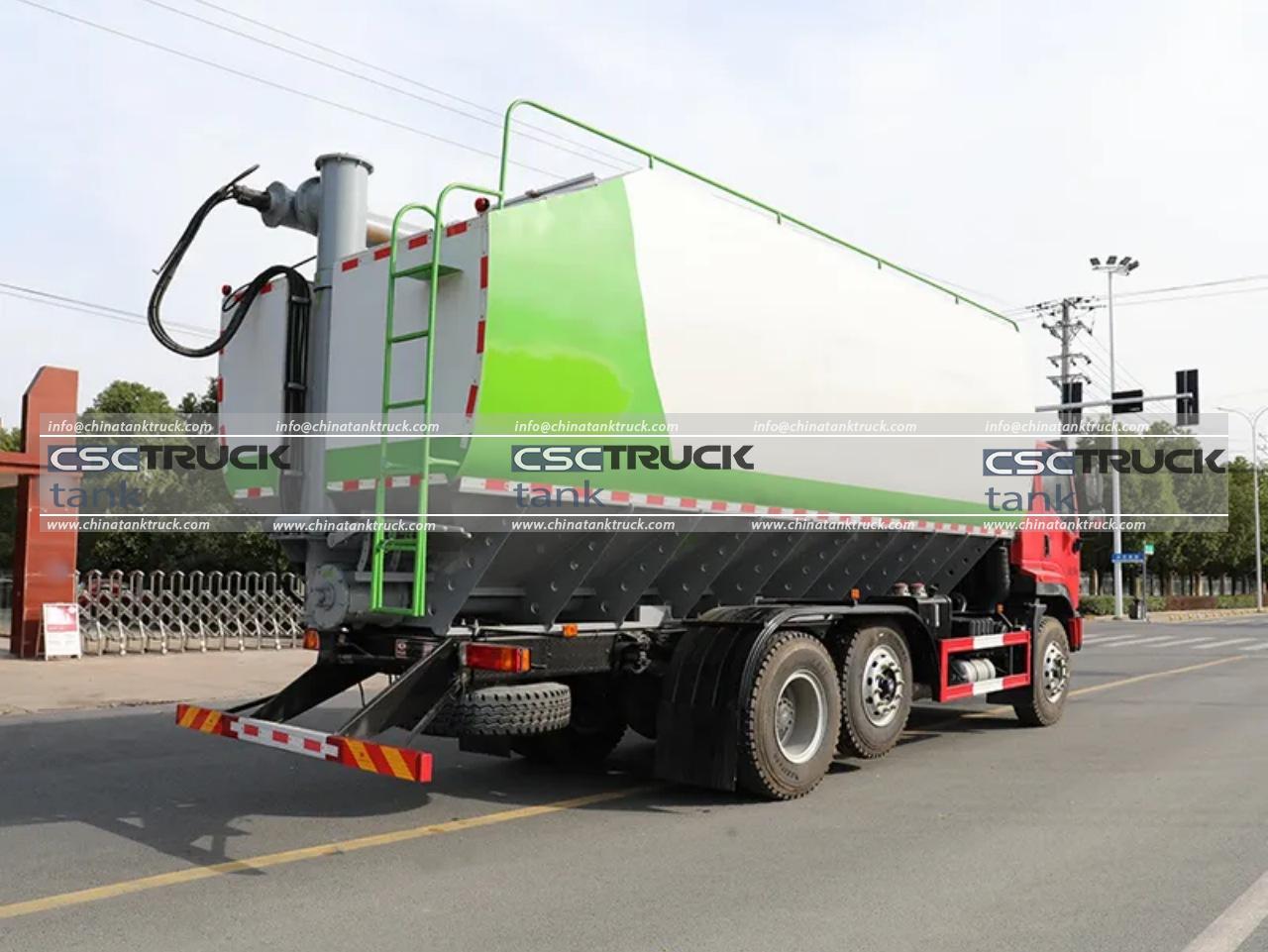
8. Evaluate Fuel Efficiency and Total Operating Costs
Purchase price is only one part of the cost of owning a pneumatic tanker.
Fuel consumption, compressor efficiency, tire wear, maintenance costs, spare parts, unloading time, and downtime can have a much larger impact over several years.
A truck that costs slightly more but unloads faster, consumes less fuel, and requires fewer repairs may ultimately provide a lower total cost of ownership.
Pay particular attention to compressor efficiency because the pneumatic system operates during loading or unloading. Proper matching between the engine, PTO, compressor, and pneumatic equipment can help avoid unnecessary energy consumption.
9. Check Maintenance and Spare Parts Support
Even a high-quality pneumatic tanker requires regular maintenance.
Before purchasing, ask the manufacturer for recommended maintenance schedules and information about replacement parts for compressors, valves, aeration components, hoses, seals, pressure gauges, and other pneumatic equipment.
It is also useful to confirm whether the manufacturer can provide spare parts internationally and whether technical support is available remotely.
CSCTRUCK China Tank Truck states that it provides after-sales technical support and spare parts assistance, as well as online guidance for vehicle operation and maintenance.
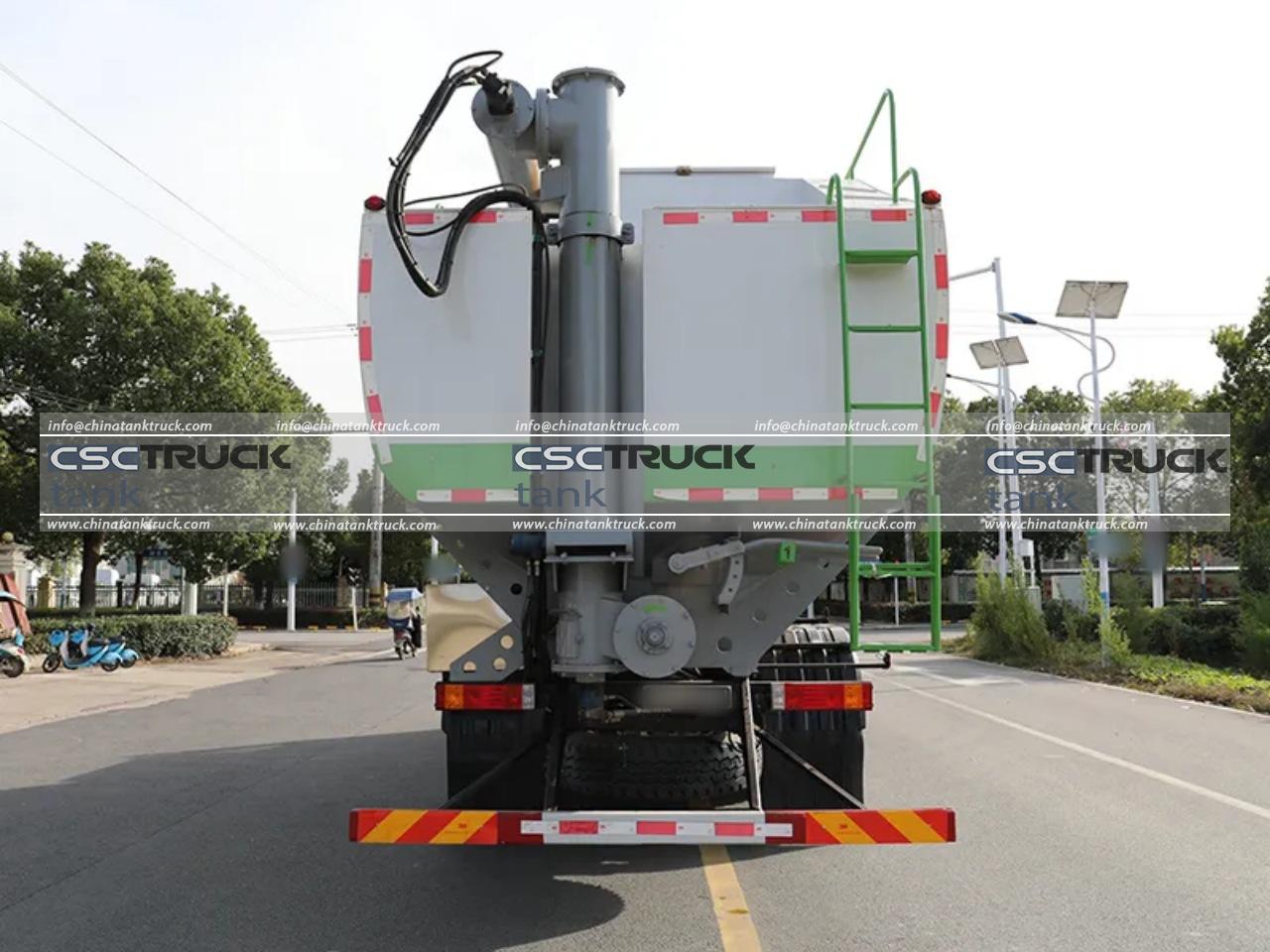
10. Choose a Manufacturer That Can Customize the Truck
Different countries and industries have different requirements. Therefore, customization capability can be an important advantage when purchasing a pneumatic tanker.
You may need a particular tank capacity, chassis brand, axle configuration, discharge arrangement, compressor, pipeline connection, material specification, or local regulatory configuration.
CSCTRUCK China Tank Truck provides customized tank truck solutions and works with different chassis brands and tank materials. Its website also states that the company supports international export documentation and shipping arrangements.
A reliable manufacturer should be able to provide detailed technical drawings, specifications, testing documentation, spare-parts information, and clear delivery terms before you place an order.
Conclusion
Choosing a durable and efficient pneumatic tanker truck requires a complete evaluation rather than focusing on price alone. Tank capacity, construction quality, compressor performance, cargo characteristics, discharge efficiency, chassis configuration, safety systems, fuel consumption, maintenance, and manufacturer support should all be considered together.
For buyers transporting cement, fly ash, flour, lime, plastic pellets, or other dry bulk products, a properly configured pneumatic tanker can provide fast unloading, enclosed material handling, reduced contamination risk, and improved logistics efficiency.
CSCTRUCK China Tank Truck provides a range of pneumatic tanker and dry bulk transport solutions for different capacities and applications, together with customization and international export support. By clearly defining your material, payload, operating environment, unloading requirements, and local regulations before purchasing, you can select a pneumatic tanker truck that delivers dependable performance and a lower total cost of ownership over its working life.