
In the modern logistics landscape, ISO tanks have become indispensable for the safe and efficient transportation of bulk liquids across continents. Whether it’s chemicals, food-grade liquids, or hazardous substances, ISO tanks have revolutionized the way industries handle international shipments. However, as global trade intensifies and sustainability becomes a top concern, users and operators have provided valuable feedback for making ISO tanks even smarter and more efficient. Their insights focus on technological innovation, safety enhancement, operational flexibility, and environmental responsibility.
1. Understanding the Importance of ISO Tanks
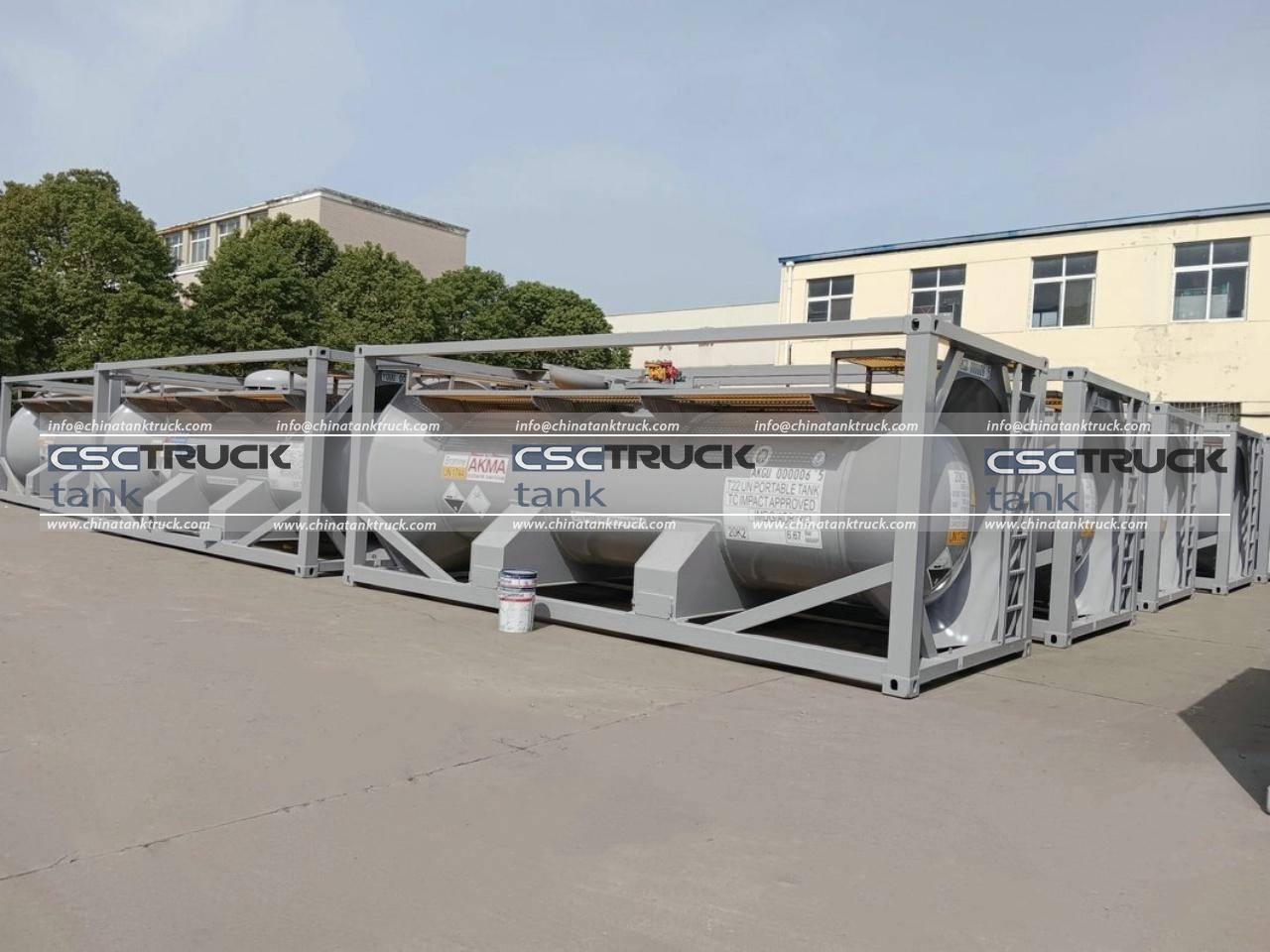
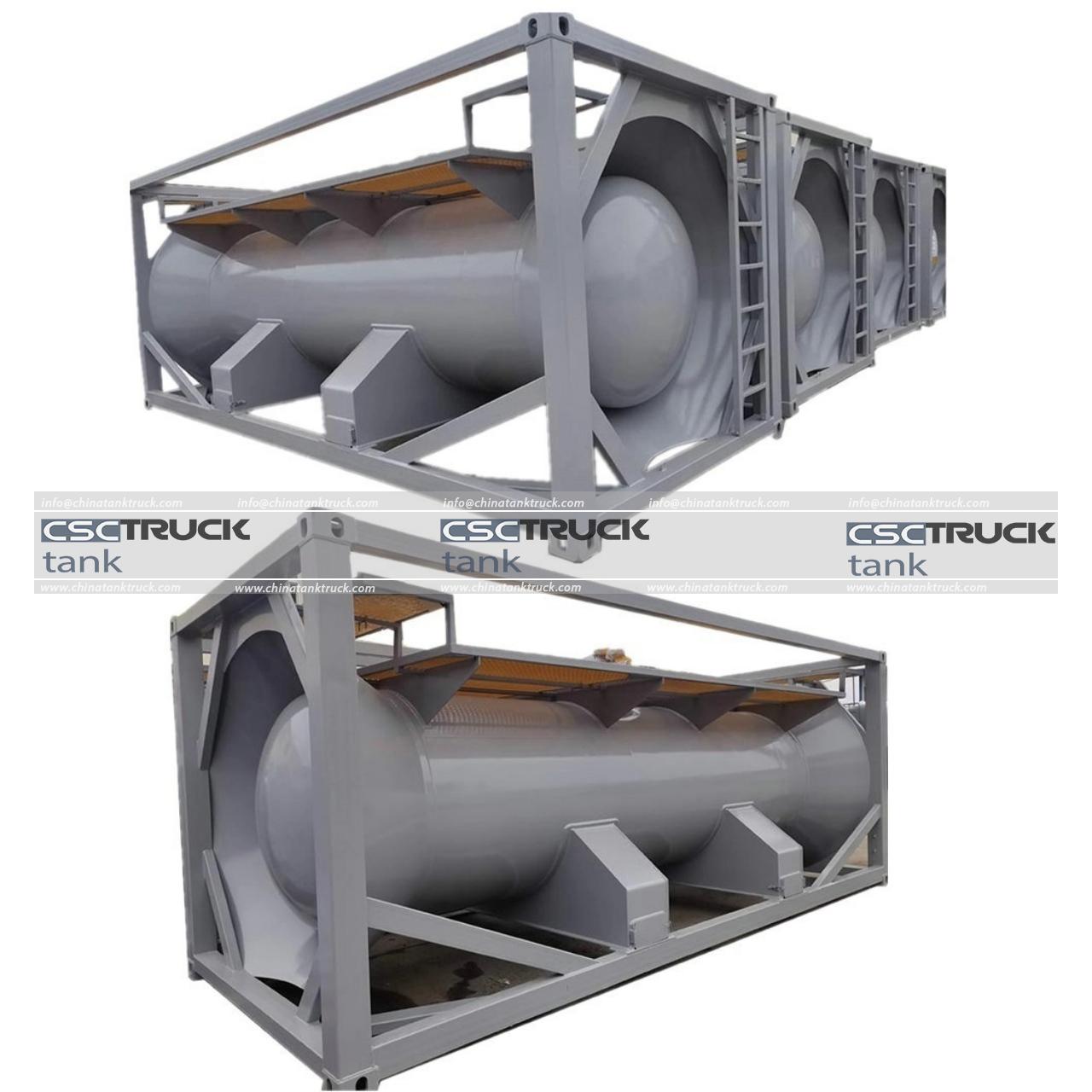
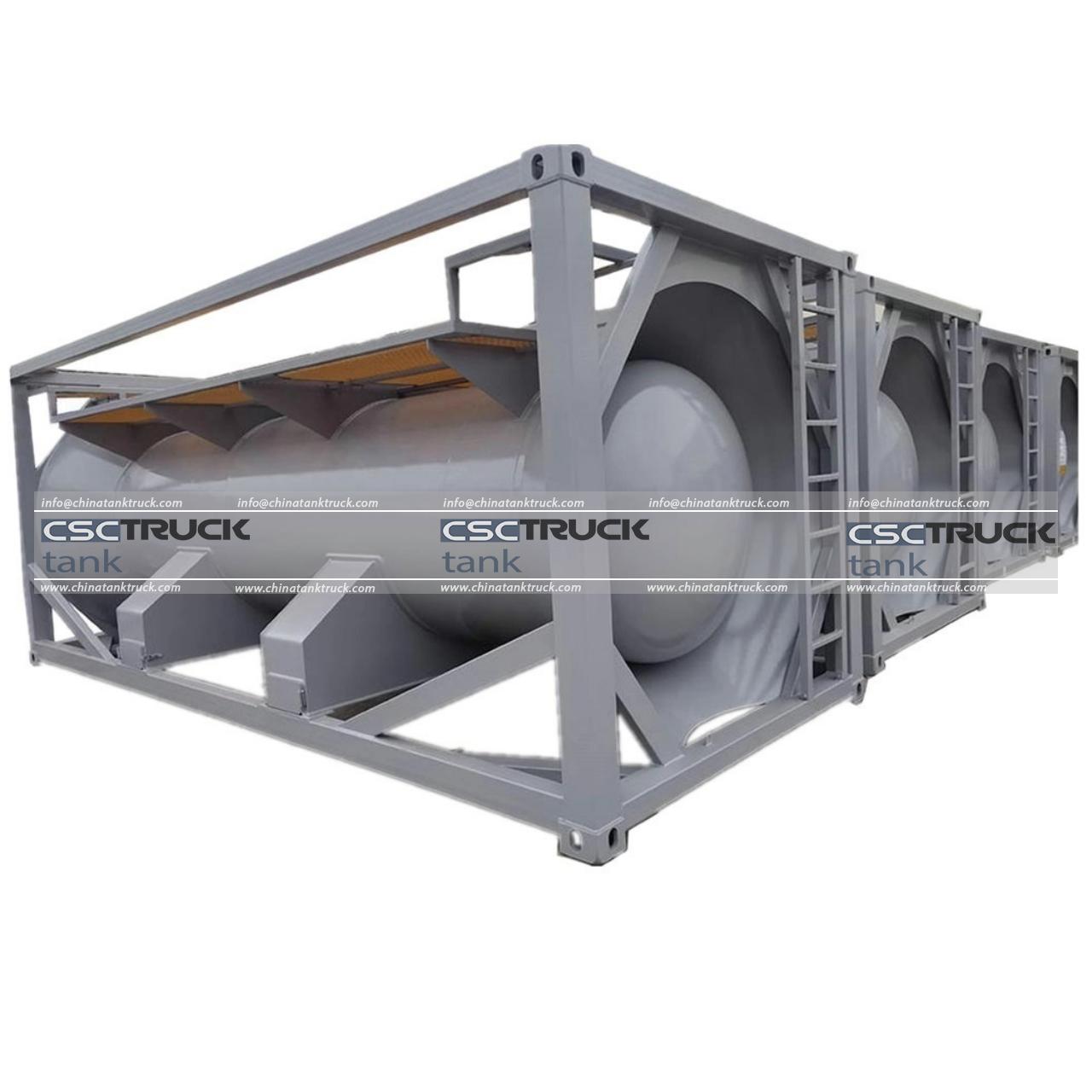
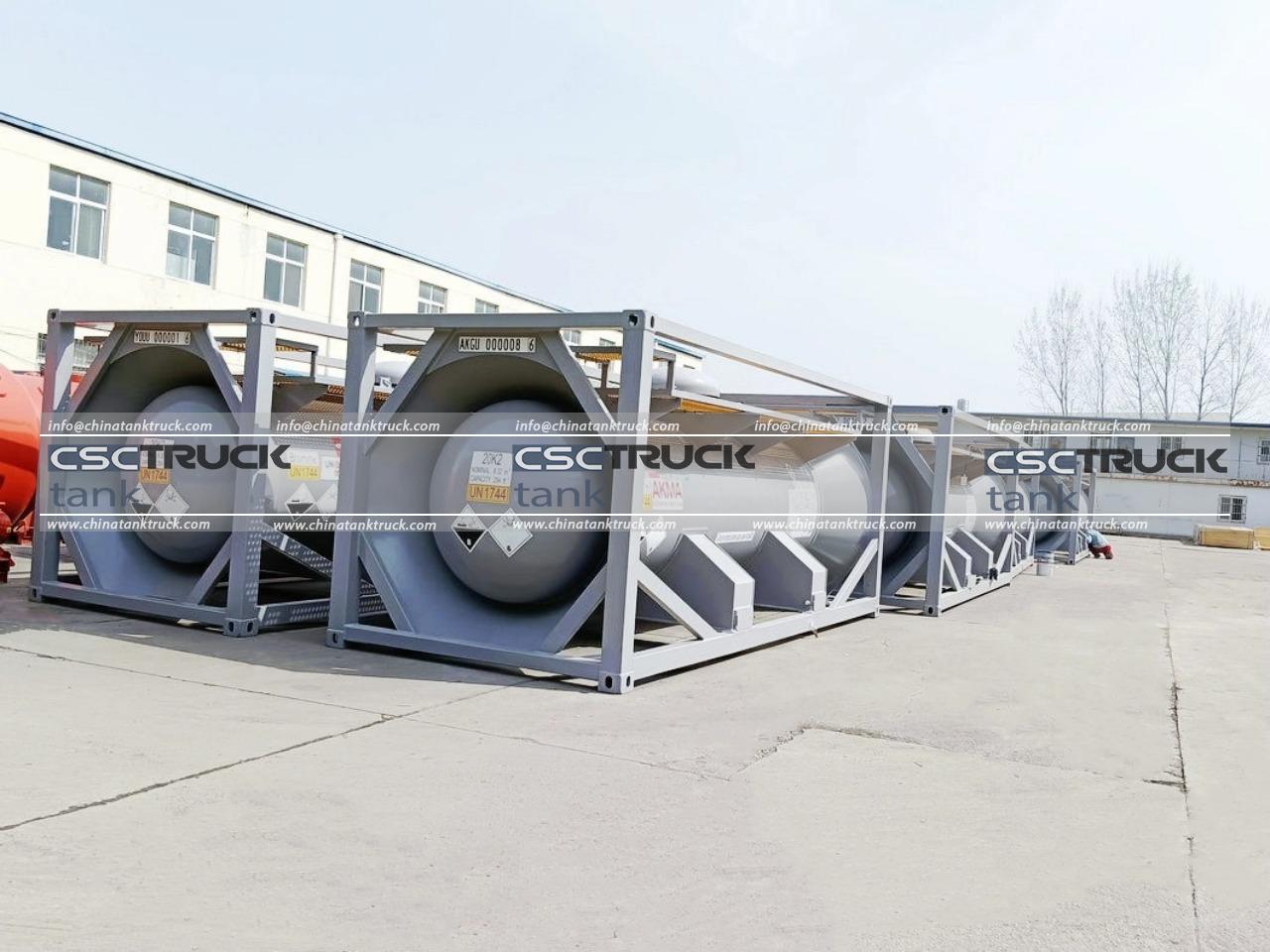
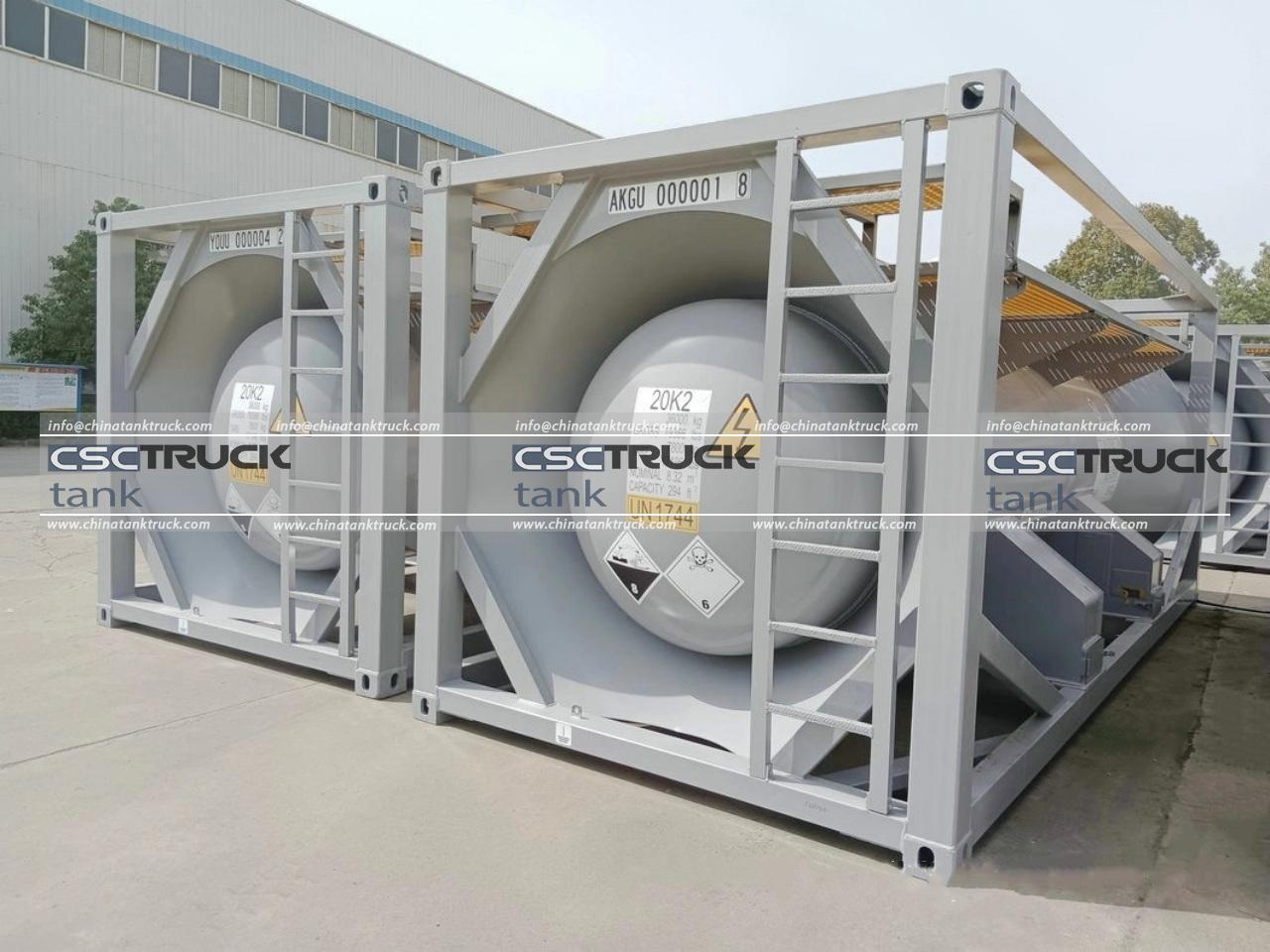
An ISO tank is a stainless-steel pressure vessel designed according to the International Organization for Standardization (ISO) standards, making it suitable for multi-modal transport — by road, rail, or sea. The tank is enclosed within a steel frame for protection and standardization, allowing easy stacking and handling like any intermodal container. These tanks are commonly used to transport liquids such as chemicals, food products, gases, and fuels.
Users appreciate ISO tanks for their versatility, durability, and cost-effectiveness. Unlike traditional drums or flexi-bags, ISO tanks minimize spillage, reduce handling time, and allow for precise temperature and pressure control. They can also be reused for years, reducing packaging waste and long-term costs. Yet, with evolving global logistics challenges, users are pushing for continuous improvement in design, digitalization, and maintenance.
2. User Feedback: The Need for Smarter Monitoring Systems
A recurring suggestion from users across industries is the integration of real-time monitoring technology. Many operators emphasize the value of installing IoT (Internet of Things) sensors to track temperature, pressure, liquid levels, and even the tank’s physical location during transit.
Real-time data transmission to cloud-based platforms allows logistics teams to respond immediately to irregularities — such as temperature fluctuations, pressure drops, or unauthorized openings. For temperature-sensitive liquids like pharmaceuticals or food ingredients, this feature can prevent spoilage and ensure compliance with transport regulations.
Moreover, GPS-enabled tracking systems can enhance visibility throughout the supply chain. Users recommend that ISO tank manufacturers provide built-in connectivity compatible with global tracking networks, allowing stakeholders to monitor cargo movement from dispatch to delivery. This not only improves transparency but also helps optimize route planning and reduce idle times at ports or terminals.
3. Design Improvements for Better Efficiency and Maintenance
From an operational standpoint, users have expressed strong interest in lightweight yet durable tank construction. While stainless steel remains the preferred material due to its corrosion resistance, many suggest incorporating composite materials or high-strength alloys to reduce tare weight. A lighter tank translates directly into higher payload capacity and lower fuel consumption during transport.
Additionally, users call for improved insulation and heating systems. For liquids that require temperature control — such as edible oils, latex, or bitumen — efficient insulation helps maintain product integrity, while advanced steam or electric heating coils facilitate quick unloading even in cold climates.
Maintenance has also been a key focus area. Operators have suggested modular component designs, allowing easier inspection and part replacement without complete disassembly. Features like quick-release valves, accessible manholes, and automated cleaning systems (CIP – Clean-In-Place) reduce downtime between shipments and enhance tank longevity.
4. Sustainability and Eco-Friendly Operations
Environmental sustainability is no longer optional in logistics — it’s a strategic necessity. Many ISO tank users advocate for greener materials, efficient manufacturing processes, and carbon footprint reduction.
One major suggestion involves the use of eco-friendly coatings and low-emission welding technologies during production. These not only improve corrosion resistance but also reduce the environmental impact of tank manufacturing.
Moreover, users recommend optimizing the tank life cycle through refurbishment and recycling programs. Old or damaged ISO tanks can be refurbished with new linings and fittings, extending their service life by several years. Some logistics companies have even proposed a global registry system for tracking tank maintenance history, ensuring that every reused unit meets international safety standards.
On the operational side, integrating AI-driven logistics management could help reduce empty return trips. By matching available tanks with upcoming shipments through smart routing algorithms, companies can minimize fuel use and maximize asset utilization. This digital collaboration between shippers, carriers, and tank owners contributes to both cost savings and environmental goals.
5. Enhancing Safety Standards for Hazardous Liquid Transport
Safety remains the cornerstone of ISO tank usage, especially for hazardous or flammable liquids. Users emphasize that future tank designs must adhere not just to ISO and IMDG standards, but also to advanced safety automation.
One popular suggestion is the inclusion of smart safety valves that automatically seal in case of impact or abnormal pressure readings. These valves can prevent leaks during accidents or rough handling.
Users also recommend more robust pressure relief systems and secondary containment mechanisms to mitigate environmental contamination risks. For example, dual-wall tank designs or built-in spill trays could add an extra layer of protection.
Training is equally important. Many users highlight the need for digital training platforms and AR-based simulations for handling ISO tanks. These tools can help operators practice emergency procedures virtually, reducing real-world risks.
6. Digitalization and the Future of ISO Tank Management
With global logistics moving toward digital transformation, ISO tank operators are urging manufacturers and service providers to adopt integrated digital platforms. These systems would centralize data from multiple tanks, providing dashboards for inventory management, predictive maintenance, and performance analytics.
Predictive analytics can help anticipate maintenance needs based on usage patterns and sensor data, preventing costly downtime or failures during critical shipments. Some users have also suggested integrating blockchain-based documentation systems for transparent and tamper-proof tracking of cargo origin, cleaning history, and certifications.
This digital shift doesn’t just enhance efficiency — it builds trust between all parties involved in the logistics chain. Consignees, shippers, and regulatory bodies can access standardized, real-time information, eliminating disputes and delays caused by manual paperwork.
7. User Expectations for Global Service and Support
Beyond hardware and software, users also emphasize the importance of after-sales service, technical support, and global repair networks. Since ISO tanks operate worldwide, accessibility to certified repair depots and spare parts is crucial.
Users suggest establishing regional maintenance hubs that can provide rapid inspection, testing, and repair services according to ISO and CSC requirements. This would help minimize downtime and improve fleet turnaround time.
Moreover, clear digital documentation — including tank certifications, cleaning records, and maintenance logs — should be available via secure online portals. This simplifies compliance checks at ports and customs, accelerating global trade flows.
8. Conclusion: Building the Next Generation of ISO Tanks
The collective feedback from users paints a clear picture: the next generation of ISO tanks must be smarter, lighter, safer, and greener. Integrating advanced monitoring technologies, lightweight materials, digital management systems, and sustainable design practices will not only enhance operational efficiency but also align with global environmental goals.
Manufacturers and logistics providers who act on these user insights will gain a competitive edge in a rapidly evolving transport landscape. The ISO tank’s future lies in innovation — where intelligence meets reliability, and where every drop transported across oceans does so with maximum safety, traceability, and sustainability.
In short, users envision a world where ISO tanks are not just containers, but intelligent, eco-conscious assets driving the next era of global liquid transport.