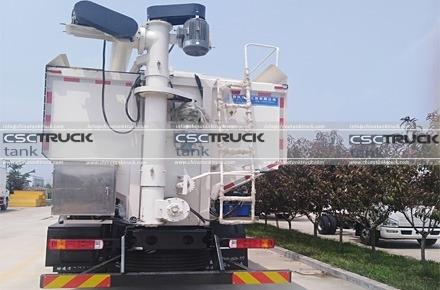

Pneumatic tank trucks are specialized vehicles designed to transport dry bulk materials such as cement, flour, lime, and chemical powders. Their operation relies on compressed air systems that allow for sealed, efficient, and contamination-free loading and unloading. However, because they involve pressurized systems, heavy loads, and complex components, safe operation is critical.
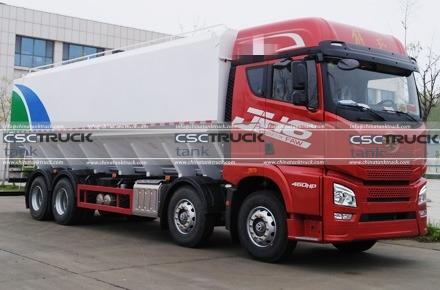
Companies like CSCTRUCK China Tank Truck have become well-known in the global market for manufacturing advanced pneumatic tank trucks with reliable safety features, durable tank structures, and efficient discharge systems. Understanding how to properly operate these vehicles not only protects operators and equipment but also ensures smooth logistics and regulatory compliance.
Understanding How Pneumatic Tank Trucks Work
Before discussing safety procedures, it’s essential to understand the working principle. Pneumatic tank trucks operate using compressed air to move bulk materials through pipelines.
The process typically includes:
- Loading: Dry materials are loaded through top hatches into sealed compartments.
- Pressurization: An onboard compressor generates air pressure inside the tank.
- Fluidization: Air mixes with the material, making it behave like a fluid.
- Discharge: The pressurized material flows through hoses into storage silos.
Because the system is enclosed, it minimizes contamination and dust emissions, but improper handling of pressure can lead to serious hazards.

1. Conduct Thorough Pre-Operation Inspections
Safe operation begins before the truck even moves. A comprehensive pre-trip inspection is essential.
Key checks include:
- Air compressor: Ensure proper oil levels, clean filters, and no leaks
- Pressure gauges: Verify accuracy for monitoring internal pressure
- Valves and seals: Check for tightness and wear
- Hoses and pipes: Inspect for cracks, abrasions, or blockages
- Tank integrity: Confirm no structural damage or contamination
Regular inspection helps prevent equipment failure and reduces the risk of accidents during transport or unloading.
2. Follow Proper Loading Procedures
Incorrect loading is one of the most common causes of operational risk.
Key safety practices:
- Avoid overloading: Exceeding weight limits affects vehicle stability and violates regulations
- Distribute load evenly: Prevents imbalance and rollover risk
- Seal all hatches securely: Maintains pressure integrity and prevents contamination
- Use compatible materials: Ensure the tank is suitable for the specific cargo
Proper loading ensures the vehicle remains stable during transit and that the pneumatic system functions correctly.
3. Ensure Safe Transportation Practices
Once loaded, the truck must be operated carefully on the road.
Driving safety tips:
- Maintain moderate speeds, especially on curves and slopes
- Avoid sudden braking or acceleration
- Be mindful of the high center of gravity
- Regularly monitor tire pressure and suspension
Heavy bulk loads significantly impact vehicle handling, so defensive driving is essential to prevent rollovers or loss of control.
4. Monitor Pressure During Operation
Pressure control is the most critical safety factor in pneumatic tank truck operation.
- Use gauges continuously: Monitor internal tank pressure
- Stay within safe limits: Over-pressurization can cause tank rupture or system failure
- Check pressure relief valves: Ensure they function properly to release excess pressure
Compressed air systems store significant energy, and sudden release can be dangerous, even catastrophic in extreme cases.
5. Follow Safe Unloading Procedures
Unloading is the most complex and risk-prone stage.
Step-by-step safe unloading:
- Position the truck on stable, level ground
- Secure the vehicle (parking brake, wheel chocks)
- Connect discharge hoses firmly
- Start the air compressor gradually
- Increase pressure slowly while monitoring gauges
- Open discharge valves carefully
- Maintain consistent airflow to prevent blockages
Operators must remain present throughout the unloading process. Leaving the system unattended can lead to pressure spikes or hose failures.
6. Handle Hoses and Connections Carefully
Discharge hoses carry high-velocity, abrasive materials and are a major safety concern.
- Ensure tight connections before pressurization
- Avoid kinks or sharp bends
- Replace worn or thinning hoses immediately
- Secure hoses during operation to prevent whipping
A hose rupture can result in material spills, injury, and environmental hazards.

7. Use Personal Protective Equipment (PPE)
Operators must always wear appropriate PPE when handling pneumatic tank trucks.
Recommended equipment includes:
- Safety goggles
- Gloves
- Dust masks or respirators
- Protective clothing
This is especially important when handling fine powders or hazardous materials, as exposure can pose health risks.
8. Prevent Dust and Environmental Hazards
Although pneumatic systems are enclosed, improper operation can still release dust.
- Use filtration systems and dust collectors
- Ensure tight seals during unloading
- Avoid over-pressurization that may cause leaks
- Follow environmental regulations
Modern pneumatic tank trucks, including those from CSCTRUCK China Tank Truck, often include advanced filtration systems to reduce emissions and maintain product quality.
9. Perform Regular Maintenance
Routine maintenance is essential for long-term safety and efficiency.
Key maintenance tasks:
- Service air compressors regularly
- Clean tanks to prevent contamination
- Inspect valves, seals, and pipelines
- Calibrate gauges and sensors
- Conduct periodic pressure testing
Regulatory standards often require pressure testing to ensure tank integrity under operating conditions.
Neglecting maintenance can lead to equipment failure, costly downtime, and safety hazards.

10. Ensure Operator Training and Emergency Preparedness
Proper training is critical for safe operation.
Operators should be trained in:
- Pneumatic system operation
- Pressure control techniques
- Emergency shutdown procedures
- Hazardous material handling
Emergency preparedness includes:
- Installing emergency shut-off valves
- Keeping fire extinguishers onboard
- Knowing how to respond to leaks or system failures
Well-trained operators are the first line of defense against accidents.
11. Utilize Built-In Safety Features
Modern pneumatic tank trucks are equipped with multiple safety systems:
- Pressure relief valves
- Emergency shutoff systems
- Grounding systems to prevent static discharge
- Automated airflow controls
These features help mitigate risks, but they must be regularly inspected and properly used.
Conclusion
Operating a pneumatic tank truck safely requires a combination of technical knowledge, careful handling, and strict adherence to safety procedures. From pre-trip inspections and proper loading to pressure monitoring and controlled unloading, every step plays a vital role in preventing accidents.
With advanced engineering and safety-focused designs, manufacturers like CSCTRUCK China Tank Truck provide reliable solutions for bulk powder transportation. However, even the most advanced equipment depends on skilled operators who understand the risks and follow best practices.
By prioritizing safety, maintaining equipment, and ensuring proper training, operators can maximize efficiency while protecting people, cargo, and the environment—making pneumatic tank trucks a dependable and safe choice for modern bulk logistics.