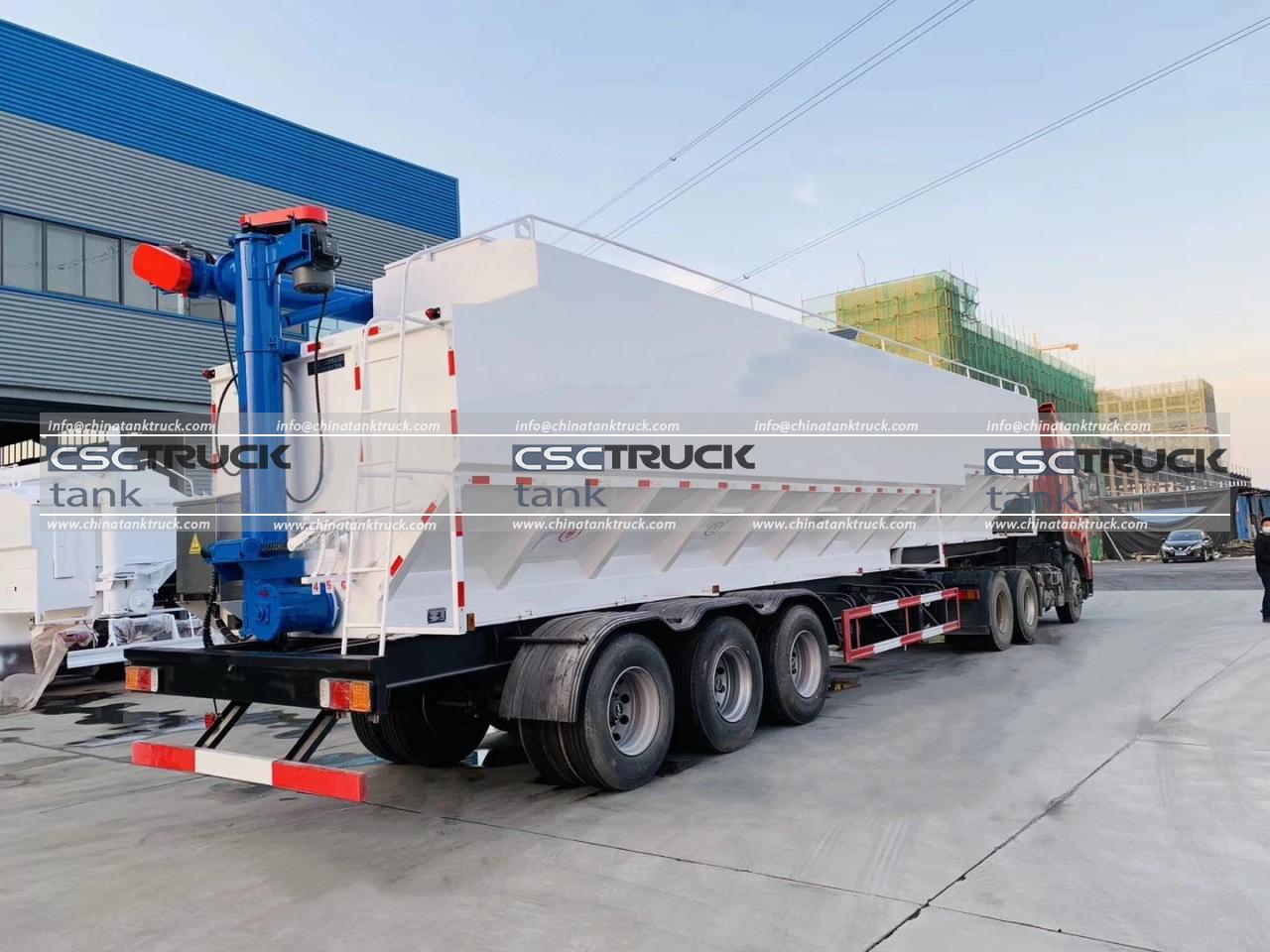

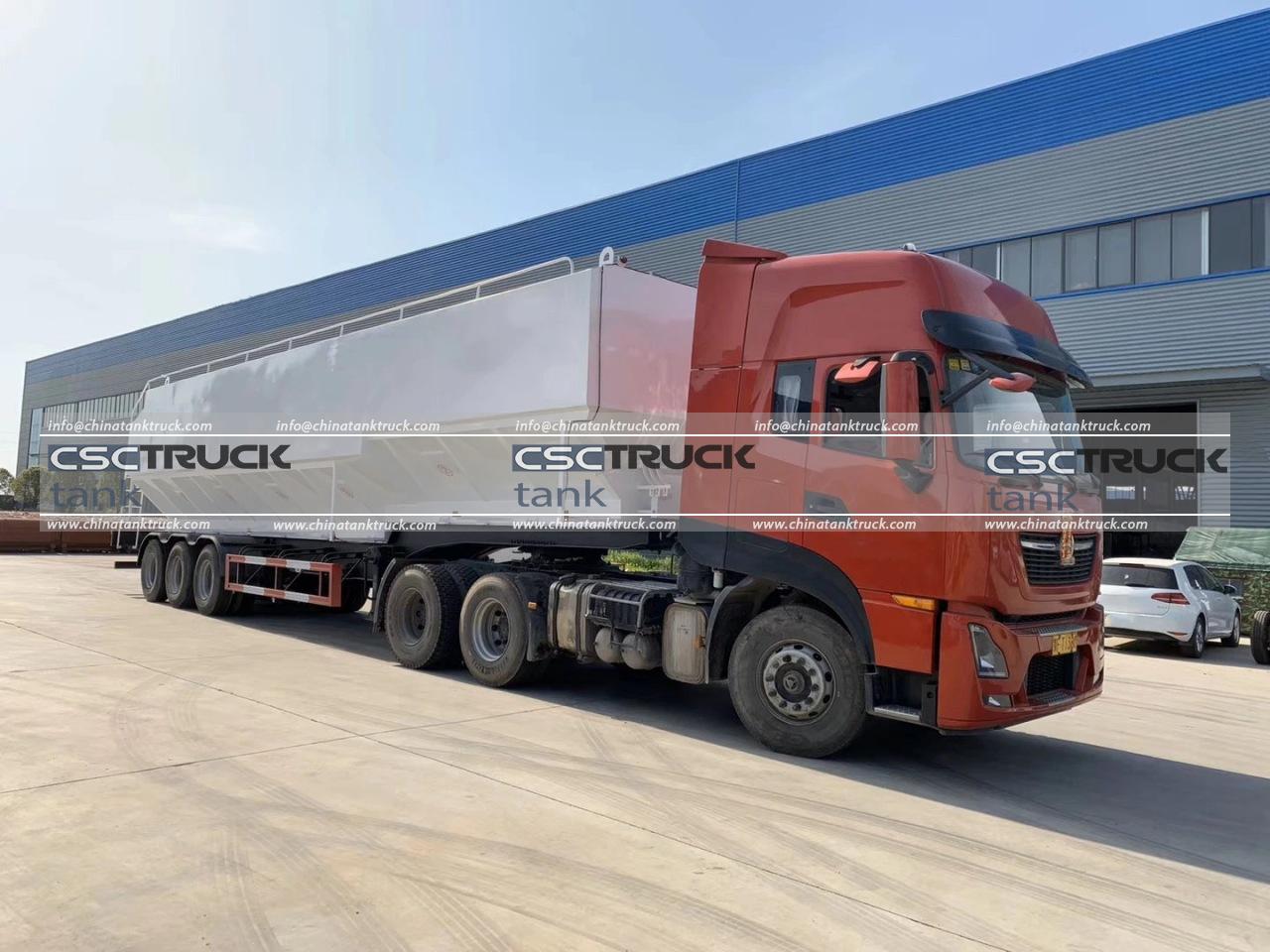
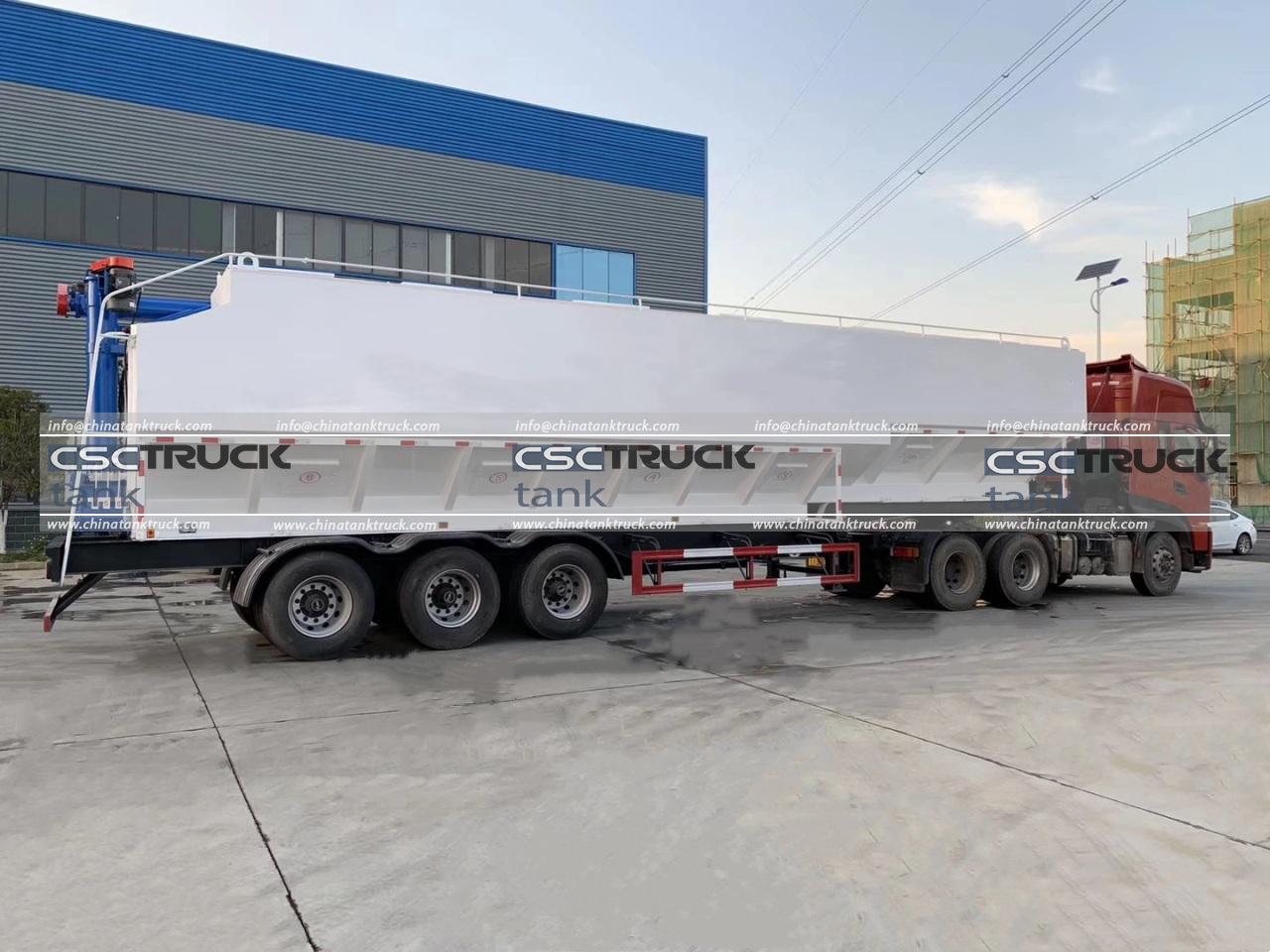
Pneumatic tankers are widely used for transporting dry bulk materials such as cement, flour, lime, and chemical powders. At the heart of these vehicles lies the air compressor—an essential component that generates the pressurized air required to unload materials efficiently. Proper maintenance of the air compressor is critical to ensure operational efficiency, safety, and long service life.
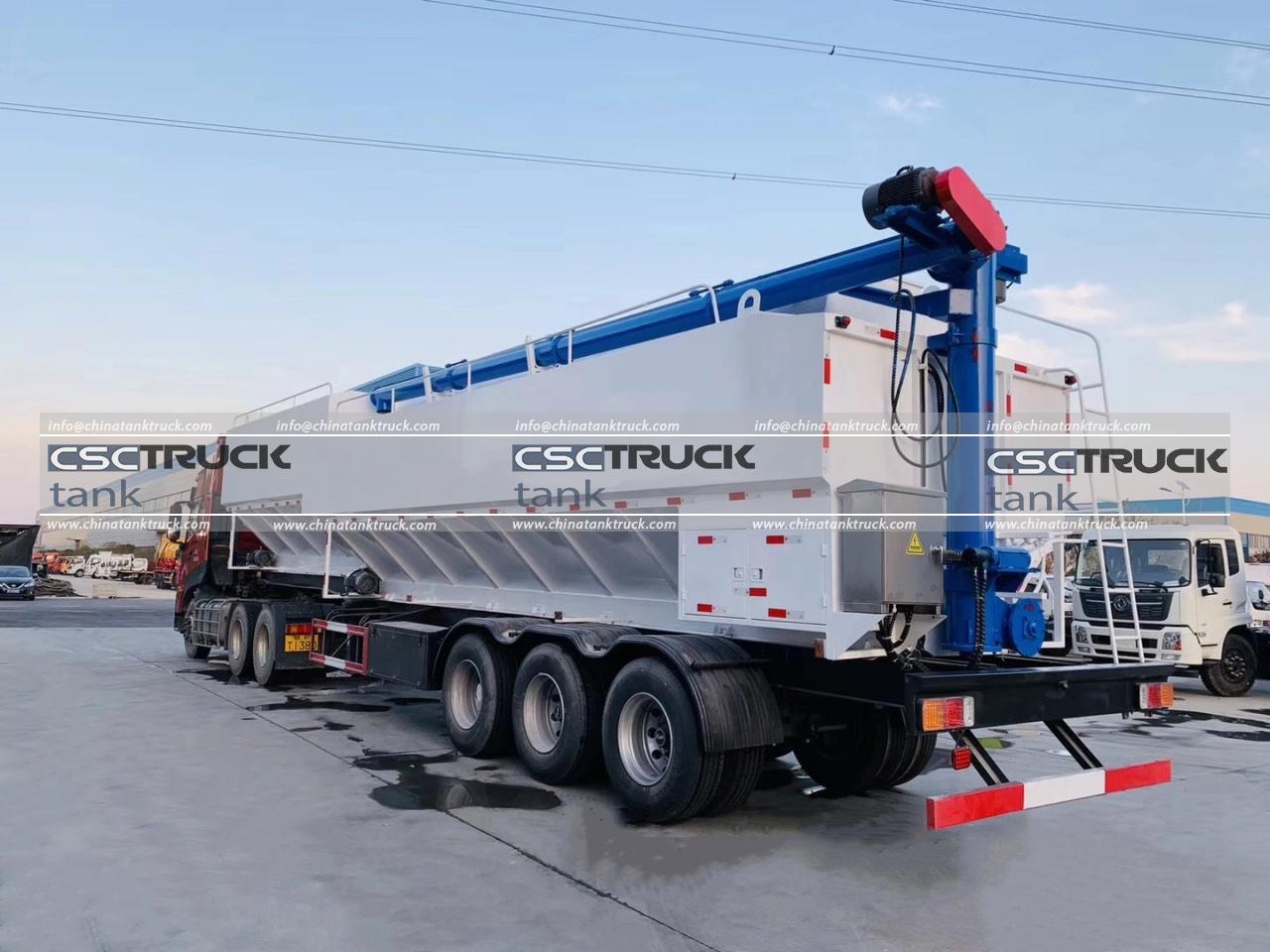
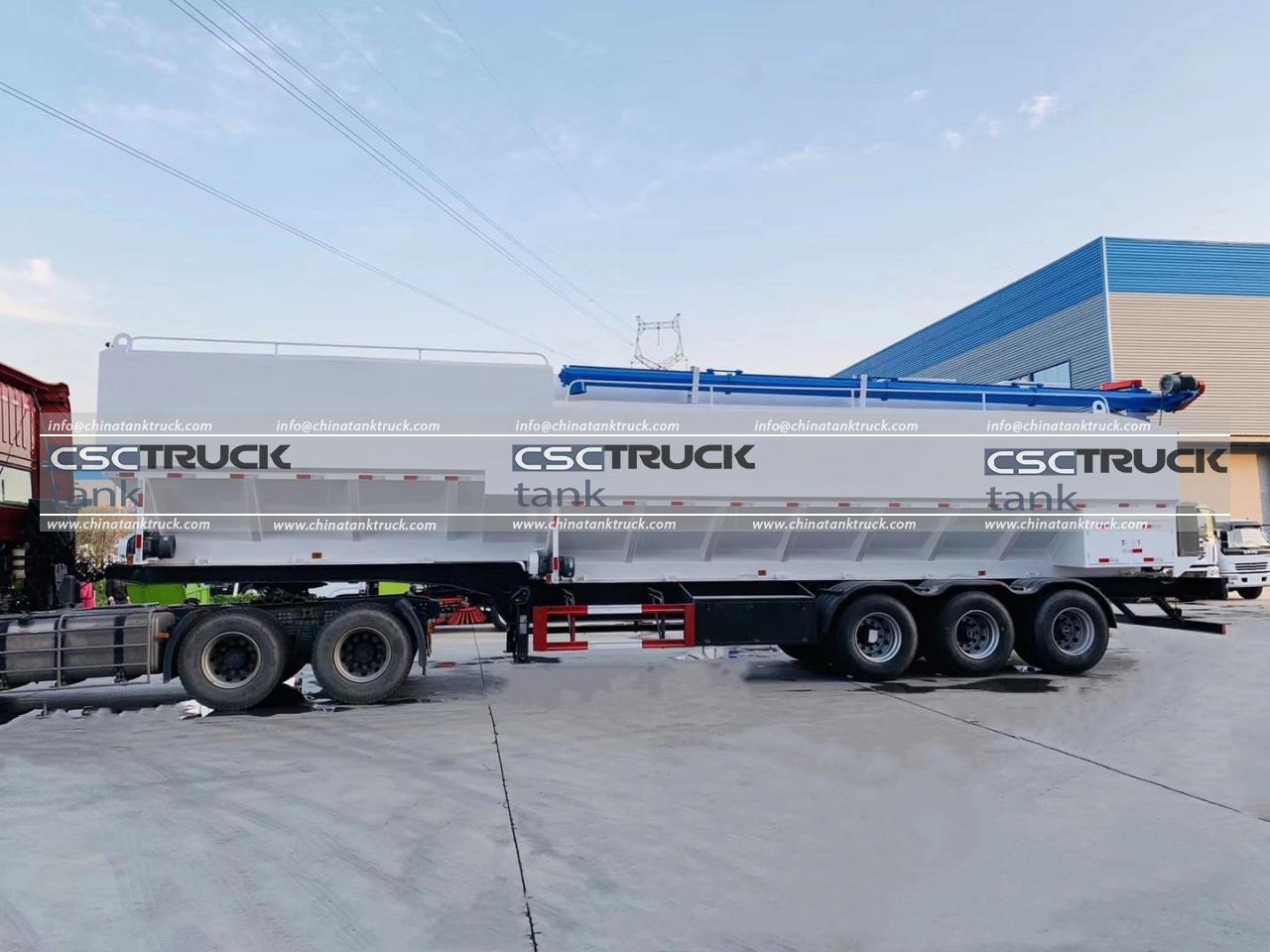
Companies like CSCTRUCK China Tank Truck, a well-known manufacturer of specialized transport vehicles, design pneumatic tankers with advanced air compressor systems to ensure reliable bulk material discharge. However, even the most advanced equipment requires consistent maintenance to perform optimally. This article provides a comprehensive guide on how to maintain air compressors in pneumatic tankers.
Understanding the Role of Air Compressors in Pneumatic Tankers
In a pneumatic tanker, the air compressor supplies compressed air that fluidizes dry bulk materials and pushes them through discharge pipelines. Without a properly functioning compressor, unloading becomes inefficient or even impossible.
The compressor works alongside other key components such as valves, pipelines, and filters to create a controlled pressure system. Maintaining the compressor ensures smooth unloading, prevents downtime, and protects the entire pneumatic system.
1. Perform Daily Inspections
Routine inspections are the first line of defense against compressor failure. Operators should conduct pre-trip and post-trip checks to identify potential issues early.
Key inspection points:
- Check oil levels and look for leaks
- Inspect hoses and fittings for wear or damage
- Verify pressure gauges are functioning properly
- Listen for unusual noises or vibrations
Daily inspections help detect abnormalities such as pressure fluctuations or air leaks, which can indicate deeper mechanical problems.
2. Maintain Proper Lubrication
Lubrication is essential for reducing friction, minimizing wear, and preventing overheating in compressor components.
Best practices:
- Check lubricant levels daily
- Use manufacturer-recommended oil types
- Replace oil at scheduled intervals (often every 2,000–4,000 hours depending on usage)
Regular oil changes improve efficiency and extend the compressor’s lifespan. Neglecting lubrication can lead to overheating and component failure.
3. Regularly Clean and Replace Air Filters
Air filters prevent dust, debris, and contaminants from entering the compressor system. In pneumatic tankers—especially those transporting powder materials—filters are exposed to high levels of particulate matter.
Maintenance tips:
- Inspect filters frequently
- Clean or replace clogged filters
- Use high-quality filters suited for dusty environments
Dirty filters restrict airflow, forcing the compressor to work harder and reducing efficiency.
4. Drain Moisture and Control Condensation
Moisture buildup is one of the most common issues in air compressor systems. If not properly managed, it can lead to corrosion, contamination of materials, and system blockages.
Recommended actions:
- Drain condensate from air tanks regularly
- Install and maintain air dryers
- Inspect moisture traps frequently
Moisture control is especially important in humid environments, where condensation forms quickly and can damage internal components.
5. Inspect Belts, Pulleys, and Moving Parts
Mechanical components such as belts and pulleys are subject to wear over time. If these parts fail, the compressor may stop functioning entirely.
What to check:
- Belt tension and alignment
- Signs of cracks or fraying
- Pulley wear and proper rotation
Replacing worn belts promptly prevents unexpected breakdowns and ensures smooth compressor operation.
6. Monitor Pressure and Temperature
Maintaining correct operating pressure and temperature is critical for both safety and efficiency.
Key considerations:
- Avoid exceeding recommended pressure levels
- Monitor temperature to prevent overheating
- Investigate sudden pressure drops or spikes
Excessive pressure can damage the tank and discharge system, while low pressure may result in incomplete unloading.
7. Detect and Repair Air Leaks
Air leaks are a common issue in pneumatic systems and can significantly reduce efficiency.
Maintenance steps:
- Inspect hoses, valves, and fittings regularly
- Tighten loose connections
- Replace damaged components immediately
Even small leaks can increase energy consumption and reduce compressor performance over time.
8. Keep Cooling Systems Clean
Air compressors generate heat during operation. Proper cooling is essential to prevent overheating and maintain performance.
Cooling system maintenance:
- Clean intake vents and cooling fins
- Ensure adequate ventilation around the compressor
- Check cooling fans for proper operation
Blocked or dirty cooling systems can lead to overheating and premature wear of internal components.
9. Follow a Scheduled Maintenance Plan
Preventive maintenance is more effective and cost-efficient than reactive repairs.
Suggested schedule:
- Daily: Visual inspection and oil check
- Weekly: Inspect hoses, fittings, and belts
- Monthly: Check filters and dryers
- Periodically: Full system inspection and servicing
Regular inspections—especially every 100–150 operating hours—help identify wear before it becomes a serious issue.
10. Ensure Safe Operating Practices
Safety is a critical aspect of air compressor maintenance. Improper handling of compressed air systems can lead to serious injuries.
Safety guidelines:
- Never exceed pressure ratings
- Always release pressure before maintenance
- Wear protective equipment such as gloves and eye protection
- Avoid directing compressed air at people
Operators should also be trained to recognize warning signs such as unusual noise, vibration, or leaks.
11. Use Quality Spare Parts and Professional Servicing
Using high-quality replacement parts ensures compatibility and durability. When complex issues arise, professional servicing is recommended.
Recommendations:
- Use OEM or certified spare parts
- Schedule periodic professional inspections
- Conduct air system audits to optimize performance
Professional maintenance can identify inefficiencies and improve overall system reliability.
Conclusion
Maintaining air compressors in pneumatic tankers is essential for ensuring efficient unloading, reducing operational costs, and extending equipment lifespan. From daily inspections and lubrication to moisture control and leak detection, each maintenance step plays a vital role in system performance.
Manufacturers like CSCTRUCK China Tank Truck design high-quality pneumatic tankers with reliable compressor systems, but proper maintenance ultimately determines long-term performance. By following a structured maintenance plan and adhering to safety standards, operators can maximize productivity, minimize downtime, and ensure safe transport of bulk materials.
In the demanding world of dry bulk logistics, a well-maintained air compressor is not just a component—it is the driving force behind efficient and reliable operations.