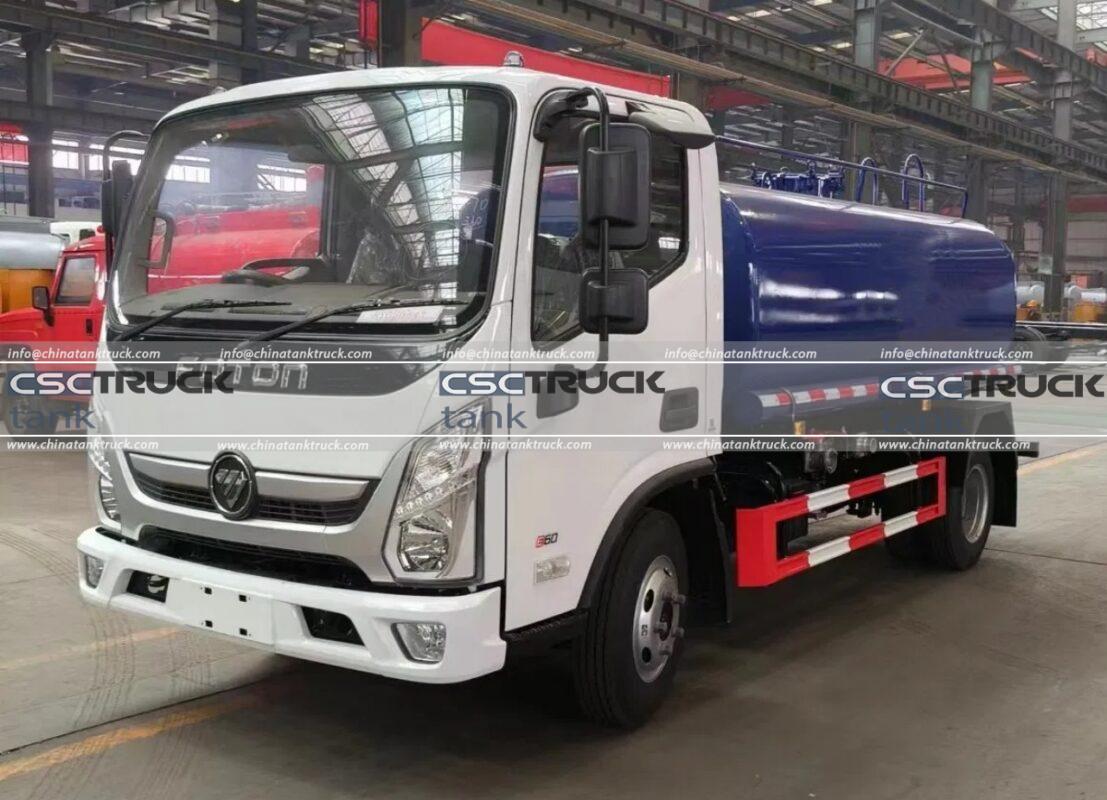
Hazardous trucks play a critical role in the safe movement of substances that pose risks to people, infrastructure, and the environment. These vehicles include oil tankers, refueling trucks, chemical liquid transport trucks, flammable liquid tankers, and flammable gas tank trucks. The cargo they carry—such as diesel, gasoline, ethanol, oxygen, alkali, strong acids, and salts—falls under the classification of hazardous materials. Many of these substances are highly corrosive, which means that the vehicles designed to carry them must incorporate specialized protective features. Chief among these features are anti-corrosion measures, which ensure the structural integrity, reliability, and long service life of the tank body.
The most common method of protection is to apply specialized anti-corrosion materials to the surface of the tank. This creates a barrier between the hazardous cargo and the tank itself, significantly reducing the risk of deterioration over time. Depending on the type of material being transported and the severity of the corrosive threat, different levels of anti-corrosion treatments are used. These can generally be divided into 3 categories: Ordinary anti-corrosion, ceramic-lined anti-corrosion, and metal long-lasting anti-corrosion. Each approach is suited for particular applications and operating environments.
1. Ordinary Anti-Corrosion
Ordinary anti-corrosion measures are generally applied to tank trucks that transport less aggressive substances. These include vehicles that carry petroleum products, sewage, or food-grade liquids, where the corrosive impact on the tank body is relatively moderate. The protective process involves applying an appropriate anti-corrosion material to the tank’s surface to form an isolation layer. This layer prevents direct contact between the transported medium and the tank wall, effectively reducing corrosion.
While ordinary anti-corrosion may not be suitable for extreme chemical environments, it offers an efficient and cost-effective solution for vehicles like oil tankers, sewage suction trucks, cleaning and sewage combination trucks, and food-grade tankers. The goal is to ensure that these vehicles remain safe and operational without the need for heavy-duty treatments that might be unnecessary for their intended use.

2. Ceramic-Lined Anti-Corrosion
When vehicles are tasked with transporting highly corrosive substances such as strong acids, alkalis, or salts, ordinary methods are insufficient. In these cases, ceramic-lined anti-corrosion—often referred to as heavy-duty anti-corrosion—is used. This method provides far more robust protection against aggressive chemicals.
The process begins with sandblasting, which thoroughly removes oil residues, rust, and oxidation from the tank surface. Once the surface has been cleaned and prepared, additional manual processing ensures optimal conditions for adhesion. A protective ceramic lining is then applied, often combined with a sprayed plastic layer to create a strong and continuous barrier.
Ceramic-lined coatings are notable for their durability and performance. They exhibit strong resistance to acids, alkalis, and salts, and they can withstand high temperatures. Furthermore, the coatings are non-toxic, harmless, and designed for long service life. By ensuring that the coating bonds firmly to the tank substrate, this method offers reliable long-term corrosion protection in demanding environments.
3. Metal Long-Lasting Anti-Corrosion
For the most extreme transport conditions—where strong acids, alkalis, high temperatures, or even anti-static requirements are present—metal long-lasting anti-corrosion is employed. This method uses advanced metal atomized spraying techniques to create a highly durable protective coating. Depending on the operating environment, this treatment can extend the service life of a tank to as much as 30 years.
Because the materials used in metal-based coatings often contain organic solvents, strict safety measures must be observed during the application process. Adequate ventilation is required to prevent the buildup of harmful fumes. Explosion-proof lamps must be used for lighting, and open flames are strictly prohibited. Every step of the process is carefully monitored to ensure both worker safety and coating quality.
The advantages of metal’s long-lasting anti-corrosion treatments are substantial. They provide exceptional durability, withstand extreme chemical and temperature conditions, and offer protection in environments where other methods might quickly fail. For transport operators handling the harshest substances, this level of protection is essential to maintaining safe and efficient operations over decades of use.

Conclusion
In the transportation of hazardous materials, corrosion control is not just a matter of preserving equipment—it is a matter of safety, compliance, and environmental responsibility. Whether through ordinary anti-corrosion for mild substances, ceramic-lined protection for aggressive chemicals, or metal long-lasting treatments for the harshest environments, each method plays a vital role in ensuring the reliability of hazardous trucks. Choosing the correct anti-corrosion solution helps safeguard the integrity of the tank, extend vehicle service life, and protect both operators and the communities they serve.
