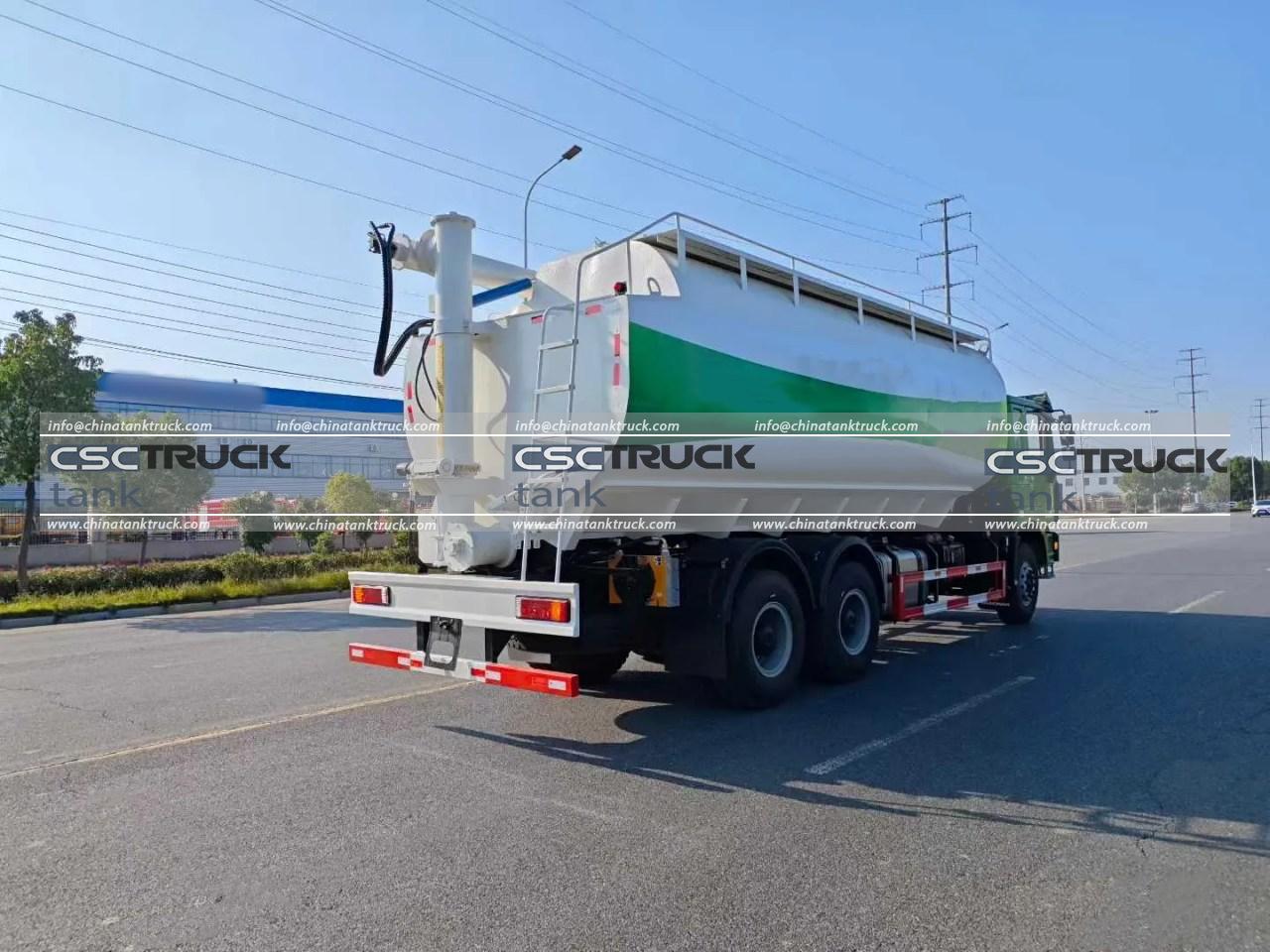

In industries that transport dry bulk materials such as cement, fly ash, lime, flour, plastic pellets, and chemical powders, pneumatic tankers play a vital role in ensuring fast, clean, and contamination-free deliveries. One of the most common questions from fleet operators and customers is: How long does it take to unload a pneumatic tanker?
The answer depends on several factors, including the type of material, tank capacity, air compressor performance, pipeline length, unloading pressure, and receiving silo conditions. Under normal operating conditions, a pneumatic tanker can typically be unloaded within 30 to 90 minutes, although some specialized applications may require more or less time.
As a leading manufacturer of dry bulk transport equipment, CSCTRUCK China Tank Truck designs and manufactures high-quality pneumatic tankers that maximize unloading efficiency while minimizing product loss and operating costs. Since its establishment, the company has supplied reliable tank trucks to customers worldwide with customized solutions, advanced manufacturing technology, and strict quality control.
Typical Unloading Time
The average unloading time for different pneumatic tanker sizes is shown below.
| Tank Capacity | Typical Cargo | Average Unloading Time |
|---|---|---|
| 20–25 m³ | Cement, flour | 25–40 minutes |
| 30–35 m³ | Fly ash, lime | 35–60 minutes |
| 40–45 m³ | Cement, plastic pellets | 45–75 minutes |
| 50–60 m³ | Lightweight powders | 60–90 minutes |
These figures assume:
- Properly functioning air compressor
- Clean discharge pipelines
- Suitable receiving silo pressure
- Dry materials
- Experienced operator
Actual unloading times may vary depending on site conditions.
How Pneumatic Unloading Works
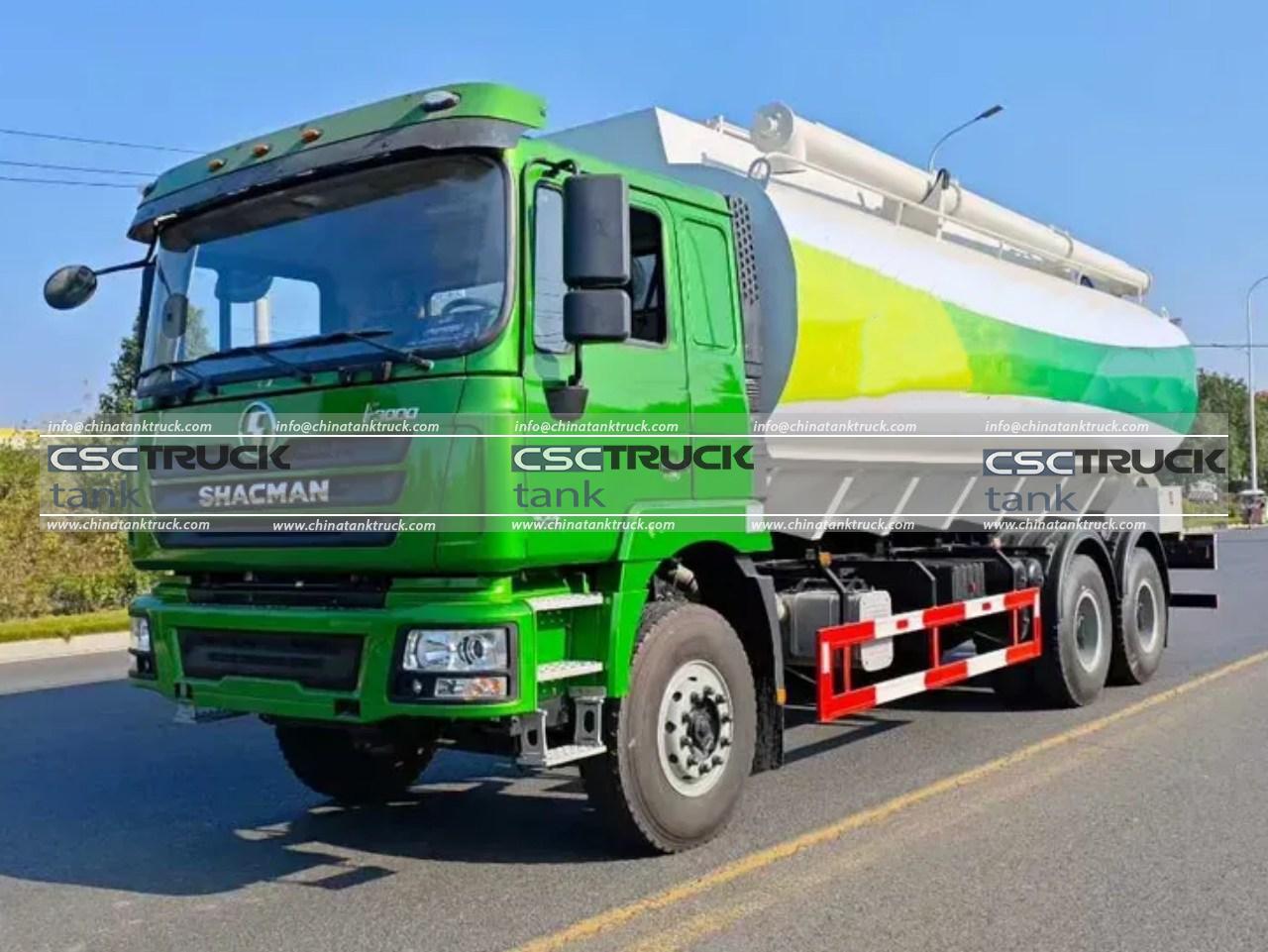
Unlike liquid tankers that rely mainly on gravity, pneumatic tankers use compressed air to move dry bulk products through discharge pipelines.
The unloading process generally involves the following steps:
- Connect the discharge hose to the receiving silo.
- Start the truck-mounted air compressor or external compressor.
- Pressurize the tanker.
- Fluidize the product using aeration pads inside the cone-shaped hopper.
- The compressed air pushes the material through the discharge pipe.
- Continue until the tank is completely empty.
- Depressurize the system safely before disconnecting hoses.
The entire unloading cycle is continuous and requires careful monitoring of pressure and airflow.
Factors That Affect Unloading Time
1. Material Type
Different products behave differently during pneumatic conveying.
Fine, dry powders generally unload much faster than coarse or damp materials.
Typical unloading performance:
- Cement – Fast
- Fly ash – Very fast
- Lime powder – Moderate
- Flour – Fast
- Plastic pellets – Moderate
- Sand – Slow
- Wet powder – Slow
Materials with poor flow characteristics require additional aeration and higher air pressure.
2. Tank Capacity
Larger tanks naturally require more unloading time.
For example:
- 25 m³ tanker may finish in around 35 minutes.
- 40 m³ tanker may require approximately one hour.
- 60 m³ tanker may take up to 90 minutes.
Although larger compressors can reduce unloading time, they cannot completely offset the increased volume.
3. Air Compressor Capacity
The compressor is one of the most important components affecting unloading speed.
Most pneumatic tankers use compressors with capacities ranging from:
- 6–8 m³/min for smaller tankers
- 10–12 m³/min for medium tankers
- 12–16 m³/min for high-capacity tankers
Higher airflow allows material to move more quickly through the discharge system.
However, excessively high pressure can damage pipelines or create excessive wear.
4. Air Pressure
Most pneumatic tankers unload using operating pressures between:
- 0.15 MPa
- 0.20 MPa
- 0.25 MPa
Pressure must be carefully controlled.
Too little pressure results in slow unloading.
Too much pressure wastes fuel and may damage equipment.
Operators normally adjust pressure according to the material being transported.
5. Pipeline Length
Longer discharge pipelines increase unloading time.
For example:
- 10-meter pipeline – Fast unloading
- 30-meter pipeline – Moderate unloading
- 60-meter pipeline – Slower unloading
Each additional meter increases friction losses, requiring more compressed air.
6. Pipeline Diameter
Larger pipelines reduce airflow resistance.
Common discharge pipe diameters include:
- 80 mm
- 100 mm
- 125 mm
A properly sized discharge line improves unloading efficiency while reducing compressor workload.
7. Moisture Content
Dry bulk materials should remain dry during transportation.
Moisture causes:
- Material bridging
- Hopper blockage
- Poor fluidization
- Longer unloading times
- Product contamination
For this reason, pneumatic tankers are designed with sealed tanks that prevent water ingress.
8. Receiving Silo Condition
Sometimes the tanker is not responsible for slow unloading.
Problems at the receiving silo can significantly delay the unloading process.
Common issues include:
- Blocked filters
- Full silos
- Poor silo ventilation
- Restricted pipelines
- Faulty pressure relief valves
Maintaining the receiving system is just as important as maintaining the tanker.
Equipment Maintenance Matters
Proper maintenance keeps unloading times consistent.
Operators should regularly inspect:
- Air compressor
- Relief valves
- Pressure gauges
- Aeration pads
- Hopper cones
- Discharge valves
- Flexible hoses
- Air filters
A worn compressor may reduce airflow by 20–30%, increasing unloading time considerably.
Routine maintenance also lowers fuel consumption and extends equipment life.
Operator Experience
Experienced operators can noticeably reduce unloading times.
Good operators know how to:
- Adjust pressure correctly
- Monitor airflow
- Prevent pipeline plugging
- Identify material flow problems
- Avoid over-pressurization
Proper training not only speeds up unloading but also improves safety and reduces maintenance costs.
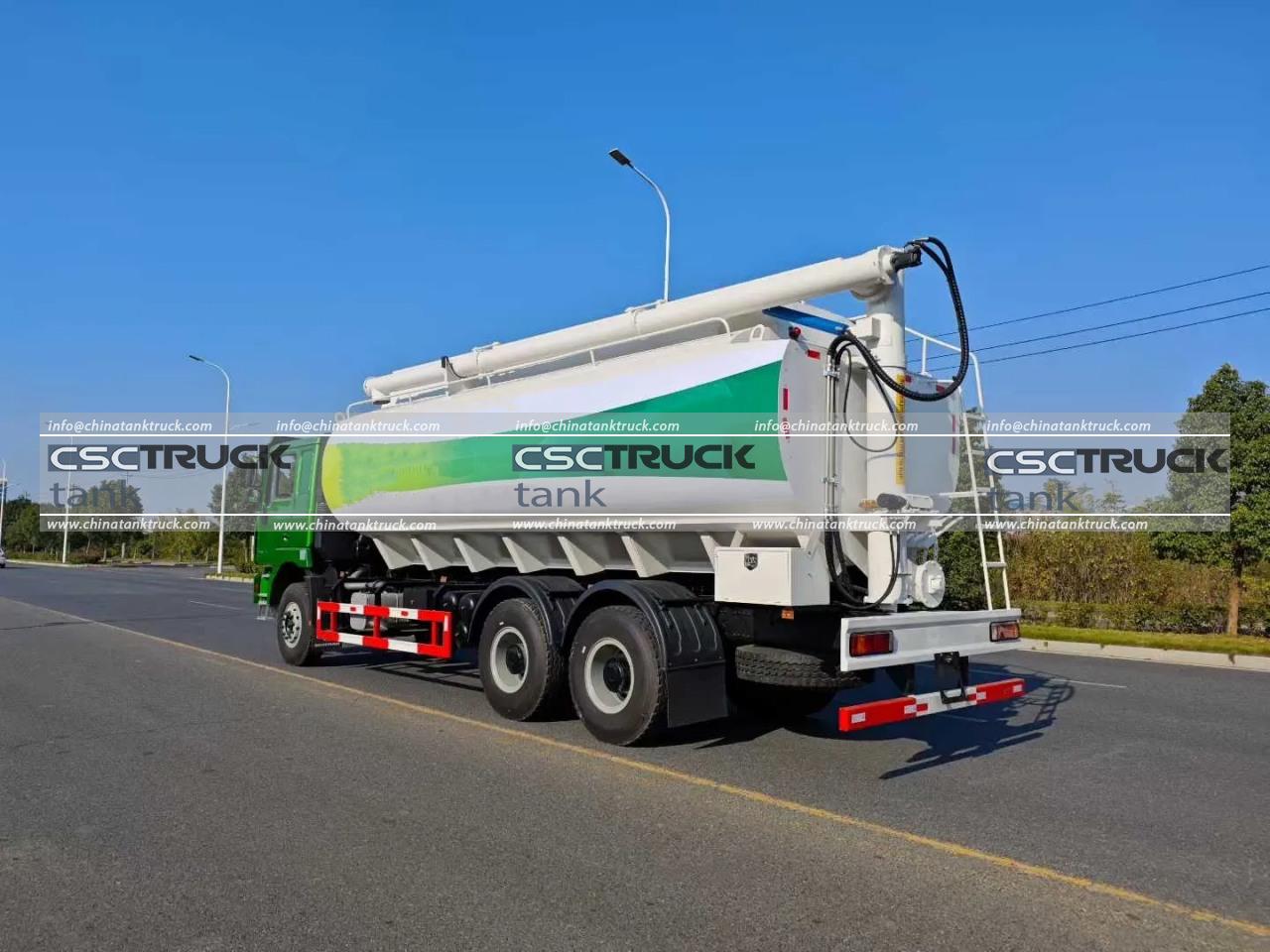
Can Unloading Be Made Faster?
Yes. Several strategies can improve unloading efficiency.
These include:
- Using larger-capacity air compressors
- Keeping materials completely dry
- Minimizing pipeline length
- Maintaining clean discharge hoses
- Replacing worn aeration membranes
- Ensuring proper silo ventilation
- Using smooth internal tank surfaces
- Performing preventive maintenance
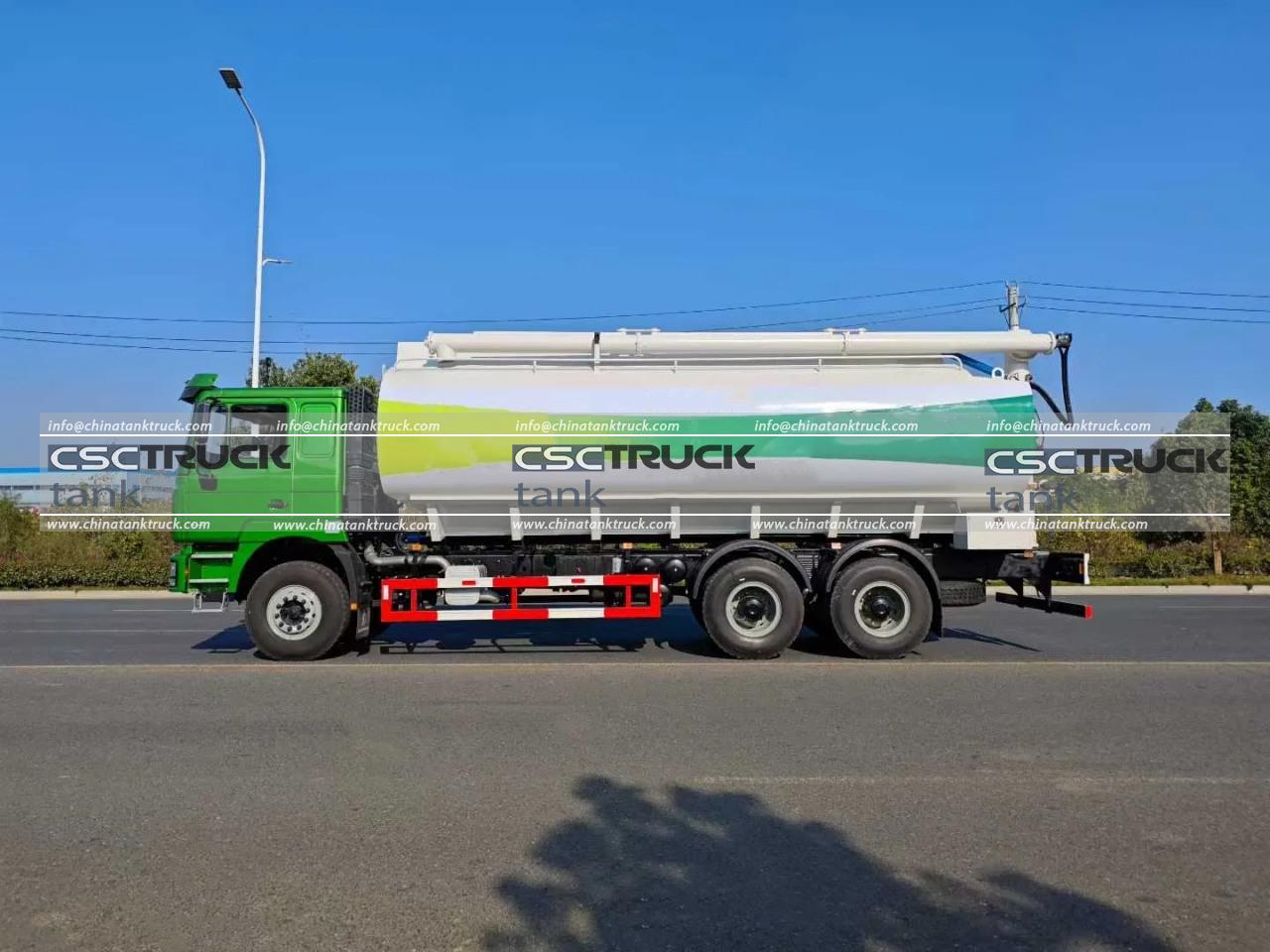
Many modern pneumatic tankers are specifically engineered to optimize airflow and reduce product residue, allowing operators to complete deliveries more quickly.
Safety During Unloading
Speed should never come at the expense of safety.
Operators should always:
- Wear appropriate personal protective equipment.
- Check hose connections before pressurizing.
- Monitor pressure gauges continuously.
- Never exceed the manufacturer’s recommended operating pressure.
- Ensure all valves function correctly.
- Depressurize the tank before disconnecting hoses.
- Stay clear of pressurized fittings during operation.
Following proper unloading procedures helps prevent equipment damage, product loss, and workplace accidents.
Conclusion
Under normal operating conditions, unloading a pneumatic tanker generally takes 30 to 90 minutes, depending on tank size, material characteristics, compressor capacity, air pressure, and site conditions. Fine, dry materials such as cement and fly ash typically unload more quickly than heavier or moisture-sensitive products. Regular maintenance, proper operator training, and optimized receiving systems can significantly reduce unloading times while improving safety and productivity.
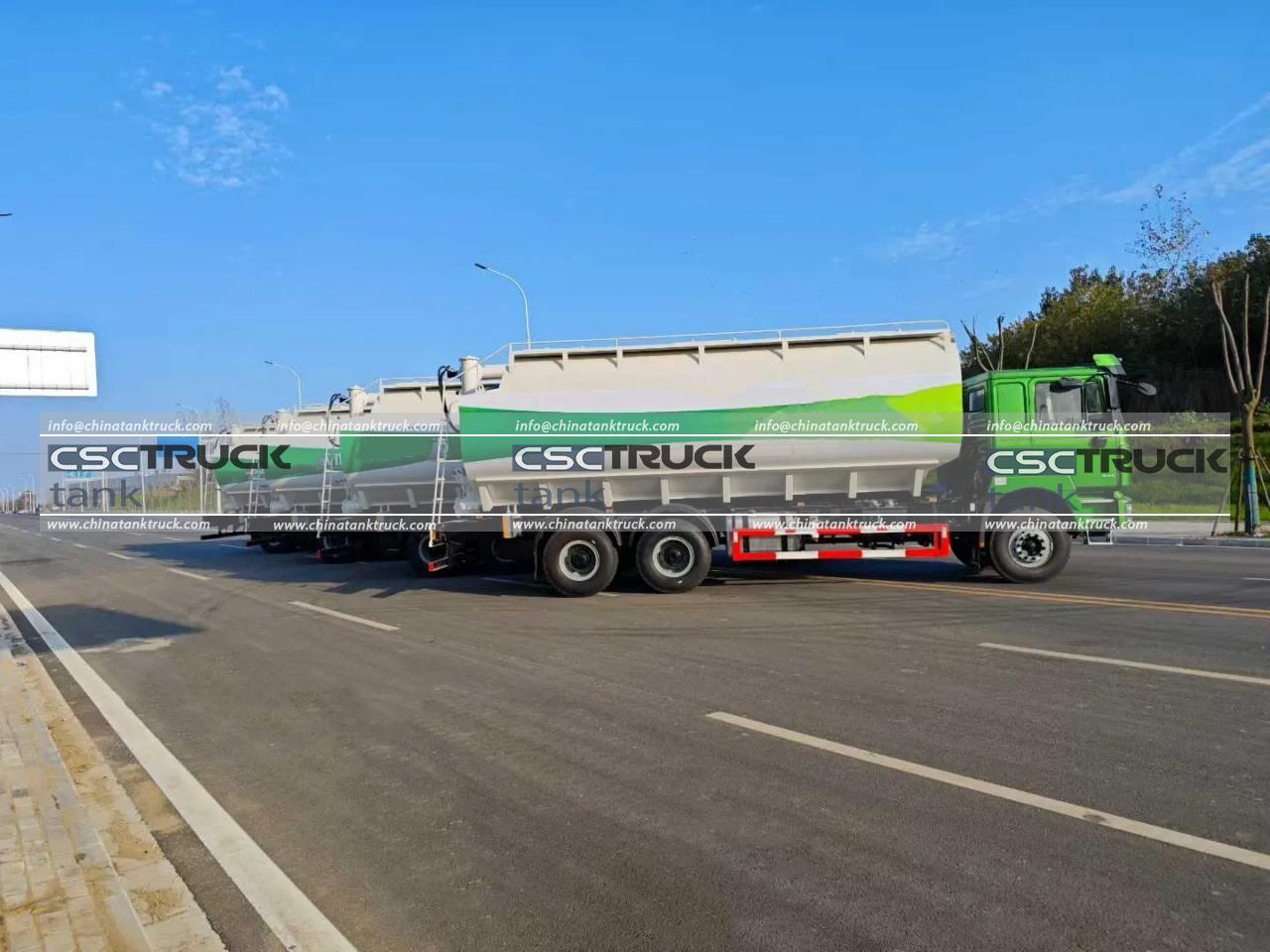
For businesses seeking reliable and efficient dry bulk transport solutions, CSCTRUCK China Tank Truck offers a wide range of pneumatic tankers designed for fast unloading, durable performance, and long service life. With advanced engineering, customizable configurations, and comprehensive after-sales support, CSCTRUCK China Tank Truck continues to provide dependable tank trucks for customers around the world.