Water trailers are indispensable tools across a wide range of industries, including agriculture, construction, emergency services, and landscaping. They provide a portable and convenient means of transporting water to remote locations or job sites where a fixed water source might not be available. But when someone asks, “How big are water trailers?” the answer is not as straightforward as citing a single measurement. Water trailers come in various sizes, configurations, and capacities, each tailored for specific tasks. In this article, we’ll explore the range of sizes available, their components, typical applications, and what factors influence the size and selection of a water trailer.
Understanding Water Trailers
A water trailer is essentially a mobile water tank mounted on a trailer chassis. It is designed to be towed by a vehicle such as a pickup truck, tractor, or commercial truck. These trailers often include additional components such as pumps, hoses, spray bars, and nozzles, making them highly versatile for distributing water.
They are used for a variety of purposes, including:
- Dust suppression on construction sites and roads
- Irrigation for farms, gardens, and landscaping
- Firefighting and emergency water delivery
- Livestock and agricultural water transport
- Watering trees and vegetation in public works
Due to the diversity of their applications, water trailers come in a range of sizes, from small tanks to large-capacity units pulled by heavy-duty vehicles.

Water Trailer Sizes by Capacity
The volume of water generally categorizes water trailer sizes they can carry, typically measured in gallons in the U.S. or liters in metric countries. Here’s a breakdown of the common water trailer size categories:
1. Small Water Trailers (50–500 gallons)
Small water trailers are compact and highly maneuverable, making them suitable for residential use, small farms, landscaping businesses, or light construction projects. They can be towed with most consumer-grade pickup trucks or even ATVs for the smallest models.
- Tank size: 50 to 500 gallons (189 to 1,893 liters)
- Trailer length: 6 to 10 feet (1.8 to 3 meters)
- Typical uses: Spot watering, garden irrigation, small-scale dust control
These trailers are lightweight and often made of polyethylene tanks mounted on single-axle trailers. Some even include hand-operated pumps and basic spray systems.
2. Medium Water Trailers (500–1,000 gallons)
Medium-sized water trailers provide a good balance between portability and capacity. They are commonly used in agriculture, construction, and fire suppression in rural areas.
- Tank size: 500 to 1,000 gallons (1,893 to 3,785 liters)
- Trailer length: 10 to 16 feet (3 to 4.9 meters)
- Typical uses: Dust control, irrigation, fire suppression, livestock watering
These trailers may come with advanced pumping systems powered by gas or diesel engines. Tandem axles are often used to ensure safe and stable towing when fully loaded.
3. Large Water Trailers (1,000–2,500+ gallons)
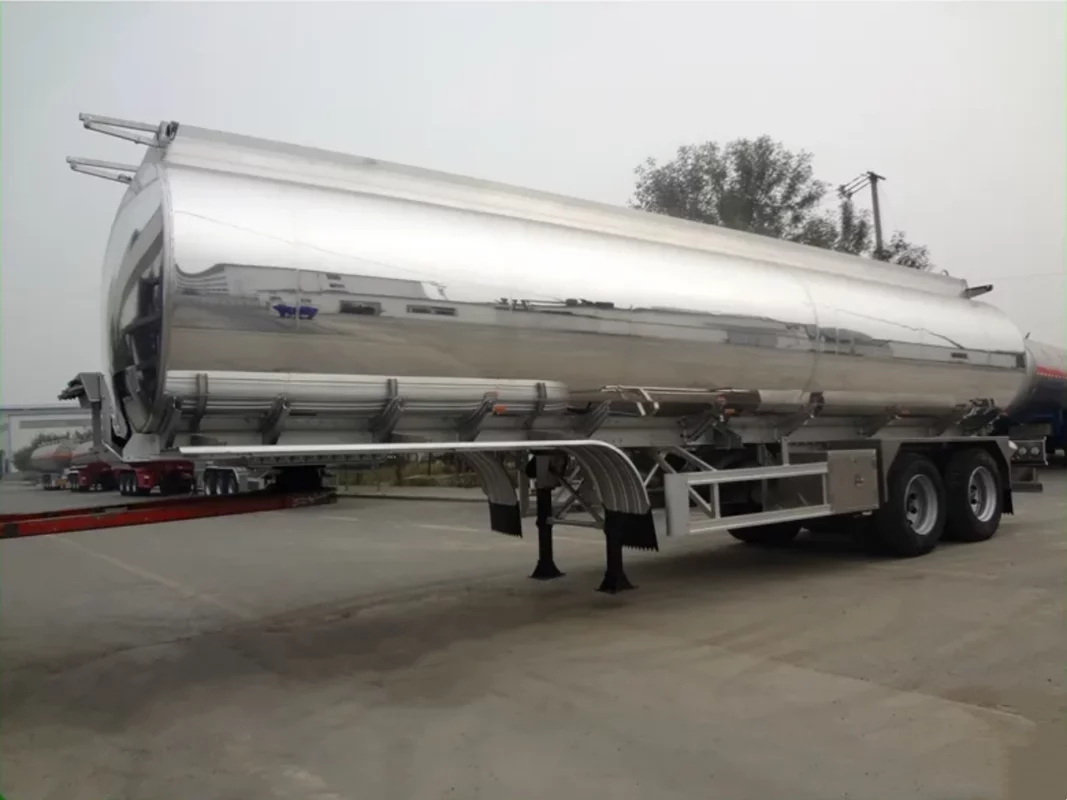
Large water trailers are industrial-grade units designed for major construction, municipal works, or emergency services. They are typically towed by heavy-duty trucks or mounted on semi-trailers.
- Tank size: 1,000 to over 2,500 gallons (3,785 to 9,463+ liters)
- Trailer length: 16 to 24 feet (4.9 to 7.3 meters)
- Typical uses: Highway construction dust suppression, wildfire response, large-scale irrigation, water delivery
Larger trailers often include baffles inside the tanks to minimize water sloshing, as well as DOT-compliant lights, brakes, and heavy-duty frames for road use.
Trailer Dimensions and Weights
While tank capacity is the primary factor in determining the size of a water trailer, it’s important to consider the overall physical dimensions and weight:
- Width: Most water trailers range between 5 and 8 feet (1.5 to 2.4 meters) wide.
- Height: Including the tank, they usually stand 5 to 8 feet tall (1.5 to 2.4 meters).
- Dry weight: Ranges from a few hundred pounds (for 100-gallon trailers) to over 5,000 pounds (for 2,500-gallon trailers)
- Loaded weight: Water weighs about 8.34 pounds per gallon. So a full 1,000-gallon trailer carries over 8,000 pounds of water—plus the trailer’s weight.
Proper vehicle matching is essential. Using a trailer beyond your towing vehicle’s capacity is both dangerous and illegal in many jurisdictions.

Design Considerations That Affect Size
Several design features influence the size and utility of a water trailer:
1. Tank Shape and Material
Tanks may be horizontal or elliptical. Elliptical tanks have a lower center of gravity, making them more stable when transporting large volumes. Materials are typically polyethylene (for lightweight use) or steel (for rugged, high-capacity demands).
2. Axle and Chassis Configuration
Smaller trailers use single axles, while larger ones feature tandem or triple axles. The chassis must be rated to handle the combined weight of the tank, frame, and water.
3. Pumping and Spray Equipment
More sophisticated water trailers include pressurized pumping systems, hoses, nozzles, and spray bars that can add to the trailer’s size and complexity.
4. Road vs. Off-Road Use
Trailers designed for highway use often have DOT-compliant lighting, reflectors, and braking systems, which can affect their length and height. Off-road trailers may be more compact and built with rugged tires and suspension for rough terrain.
Choosing the Right Size Water Trailer
The right size depends on several factors:
- Application: Are you watering a garden or suppressing dust on a 10-acre job site?
- Towing vehicle: What is the towing capacity and hitch rating of your vehicle?
- Refill frequency: Do you need to make one delivery per day or multiple trips?
- Maneuverability: Will you use the trailer in tight residential areas or wide-open farms?
A landscaper might opt for a 300-gallon unit that’s easy to tow with a standard pickup, while a highway construction crew might need a 2,000-gallon behemoth hauled by a semi-truck.

Conclusion
Water trailers are available in a broad spectrum of sizes, from small 50-gallon tanks for light-duty jobs to massive 2,500-gallon units for industrial applications. The “bigness” of a water trailer is defined not only by the tank’s capacity but also by its length, width, and total loaded weight. Understanding your specific needs—usage type, towing capacity, terrain, and regulatory requirements—will guide you to the right size.
Whether you’re irrigating a vineyard, controlling dust at a quarry, or supporting emergency firefighting efforts, there’s a water trailer perfectly sized for your mission.
