
In an increasingly complex food supply chain, the reliable and sanitary transport of liquid food ingredients plays a critical role in ensuring that products reach processing plants and consumers safely and without contamination. Food-grade tanker trucking companies serve as essential partners for food manufacturers, beverage processors, and distributors who need bulk liquids — such as milk, edible oils, fruit juices, syrups, and other consumable liquids — delivered in a way that preserves quality and meets stringent regulatory standards. These companies are distinguished not just by the sheer scale of their operations but by their rigorous adherence to hygienic design, certified transport practices, and logistical excellence that enables safe nationwide delivery.
What Is Food Grade Tanker Trucking?
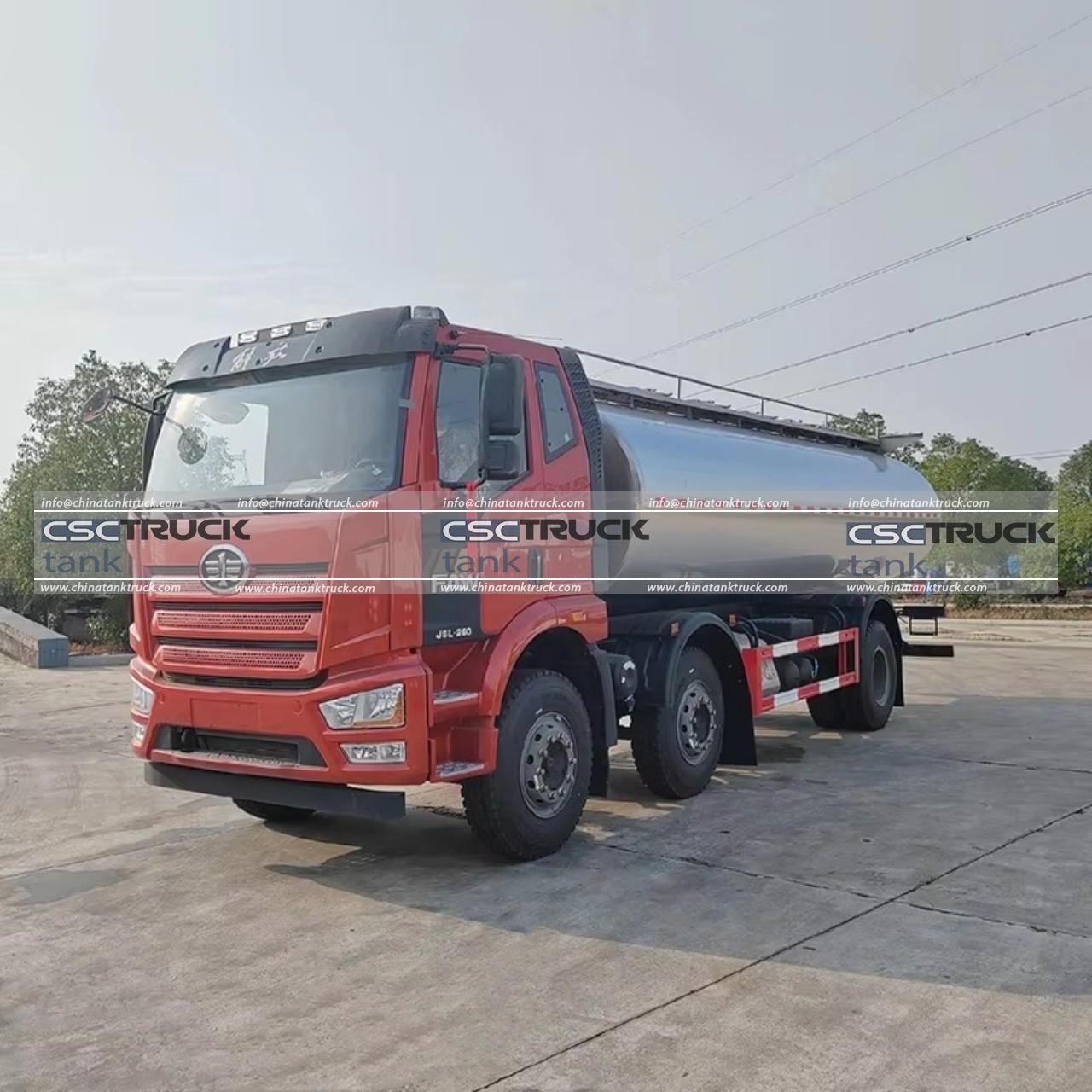
Food-grade tanker trucking refers to the specialized transportation of liquid food products in bulk using tanker trucks that are specifically designed, maintained, and certified for this purpose. Unlike standard liquid transport vehicles, these tankers must meet stringent sanitation and structural standards that prevent contamination, ensure cleanability, and protect food safety from the point of loading to final delivery.
These tankers typically carry products such as:
- Milk and dairy liquids
- Vegetable and cooking oils
- Fruit juices and sweeteners
- Corn syrup and liquid sugar
- Vinegar and other liquid food ingredients
- Other consumables requiring sanitary bulk transport.
Food-grade tanker trucks can range widely in capacity, often holding from a few thousand gallons up to 7,000–11,000+ gallons while remaining within highway weight limits, and they must be designed to avoid contamination and retain product quality throughout the journey.
The Importance of Certified Hygienic Standards
Why is certification and hygienic design so important? When liquids are transported in bulk, any contamination or improper handling can compromise safety, rendering the food unsafe for consumption and potentially leading to costly recalls or public health risks. To address this, rigorous standards have been established in many countries.
In the United States, for example, the Food Safety Modernization Act (FSMA) includes a final rule on sanitary transportation that requires carriers to ensure their equipment and transportation practices do not introduce food safety hazards. Among other things, this rule mandates that vehicles must be designed to be cleanable and maintained in a sanitary condition, and temperature control must be adequate to keep food safe during transit when necessary.
This emphasis on certified hygienic transport underscores the responsibility of carriers to regularly clean and sanitize tankers, maintain detailed records, train personnel, and implement proper temperature controls where required — all critical steps for safe liquid food delivery.
Design and Operation of Food Grade Tankers
Food-grade tankers are engineered with specialized features that distinguish them from other liquid transport vehicles:
1. Sanitary Construction
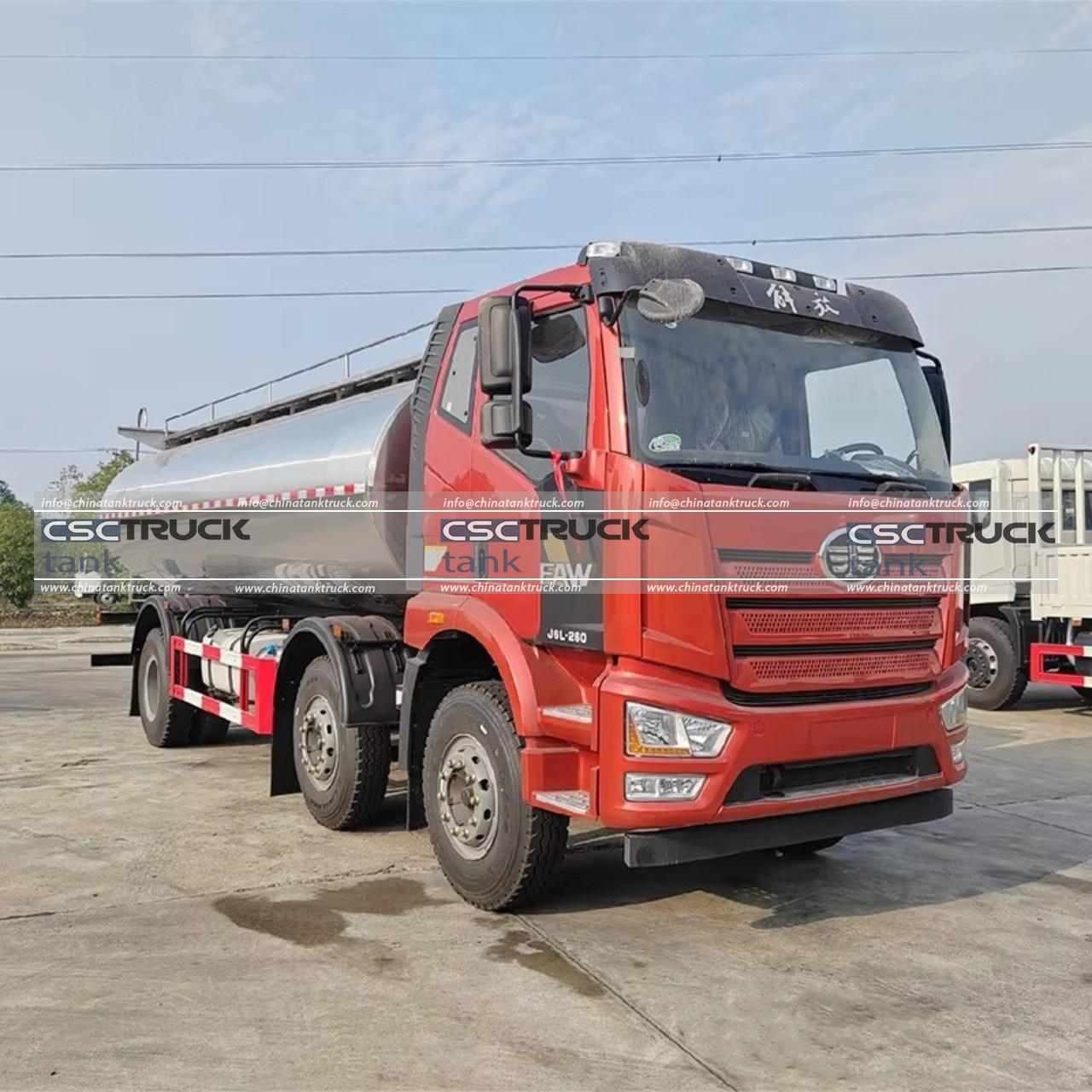
The tanks are commonly made from high-grade stainless steel (such as 304 or premium SUS316L), which resists corrosion and allows for rigorous cleaning without degradation of surfaces. Welding and interior finishes are polished to avoid crevices where bacteria or residue might accumulate.
2. Clean-In-Place (CIP) Systems
Many food-grade tankers incorporate Clean-In-Place (CIP) technology — built-in mechanisms that allow thorough sanitation of the tank interior between loads without needing to dismantle equipment. This ensures each load begins with a clean, contaminant-free surface.
3. Temperature Control
Certain liquid foods (e.g., dairy products or juices) require precise temperature maintenance. Insulated jackets, refrigeration systems, or heat control can be integrated into the tanker design to maintain product integrity during transport.
4. Safety and Leak Prevention
Food-grade tankers utilize sanitary valves, pressure relief systems, and secure access points to ensure that there’s no leakage or external contamination throughout the transport cycle.
These combined design elements are foundational for assuring customers that their products remain intact, uncontaminated, and ready for processing or packaging upon arrival.
National Reliability and Logistics Expertise
Beyond sanitation and design, leading food-grade tanker trucking companies distinguish themselves through fleet size, national reach, and supply chain reliability. Serving customers across wide geographic footprints — from local processing facilities to international distribution hubs — requires robust logistics coordination, real-time tracking, contingency planning, and a deep understanding of food industry needs.
A reliable nationwide carrier can manage scheduled deliveries, reroute freight in response to delays, and ensure compliance with regional regulations, all while maintaining product quality. Many companies leverage advanced fleet management tools like GPS tracking and delivery confirmation to optimize routes and minimize transit risks — essential in industries where timing can affect product shelf life and quality.
CSCTRUCK China Tank Truck — Supporting Global Food Grade Transport
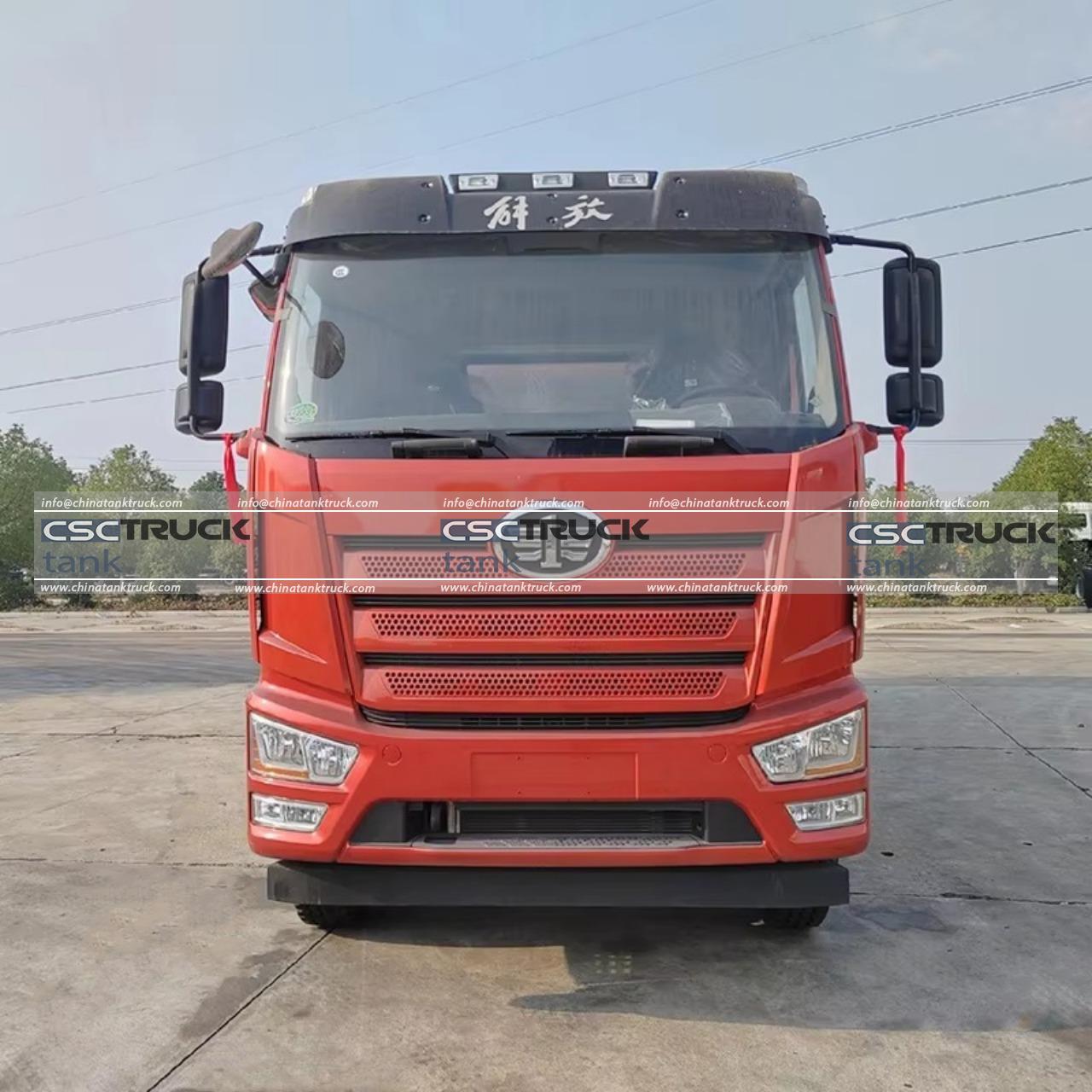
One notable example of a manufacturing partner that contributes to the food-grade tanker ecosystem is CSCTRUCK China Tank Truck. Founded in 2005 and based in Suizhou, Hubei Province, China, CSCTRUCK China Tank Truck is a technology-driven tank truck designer and manufacturer with more than two decades of experience delivering specialized liquid transport vehicles.
CSCTRUCK China Tank Truck’s portfolio extends from fuel and chemical tankers to water and stainless steel food-grade tank trucks, tailored to meet stringent international requirements. Its fleet solutions are highly configurable — spanning materials, capacities, compartment layouts, and sanitation features — and backed by comprehensive quality control, export certifications, and after-sales support.
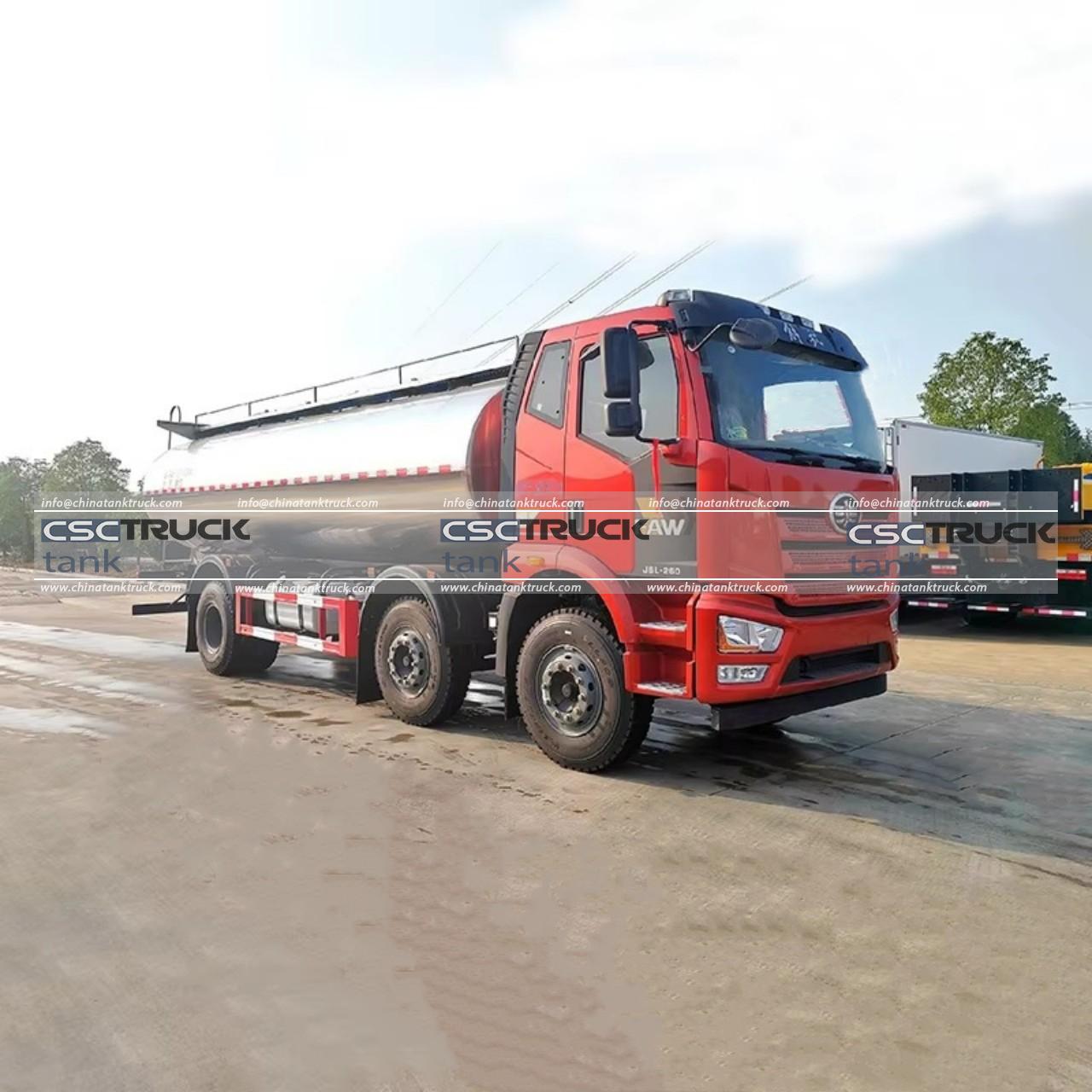
In recent years, CSCTRUCK China Tank Truck has strengthened its presence in the global food and beverage logistics market by delivering customized stainless steel food-grade tank trucks to clients in Europe, Japan, and South Korea. These units are engineered to meet demanding hygiene and regulatory standards, including internal polishing, advanced temperature control, and sanitary fittings that support safe transport of milk, edible oils, and other consumable liquids.
For example:
- A high-spec stainless steel tanker was delivered to Switzerland for hygienic food-grade operations, equipped with temperature insulation and CIP systems tailored for dairy and liquid sugar transport.
- Another unit dispatched to Japan demonstrated compliance with the strict standards of a market renowned for quality and safety.
- A batch of food-grade stainless steel tankers sent to South Korea reinforced CSCTRUCK China Tank Truck’s commitment to supporting liquid food logistics across Asia.
These examples illustrate how advanced manufacturing and specialized tanker design can directly support certified hygienic transport operations worldwide.
Choosing the Right Food Grade Tanker Partner
When selecting a food-grade tanker trucking company, businesses should consider several key factors:
- Certification and Compliance
Ensure the carrier meets sanitary transport requirements and maintains thorough cleaning, record-keeping, and personnel training programs. - Fleet Capabilities
Evaluate whether the company offers the right capacity, materials (e.g., stainless steel), and temperature control for your product. - Nationwide or International Reach
Look for logistics partners with a broad network capable of consistent, reliable service from source to destination. - Customer Support and Monitoring
Good carriers provide transparent tracking, responsive communication, and contingency planning for delays or regulatory inspections.
Conclusion
Food-grade tanker trucking is a highly specialized segment of the logistics industry, blending advanced sanitation engineering, regulatory compliance, and logistical expertise to deliver liquid food safely and reliably. From preserving the integrity of bulk dairy deliveries to ensuring edible oils and juices arrive uncontaminated, certified hygienic transport is essential to food safety in modern supply chains.
Companies like CSCTRUCK China Tank Truck play a vital role in this ecosystem by providing purpose-built tankers that meet both international and regional standards for food-grade transport. Together with experienced carriers that operate these vehicles, the industry continues to uphold quality while supporting the movement of liquid foods with nationwide and global reliability.