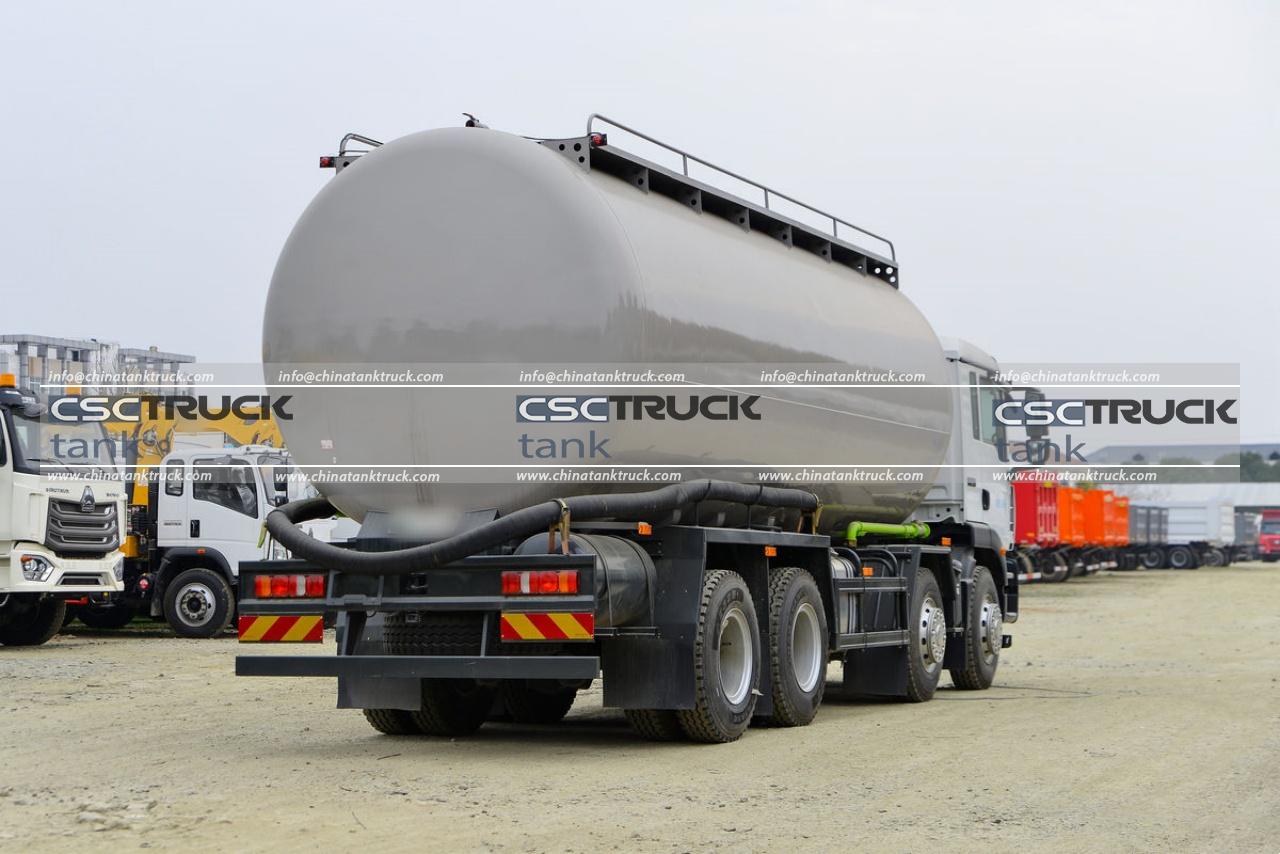

The food industry depends on efficient and hygienic transportation systems to move bulk ingredients from mills to bakeries, food processing plants, and distribution centers. Among the many transportation options available, pneumatic tank trucks have become one of the most reliable solutions for handling dry bulk materials. While these vehicles are commonly associated with transporting cement, fly ash, lime, and plastic pellets, many people ask an important question: Can a pneumatic tank truck transport flour?
The answer is YES. Pneumatic tank trucks are widely used for transporting flour safely, efficiently, and hygienically when they are specifically designed or configured for food-grade service. Their enclosed design, dust-free unloading system, and ability to maintain product cleanliness make them an excellent choice for bulk flour transportation.
Companies such as CSCTRUCK China Tank Truck manufacture a wide range of specialized pneumatic tank trucks designed for different industries. Founded in 2005, CSCTRUCK China Tank Truck has become a leading Chinese manufacturer of tank trucks and specialized commercial vehicles, offering customized solutions for transporting liquids, gases, and dry bulk materials. The company serves customers worldwide with advanced manufacturing technology, strict quality control, and tailored vehicle configurations for various transport applications.
Why Flour is Ideal for Pneumatic Transportation
Flour is a fine powdered food product produced by grinding grains such as wheat, corn, rice, or rye. Because of its lightweight, free-flowing nature, flour is particularly well suited for pneumatic conveying systems.
Unlike bagged flour, which requires extensive manual handling and storage space, bulk flour can be transported directly from the milling facility to the customer’s storage silo. This significantly reduces labor costs, minimizes contamination risks, and speeds up unloading operations.
Pneumatic tank trucks use compressed air to move flour from the sealed tank into the customer’s storage system without exposing the product to the surrounding environment.
How a Pneumatic Tank Truck Works
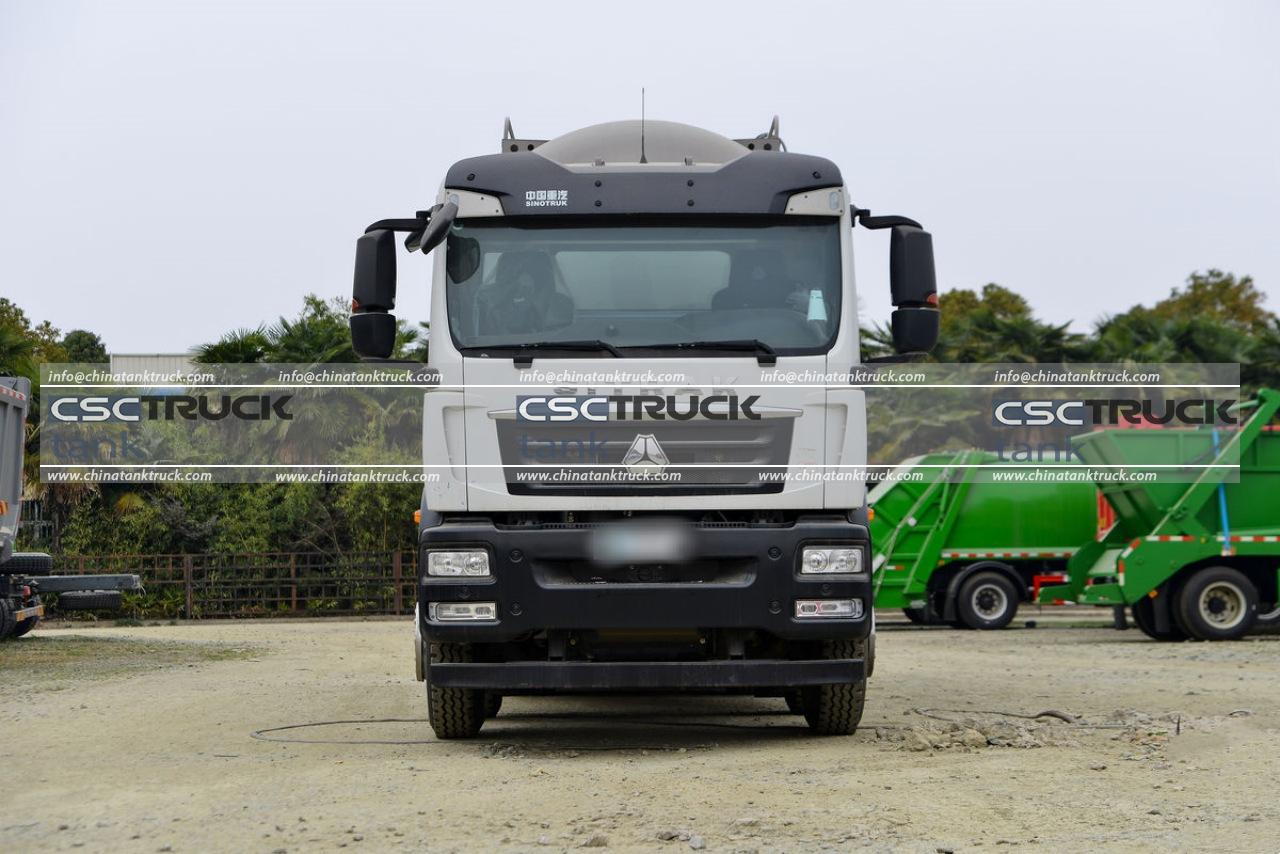
A pneumatic tank truck transports dry bulk materials inside a pressurized tank. During unloading, an air compressor generates compressed air that enters the tank through specially designed fluidizing membranes or pads.
The compressed air loosens the flour into a fluid-like state, allowing it to flow smoothly through discharge pipes into storage silos.
The basic unloading process includes:
- Filling the tank with bulk flour.
- Sealing the tank to prevent contamination.
- Driving to the customer’s location.
- Connecting the discharge hose to the storage silo.
- Starting the air compressor.
- Fluidizing the flour with compressed air.
- Conveying the flour through pipelines into storage.
Because the entire unloading process occurs inside a closed system, product loss and airborne dust are greatly reduced.
Food-Grade Requirements
Although pneumatic tank trucks can transport flour, not every dry bulk tanker is suitable for food products.
Food-grade flour transportation requires specialized equipment designed to comply with strict hygiene standards.
Typical food-grade features include:
- Stainless steel tank construction
- Smooth, polished interior surfaces
- Food-safe seals and gaskets
- Dedicated food-only service
- Easy-clean manholes
- Moisture-resistant piping
- Sanitary discharge valves
- Contamination prevention systems
Using a tanker previously employed for transporting cement or industrial chemicals would create unacceptable contamination risks.
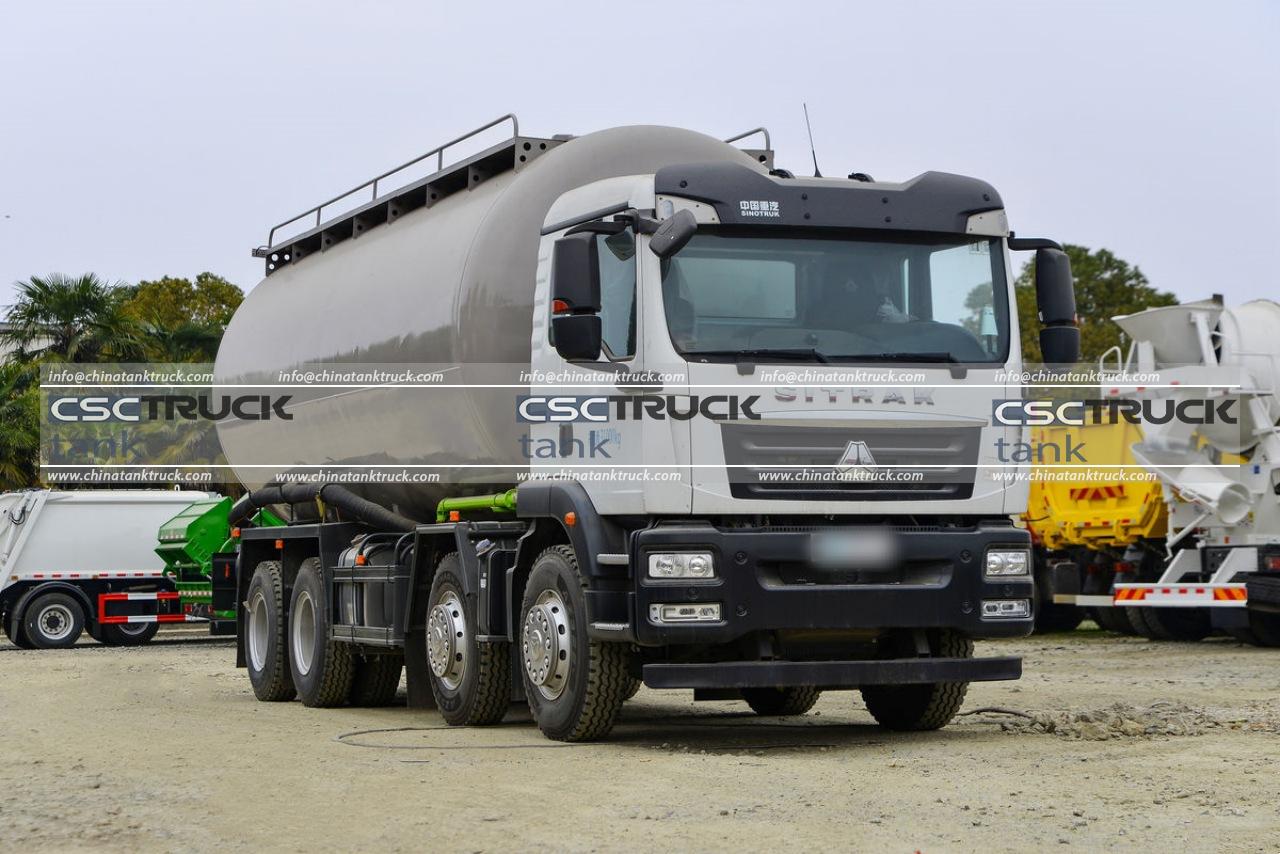
Benefits of Using Pneumatic Tank Trucks for Flour
Excellent Product Protection
Flour easily absorbs moisture, odors, and contaminants. Pneumatic tank trucks completely seal the product during transportation, protecting it from rain, insects, dust, and environmental contamination.
Fast Unloading
Bulk flour can be unloaded much faster than bagged products.
Depending on the tanker size, unloading may take only 30–90 minutes, allowing faster turnaround times for transport companies.
Reduced Labor Costs
Bulk delivery eliminates the need for workers to unload thousands of individual flour bags.
Instead, one operator connects the discharge hose and monitors the unloading process.
Lower Product Loss
Because the entire system remains enclosed, flour spillage is minimized.
This reduces waste while keeping facilities cleaner.
Improved Food Safety
Dedicated food-grade pneumatic tankers minimize the possibility of contamination during transportation.
This is particularly important for bakeries, pasta manufacturers, biscuit factories, and other food producers.
Challenges of Transporting Flour
Although pneumatic transport is highly effective, flour presents several operational challenges.
Moisture Sensitivity
Even small amounts of moisture can cause flour to clump, reducing its flow characteristics.
Operators must ensure:
- Completely dry tanks
- Dry compressed air
- Sealed manholes
- Leak-free piping
Air Pressure Control
Too much pressure may damage equipment or create excessive dust inside the receiving silo.
Too little pressure may slow unloading.
Experienced operators carefully regulate compressor pressure throughout the unloading process.
Cross-Contamination
Food manufacturers often require dedicated flour tankers.
Many logistics companies assign specific vehicles exclusively to flour transportation to prevent contamination from other products.
Typical Flour Tank Truck Specifications
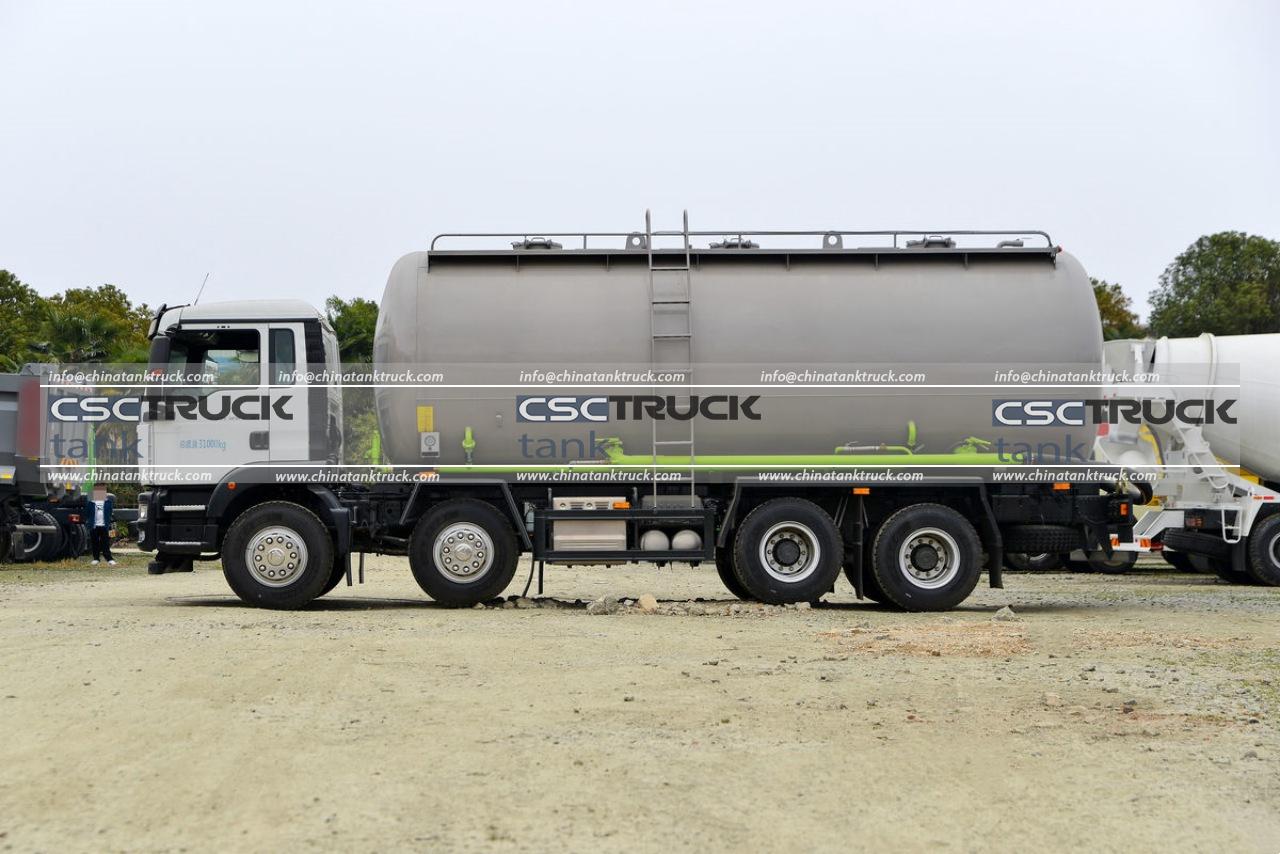
While specifications vary by manufacturer, a typical flour pneumatic tanker may include:
- Tank capacity: 20–60 cubic meters
- Payload: 15–35 tons
- Tank material: Stainless steel or food-grade aluminum
- Air compressor: PTO-driven rotary screw or rotary vane compressor
- Operating pressure: Approximately 0.2–0.3 MPa
- Discharge pipeline diameter: 4–5 inches
- Discharge distance: Up to several dozen meters, depending on system design
These specifications allow efficient transport for both short-distance regional deliveries and long-haul operations.
Industries That Use Bulk Flour Transportation
Many industries rely on pneumatic flour tank trucks, including:
- Flour mills
- Commercial bakeries
- Bread manufacturers
- Biscuit factories
- Pasta plants
- Pizza dough manufacturers
- Cake mix producers
- Breakfast cereal manufacturers
- Food ingredient suppliers
- Animal feed producers
Bulk transportation provides a consistent and economical supply chain for high-volume production facilities.
Cleaning and Maintenance
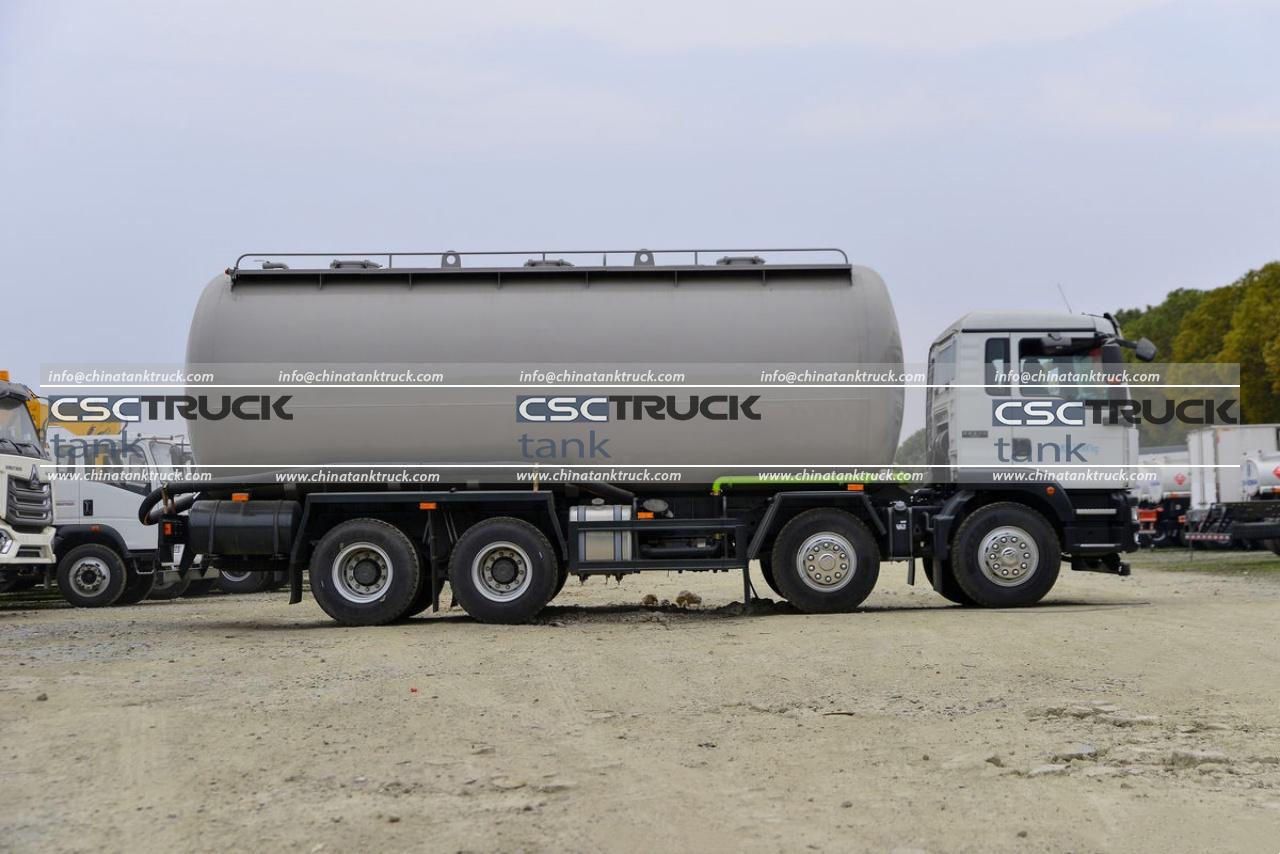
Maintaining food-grade cleanliness is essential.
Routine maintenance typically includes:
- Thorough tank cleaning after deliveries
- Inspection of seals and valves
- Air compressor servicing
- Cleaning discharge hoses
- Moisture removal from compressed air systems
- Interior inspection for residue buildup
- Scheduled replacement of worn sanitary components
Regular maintenance extends equipment life while ensuring compliance with food safety standards.
Choosing the Right Pneumatic Tank Truck
When selecting a pneumatic tank truck for flour transportation, buyers should evaluate several important factors:
- Food-grade certification
- Tank material quality
- Compressor capacity
- Ease of cleaning
- Reliable discharge performance
- Corrosion resistance
- Manufacturer experience
- Availability of spare parts
- After-sales technical support
- Customization options
Manufacturers like CSCTRUCK China Tank Truck offer customized pneumatic tank truck solutions to match different transportation requirements, including specialized food-grade configurations for bulk powder handling. Their engineering capabilities, quality-control processes, and global export experience enable customers to choose vehicles suited for industries ranging from construction materials to food processing.
Conclusion
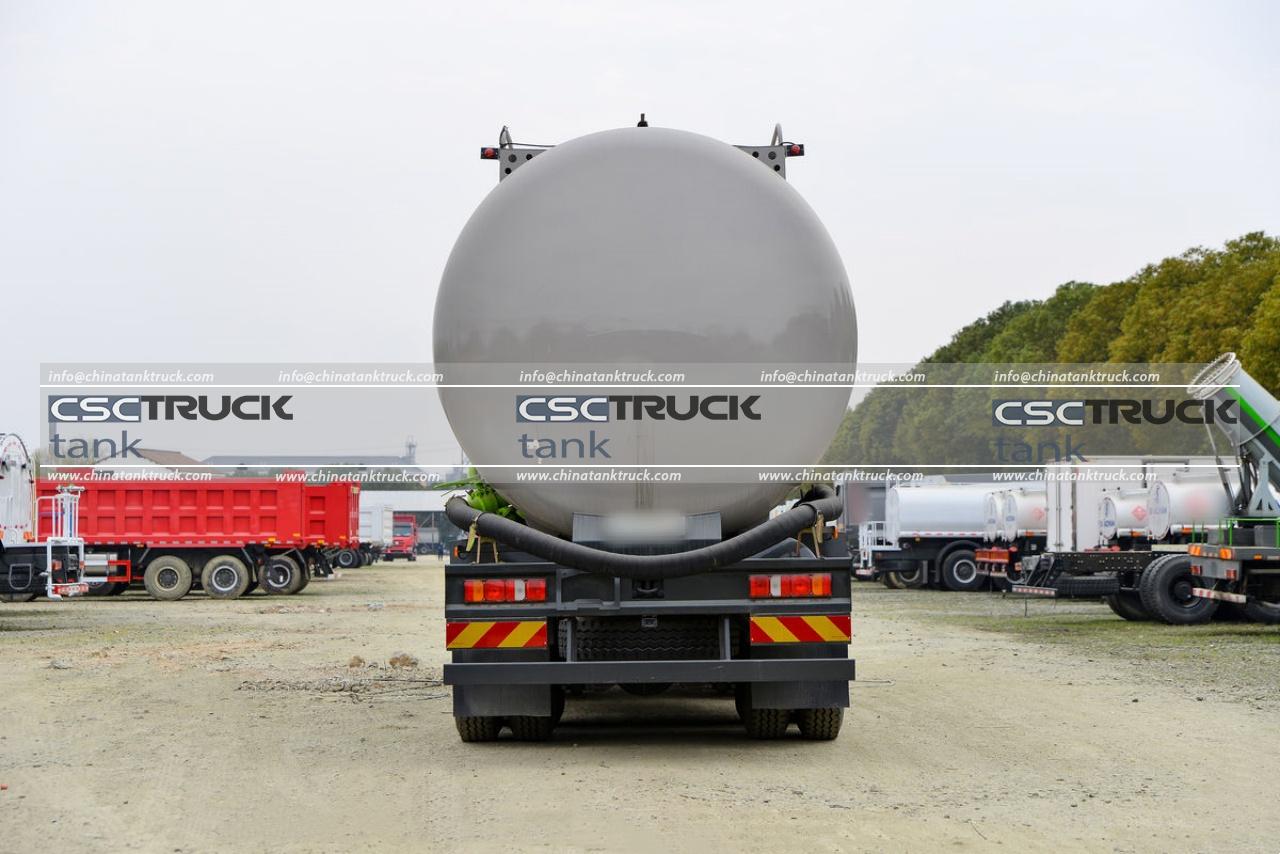
So, can a pneumatic tank truck transport flour? Absolutely. In fact, pneumatic tank trucks are among the most efficient and hygienic methods for transporting bulk flour. Their enclosed system protects the product from contamination, reduces labor requirements, speeds unloading, and minimizes product loss.
However, successful flour transportation depends on using a properly designed food-grade pneumatic tank truck. Stainless steel construction, sanitary components, dedicated food service, clean compressed air, and regular maintenance are essential to preserving product quality and meeting food safety standards.
For flour mills, bakeries, and food manufacturers handling large production volumes, investing in a high-quality pneumatic tank truck from an experienced manufacturer such as CSCTRUCK China Tank Truck can significantly improve transportation efficiency, operational cleanliness, and overall supply chain performance.