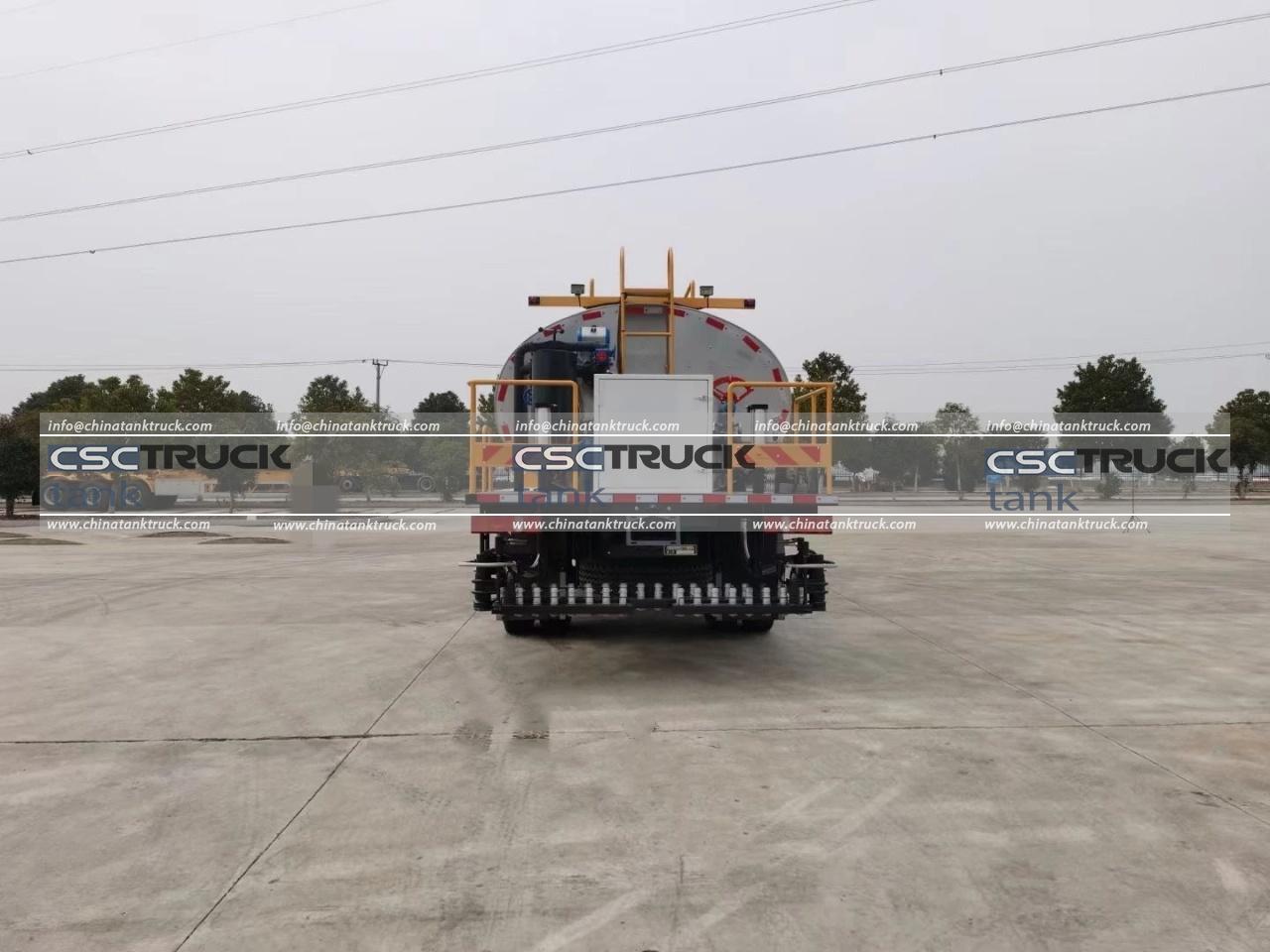

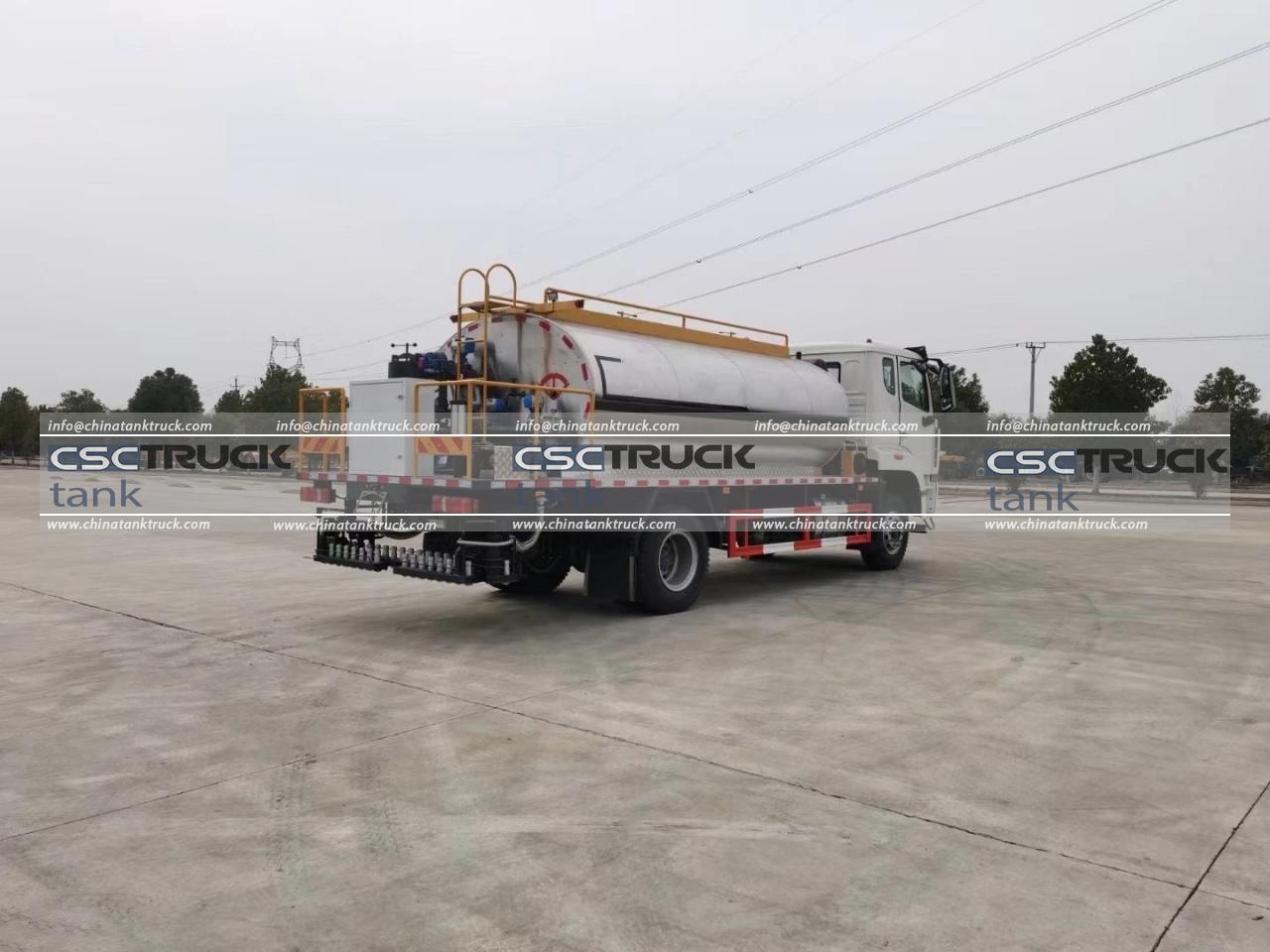
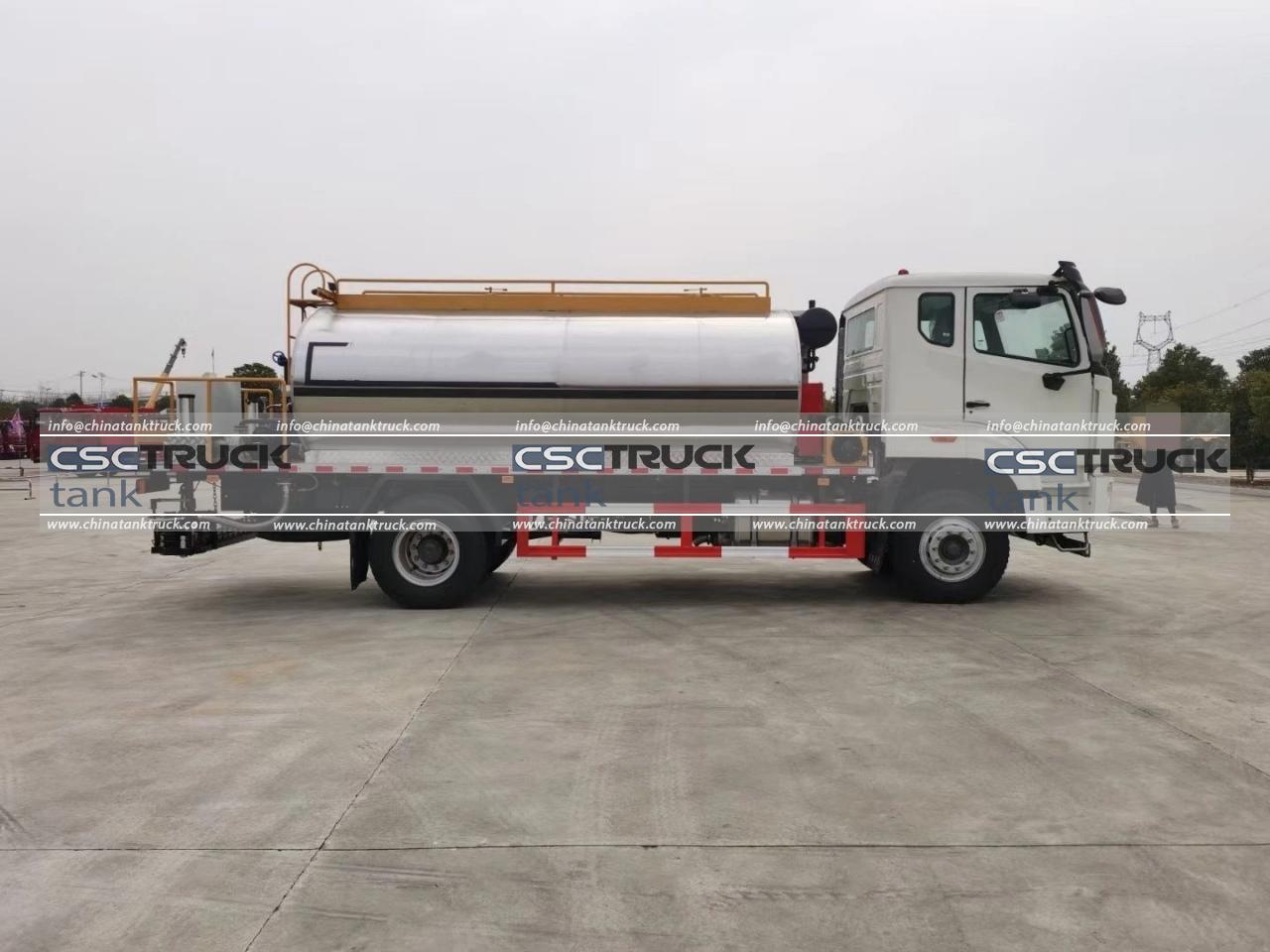
Asphalt tank trucks are the backbone of modern road construction and maintenance, ensuring that asphalt materials are efficiently heated, transported, and applied. These specialized vehicles are designed to carry bitumen, emulsified asphalt, and other paving materials while maintaining precise temperature control and flow management. With increasing demands for faster road construction, better durability, and cost-effective operations, users across the construction and infrastructure industries have shared valuable insights and suggestions for improving asphalt tank trucks. These recommendations aim to enhance efficiency, safety, and long-term reliability in road-building projects.
1. Importance of Asphalt Tank Trucks in Modern Construction
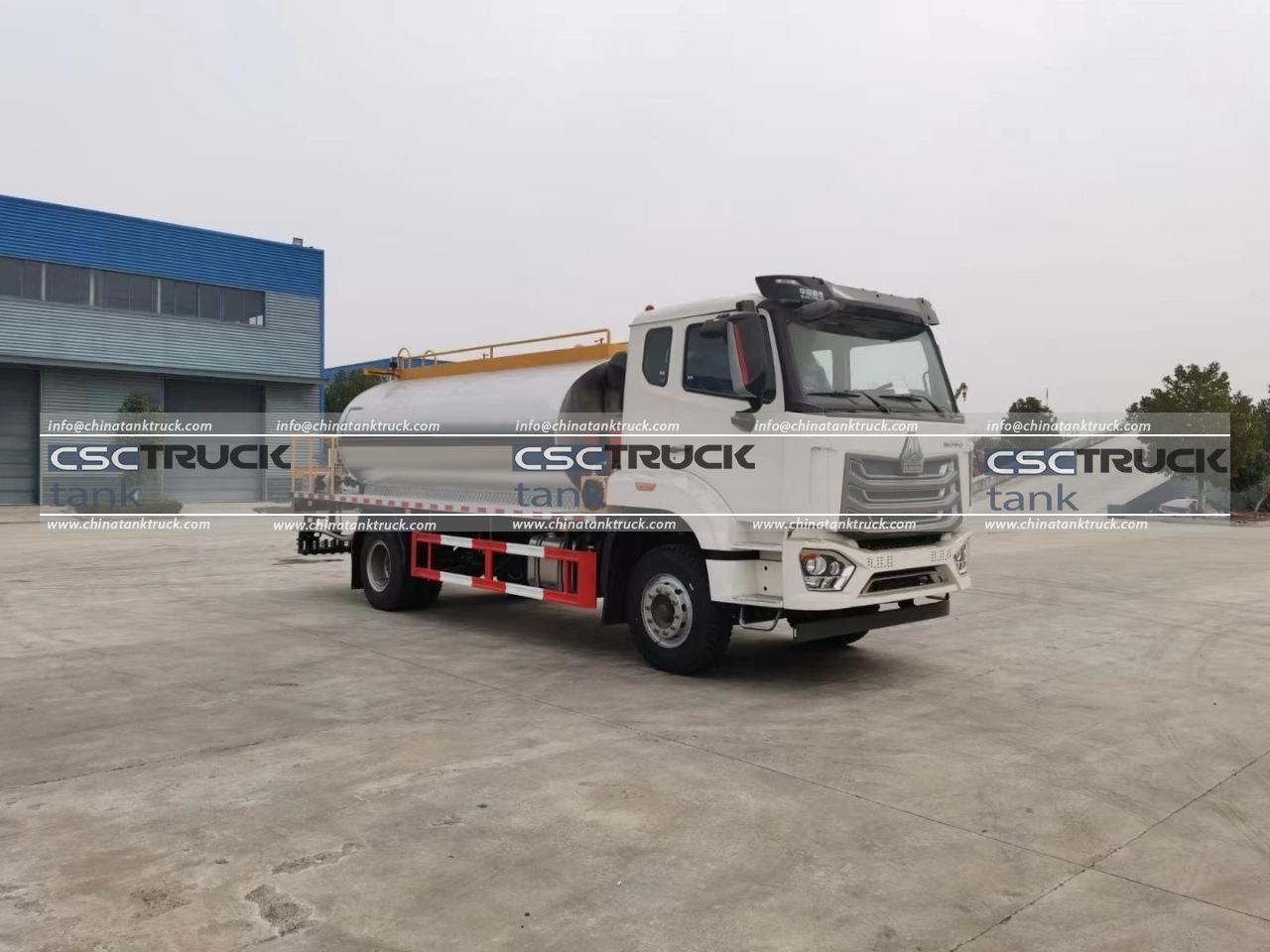
Asphalt tank trucks—also known as bitumen tankers or asphalt distributor trucks—play a crucial role in road surface preparation and maintenance. They ensure that asphalt materials are evenly and accurately applied to the surface, forming the essential binding layer that gives roads strength and longevity. By maintaining consistent heating and spraying systems, these trucks support large-scale paving operations while minimizing waste and downtime.
In modern infrastructure projects, efficiency is everything. Contractors seek tank trucks that can perform multiple functions—heating, storage, and spraying—without compromising on performance. Users agree that optimizing every aspect of these vehicles—from the tank design to the control system—translates directly to better road quality and lower project costs.
2. User Feedback on Performance and Design
Operators and engineers have provided extensive feedback on how asphalt tank trucks perform in real-world conditions. Several recurring themes have emerged from user experiences:
a. Temperature Control and Insulation
One of the most critical features of an asphalt tank truck is its ability to maintain asphalt at the optimal temperature. Users emphasize the need for advanced thermal insulation materials and automatic temperature regulation systems. Trucks equipped with digital thermostats, heat retention jackets, and real-time temperature sensors are preferred for minimizing fuel consumption and preventing asphalt oxidation.
Many users suggest using dual heating systems—combining diesel burners with electrical heating—to offer more flexible operation in different environmental conditions. Improved insulation not only reduces heat loss during long-distance transport but also ensures consistent material quality upon arrival.
b. Spraying Accuracy and Uniformity
Uniform spraying is essential for consistent road texture and adhesion. Users often point out that uneven spray patterns can lead to weak bonding or surface defects. To address this, they recommend upgrading spray bar systems with automatic width adjustment and individual nozzle control.
Modern trucks with computerized spray rate control can automatically adjust the bitumen output according to vehicle speed and road width, ensuring perfect coverage. Regular calibration of spray bars and the use of corrosion-resistant stainless-steel nozzles are also common user suggestions for maintaining long-term efficiency.
c. Pump and Flow System Improvements
Users often face maintenance challenges related to bitumen pumps and pipelines. Since asphalt is a viscous material, any clogging or uneven flow can disrupt work schedules. Operators suggest self-cleaning pumps, heated pipelines, and anti-blocking valves to ensure smooth operation.
Additionally, incorporating automatic circulation systems during idle periods helps prevent asphalt solidification. Easy-access maintenance hatches and quick-disconnect fittings are also high on the user’s wish list to reduce downtime during cleaning and repairs.
3. Efficiency Enhancements Suggested by Users
To meet the growing demand for faster and more sustainable construction, users recommend a variety of practical upgrades and operational improvements.
a. Automation and Intelligent Control Systems
Many users advocate for the integration of intelligent control panels with touchscreen interfaces that display real-time data such as temperature, pressure, and spray rate. These smart systems can automate spraying operations, track performance, and even diagnose potential issues before they cause failures.
Furthermore, incorporating GPS and telematics can help project managers monitor multiple trucks in real-time, optimize routes, and schedule maintenance. Automation reduces operator workload, minimizes errors, and ensures a consistent quality of asphalt distribution.
b. Lightweight and Corrosion-Resistant Materials
Efficiency also depends on vehicle weight and durability. Operators recommend using aluminum alloy or stainless steel for the tank and frame components instead of traditional carbon steel. These materials reduce overall truck weight, improving fuel efficiency while extending the service life of the tank by resisting rust and chemical corrosion from asphalt or weather exposure.
Additionally, users highlight the need for high-performance thermal coatings to further enhance heat retention without significantly increasing weight.
c. Energy Efficiency and Fuel Savings
Energy costs are a major factor in construction logistics. To reduce fuel consumption, users suggest implementing energy-efficient burner systems that can modulate heat output based on demand. Incorporating heat recovery systems that reuse exhaust heat for pre-warming the asphalt or maintaining tank temperature can significantly cut operational costs.
Electric or hybrid heating systems are also gaining popularity, especially in urban environments where emissions and noise restrictions are tighter.
4. Maintenance and Safety Recommendations
a. Easy Maintenance Design
Frequent maintenance is inevitable in asphalt operations, but it should not be time-consuming. Users recommend a modular tank design with quick-release covers, simplified pipe routing, and accessible pump compartments.
Routine cleaning can be facilitated by built-in flushing systems that use diesel or special cleaning fluids to remove residual bitumen. These systems improve hygiene and extend the service life of pumps and pipelines.
b. Enhanced Safety Measures
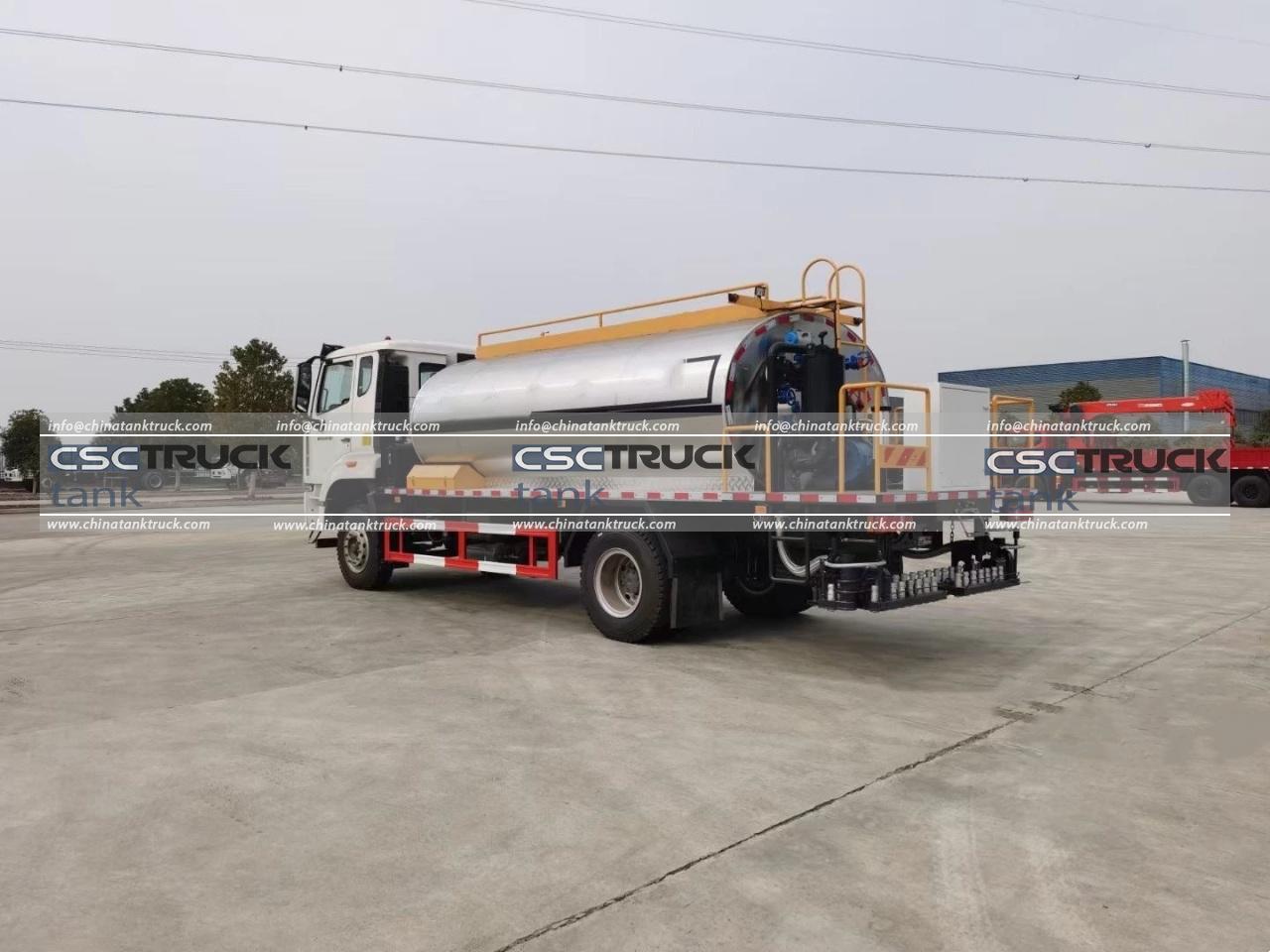
Safety remains a top concern for asphalt transport, as heated bitumen poses significant risks. Users propose multi-level safety mechanisms, including overheat protection, emergency cut-off valves, and explosion-proof electrical components.
Installing anti-slip platforms, handrails, and heat shields further protects operators during loading and maintenance. Real-time temperature and pressure alarms also give operators early warnings of potential hazards.
5. Environmental and Sustainability Considerations
As global construction moves toward greener standards, users emphasize the importance of making asphalt tank trucks more environmentally friendly. Suggestions include:
- Emission reduction systems on burners to minimize carbon output.
- Electric or hybrid powertrains for urban use.
- Biodegradable insulation materials that provide eco-friendly heat retention.
- Recycling systems to reclaim unused asphalt residue instead of discarding it.
Such initiatives not only reduce the environmental footprint but also align with modern sustainability goals in infrastructure development.
6. Training and Operational Improvements
Beyond hardware improvements, users also highlight the importance of operator training and standardized procedures. Advanced trucks require skilled personnel to fully utilize their capabilities.
Users suggest that manufacturers provide digital training modules, simulation tools, and maintenance manuals that are easy to understand. This ensures that operators handle heating systems, spraying equipment, and safety protocols correctly, reducing the risk of errors and equipment wear.
7. Future Trends and User Expectations
Looking ahead, users envision asphalt tank trucks equipped with AI-assisted operation, predictive maintenance algorithms, and data-driven performance analytics. These technologies could enable trucks to self-adjust to conditions, recommend optimal operating temperatures, and even schedule service intervals automatically.
In addition, there’s growing interest in multi-purpose modular tank trucks that can switch between asphalt, emulsion, or tar applications, offering greater flexibility to construction fleets.
Conclusion
User feedback plays an essential role in driving innovation in asphalt tank truck design. From smarter control systems and better insulation to energy-efficient burners and safer operation, the collective insights from field operators and project engineers are shaping the next generation of road construction vehicles.
By implementing these user-driven suggestions—focusing on efficiency, durability, and environmental responsibility—manufacturers can produce asphalt tank trucks that not only improve road construction productivity but also contribute to safer, cleaner, and more sustainable infrastructure development worldwide.
Ultimately, as road networks continue to expand, the evolution of asphalt tank trucks will remain a cornerstone of progress, paving the way—quite literally—for smoother, stronger, and smarter roads ahead.