

Aluminum tank trucks have become an essential part of modern fuel, chemical, and liquid transport industries due to their lightweight structure, corrosion resistance, and operational efficiency. As logistics companies face increasing pressure to improve payload capacity, reduce fuel consumption, and maintain strict safety standards, aluminum tank trucks offer a powerful solution. Their unique combination of durability and reduced weight enables operators to transport more product per trip while lowering operating costs. This article explores the meaning of aluminum tank trucks, their wide-ranging lightweight transport applications, and the most important care and maintenance practices required to keep them safe, efficient, and long-lasting.
1. What Is an Aluminum Tank Truck?
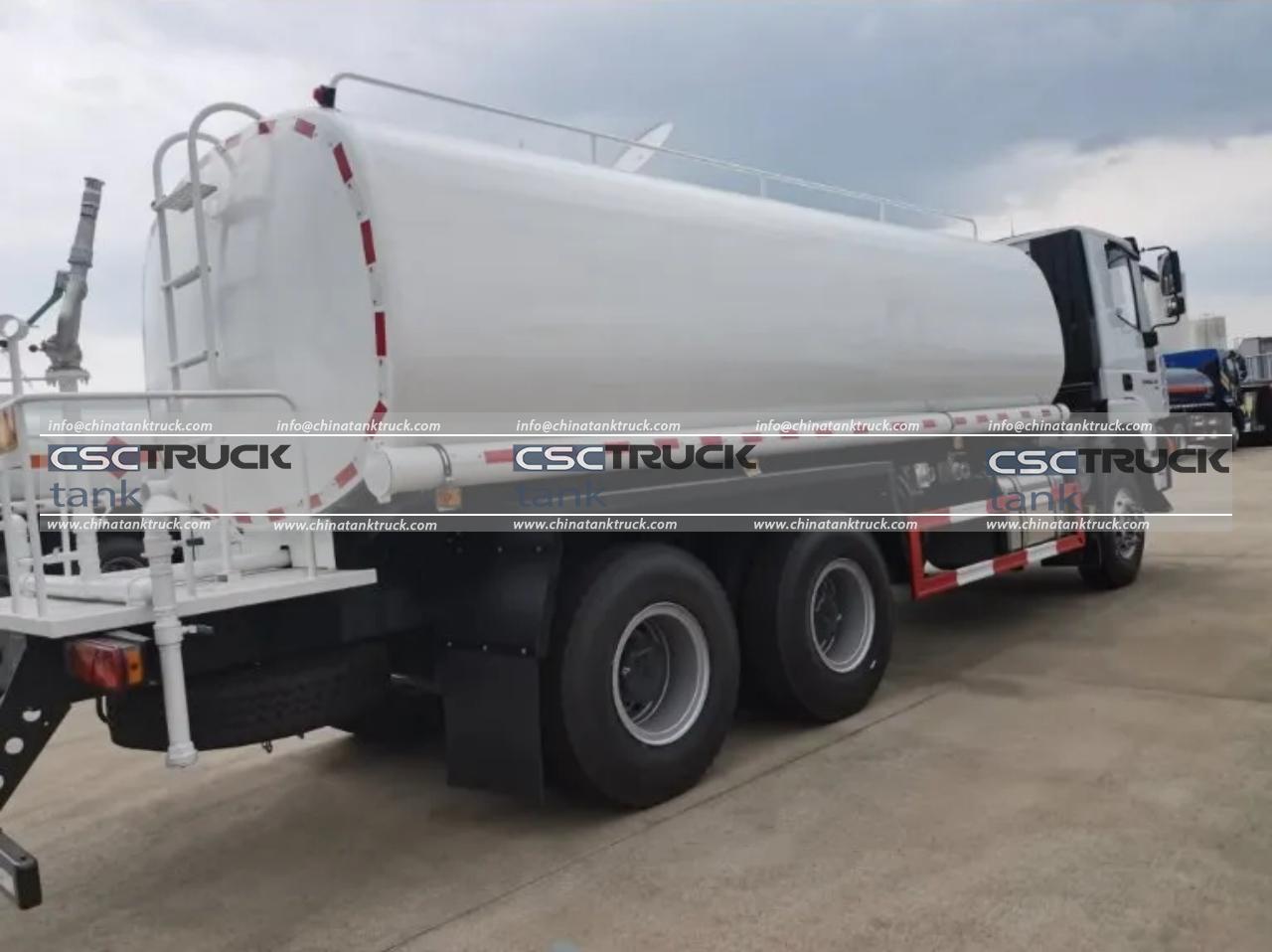
An aluminum tank truck is a specialized vehicle designed for transporting liquids, gases, and other chemical products using a tank built primarily from aluminum alloy. Unlike carbon steel or stainless steel tanks, aluminum tanks are significantly lighter—often 30–40% lighter—making them ideal for applications where maximum payload and fuel efficiency are priorities.
These trucks typically consist of:
- Chassis – the vehicle frame on which the tank is mounted.
- Aluminum Tank Body – made from high-strength aluminum alloy for structural integrity.
- Compartments – single or multiple sections for segregating different liquids.
- Pipelines and Valves – used for loading and unloading.
- Safety Devices – pressure relief valves, grounding systems, anti-roll stability features, and emergency shutdown systems.
Aluminum tank trucks are widely used for petroleum products, edible oils, chemicals, water, and other non-corrosive liquids. Their suitability depends on the transported medium; while aluminum resists many chemicals, it is not appropriate for highly corrosive or acidic substances such as hydrochloric acid. For such materials, stainless steel or specialized liners are required.

2. Why Aluminum? Key Advantages Over Steel
Aluminum offers several advantages that make it a preferred choice in tank truck construction:
(1) Lightweight and High Payload
The biggest benefit is the significant reduction in weight. Lighter tanks allow operators to carry more liquid per trip without exceeding legal road weight limits. This improves efficiency and boosts profits for fuel distributors and logistics companies.
(2) Improved Fuel Efficiency
A lighter vehicle requires less energy to move. As a result, operators save on fuel costs, especially on long-distance routes where reduced vehicle mass brings substantial savings.
(3) Corrosion Resistance
Aluminum naturally forms a protective oxide layer that prevents rusting. This makes aluminum tanks particularly suitable for:
- Petroleum fuels
- Edible oils
- Alcohols
- Water
- Certain chemicals
This resistance reduces the need for frequent repainting or interior coatings.
(4) Long Service Life
Despite being lightweight, high-grade aluminum alloys provide excellent strength and durability. With proper care, aluminum tank trucks can remain operational for decades.
(5) Aesthetic and Clean Surface
Aluminum naturally maintains its appearance and can be polished for a professional finish. Many fuel transport companies prefer aluminum tanks for branding and presentation.
3. Lightweight Transport Applications of Aluminum Tank Trucks
Aluminum tank trucks are a mainstay in various industries that require efficient, clean, and safe transportation of liquids. Here are the most common applications:
(1) Petroleum and Fuel Transport
Fuel distribution companies rely heavily on aluminum tank trucks to deliver:
- Gasoline
- Diesel
- Kerosene
- Jet fuel (short-distance distribution)
- Ethanol blends
Multi-compartment designs allow different fuel grades to be transported simultaneously.
(2) Edible Oil Transportation
Aluminum’s corrosion resistance and cleanliness make it ideal for transporting edible liquids such as:
- Cooking oils
- Palm oil
- Soybean oil
- Milk and dairy liquids (in specific insulated variants)
These tanks are easy to clean and minimize contamination risks.
(3) Water Tankers
Aluminum tank trucks are widely used for:
- Drinking water delivery
- Agricultural irrigation
- Industrial water supply
- Emergency firefighting water support
Their lightweight design allows greater water volume per trip.
(4) Chemical Transport
Non-corrosive and mild chemicals can be safely transported using aluminum tanks. They are especially common in:
- Alcohol transportation
- Lubricants and industrial oils
- Non-acidic chemicals
However, operators must verify compatibility with aluminum before loading.
(5) Agricultural and Industrial Liquid Distribution
Aluminum tank trucks support:
- Fertilizer solution transport
- Liquid feed delivery
- Construction site lubrication supply
- Industrial cleaning solutions
(6) Municipal and Environmental Services
Some municipal fleets use aluminum tank trucks for:
- Wastewater hauling (when not corrosive)
- Street cleaning water supply
- Dust suppression operations
Their durability reduces the maintenance demands of daily service tasks.

4. Care and Maintenance of Aluminum Tank Trucks
While aluminum tank trucks require less maintenance than steel tanks, regular care is essential to ensure safety, functionality, and long service life. Below are key maintenance practices every operator should follow.
(1) Tank Cleaning and Inspection
Regular internal and external cleaning prevents contamination, buildup, and corrosion. Cleaning schedules depend on the transported product:
- Fuel trucks typically clean after several rotations.
- Edible oils require cleaning after every batch.
- Water tankers must follow sanitation protocols.
During cleaning, inspectors should check for:
- Pitting or surface wear
- Cracks near weld seams
- Interior residue buildup
- Valve and gasket performance
(2) Check for Oxidation and Surface Damage
Although aluminum is corrosion-resistant, surface oxidation or localized corrosion may occur when exposed to road salts or chemicals. Regular inspections should focus on:
- Frame mounting points
- Welded joints
- Bottom areas exposed to road debris
Polishing and protective coatings can extend tank life.
(3) Test Valves and Pipelines
Valves, hoses, and pipe joints are critical to safe operation. Maintenance teams should verify that:
- Valves open and close smoothly
- Seals and gaskets do not leak
- Pressure relief systems function properly
- Hoses are free from cracks or stiffening
Faulty valves can lead to leaks, spills, or contamination.
(4) Chassis and Suspension Maintenance
An aluminum tank truck relies heavily on its chassis for stability. Routine checks include:
- Brake systems
- Air suspension components
- Axles and wheel alignment
- Frame connections
- Load distribution
Proper suspension maintenance prevents tank stress and reduces rollover risks.
(5) Protect Against Chemical Incompatibility
Operators must be trained on material compatibility. Filling an aluminum tank with a corrosive acid or chemical can severely damage the tank and jeopardize safety. Before loading any new product:
- Check chemical compatibility charts
- Confirm with the tank manufacturer
- Update vehicle documentation
(6) Follow Government Safety Regulations
Compliance with national and local transportation standards ensures operational safety and avoids fines. Regulations typically include:
- Tank pressure testing
- Hazardous material certification
- Annual inspection procedures
- Driver training requirements
Conclusion
Aluminum tank trucks are a cornerstone of modern liquid transport logistics thanks to their weight-saving design, corrosion resistance, and operational efficiency. Their ability to carry more product, reduce fuel consumption, and maintain high performance makes them essential in fuel distribution, edible oil transport, agriculture, municipal service, and various industrial applications.
With regular inspections, proper cleaning, valve maintenance, and adherence to safety regulations, aluminum tank trucks can deliver decades of reliable service. Their lightweight structure not only improves productivity but also supports sustainable and cost-effective operations—making them one of the most valuable assets in transport fleets around the world.
