
Pneumatic bulk tankers are specialized vehicles designed to transport and discharge dry, powdered, or granular materials such as cement, fly ash, lime powder, flour, plastic pellets, and other bulk products. Unlike conventional dump trucks, pneumatic tankers use compressed air and aeration systems to move cargo through pipelines directly into silos or storage facilities. This makes them especially valuable for construction, agriculture, food processing, chemical, and industrial applications.
For international buyers, choosing the right pneumatic bulk tanker requires more than simply comparing tank capacity and price. Buyers must consider payload, chassis configuration, pneumatic equipment, local regulations, road conditions, after-sales support, shipping requirements, and long-term operating costs.
CSCTRUCK China Tank Truck is a Chinese manufacturer and exporter of tank trucks, trailers, and specialized transport vehicles. Its product range includes pneumatic bulk trucks, dry bulk tankers, and other tank transportation solutions. The company states that it provides customized configurations, international export documentation, and after-sales technical support for customers in global markets.
Here are 10 essential tips international buyers should consider before purchasing a pneumatic bulk tanker.
1. Identify the Material You Need to Transport
The first step is to define exactly what material the tanker will carry. Different materials have different densities, flow characteristics, moisture sensitivity, and contamination requirements.
Cement, fly ash, lime, flour, silica, plastic pellets, and chemical powders may require different tank designs and discharge configurations. Fine powders may need particularly effective aeration, while certain materials may require specialized internal coatings or corrosion-resistant components.
Before requesting a quotation, provide the manufacturer with the material name, bulk density, particle characteristics, moisture content, and expected loading volume. This information helps engineers select the appropriate tank and pneumatic system.
2. Choose Capacity According to Payload, Not Just Volume
Tank capacity is normally expressed in cubic meters, but a larger tank does not automatically mean a higher useful payload.
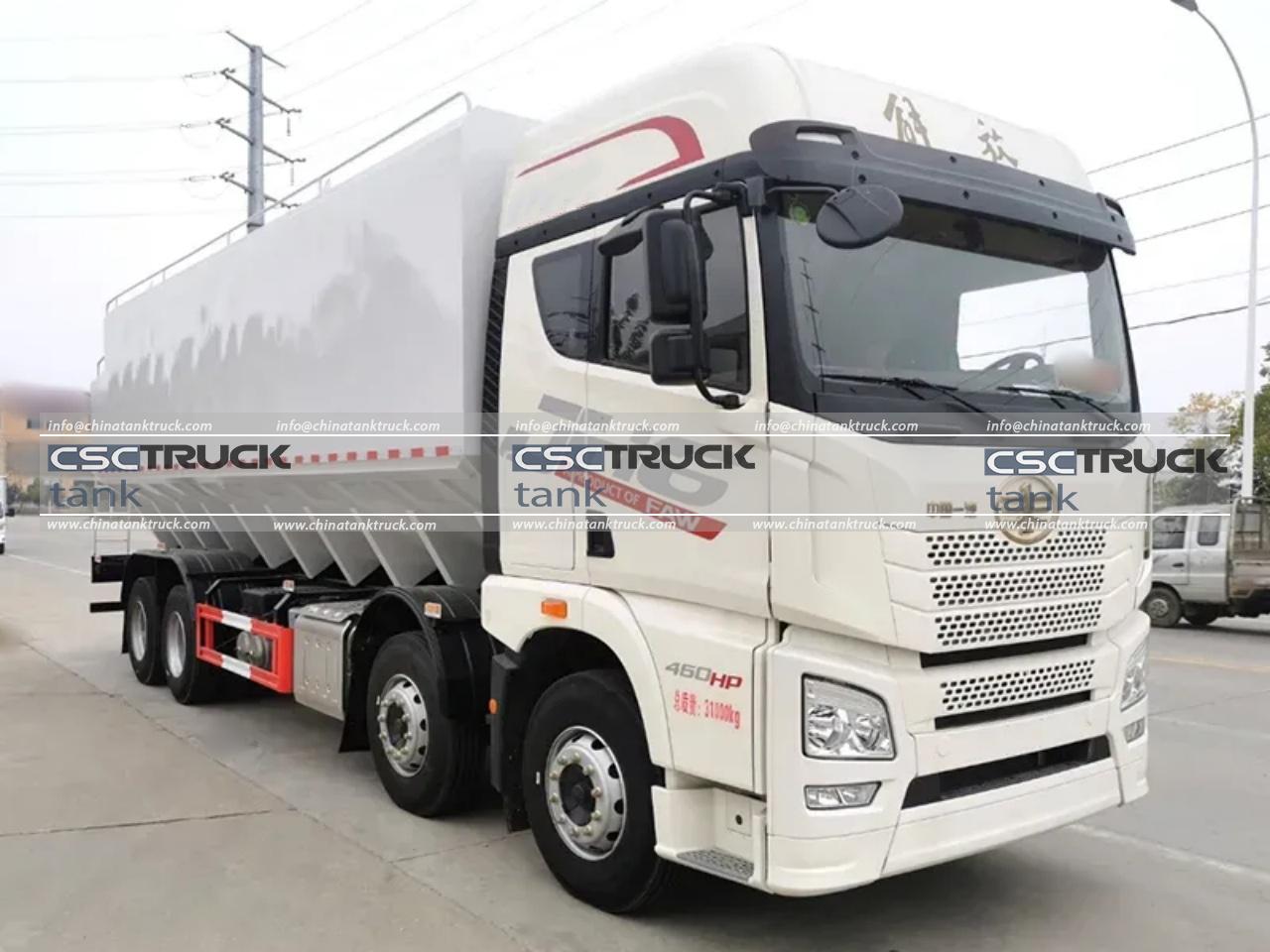
Pneumatic bulk tankers commonly come in different capacities and configurations, with actual payload depending on tank volume, material density, chassis GVW, axle limits, and local road regulations. For example, CSCTRUCK China Tank Truck lists pneumatic models ranging from approximately 22 CBM units to larger 40+ CBM configurations.
International buyers should calculate:
- Material density
- Required payload per trip
- Tank volume
- Chassis curb weight
- Maximum permitted GVW
- Local axle-load restrictions
The objective is to achieve the best balance between payload and legal operating limits.
3. Select the Right Chassis and Drive Configuration
The chassis is the foundation of the entire vehicle. Buyers should select the chassis according to terrain, road conditions, payload requirements, and available service infrastructure.
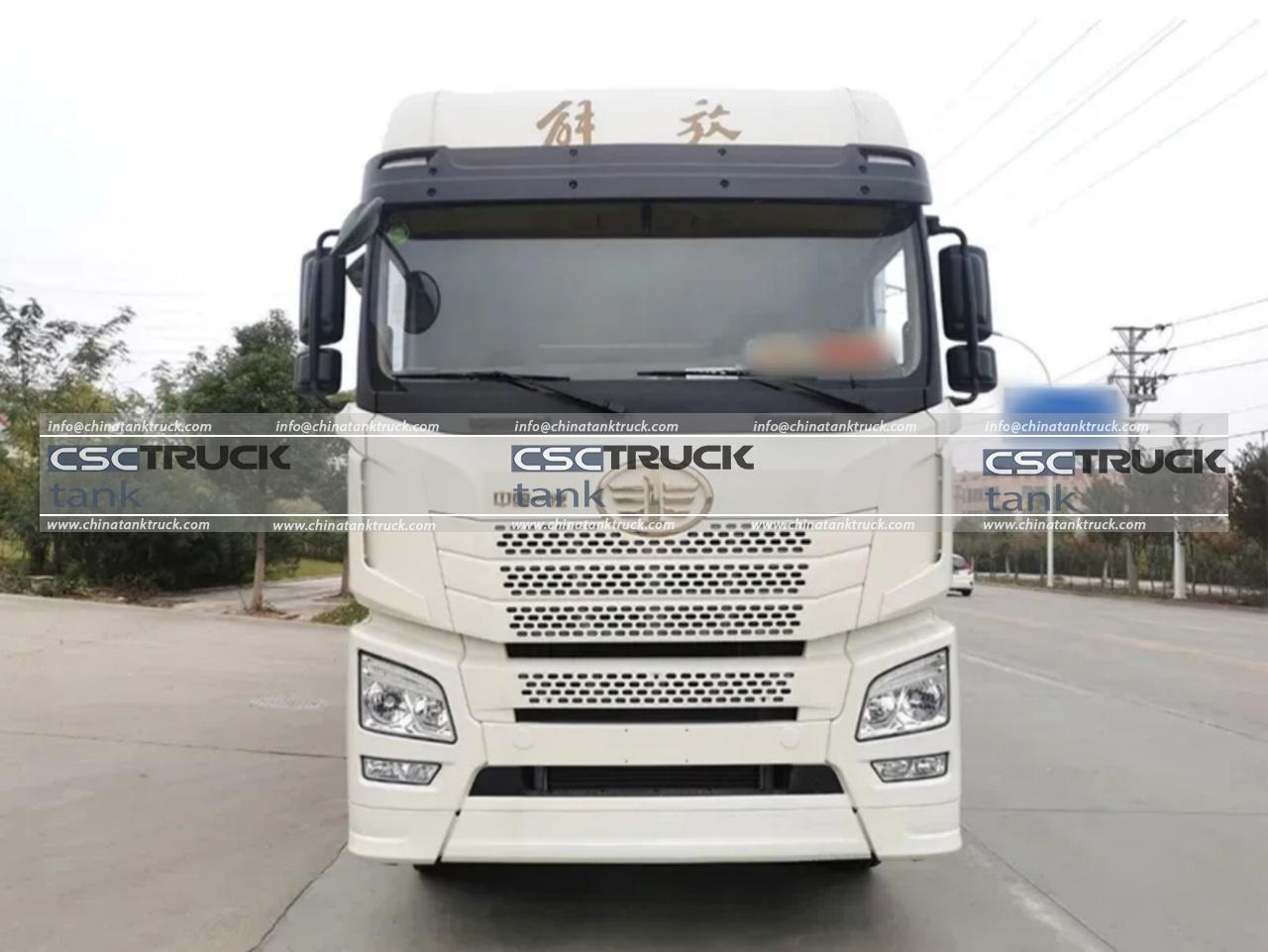
Popular heavy-duty chassis brands may include HOWO, SHACMAN, FAW, FOTON, and other internationally supported brands. For difficult terrain or poor roads, a higher-capacity chassis or appropriate 6×4 configuration may be preferable. For paved highways and lighter-duty applications, other configurations may provide better fuel economy.
Also check engine power, transmission, wheelbase, axle capacity, emission standard, tire specifications, and spare-parts availability in your country.
A low purchase price can become expensive if the chassis has limited local maintenance support.
4. Pay Close Attention to the Air Compressor
The compressor is one of the most important components of a pneumatic bulk tanker because it supplies the compressed air required for unloading.
A well-matched compressor should provide sufficient airflow and pressure for the material, pipeline length, discharge height, and desired unloading speed. CSCTRUCK China Tank Truck‘s technical information highlights rotary screw and rotary vane compressor options, with compressor power potentially supplied through the truck’s PTO or an independent engine.
International buyers should ask for detailed compressor specifications rather than accepting a generic statement such as “high-performance compressor.”
Important specifications include:
- Airflow rate
- Working pressure
- Compressor model
- PTO configuration
- Cooling method
- Expected unloading time
- Local spare-parts availability
The compressor should be matched to the complete pneumatic system rather than selected independently.
5. Check Tank Material and Structural Quality
Tank construction directly affects service life, payload, corrosion resistance, and operating safety.
Depending on the application, pneumatic tanks may use materials such as aluminum or carbon steel. The appropriate material depends on cargo characteristics, required durability, weight considerations, and budget.
Buyers should ask about:
- Tank material and thickness
- Welding quality
- Internal reinforcement
- Pressure rating
- Surface treatment
- Manhole design
- Tank inspection procedures
Do not evaluate a tanker only by its exterior appearance. Request technical drawings, material specifications, inspection records, and photographs of critical manufacturing stages when possible.
6. Evaluate the Complete Discharge System
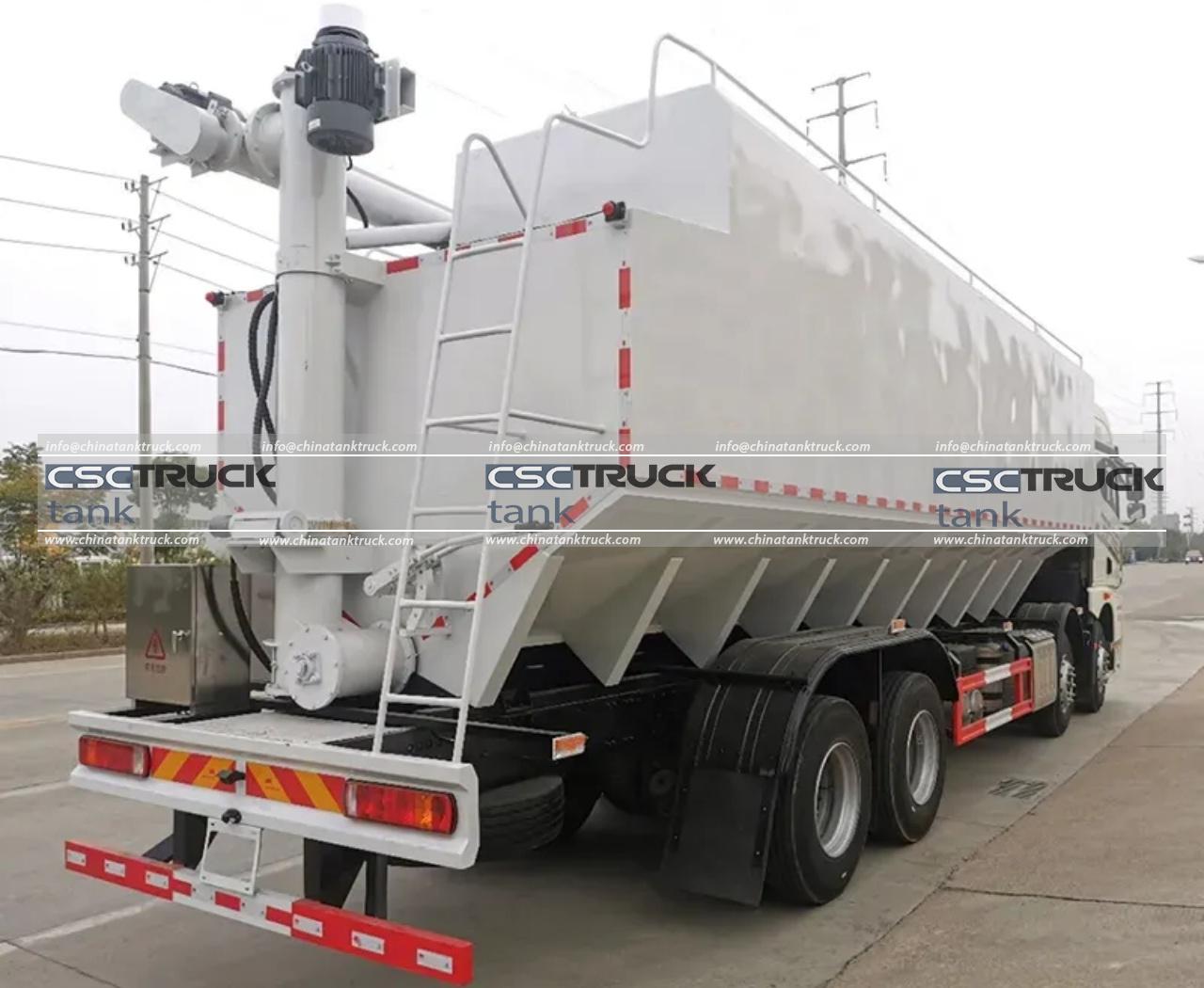
A pneumatic tanker is only as efficient as its complete discharge system. The compressor, aeration pads, valves, pipelines, pressure gauges, filters, and discharge outlets must work together.
Discharge pipe diameter is particularly important because it influences pressure loss, material flow, unloading speed, and compatibility with the receiving silo.
Before purchasing, confirm:
- Discharge pipe diameter
- Outlet configuration
- Pipeline length
- Valve types
- Aeration system
- Pressure gauges
- Air filters
- Silo connection requirements
If the customer’s existing silo uses a specific inlet connection, the tanker should be configured to match it.
7. Verify Safety Features and Applicable Standards
Safety should be a primary consideration when purchasing a pressurized dry bulk tanker.
The vehicle should have appropriate pressure-control and protection equipment, including pressure gauges, safety valves, relief systems, reliable valves, and properly designed tank structures.
International buyers must also determine which standards apply in their destination country. Requirements can involve vehicle dimensions, axle weights, braking systems, emissions, pressure equipment, road certification, and import documentation.
Do not assume that a vehicle built for 1 market automatically meets the requirements of another. Provide the manufacturer with your destination country and intended operating environment before finalizing the specification.
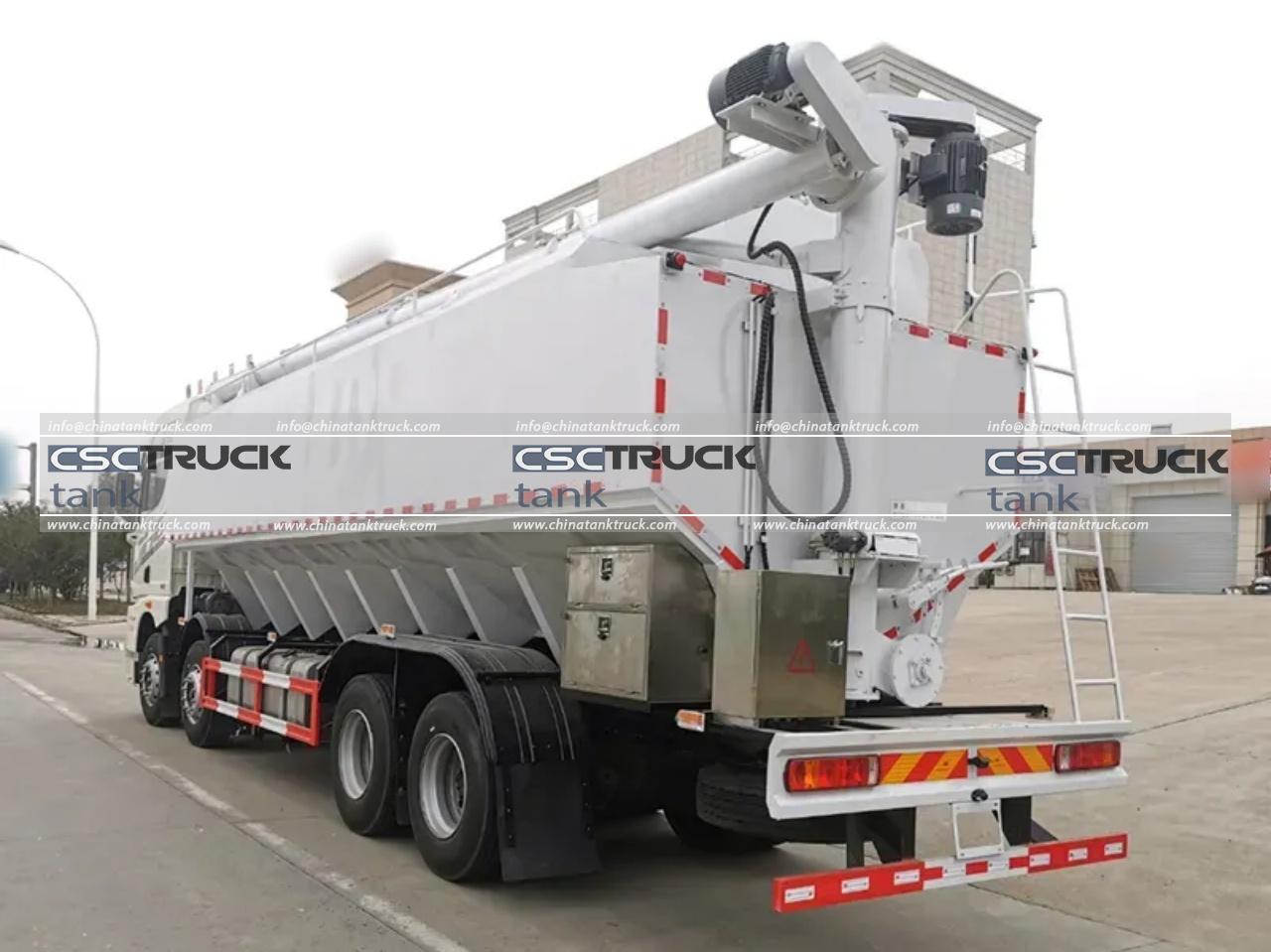
8. Consider Local Road and Climate Conditions
A tanker designed for one country may not be ideal for another.
For example, buyers operating in remote African, Middle Eastern, Asian, or Latin American regions may encounter high temperatures, rough roads, dust, long-distance transport routes, or limited maintenance facilities. In such conditions, durable chassis components, reliable pneumatic equipment, suitable cooling systems, and easily replaceable wear parts become particularly important.
Climate should also be considered. Extremely hot or cold operating conditions may influence engine performance, compressor operation, seals, hoses, and lubrication requirements.
Tell the manufacturer where and how the tanker will operate so the configuration can be adapted accordingly.
9. Confirm Export Documentation, Shipping, and Delivery
International purchasing involves more than manufacturing the truck. Buyers should clarify the complete export process before placing an order.
Ask the supplier about:
- Commercial invoice
- Packing list
- Certificate of origin
- Inspection documents
- Vehicle certificates
- Customs documentation
- Shipping arrangements
- Port of loading
- Estimated production time
- Spare-parts shipment
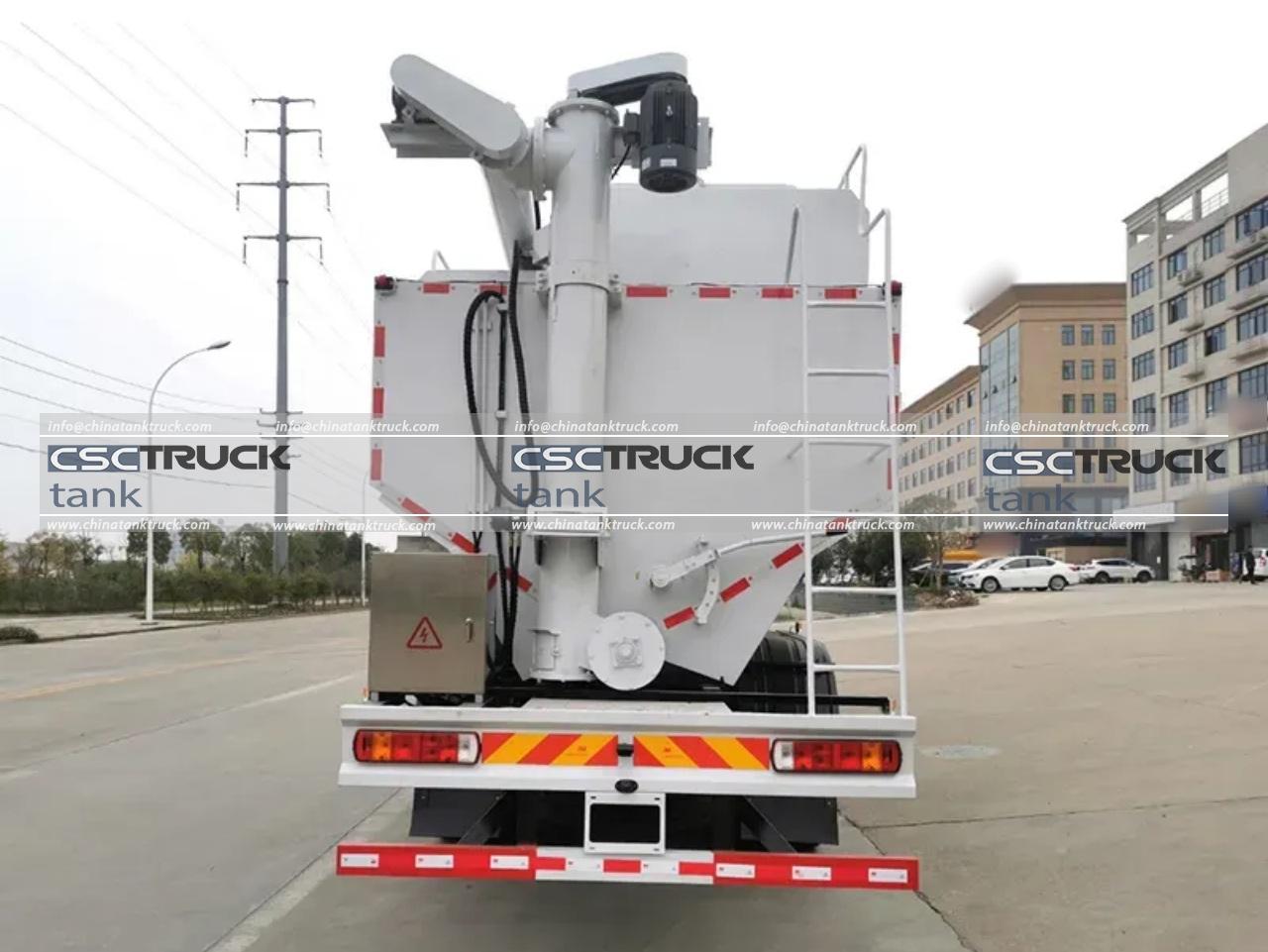
CSCTRUCK China Tank Truck states that it provides export assistance and documentation support, and its website notes that shipping solutions can include sea, rail, or road transportation depending on the destination and project requirements.
For large pneumatic tankers, shipping dimensions and weight can significantly affect freight costs, so buyers should request a complete shipping specification before calculating the landed cost.
10. Compare Total Cost of Ownership, Not Just Purchase Price
Finally, international buyers should avoid choosing a pneumatic bulk tanker based solely on the lowest quotation.
The true cost of ownership includes:
- Purchase price
- Shipping and import costs
- Fuel consumption
- Compressor efficiency
- Maintenance
- Spare parts
- Tire replacement
- Downtime
- Driver training
- Resale value
A tanker with a slightly higher initial price may provide a better return if it unloads faster, consumes less fuel, requires fewer repairs, and has readily available replacement parts.
After-sales service is especially important for international fleets. CSCTRUCK China Tank Truck says it provides technical support, spare-parts assistance, and online guidance for operation and maintenance.
Conclusion
Buying a pneumatic bulk tanker internationally requires a comprehensive evaluation of the complete vehicle and pneumatic conveying system. Material characteristics, payload, tank capacity, chassis, compressor performance, tank construction, discharge equipment, safety systems, local regulations, operating conditions, export logistics, and lifetime costs should all be considered before making a decision.
A reliable supplier should be able to provide detailed technical specifications, customization options, inspection information, export documentation, and after-sales support. CSCTRUCK China Tank Truck offers a range of pneumatic bulk transport vehicles and customization options for international applications, including different capacities, chassis configurations, and equipment arrangements.
For international buyers, the best pneumatic bulk tanker is not necessarily the largest or cheapest model. It is the one that matches the transported material, local regulations, operating environment, unloading system, and long-term fleet requirements while delivering reliable performance and reasonable operating costs.