
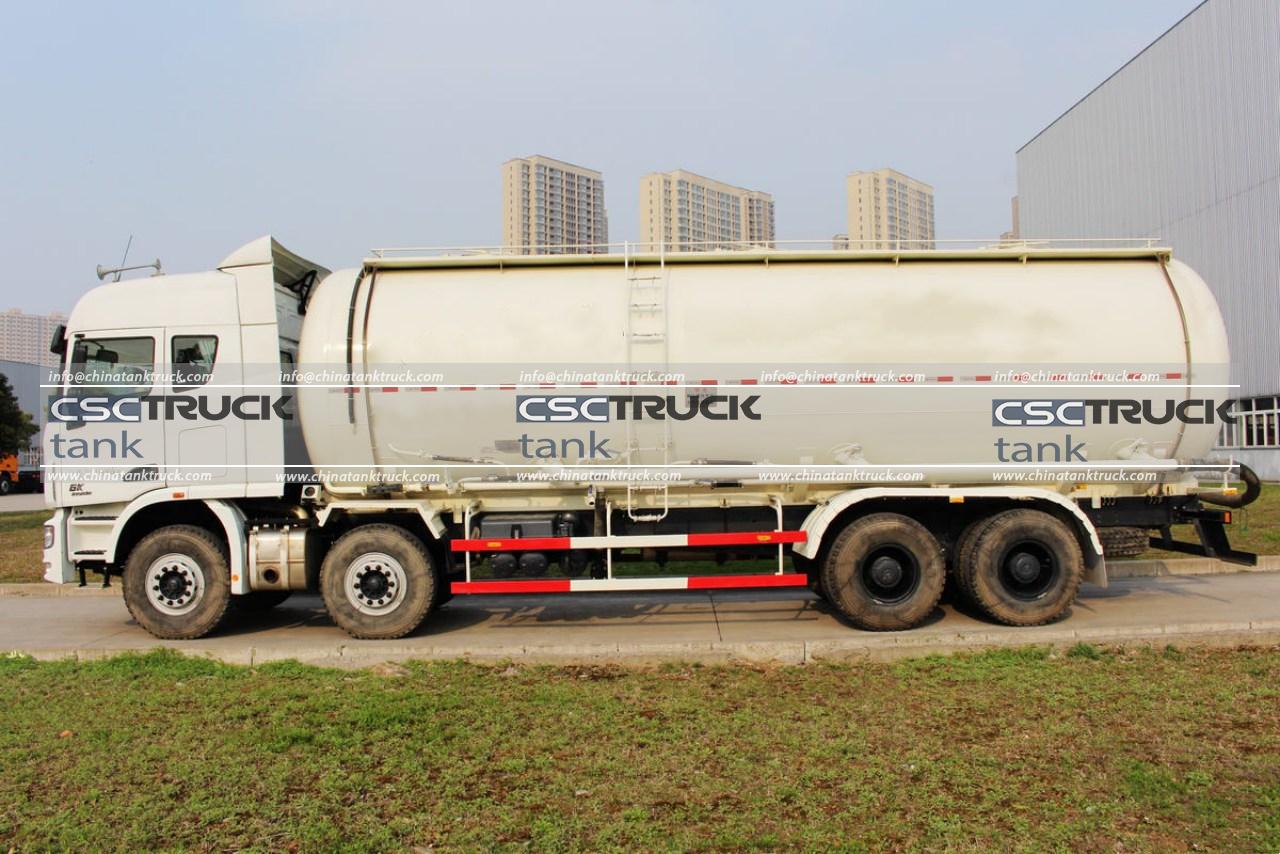
Transporting cement and other dry powders in bulk requires specialized equipment that can combine high capacity, efficient unloading, reliable road performance, and safe operation. A cement tanker truck, also known as a pneumatic cement truck, bulk cement truck, dry bulk tanker, or powder tanker, is designed to transport materials such as cement, fly ash, lime powder, mineral powder, and other free-flowing dry bulk products in a sealed tank. Pneumatic systems use compressed air to fluidize the powder and convey it through discharge pipelines, making unloading faster, cleaner, and more efficient than many conventional handling methods.
For construction companies, cement manufacturers, concrete batching plants, mining operations, and logistics providers, choosing the right vehicle is an important investment decision. The ideal cement tanker is not necessarily the largest or cheapest model. Instead, it should match the transported material, required payload, road conditions, unloading facilities, local regulations, and total operating costs.
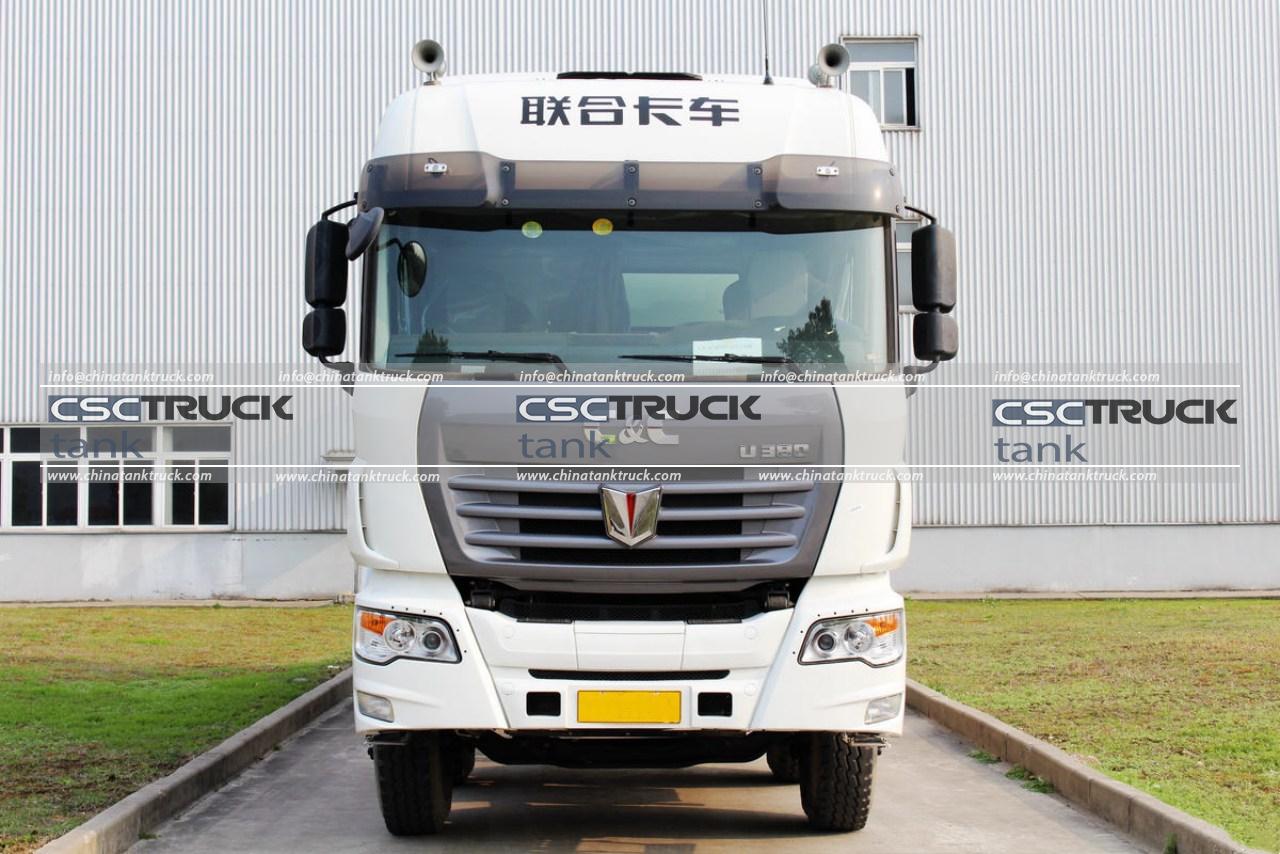
CSCTRUCK China Tank Truck is a specialized manufacturer and supplier of tank trucks and dry bulk transport equipment. Its product range includes pneumatic tank trucks designed for cement, fly ash, lime, and other powdered materials. CSCTRUCK China Tank Truck focuses on customized configurations, durable tank construction, pneumatic unloading systems, and different chassis and capacity options for international customers.
Here are 10 important tips to help you select the right cement tanker truck for powder transport.
1. Identify the Powder You Need to Transport
The first step is to clearly define the cargo. Although cement is the most common material, a pneumatic tanker may also transport fly ash, lime powder, mineral powder, silica, and other dry bulk products.
Different powders have different bulk densities, particle sizes, moisture sensitivities, and flow characteristics. These factors influence tank capacity, fluidization requirements, compressor performance, and unloading speed.
If you plan to transport several materials, provide the manufacturer with detailed cargo information before ordering. A properly matched pneumatic system can improve unloading efficiency while reducing material residue inside the tank.

2. Choose the Appropriate Tank Capacity
Tank capacity should be selected according to your actual transportation requirements rather than simply choosing the largest available tank.
Common pneumatic tanker capacities vary from relatively compact units for regional distribution to large-capacity trailers for long-distance bulk transportation. Industry configurations commonly range from approximately 25–30 CBM for smaller operations to 35–45 CBM for standard cement transportation, with larger units available for high-volume industrial applications.
Remember that volume and payload are not the same. Cement density and legal axle-weight limits determine how much material you can actually carry. A larger tank does not automatically mean a larger legal payload.
3. Check the Chassis and Drive Configuration
The chassis is the foundation of a cement tanker truck, so it must be suitable for your operating environment.
Consider factors such as:
- 4×2, 6×4, 8×4, or other drive configurations
- Gross vehicle weight
- Engine power and torque
- Axle capacity
- Wheelbase
- Fuel consumption
- Local availability of spare parts
For urban deliveries and relatively good roads, a smaller chassis may provide better maneuverability and lower operating costs. For heavy-duty construction, mining, or long-distance transportation, a higher-capacity chassis may be more appropriate.
The key is to balance payload, road conditions, legal requirements, and operating costs.
4. Pay Close Attention to the Tank Design
The tank body directly affects durability, unloading performance, weight, and maintenance.
A quality cement tanker should have a robust sealed tank structure capable of handling the pressure and operating conditions required by the pneumatic discharge system. Internal geometry, discharge cones, fluidization components, and material flow paths should be designed to minimize powder accumulation.
Tank material is another consideration. Depending on the application, manufacturers may offer carbon steel, aluminum alloy, or other specialized materials. The best choice depends on cargo characteristics, required durability, vehicle weight, and budget.
A well-designed tank should not only hold the powder safely but also allow efficient emptying with minimal residual material.
5. Evaluate the Air Compressor and Pneumatic System
The pneumatic system is one of the most important components of a cement tanker.
During unloading, compressed air fluidizes the cement so it can move through the discharge pipeline into a storage silo. Therefore, compressor performance directly affects unloading time and overall productivity.
When comparing models, check:
- Compressor type
- Air delivery capacity
- Operating pressure
- Power consumption
- Unloading rate
- Reliability
- Maintenance requirements
Do not evaluate the compressor only by its maximum pressure. The entire system—including air lines, valves, fluidization pads, discharge pipes, and tank design—must work together efficiently.

6. Consider the Required Unloading Speed
Fast unloading can significantly improve fleet productivity, especially when trucks make several deliveries per day.
A good cement tanker should be capable of delivering powder efficiently into silos while minimizing material loss and dust emissions. Pneumatic unloading can eliminate the need for some external material-handling equipment and can reduce manual handling.
Ask the manufacturer for realistic unloading performance under conditions similar to your operation. The actual discharge rate can vary depending on material characteristics, tank configuration, compressor performance, pipeline length, and receiving-silo conditions.
7. Check Safety Features Carefully
Safety should never be sacrificed for a lower purchase price.
A pneumatic cement tanker operates with compressed air, so pressure control and relief systems are essential. Important components may include pressure gauges, safety valves, pressure-relief devices, reliable valves, and properly designed discharge connections.
Operators should also follow correct procedures when opening the tank. For example, pressure must be completely released before opening tank covers or performing maintenance.
Before purchasing, ask the manufacturer for information about pressure ratings, safety devices, testing procedures, and applicable certification requirements in your destination market.
8. Match the Truck to Your Road and Working Conditions
A tanker that performs well on highways may not be ideal for construction sites, mountainous areas, mining roads, or poorly maintained rural routes.
Consider your typical operating environment:
- Highway or off-road transportation
- Flat or mountainous terrain
- Hot, cold, humid, or dusty climates
- Short-distance or long-distance routes
- Urban or industrial delivery locations
Suspension, axle configuration, ground clearance, tire selection, chassis strength, and engine performance should all be matched to the working environment.
9. Compare Total Cost of Ownership
The purchase price is only one part of the investment.
A cheaper tanker can become expensive if it consumes more fuel, requires frequent repairs, unloads slowly, or has difficulty obtaining replacement parts.
When comparing suppliers, consider:
Purchase price + fuel costs + maintenance + spare parts + downtime + labor + resale value
A well-engineered pneumatic tanker with efficient unloading and reliable components may have a higher initial price but deliver a lower cost per ton over its service life.
Also ask about warranty coverage, technical support, spare parts availability, and after-sales service before placing the order.

10. Choose a Manufacturer That Can Customize the Truck
Finally, select a manufacturer that understands your specific transportation requirements rather than simply offering a standard vehicle.
A professional manufacturer should be able to discuss your material, desired capacity, chassis preference, operating pressure, unloading system, road regulations, destination country, and receiving facilities.
CSCTRUCK China Tank Truck provides customized pneumatic tanker configurations for different dry bulk transportation applications. Its solutions can be adapted according to capacity, chassis, tank structure, pneumatic system, and customer requirements.
Conclusion
Choosing the right cement tanker truck requires more than comparing tank volume and purchase price. Buyers should evaluate the transported powder, capacity, chassis, tank construction, pneumatic system, unloading speed, safety features, operating environment, total cost of ownership, and manufacturer’s technical support.
For companies transporting cement, fly ash, lime powder, and other dry bulk materials, the right pneumatic tanker can improve delivery efficiency, reduce material losses, minimize dust emissions, and increase fleet productivity.
With its experience in specialized tank trucks and customized dry bulk transport solutions, CSCTRUCK China Tank Truck can provide different pneumatic tanker configurations for international construction, cement, mining, and industrial logistics applications. For buyers planning a new cement tanker project, working with an experienced manufacturer and clearly specifying the operating requirements is one of the best ways to obtain a safe, efficient, and cost-effective powder transport solution.
