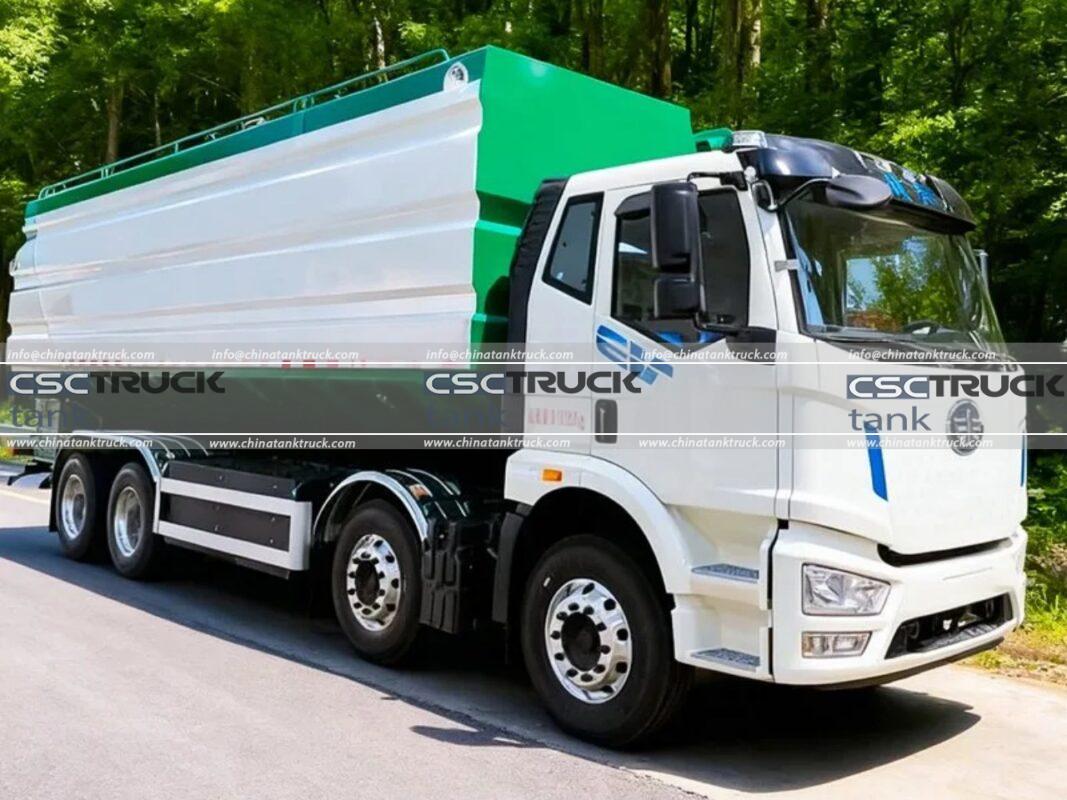
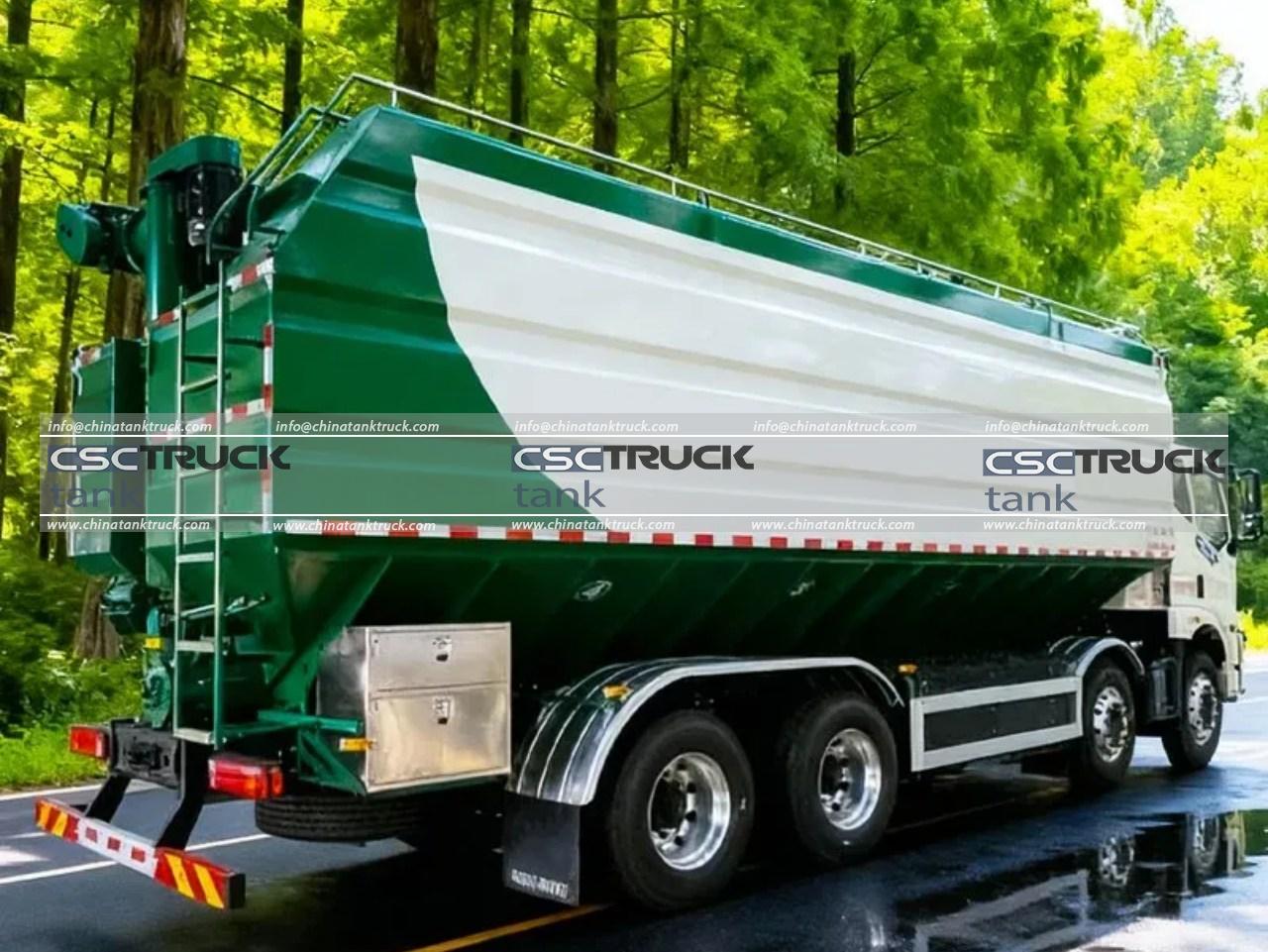
Pneumatic bulk trucks are essential for transporting dry bulk materials such as cement, fly ash, lime powder, flour, plastic pellets, and other powdered or granular products. By using compressed air to fluidize and discharge cargo, these specialized vehicles can provide fast, clean, and efficient material transfer directly into silos or storage systems. However, purchasing a good pneumatic bulk truck is only the beginning. Proper equipment selection, operation, maintenance, and fleet management are equally important for achieving high productivity and keeping operating costs under control.
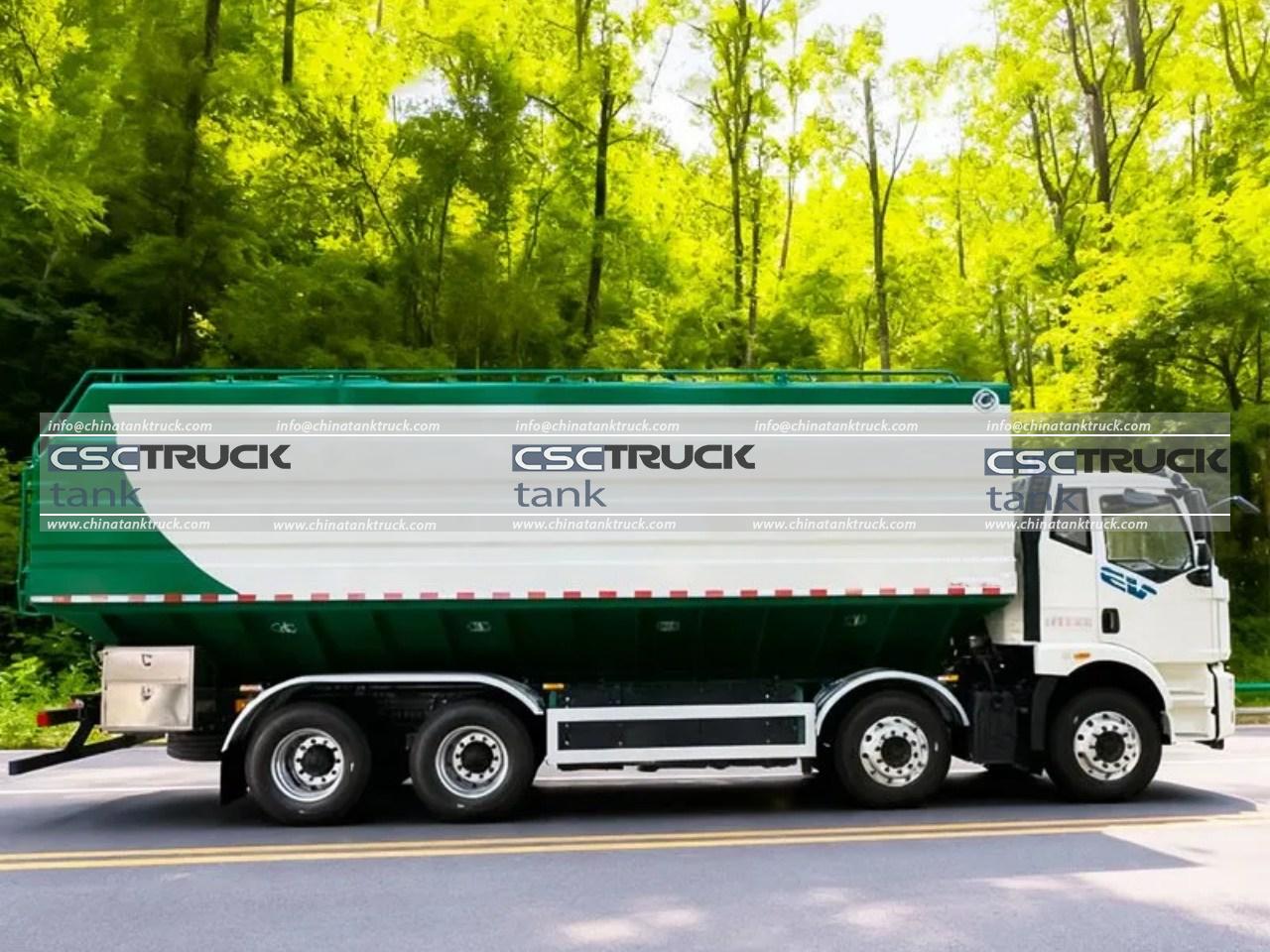
CSCTRUCK China Tank Truck specializes in tank trucks, pneumatic bulk transport vehicles, tank trailers, and other specialized commercial vehicles. Its product range includes pneumatic bulk trucks and dry bulk tankers in different capacities and configurations. The company provides customized solutions according to cargo characteristics, chassis requirements, tank capacity, and operating conditions, supporting customers in construction, agriculture, chemical, food, and other industries.
If you want to get more from your pneumatic bulk truck while reducing fuel, maintenance, downtime, and material-handling costs, consider the following 10 practical tips.
1. Choose the Right Tank Capacity
Tank capacity has a direct effect on transportation efficiency and operating costs. A truck that is too small may require unnecessary trips, increasing fuel consumption, driver costs, and vehicle wear. On the other hand, an oversized tank may add unnecessary vehicle weight and may not be fully utilized.
Select the capacity according to the material density, average payload, route distance, road regulations, and receiving facility. Pneumatic bulk vehicles can be configured in different capacities, so matching the tank volume to your actual workload is one of the easiest ways to improve cost efficiency.
For example, CSCTRUCK China Tank Truck offers pneumatic bulk trucks in various configurations, including approximately 22 CBM, 30 CBM, 33 CBM, 40 CBM, and larger models.

2. Optimize the Air Compressor System
The air compressor is one of the most important components of a pneumatic bulk truck. It supplies compressed air for fluidizing the material and transferring it through the discharge pipeline.
An inefficient or incorrectly sized compressor can increase fuel consumption while making unloading slower. A compressor that cannot provide sufficient airflow may result in poor material flow, while excessive airflow wastes energy.
Choose a compressor that matches the tank volume, material characteristics, pipeline length, and required unloading rate. PTO-driven compressors are commonly used because they can use the truck engine as the power source without requiring a separate engine.
3. Keep the Aeration System in Good Condition
Aeration pads or fluidization systems help turn powder into a flowable, fluid-like material. This reduces friction and allows compressed air to move the cargo efficiently toward the discharge outlet.
If aeration pads become clogged, damaged, or contaminated, unloading performance can decline significantly. Operators should inspect them regularly and keep the air system clean and dry.
Proper aeration can shorten unloading time, reduce residual material inside the tank, and minimize the need for manual cleaning. It is therefore an inexpensive maintenance task that can have a meaningful effect on productivity.
4. Use the Correct Discharge Pipeline
The discharge pipeline is another important factor in pneumatic conveying efficiency. Pipe diameter, length, bends, material, and connection design all affect pressure loss and material flow.
A pipeline that is too narrow can increase resistance and slow unloading. Excessively long pipelines or unnecessary bends can also increase pressure losses.
Before purchasing a pneumatic bulk truck, make sure the discharge system is compatible with the receiving silo and your typical operating environment. The correct pipe configuration can improve unloading speed without requiring a larger compressor.
5. Avoid Overloading the Truck
Maximizing payload does not mean exceeding the vehicle’s legal or technical limits. Overloading can increase tire wear, suspension stress, braking distances, fuel consumption, and drivetrain loads.
The ideal operating point is a payload that makes good use of the tank while remaining within the truck’s gross vehicle weight rating and applicable road regulations.
Material density should also be considered. 2 materials occupying the same tank volume can have significantly different weights. Therefore, operators should calculate payload by both volume and weight rather than simply filling the tank.
6. Use an Efficient Unloading Procedure
A correct unloading operation can significantly affect both productivity and equipment life.
Before unloading, position the truck securely, connect the discharge hose correctly, inspect the valves and fittings, and make sure the receiving silo is ready. Start the compressor and establish the appropriate pressure and airflow gradually rather than immediately operating at maximum output.
Avoid using excessive pressure simply to increase unloading speed. The objective is to achieve the required material flow with the lowest practical air consumption.
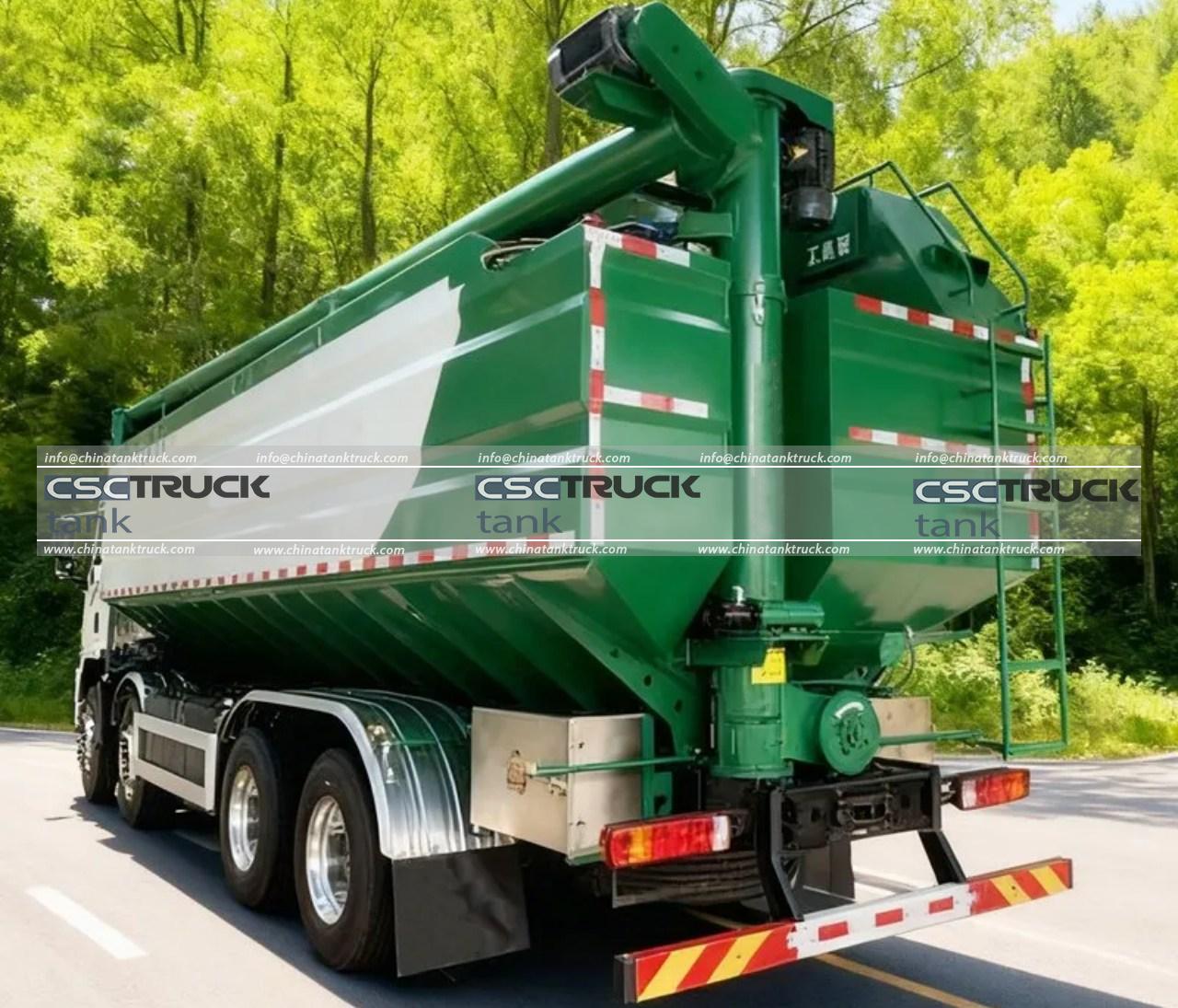
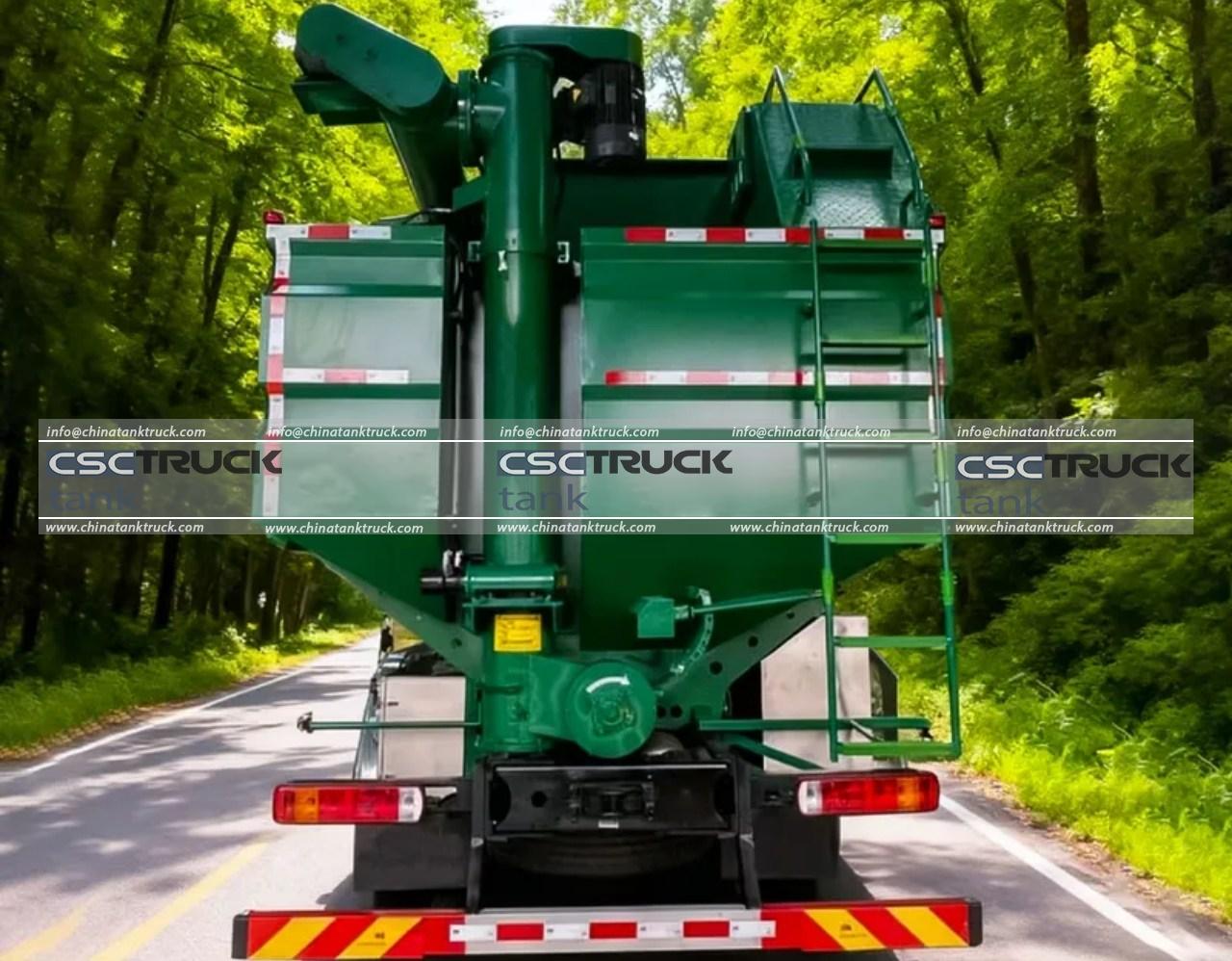
Efficient pneumatic unloading can reduce fuel consumption and compressor wear while maintaining consistent delivery performance. Pneumatic systems are particularly useful because they can transfer dry bulk materials directly into silos without external mechanical unloading equipment.
7. Maintain Proper Tire Pressure and Chassis Condition
The pneumatic system gets much of the attention, but the truck chassis also has a major influence on operating costs.
Incorrect tire pressure increases rolling resistance and fuel consumption. Uneven tire wear may indicate alignment, suspension, or load-distribution problems. Regularly inspect tires, brakes, suspension components, wheel bearings, steering components, and drivetrain systems.
A well-maintained chassis improves fuel economy, handling, safety, and vehicle availability. Preventive maintenance is generally much less expensive than dealing with major component failures after they occur.
8. Prevent Moisture and Material Contamination
Dry bulk materials are particularly sensitive to moisture. Cement, flour, powders, and other hygroscopic materials can absorb moisture and form lumps, making unloading more difficult.
Inspect tank covers, manholes, valves, pipelines, seals, and connections for leaks. Keep the compressor air supply clean and dry where required by the application.
The sealed construction of pneumatic bulk equipment helps protect cargo from external contamination during transportation. Maintaining that sealed system is essential for product quality as well as equipment performance.
9. Reduce Unnecessary Idling and Empty Trips
Fuel costs are not limited to driving. Compressor operation, engine idling, waiting time, and inefficient route planning can also consume significant amounts of fuel.
Fleet managers should coordinate loading and unloading schedules to minimize waiting periods. Where possible, plan return trips so that the truck does not travel long distances empty.
Tracking transportation data—including fuel consumption, mileage, unloading time, payload, and idle time—can help identify inefficient routes and operating practices. Even small improvements repeated across hundreds of trips can produce substantial annual savings.
10. Follow a Preventive Maintenance Schedule
The best way to control long-term operating costs is to prevent failures before they occur.
Create a maintenance schedule covering the air compressor, valves, pressure gauges, hoses, aeration pads, discharge pipes, tank structure, chassis, tires, brakes, and electrical systems. Check for unusual vibration, pressure fluctuations, air leakage, slow unloading, abnormal noises, or increased fuel consumption.
Operators should also keep records of maintenance activities and replacement parts. These records can help identify recurring problems and determine when components should be replaced rather than repaired repeatedly.
CSCTRUCK China Tank Truck emphasizes quality inspection and after-sales support for its tank trucks, including checks such as pressure testing, welding inspection, leak testing, and surface treatment before delivery. The company also states that it provides technical support and spare-parts assistance to customers.
Conclusion
Getting better performance and lower costs from a pneumatic bulk truck requires more than simply selecting a powerful vehicle. The best results come from matching tank capacity and compressor performance to the application, maintaining the aeration and discharge systems, avoiding overloading, optimizing unloading procedures, and following a preventive maintenance program.
A properly operated pneumatic bulk truck can deliver dry bulk materials quickly and efficiently while reducing unnecessary fuel consumption, downtime, maintenance expenses, and material losses. For businesses transporting cement, fly ash, flour, lime, plastic pellets, and other dry bulk products, these improvements can have a significant impact on total operating costs.
When selecting new equipment, working with an experienced manufacturer can also make a difference. CSCTRUCK China Tank Truck provides pneumatic bulk trucks and other specialized tank transport solutions, with customization available for capacity, materials, chassis, and equipment configuration.
By combining the right vehicle specification with efficient operation and disciplined maintenance, fleet operators can achieve higher productivity, longer equipment life, lower fuel consumption, and a lower total cost of ownership.