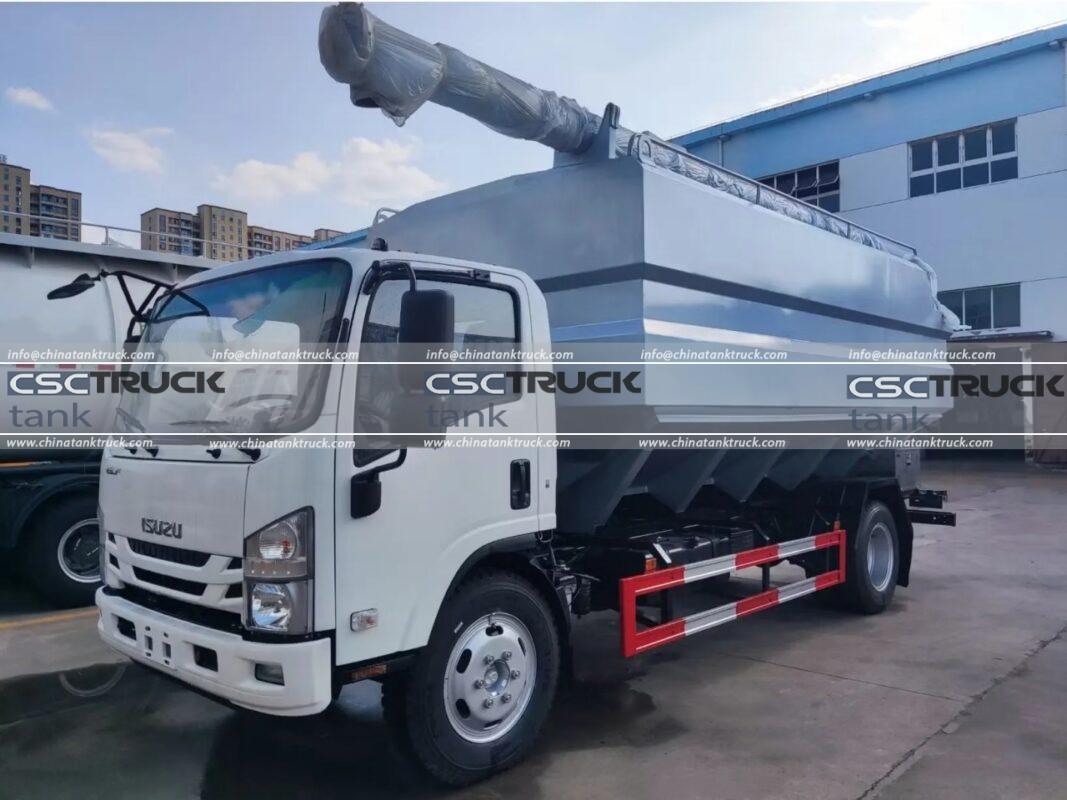
Transporting cement, fly ash, lime, flour, plastic pellets, and other dry bulk materials requires specialized equipment that can move powder safely, efficiently, and with minimal product loss. A powder tanker truck, also known as a pneumatic tanker, dry bulk tanker, bulk powder truck, or cement bulker, uses compressed air to discharge dry materials through pipelines into silos or other receiving systems. This makes it an important solution for construction, agriculture, food processing, chemical, and industrial applications.
For buyers, however, choosing the right vehicle involves much more than selecting tank capacity. Tank design, payload, compressor performance, discharge configuration, chassis, safety equipment, and maintenance all affect the truck’s long-term productivity.
CSCTRUCK China Tank Truck is a China-based manufacturer and exporter of specialized tank trucks and trailers. The company provides pneumatic bulk solutions alongside fuel, water, chemical, LPG, asphalt, and other tank transport vehicles. Its website currently lists pneumatic models ranging from smaller truck-mounted units to large-capacity dry bulk tankers and semi-trailers.
Here are 10 practical ways to choose the right powder tanker truck and get the best performance from it.
1. Match the Truck to the Powder You Transport
The first step is identifying exactly what material the tanker will carry. Different powders have different densities, flow characteristics, moisture sensitivities, and unloading requirements.
Common cargoes include cement, fly ash, lime powder, flour, plastic pellets, and other dry bulk products.
For example, cement and fly ash require reliable pneumatic conveying and moisture protection, while food-grade powders may require stricter cleanliness and material requirements. Before purchasing, provide the manufacturer with the product name, bulk density, particle characteristics, temperature, and any special handling requirements.
A truck designed specifically around the cargo will normally provide better unloading performance and lower operating costs.
2. Select the Correct Tank Capacity and Payload
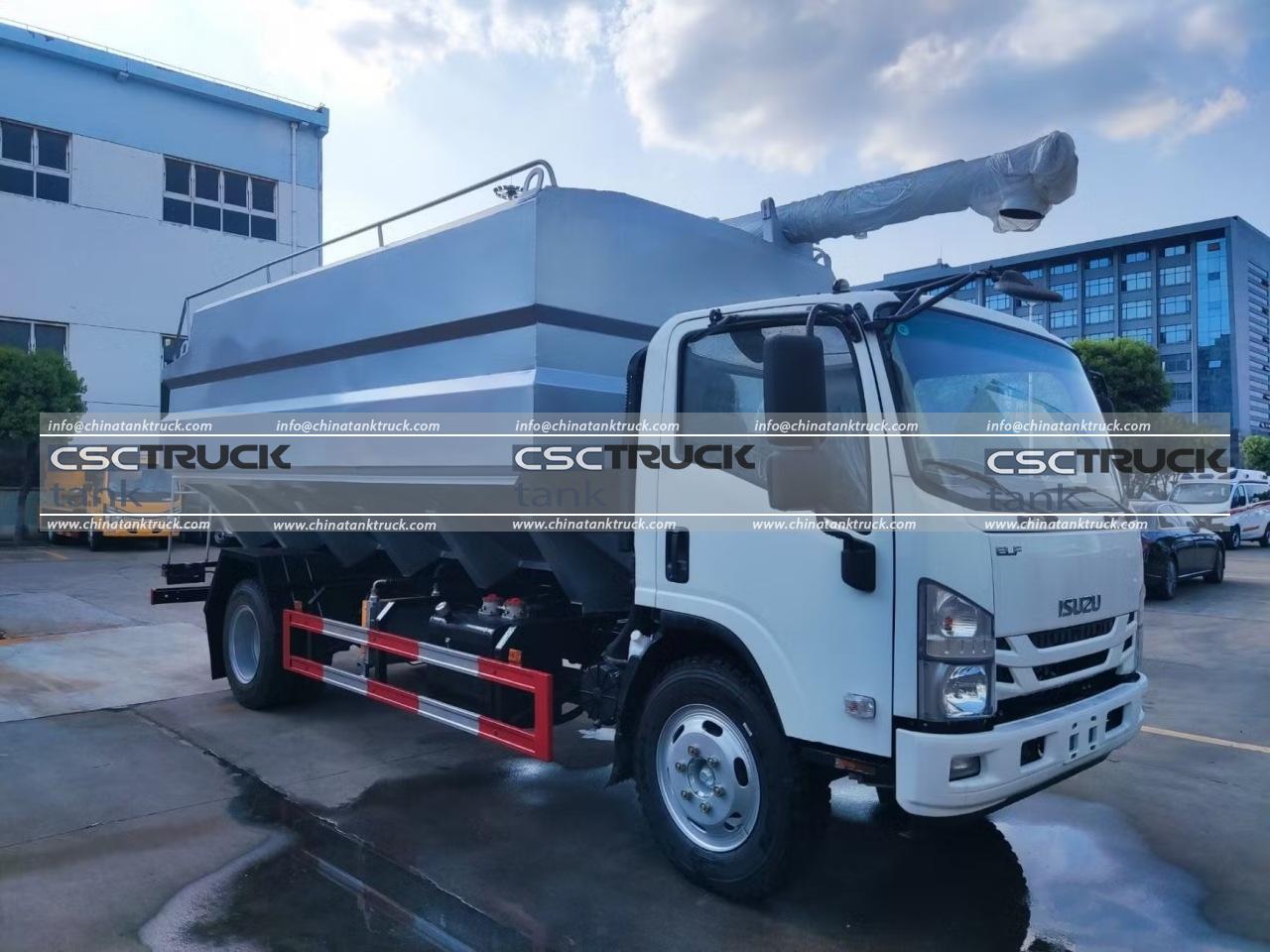
Tank volume should match your transportation demand, but bigger is not automatically better. A larger tank increases carrying capacity but can also increase vehicle weight, dimensions, purchase cost, and fuel consumption.
Pneumatic bulk vehicles can have significantly different payload capacities depending on tank volume, chassis configuration, material density, and local legal weight limits.
Calculate your normal cargo weight first, then select a tank capacity that allows the vehicle to remain within legal axle and gross vehicle weight limits. For high-volume operations, larger semi-trailers may reduce the number of trips required, while smaller rigid trucks can be more practical for urban or restricted-access routes.
3. Choose the Right Tank Material and Construction
The tank is the core component of a powder tanker. Its material and construction directly affect durability, weight, corrosion resistance, and service life.
For many conventional dry bulk applications, high-strength carbon steel is commonly used. However, specialized applications may require different materials or internal treatments.
Pay particular attention to welding quality, tank thickness, reinforcement, pressure rating, corrosion protection, and internal cleanliness. The tank should also be designed to withstand the operating pressure and mechanical stresses generated during transportation and pneumatic discharge.
CSCTRUCK China Tank Truck notes that its tank trucks undergo quality inspections that can include pressure testing, welding checks, leak testing, and surface treatment before delivery.
4. Pay Close Attention to the Air Compressor
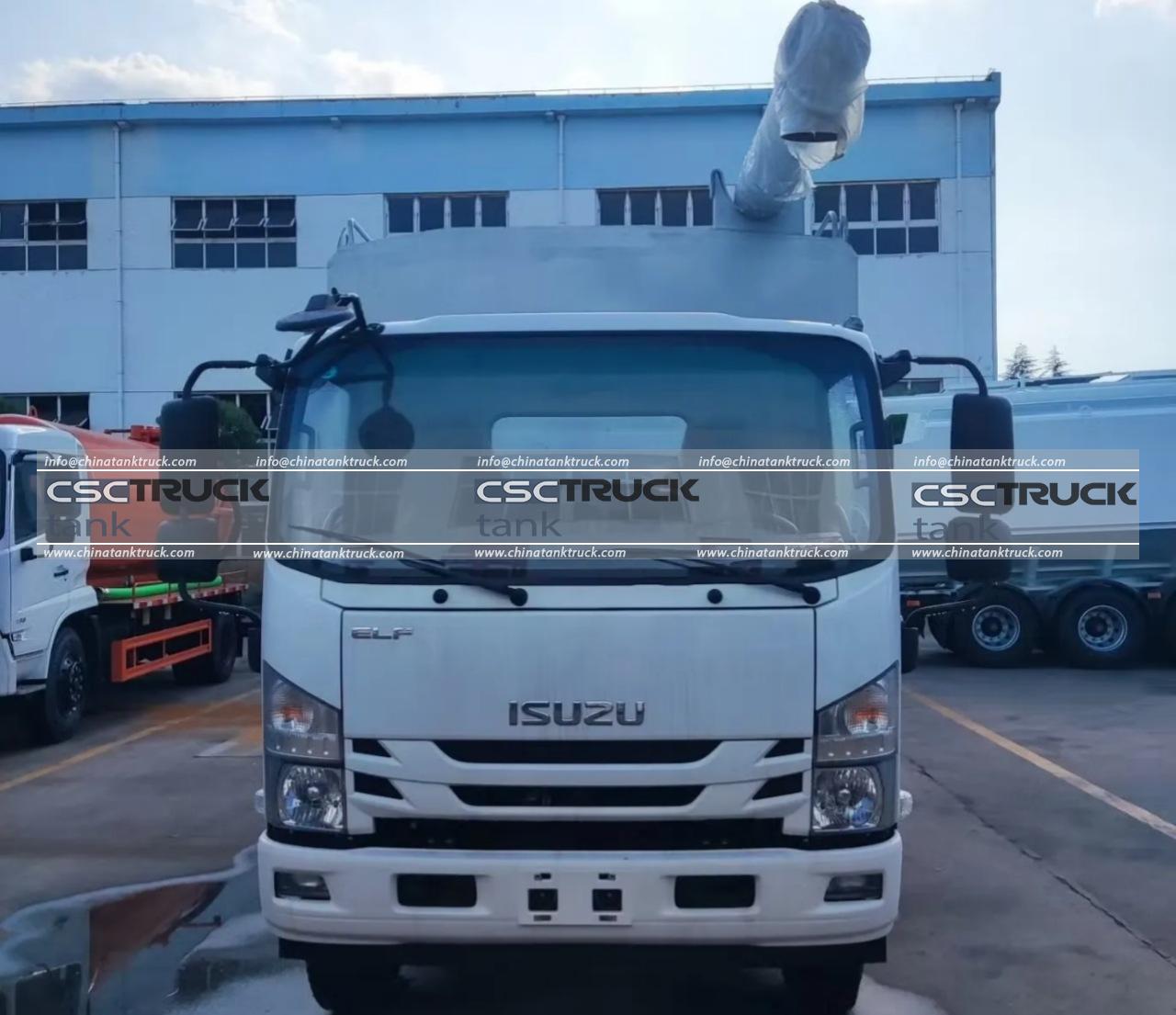
The air compressor is one of the most important components of a pneumatic powder tanker because compressed air powers the unloading process. A properly matched compressor can significantly improve discharge speed and operating efficiency.
When comparing trucks, check the compressor’s air delivery, operating pressure, drive system, reliability, and compatibility with the tank volume.
An undersized compressor may result in slow unloading and unstable material flow. An oversized system, on the other hand, can increase energy consumption and equipment costs.
The best approach is to match compressor performance with the material, tank size, pipeline length, required unloading speed, and receiving silo conditions.
5. Check the Fluidization and Discharge System
Efficient powder discharge depends not only on compressor performance but also on the tank’s aeration and fluidization system.
Air-permeable fabric or fluidizing components help loosen compacted powder and promote smooth material movement toward the discharge outlet. The system should be designed according to the characteristics of the cargo.
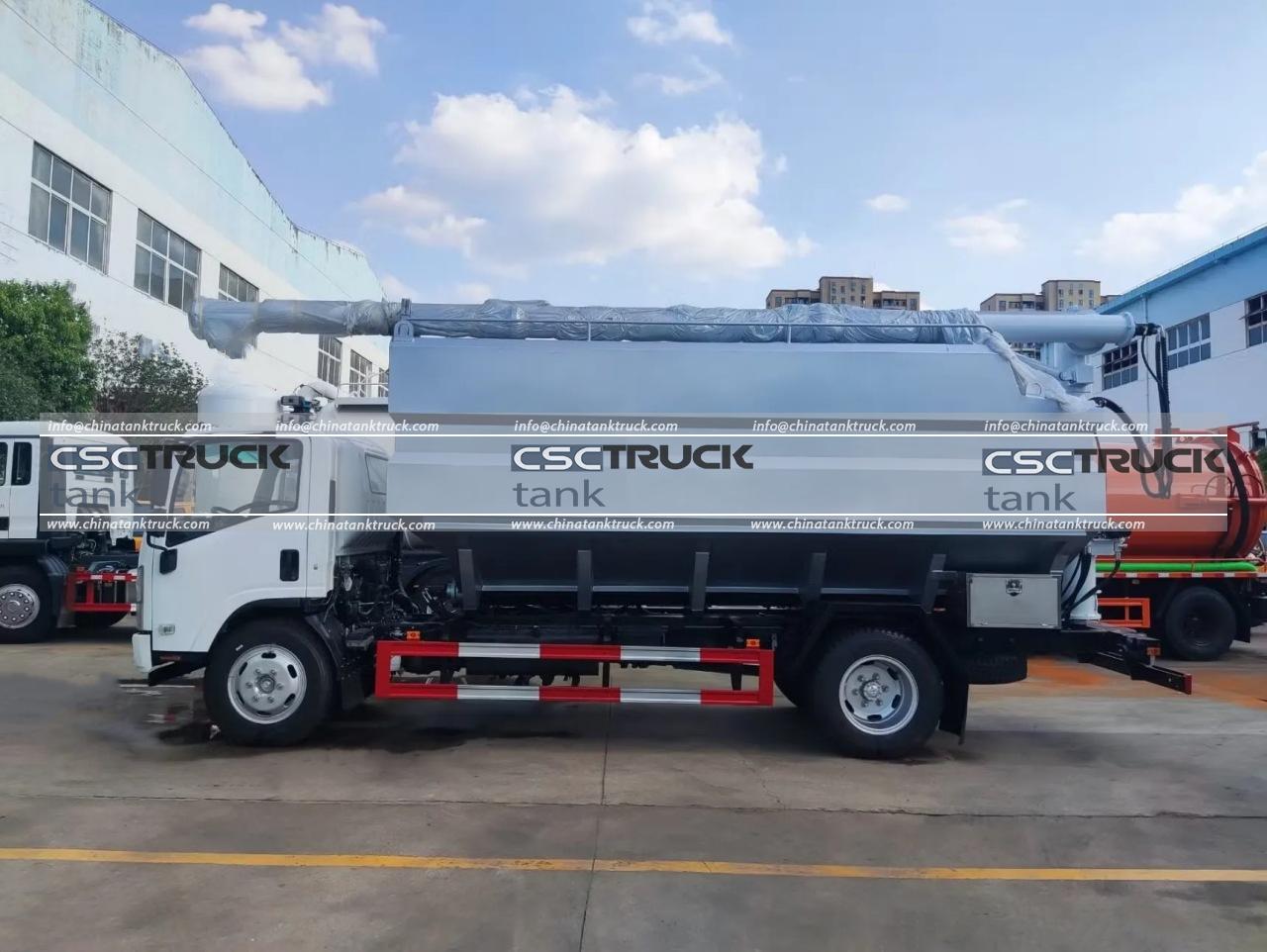
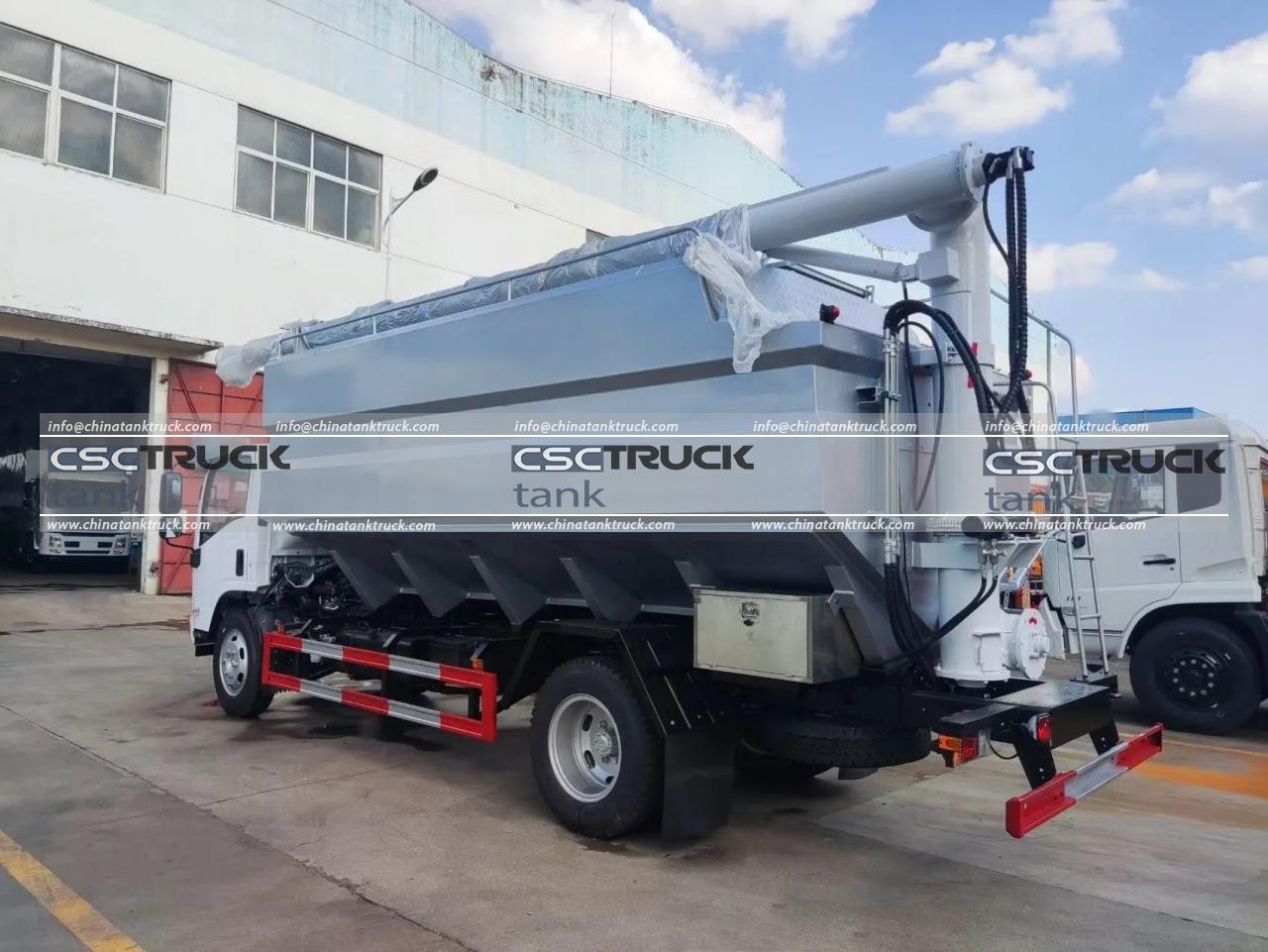
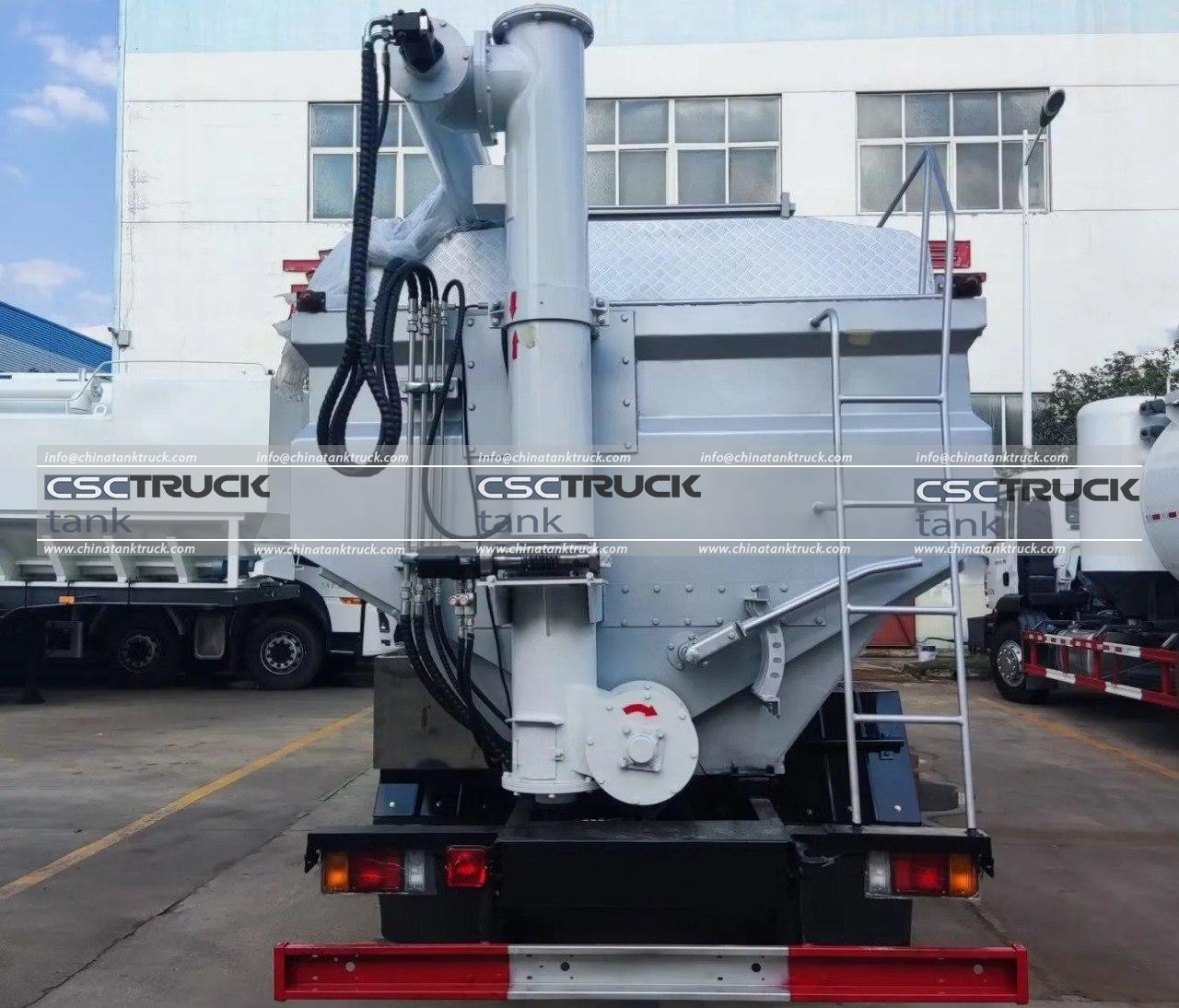
The discharge pipe is also important. Pipe diameter influences pressure loss, conveying efficiency, and unloading speed, while the connection must be compatible with the receiving facility.
Before purchasing, confirm the discharge pipe size, outlet configuration, hose length, connection type, and required unloading pressure.
6. Choose a Chassis Suitable for Your Working Conditions
A high-quality tank body cannot compensate for an unsuitable chassis. Consider road conditions, payload, terrain, climate, distance, and local service availability when selecting the chassis.
For long-distance highway transportation, fuel efficiency, engine durability, transmission performance, and driver comfort may be major priorities. For construction sites, mines, or poor roads, stronger suspension and appropriate drivetrain configurations may be more important.
You should also consider whether replacement parts and technical support for the selected chassis are readily available in your country.
7. Prioritize Safety and Pressure Protection
Because pneumatic tankers operate with pressurized air, safety should never be treated as an optional feature.
Important components can include pressure gauges, safety valves, pressure-relief devices, air-control valves, manholes, discharge valves, and properly rated pipelines.
Operators should understand the manufacturer’s specified operating pressure and never exceed the rated limits. Before each operation, inspect valves, hoses, fittings, pressure indicators, and connections for damage or leakage.
Proper training is equally important. A well-designed tanker still requires trained operators who understand loading, pressurization, unloading, depressurization, and emergency procedures.
8. Consider Unloading Speed and Total Operating Efficiency
A powder tanker should be evaluated by its complete operating cycle rather than simply its purchase price.
A truck that unloads faster can reduce waiting time at construction sites, cement plants, silos, and factories. Faster cycles can mean more deliveries per day and better utilization of the vehicle.
Compressed-air efficiency, fluidization design, pipeline layout, compressor capacity, and cargo characteristics all influence unloading performance.
When comparing suppliers, ask for realistic unloading-time data under conditions similar to your operation rather than relying only on theoretical specifications.
9. Build a Preventive Maintenance Program
Even a high-quality powder tanker will lose performance if maintenance is neglected.
Regularly inspect the compressor, air filter, valves, pressure gauges, discharge pipes, hoses, fluidization components, suspension, tires, brakes, and tank structure. Clean the system appropriately after transporting materials that can absorb moisture or cause contamination.
Particular attention should be paid to the pneumatic system. Blocked filters, damaged hoses, worn valves, and compressor problems can reduce air pressure and dramatically slow unloading.
A preventive maintenance schedule helps identify small problems before they become expensive breakdowns.
10. Select a Manufacturer That Can Customize and Support the Truck
Finally, evaluate the manufacturer rather than comparing vehicles only by price.
A reliable supplier should be able to customize tank volume, chassis, materials, compressor, discharge system, valves, and other components according to your operating requirements. CSCTRUCK China Tank Truck states that it offers customization of tank capacity, tank material, compartments, pumps, and chassis brands, as well as export documentation and after-sales technical support.
For international buyers, also check manufacturing experience, certifications, quality-control procedures, spare-parts availability, warranty terms, shipping experience, and technical communication.
Conclusion
Choosing the right powder tanker truck requires a complete evaluation of cargo characteristics, payload, tank design, compressor capacity, fluidization, discharge equipment, chassis performance, safety systems, maintenance requirements, and supplier support.
The goal is not simply to buy the largest or cheapest tanker. The right vehicle matches your material, routes, unloading facilities, legal requirements, and daily workload while delivering reliable performance over many years.
With its experience in specialized tank truck manufacturing and international export, CSCTRUCK China Tank Truck provides customizable dry bulk and pneumatic tanker solutions for different transportation applications. Its product range includes pneumatic trucks and trailers designed for bulk materials, while its broader manufacturing capabilities cover numerous specialized tank transport vehicles.
For buyers planning a new powder transportation fleet, carefully matching the vehicle to the application—and then maintaining the pneumatic system properly—is one of the most effective ways to maximize productivity, reduce downtime, and achieve a lower total cost of ownership.