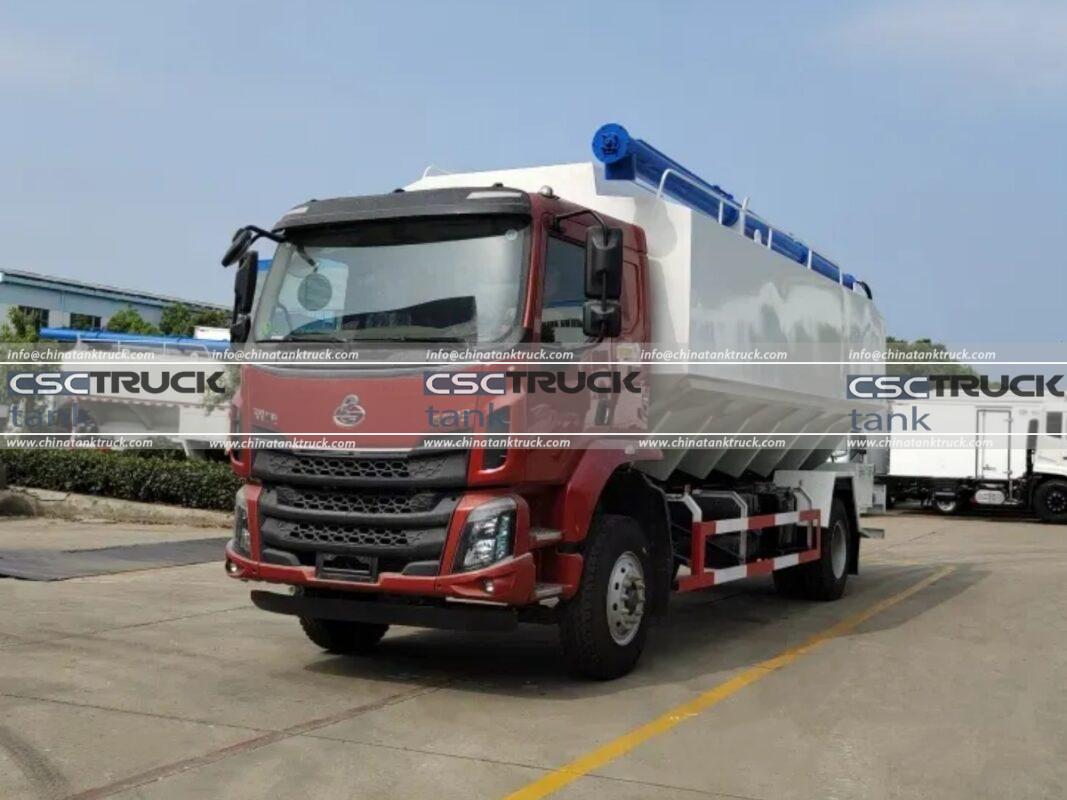
Pneumatic tank trucks are specialized vehicles designed to transport and discharge dry bulk materials such as cement, fly ash, lime powder, flour, plastic pellets, silica, and other powders or granules. Unlike conventional dump trucks, pneumatic tank trucks use compressed air to fluidize dry materials and convey them through pipelines directly into storage silos or processing equipment. This closed transportation and unloading method can reduce material loss, dust emissions, contamination, and manual handling while improving loading and unloading efficiency.
For companies purchasing this type of equipment, choosing the right truck requires more than simply comparing tank volume or vehicle price. Tank material, payload, compressor performance, pressure rating, discharge system, chassis configuration, safety equipment, and after-sales support can all affect long-term operating costs and reliability.
CSCTRUCK China Tank Truck specializes in tank trucks and specialized vehicles, including pneumatic tank trucks for dry bulk materials. Its pneumatic tanker solutions can be customized according to cargo characteristics, capacity requirements, chassis specifications, and operating conditions. The company focuses on practical pneumatic systems, durable tank construction, safety components, and configurations for international customers.
Here are 10 essential tips to consider when choosing and using a pneumatic tank truck.
1. Identify the Material You Need to Transport
The first step is to determine exactly what material the pneumatic tank truck will carry.
Different dry bulk materials have different characteristics. Cement, fly ash, lime, flour, plastic pellets, chemical powders, and other products may differ significantly in density, particle size, abrasiveness, moisture sensitivity, flowability, and contamination requirements.
For example, abrasive materials such as cement can place greater demands on discharge pipes, valves, and other wear components. Food-grade materials may require stainless-steel contact surfaces and strict cleaning procedures.
Before ordering, provide the manufacturer with information about:
- Material type
- Bulk density
- Particle size
- Moisture sensitivity
- Abrasiveness
- Required discharge speed
- Food-grade or chemical requirements
- Typical transportation distance
A correct material analysis helps determine the appropriate tank, compressor, fluidization system, valves, and discharge configuration.
2. Choose the Correct Tank Capacity
Tank capacity directly affects transportation efficiency and vehicle operating costs.
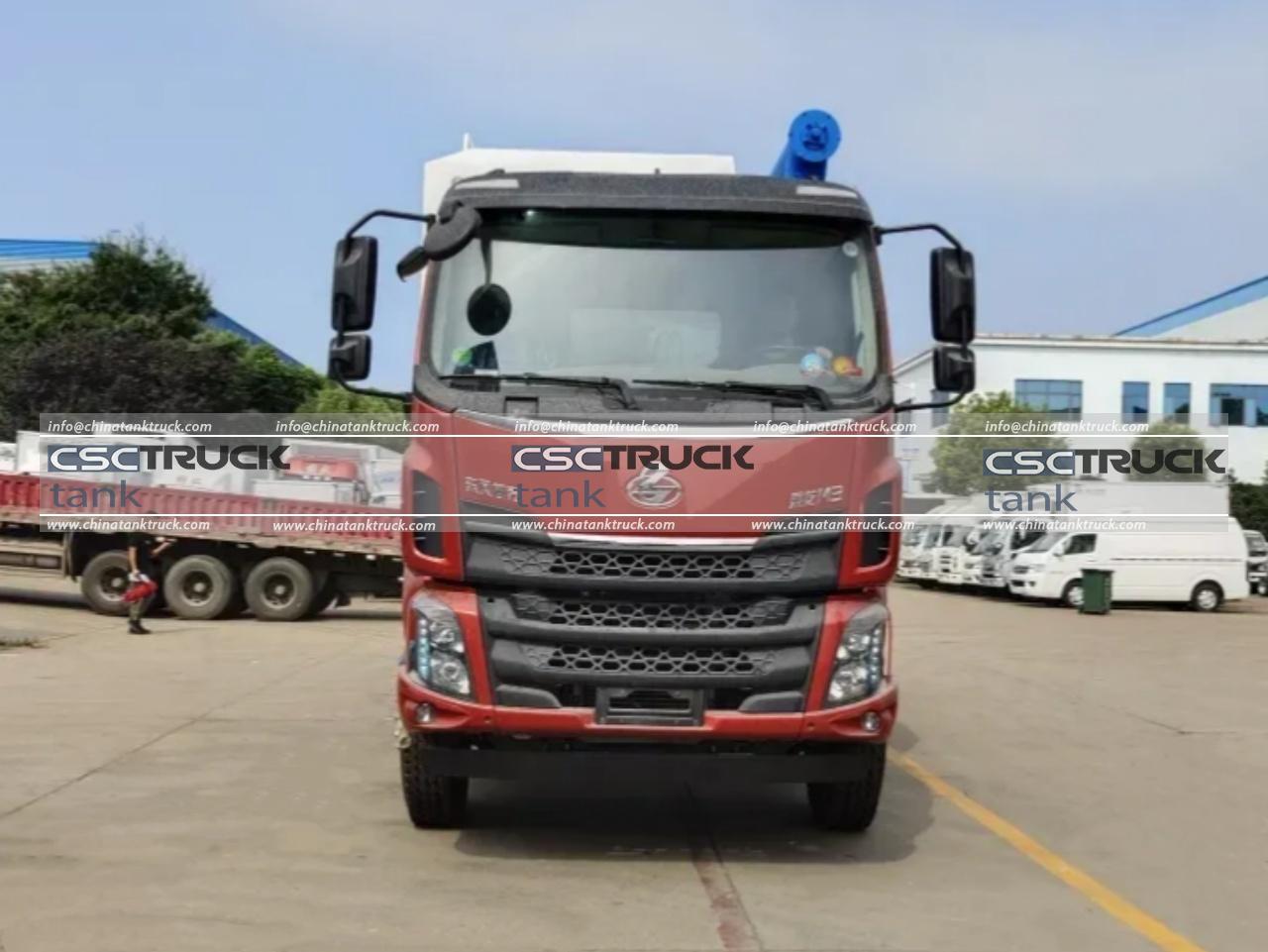
Pneumatic cement tank trailers are commonly available in different volume ranges. For example, approximately 25–30 CBM configurations can suit smaller operations, while 35–45 CBM models are widely used for standard bulk transportation, and larger configurations can be selected for high-volume industrial applications.
However, bigger is not always better.
The maximum payload must comply with the legal gross vehicle weight and axle-load regulations in the destination country. A very large tank may increase capacity but could reduce the practical payload if the chassis or road regulations impose weight limitations.
Therefore, select capacity based on material density + payload + road regulations + delivery distance, rather than tank volume alone.
3. Select the Right Tank Material and Structure
Tank construction has a major influence on vehicle weight, durability, corrosion resistance, and service life.
Common materials include aluminum alloy, carbon steel, and stainless steel. Aluminum is lightweight and can help maximize payload, while carbon steel provides strong and economical construction for heavy-duty applications. Stainless steel is often preferred for food-grade or corrosive-material applications.
The tank structure is equally important. Cylindrical, V-shaped, and multi-compartment designs can be configured for different materials and operating requirements.
When evaluating a truck, ask the manufacturer about:
- Tank material and thickness
- Tank structural design
- Internal fluidization system
- Compartment configuration
- Working pressure
- Safety pressure rating
- Corrosion protection
- Applicable standards and certifications
4. Pay Close Attention to the Air Compressor
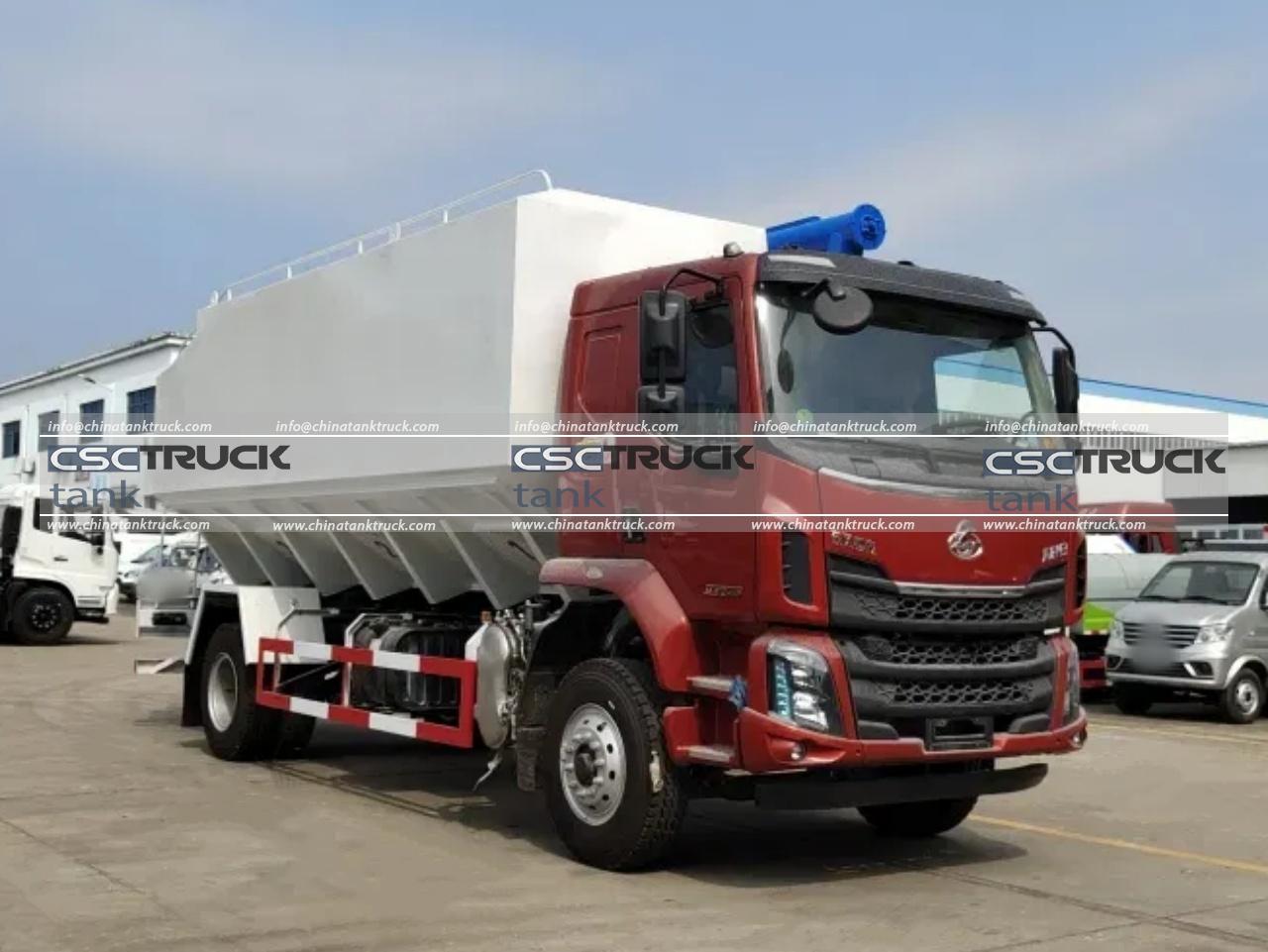
The compressor is one of the most important components of a pneumatic tank truck.
During unloading, compressed air is introduced into the tank to fluidize the dry material and push it through the discharge pipeline. Compressor performance therefore directly affects unloading speed, fuel consumption, and operational reliability.
The compressor should be matched to the material and tank capacity rather than selected solely according to maximum pressure.
Important parameters include:
- Air displacement
- Working pressure
- Compressor type
- PTO configuration
- Engine power requirements
- Cooling and lubrication system
- Maintenance requirements
An undersized compressor can result in slow or incomplete unloading, while an improperly matched system can increase fuel consumption and component wear.
5. Check the Fluidization and Discharge System
A good compressor alone cannot guarantee efficient unloading.
Pneumatic tank trucks normally use aeration pads or similar fluidization systems near the bottom of the tank. Compressed air passes through these systems and helps turn fine powder into a fluid-like material that can move toward the discharge outlet.
The discharge system should include appropriately sized pipes, valves, hoses, and fittings.
Before purchasing, check:
- Discharge pipe diameter
- Number and location of discharge outlets
- Fluidization-pad design
- Valve quality
- Hose specifications
- Expected unloading rate
- Compatibility with the customer’s silo
The truck should be designed around the entire unloading system, not just the tank.
6. Never Ignore Pressure Safety Equipment
Because pneumatic tank trucks operate with pressurized air, pressure control is a critical safety issue.
Essential safety equipment can include pressure gauges, pressure-relief valves, safety valves, air filters, and appropriate pressure-control devices.
Operators should always know the manufacturer’s specified working pressure and must never exceed the permitted limit.
Before unloading, inspect the pressure gauge and safety devices. During unloading, continuously monitor pressure. If pressure rises abnormally, stop the operation and investigate the cause rather than continuing to increase compressor output.
The tank should also be completely depressurized before opening manholes or disconnecting pressurized hoses.
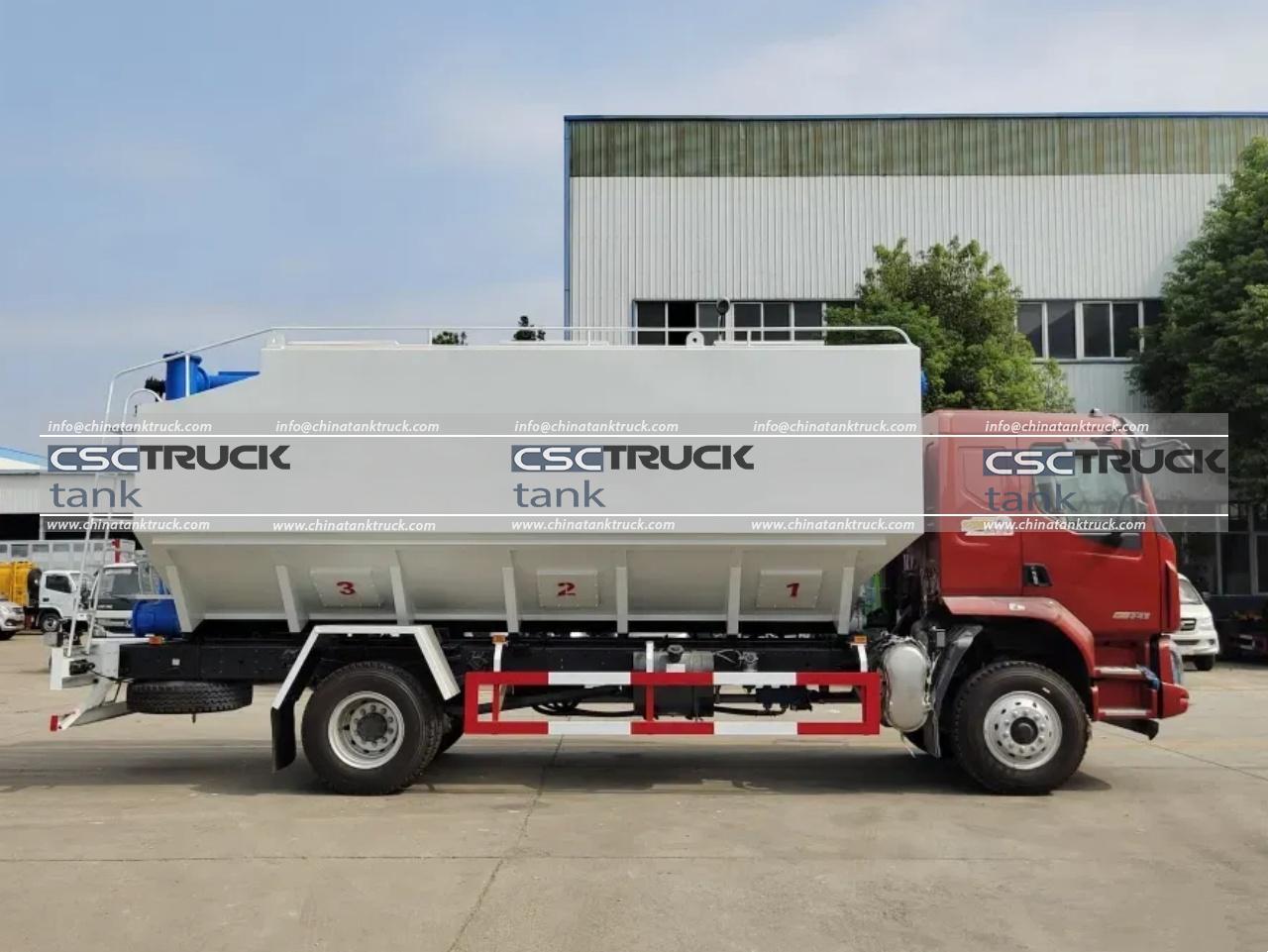
7. Make Sure the Truck Matches Your Chassis and Road Conditions
A pneumatic tank body is only one part of the complete vehicle.
The chassis must provide sufficient engine power, payload capacity, axle configuration, braking performance, and stability for the intended application.
Consider whether your operation requires:
- 4×2
- 6×4
- 8×4
- Tractor-trailer configuration
- Different wheelbases
- Different engine power levels
- Left- or right-hand drive
Road conditions are also important. Construction sites, mining areas, highways, and urban delivery routes may require different chassis configurations.
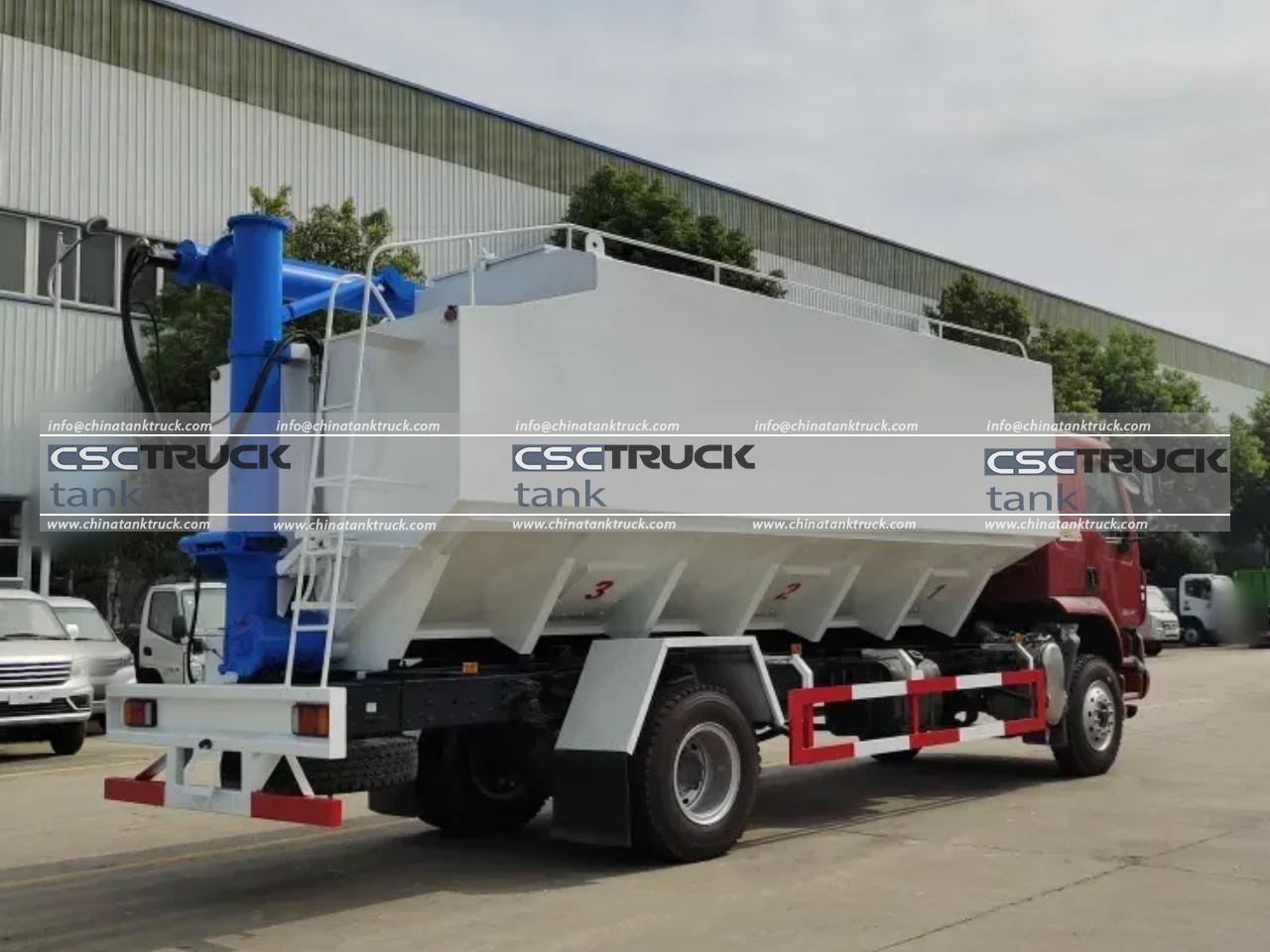
A manufacturer such as CSCTRUCK China Tank Truck can help match the pneumatic tank body with an appropriate chassis and pneumatic system according to the customer’s operating environment.
8. Follow a Strict Loading and Unloading Procedure
Correct operation is essential for both safety and equipment life.
Before loading, ensure the tank and loading system are ready. After loading, securely close and seal all manholes and valves. Before unloading, connect the discharge hose correctly and verify that the receiving silo is prepared.
A typical unloading process involves supplying compressed air, fluidizing the material, monitoring tank pressure, and gradually controlling material discharge through the appropriate valves.
Never open the tank cover while the tank is pressurized.
If the discharge line becomes blocked, do not simply increase pressure. Close the appropriate discharge valve, follow the manufacturer’s blockage-clearing procedure, and ensure pressure is safely controlled. Improper operation can damage the pneumatic system or create dangerous pressure conditions.
9. Inspect Hoses, Valves, Filters, and Compressor Components Regularly
Preventive maintenance can significantly improve reliability.
The discharge hose is exposed to high-velocity abrasive materials and should be checked regularly for abrasion, cracks, thinning, kinks, and other damage. Valves and seals should also be inspected because air leakage can reduce pneumatic efficiency.
Regular maintenance should include:
- Compressor oil and filter inspection
- Air-filter maintenance
- Hose inspection
- Valve inspection
- Pressure-gauge checking
- Safety-valve testing
- Fluidization-pad inspection
- Tank sealing inspection
- Discharge-pipe inspection
Food-grade applications require additional attention to cleaning and contamination prevention.
10. Consider After-Sales Service and Spare Parts
The purchase price should not be the only factor when selecting a pneumatic tank truck.
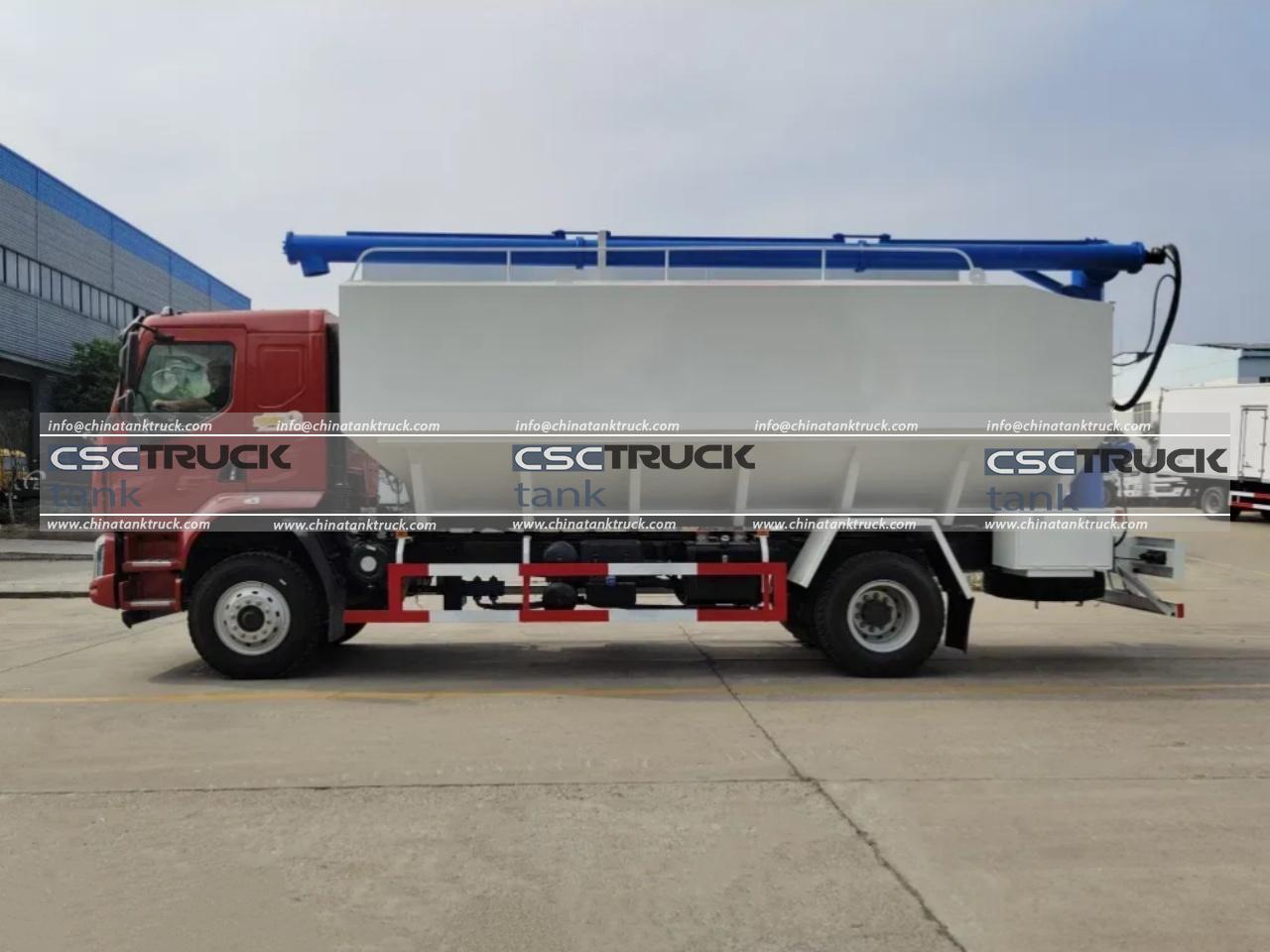
A pneumatic tanker is a complex combination of a chassis, pressure tank, compressor, valves, pipelines, aeration system, and safety equipment. If a critical component fails, the vehicle may be unable to complete unloading operations.
Therefore, evaluate the manufacturer’s:
- Technical support
- Spare-parts availability
- Warranty policy
- Maintenance documentation
- Operator training
- Response time
- Export experience
- Customization capability
A reliable supplier should be able to provide technical documentation and recommend suitable spare parts for long-term operation.
Conclusion
Choosing and using a pneumatic tank truck requires careful consideration of the complete transportation and unloading system. The right vehicle should match the characteristics of the transported material, required capacity, road regulations, chassis configuration, compressor performance, discharge system, and safety requirements.
The most important points are to choose the correct material-specific configuration, avoid overloading, select an appropriately sized compressor, use a reliable fluidization system, monitor pressure carefully, follow proper unloading procedures, and perform regular preventive maintenance.
For businesses transporting cement, fly ash, lime, flour, plastic pellets, chemical powders, and other dry bulk products, pneumatic tank trucks can provide an efficient enclosed transportation and unloading solution.
CSCTRUCK China Tank Truck provides pneumatic tank trucks and dry bulk transportation solutions for different industrial applications. With customizable tank capacities, chassis options, pneumatic systems, and safety configurations, CSCTRUCK China Tank Truck can help international buyers select a pneumatic tank truck based on their specific cargo, operating conditions, and transportation requirements.