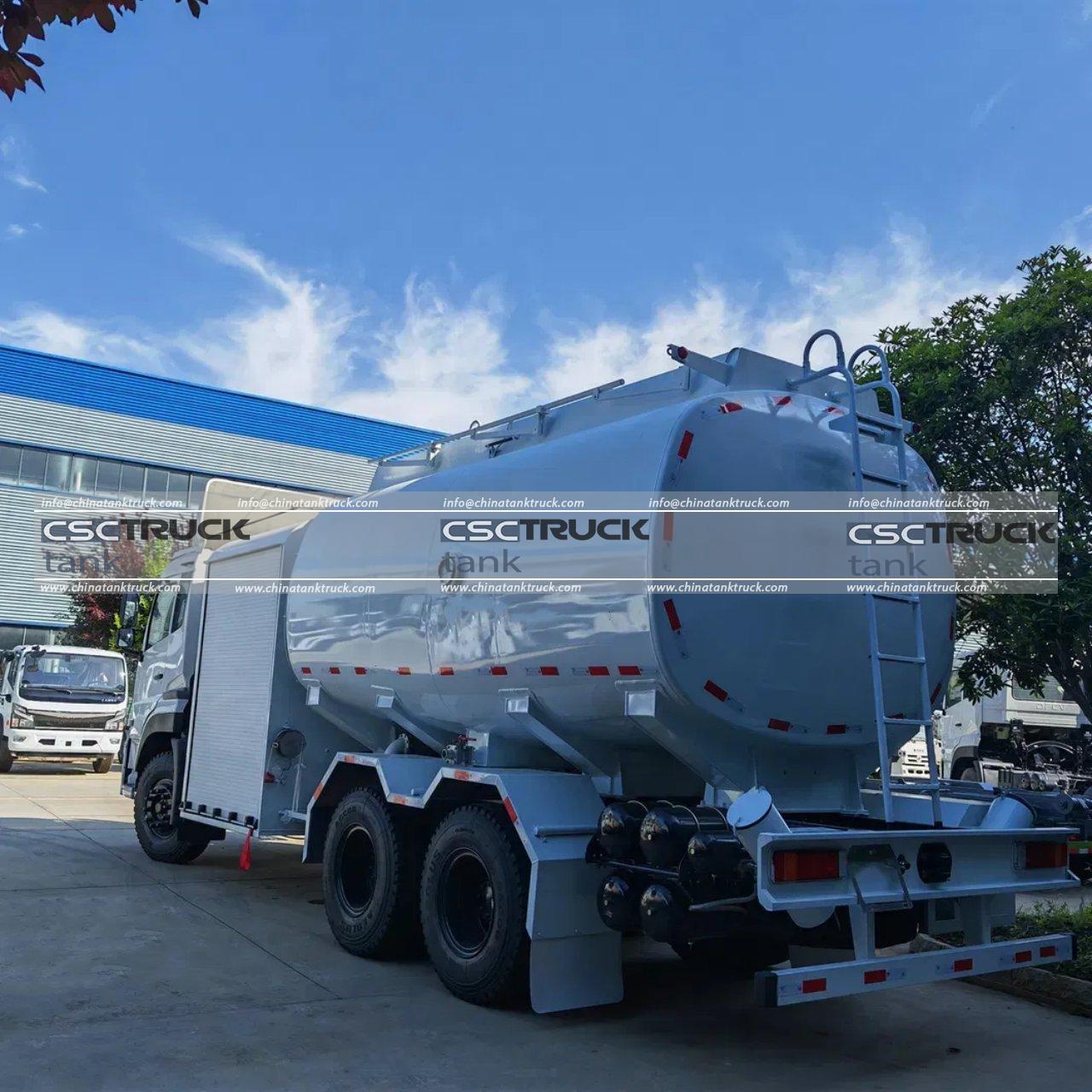
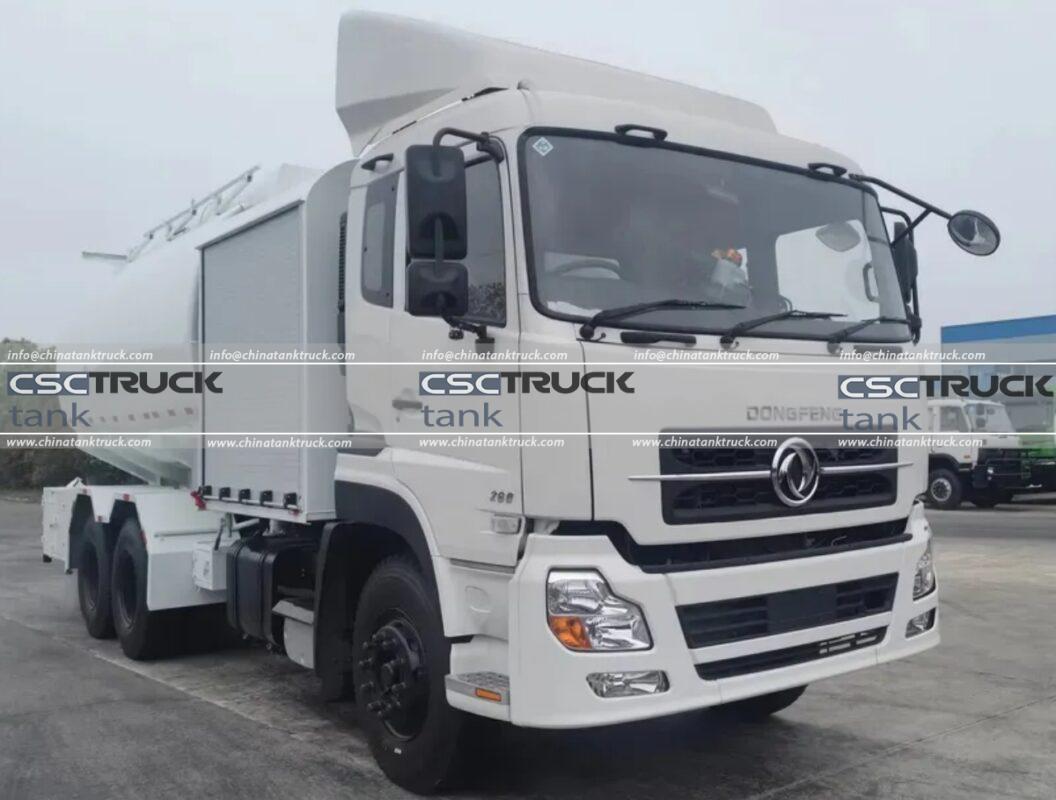
Aircraft refueling is a critical ground operation that requires precision, discipline, and strict safety procedures. When weather conditions become extreme, however, operating an aviation refueler becomes significantly more challenging. Heavy rain, thunderstorms, strong winds, extreme heat, freezing temperatures, snow, ice, and poor visibility can affect vehicle handling, fuel quality, equipment performance, and personnel safety.
According to EASA guidance for aerodromes, adverse-weather procedures should specifically address hazards such as strong winds, heavy rain, thunderstorms, slippery aprons, low visibility, intense heat, and winter freezing conditions. Fuel-handling organizations must also have procedures to ensure aircraft receive uncontaminated fuel of the correct specification.
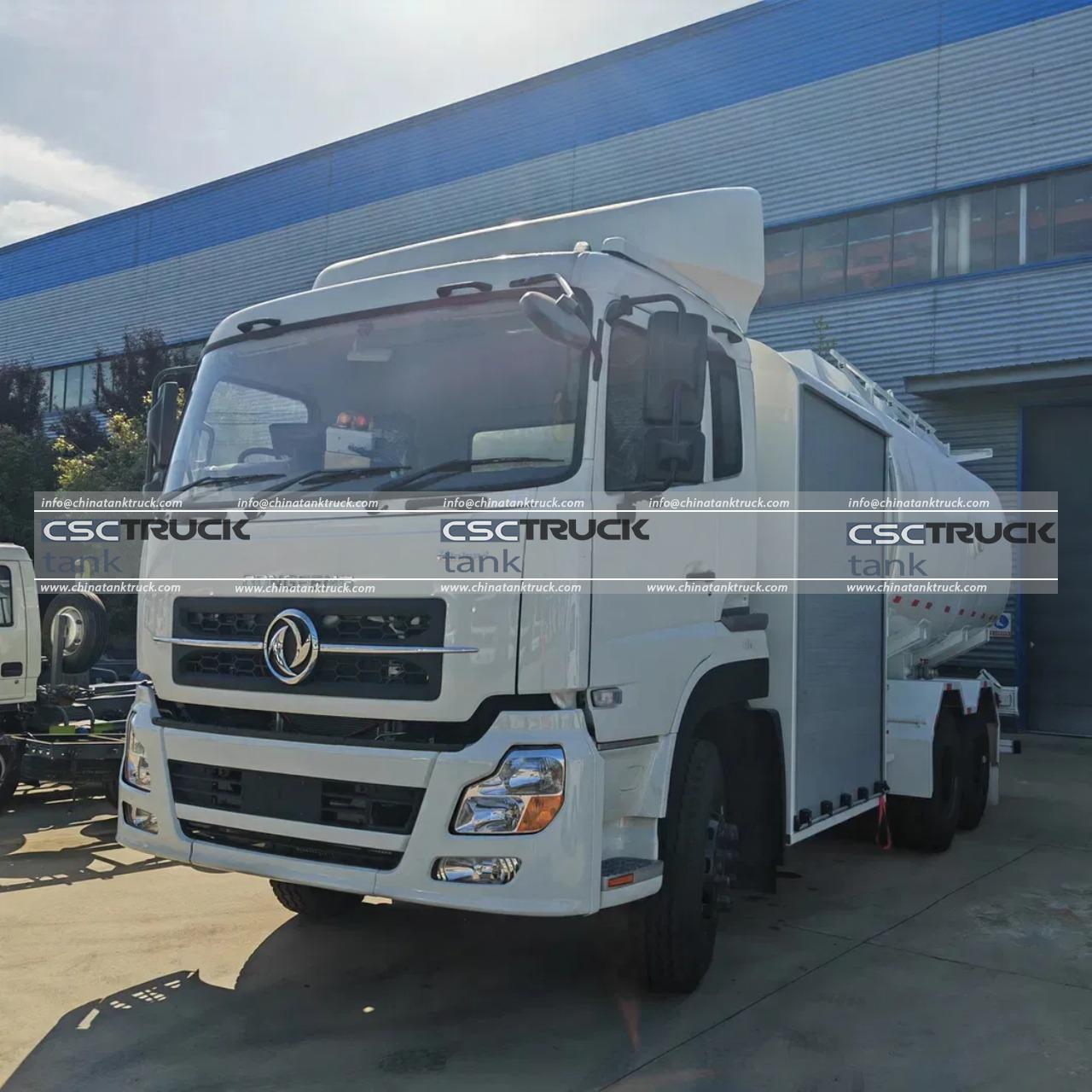
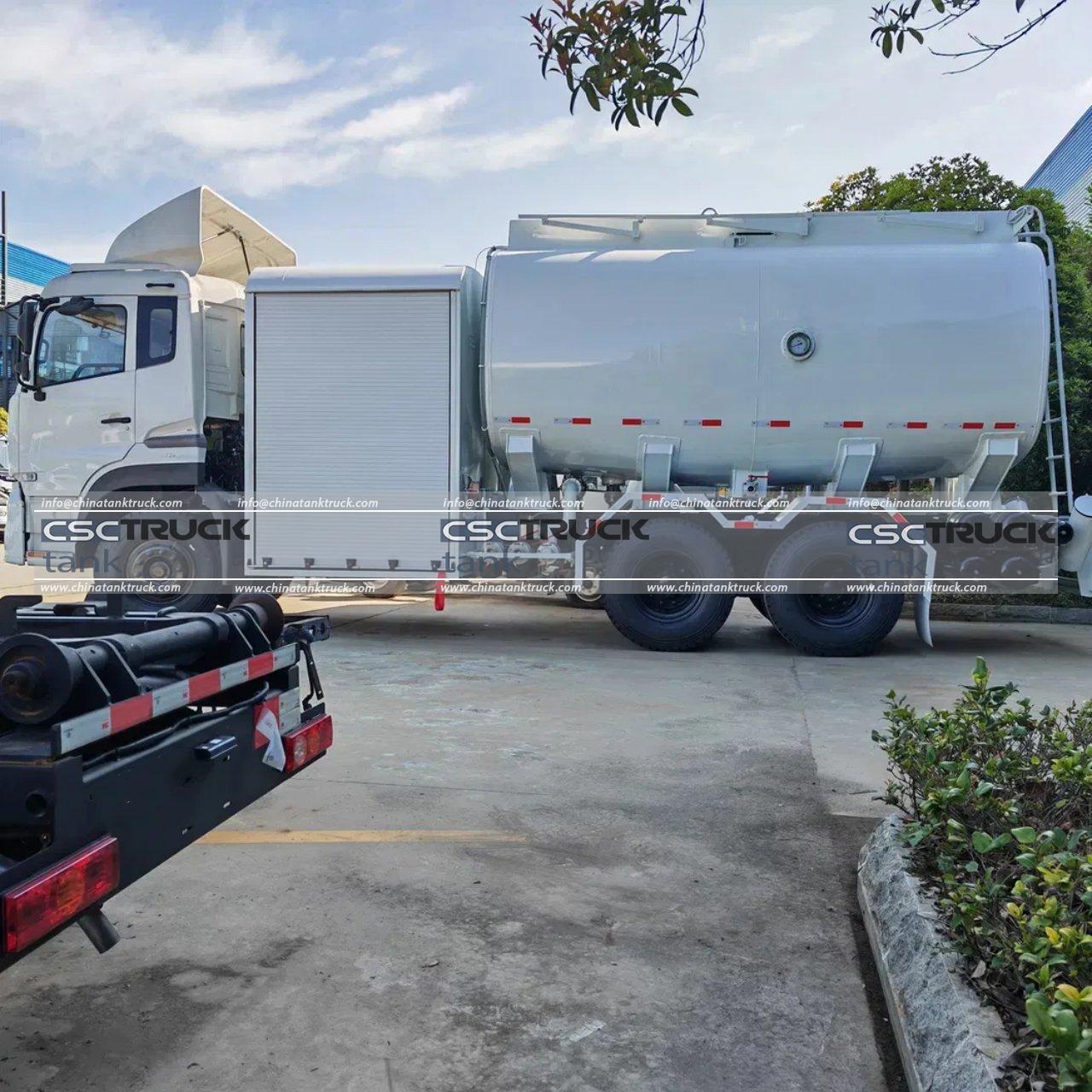
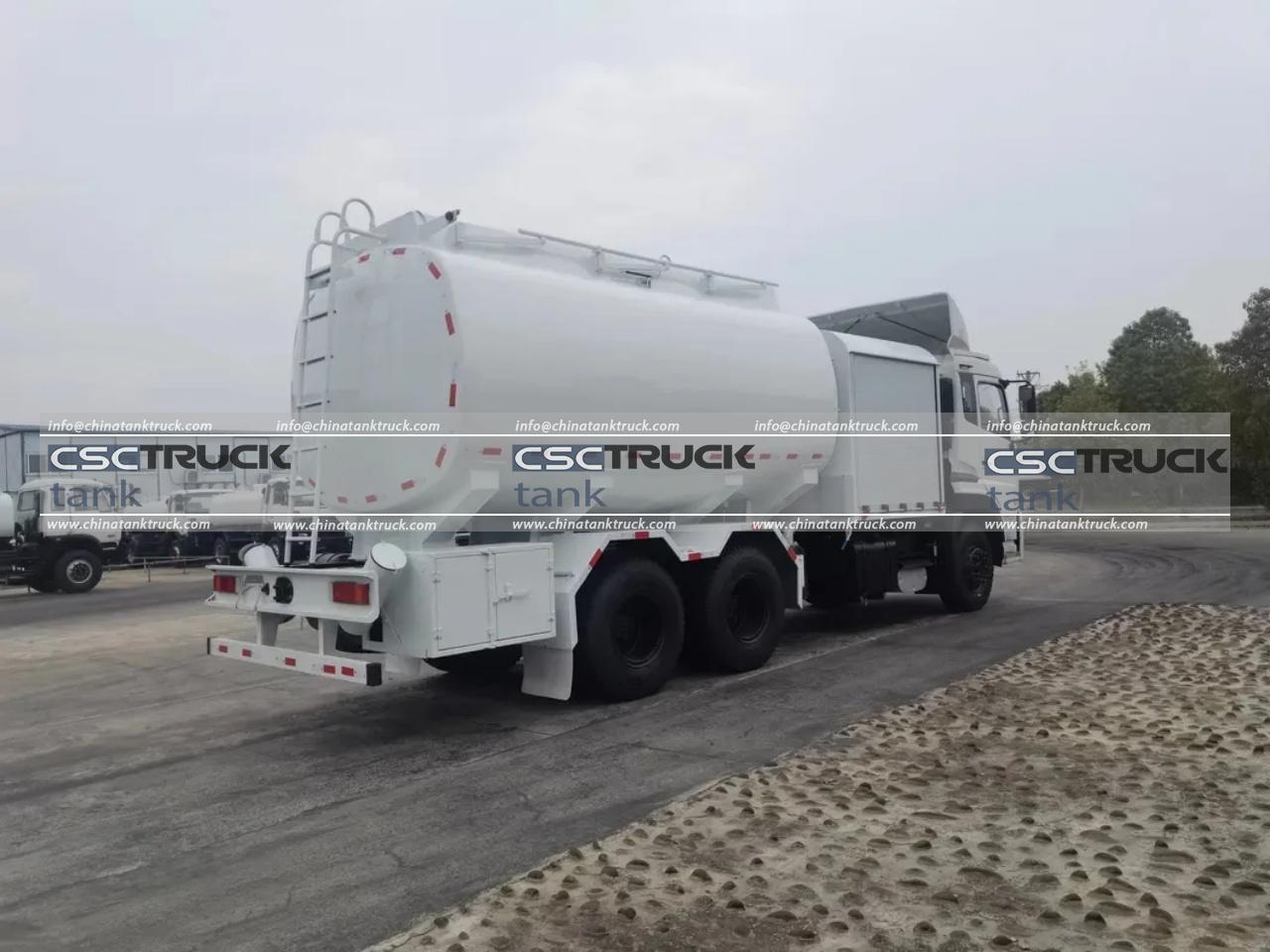
CSCTRUCK China Tank Truck specializes in tank trucks and fuel transportation equipment, including aviation refuelers such as the SITRAK 12,000-liter Jet A-1 aircraft refueller and Mercedes-Benz 18,000-liter Jet A-1 refueller. Its product range demonstrates the importance of combining suitable truck chassis, fuel tanks, pumping systems, filtration equipment, and operational safety features for demanding fuel-delivery applications.
Below are 10 practical tips for operating an aviation refueler safely and efficiently when weather conditions are extreme.
1. Check Weather Conditions Before Starting Operations
The first step is always to understand the weather before moving the refueler onto the apron. Operators should review current airport weather information, wind speed and direction, precipitation, visibility, temperature, storm warnings, and any airport-specific operational restrictions.
Do not treat weather information as a formality. A forecast of rapidly increasing wind, approaching thunderstorms, freezing rain, or reduced visibility may require refueling to be delayed or suspended.
Airport procedures should establish clear criteria for modifying or stopping operations during adverse weather.
2. Inspect the Refueler More Carefully in Extreme Conditions
Extreme weather increases the importance of a thorough pre-operation inspection. Check tires, brakes, steering, lights, mirrors, hoses, couplings, valves, pumps, filters, grounding equipment, emergency shutoff systems, and fuel-system connections.
Cold weather deserves particular attention. Low temperatures can make hoses, seals, flexible tubing, and other components harder and less flexible. Transport Canada recommends checking hoses, flexible tubing, seals, clamps, and fittings for deterioration when preparing equipment for winter conditions.
In hot weather, inspect tires, engine cooling systems, hydraulic components, and electrical equipment for signs of excessive heat.
3. Reduce Speed on Wet, Icy, or Snow-Covered Aprons
An aviation refueler is a heavy vehicle, and its braking and steering characteristics can change dramatically when pavement becomes wet, icy, or covered with snow.
Reduce speed well before turns, maintain a greater following distance, and avoid sudden steering or braking. Pay particular attention when approaching aircraft because even a small loss of traction can cause a serious ground incident.
Snow banks can also restrict maneuvering space. EASA‘s adverse-weather guidance specifically identifies poor-friction conditions and snow banks as risks for ground-support equipment.
4. Take Extra Precautions During Heavy Rain
Heavy rain can reduce visibility, increase stopping distance, and create slippery apron surfaces. Before connecting the refueling equipment, make sure fuel-system connections and protective components are in suitable condition.
Operators should also watch for water accumulation around the vehicle and aircraft. Standing water can conceal surface defects, reduce traction, and make vehicle positioning more difficult.
Keep access panels and sensitive equipment properly closed when possible. After heavy rain, inspect connections, electrical components, hoses, and grounding equipment before continuing normal operations.
5. Stop or Restrict Operations During Thunderstorms and Lightning
Thunderstorms are among the most serious weather conditions for aircraft ground operations. Lightning creates an obvious personnel hazard, while strong winds, heavy rain, sudden visibility changes, and static-electricity concerns can create additional risks.
If airport procedures require suspension of fueling or other ground activities during lightning or thunderstorms, operators must follow those procedures without attempting to shorten the restriction.
EASA specifically identifies storms, lightning, heavy rain, high winds, and fire caused by thunderstorms among the hazards that should be addressed in adverse-weather procedures.
The safest approach is simple: Never allow production pressure to override established weather-related shutdown procedures.
6. Be Especially Careful in High Winds
Strong winds can make positioning an aviation refueler more difficult and can affect hoses, access equipment, doors, and other exposed components.
Approach the aircraft slowly and maintain sufficient control of the vehicle. Avoid unnecessary opening of equipment compartments or deploying components when wind conditions make them difficult to control.
Operators should also watch for loose objects on the apron. Strong winds can turn unsecured equipment or debris into hazards for aircraft, vehicles, and personnel.
If wind conditions exceed airport or equipment operating limits, suspend the operation until conditions improve.
7. Prepare the Refueler for Freezing Temperatures
Cold weather can affect vehicle batteries, engine starting, lubricants, seals, hoses, valves, brakes, and other mechanical components. Before starting work, allow the equipment to reach its approved operating condition according to the manufacturer’s procedures.
Inspect for ice and snow around access steps, wheels, valves, hose reels, and connections. Remove accumulated snow and ice where required before operation.
Transport Canada‘s winter guidance emphasizes winterization, inspection of hoses and seals, and attention to cold-weather effects on equipment.
Fuel-quality controls are equally important. Water contamination and freezing conditions can create operational problems, so operators should follow the aircraft fuel supplier’s procedures for sampling, filtration, draining, and contamination control.
8. Exercise Greater Care in Extreme Heat
High temperatures introduce a different set of risks. Engines, pumps, hydraulic systems, tires, and electrical components may experience increased thermal stress.
Park the vehicle in an approved location whenever possible and avoid unnecessary engine idling. Monitor equipment for abnormal temperature readings, unusual odors, leaks, or changes in pump performance.
Operators should also protect themselves from heat stress. Schedule appropriate breaks, maintain hydration according to workplace procedures, and use suitable protective clothing and equipment.
Extreme heat can also increase the importance of fire prevention. Keep ignition sources controlled, maintain grounding and bonding procedures, and ensure emergency equipment is readily accessible.
9. Adapt Procedures for Low Visibility
Fog, heavy rain, snow, blowing dust, and darkness can significantly reduce visibility around an aircraft. In these conditions, even normal vehicle movements become more hazardous.
Use approved lighting and warning systems, drive at reduced speed, and follow airport vehicle-routing procedures. Maintain clear communication with relevant ground personnel and use additional guidance when required.
EASA identifies low visibility and additional vehicle guidance around aircraft as important considerations during adverse weather.
Never assume that because the refueler operator can see the aircraft, other personnel or vehicles can also see the refueler.
10. Know When to Stop the Operation
Perhaps the most important extreme-weather skill is knowing when conditions are no longer acceptable.
Operators should not continue simply because the aircraft is waiting, a delivery schedule is tight, or the weather has only temporarily deteriorated. If visibility becomes inadequate, lightning approaches, wind exceeds operating limits, the apron becomes dangerously slippery, or equipment develops an abnormal condition, stop the operation and notify the appropriate supervisor or airport authority.
A well-designed aviation refueler can support efficient operations, but equipment capability cannot eliminate environmental hazards. Safety depends on the combination of vehicle design, preventive maintenance, trained operators, airport procedures, and sound decision-making.
Conclusion
Operating an aviation refueler in extreme weather requires more than simply adapting driving habits. Weather can influence vehicle stability, braking, visibility, equipment reliability, fuel-handling conditions, and personnel safety at the same time.
The most effective approach is to combine weather monitoring, detailed inspections, reduced vehicle speed, strict fuel-quality procedures, proper equipment preparation, effective communication, and clearly defined stop-work criteria.
For airports and aviation fuel suppliers, choosing an appropriate refueling vehicle is also an important part of operational planning. CSCTRUCK China Tank Truck provides a range of fuel and aviation refueling vehicles designed around different capacities, chassis configurations, and fuel-delivery requirements. Its aviation refueler products include Jet A-1 models such as 12,000-liter and 18,000-liter configurations.
Ultimately, the goal of extreme-weather operations should not be to maintain normal productivity at any cost. The goal is to maintain safe, controlled, and reliable fueling operations while recognizing when environmental conditions require additional precautions or a temporary suspension of work.