Airport ground fueling is a critical part of aviation operations. Every minute saved during aircraft refueling can contribute to faster aircraft turnaround, better utilization of airport resources, and improved on-time performance. At the same time, fueling efficiency cannot come at the expense of safety, fuel quality, or measurement accuracy. Airports, therefore, need a balanced approach that combines reliable equipment, trained personnel, preventive maintenance, and well-organized operating procedures.
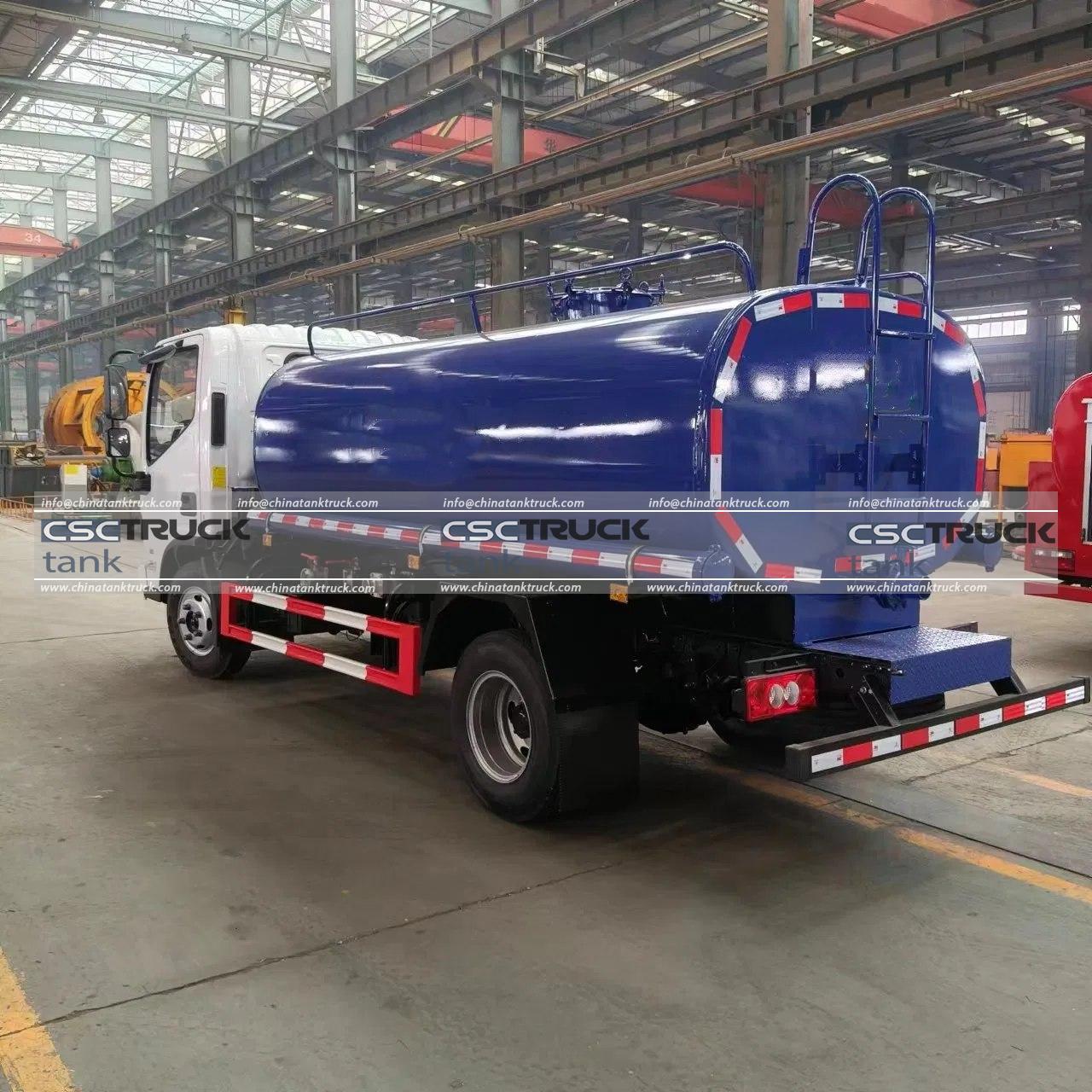
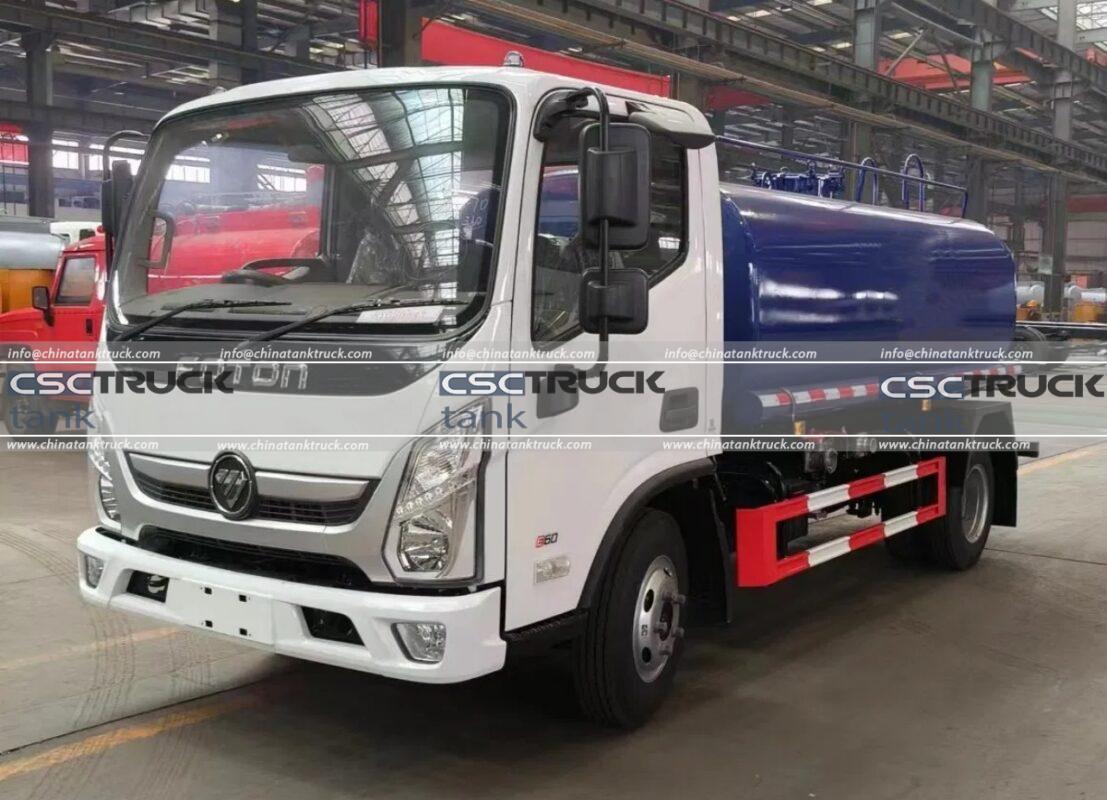
CSCTRUCK China Tank Truck is a professional manufacturer of tank trucks and specialized commercial vehicles, with aviation refueling trucks among its product offerings. Founded in 2005 in Suizhou, Hubei, the company provides customized tank vehicle solutions for customers in international markets. Its aircraft refueler range includes compact 4,000-liter units as well as larger 12,000-liter, 18,000-liter, 20,000-liter, and 25,000-liter refueling vehicles.
Here are 10 practical tips for improving airport ground fueling efficiency while maintaining safe and reliable operations.
1. Choose the Right Refueling Vehicle Capacity
The first step toward efficient fueling is selecting an aircraft refueler that matches the airport’s actual operating requirements.
A vehicle that is too small may require frequent trips between the fuel depot and aircraft, increasing travel time and reducing productivity. Conversely, an oversized vehicle may increase operating costs and make maneuvering more difficult in confined apron areas.
Airports should consider aircraft types, average daily fueling volume, peak-hour demand, apron layout, and distance from the fuel storage facility when selecting tank capacity. For example, CSCTRUCK China Tank Truck offers refuelers ranging from small 4,000-liter units for smaller aviation facilities to larger 20,000-liter and 25,000-liter vehicles for higher-volume operations.
2. Optimize Fuel Truck Positioning
Poor vehicle positioning can waste valuable time during every fueling operation.
Operators should plan standard parking and approach positions for different aircraft types. The refueler should be positioned close enough to the aircraft fueling point to minimize hose deployment while maintaining appropriate clearance and safe access.
Airport ground teams can also establish standardized driving routes and fueling positions for frequently serviced aircraft. This reduces unnecessary maneuvering and helps operators complete connection and disconnection procedures more quickly.
Efficient positioning is particularly important at busy airports where multiple aircraft may be receiving ground services simultaneously.
3. Use High-Efficiency Pumping Systems
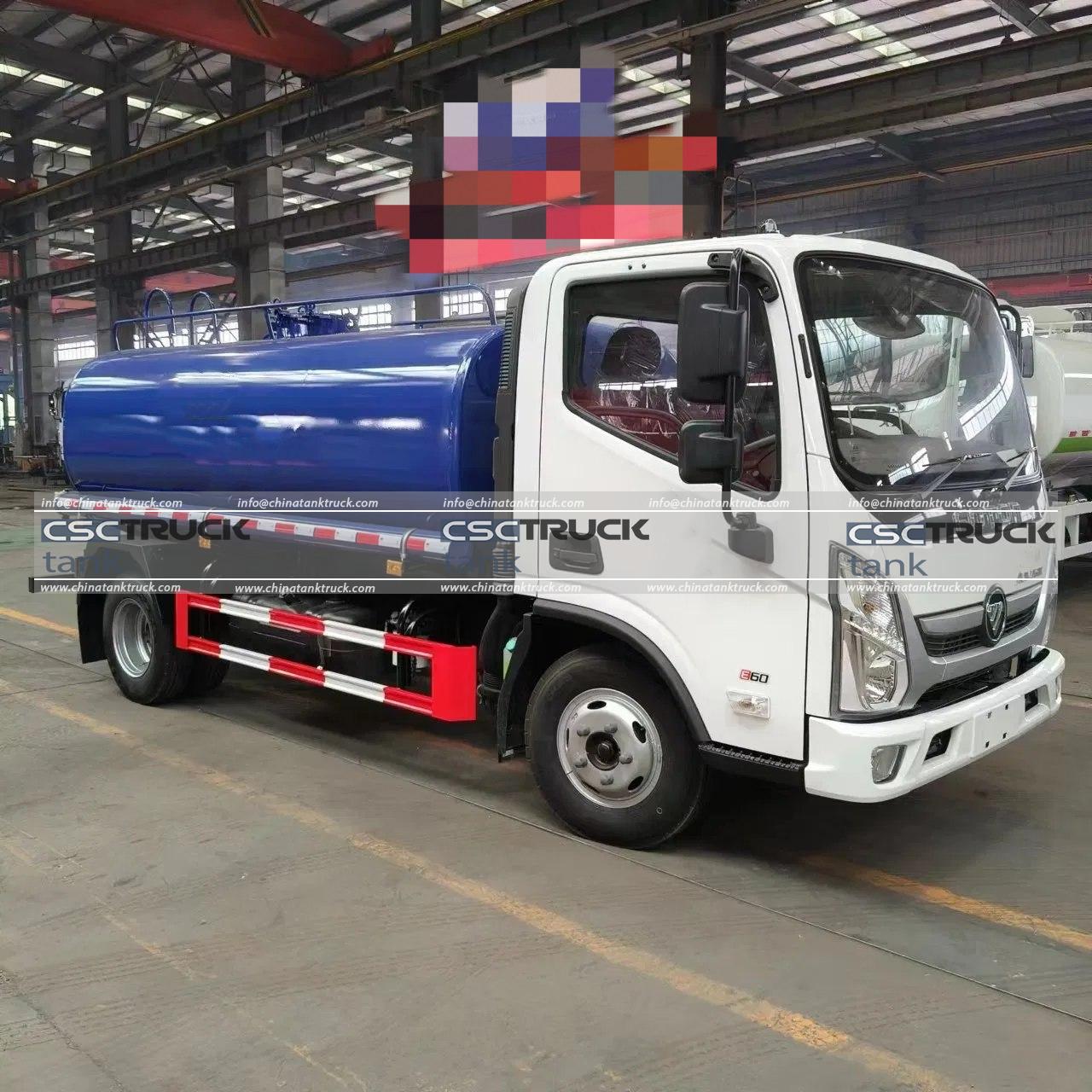
The fuel transfer system has a direct impact on fueling time. An appropriately sized pump can provide sufficient flow without creating excessive pressure or compromising safe fuel handling.
Modern aircraft refuelers can incorporate dedicated pumps, flow meters, filtration systems, valves, hoses, and control equipment designed specifically for aviation fueling. For example, some CSCTRUCK China Tank Truck aircraft fuel trucks use high-capacity pumping systems, while the HOWO 20,000-liter model is specified with a pipeline pumping flow of up to 1,200 L/min.
However, maximum flow should not automatically be the target. Operators must follow the aircraft, fueling equipment, and airport’s applicable operating limits. The objective is stable, controlled, and reliable fuel delivery, not simply the highest possible flow rate.
4. Maintain Fuel Filtration Systems
Fuel quality is essential to aircraft safety, making filtration one of the most important components of an efficient fueling operation.
A contaminated or poorly maintained filtration system can cause pressure problems, slow fueling, increase maintenance requirements, and potentially interrupt operations. Regularly inspect filter elements, monitor differential pressure, and replace components according to established maintenance procedures.
Some CSCTRUCK China Tank Truck aircraft refueling vehicles incorporate filtration and separation equipment designed to help protect fuel quality. The HOWO 20,000-liter aircraft fuel truck, for example, is equipped with a filter separator rated at 400 L/min and a precision flow-metering system.
Keeping filtration equipment in good condition helps prevent avoidable fueling delays.
5. Improve Preventive Maintenance
Unexpected equipment failures are one of the biggest causes of ground-operation delays.
Instead of waiting for pumps, hoses, valves, meters, or control systems to fail, operators should establish preventive maintenance schedules. Daily inspections can identify leaks, damaged hoses, abnormal noises, loose fittings, and other problems before they become serious.
Periodic maintenance should cover the chassis, fuel tank, pump, piping, valves, filtration equipment, meters, electrical systems, braking system, and safety devices.
A well-maintained refueler not only operates more efficiently but also reduces downtime and extends equipment service life.
6. Train Fueling Operators Properly
Even highly advanced equipment cannot deliver maximum efficiency without properly trained operators.
Operators should understand the complete fueling procedure, including vehicle positioning, bonding and grounding, equipment inspection, hose connection, fuel-flow control, emergency shutdown, and post-fueling checks.
Training should also cover the specific equipment installed on each refueler. Different vehicles may use different pump systems, control panels, meters, filtration systems, and hose configurations.
Well-trained operators are generally able to identify abnormal conditions earlier and perform routine tasks more consistently, reducing both delays and operational risks.
7. Improve Communication Between Ground Teams
Airport fueling rarely happens in isolation. Fueling personnel must coordinate with flight crews, ramp agents, maintenance teams, dispatchers, and other ground-service providers.
Poor communication can lead to situations where a refueler arrives before the aircraft is ready, the aircraft changes parking position, or fueling is interrupted because another ground operation is taking place.
Using standardized communication procedures can significantly improve efficiency. Before dispatching a fuel truck, the team should confirm the aircraft stand, aircraft type, required fuel quantity, fuel grade, and expected fueling time.
Better coordination means fewer unnecessary vehicle movements and less waiting time.
8. Use Accurate Fuel Metering
Fueling efficiency is not simply about speed. Accurate measurement is equally important.
A reliable flow meter allows operators to monitor the quantity delivered and complete fueling according to the required amount. Accurate measurement also simplifies fuel inventory management, billing, and operational records.
Modern aviation refuelers can be equipped with high-accuracy metering systems. For example, one CSCTRUCK China Tank Truck aircraft refueler configuration specifies a Class 0.2 flow meter.
Meters should be inspected and calibrated according to applicable requirements. A poorly calibrated meter can create discrepancies that affect both operational control and fuel accounting.
9. Reduce Unnecessary Refueling Trips
Fuel logistics have a major effect on overall ground fueling productivity.
If refueling trucks repeatedly travel long distances to replenish their tanks, valuable operating time is lost. Airport managers should analyze fuel consumption patterns and optimize dispatch schedules according to aircraft movements.
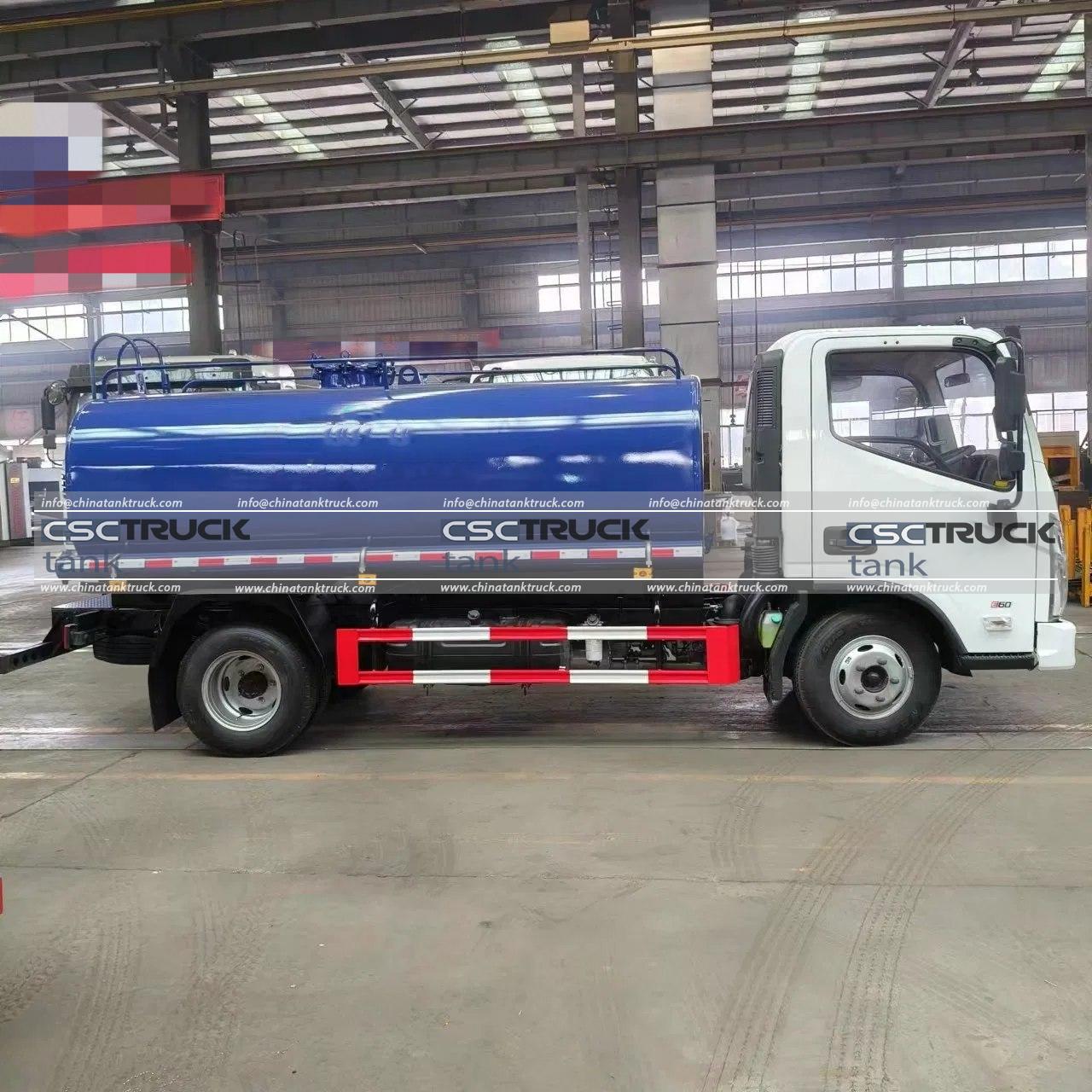
Higher-capacity refuelers can reduce the number of replenishment trips when appropriate. For high-volume operations, a 20,000-liter or 25,000-liter vehicle may provide greater productivity than multiple smaller units, depending on airport infrastructure and operating requirements. CSCTRUCK China Tank Truck offers both configurations for different operational needs.
The ideal fleet should balance capacity, maneuverability, traffic conditions, and actual fuel demand.
10. Monitor Performance and Continuously Improve
Finally, airports should measure fueling performance instead of relying solely on operator experience.
Useful indicators can include average fueling time per aircraft, average fuel delivery rate, vehicle utilization, waiting time, equipment downtime, number of maintenance incidents, and fuel delivery accuracy.
By analyzing these figures, managers can identify bottlenecks. For example, consistently long fueling times may indicate insufficient pump capacity, clogged filters, inefficient vehicle positioning, excessive hose movement, or poor scheduling.
Performance monitoring also makes it easier to compare different vehicles and operating procedures and determine where investment will produce the greatest improvement.
Conclusion
Improving airport ground fueling efficiency requires more than simply purchasing a high-capacity aircraft refueler. It involves coordinating vehicle capacity, pumping performance, filtration, maintenance, operator training, communication, fuel measurement, and fleet management.
A properly selected and maintained aircraft refueler can significantly reduce unnecessary delays while supporting safe and consistent fuel delivery. CSCTRUCK China Tank Truck provides a broad range of aviation refueling vehicles, including small airport refuelers and high-capacity models, with configurations that can be customized according to operational requirements. Its product range includes vehicles such as the 4,000-liter small aircraft refueler, 12,000-liter ISUZU FTR refueler, 18 CBM HOWO refueler, and 25,000-liter MAN aircraft refuelling vehicle.
By combining suitable equipment with disciplined operating procedures and preventive maintenance, airports can achieve faster turnaround times, better resource utilization, and more reliable ground fueling operations—without compromising the safety and fuel-quality requirements that aviation demands.