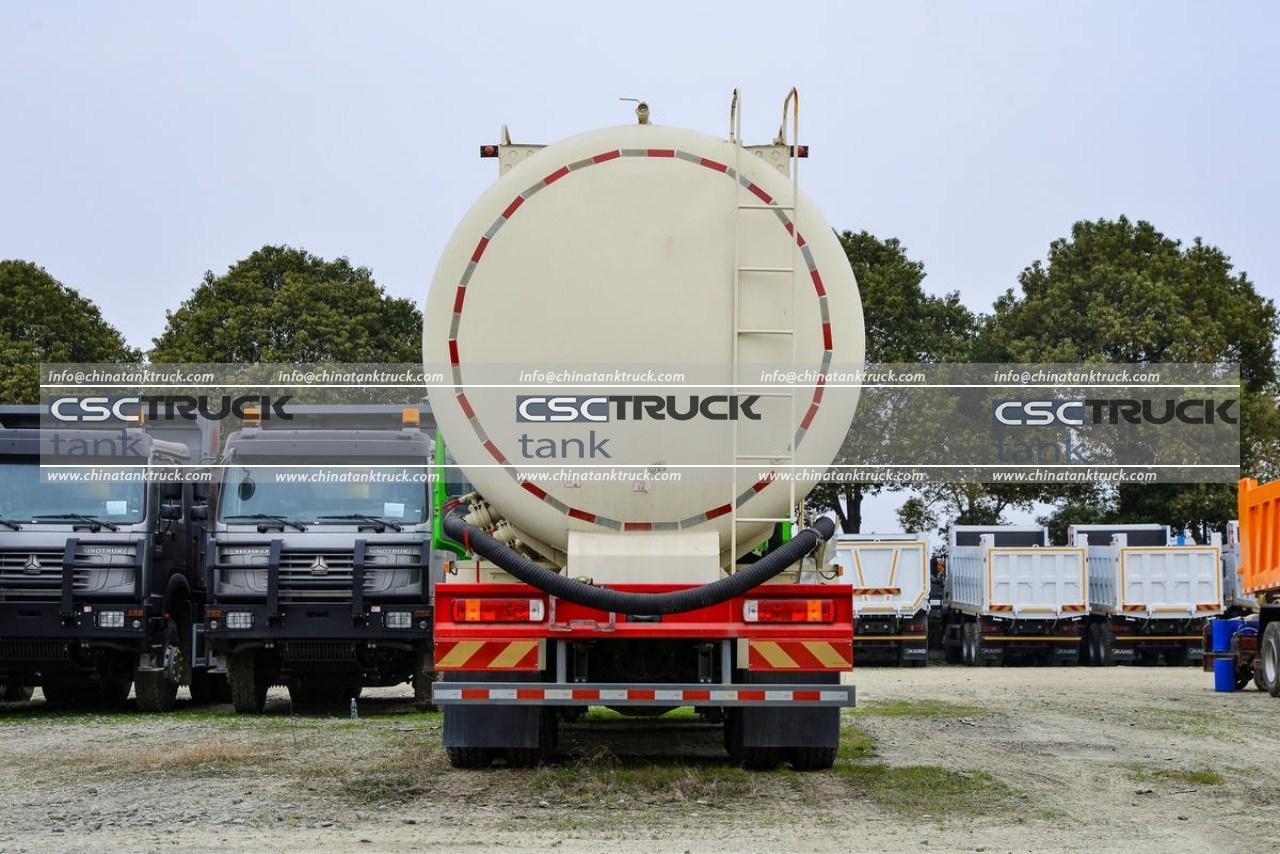

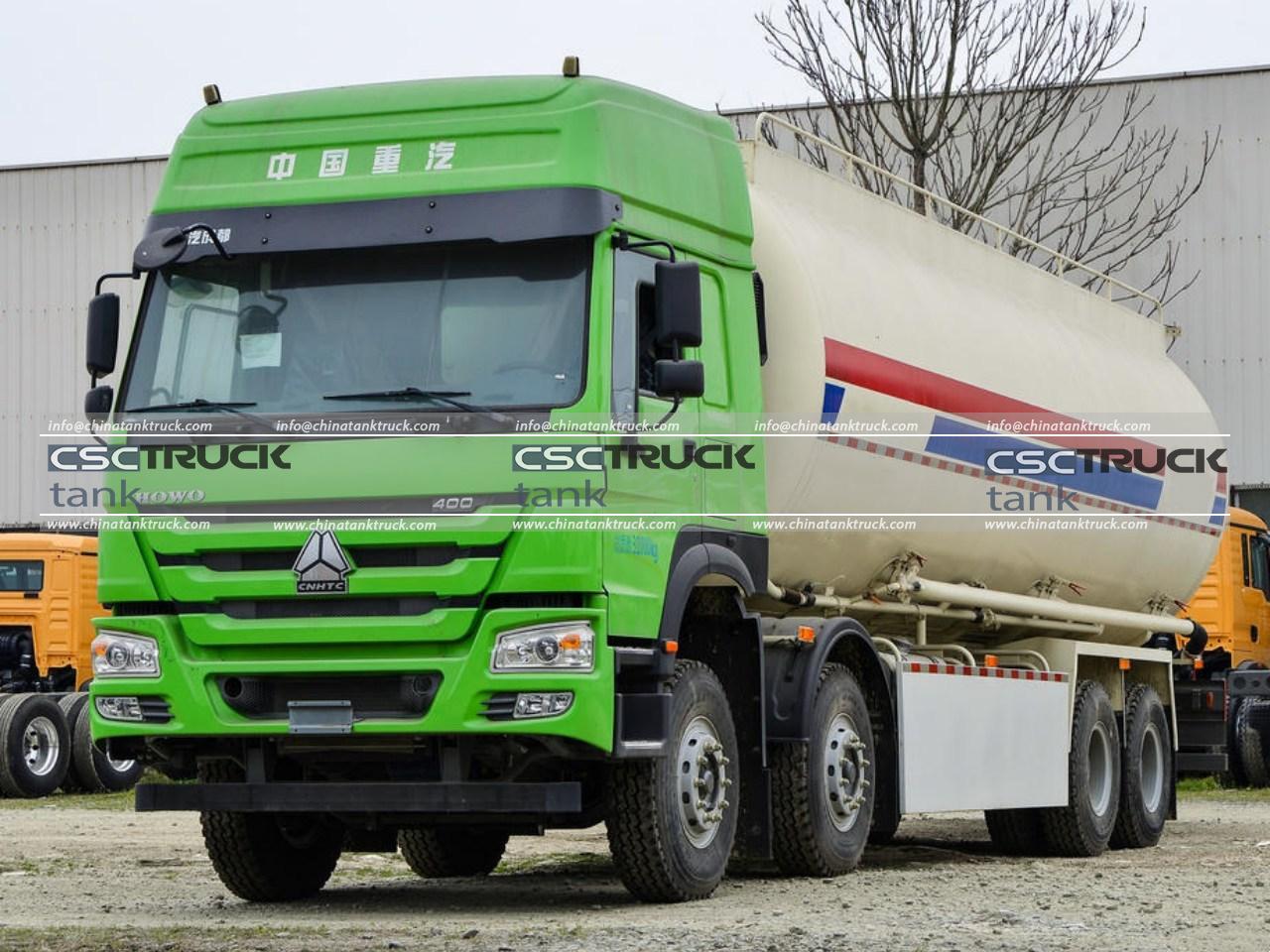
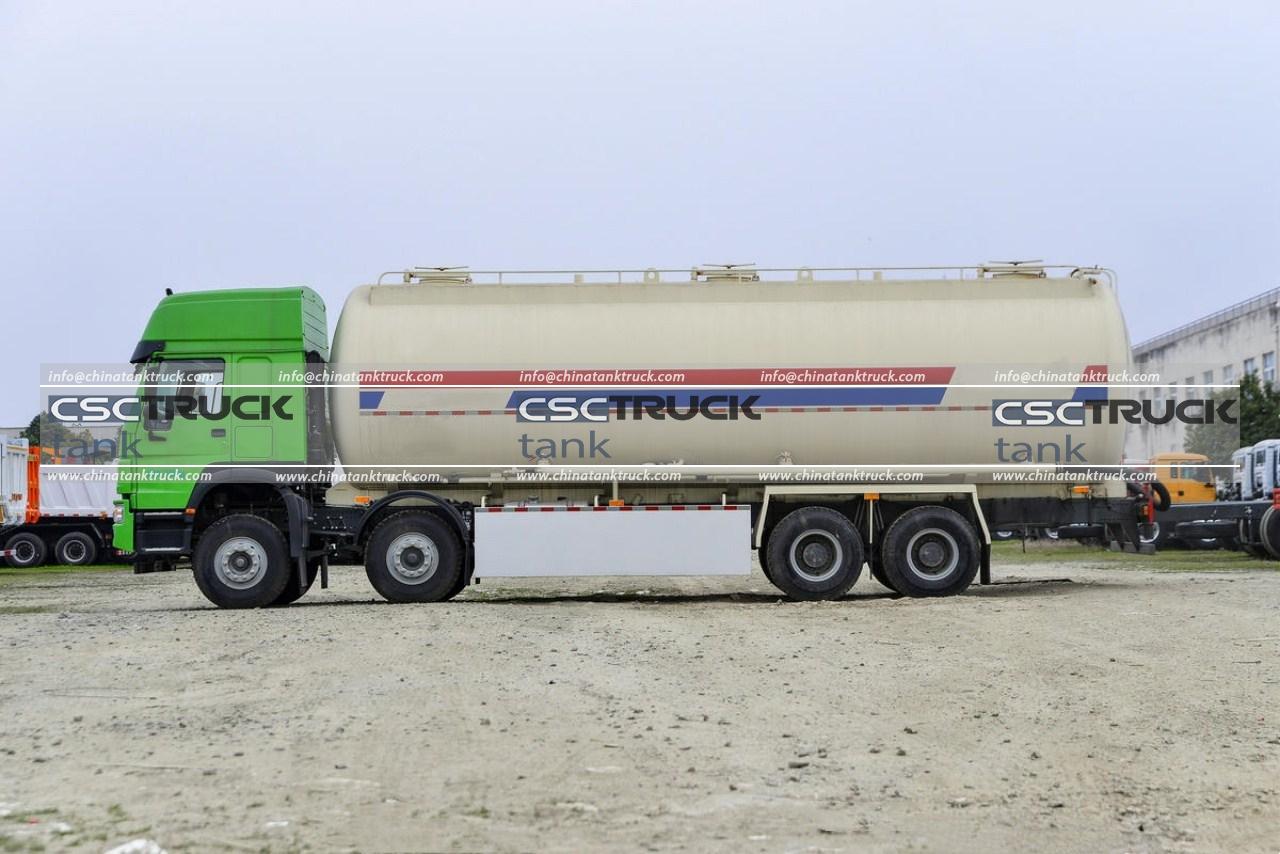
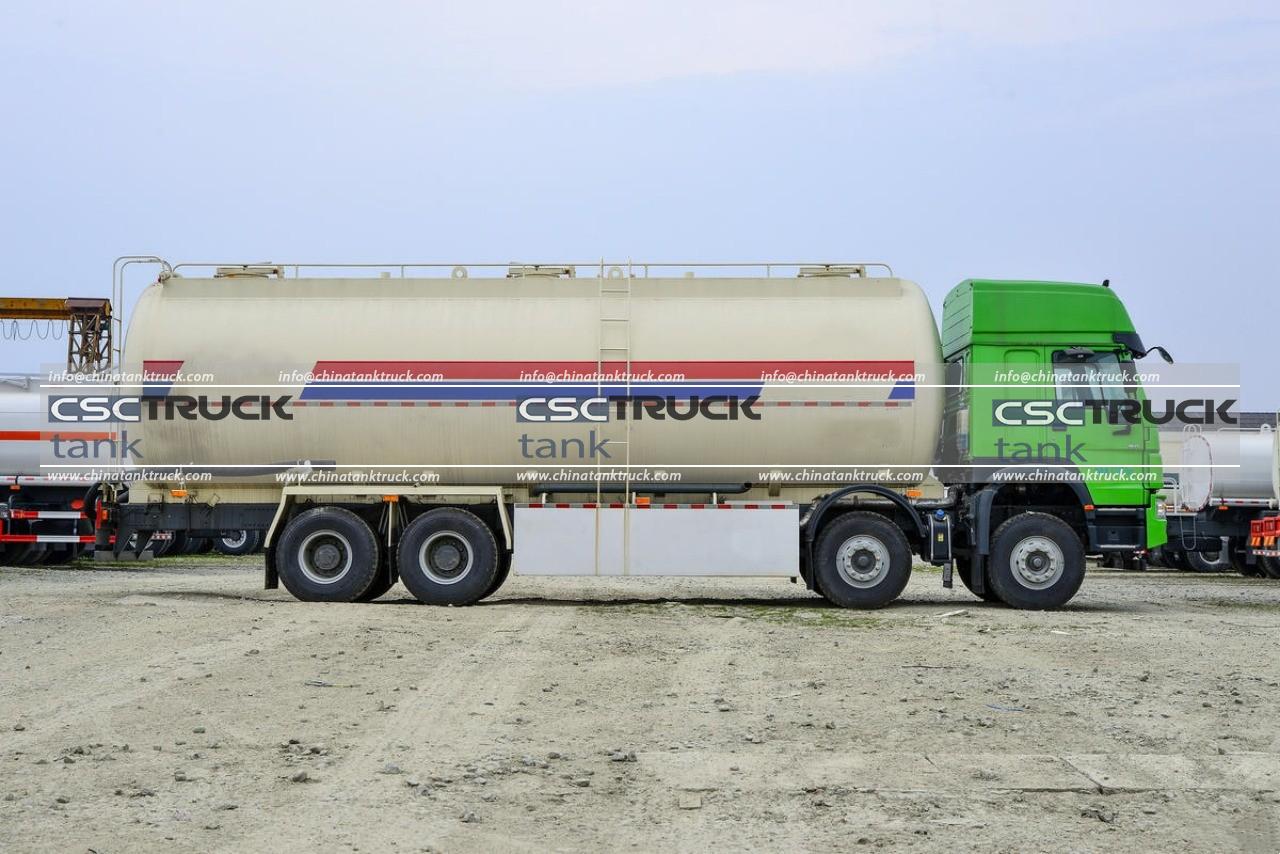
Pneumatic tank trucks are specialized vehicles designed to transport and discharge dry bulk materials such as cement, fly ash, lime, flour, and other powdered products. Unlike ordinary cargo trucks, pneumatic tankers use compressed air to fluidize and unload bulk materials. Because the tank operates under controlled air pressure, safety valves are essential components of the vehicle. They help prevent overpressure, protect the tank structure, and improve the safety of loading, transportation, and unloading operations.
CSCTRUCK China Tank Truck is a professional manufacturer of tank trucks and specialized commercial vehicles, offering solutions for the transportation of liquids, gases, and dry bulk materials. The company produces pneumatic tank trucks and other customized tanker vehicles for international customers. CSCTRUCK China Tank Truck emphasizes engineering, manufacturing quality, and safety-related equipment in its specialized truck solutions.
So, what pneumatic tank truck safety valves are commonly installed? The exact configuration can vary according to the tank design, working pressure, transported material, and applicable regulations. However, several important types of valves are widely used.
1. Pressure Relief Valve
The pressure relief valve is one of the most important safety devices installed on a pneumatic tank truck. Its primary function is to protect the tank from excessive internal pressure.
During pneumatic unloading, compressed air is introduced into the tank to move the dry bulk material toward the discharge outlet. If the air pressure rises above the designed working limit because of incorrect operation, a blocked discharge line, or a control system problem, the pressure relief valve opens automatically. It releases excess pressure and helps prevent damage to the tank.
This valve is especially important because a pneumatic tank is designed to operate within a specific pressure range. Excessive pressure can place significant stress on the tank shell, welds, manhole covers, and connected piping. A properly selected and maintained pressure relief valve provides a critical layer of protection.
2. Vacuum Relief Valve
Although pneumatic tank truck safety discussions often focus on overpressure, negative pressure can also be dangerous. This is why many pneumatic tankers are equipped with a vacuum relief valve.
Vacuum conditions may occur when the tank is unloaded incorrectly, the air supply is stopped suddenly, or the tank cools after operation. If the internal pressure becomes significantly lower than atmospheric pressure, the tank may experience external pressure that it was not designed to withstand.
The vacuum relief valve allows outside air to enter the tank when the internal pressure falls below the preset level. In this way, it helps prevent tank deformation or structural damage caused by excessive vacuum.
Some pneumatic tank trucks use a combined pressure and vacuum relief valve, while others use separate devices depending on the tank design.
3. Combined Pressure-Vacuum Safety Valve
A combined pressure-vacuum safety valve integrates 2 protective functions into 1 valve assembly. It can release excess internal pressure and allow air to enter when a vacuum condition develops.
This design is popular because it provides compact and efficient protection. Instead of installing 2 separate devices, the tank manufacturer can use a combined safety valve to protect the tank in both pressure directions.
For pneumatic tank trucks, this type of valve is often installed on the top of the tank or in the air control system. Its setting must be compatible with the tank’s design pressure and operating requirements. The valve should never be adjusted randomly by the operator.
4. Air Inlet Check Valve
The air inlet check valve is another important safety component in the pneumatic system. It controls the direction of compressed air entering the tank and helps prevent reverse airflow.
If pressure inside the tank becomes higher than the air supply pressure, material or air could potentially flow backward through the air supply line. The check valve helps stop this reverse flow.
In addition to protecting the compressor and air circuit, the air inlet check valve also improves system stability. It is particularly useful during pressure changes and when the compressor is stopped.
A malfunctioning check valve may cause pressure loss, unstable unloading, or unwanted material movement in the pneumatic system. Therefore, it should be inspected regularly.
5. Discharge Line Shut-Off Valve
The discharge line shut-off valve controls the flow of dry bulk material from the tank to the receiving silo or storage system. While it is not always classified as a pressure relief valve, it is an important safety valve in pneumatic tanker operation.
The operator can use this valve to stop or regulate material discharge. If a discharge pipe becomes blocked or the receiving equipment develops a problem, closing the valve can help isolate the tank and prevent uncontrolled material flow.
In many pneumatic tank trucks, the discharge system includes manual or pneumatic-operated butterfly valves, ball valves, or other specialized shut-off valves. The correct valve type depends on the material and discharge system design.
6. Air Control Valve
Pneumatic tank trucks also use air control valves to manage compressed air distribution. These valves control where air is directed during tank pressurization, fluidization, and unloading.
For example, air may be directed to the fluidization system at the bottom of the tank or to the main tank chamber. Proper air control is essential for maintaining stable pressure and efficient material discharge.
A well-designed air control system helps prevent sudden pressure changes. Operators should always follow the manufacturer’s recommended sequence when opening or closing these valves.
7. Emergency Shut-Off Valve
Some pneumatic tank truck configurations may include emergency shut-off valves, especially when the vehicle is designed for specialized or high-risk material transport.
The purpose of an emergency shut-off valve is to quickly isolate a section of the pneumatic or material discharge system when an abnormal situation occurs. This may include a damaged hose, a major leak, or a serious equipment failure.
The emergency valve is usually designed for fast operation. It can provide an additional safety measure when normal operating procedures are no longer sufficient.
Why Valve Maintenance Is So Important
Installing safety valves is only the first step. Regular inspection and maintenance are equally important. Dust and fine powder can enter valve components, causing sticking, leakage, or inaccurate operation. Seals may also wear out over time.
Operators should regularly check for visible damage, air leakage, corrosion, and abnormal valve operation. Pressure relief and vacuum relief devices should be tested according to the manufacturer’s instructions and applicable local regulations. The valve settings should never be changed without authorization from qualified technical personnel.
For a pneumatic tank truck, safety valves work together with the tank shell, air compressor, pressure gauge, discharge piping, and control system. A problem with one component can affect the entire unloading process.
Conclusion
The main safety valves installed on a pneumatic tank truck commonly include pressure relief valves, vacuum relief valves, combined pressure-vacuum safety valves, air inlet check valves, discharge shut-off valves, air control valves, and, in some configurations, emergency shut-off valves. Each valve has a different function, but their common purpose is to control pressure, prevent dangerous reverse flow, and protect the tank and operating personnel.
When selecting a pneumatic tank truck, buyers should not focus only on capacity or chassis brand. The design of the pneumatic system and the quality of its safety valves are also extremely important. With professional engineering and customized tanker solutions, CSCTRUCK China Tank Truck provides specialized vehicles designed to meet different dry bulk transportation requirements and operational conditions.