Introduction to CSCTRUCK China Tank Truck
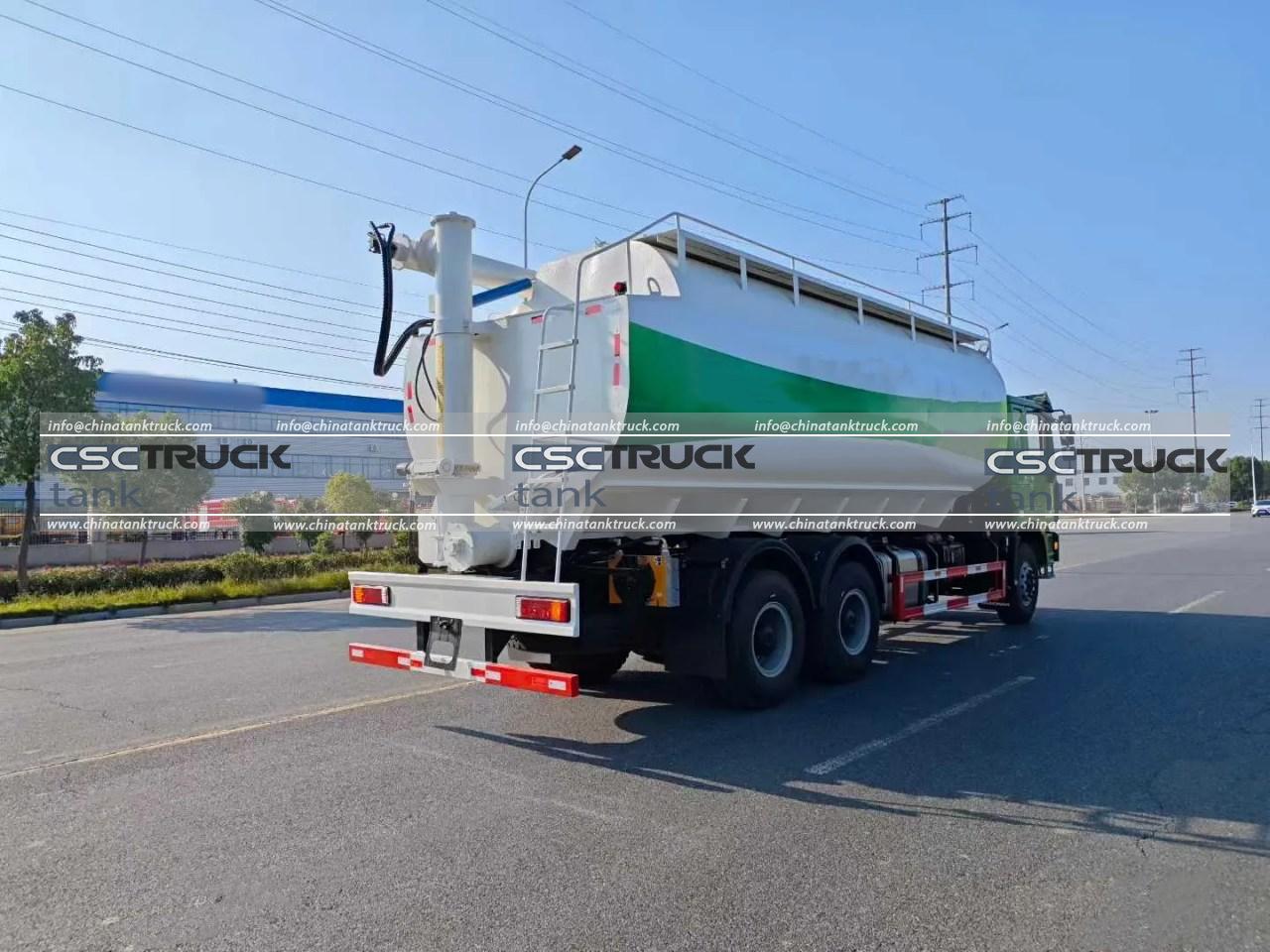
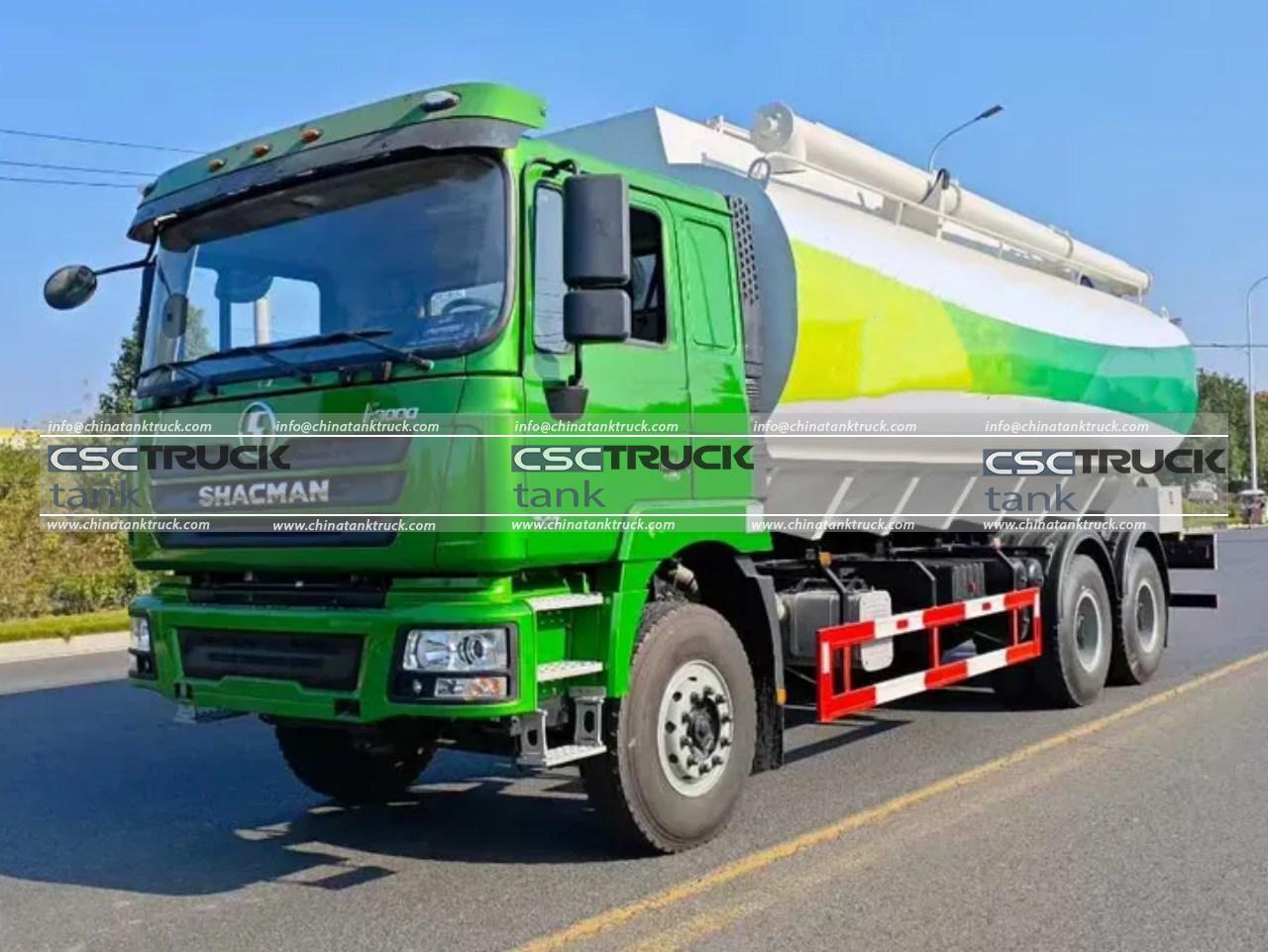
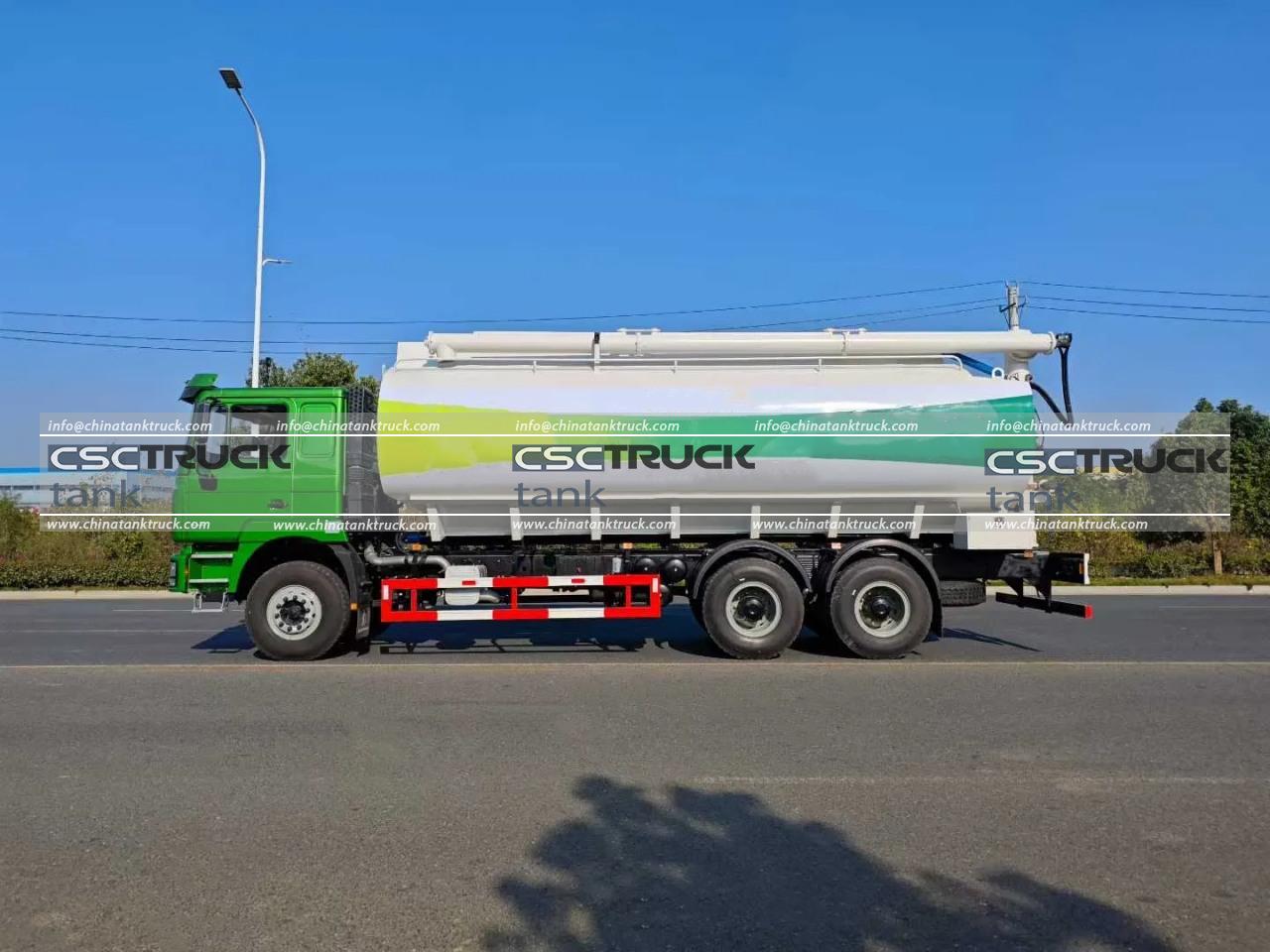
Pneumatic tank trucks are widely used for transporting and unloading dry bulk materials such as cement, fly ash, lime powder, mineral powder, and other granular products. Unlike ordinary cargo trucks, pneumatic tank trucks use compressed air systems to discharge materials efficiently from the tank. During unloading, the air compressor, engine, and auxiliary systems consume additional fuel, making fuel efficiency an important factor for fleet operators.
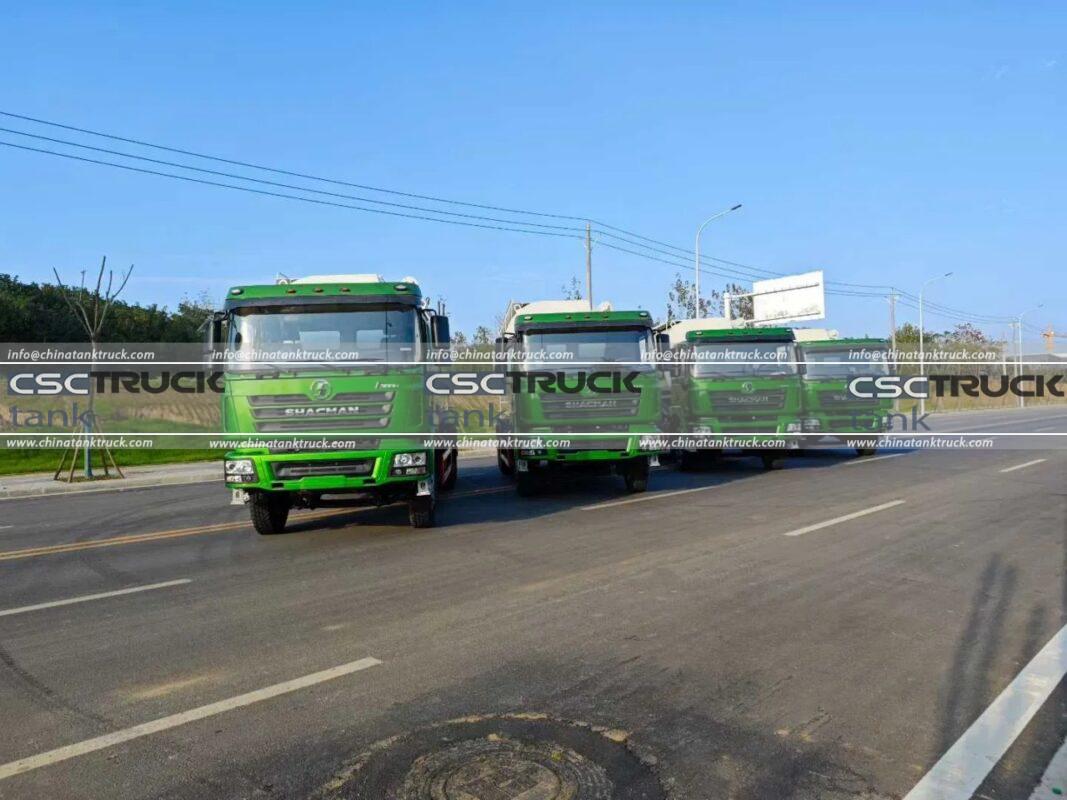
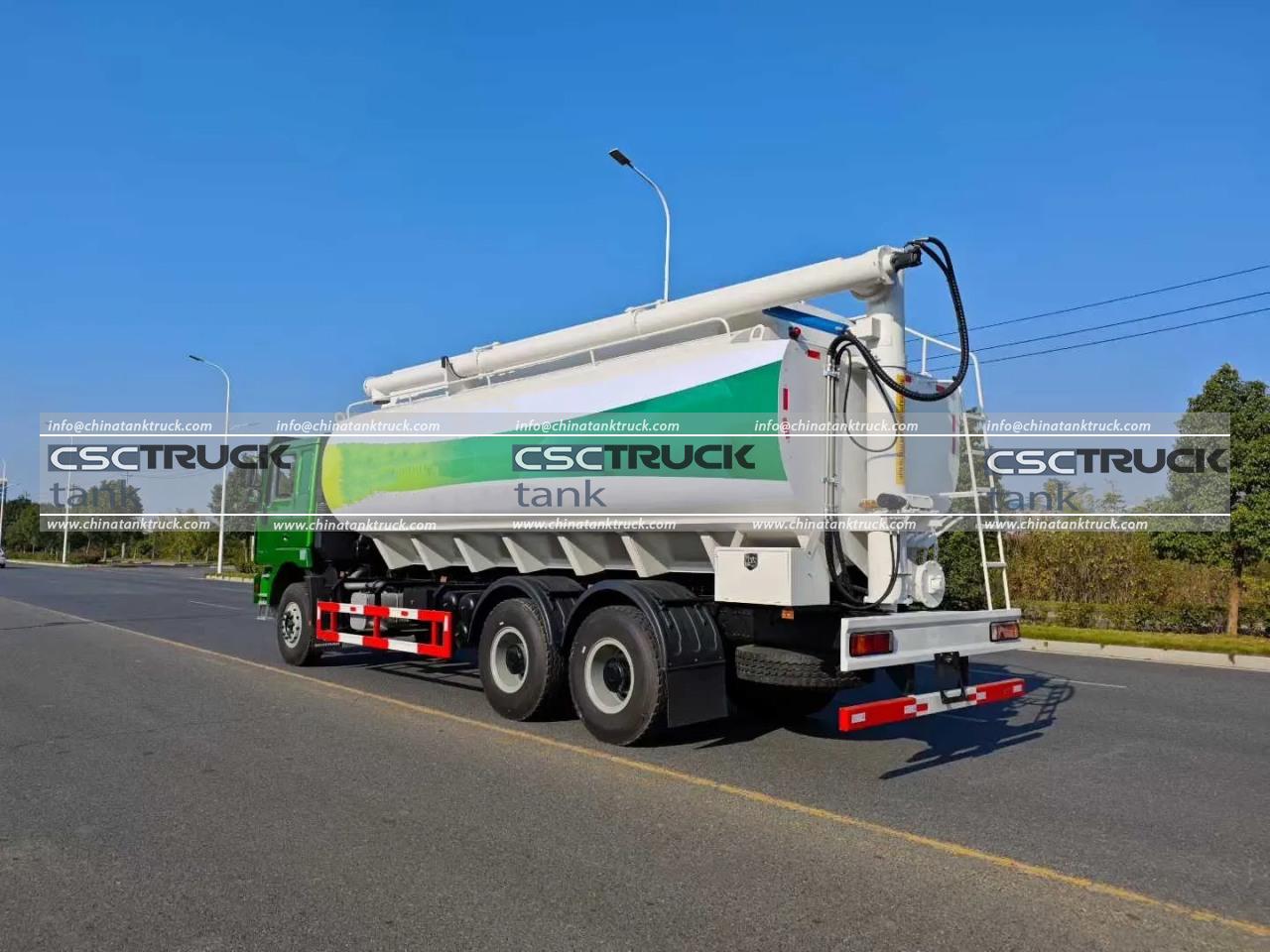
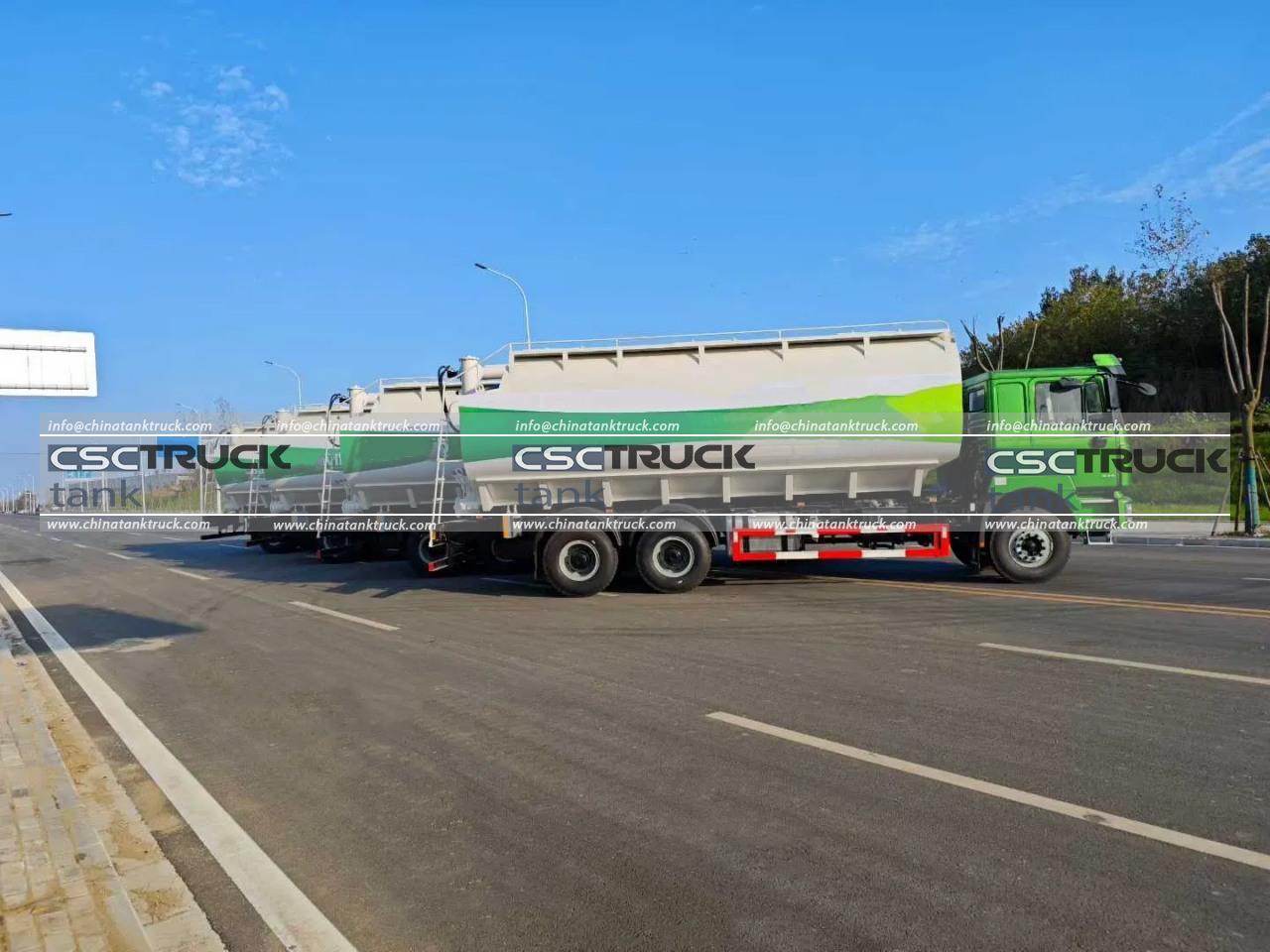
CSCTRUCK China Tank Truck is a professional manufacturer specializing in tank trucks and special-purpose commercial vehicles. The company provides various pneumatic tank truck solutions designed for bulk material transportation, including different tank capacities, chassis configurations, and customized specifications. CSCTRUCK China Tank Truck pneumatic tank trucks are engineered for applications such as cement distribution, construction material delivery, and industrial powder transportation, with models available in configurations such as 29 CBM, 33 CBM, and larger-capacity units.
One common question from operators is: How much fuel does pneumatic tank truck unloading consume? The answer depends on many factors, including unloading time, compressor power, engine speed, material characteristics, tank size, and operating conditions.
1. Why Does Pneumatic Tank Truck Unloading Consume Fuel?
Unlike gravity unloading systems, pneumatic unloading requires mechanical energy to move materials through pipelines. The truck engine must provide power not only for driving but also for operating the air compressor.
The unloading process generally involves:
- The truck engine runs at a controlled speed.
- A power take-off (PTO) transfers engine power to the compressor.
- The compressor generates compressed air.
- Air pressure fluidizes the bulk material inside the tank.
- The mixture of air and material moves through the discharge pipeline.
Because the compressor operates while the vehicle is stationary, fuel is consumed even though the truck is not traveling.
2. Typical Fuel Consumption During Unloading
The fuel consumption of a pneumatic tank truck during unloading varies considerably, but a general range can be estimated.
For most medium and large pneumatic tank trucks:
- Fuel consumption during unloading: approximately 3–8 liters per hour
- Typical unloading duration: 30–90 minutes
- Average fuel used per unloading operation: about 2–10 liters
For example:
A 30-ton cement pneumatic tanker may require around 45 minutes to unload. If the engine consumes approximately 5 liters per hour while powering the compressor:
5 L/hour×0.75 hour=3.75 liters
Therefore, one unloading cycle may consume around 4 liters of diesel.
However, difficult unloading conditions, high-pressure operation, or poor compressor efficiency can increase consumption.
3. Factors Affecting Fuel Consumption During Unloading
3.1 Compressor Power Requirements
The air compressor is the largest contributor to fuel consumption during unloading.
A larger compressor:
- Produces higher airflow
- Reduces unloading time
- Requires more engine power
For example, a high-capacity pneumatic tanker carrying cement may use a compressor delivering hundreds of cubic meters of air per minute. While unloading becomes faster, the engine must supply more energy.
Operators must balance:
- Compressor size
- Unloading speed
- Fuel economy
An oversized compressor may increase fuel costs without significantly improving productivity.
3.2 Tank Capacity and Material Quantity
The amount of material inside the tank directly affects unloading time.
A smaller pneumatic tanker may unload in 30–40 minutes, while larger units may require over an hour.
CSCTRUCK China Tank Truck produces pneumatic tank trucks with different capacities, including models designed for large-volume dry bulk transportation. For example, some CSCTRUCK China Tank Truck pneumatic trucks feature tank capacities around 28–46 cubic meters, depending on configuration.
A larger tank usually means:
- More material is transported per trip
- Longer compressor operation
- Higher fuel consumption per unloading cycle
However, the fuel consumed per ton of material may actually decrease because more cargo is delivered in one trip.
3.3 Material Characteristics
Different materials require different unloading pressures.
Cement
Cement flows relatively easily after proper aeration, resulting in moderate fuel consumption.
Fly Ash
Fly ash is lightweight but may require careful pressure control because of its fine particles.
Dense Mineral Powder
Heavy powders often require:
- Higher air pressure
- Longer unloading time
- More compressor work
Therefore, two trucks with identical specifications may consume different amounts of fuel depending on the transported material.
4. Engine Speed and Operating Practices
The driver’s operating method has a major impact on fuel usage.
During unloading, the engine should normally operate at the recommended PTO speed.
Common mistakes include:
Running at Excessive RPM
Some operators increase engine speed unnecessarily to unload faster. This can:
- Increase fuel consumption
- Increase compressor wear
- Increase engine stress
Poor Pressure Management
Maintaining excessive tank pressure wastes energy and may damage equipment.
Long Idle Periods
If unloading preparation takes too long while the engine is running, unnecessary fuel is consumed.
Proper training can significantly reduce fuel costs.
5. How to Reduce Fuel Consumption During Pneumatic Unloading
5.1 Maintain the Compressor Regularly
A poorly maintained compressor requires more power.
Regular maintenance should include:
- Checking lubrication levels
- Inspecting air filters
- Checking seals
- Monitoring pressure performance
An efficient compressor can reduce unloading time and fuel consumption.
5.2 Optimize Unloading Pressure
The highest pressure is not always the most efficient.
Operators should use the lowest pressure that provides a stable material flow.
Benefits include:
- Lower fuel consumption
- Less pipeline wear
- Longer equipment life
5.3 Reduce Unnecessary Engine Operation
Before unloading:
- Position the truck correctly
- Prepare discharge connections
- Confirm receiving equipment readiness
Starting the compressor only when everything is prepared prevents wasted fuel.
5.4 Choose the Correct Truck Configuration
Selecting the correct pneumatic tank truck size is essential.
A truck that is too small may require more trips, increasing total fuel consumption.
A truck that is too large may:
- Increase purchase costs
- Require excessive compressor power
- Reduce operating flexibility
Manufacturers such as CSCTRUCK China Tank Truck provide different pneumatic tanker configurations to match different transportation requirements.
6. Fuel Cost Calculation Example
Assume:
- Diesel price: $1.20 per liter
- Fuel used per unloading: 5 liters
- Unloading operations per day: 6
Daily unloading fuel cost:
5×6=30 liters
30×1.20=$36
Monthly cost:
36×26=$936
Even small improvements in unloading efficiency can create significant savings for large fleets.
7. Fuel Consumption Compared with Transportation Fuel
It is important to understand that unloading fuel is only part of the total fuel consumption.
A pneumatic tanker may consume much more fuel while driving than while unloading.
For example:
- Highway operation: dozens of liters per 100 km
- Unloading operation: several liters per hour
Therefore, optimizing delivery routes, reducing empty trips, and improving loading efficiency may have an even greater impact on total fuel costs.
Conclusion
The fuel consumption of a pneumatic tank truck during unloading is typically around 2–10 liters per unloading operation, depending on tank capacity, compressor efficiency, unloading pressure, material type, and operating practices.
Efficient operation requires selecting the right truck configuration, maintaining the compressor system, controlling engine speed, and avoiding unnecessary operating time. Modern pneumatic tank trucks from manufacturers such as CSCTRUCK China Tank Truck are designed to provide reliable bulk material transportation while balancing unloading performance and operating economy.
For companies transporting cement, fly ash, powders, or other dry bulk materials, understanding unloading fuel consumption helps reduce operating costs, improve fleet efficiency, and achieve more sustainable transportation operations.