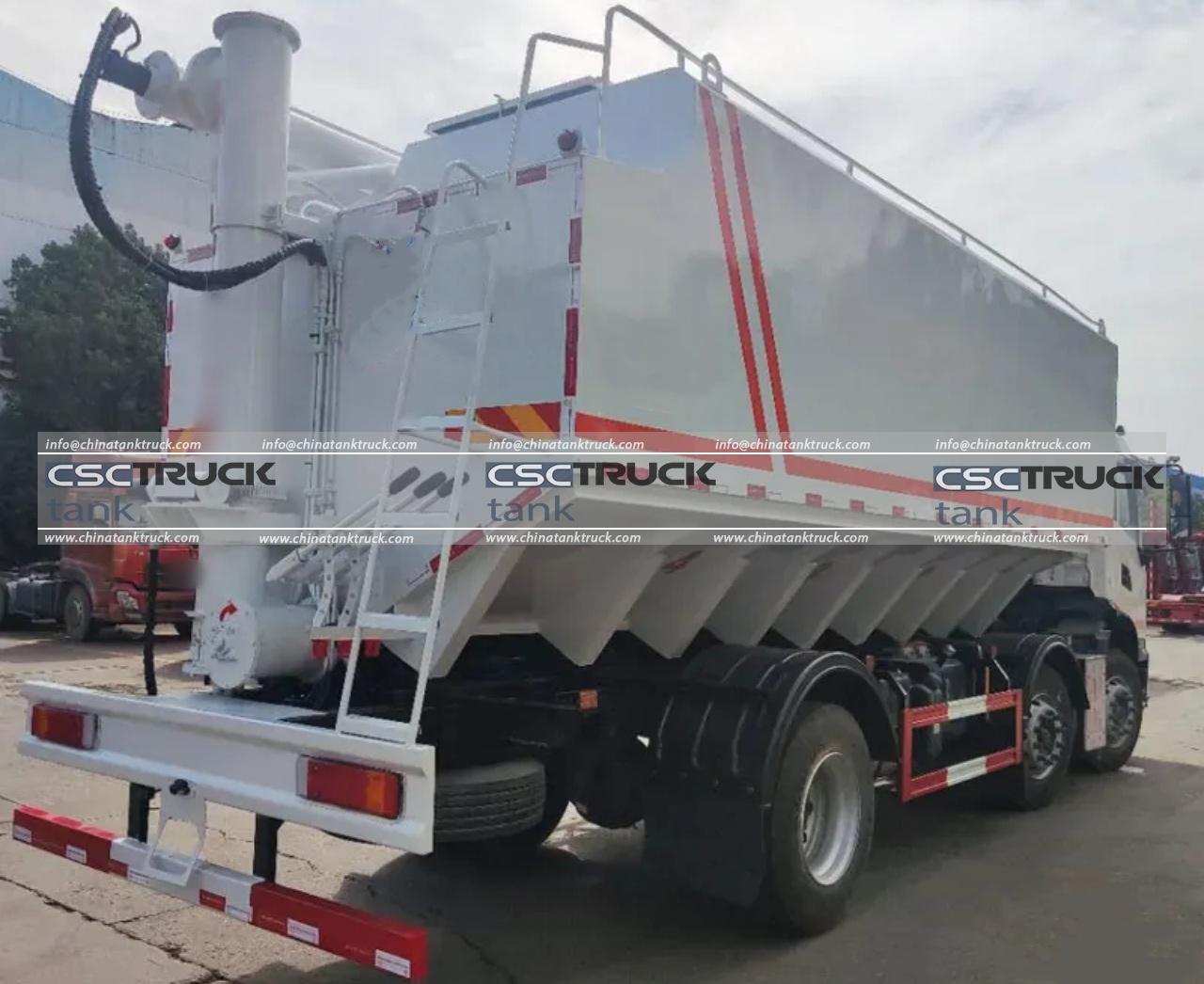

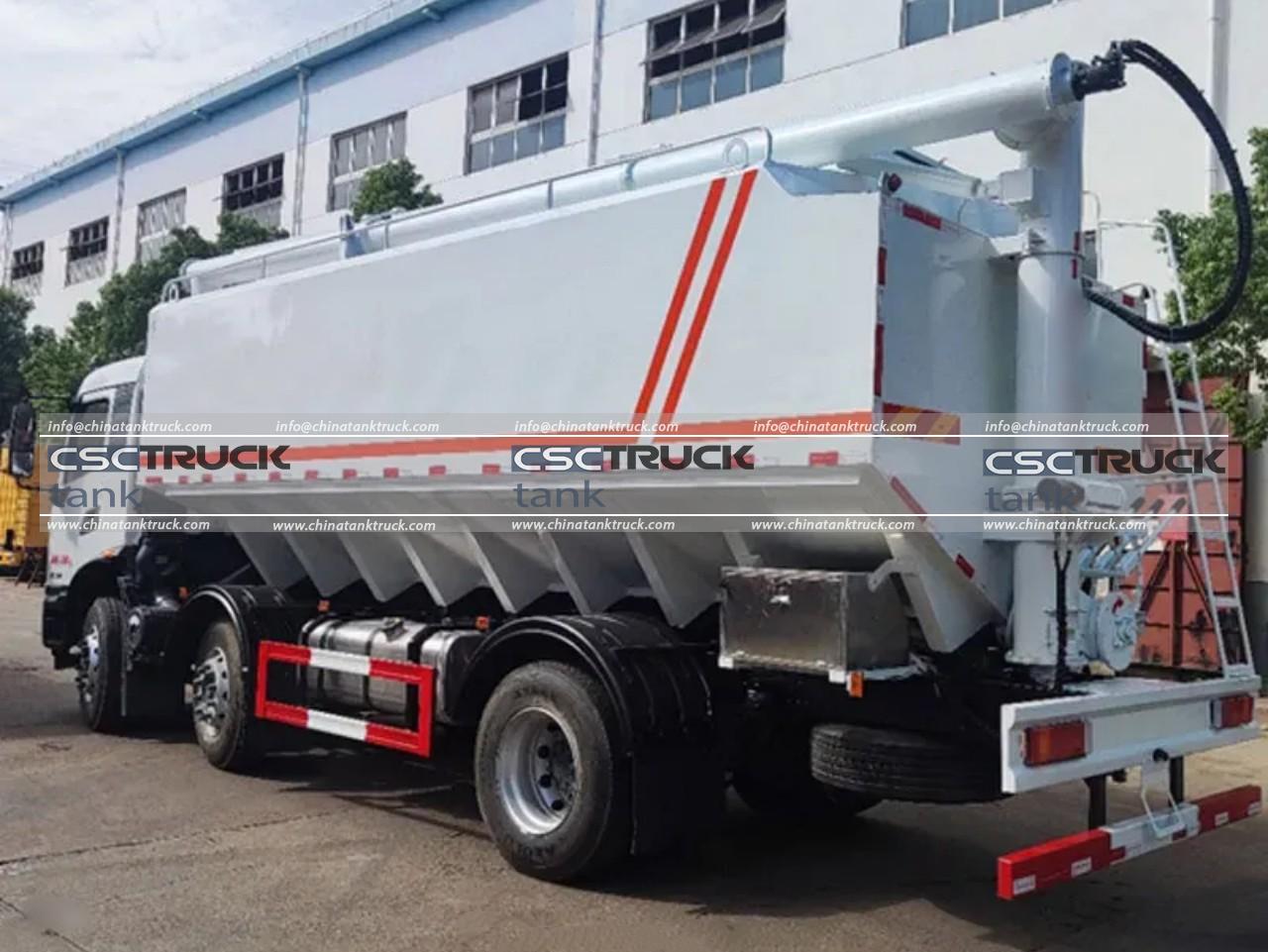
A pneumatic tank truck is a specialized vehicle designed to transport dry bulk materials such as cement, fly ash, lime powder, flour, plastic pellets, and other powdered or granular products. Unlike liquid tankers, pneumatic tank trucks use compressed air to unload cargo quickly and efficiently. Because these vehicles carry materials that can easily contaminate future loads or reduce unloading efficiency, proper cleaning is an essential part of routine maintenance.
Manufacturers like CSCTRUCK China Tank Truck have developed advanced pneumatic tank trucks that emphasize durability, efficient discharge systems, and easy maintenance. Founded in 2005, CSCTRUCK China Tank Truck specializes in manufacturing tank trucks for transporting liquids, gases, and dry bulk materials. The company offers customized solutions, strict quality control, and exports its vehicles to customers worldwide. More information about its products and services is available on the CSCTRUCK China Tank Truck official website.
Proper cleaning not only extends the service life of the truck but also ensures product quality, operational safety, and compliance with transportation regulations.
Why Cleaning Is Important
Cleaning a pneumatic tank truck serves several critical purposes:
- Prevents cross-contamination between different cargoes
- Maintains food-grade or chemical-grade hygiene standards
- Improves unloading efficiency
- Reduces the risk of material buildup inside the tank
- Protects valves, pipelines, and discharge equipment
- Prevents corrosion caused by moisture or chemical residues
Neglecting regular cleaning can result in clogged pipelines, contaminated products, increased maintenance costs, and reduced vehicle performance.
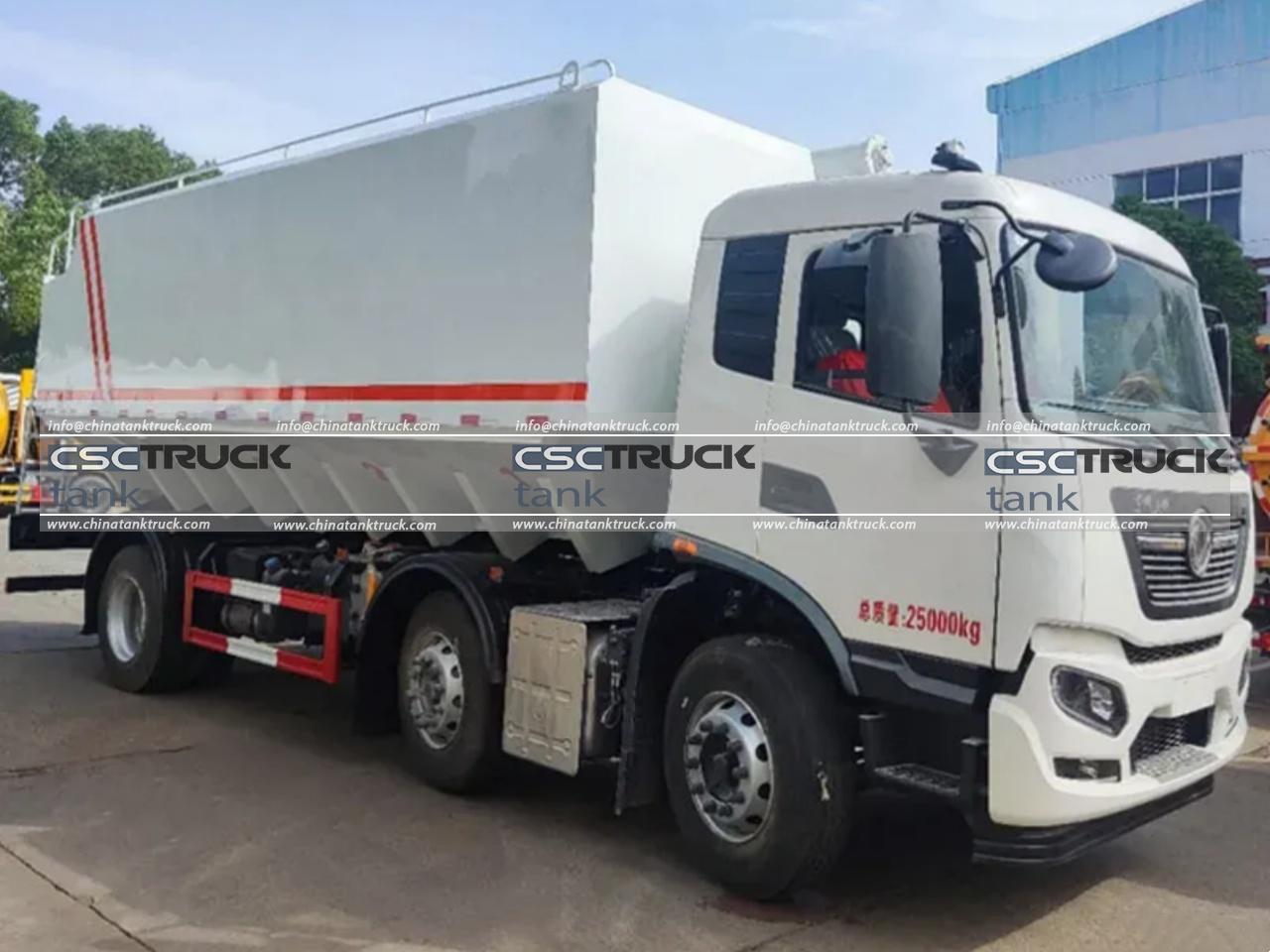
Step 1: Empty the Tank Completely
Before cleaning begins, the tank must be completely emptied.
Operators should:
- Perform a full pneumatic discharge.
- Open all discharge valves.
- Verify that no material remains inside the tank.
- Inspect the pressure gauge to ensure the tank is depressurized.
Never begin cleaning while residual pressure remains inside the vessel.
Step 2: Park in a Safe Cleaning Area
Choose a designated cleaning station with:
- Proper drainage
- Dust collection equipment
- Adequate ventilation
- Water supply (if wet cleaning is required)
- Personal protective equipment (PPE)
The truck should be parked on level ground with the parking brake fully engaged.
Step 3: Open Inspection Hatches
Once the tank is completely depressurized:
- Open the manhole carefully.
- Remove inspection covers.
- Allow fresh air to circulate inside the tank.
Ventilation is especially important after transporting fine powders that may leave airborne dust inside the vessel.
Step 4: Inspect the Interior
Before washing, inspect the inside of the tank for:
- Powder accumulation
- Moisture damage
- Rust spots
- Hardened material deposits
- Cracked welds
- Damaged coatings
Early detection of these issues prevents larger maintenance problems later.
Step 5: Dry Cleaning for Most Bulk Powders
Many pneumatic tank trucks transporting cement or fly ash do not require water cleaning.
Instead, operators use:
- Industrial vacuum systems
- Compressed air blowers
- Soft brushes
- Dust extraction equipment
Dry cleaning avoids introducing moisture that could cause future loads to cake or solidify.
Compressed air should be applied carefully to avoid damaging filters or creating excessive airborne dust.
Step 6: Wet Cleaning When Necessary
Some products require thorough washing.
Examples include:
- Food powders
- Chemical powders
- Pharmaceutical ingredients
- Specialty minerals
Wet cleaning usually involves:
- High-pressure water rinse
- Food-safe detergent (if required)
- Soft-bristle scrubbing
- Fresh water rinse
- Complete drying
Only approved cleaning agents should be used for food-grade tanks.
Avoid strong acidic or alkaline chemicals unless recommended by the tank manufacturer.
Step 7: Clean the Discharge System
The discharge system often accumulates more residue than the tank itself.
Operators should clean:
- Discharge pipes
- Butterfly valves
- Check valves
- Flexible hoses
- Air lines
- Couplings
Any hardened material inside these components can reduce unloading efficiency and increase compressor load.
Step 8: Inspect Air Filters
The pneumatic system relies heavily on clean filters.
Check:
- Compressor intake filters
- Air dryer filters
- Pressure relief devices
- Dust collectors
Dirty filters reduce airflow and increase operating pressure.
Replace filters if cleaning cannot restore proper airflow.
Step 9: Dry the Tank Thoroughly
Moisture is one of the biggest enemies of pneumatic bulk transport.
After washing:
- Leave inspection hatches open.
- Use compressed air blowers.
- Use industrial drying equipment if available.
- Ensure every corner of the tank is completely dry.
Even a small amount of moisture can cause cement or lime powder to harden during the next shipment.
Step 10: Inspect Seals and Gaskets
Cleaning provides an excellent opportunity to inspect sealing components.
Check:
- Manhole gaskets
- Valve seals
- Hose connections
- Pipe joints
- Pressure relief valve seals
Replace damaged rubber components immediately to prevent air leakage during unloading.
Step 11: Lubricate Moving Parts
Cleaning may remove lubricants from moving mechanisms.
Lubricate:
- Valve shafts
- Hinge points
- Locking mechanisms
- Handle pivots
Always use lubricants compatible with transported materials, especially in food-grade applications.
Step 12: Conduct a Final Inspection
Before returning the truck to service, verify:
- The tank interior is clean.
- No standing water remains.
- Valves operate smoothly.
- Pressure gauges function correctly.
- Airlines are secure.
- Safety equipment is properly installed.
A documented inspection helps maintain maintenance records and regulatory compliance.
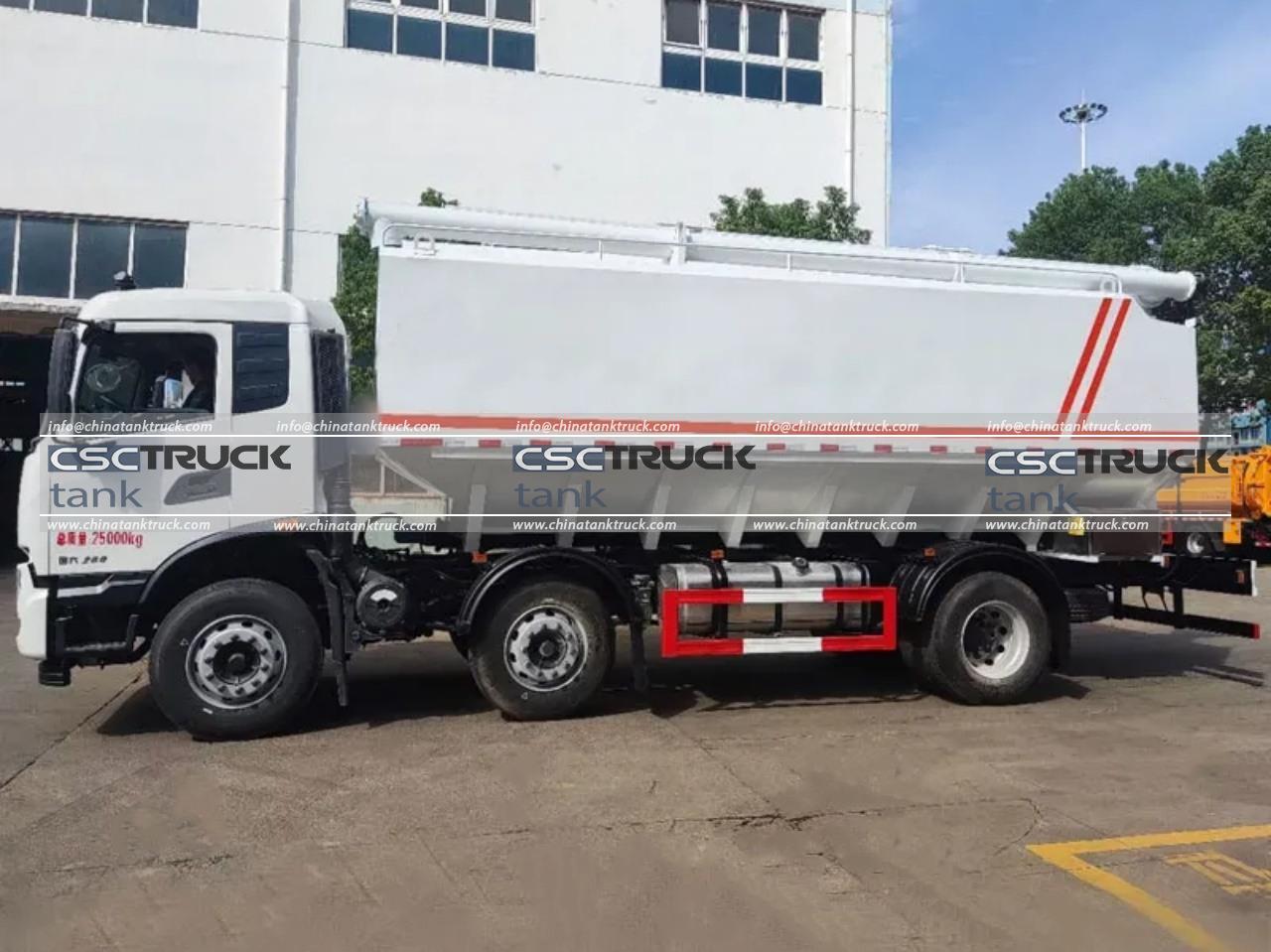
Safety Precautions During Cleaning
Cleaning a pneumatic tank truck involves several hazards.
Operators should always:
- Wear eye protection.
- Use dust masks or respirators.
- Wear gloves.
- Use fall protection when accessing the tank roof.
- Ensure adequate ventilation.
- Never enter a confined tank without following confined-space entry procedures.
- Lock out compressed air systems before maintenance.
Safety should always take priority over speed.
How Often Should a Pneumatic Tank Truck Be Cleaned?
Cleaning frequency depends on the cargo.
Typical recommendations include:
- After every food-grade shipment
- After transporting chemicals
- Before changing cargo types
- Weekly for general cement transport
- Monthly for complete system inspections
- Immediately, if contamination is suspected
Preventive cleaning is far less expensive than repairing blocked pipelines or contaminated cargo.
Common Cleaning Mistakes to Avoid
Many maintenance problems result from avoidable mistakes.
Common errors include:
- Washing cement tanks without proper drying
- Using corrosive cleaning chemicals
- Forgetting to clean discharge hoses
- Skipping filter inspections
- Closing the tank before it is fully dry
- Ignoring damaged seals
- Entering confined spaces without proper safety procedures
Avoiding these mistakes helps maximize equipment reliability and product quality.
Conclusion
Cleaning a pneumatic tank truck is much more than simply washing the tank. It involves carefully removing residual material, inspecting components, cleaning the pneumatic discharge system, drying every surface, and verifying that all valves and seals remain in excellent condition. Proper maintenance reduces downtime, improves unloading efficiency, prevents contamination, and extends the lifespan of the entire vehicle.
High-quality manufacturers such as CSCTRUCK China Tank Truck design their pneumatic tank trucks with durability, ease of maintenance, and reliable pneumatic systems in mind. With regular cleaning and preventive maintenance, operators can ensure consistent performance while safely transporting dry bulk materials across a wide range of industries. For more information about the company’s range of tank trucks and specialized transport solutions, visit the CSCTRUCK China Tank Truck website(https://www.chinatanktruck.com/).