

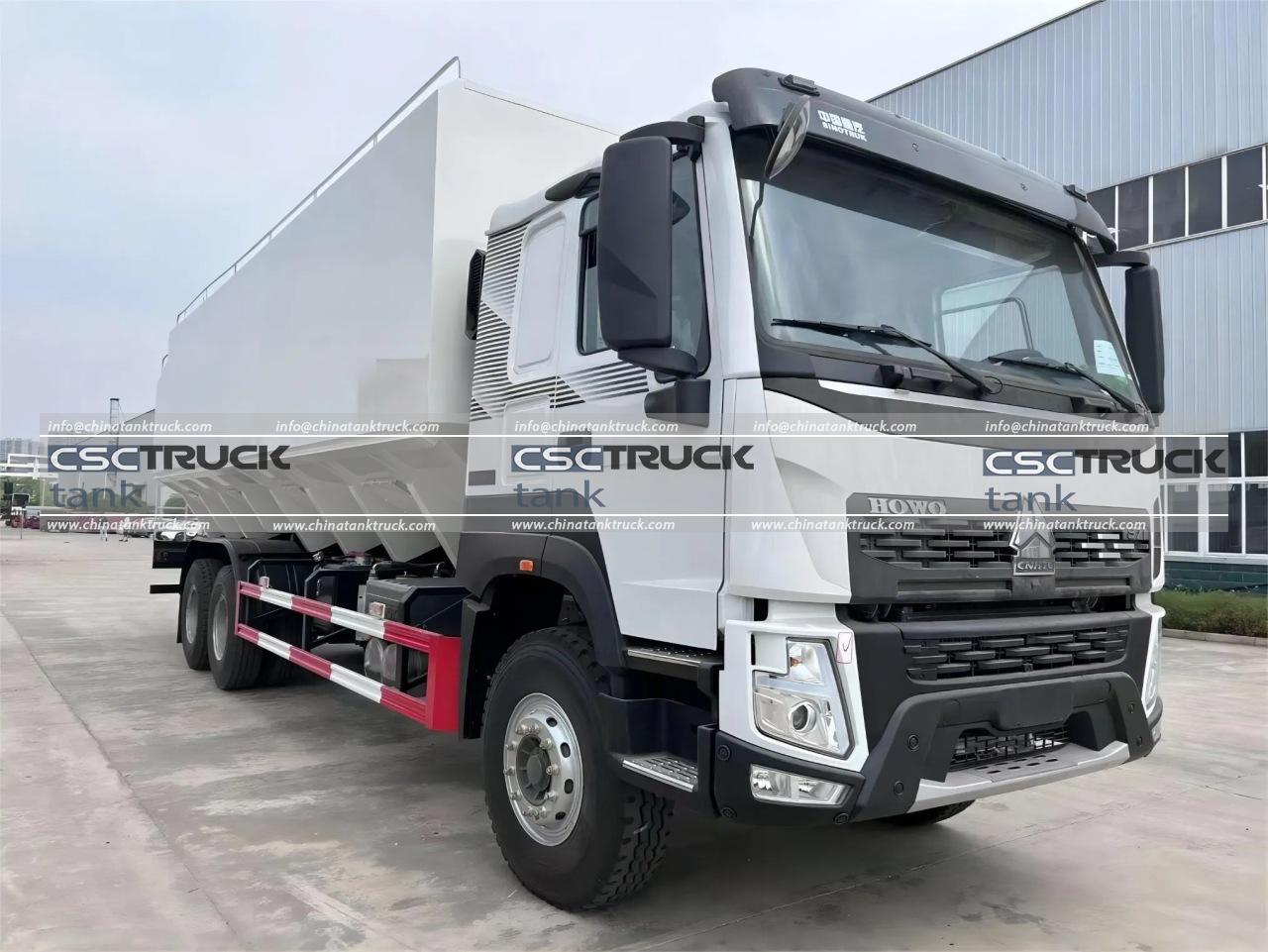
Pneumatic tank trucks rely on a powerful air compressor system to move dry bulk materials such as cement, flour, lime, or fly ash through pressurized airflow. When the compressor develops faults, the entire unloading process becomes inefficient or may stop completely. Understanding how to troubleshoot pneumatic tank truck compressor problems is essential for maintaining safety, reducing downtime, and protecting key components such as the air tank, valves, and pneumatic lines.
CSCTRUCK China Tank Truck is a professional manufacturer specializing in tank trucks, including pneumatic bulk cement trucks, fuel tankers, and other industrial transport vehicles. Their pneumatic tank truck systems are designed for durability, high airflow efficiency, and stable pressure output under continuous working conditions. However, like all mechanical systems, even high-quality compressors require proper troubleshooting and maintenance when issues occur.
Below is a detailed guide to diagnosing and solving the most common pneumatic tank truck compressor problems.
1. Compressor Fails to Build Pressure
One of the most common issues is slow or insufficient pressure build-up in the air tank.
Possible Causes:
- A clogged air intake filter is restricting airflow
- Worn piston rings or internal seals
- Loose or damaged drive belt (for belt-driven systems)
- Faulty inlet or discharge valves
Troubleshooting Steps:
- Inspect and clean the air intake filter regularly
- Check the compressor output pressure using a gauge
- Listen for air leakage or unusual hissing sounds
- Replace worn seals or valves if pressure recovery is slow
A reduction in compression efficiency often indicates internal wear, especially in high-mileage pneumatic tank trucks used for long-haul bulk transport.
2. Compressor Overheating During Operation
Overheating is a critical issue that can lead to shutdown or permanent damage.
Common Causes:
- Blocked cooling fins or insufficient airflow
- Low lubrication oil level or poor oil quality
- Continuous overloading due to excessive discharge demand
- High ambient temperature or poor ventilation
Troubleshooting Steps:
- Check oil level and replace if degraded
- Clean cooling surfaces and ensure airflow is not blocked
- Reduce continuous run time and allow cooling intervals
- Inspect the lubrication system for leaks or restrictions
Overheating is often linked to poor cooling or lubrication conditions, which are major causes of compressor failure in industrial systems.
3. Air Leaks in the System
Air leakage reduces efficiency and forces the compressor to work harder, increasing fuel consumption.
Possible Causes:
- Loose fittings or cracked hoses
- A faulty check valve between the compressor and the tank
- Worn seals at joints or couplings
- Tank corrosion or weld cracks
Troubleshooting Steps:
- Apply soapy water to fittings to detect bubbles
- Tighten or replace leaking connections
- Inspect check valves for sealing failure
- Pressure test the tank if corrosion is suspected
Even small leaks can prevent the system from reaching cut-out pressure, causing continuous compressor operation.

4. Compressor Runs Continuously (Will Not Stop)
If the compressor does not shut off at the correct pressure, it usually indicates a control or sensing issue.
Possible Causes:
- Faulty pressure switch or sensor
- Malfunctioning governor or unloader valve
- Internal air leakage prevents pressure buildup
- Incorrect pressure setting calibration
Troubleshooting steps:
- Verify pressure switch settings and recalibrate if needed
- Test the governor and unloader valve function
- Inspect the air system for leaks
- Replace defective pressure control components
A failure in the pressure control loop is one of the most common reasons for continuous running in pneumatic compressors.
5. Excessive Noise or Vibration
Abnormal noise usually signals mechanical wear or imbalance.
Possible Causes:
- Loose mounting bolts or frame instability
- Damaged bearings or internal components
- Misaligned drive system
- Foreign particles inside the compressor head
Troubleshooting Steps:
- Tighten mounting hardware
- Inspect bearings and rotating components
- Check belt alignment and tension
- Clean compressor intake system
Ignoring vibration issues can lead to severe mechanical failure over time.

6. Oil Carryover in Airlines
Oil contamination in the air system affects material quality and can damage valves and pipelines.
Possible Causes:
- Worn piston rings or seals
- Excessive oil level in the compressor
- Faulty oil separator (if equipped)
Troubleshooting Steps:
- Check oil level and correct if overfilled
- Replace worn internal sealing components
- Inspect the oil separation system
This issue is especially critical in food-grade or fine powder transport applications.
7. Slow Unloading or Poor Material Flow
When unloading becomes slow, the compressor may not be delivering sufficient airflow.
Possible Causes:
- Reduced compressor capacity
- Blocked discharge pipeline
- Fluidizing pad failure in the tank
- Low system pressure
Troubleshooting Steps:
- Inspect discharge lines for blockage
- Check the airflow distribution system inside the tank
- Ensure fluidizing pads are functioning correctly
- Verify compressor output performance under load

8. Electrical or Startup Failure
If the compressor does not start at all, the issue is often electrical rather than mechanical.
Possible Causes:
- Tripped breaker or blown fuse
- Thermal overload protection activated
- Faulty wiring or contactor
- Low supply voltage
Troubleshooting Steps:
- Check the power supply and reset the breakers
- Allow the motor to cool if overheated
- Inspect wiring connections and fuses
- Verify correct voltage input
Preventive Maintenance Tips
To avoid frequent compressor problems, operators should follow a strict maintenance routine:
- Replace air filters regularly
- Drain moisture from air tanks daily
- Monitor oil level and quality
- Inspect hoses and fittings for leaks
- Schedule periodic full system inspection
Preventive maintenance significantly reduces breakdown risk and extends compressor life in heavy-duty pneumatic tank truck operations.

Conclusion
Troubleshooting pneumatic tank truck compressor problems requires a systematic approach: Start with airflow and pressure issues, then check mechanical, electrical, and control components. Most failures can be traced to air leaks, worn internal parts, overheating, or faulty pressure regulation systems.
With proper inspection and maintenance practices, operators can ensure stable performance, efficient unloading, and longer service life of the compressor system.
By using high-quality equipment from manufacturers like CSCTRUCK China Tank Truck, operators gain a strong foundation of reliability—but consistent troubleshooting and maintenance remain essential for optimal performance in real-world working conditions.
