

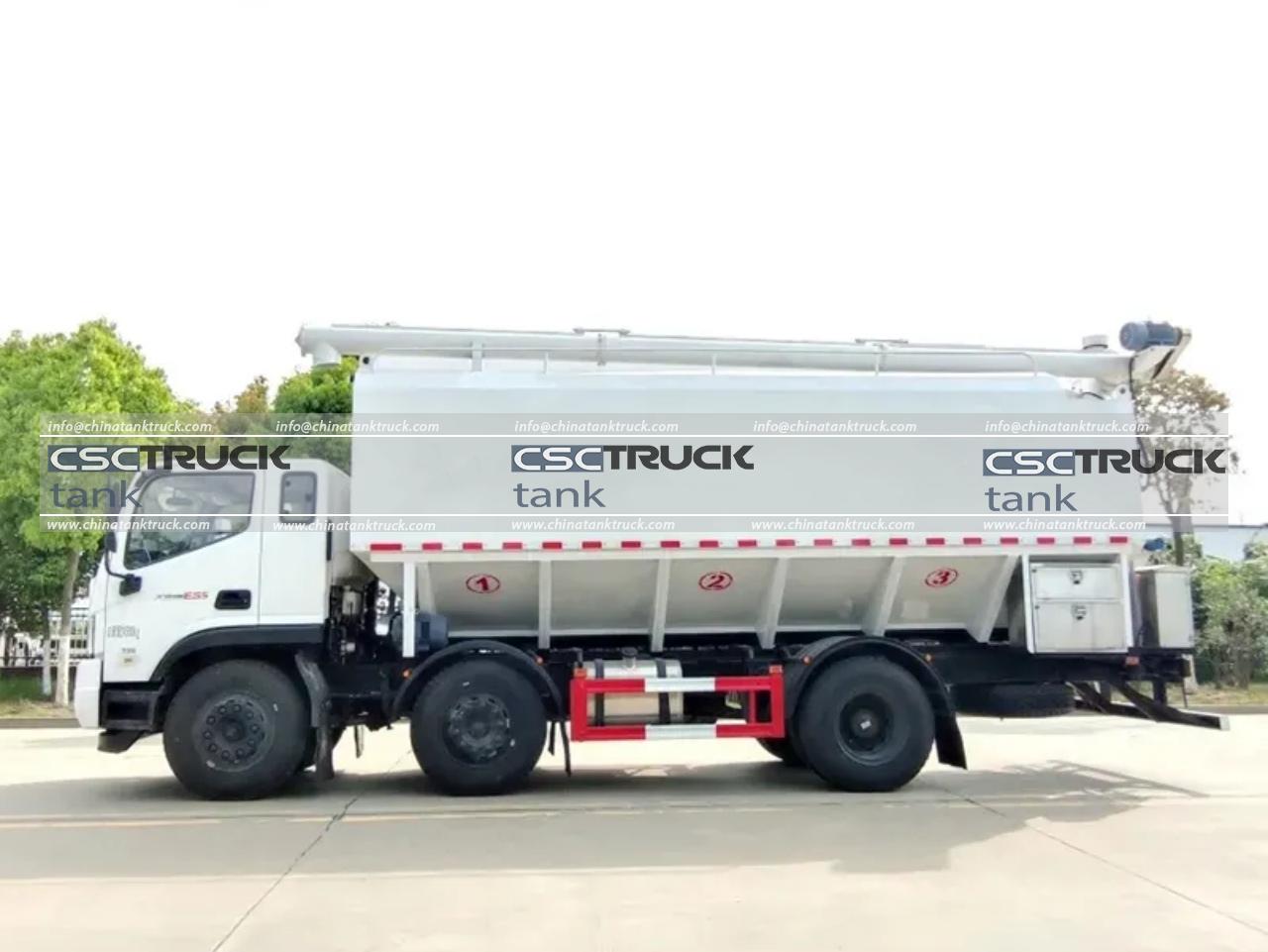
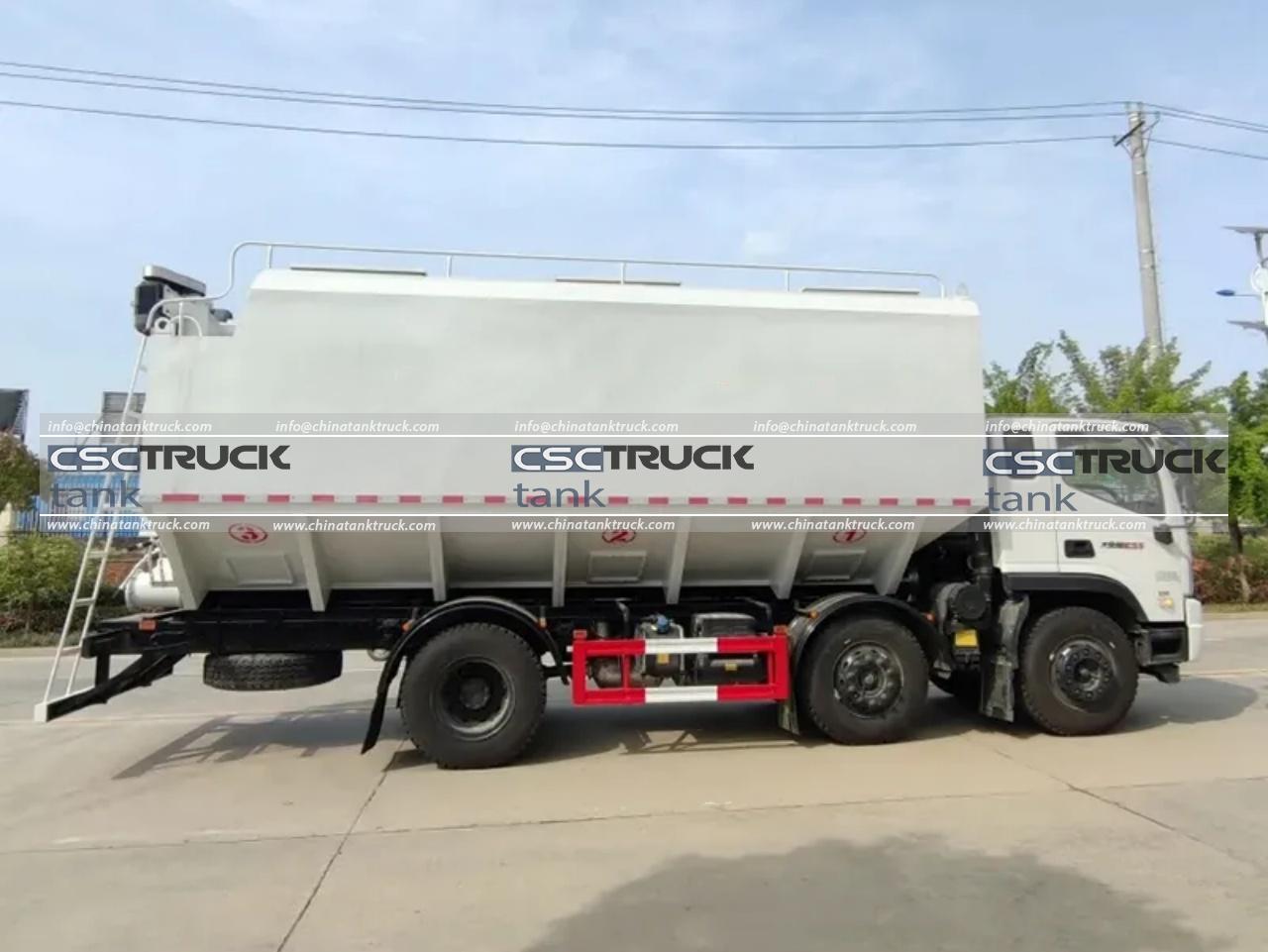
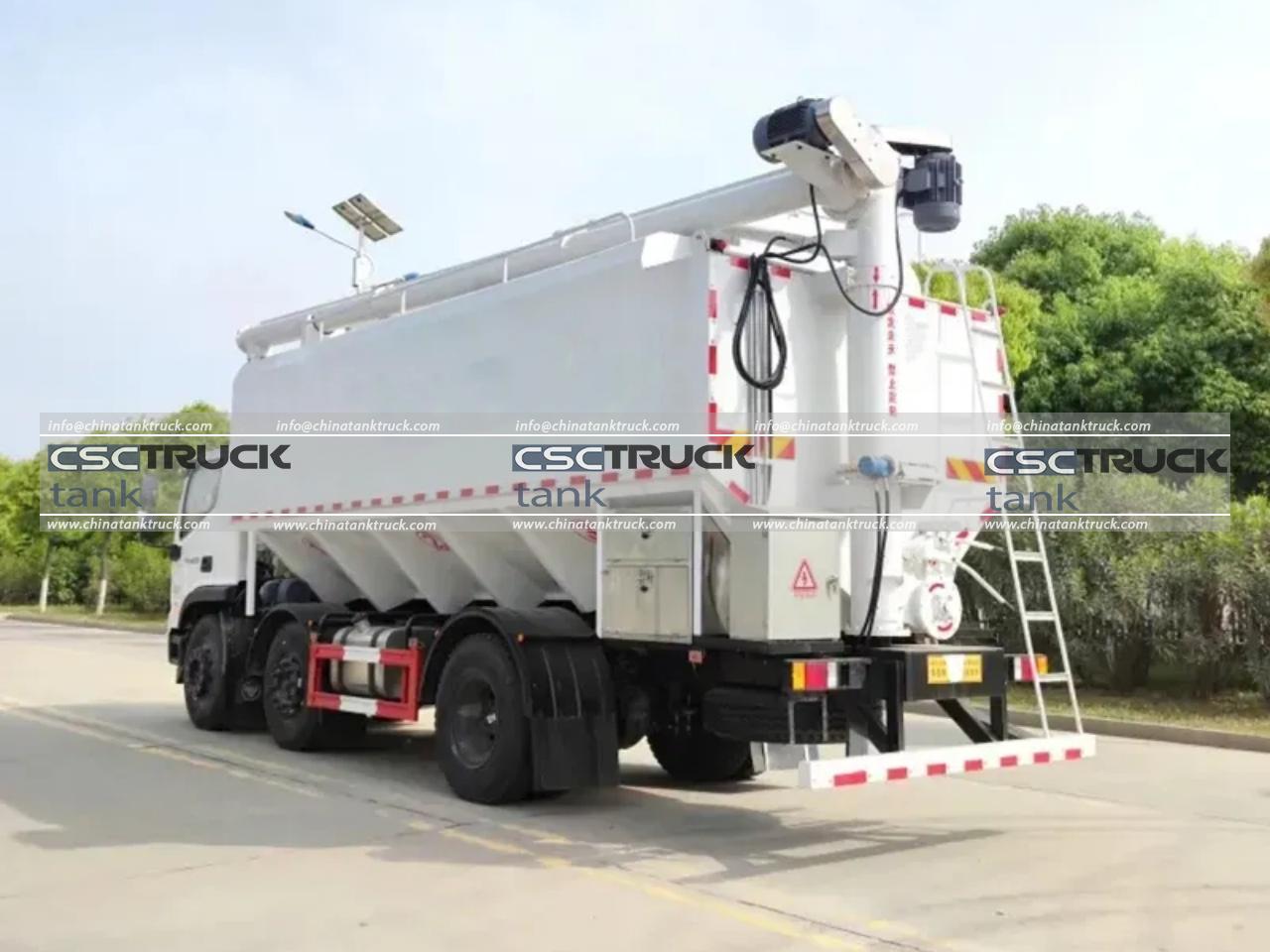
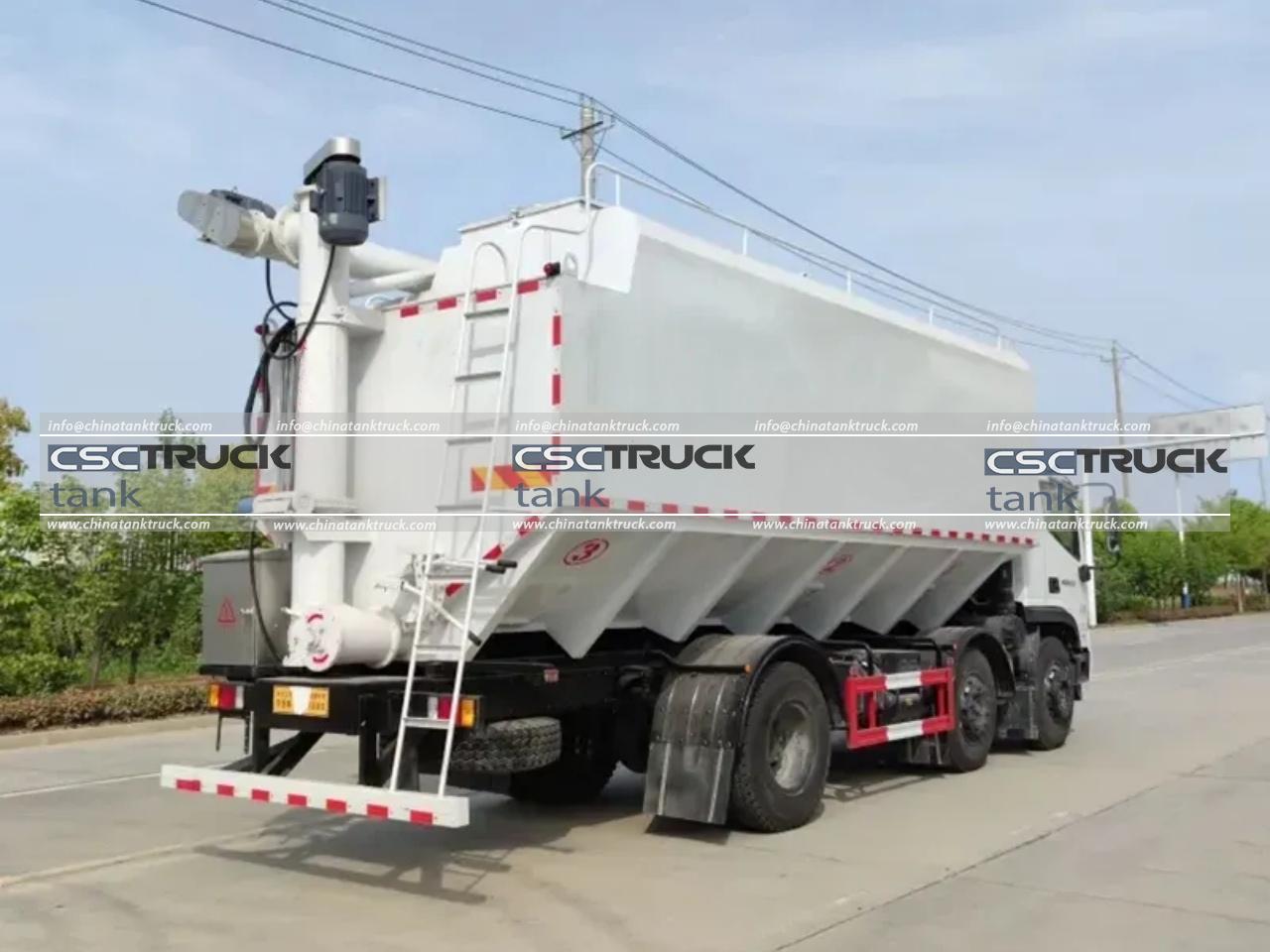
A pneumatic tank truck relies on compressed air to unload dry bulk materials such as cement, fly ash, lime, flour, plastic pellets, and other powdered or granular products. At the heart of this unloading system is the air compressor, which generates the airflow and pressure needed to move material from the tank to the discharge point. Without a properly maintained compressor, unloading efficiency drops, fuel consumption rises, and unexpected downtime becomes far more likely.
Manufacturers such as CSCTRUCK China Tank Truck design pneumatic tank trucks for demanding industrial applications, combining reliable chassis with high-performance pneumatic systems. Founded in 2005, CSCTRUCK China Tank Truck specializes in manufacturing tank trucks for transporting liquids, gases, and dry bulk materials while providing customized configurations and after-sales support for customers worldwide.
Like any mechanical component, however, even the best compressor requires regular maintenance. So, how often should the pneumatic tank truck compressor be serviced? The answer depends on operating hours, environmental conditions, and the manufacturer’s recommendations.
Why Compressor Maintenance Matters
A pneumatic tank truck compressor performs difficult work every day. During unloading, it may operate continuously for 30 minutes to over an hour while producing large volumes of compressed air.
Because of this workload, the compressor experiences:
- High operating temperatures
- Continuous mechanical friction
- Bearing wear
- Oil degradation
- Filter contamination
- Belt or coupling wear
Neglecting maintenance can result in:
- Reduced airflow
- Higher discharge temperatures
- Increased fuel consumption
- Longer unloading times
- Premature compressor failure
- Costly repairs
Routine servicing keeps the compressor operating efficiently while protecting the entire pneumatic unloading system.

Daily Inspection Before Operation
Some maintenance should occur every day before the truck leaves the yard.
Operators should inspect:
- Compressor oil level
- Oil leaks
- Air leaks
- Drive belts
- PTO connections
- Mounting bolts
- Cooling fan condition
- Intake filter cleanliness
The operator should also listen for unusual noises during startup.
A five-minute inspection often prevents expensive breakdowns later in the day.
After Every Unloading Operation
Although not always considered scheduled maintenance, operators should perform several checks after unloading.
These include:
- Looking for oil leaks
- Checking discharge hose condition
- Inspecting pressure gauges
- Draining moisture if required
- Cleaning dust from the compressor housing
Dry bulk materials create significant airborne dust that can accumulate around cooling fins and reduce cooling efficiency.

Weekly Service
Most fleets perform a more detailed inspection once every week.
Weekly maintenance typically includes:
Cleaning the Air Filter
The intake air filter protects the compressor from dirt and abrasive particles.
If it becomes clogged:
- Airflow decreases
- Compressor temperature increases
- Fuel consumption rises
- Unloading speed slows
In dusty cement plants, filters may require cleaning several times per week.
Inspect Belts
Belt-driven compressors should be checked for:
- Cracks
- Fraying
- Proper tension
- Pulley alignment
Loose belts reduce compressor speed and airflow.
Inspect Safety Valves
Pressure relief valves protect both the compressor and tank.
Weekly testing helps ensure they open at the correct pressure.
Every 250 Operating Hours
Many compressor manufacturers recommend a basic service approximately every 250 operating hours.
Typical tasks include:
- Change compressor oil (if required)
- Replace the oil filter
- Tighten mounting hardware
- Check coupling alignment
- Inspect bearings
- Inspect discharge valves
The exact interval varies depending on compressor design.
Some synthetic oils allow longer service intervals than conventional oils.
Oil Change Intervals
One of the most important maintenance tasks is changing compressor oil.
Typical recommendations are:
- Mineral oil: Every 250–500 operating hours
- Synthetic oil: Every 500–1,000 operating hours
Oil should always be changed sooner if:
- It becomes contaminated
- It appears milky
- It smells burnt
- Operating temperatures have been unusually high
Fresh oil provides:
- Better lubrication
- Improved cooling
- Longer bearing life
- Reduced wear
Every 500 Operating Hours
A more comprehensive inspection is usually performed every 500 operating hours.
This service often includes:
- Replace the intake filter
- Replace the oil filter
- Inspect bearings
- Check shaft seals
- Inspect the cooling system
- Examine valves
- Check discharge piping
- Inspect pressure gauges
- Verify operating pressure
Technicians should also inspect hoses for cracks caused by vibration or heat.
Every 1,000 Operating Hours
A major preventive maintenance service is commonly scheduled every 1,000 operating hours.
This may involve:
- Complete oil replacement
- Filter replacement
- Valve inspection
- Bearing inspection
- Seal replacement if necessary
- Cooling system cleaning
- Internal inspection
- Performance testing
The compressor’s airflow and pressure output should also be measured against factory specifications.
Any noticeable reduction may indicate internal wear.
Annual Maintenance
Even trucks with relatively low annual usage should receive a full inspection once every year.
Annual service often includes:
- Internal cleaning
- Complete leak inspection
- Pressure relief valve testing
- Bearing evaluation
- Oil analysis
- Shaft inspection
- Drive system inspection
- Performance verification
Annual maintenance helps identify wear before failures occur during busy operating seasons.
Factors That Affect Service Frequency
Not every compressor experiences the same workload.
Several factors determine how often maintenance should be performed.
Operating Hours
A truck unloading multiple loads every day accumulates operating hours much faster than a truck used only occasionally.
Higher usage requires more frequent servicing.
Material Type
Certain materials generate more dust than others.
Examples include:
- Cement
- Fly ash
- Silica powder
- Lime
These products place greater demands on intake filters and cooling systems.
Ambient Temperature
Hot climates increase compressor operating temperatures.
Higher temperatures accelerate:
- Oil degradation
- Seal wear
- Bearing wear
Operators in hot regions often shorten oil change intervals.
Environmental Conditions
Construction sites, quarries, and cement plants expose compressors to heavy dust.
Dust contamination is one of the leading causes of premature compressor wear.
Warning Signs That Immediate Service Is Needed
Scheduled maintenance is important, but operators should also recognize signs of developing problems.
Service should be performed immediately if the compressor shows:
- Reduced airflow
- Longer unloading times
- Excessive vibration
- Loud knocking
- Oil leaks
- High operating temperature
- Smoke
- Burning smell
- Unusual pressure fluctuations
Ignoring these symptoms can lead to catastrophic compressor failure.
Benefits of Preventive Maintenance
Routine servicing offers significant financial benefits.
A properly maintained compressor provides:
- Faster unloading
- Lower fuel consumption
- Longer service life
- Reduced repair costs
- Improved reliability
- Better product delivery efficiency
- Lower downtime
- Increased fleet productivity
Many compressor failures occur not because of age, but because routine maintenance was delayed or skipped.
Best Practices for Fleet Operators
Fleet managers can maximize compressor life by following several simple practices:
- Follow the manufacturer’s maintenance schedule.
- Record compressor operating hours.
- Use the recommended compressor oil.
- Replace filters on schedule.
- Train operators to recognize warning signs.
- Keep cooling systems clean.
- Repair air leaks immediately.
- Use genuine replacement parts whenever possible.
Preventive maintenance costs far less than replacing an entire compressor.

Conclusion
So, how often should the pneumatic tank truck compressor be serviced? Daily inspections, weekly cleaning, oil changes every 250–500 operating hours, comprehensive servicing every 500–1,000 hours, and a complete annual inspection represent a practical maintenance schedule for most fleets. However, trucks operating in dusty environments, high temperatures, or under heavy workloads may require even more frequent servicing.
Regular maintenance not only extends compressor life but also improves unloading speed, reduces operating costs, and minimizes unexpected downtime. By following a disciplined preventive maintenance program, operators can ensure that their pneumatic tank trucks continue delivering reliable performance year after year, keeping valuable dry bulk materials moving efficiently from supplier to customer.