
Introduction
In industries such as construction, cement manufacturing, food processing, mining, and chemical production, transporting dry powdered and granular materials efficiently is essential. Vehicles designed for these applications generally fall into 2 closely related categories: Pneumatic tank trucks and dry bulk tankers. While these terms are often used interchangeably, they do not always refer to the same type of equipment.
Understanding the differences between a pneumatic tank truck and a dry bulk tanker helps fleet managers, logistics companies, and industrial operators select the right equipment for their specific applications.
CSCTRUCK China Tank Truck is a leading Chinese manufacturer specializing in tank trucks, tank trailers, and customized transport solutions for liquid, gas, and dry bulk materials. Established in 2005, the company designs and manufactures a wide range of specialized vehicles, including pneumatic powder tank trucks, fuel tankers, chemical tank trucks, LPG transport vehicles, and dry bulk trailers. With advanced manufacturing facilities, international certifications, and exports to customers across Africa, the Middle East, Asia, Europe, and South America, CSCTRUCK China Tank Truck has become a trusted supplier of high-quality transport equipment worldwide.
What Is a Pneumatic Tank Truck?
A pneumatic tank truck is a specialized vehicle designed to transport dry powdered or granular materials while using compressed air to unload the cargo.
Instead of relying on gravity or mechanical conveyors, pneumatic tank trucks use an onboard or external air compressor that forces compressed air into the sealed tank. The air fluidizes the powder, allowing it to flow through discharge pipes directly into storage silos or processing equipment.
Common materials transported include:
- Cement
- Fly ash
- Lime powder
- Silica flour
- Calcium carbonate
- Plastic resin pellets
- Flour
- Starch
- Alumina powder
- Dry chemicals
Because unloading occurs through pressurized airflow, these trucks can discharge cargo into elevated silos without tipping the vehicle.
What Is a Dry Bulk Tanker?
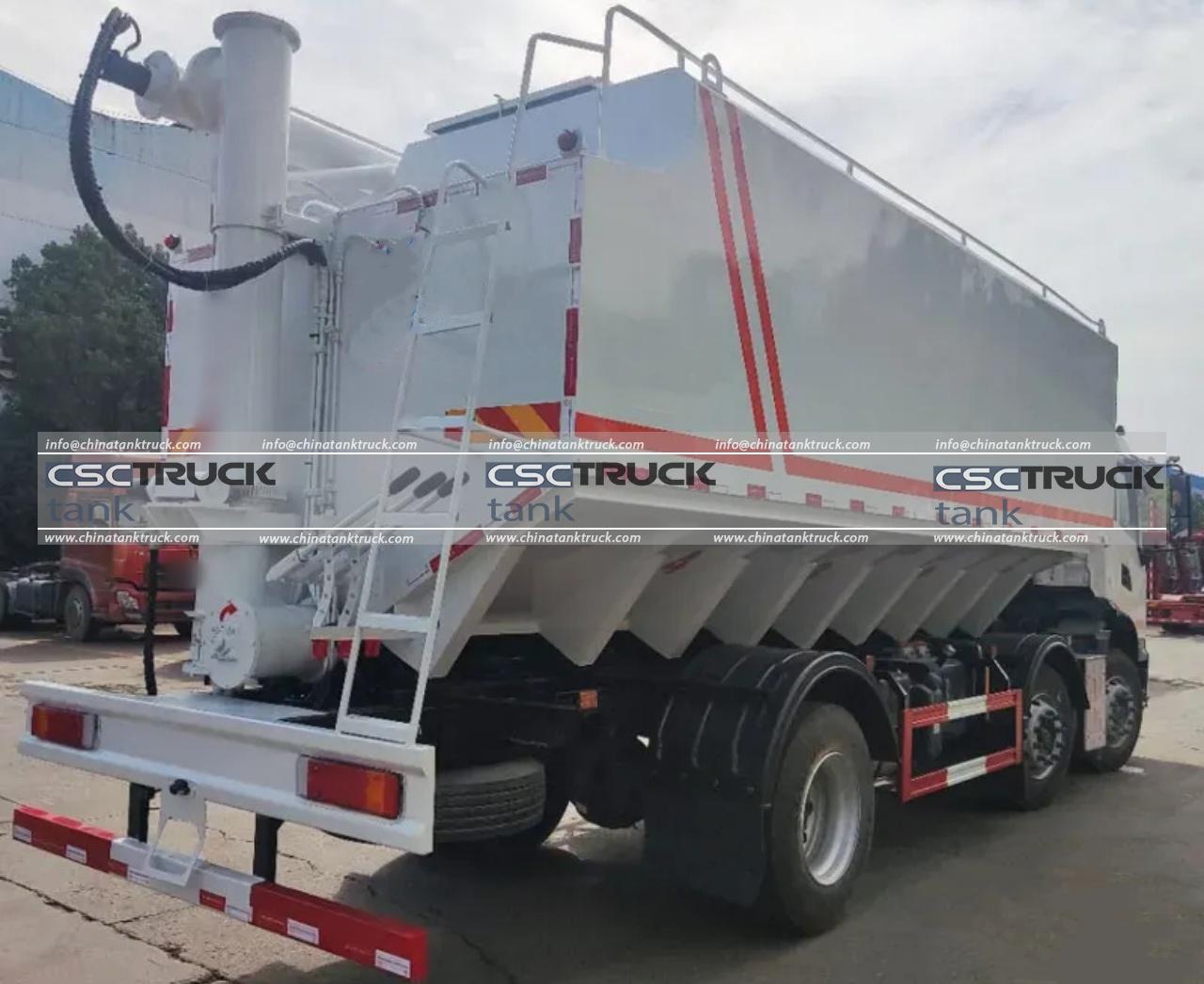
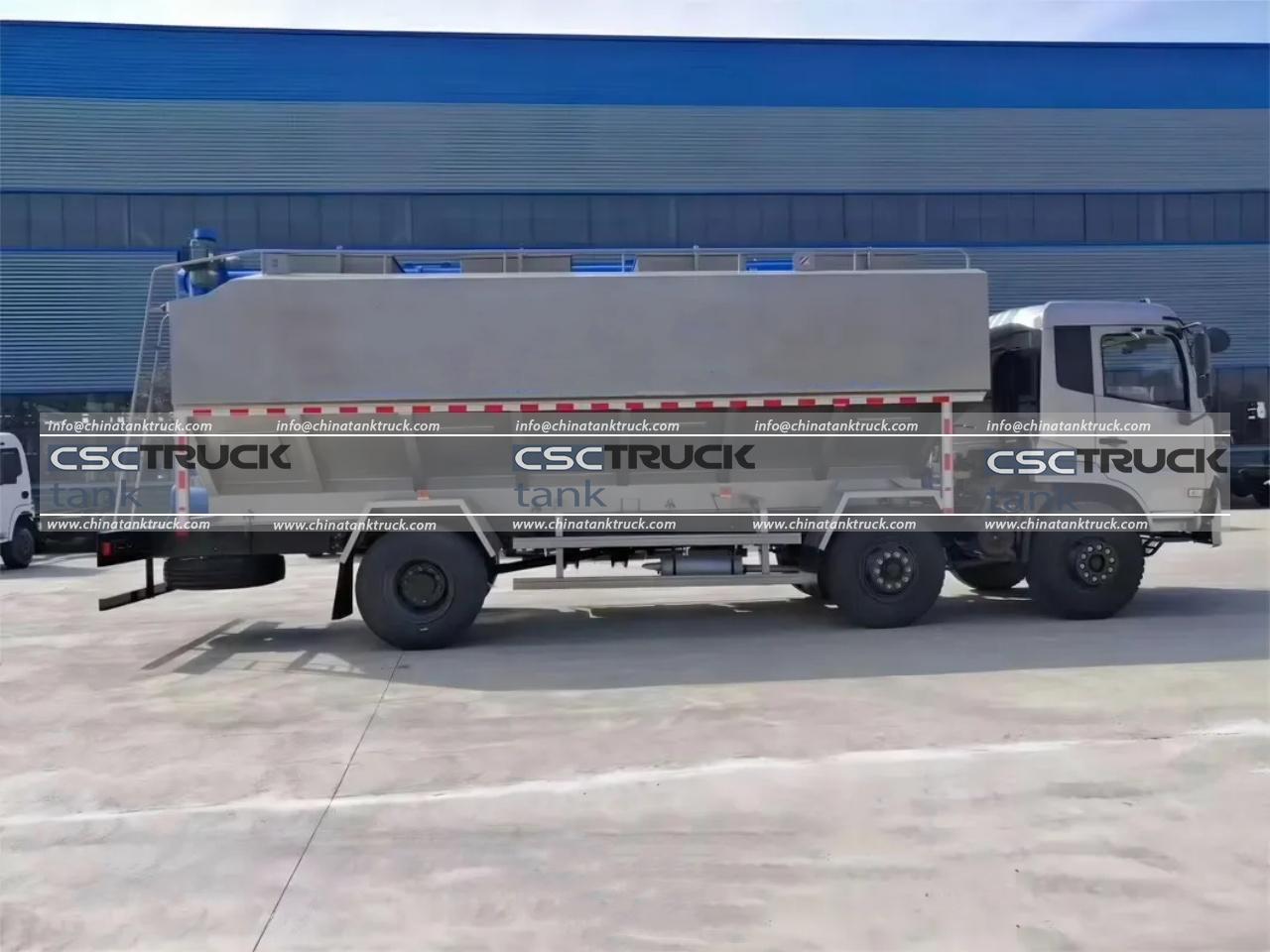
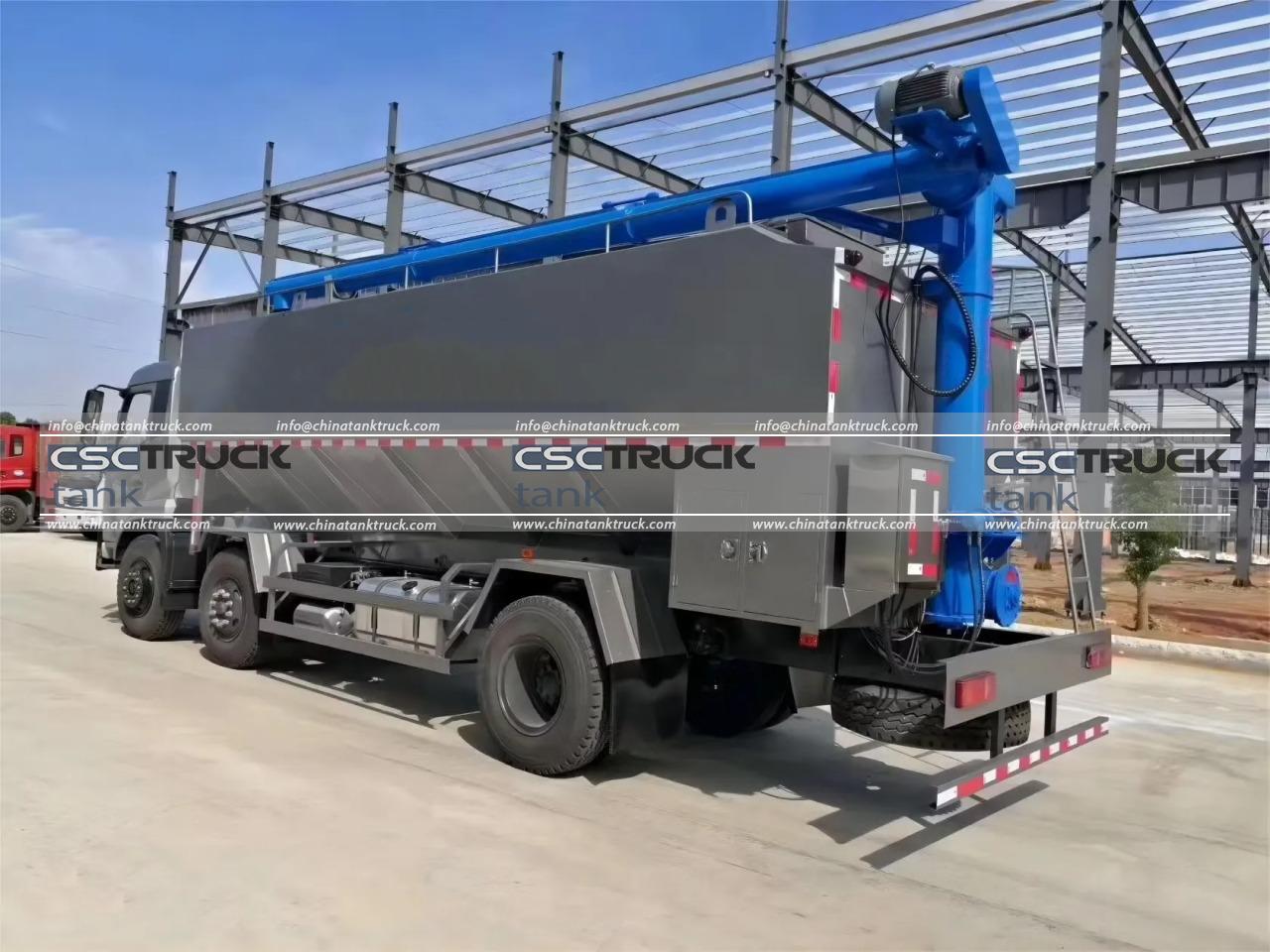
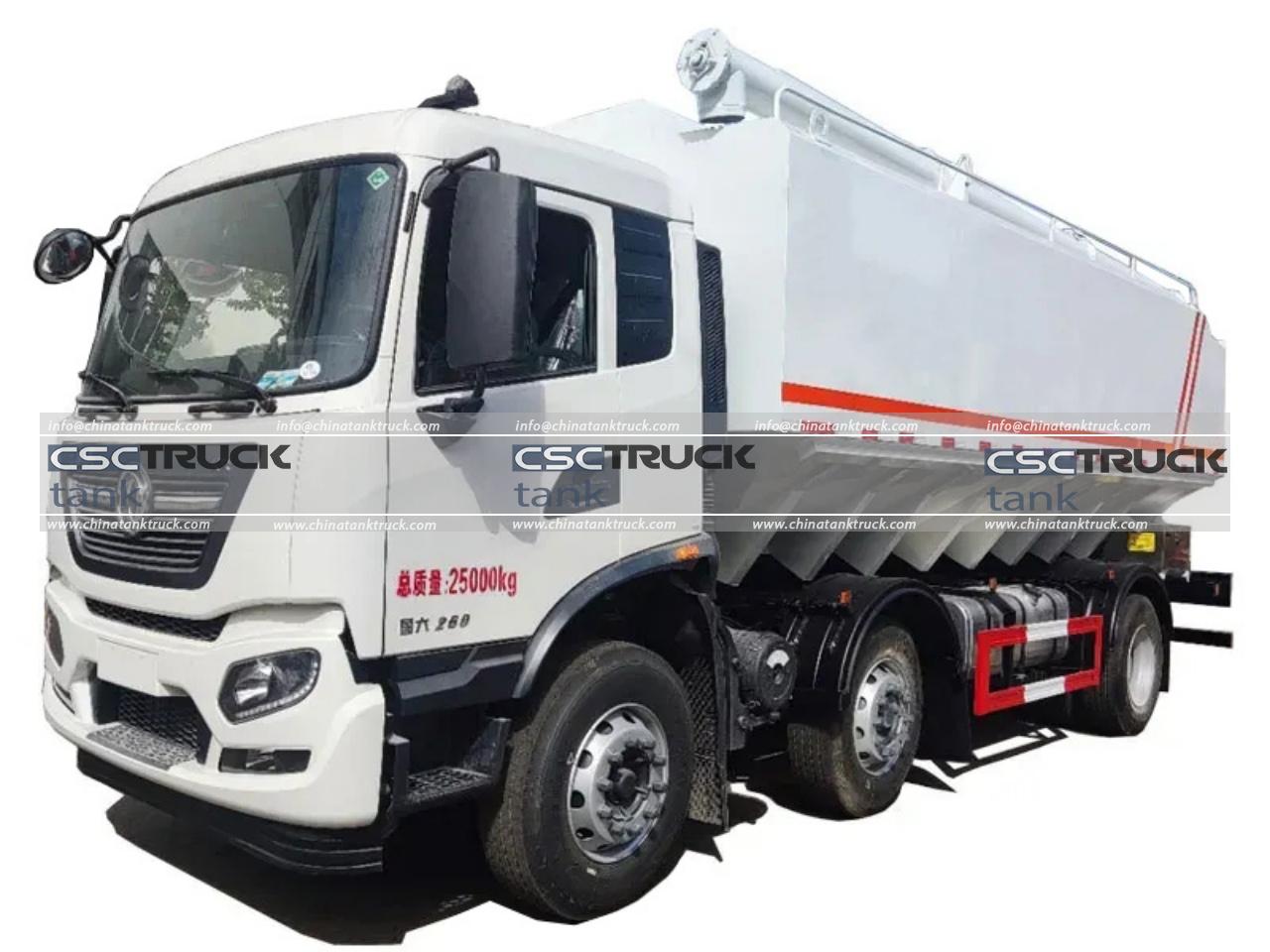
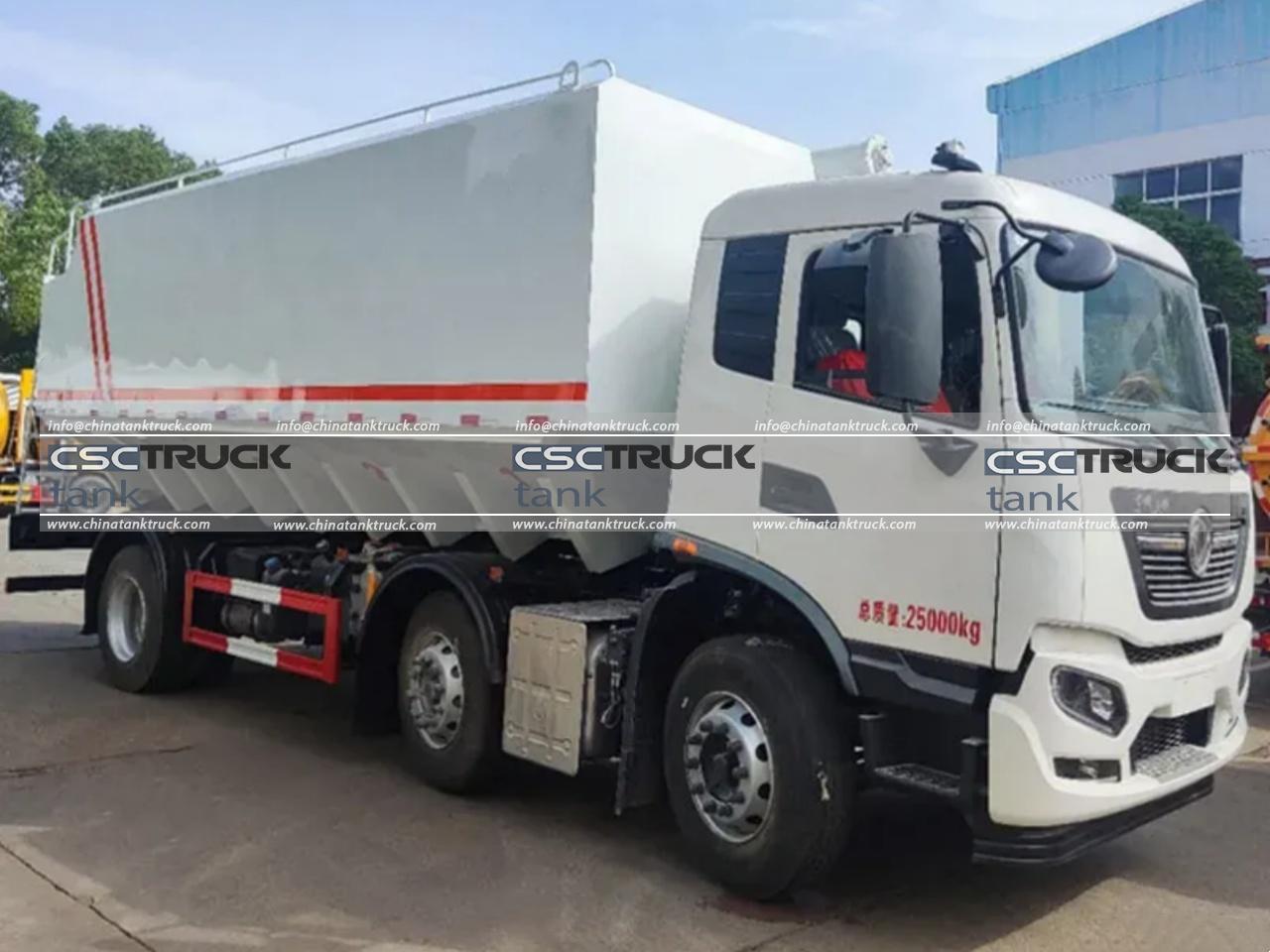
A dry bulk tanker is a broader category of transport equipment designed to carry dry bulk materials.
A dry bulk tanker may include:
- Pneumatic tank trucks
- Gravity discharge trailers
- Hopper trailers
- Dry bulk semi-trailers
- Non-pressurized bulk carriers
In other words:
Every pneumatic tank truck is a dry bulk tanker, but not every dry bulk tanker is pneumatic.
The unloading method largely determines the classification.
Primary Difference
The biggest difference lies in how the cargo is unloaded.
Pneumatic Tank Truck
Uses:
- Air compressor
- Pressure vessel
- Air piping
- Fluidization system
Cargo is blown out using compressed air.
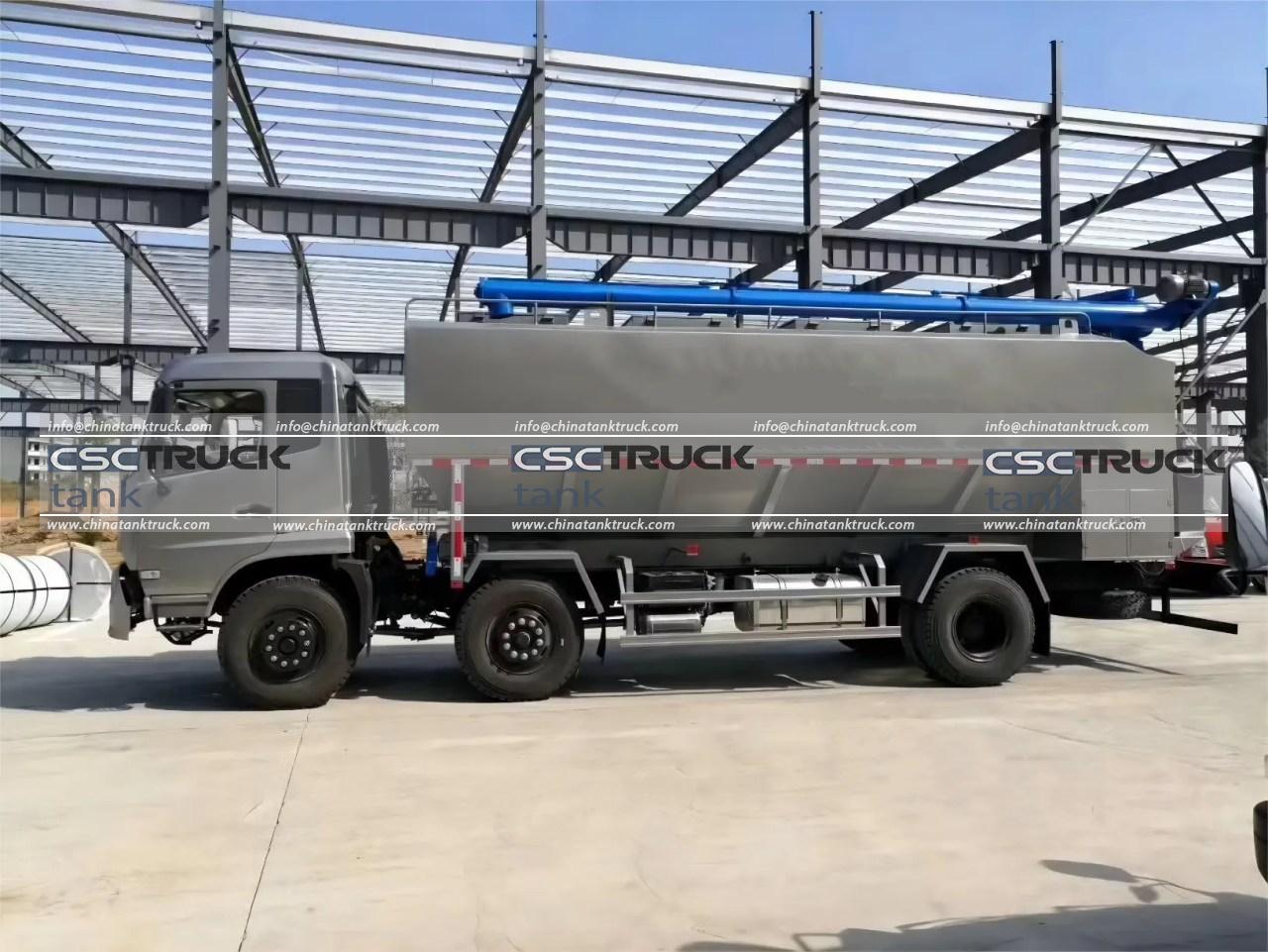
Dry Bulk Tanker
May use:
- Gravity
- Pneumatic pressure
- Mechanical augers
- Conveyor belts
- Hydraulic tipping
The unloading system depends on the cargo and application.
Tank Construction
Although both vehicles carry dry materials, their tank designs differ.
Pneumatic Tank Truck
The tank is usually:
- Cylindrical
- V-shaped
- W-shaped
- Multi-cone
These designs improve powder flow during pressurized unloading.
The tank is also designed as a pressure vessel capable of safely handling compressed air.
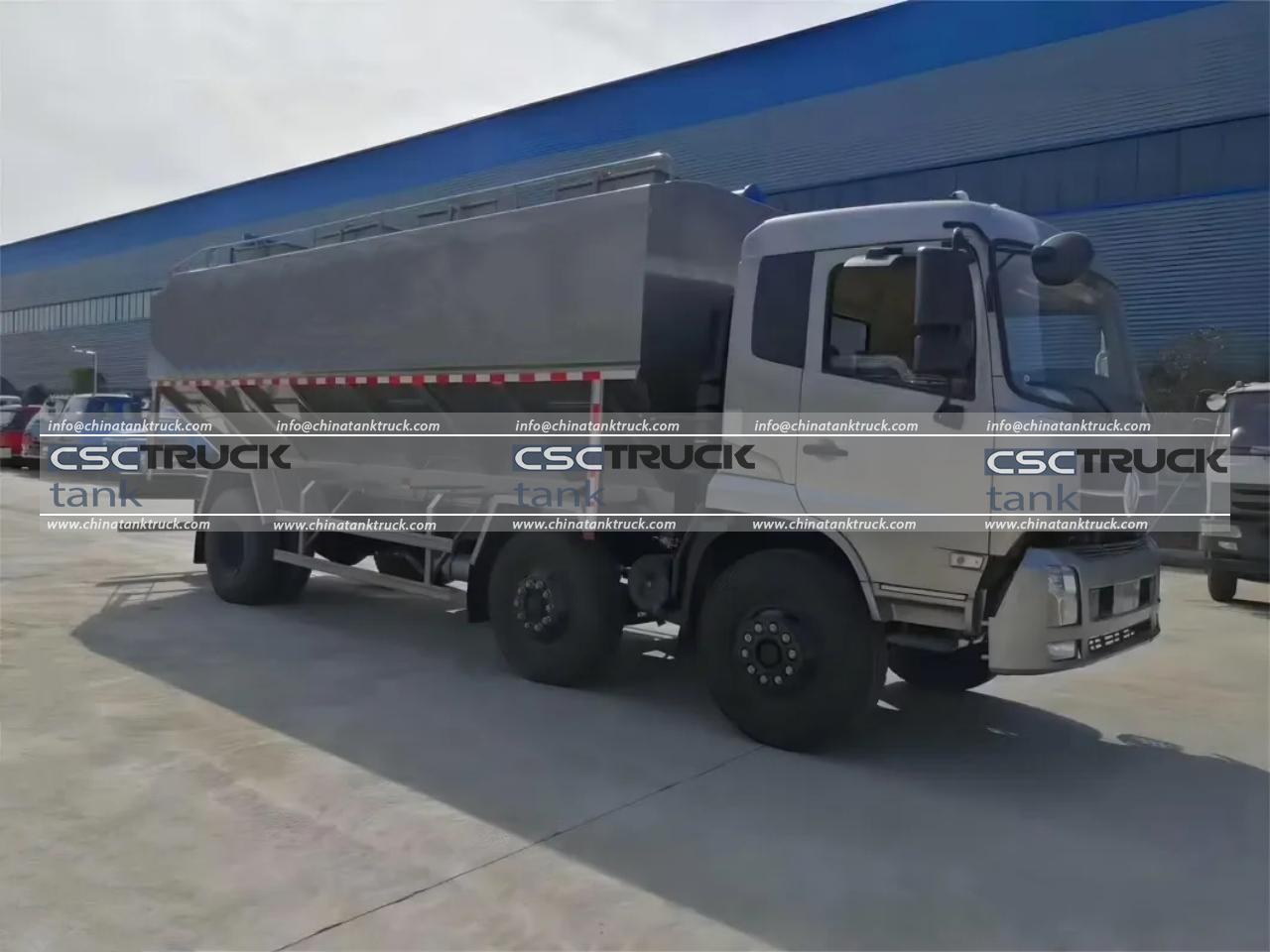
Dry Bulk Tanker
Depending on the application, the tank may be:
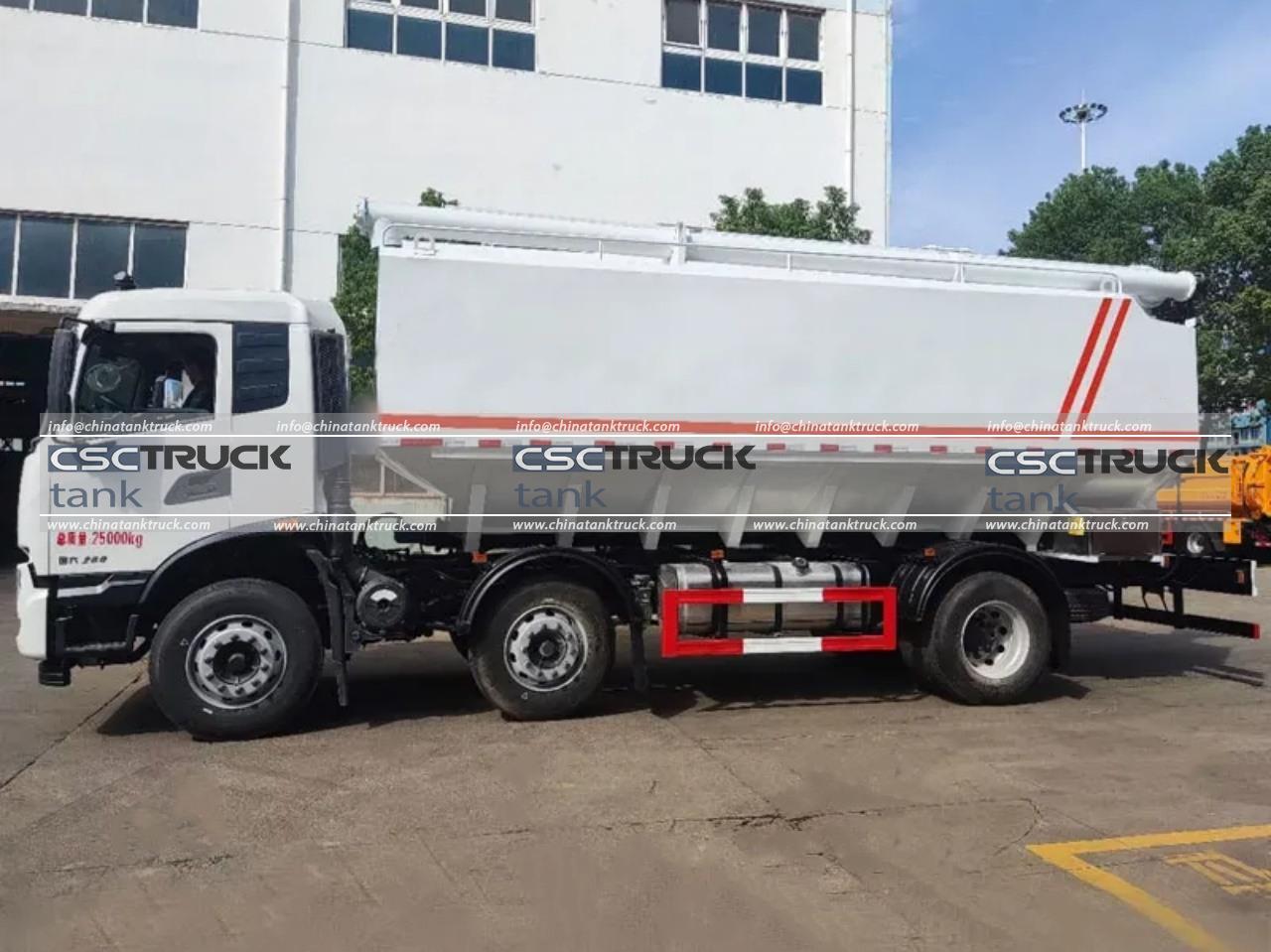
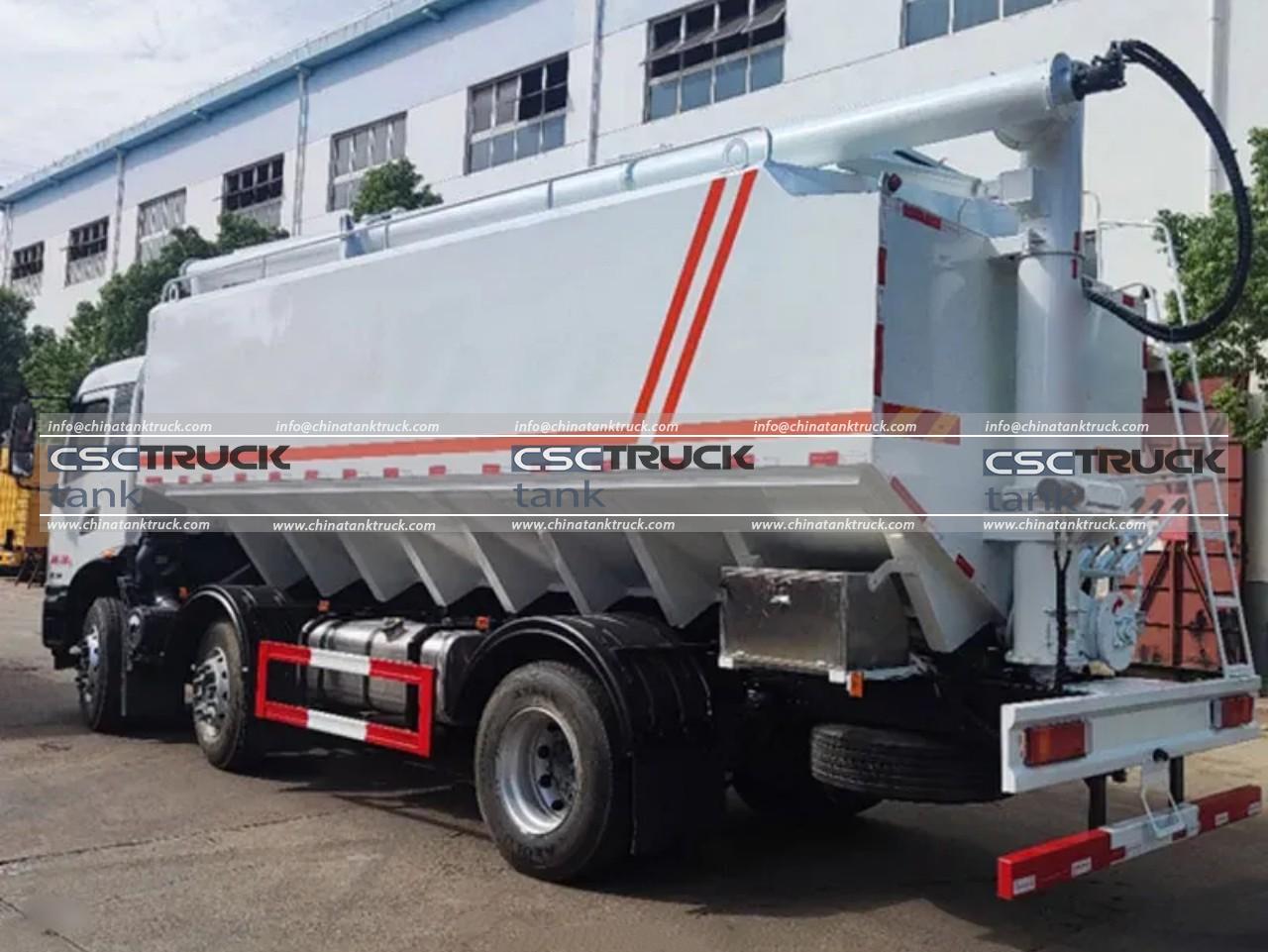
- Hopper-bottom
- Box-shaped
- Aluminum trailer
- Walking floor trailer
- Tipper body
- Cylindrical
Not all require pressure-resistant construction.
Unloading Method Comparison
| Feature | Pneumatic Tank Truck | Dry Bulk Tanker |
|---|---|---|
| Air compressor | Yes | Optional |
| Pressurized unloading | Yes | Sometimes |
| Hydraulic tipping | Usually No | Often Yes |
| Gravity discharge | No | Yes |
| Conveyor unloading | No | Some models |
| Silo filling | Excellent | Depends on design |
Types of Materials Transported
Pneumatic Tank Truck
Ideal for:
- Cement
- Fly ash
- Lime
- Gypsum powder
- Silica
- Flour
- Plastic resin
- Dry chemicals
These products require contamination-free transport.
Dry Bulk Tanker
Can transport:
- Grain
- Animal feed
- Sand
- Salt
- Fertilizer
- Coal
- Plastic pellets
- Cement
- Sugar
- Aggregates
Some materials require pneumatic unloading, while others simply use gravity.
Loading Process
Both vehicle types can be loaded from:
- Storage silos
- Bulk loading stations
- Industrial plants
However, pneumatic tank trucks generally feature:
- Sealed manholes
- Air filtration systems
- Pressure gauges
- Safety valves
These components prepare the tank for pressurized unloading.
Unloading Speed
One advantage of pneumatic systems is their unloading efficiency.
Typical unloading time:
- 25–60 minutes
Depending on:
- Compressor size
- Hose length
- Material density
- Moisture content
- Tank capacity
Gravity discharge trailers may unload faster if the receiving facility is below the trailer.
Operating Costs
Pneumatic Tank Truck
Higher costs due to:
- Air compressor maintenance
- Pressure valves
- Air filters
- Fluidization membranes
- Seals
- Piping
However, they reduce labor and increase delivery flexibility.
Dry Bulk Tanker
Operating costs depend on the unloading type.
Gravity trailers generally have:
- Lower maintenance
- Fewer moving parts
- Lower fuel consumption
Hydraulic tippers require cylinder maintenance but remain mechanically simpler than pneumatic systems.
Typical Industries
Pneumatic Tank Truck Industries
- Cement plants
- Concrete batching facilities
- Chemical factories
- Food processing
- Mining
- Power plants
- Pharmaceutical manufacturing
Dry Bulk Tanker Industries
- Agriculture
- Livestock feed
- Grain transport
- Mining
- Salt production
- Fertilizer distribution
- Construction
- Recycling
Payload Capacity
Both vehicles can carry similar payloads.
Typical capacities include:
- 20–60 cubic meters
- 20–40 tons (depending on regulations)
Aluminum tanks reduce vehicle weight, increasing legal payload.
Steel tanks offer greater durability for abrasive materials.
Safety Features
Modern pneumatic tank trucks include:
- Pressure relief valves
- Safety vents
- Air pressure gauges
- Emergency shut-off valves
- Fluidization pads
- Dust filters
Dry bulk tankers may instead emphasize:
- Stability control
- Tipping safety
- Hopper gate locks
- Load distribution
Advantages of Pneumatic Tank Trucks
Advantages include:
- Dust-free unloading
- Closed transport system
- Minimal product contamination
- Efficient silo filling
- No tipping required
- Suitable for delicate powders
- Fast unloading
- Reduced material loss
Advantages of Dry Bulk Tankers
Benefits include:
- Lower purchase cost
- Simpler maintenance
- Greater versatility
- Multiple unloading options
- Suitable for many bulk materials
- Lower operating expenses
Which One Should You Choose?
Choose a pneumatic tank truck if you transport:
- Cement
- Fly ash
- Lime
- Flour
- Plastic pellets
- Powder chemicals
and require direct pneumatic unloading into silos.
Choose a dry bulk tanker if your operation involves:
- Grain
- Animal feed
- Fertilizer
- Salt
- Sand
- Aggregates
where gravity or tipping discharge is more practical.
Conclusion
Although the terms pneumatic tank truck and dry bulk tanker are often used interchangeably, they are not the same. A pneumatic tank truck is a specialized type of dry bulk tanker that uses compressed air to unload powdered or granular materials efficiently into storage silos without tipping the vehicle. In contrast, the broader dry bulk tanker category includes vehicles that unload using gravity, hydraulic tipping, conveyors, or pneumatic systems.
Selecting the right vehicle depends on the material being transported, unloading infrastructure, maintenance considerations, and operational efficiency. Businesses handling fine powders and requiring clean, enclosed unloading will benefit most from pneumatic tank trucks, while companies transporting a wider variety of bulk commodities may find conventional dry bulk tankers to be a more economical and versatile solution.
Manufacturers such as CSCTRUCK China Tank Truck offer both pneumatic powder tank trucks and other specialized dry bulk transport solutions, enabling customers to choose configurations tailored to their industry, payload requirements, and regional regulations. With advanced engineering, customizable designs, and a strong global presence, CSCTRUCK China Tank Truck continues to provide reliable equipment for efficient bulk material transportation.