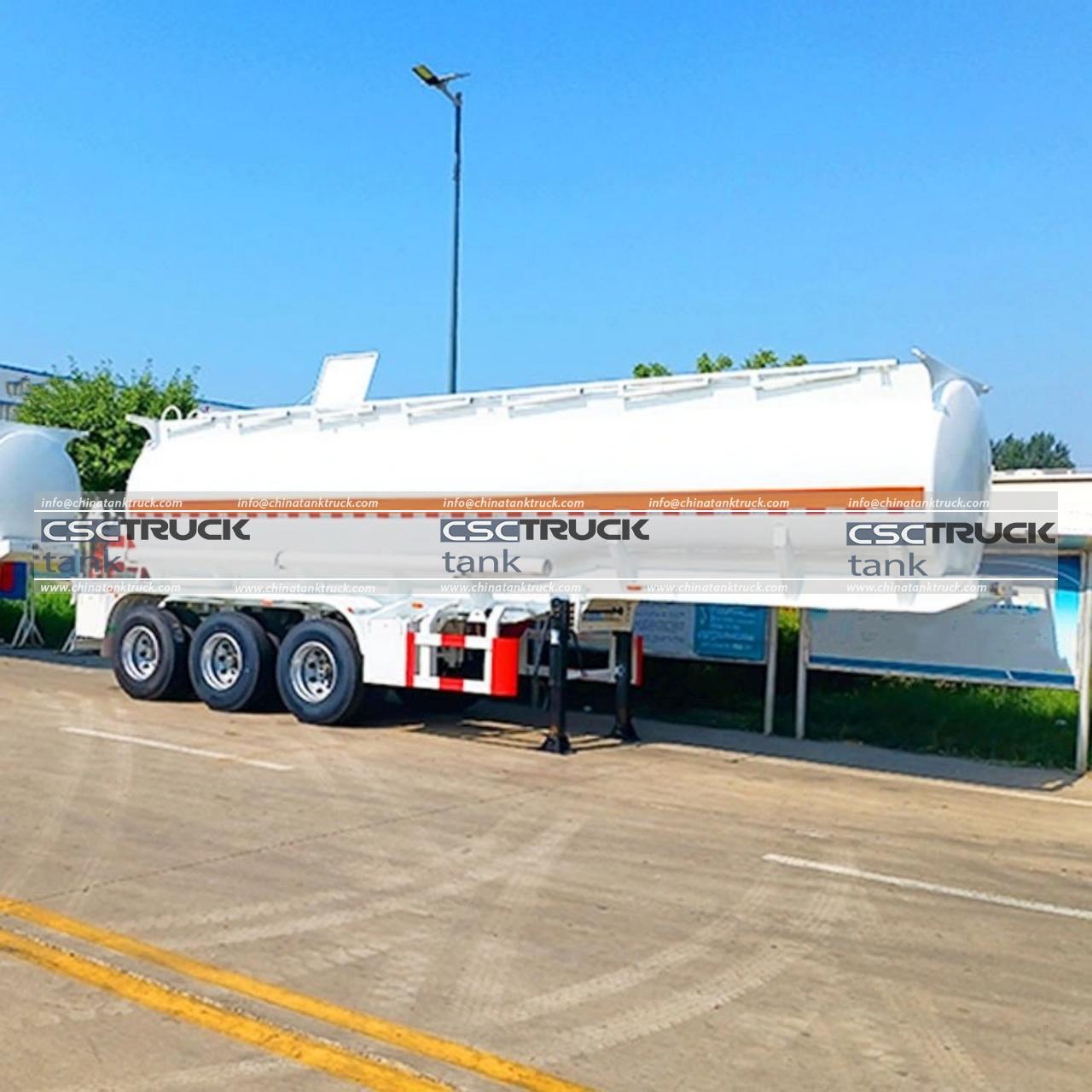

A chemical tank trailer is a specialized road transport vehicle built to safely carry liquid chemicals, industrial solvents, corrosive substances, flammable fluids, and other hazardous materials. These trailers play a vital role in chemical manufacturing, petroleum refining, pharmaceutical production, agriculture, and environmental services. Because chemical cargoes often pose fire, explosion, toxicity, or contamination risks, chemical tank trailers must follow strict design, operation, and maintenance standards to guarantee safe and compliant transportation.
This article explains the meaning of a chemical tank trailer, its major applications in chemical logistics, and the essential safety and maintenance requirements needed to keep the equipment in optimal working condition.
1. Meaning of a Chemical Tank Trailer
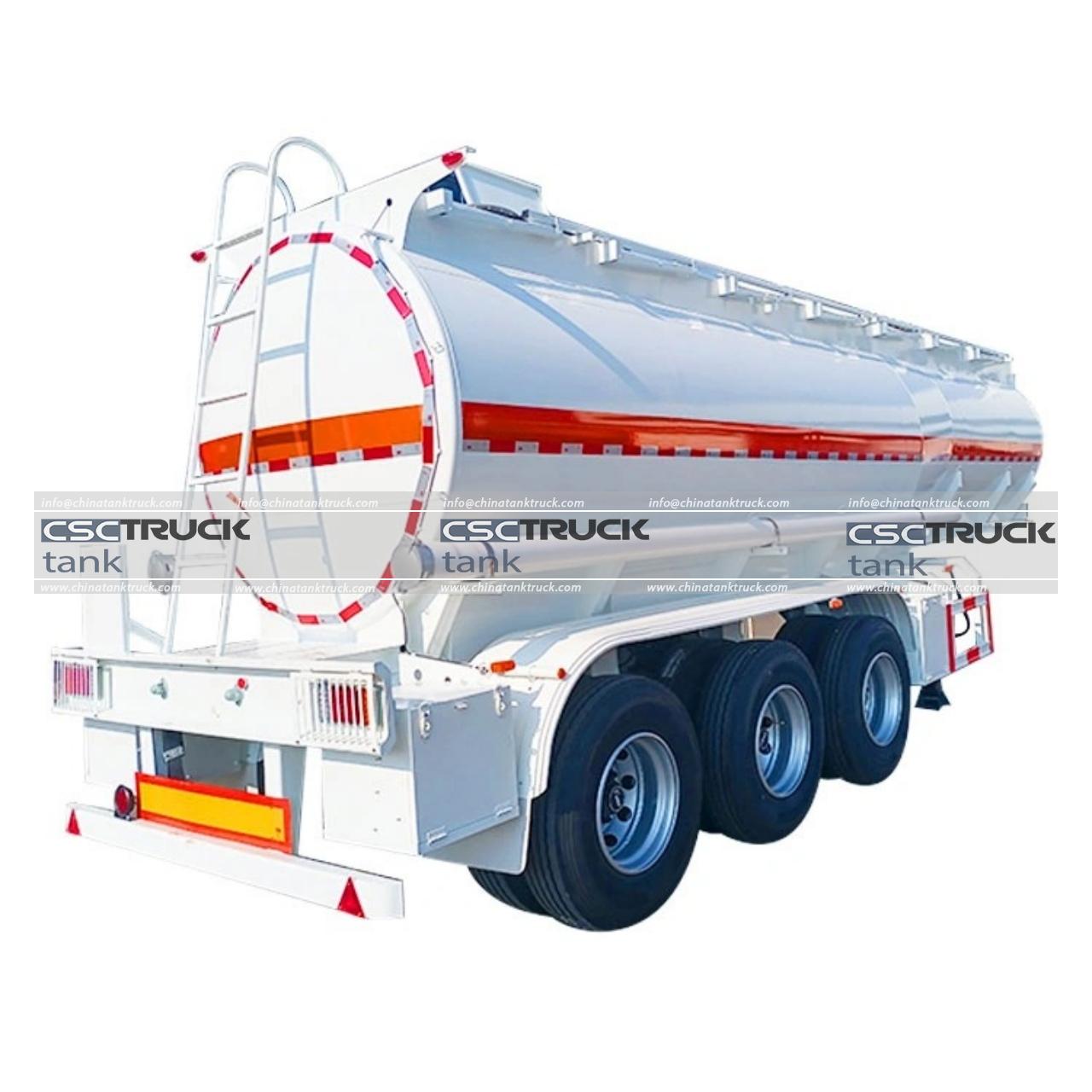
A chemical tank trailer is a heavy-duty semi-trailer equipped with a sealed cylindrical tank designed to transport hazardous and non-hazardous liquid chemicals in bulk. Its design features depend on the chemical category, such as corrosive, flammable, oxidizing, toxic, or temperature-sensitive liquids.
Key Characteristics
- Material Construction
- Most chemical tank trailers are made from stainless steel (304, 316L) due to its high corrosion resistance.
- Some tanks use carbon steel with internal linings for chemicals that do not corrode metal.
- FRP (Fiber-Reinforced Plastic) tanks are used for highly corrosive chemicals like acids.
- Tank Compartments
- Single-compartment tanks for uniform cargo.
- Multi-compartment designs for transporting different chemicals at the same time, preventing cross-contamination.
- Pressure and Temperature Control
- Some tank trailers are pressurized for gases or volatile chemicals.
- Others include insulation or heating systems for chemicals that must be kept at specific temperatures during transport.
- Safety Features
- Pressure relief valves
- Anti-spill domes
- Emergency shutoff valves
- Manhole covers with seals
- Grounding and bonding points
- International Compliance
- Depending on region and cargo type, chemical tank trailers comply with ADR (Europe), DOT/TC (USA/Canada), and UN transport regulations.
These features make chemical tank trailers essential tools for chemical logistics, industrial operations, and hazardous materials distribution.
2. Chemical Transport Uses of Chemical Tank Trailers
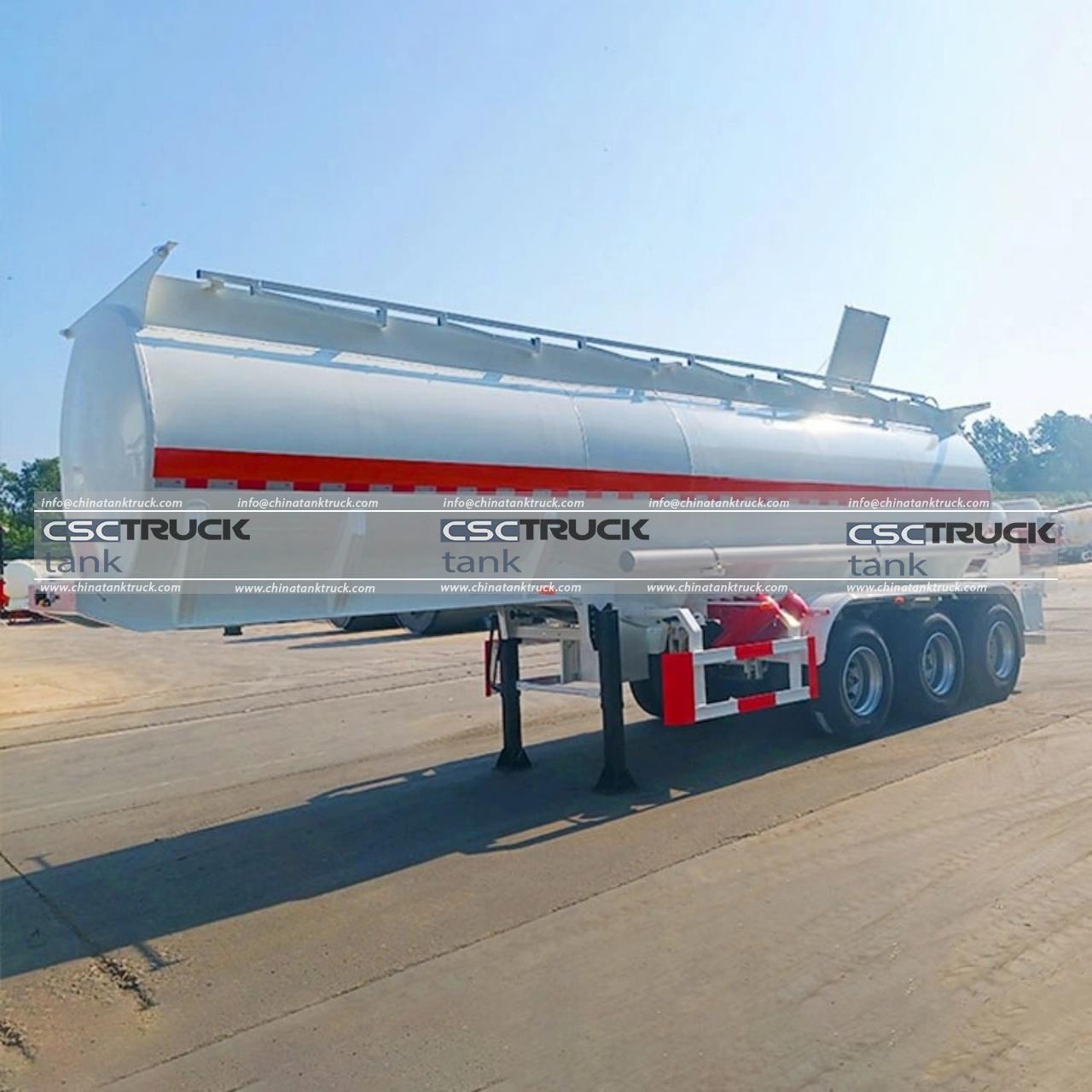
Chemical tank trailers serve a wide range of industries, each with specific cargo and transport requirements. Below are the most common uses.
2.1 Transport of Corrosive Chemicals
Corrosive liquids include:
- Sulfuric acid
- Hydrochloric acid
- Nitric acid
- Caustic soda (sodium hydroxide)
- Phosphoric acid
FRP-lined or stainless-steel tank trailers are typically selected to ensure durability against corrosion and to protect the cargo from contamination.
2.2 Transport of Flammable and Combustible Liquids
Flammable chemical cargoes include:
- Alcohols
- Solvents
- Acetone
- Benzene
- Petroleum-based chemicals
These chemicals require sealed systems with vapor recovery components and pressure-rated tanks to prevent ignition.
2.3 Transport of Toxic Chemicals and Industrial Solvents
Tank trailers deliver chemicals essential for industrial production, such as:
- Formaldehyde
- Phenol
- Toluene
- Chlorinated solvents
- Chemical intermediates used in plastics and pharmaceuticals
These chemicals must be transported in leak-proof and fully sealed tanks to avoid human exposure and environmental contamination.
2.4 Transport of Oxidizing Agents
Oxidizers such as hydrogen peroxide or sodium hypochlorite are sensitive chemicals that require corrosion-resistant and contamination-free tanks.
2.5 Transport of Food-Grade and Non-Hazardous Chemicals
Not all chemical tank trailers handle hazardous materials. Some transport non-hazardous but industrially important liquids, such as:
- Liquid fertilizers
- Pharmaceutical bases
- Organic chemicals
- Adhesive resins
These deliveries still require hygienic, contamination-free tanks.
2.6 Inter-factory and Supply Chain Distribution
Chemical tank trailers serve:
- Chemical production plants
- Manufacturing factories
- Refineries
- Water treatment facilities
- Agricultural operations
- Environmental service companies
Their flexibility allows them to support both short-distance local delivery and long-distance international bulk chemical transport.
3. Safety and Maintenance Requirements for Chemical Tank Trailers
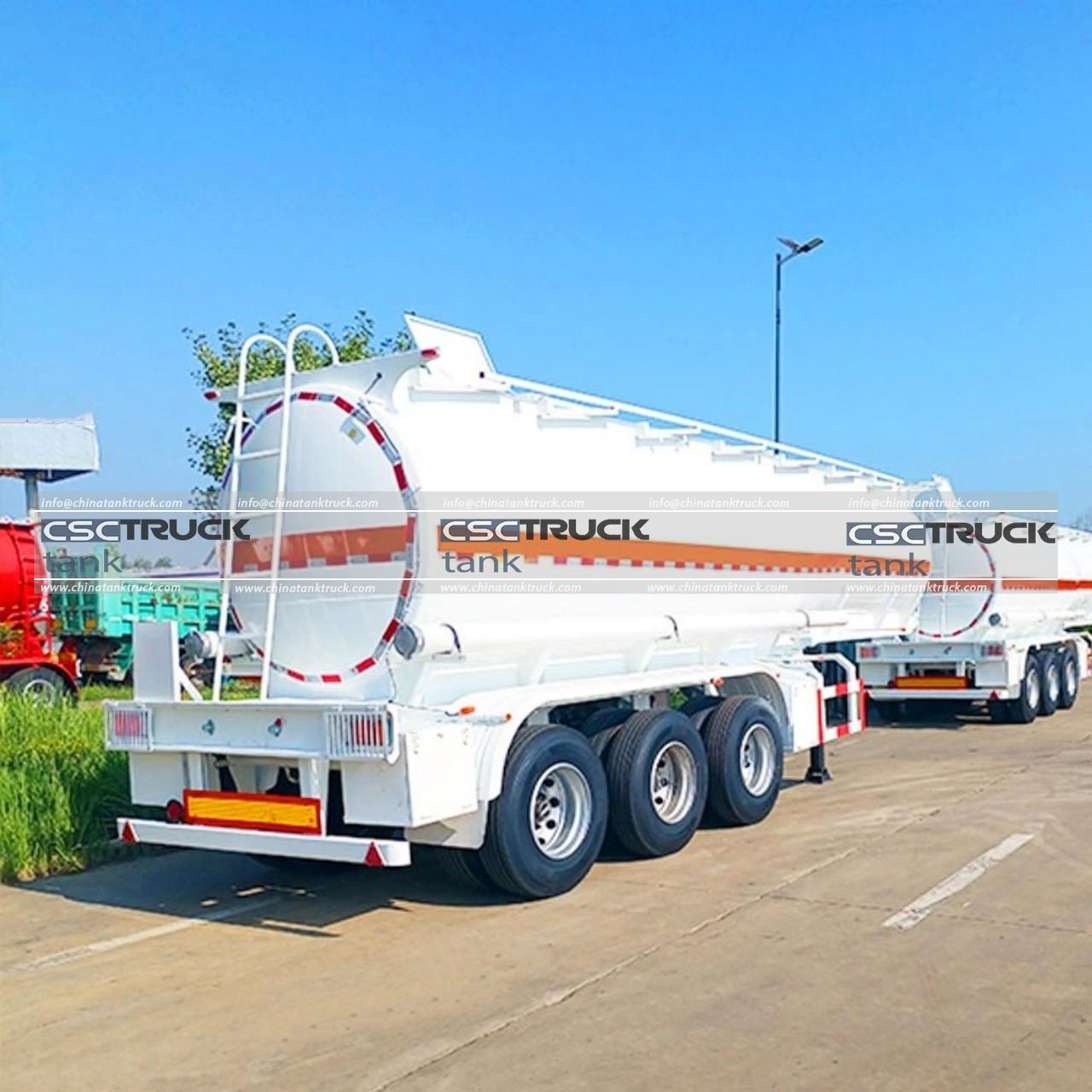
Because chemical cargoes are often hazardous, strict safety and maintenance standards are necessary to ensure reliable operation and prevent accidents.
3.1 Regular Tank Inspection and Integrity Testing
Chemical tank trailers undergo frequent inspections to verify:
- Tank wall integrity (checking for corrosion, pitting, dents, cracks)
- Valve and gasket conditions (to prevent leaks or vapor escape)
- Pressure retention capability for pressurized trailers
- Manhole cover seals and safety locks
- Compartment dividers for multi-chamber trailers
Periodic hydrostatic or pneumatic pressure tests are typically required by regulation.
3.2 Cleaning and Decontamination Procedures
Thorough tank cleaning prevents contamination and reactions between incompatible chemicals. Standard practices include:
- Steam cleaning
- Chemical neutralization
- High-pressure water washing
- Acid or alkaline treatment, depending on the previous cargo
- Inspection of internal linings or coatings
Specialized cleaning stations following ADR or DOT standards often handle this task.
3.3 Valve and Piping System Maintenance
Valves, piping systems, and seals are critical safety components. Maintenance includes:
- Routine lubrication and alignment
- Replacement of worn-out gaskets and O-rings
- Testing of emergency shutoff valves
- Ensuring vapor-return lines remain clear and functional
Any malfunction may result in leaks or delivery complications.
3.4 Monitoring Temperature and Pressure Systems
Chemicals sensitive to heat or pressure require:
- Functional insulation
- Regular calibration of thermometers and pressure gauges
- Inspection of heating systems, including steam coils or electric heaters
- Checking for proper pressure relief valve operation
Over-pressurization or overheating can cause catastrophic failure.
3.5 Preventing Corrosion and Material Degradation
Corrosion control includes:
- Using proper tank material for specific chemicals
- Cleaning residues immediately
- Periodic coating or lining repair
- Inspecting the outer shell coating to prevent rusting
- Avoiding contact with incompatible cleaning agents
Proper corrosion management significantly extends tank trailer lifespan.
3.6 Safety Devices and Emergency Equipment Check
A chemical tank trailer should always have functional safety equipment, such as:
- Fire extinguishers
- Spill-containment kits
- Grounding cables
- Emergency shutoff systems
- Anti-overflow devices
Drivers should inspect this equipment before each trip.
3.7 Regulatory Compliance and Documentation
Operators must comply with regional and international regulations:
- ADR (European chemical transport standard)
- DOT 407/412 (United States tanker specifications)
- UN Regulations for hazardous materials
Documentation such as SDS (Safety Data Sheets), transport permits, and cleaning certificates must accompany each load.
3.8 Driver Training and Safe Handling Practices
Operators handling chemical tank trailers require:
- Hazardous material driving certification
- Training in emergency response
- Knowledge of chemical compatibility
- Awareness of spill procedures and fire risks
- Proper use of PPE (gloves, goggles, protective clothing)
Effective training is crucial for preventing accidents during loading, unloading, and transport.
Conclusion
A chemical tank trailer is an essential piece of equipment for transporting hazardous and non-hazardous chemicals across industrial supply chains. Its construction, from corrosion-resistant materials to advanced safety systems, enables it to handle flammable, corrosive, toxic, oxidizing, and temperature-sensitive liquids safely.
Chemical transport requires strict compliance with safety standards, rigorous maintenance procedures, and disciplined operator training. Regular inspections, tank cleaning, valve maintenance, temperature and pressure monitoring, and regulatory documentation all ensure that chemical tank trailers remain reliable, efficient, and safe.
With proper care and adherence to industry regulations, chemical tank trailers continue to play a critical role in global chemical logistics, supporting manufacturing, energy production, agriculture, water treatment, and countless other industrial operations.