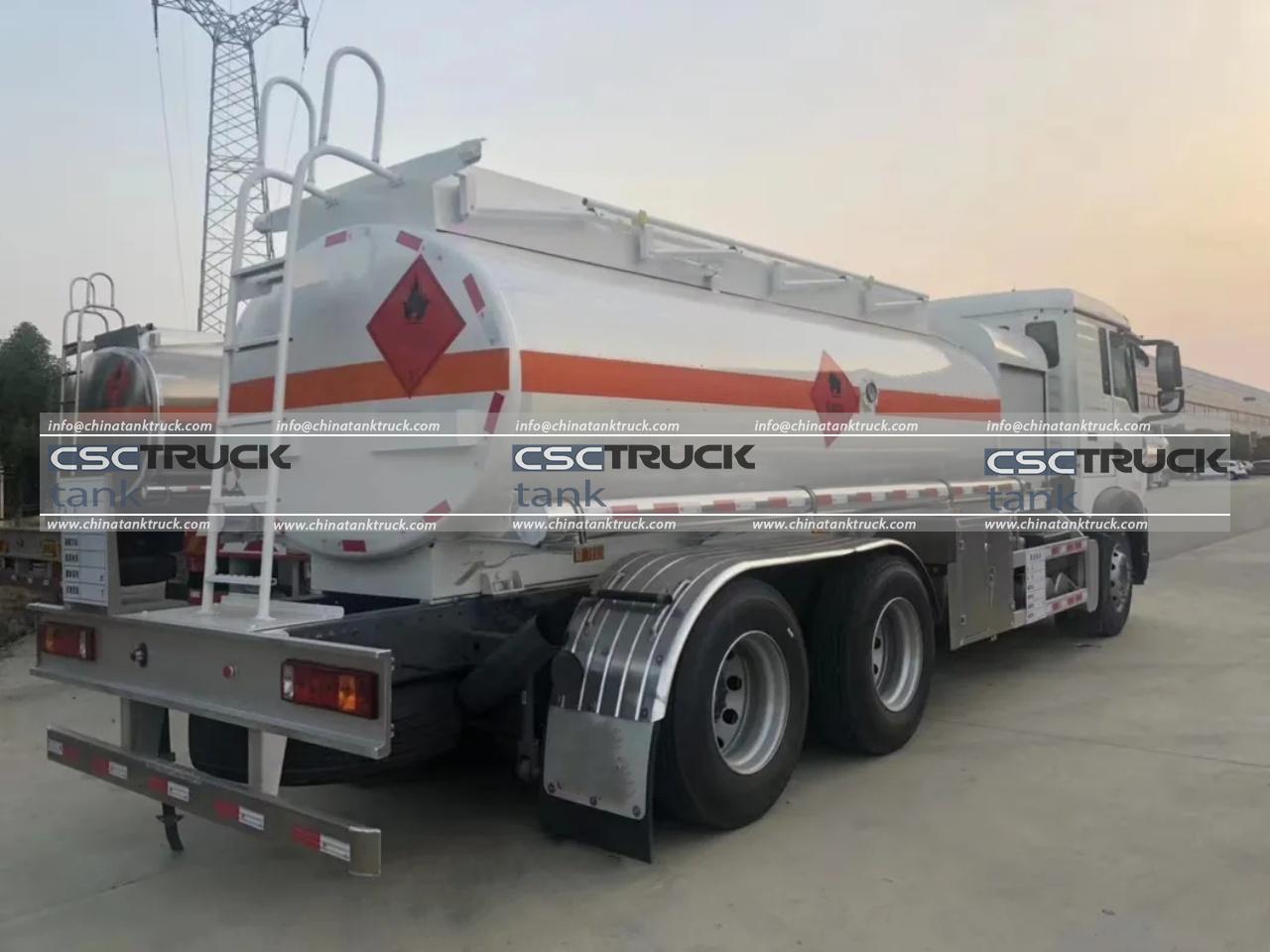
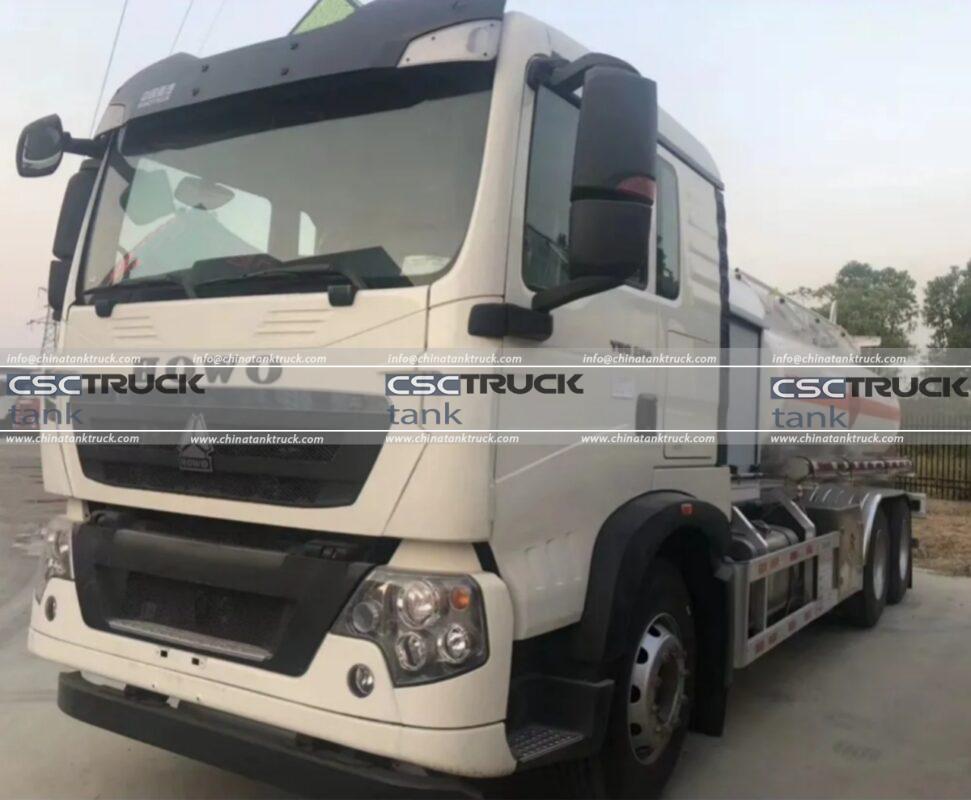
Aviation refueling is a highly specialized ground-support operation where safety, accuracy, efficiency, and fuel quality must be maintained at all times. An aviation refueler operator is responsible for much more than driving a fuel truck. Operators must understand aircraft fueling procedures, operate pumps and valves correctly, prevent fuel contamination, follow airport safety requirements, and respond appropriately to abnormal situations. For new operators, comprehensive training is therefore essential before they work independently.
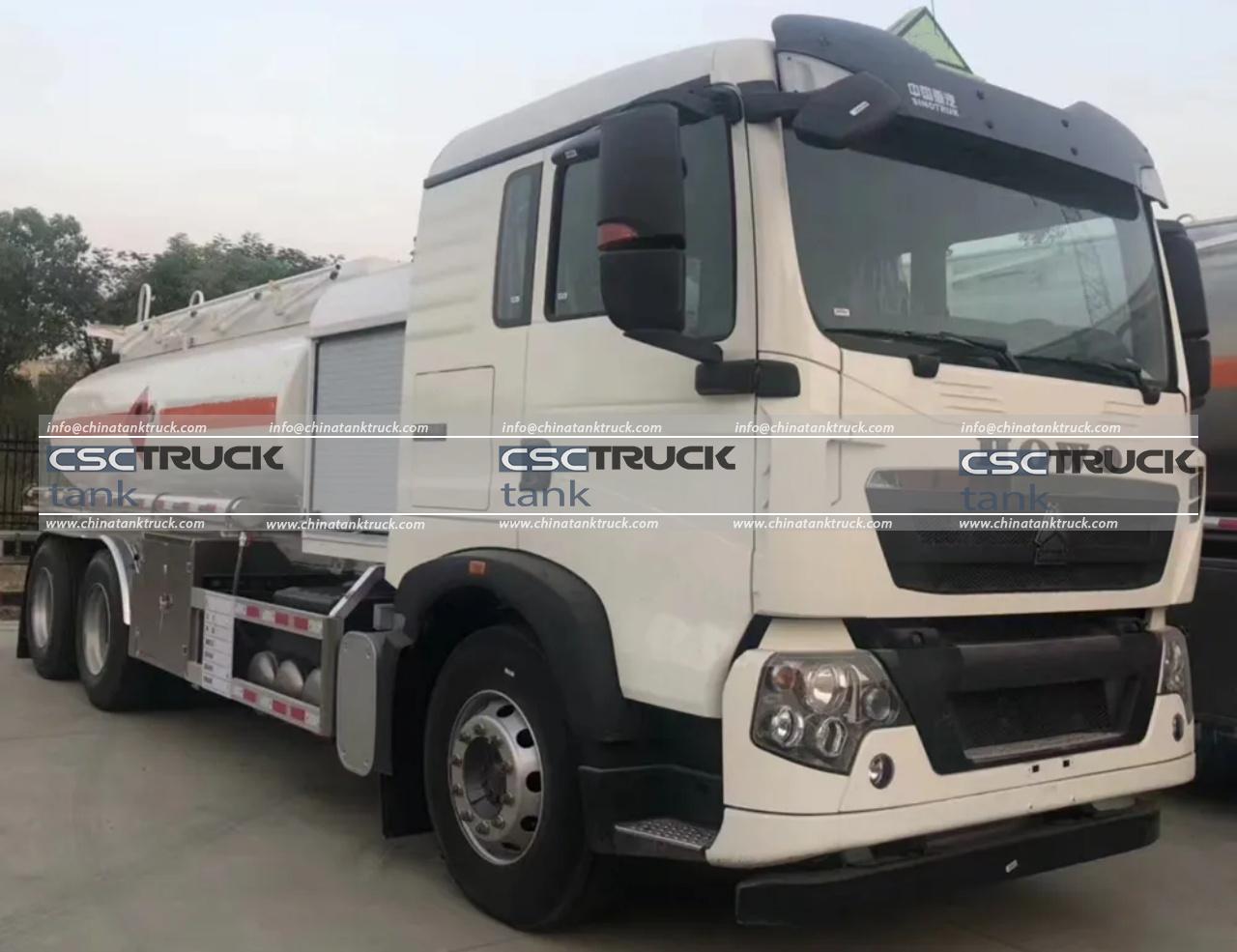
CSCTRUCK China Tank Truck is a professional supplier of tank trucks and specialized fuel transportation equipment, offering various customized solutions for fuel transportation and aviation-related applications. Its product range includes fuel tank trucks and aircraft refuelers designed around different chassis, tank capacities, fueling systems, and operating requirements. With the right equipment combined with effective operator training, airports and aviation fuel service companies can improve both operational safety and productivity.
Here are 10 practical tips for training new aviation refueler operators.
1. Start with Aviation Fueling Fundamentals
Before allowing new operators to handle an aviation refueler, provide them with a solid understanding of aviation fueling fundamentals. Training should cover common aviation fuels, fuel properties, contamination risks, fuel storage, filtration, and basic fueling procedures.
Operators should understand why aviation fuel requires strict handling controls. Even small amounts of water, dirt, or other contaminants can potentially affect aircraft fuel systems. New employees should therefore learn that fuel quality is not simply a maintenance issue—it is a critical part of aviation safety.
A strong theoretical foundation helps operators understand the reasons behind every procedure rather than simply memorizing instructions.
2. Teach Operators to Understand the Refueler
Every new operator should become familiar with the complete structure of the aviation refueler before operating it.
Training should cover the chassis, fuel tank, pump, filtration system, flow meter, valves, hoses, hose reels, nozzles, bonding equipment, emergency shut-off system, control panel, and other important components.
Operators should know the function of each component and understand how they work together during a normal fueling operation. Equipment-specific training is particularly important because aviation refuelers from different manufacturers may use different configurations and controls.
Hands-on equipment familiarization can significantly reduce operating mistakes.
3. Emphasize Pre-Operation Inspection
A pre-operation inspection should become a routine habit for every new operator.
Before starting a fueling task, operators should inspect the vehicle and fueling equipment for leaks, damaged hoses, loose connections, abnormal valve conditions, tire problems, warning indicators, and other visible defects. They should also verify that safety equipment and emergency shut-off devices are available and functional.
Fueling equipment should never be operated simply because it worked the previous day correctly. A systematic inspection helps identify developing problems before they become serious operational or safety issues.
Training managers can provide a standardized checklist and require new operators to complete it during every training shift.
4. Provide Step-by-Step Fueling Practice
Classroom instruction alone is not sufficient. New operators need supervised practical training.
A good training program should divide aircraft refueling into clear stages: Approaching the aircraft, positioning the refueler, applying safety procedures, establishing bonding, connecting equipment, checking the fueling system, starting fuel flow, monitoring the operation, completing fueling, disconnecting equipment, and securing the vehicle.
At first, trainees should perform each step under direct supervision. Experienced instructors can demonstrate the correct procedure and then allow the trainee to repeat it.
This approach creates muscle memory while ensuring that incorrect habits are identified early.
5. Train Operators to Prevent Fuel Contamination
Fuel contamination prevention should receive special attention during operator training.
New operators need to understand how water, dust, particles, incorrect fuel products, and equipment contamination can affect aviation fuel quality. They should be trained to inspect filters, drains, hoses, couplings, and other fuel-contact components according to the applicable procedures.
Operators should also understand the importance of keeping fueling equipment clean and properly maintained.
Training should reinforce one basic principle: If fuel quality is in doubt, stop and report the problem rather than continuing the operation.
6. Teach Strict Safety and Bonding Procedures
Aircraft refueling involves flammable fuel, moving vehicles, electrical systems, and potentially hazardous environments. Safety procedures must therefore become automatic for new operators.
Training should include bonding and grounding requirements, safe vehicle positioning, ignition-source control, personal protective equipment, communication procedures, and emergency shutdown procedures.
Operators should know exactly when and how to use the emergency shut-off system. They should also understand that fueling must stop immediately when a serious leak, abnormal fuel pressure, equipment malfunction, fire hazard, or other dangerous condition is detected.
Regular safety drills can help operators respond quickly under pressure.
7. Train Operators to Monitor Fueling Parameters
An experienced operator does not simply start the pump and wait for fueling to finish. Operators must continuously monitor the fueling process.
Training should cover appropriate monitoring of fuel flow, pressure, meter readings, tank levels, equipment status, and other relevant parameters. Operators should learn to recognize unusual readings and understand when fueling should be stopped for inspection.
Modern aviation refuelers may incorporate advanced meters, monitoring systems, automatic controls, and safety devices. New operators should receive specific instruction on these systems rather than assuming that automated equipment eliminates the need for human supervision.
8. Include Emergency Response Training
Emergency response should be an essential part of every operator training program.
Trainees should practice how to respond to fuel leaks, hose failures, equipment malfunctions, fire hazards, accidental spills, abnormal pressure, and other emergencies. They should know the location and correct use of emergency shut-off controls and understand the airport’s reporting and evacuation procedures.
Simulation exercises are particularly useful. Instructors can create controlled scenarios and ask trainees to demonstrate the correct response.
The objective is to make the correct emergency response instinctive rather than forcing an operator to decide what to do for the first time during a real incident.
9. Teach Communication and Airport Coordination
Aircraft refueling is rarely performed by 1 person working independently. Operators often coordinate with pilots, ramp personnel, maintenance teams, dispatchers, fuel supervisors, and airport operations personnel.
New operators should therefore receive training in radio communication, hand signals, standard terminology, aircraft approach procedures, and communication protocols used at their specific airport.
Clear communication can prevent misunderstandings about aircraft positioning, fueling quantities, fueling status, and unexpected operational changes.
Operators should also understand that if they are uncertain about an instruction, they should stop and clarify it instead of making assumptions.
10. Use Evaluation, Refresher Training, and Continuous Improvement
Operator training should not end when a new employee completes initial instruction.
New operators should be evaluated through written knowledge tests, equipment inspections, practical fueling exercises, safety drills, and supervised operating sessions. Only operators who demonstrate sufficient knowledge and competence should be authorized to work independently, subject to the employer’s applicable qualification and airport requirements.
Refresher training should also be scheduled regularly. Training is especially important when new refueler models, fueling systems, airport procedures, or safety requirements are introduced.
Companies can improve their training programs by reviewing operational incidents, near misses, maintenance records, inspection findings, and operator feedback. These lessons can then be incorporated into future training.
Conclusion
Training new aviation refueler operators requires a combination of theoretical knowledge, hands-on practice, safety instruction, equipment familiarization, and continuous evaluation. The most effective programs teach operators not only what to do, but also why each procedure matters.
The 10 key areas include understanding aviation fuel fundamentals, learning the refueler’s components, conducting pre-operation inspections, practicing fueling procedures, preventing contamination, following safety and bonding requirements, monitoring fueling parameters, responding to emergencies, communicating effectively, and participating in continuous training.
For airports and aviation fuel service providers, selecting reliable equipment is equally important. CSCTRUCK China Tank Truck provides specialized tank truck solutions, including fuel transportation and aviation refueling equipment that can be configured according to different operational requirements.
Ultimately, a well-designed aviation refueler is only as effective as the people operating it. By combining dependable equipment with systematic training and strict operating procedures, companies can build a professional team capable of performing aircraft refueling operations safely, efficiently, and consistently.