
Aviation refueling is one of the most safety-critical operations in the aviation industry. Whether servicing commercial airliners, military aircraft, private jets, or helicopters, aviation refueler operators are responsible for delivering clean, contamination-free fuel while preventing accidents that could endanger personnel, aircraft, and airport facilities. Even a small mistake during refueling can result in fuel contamination, fire hazards, environmental damage, or costly operational delays.
Modern aviation refuelers are equipped with advanced filtration systems, flow meters, grounding equipment, emergency shutoff devices, and safety monitoring systems. However, the effectiveness of these technologies ultimately depends on the knowledge and discipline of the operator.
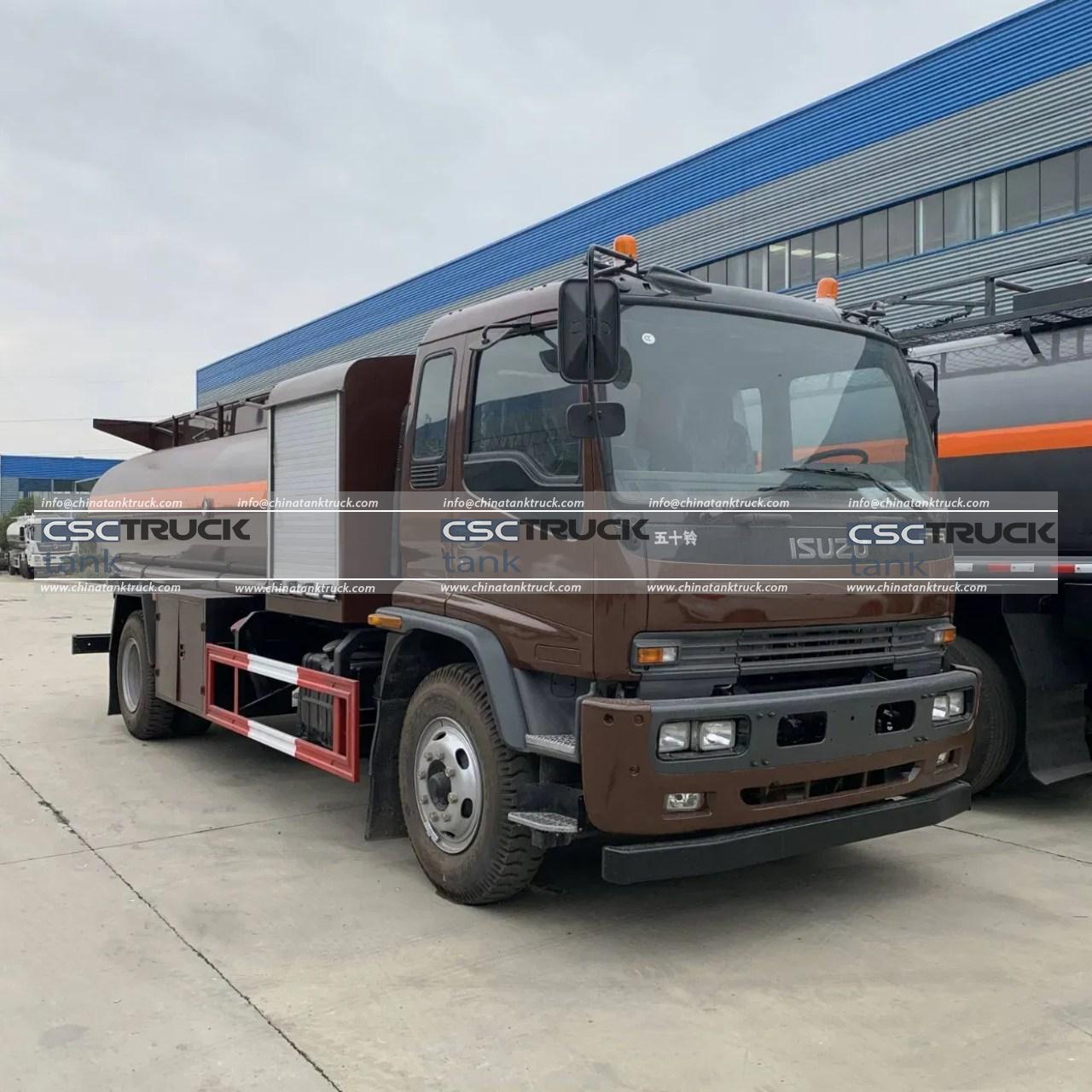
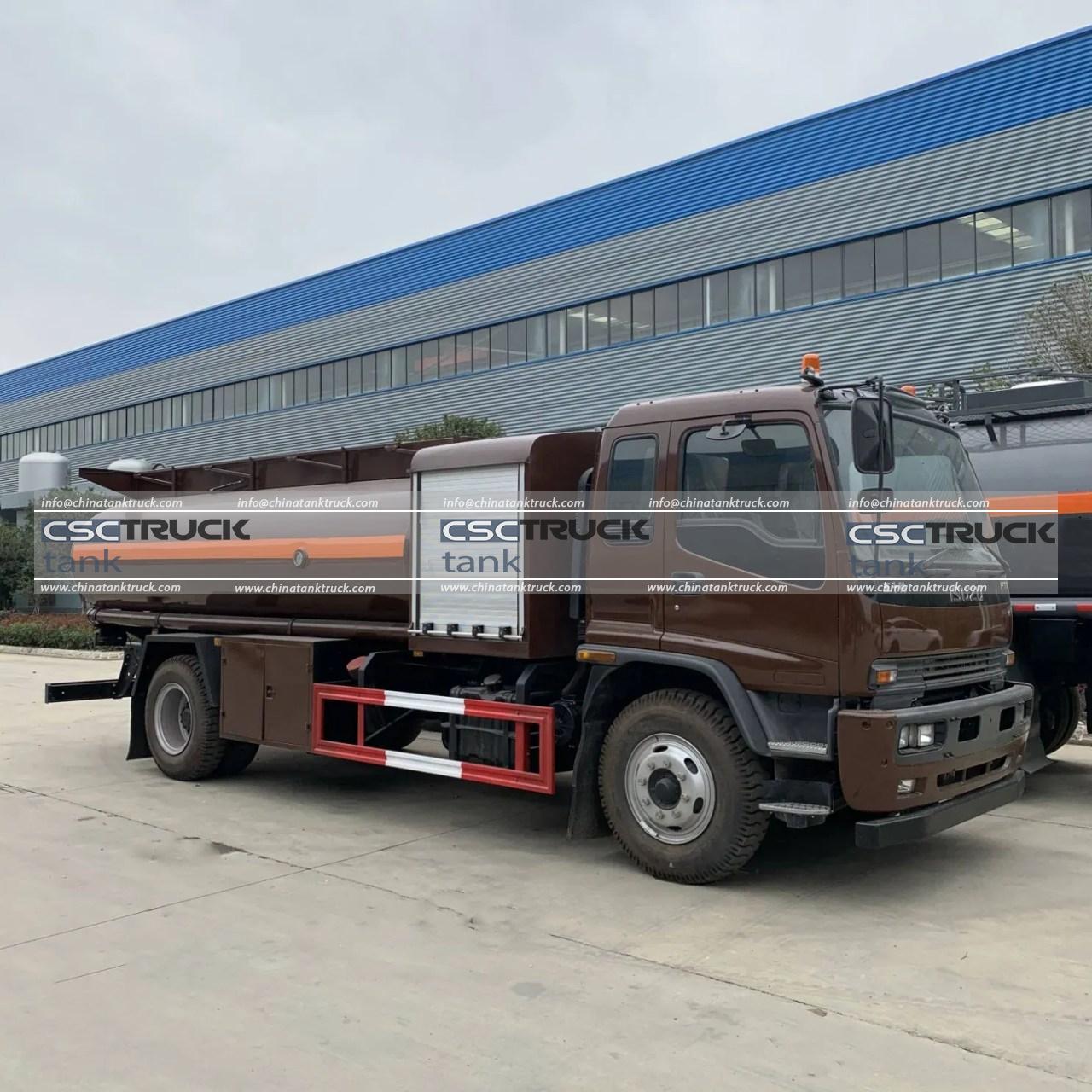
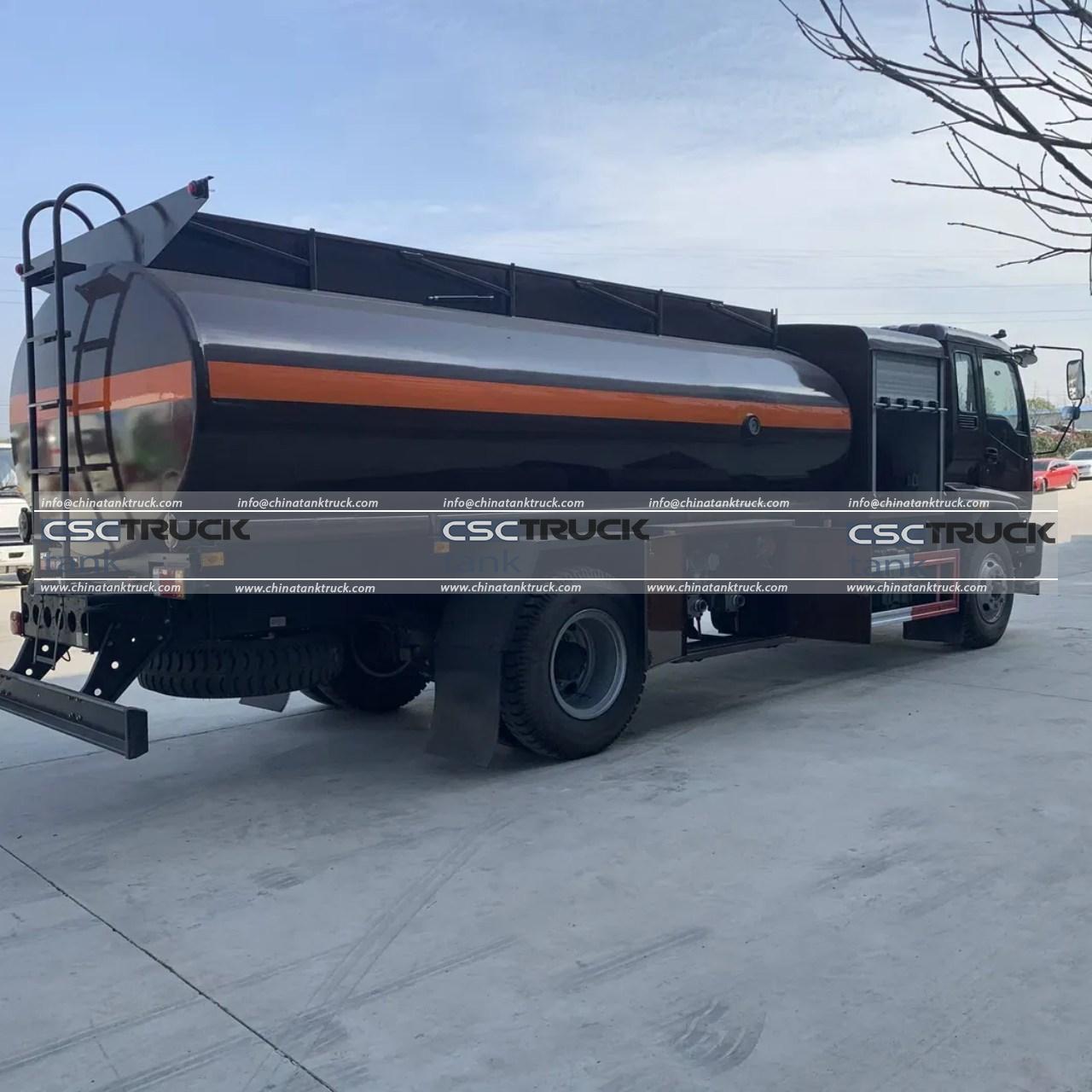
Manufacturers such as CSCTRUCK China Tank Truck have been supplying high-quality aviation refuelers and specialized fuel transport vehicles for customers worldwide. Founded in 2005, CSCTRUCK China Tank Truck designs and manufactures fuel tank trucks that emphasize safety, reliability, and operational efficiency. Their aviation refuelers are built with international-quality manufacturing standards, customizable configurations, and strict quality control to meet the demanding requirements of airports and aviation fuel operators.
Below are 10 essential safety tips every aviation refueler operator should follow.
1. Perform a Complete Pre-Operation Inspection
Every refueling operation should begin with a thorough inspection of the vehicle and equipment.
Check the following items:
- Fuel hoses
- Nozzles
- Pumps
- Valves
- Filtration systems
- Grounding cables
- Tires and brakes
- Emergency shutoff switches
Even minor leaks or damaged components can become serious hazards during fueling. Identifying issues before operation significantly reduces the risk of accidents.
2. Always Ground Both the Aircraft and Refueler
Static electricity is one of the greatest fire risks during aviation fueling.
Before opening any fuel caps or connecting hoses:
- Ground the aviation refueler.
- Bond the refueler to the aircraft.
- Verify all grounding cables are securely connected.
Proper grounding safely dissipates static electricity and prevents sparks that could ignite fuel vapors.
Never skip this step, regardless of weather conditions.
3. Wear Appropriate Personal Protective Equipment (PPE)
Operators should always wear approved PPE while handling aviation fuel.
Recommended equipment includes:
- Flame-resistant clothing
- Safety boots
- Fuel-resistant gloves
- Safety goggles
- High-visibility vest
- Hearing protection when required
PPE protects operators from fuel exposure, slips, impacts, and other workplace hazards.
Avoid loose clothing or accessories that could catch on equipment.

4. Follow Standard Refueling Procedures
Every airport and fuel supplier has established Standard Operating Procedures (SOPs).
Operators should never rely solely on experience.
Instead, consistently follow approved procedures for:
- Vehicle positioning
- Aircraft approach
- Grounding
- Fuel sampling
- Hose connection
- Fuel delivery
- System shutdown
- Documentation
Following standardized procedures minimizes human error and ensures regulatory compliance.
5. Verify Fuel Quality Before Refueling
Fuel contamination is one of the leading causes of aircraft fuel system problems.
Before fueling:
- Draw fuel samples.
- Check for water.
- Inspect for sediment.
- Look for discoloration.
- Confirm proper fuel grade.
Most aviation refuelers include multi-stage filtration systems and water separators, but operators must still perform manual inspections.
Supplying contaminated fuel can cause severe engine damage and flight safety risks.

6. Maintain Safe Driving Practices on the Airfield
An aviation refueler operates in one of the busiest transportation environments in the world.
Drivers should:
- Observe airport speed limits.
- Yield to aircraft at all times.
- Follow designated service routes.
- Watch for ground crews.
- Avoid sudden braking or acceleration.
- Use warning lights when required.
Maintaining situational awareness is critical because aircraft have limited visibility while taxiing.
Safe driving prevents collisions and operational disruptions.
7. Eliminate All Ignition Sources
Jet fuel is less volatile than gasoline, but fuel vapors can still ignite under certain conditions.
Operators should strictly prohibit:
- Smoking
- Open flames
- Sparks
- Unauthorized electrical equipment
- Running unnecessary engines nearby
Mobile phones and electronic devices should only be used if permitted by airport regulations.
Fire extinguishers should always be fully charged, inspected, and readily accessible.
8. Never Leave Refueling Operations Unattended
An operator should remain alert throughout the entire fueling process.
Continuously monitor:
- Fuel flow rate
- Pressure gauges
- Hose connections
- Tank levels
- Aircraft fuel indicators
Unexpected pressure changes or leaks require immediate action.
If any abnormal condition occurs:
- Stop fueling immediately.
- Shut down pumps.
- Notify airport personnel if necessary.
Constant supervision significantly reduces the likelihood of overfilling or equipment failure.
9. Be Prepared for Emergency Situations
Even with excellent safety practices, emergencies can still occur.
Operators should receive regular training in:
- Fire response
- Fuel spill containment
- Emergency shutdown
- First aid
- Airport emergency procedures
- Evacuation protocols
Emergency spill kits should always be carried onboard.
Quick and correct responses help minimize injuries, environmental damage, and operational downtime.
Regular emergency drills keep operators prepared for real-world incidents.
10. Participate in Ongoing Safety Training
Technology, airport regulations, and fueling equipment continue to evolve.
Professional operators should regularly update their knowledge through:
- Refresher training
- Equipment certification
- Airport safety courses
- Manufacturer training
- Hazard recognition programs
Continuous education improves operational efficiency while reinforcing safe work habits.
Companies that invest in regular operator training often experience fewer accidents, lower maintenance costs, and improved service quality.
Why Equipment Quality Matters
While operator skills are essential, high-quality equipment also plays a major role in aviation fueling safety.
Reliable aviation refuelers should include features such as:
- High-efficiency fuel filtration systems
- Accurate flow metering
- Anti-static grounding equipment
- Emergency shutoff controls
- Leak-resistant piping
- Corrosion-resistant tanks
- Easy-access maintenance points
- Ergonomic control layouts
Manufacturers like CSCTRUCK China Tank Truck design aviation refuelers with these safety-focused features to support reliable airport fueling operations. Their customizable fuel trucks are widely used for civil aviation, military airports, and industrial fuel distribution, combining robust construction with advanced quality-control processes.

Conclusion
Safety is the foundation of every successful aviation refueling operation. Even the most advanced aviation refueler cannot compensate for unsafe operating practices or insufficient training. By conducting thorough inspections, following standard operating procedures, maintaining equipment properly, and staying vigilant throughout every fueling operation, operators can significantly reduce risks while ensuring safe and efficient aircraft servicing.
Whether managing a small regional airport or a major international aviation hub, investing in skilled operators and dependable equipment is essential. Choosing reliable manufacturers such as CSCTRUCK China Tank Truck and maintaining a strong safety culture helps protect personnel, safeguard valuable aircraft, and ensure uninterrupted airport operations for years to come.
