
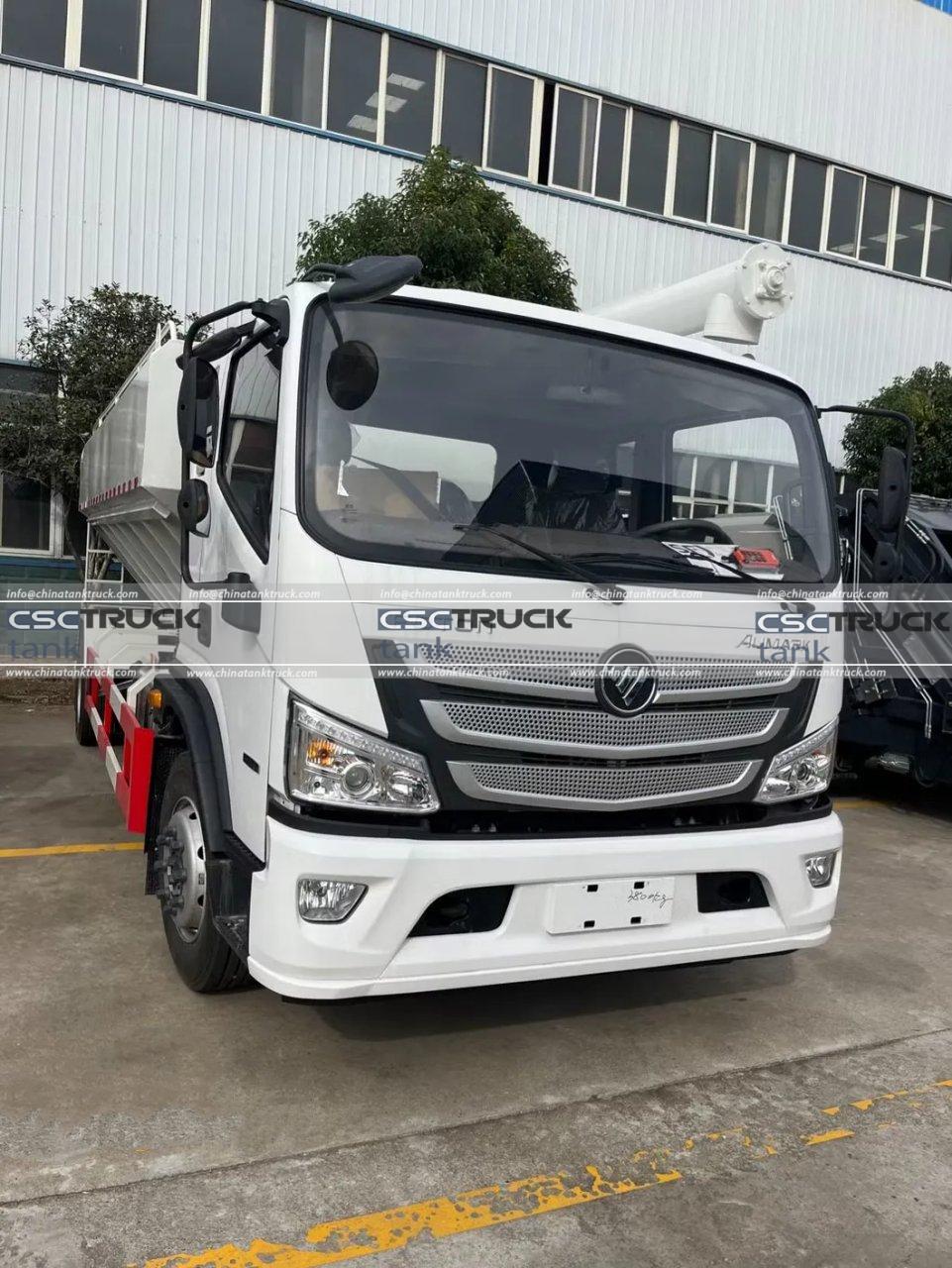
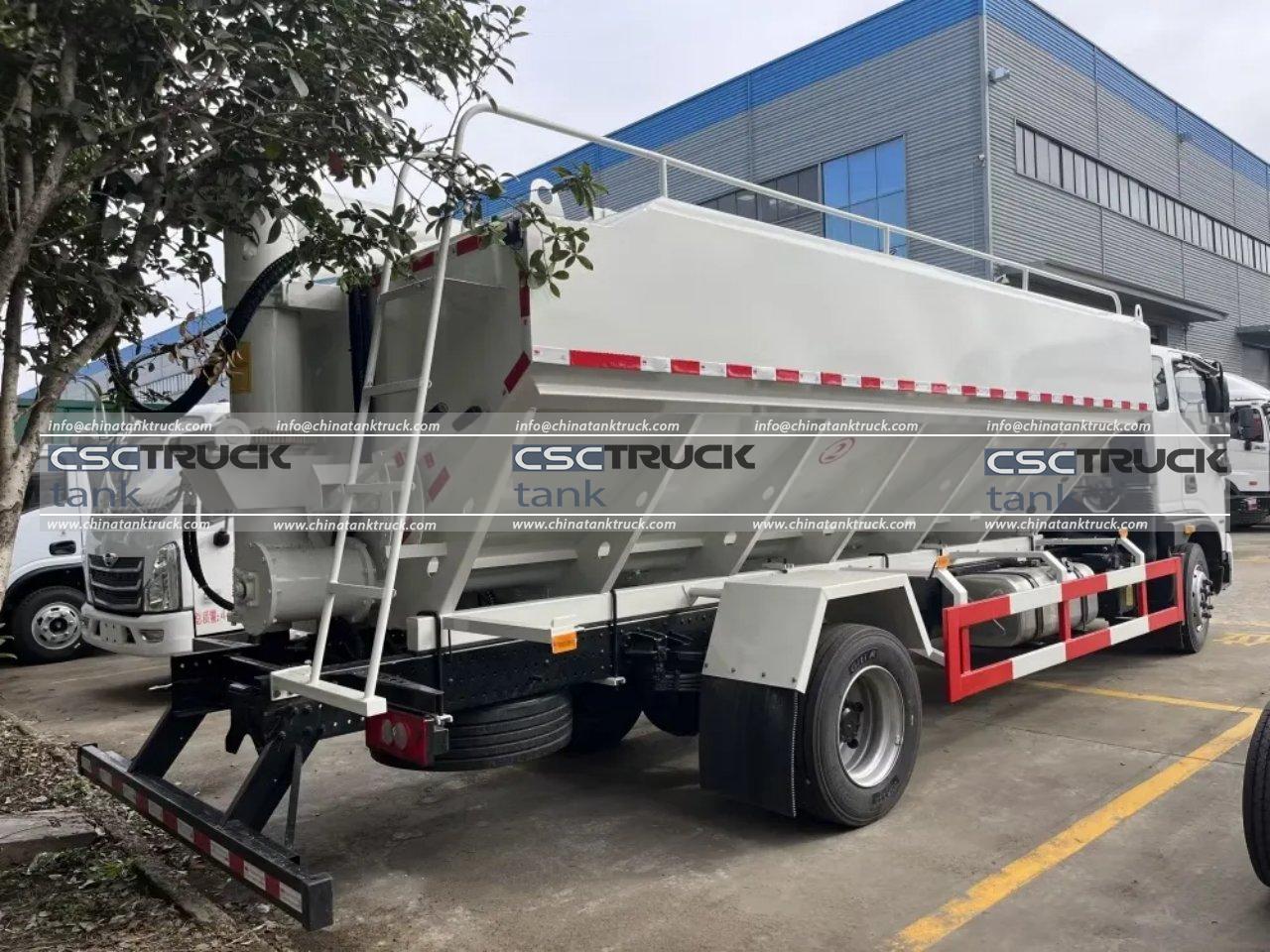
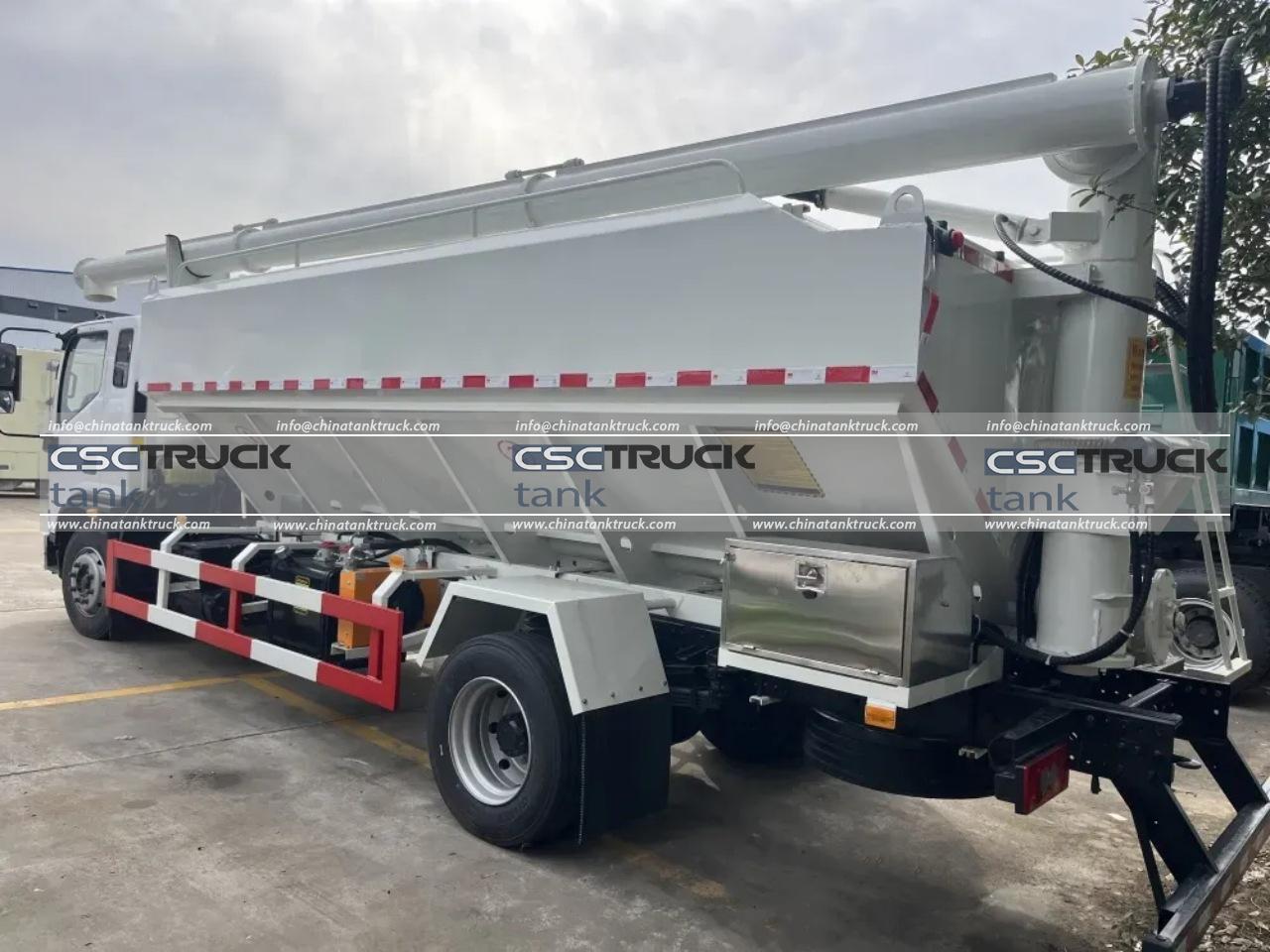
Pneumatic tank trucks play a critical role in transporting dry bulk materials such as cement, fly ash, lime powder, flour, plastic pellets, and chemical powders. Unlike liquid tankers, these specialized vehicles rely on compressed air to discharge cargo quickly and efficiently without mechanical conveyors. One of the most important technical parameters of any pneumatic tank truck is its maximum operating pressure. Understanding this specification helps fleet operators improve unloading efficiency, maintain safety, and extend equipment lifespan.
Among the leading manufacturers in this field, CSCTRUCK China Tank Truck has established a strong reputation for producing high-quality pneumatic tank trucks for domestic and international markets. Founded in 2005, the company designs and manufactures a wide range of specialized tank trucks, including dry bulk pneumatic tankers with various capacities, axle configurations, and customized discharge systems. Their products are widely used in construction, mining, food processing, and chemical industries, offering reliable performance and compliance with international quality standards.
What Does Operating Pressure Mean?
The operating pressure of a pneumatic tank truck refers to the compressed air pressure used during the unloading process. Air from an onboard compressor enters the tank, fluidizes the dry bulk material, and pushes it through discharge pipelines into storage silos.
This pressure is measured in:
- Bar (bar)
- Megapascal (MPa)
- Pounds per square inch (psi)
For reference:
- 1 bar = 0.1 MPa
- 1 MPa ≈ 145 psi
- 1 bar ≈ 14.5 psi
Operating pressure is different from the tank’s design pressure or hydrostatic test pressure. The operating pressure is the normal working pressure during unloading, while the design pressure includes an additional safety margin.
Typical Maximum Operating Pressure
Most modern pneumatic tank trucks operate within the following pressure range:
| Truck Type | Typical Operating Pressure |
|---|---|
| Cement Tank Truck | 0.18–0.22 MPa |
| Fly Ash Tank Truck | 0.18–0.22 MPa |
| Lime Powder Tank Truck | 0.18–0.22 MPa |
| Food Grade Pneumatic Tanker | 0.15–0.20 MPa |
| Chemical Powder Tank Truck | 0.18–0.25 MPa |
The maximum operating pressure for many commercial pneumatic tank trucks is approximately:
0.2 MPa (2 bar or about 29 psi)
Some heavy-duty industrial models are engineered to safely operate at:
- 0.25 MPa
- 0.3 MPa
Higher pressures are generally reserved for transporting difficult-to-fluidize materials or for unloading through longer pipelines.
Why Isn’t Higher Pressure Always Better?
Many people assume that higher air pressure automatically results in faster unloading. However, excessive pressure can actually create several problems.
These include:
Material Damage
Fragile products such as plastic pellets or food powders may break apart under excessive pressure.
Pipeline Wear
High-velocity materials increase abrasion inside discharge pipes, elbows, and valves.
Increased Compressor Load
The onboard air compressor must work harder to maintain higher pressure, increasing fuel consumption and maintenance costs.
Safety Risks
Over-pressurization can damage the tank structure or activate safety relief valves.
Therefore, manufacturers carefully specify an optimal operating pressure instead of simply maximizing it.

Factors Affecting Operating Pressure
Several factors determine the ideal operating pressure.
1. Material Characteristics
Different materials require different airflow and pressure.
Examples include:
- Cement flows easily after fluidization.
- Fly ash is extremely fine and requires a stable airflow.
- Lime powder tends to absorb moisture.
- Flour requires lower pressure to avoid dust explosions.
- Plastic pellets require smooth transport without breakage.
2. Tank Volume
Larger tanks require greater air volume rather than significantly higher pressure.
A 20 m³ tank and a 50 m³ tank may operate at similar pressures, but the larger truck typically uses a higher-capacity compressor.
3. Discharge Distance
Longer unloading pipelines create additional resistance.
For example:
- Short pipeline (10 meters): lower pressure is sufficient
- Medium pipeline (30 meters): moderate pressure
- Long pipeline (60 meters or more): higher operating pressure may be necessary
4. Vertical Height
Lifting materials into tall silos requires additional pressure to overcome gravity.
Industrial cement plants with silos exceeding 30 meters often require stronger pneumatic systems.
Air Compressor Performance
Operating pressure depends heavily on the truck’s air compressor.
Common compressor capacities include:
- 6 m³/min
- 8 m³/min
- 10 m³/min
- 12 m³/min
Larger compressors provide greater airflow while maintaining stable operating pressure throughout unloading.
Many modern pneumatic tank trucks use PTO-driven compressors powered directly by the truck engine, eliminating the need for separate engines and improving efficiency.
Tank Design Pressure vs Operating Pressure
It is important to distinguish between these 2 specifications.
| Specification | Typical Value |
|---|---|
| Operating Pressure | 0.2 MPa |
| Design Pressure | 0.22–0.3 MPa |
| Hydrostatic Test Pressure | Higher than design pressure |
The tank is engineered with a safety factor to withstand pressures above normal operating conditions.
Pressure relief valves automatically release excess air if pressure exceeds safe limits.
Safety Features
Modern pneumatic tank trucks include multiple safety systems to prevent over-pressurization.
These typically include:
- Pressure gauges
- Safety relief valves
- Air pressure regulators
- Emergency shutoff valves
- Check valves
- Compressor protection systems
These components ensure stable unloading while protecting both operators and equipment.
How Pressure Influences Unloading Speed
Unloading efficiency depends on a combination of pressure and airflow.
Typical unloading times include:
| Tank Capacity | Approximate Unloading Time |
|---|---|
| 20 m³ | 20–30 minutes |
| 30 m³ | 25–35 minutes |
| 40 m³ | 30–45 minutes |
| 50 m³ | 40–60 minutes |
Increasing pressure beyond recommended levels rarely produces significant time savings because airflow and material fluidization become the limiting factors.
Pressure Requirements for Different Materials
Different industries often require customized pneumatic systems.
Cement
Cement is one of the easiest materials to transport pneumatically.
Typical operating pressure:
0.18–0.20 MPa
Fly Ash
Fly ash has very fine particles and flows well when properly aerated.
Typical operating pressure:
0.18–0.22 MPa
Lime Powder
Lime can absorb moisture and become compacted.
Typical operating pressure:
0.20–0.25 MPa
Flour
Food-grade flour requires careful handling to prevent contamination and excessive dust generation.
Typical operating pressure:
0.15–0.18 MPa
Chemical Powders
Operating pressure depends on particle density and chemical characteristics.
Typical range:
0.18–0.25 MPa
How CSCTRUCK China Tank Truck Optimizes Operating Pressure
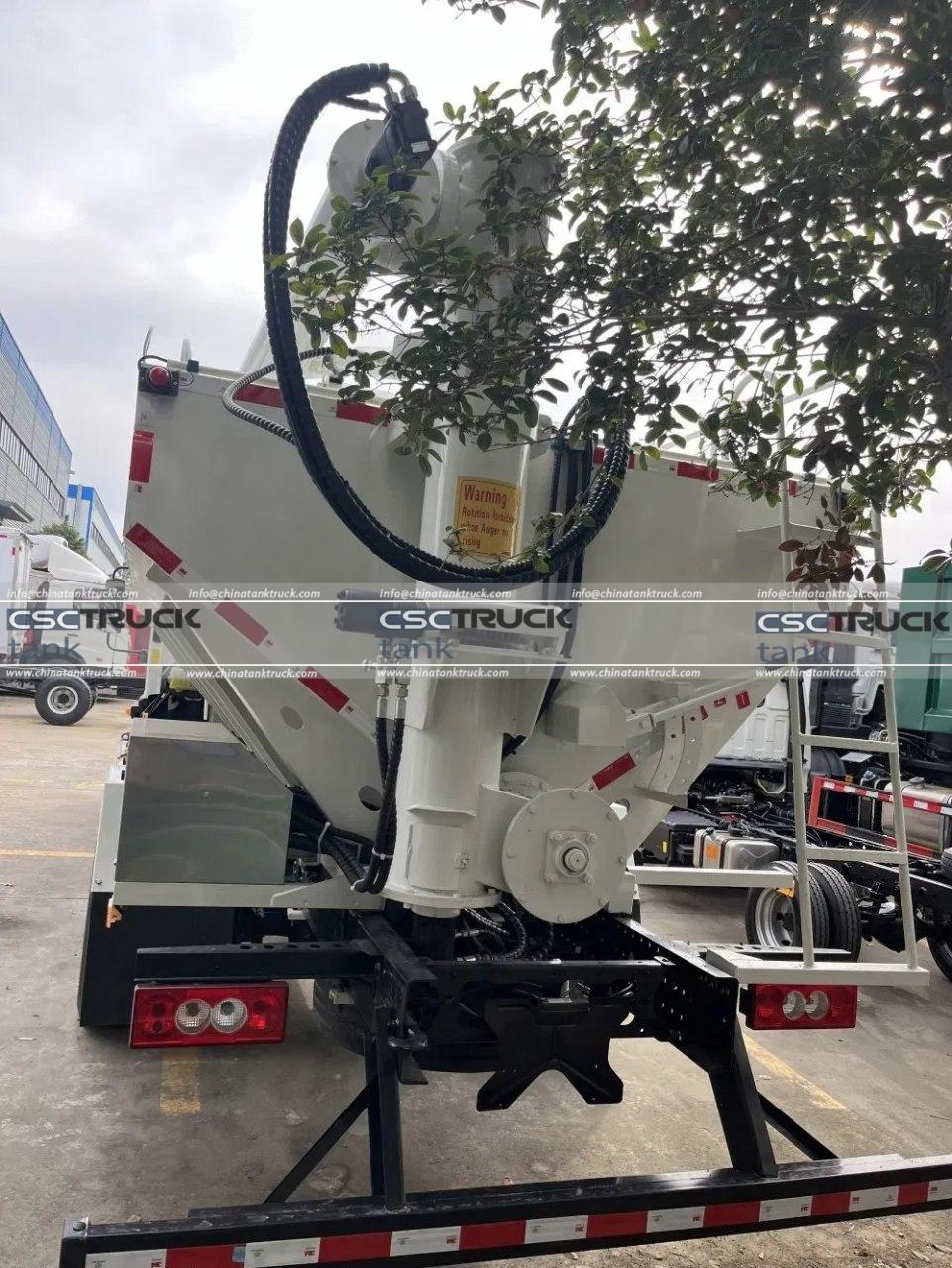
CSCTRUCK China Tank Truck offers pneumatic tank trucks in multiple configurations, including 4×2, 6×4, and 8×4 chassis with tank capacities designed for different transport applications. Their pneumatic tankers incorporate advanced pneumatic conveying systems, durable carbon steel or optional material construction, and efficient air compressor systems to maintain stable operating pressure while improving unloading performance. Depending on customer requirements, trucks can be configured for cement, fly ash, lime powder, food-grade powders, or other dry bulk materials.
Maintenance Tips for Maintaining Proper Pressure
Operators should regularly inspect the pneumatic system to maintain safe operating pressure.
Recommended maintenance includes:
- Inspect air compressor performance
- Check pressure gauges regularly
- Replace worn seals
- Clean air filters
- Inspect discharge pipelines
- Test safety valves
- Check fluidizing membranes inside the tank
- Repair air leaks immediately
Proper maintenance not only improves unloading efficiency but also reduces fuel consumption and extends equipment life.

Conclusion
The maximum operating pressure of a pneumatic tank truck is typically around 0.2 MPa (2 bar or approximately 29 psi), although specialized models may safely operate at 0.25–0.3 MPa depending on the cargo and unloading conditions. Selecting the appropriate operating pressure is essential for achieving efficient material discharge while protecting the tank, compressor, pipelines, and transported products.
Manufacturers such as CSCTRUCK China Tank Truck engineer their pneumatic tank trucks with carefully balanced pneumatic systems that deliver the right combination of pressure and airflow for a wide variety of dry bulk materials. By understanding operating pressure and following proper maintenance practices, fleet operators can maximize productivity, ensure safe operation, and reduce long-term operating costs.