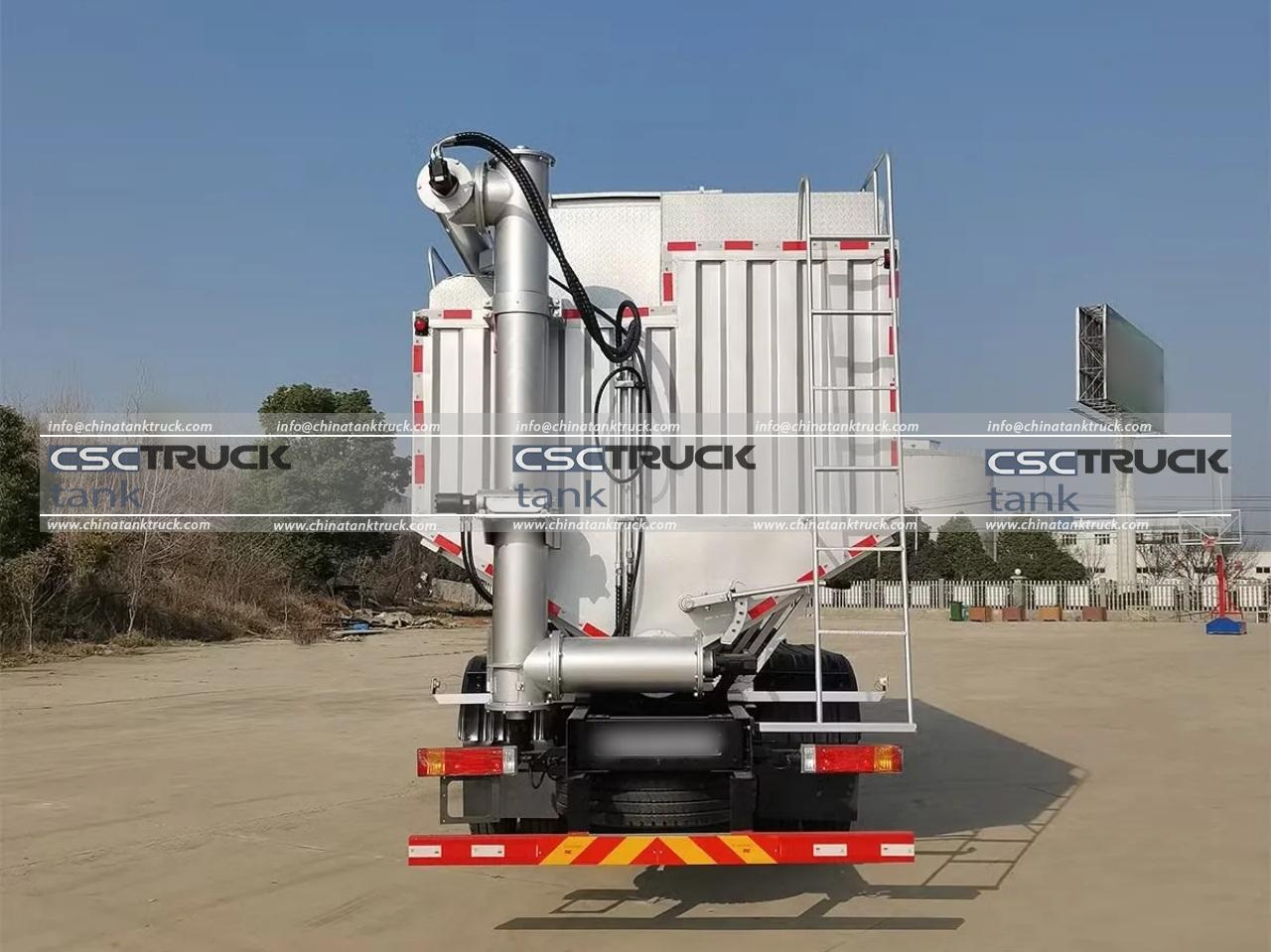

Selecting the right engine horsepower is one of the most important decisions when purchasing a pneumatic tank truck. While tank volume, axle configuration, and compressor capacity often receive the most attention, engine power directly affects hauling performance, fuel economy, climbing ability, operational efficiency, and long-term maintenance costs.
The ideal horsepower depends on several factors, including payload, terrain, transport distance, chassis configuration, and the type of bulk powder being transported. An underpowered truck may struggle on hills and consume more fuel under heavy loads, while an oversized engine may unnecessarily increase purchase costs and operating expenses.
Manufacturers such as CSCTRUCK China Tank Truck offer a wide range of pneumatic tank trucks with different horsepower options to match various transportation requirements. Founded in 2005, CSCTRUCK China Tank Truck specializes in manufacturing tank trucks for transporting dry bulk materials such as cement, fly ash, lime powder, flour, plastic pellets, and chemical powders. The company provides multiple chassis and engine configurations, enabling customers to select the most suitable combination for their working conditions.
Why Engine Horsepower Matters
Horsepower determines how much work the engine can perform over time. For pneumatic tank trucks, engine power influences:
- Acceleration with a full load
- Hill-climbing capability
- Highway cruising speed
- Fuel efficiency under heavy loads
- Compressor operation (on PTO-driven systems)
- Overall vehicle lifespan
Unlike standard cargo trucks, pneumatic tank trucks usually operate near their maximum gross vehicle weight while also powering an air compressor during unloading. This places greater demands on the engine.
Choosing sufficient horsepower ensures smooth transportation without placing excessive strain on the drivetrain.

Factors That Determine the Recommended Horsepower
1. Tank Capacity
Larger tanks generally require more powerful engines.
Typical recommendations include:
| Tank Volume | Recommended Horsepower |
|---|---|
| 20–25 m³ | 180–240 HP |
| 30–35 m³ | 240–300 HP |
| 38–45 m³ | 280–350 HP |
| 46–50 m³ | 320–400 HP |
| Above 50 m³ | 380–460 HP |
The larger the payload, the more torque and horsepower are needed for efficient transportation.
2. Payload Weight
Although pneumatic tank trucks transport lightweight powders by volume, many materials still create significant total vehicle weight.
Examples include:
- Cement
- Fly ash
- Lime powder
- Mineral powder
- Silica flour
- Bentonite
- Industrial chemicals
Fully loaded trucks may operate close to legal gross vehicle weight limits, making adequate horsepower essential.
3. Road Conditions
Terrain plays a major role in horsepower selection.
Flat Highways
For operations primarily on level highways:
- 240–300 HP is usually sufficient.
Rolling Hills
Frequent inclines require:
- 300–350 HP
Mountainous Regions
Heavy climbs demand:
- 350–420 HP
More horsepower reduces engine stress and improves driving comfort.
4. Axle Configuration
Different chassis configurations require different engine outputs.
4×2 Pneumatic Tank Truck
Typical horsepower:
- 180–260 HP
Suitable for:
- Smaller tanks
- Short-distance transport
- Urban deliveries
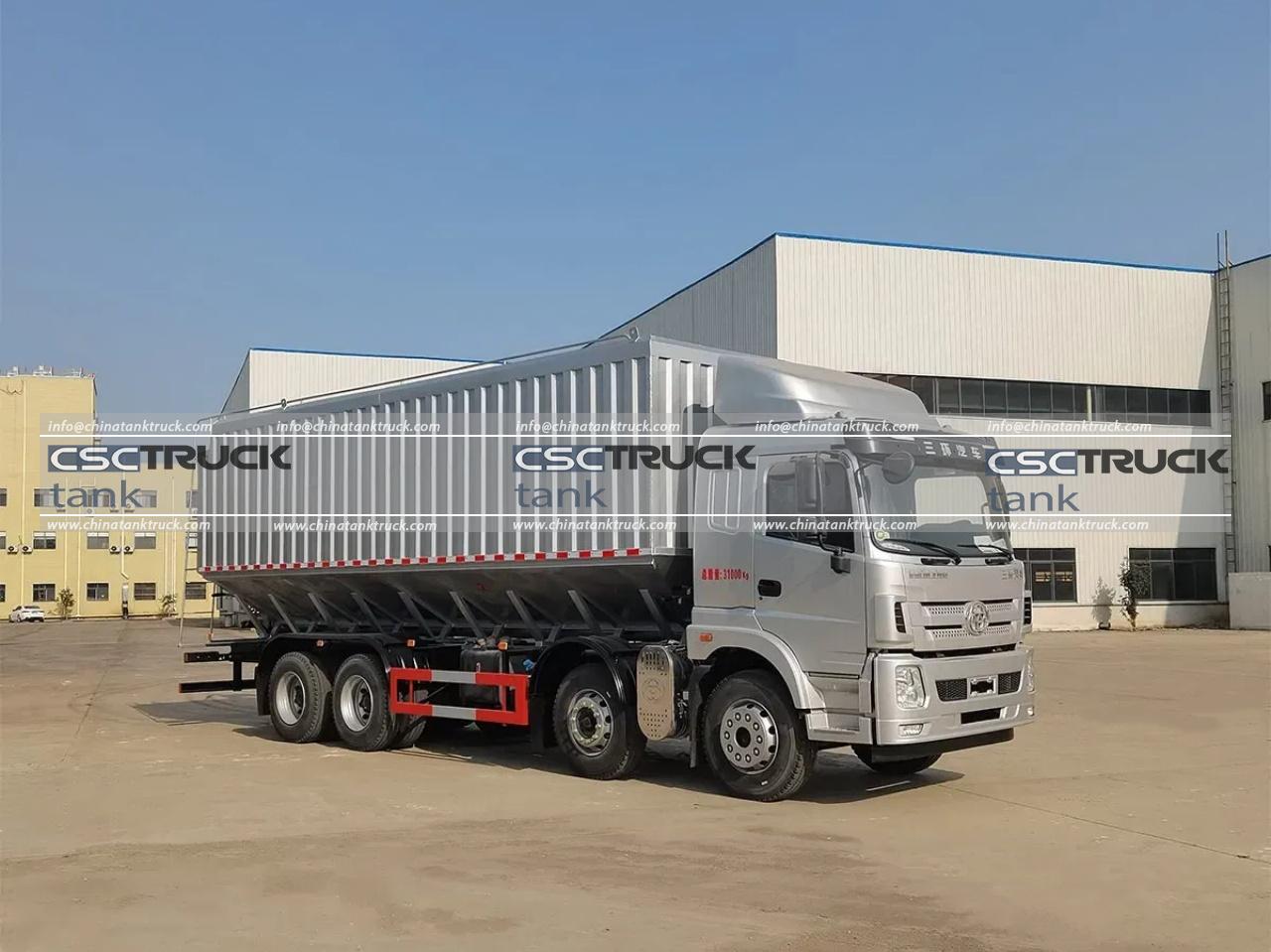
6×4 Pneumatic Tank Truck
Typical horsepower:
- 280–350 HP
Suitable for:
- Medium to large tankers
- Regional distribution
- Cement transportation
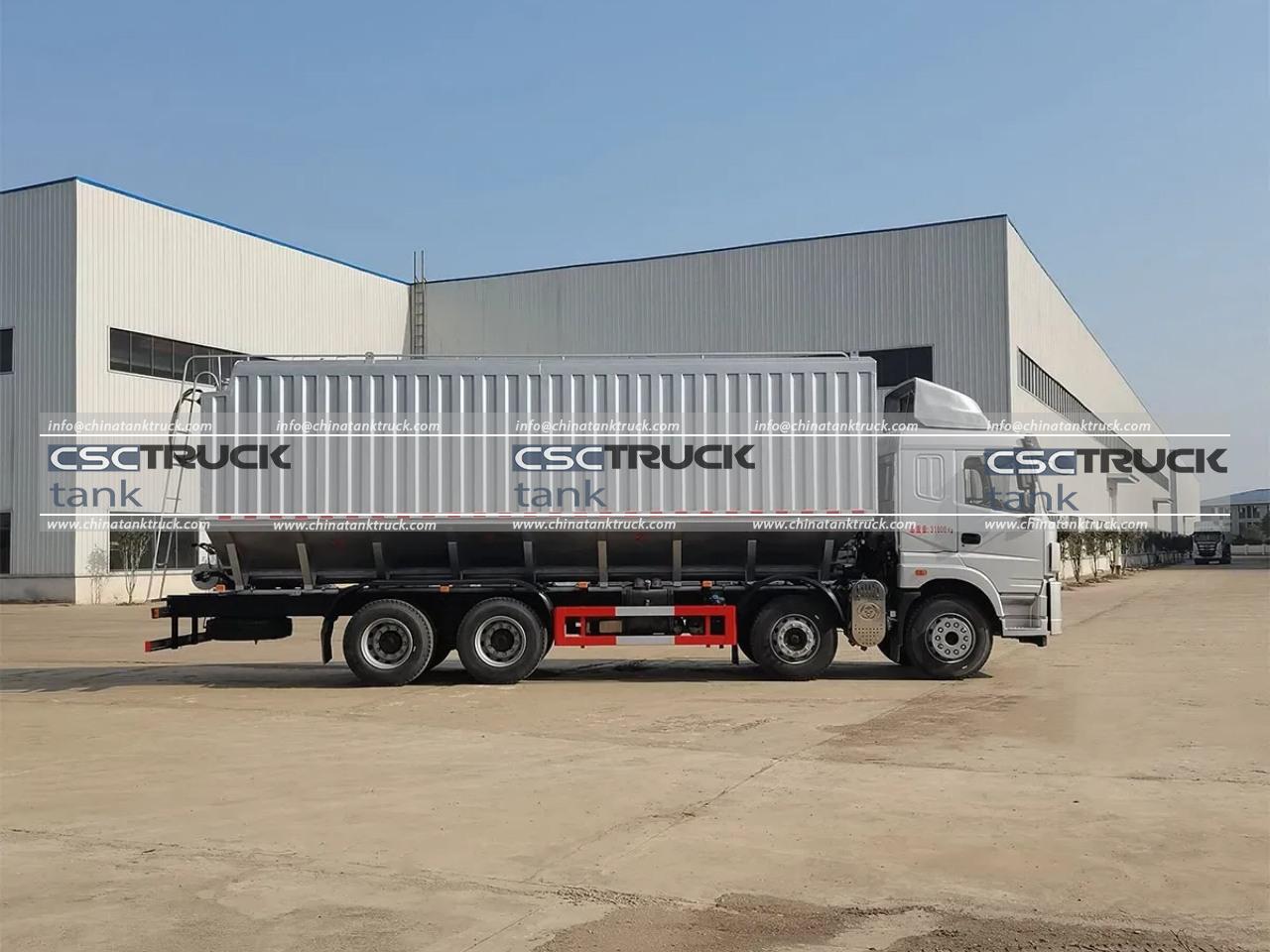
8×4 Pneumatic Tank Truck
Typical horsepower:
- 340–420 HP
Suitable for:
- Large-capacity tankers
- Long-distance hauling
- Heavy industrial applications
CSCTRUCK China Tank Truck offers multiple chassis options, including 4×2, 6×4, and 8×4 configurations with matching engine ratings for different payloads.
Horsepower vs. Torque
Many buyers focus only on horsepower.
However, torque is often even more important.
Horsepower affects:
- Maximum speed
- Highway performance
Torque affects:
- Starting with heavy loads
- Hill climbing
- Pulling power
- Low-speed operation
Modern diesel engines are designed to produce high torque at relatively low engine speeds, making them ideal for heavy-duty bulk transport.
Typical Horsepower Ranges
220–260 HP
Best suited for:
- Small tank trucks
- Urban delivery
- Short-haul routes
- Lightweight materials
Advantages:
- Lower purchase price
- Better fuel economy
- Reduced maintenance costs
Limitations:
- Less effective on steep grades
- Lower acceleration when fully loaded
280–320 HP
This is considered the most versatile range.
Ideal for:
- 30–40 m³ tanks
- Cement transport
- Fly ash delivery
- Regional logistics
Benefits include:
- Balanced fuel consumption
- Good climbing ability
- Reliable highway performance
Many fleet operators consider this horsepower range the best value.
340–380 HP
Recommended for:
- 45–50 m³ pneumatic tankers
- Long-distance transport
- Heavy construction projects
Advantages include:
- Excellent acceleration
- Better overtaking performance
- Reduced engine strain
- Higher productivity
400 HP and Above
Used for:
- Maximum payload operations
- Mining
- Mountain transport
- Export markets with higher legal weight limits
Benefits:
- Outstanding pulling power
- Better performance in difficult terrain
- Reduced engine stress during continuous heavy-duty operation
The tradeoff is a higher purchase cost and slightly increased fuel consumption.
Fuel Economy Considerations
Many buyers assume larger engines always consume significantly more fuel.
In reality:
A properly matched high-horsepower engine may consume less fuel than an underpowered engine working continuously at maximum load.
An engine operating comfortably within its optimal range experiences:
- Lower wear
- Better combustion
- Improved efficiency
- Longer service life
Therefore, selecting horsepower should be based on the operating environment rather than choosing the smallest available engine.
PTO and Compressor Requirements
Most pneumatic tank trucks use a Power Take-Off (PTO) system to drive the air compressor during unloading.
While unloading, the engine must simultaneously:
- Idle steadily
- Drive the compressor
- Maintain adequate air pressure
- Prevent stalling
Higher horsepower engines generally provide more stable compressor operation, especially for large-capacity tanks requiring extended unloading times.
Examples from CSCTRUCK China Tank Truck
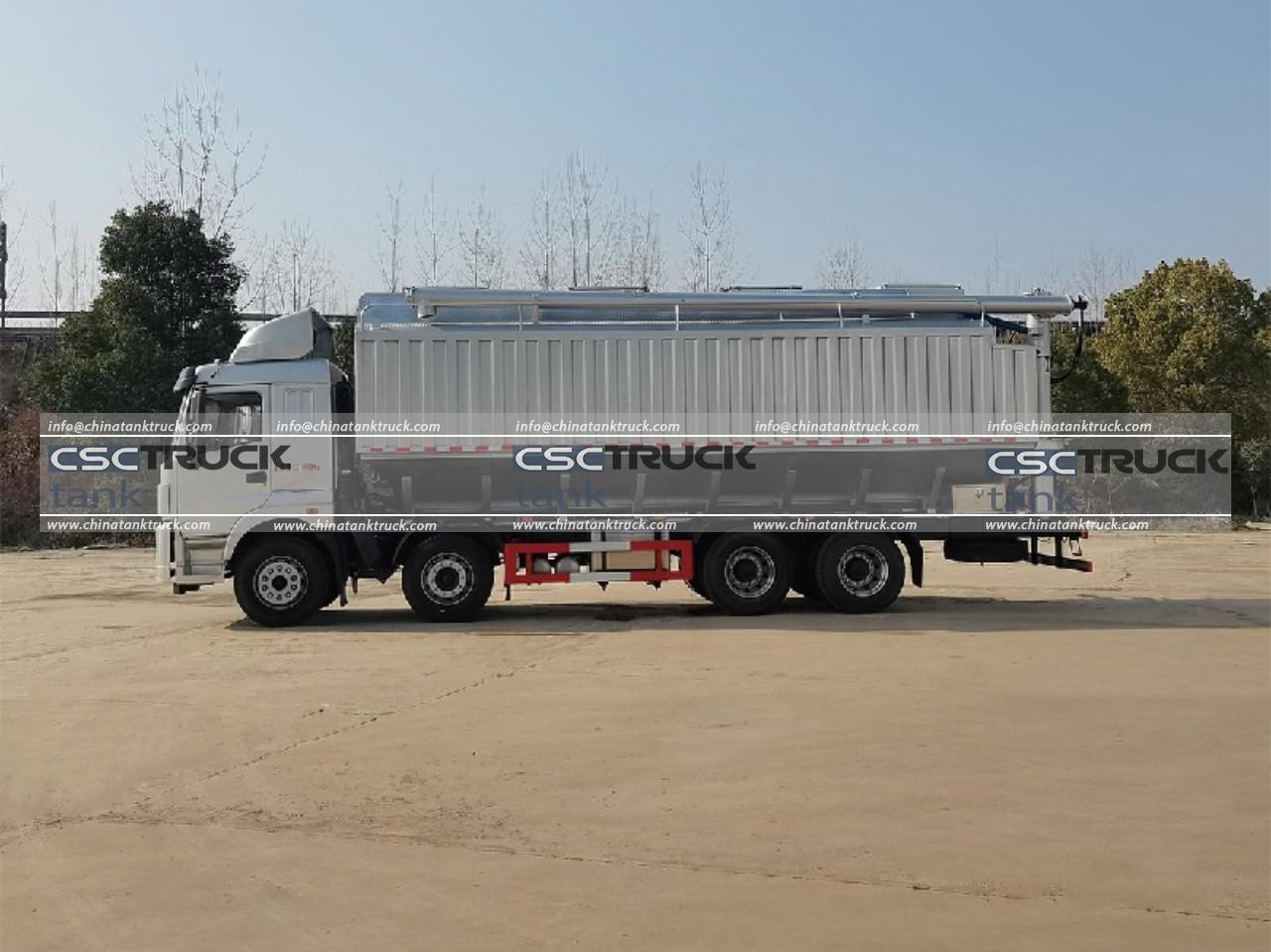
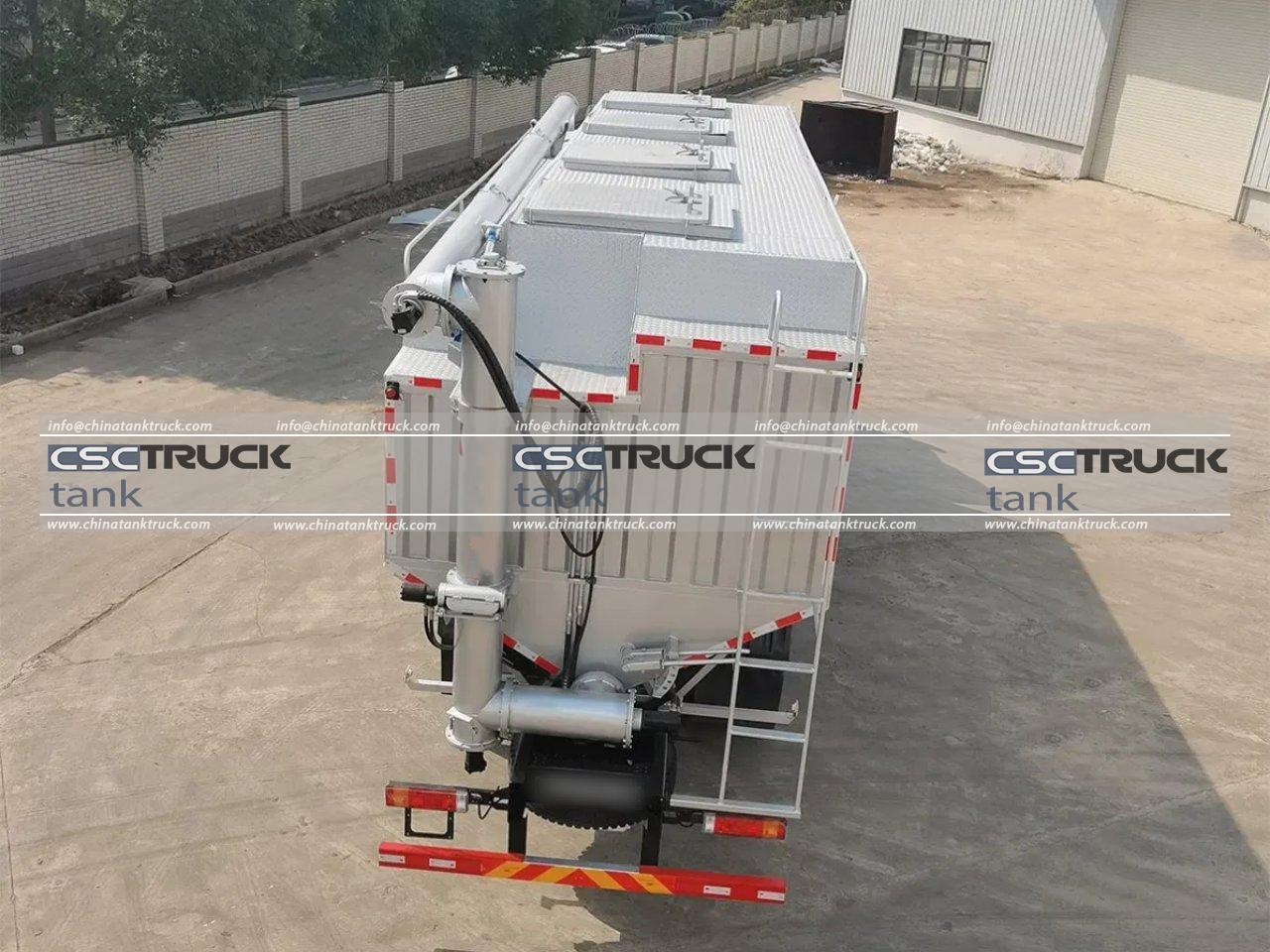
CSCTRUCK China Tank Truck manufactures pneumatic tank trucks with various engine options depending on customer requirements.
Examples include:
- 260 HP for 38 m³ models
- 350 HP for 46 m³ 8×4 models
- Customized higher-power configurations for demanding applications
These configurations are designed to balance payload capacity, fuel economy, and operational efficiency while meeting different regional regulations and customer preferences.
How to Choose the Right Horsepower
When selecting engine power, ask the following questions:
- What material will be transported?
- What is the average payload?
- How far are the delivery routes?
- Are roads mostly flat or mountainous?
- What axle configuration is required?
- Will the truck operate continuously every day?
- What are the local legal weight limits?
Answering these questions helps determine the most cost-effective horsepower range.
Final Recommendation
There is no universal “best” engine horsepower for every pneumatic tank truck. Instead, the recommended output should match the truck’s capacity, operating environment, and transportation demands.
For most operators:
- 220–260 HP is suitable for smaller 4×2 trucks handling urban or short-distance deliveries.
- 280–320 HP offers an excellent balance for medium-capacity 6×4 pneumatic tank trucks and is often the preferred choice for cement and fly ash transport.
- 340–380 HP is recommended for larger 8×4 trucks, long-haul operations, and heavier payloads.
- 400 HP or more is ideal for maximum-capacity tankers working in mountainous regions or intensive industrial applications.
Investing in the appropriate horsepower improves hauling efficiency, reduces mechanical stress, enhances fuel economy under real operating conditions, and increases the overall productivity and lifespan of the pneumatic tank truck. When paired with a well-designed chassis, efficient pneumatic discharge system, and quality manufacturing, the right engine ensures reliable performance throughout years of demanding dry bulk transportation.