
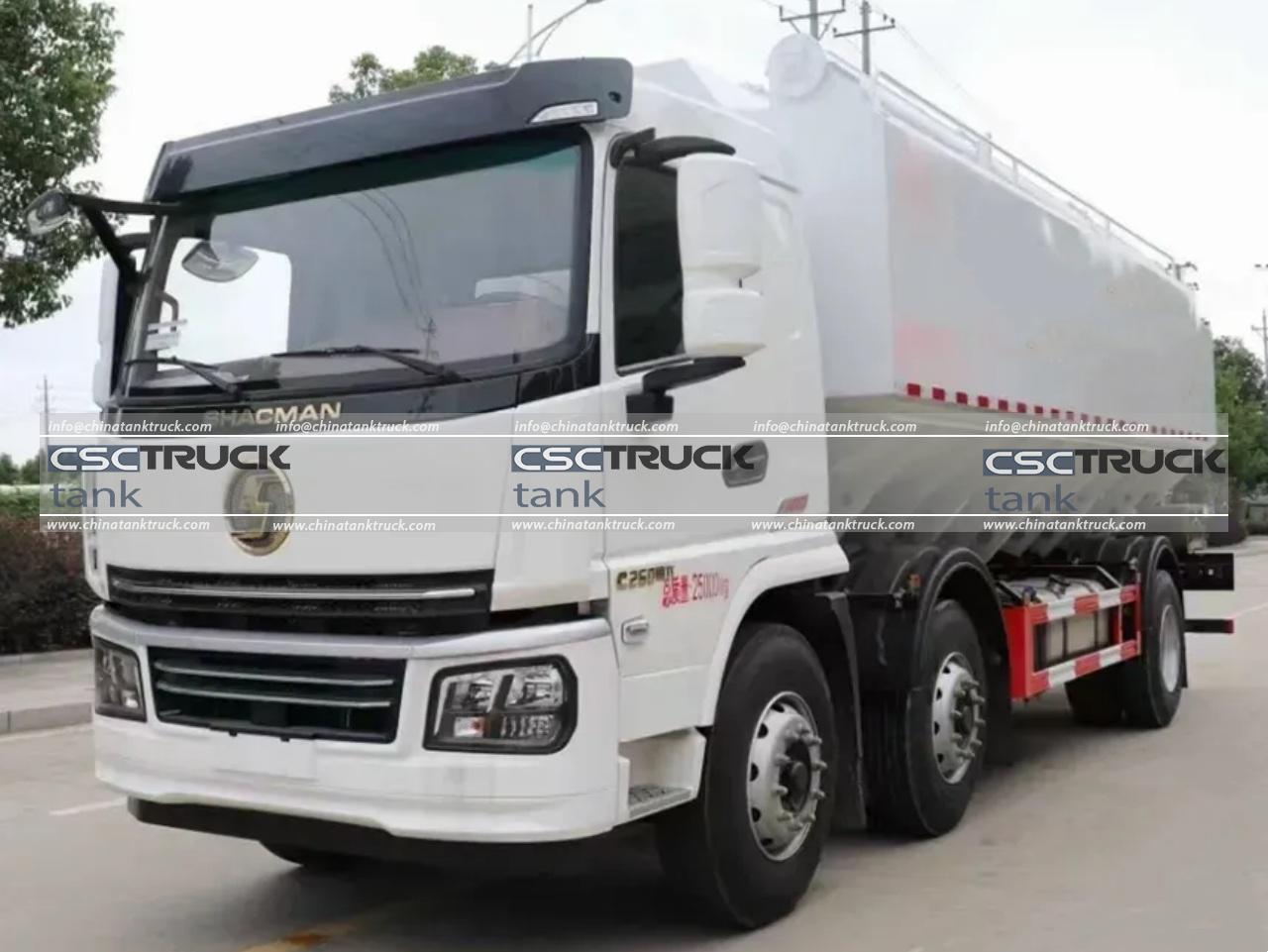
Pneumatic tank trucks are essential for transporting dry bulk materials such as cement, fly ash, lime, flour, plastic pellets, and other powdered or granular products. Their greatest advantage is the ability to unload cargo quickly and cleanly using compressed air instead of mechanical tipping or conveyors. One of the most common questions among operators and fleet managers is: What air pressure is required to unload a pneumatic tank truck?
The answer depends on several factors, including the type of material, pipeline length, tank design, blower capacity, and unloading distance. However, most pneumatic tank trucks operate within a relatively narrow pressure range that ensures efficient unloading without damaging the cargo or the equipment.
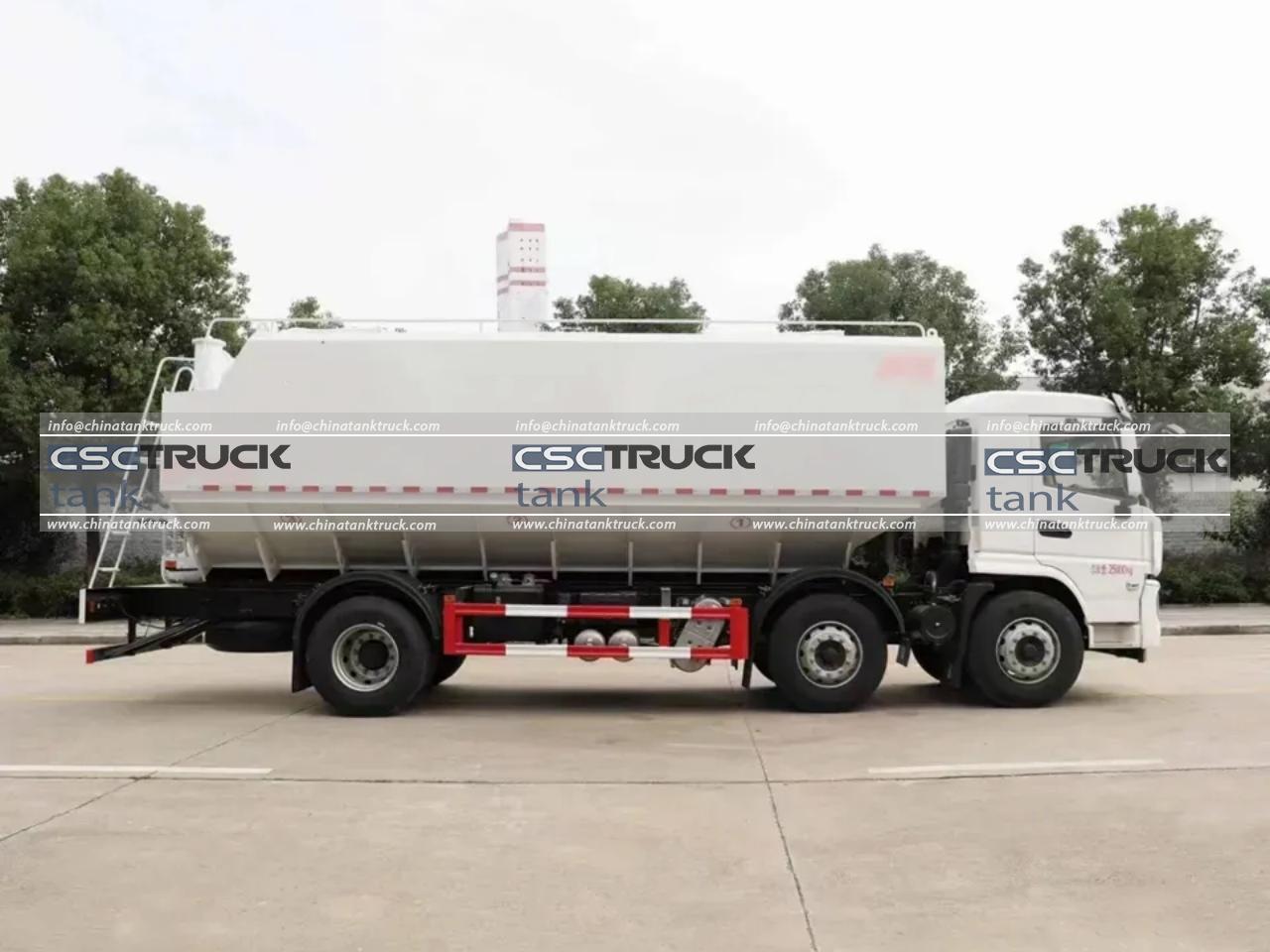
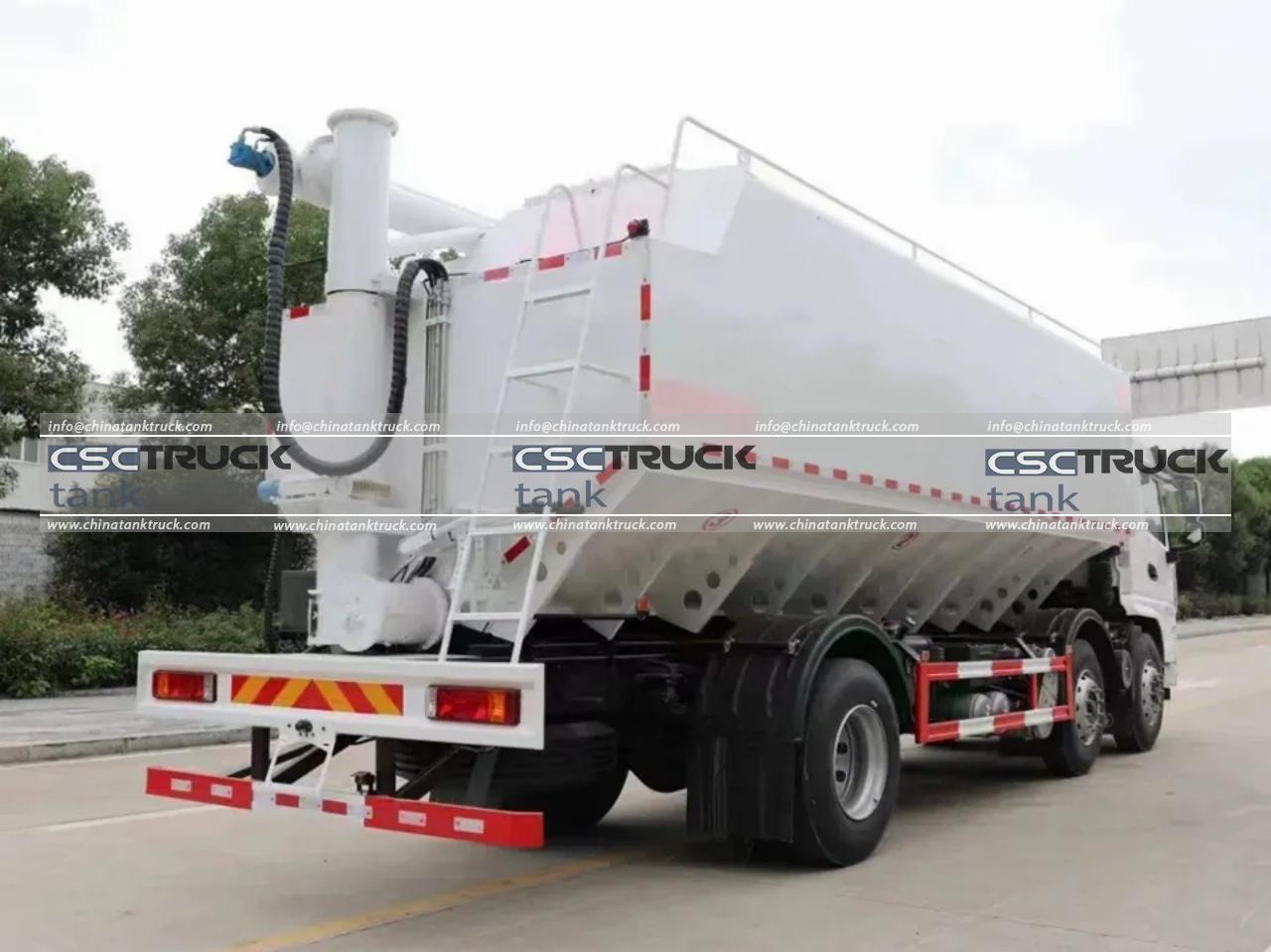
Manufacturers such as CSCTRUCK China Tank Truck design pneumatic bulk tankers with optimized pressure systems, efficient blowers, and durable piping to achieve fast, reliable unloading for various industrial applications. Founded in 2005, the company specializes in manufacturing tank trucks for transporting liquids, gases, and dry bulk materials while providing customized configurations for customers worldwide.
Typical Air Pressure Range
Most pneumatic tank trucks unload materials using an internal tank pressure between 0.15 MPa and 0.25 MPa (approximately 22 to 36 psi or 1.5 to 2.5 bar).
Typical operating ranges include:
- Light powders (flour, starch): 0.10–0.15 MPa
- Cement: 0.15–0.20 MPa
- Fly ash: 0.18–0.22 MPa
- Lime powder: 0.18–0.25 MPa
- Dense mineral powders: up to 0.25 MPa
Although some systems can briefly exceed these pressures, operators generally avoid doing so because excessive pressure may damage filters, pipelines, or the cargo itself.
Why Air Pressure Matters
Compressed air performs two important jobs during unloading:
- It fluidizes the dry material inside the tank.
- It pushes the material through the discharge piping to the storage silo.
If the pressure is too low:
- Material flows slowly.
- Product may bridge inside the hopper.
- Discharge time increases.
- Material may clog the pipelines.
If the pressure is too high:
- Filters may become overloaded.
- Pipelines experience greater wear.
- Fine materials may degrade.
- Safety valves may open.
- Fuel consumption increases unnecessarily.
Therefore, maintaining the proper pressure is more important than simply generating maximum pressure.
Components That Generate Air Pressure
Several major components work together to create unloading pressure.
Air Compressor or Blower
Most pneumatic tank trucks use either:
- Rotary lobe blowers
- Screw compressors
- High-capacity air compressors
The blower is usually powered by the truck’s PTO (Power Take-Off) or by an independent diesel engine.
Rather than creating extremely high pressure, these blowers generate a large volume of low-pressure air, which is ideal for moving powders.
Air Piping
Compressed air travels through steel or aluminum piping into the bottom of the tank.
The piping system must withstand operating pressure while minimizing pressure losses.
Fluidizing Pads
Inside each cone-shaped hopper are fluidizing membranes or pads.
These introduce air beneath the material, transforming compact powder into a fluid-like state that flows much more easily.
Pressure Relief Valve
Every pneumatic tanker includes safety valves that prevent excessive internal pressure.
These automatically release air if pressure exceeds the safe operating limit.
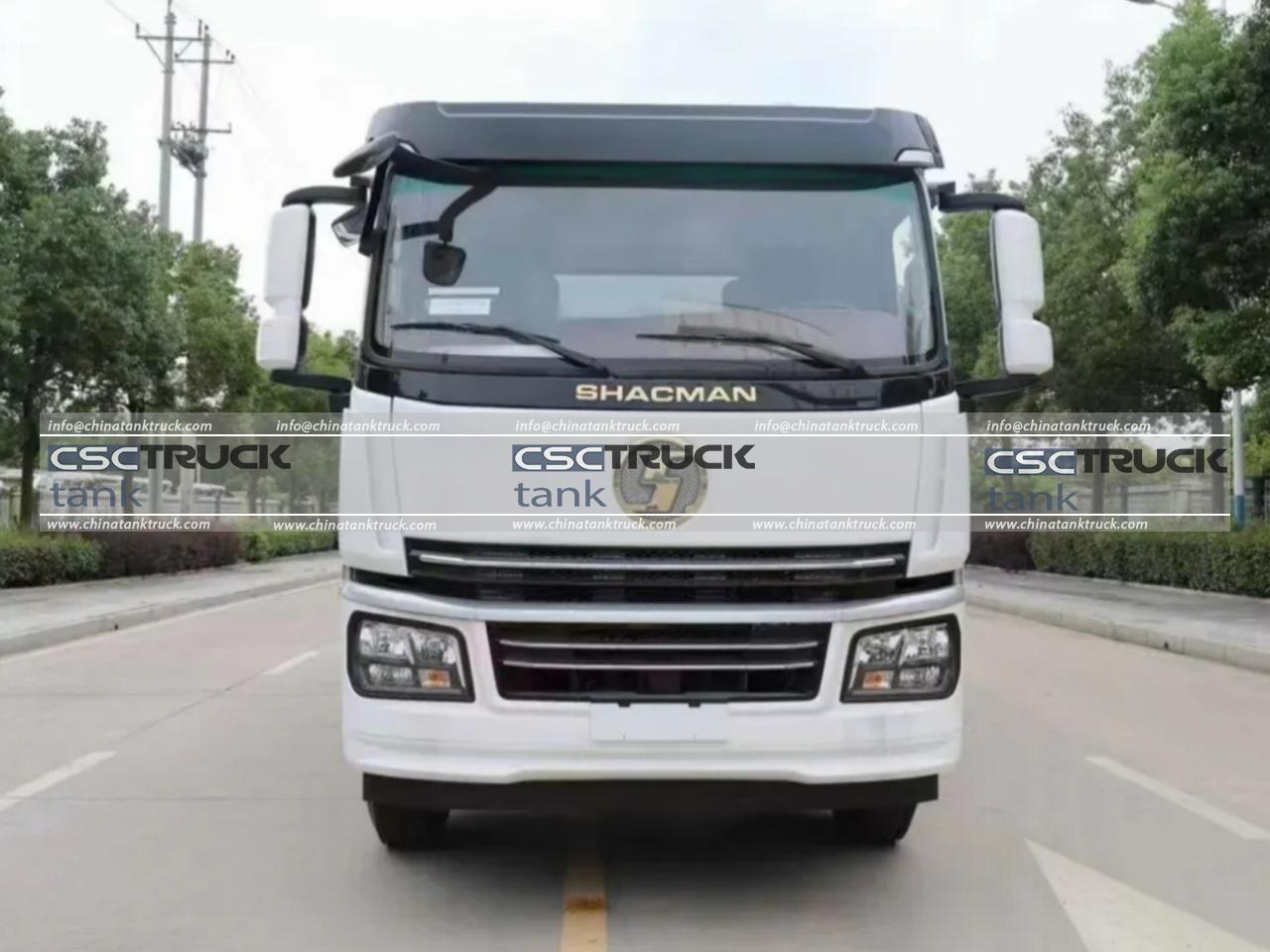
Material Type Affects Required Pressure
Different products require different unloading pressures because of variations in density, particle size, and moisture content.
Cement
Cement is the most common cargo for pneumatic tank trucks.
Typical unloading pressure:
- 0.15–0.20 MPa
Because cement fluidizes easily, it generally unloads quickly under moderate pressure.
Fly Ash
Fly ash particles are extremely fine.
Typical pressure:
- 0.18–0.22 MPa
Slightly higher pressure helps prevent material from settling inside pipelines.
Lime Powder
Hydrated lime is more cohesive.
Typical pressure:
- 0.20–0.25 MPa
Additional airflow is often necessary to keep lime moving smoothly.
Plastic Pellets
Plastic resin pellets require relatively little pressure because they flow easily.
Typical pressure:
- 0.10–0.15 MPa
Pipeline Length Influences Pressure
Longer unloading distances require more pressure.
For example:
- 10-meter pipeline: lower pressure
- 20-meter pipeline: moderate pressure
- 40-meter pipeline: higher pressure
Every bend, elbow, or valve creates additional resistance.
This is why unloading into tall silos often requires slightly higher operating pressure than unloading into nearby storage bins.
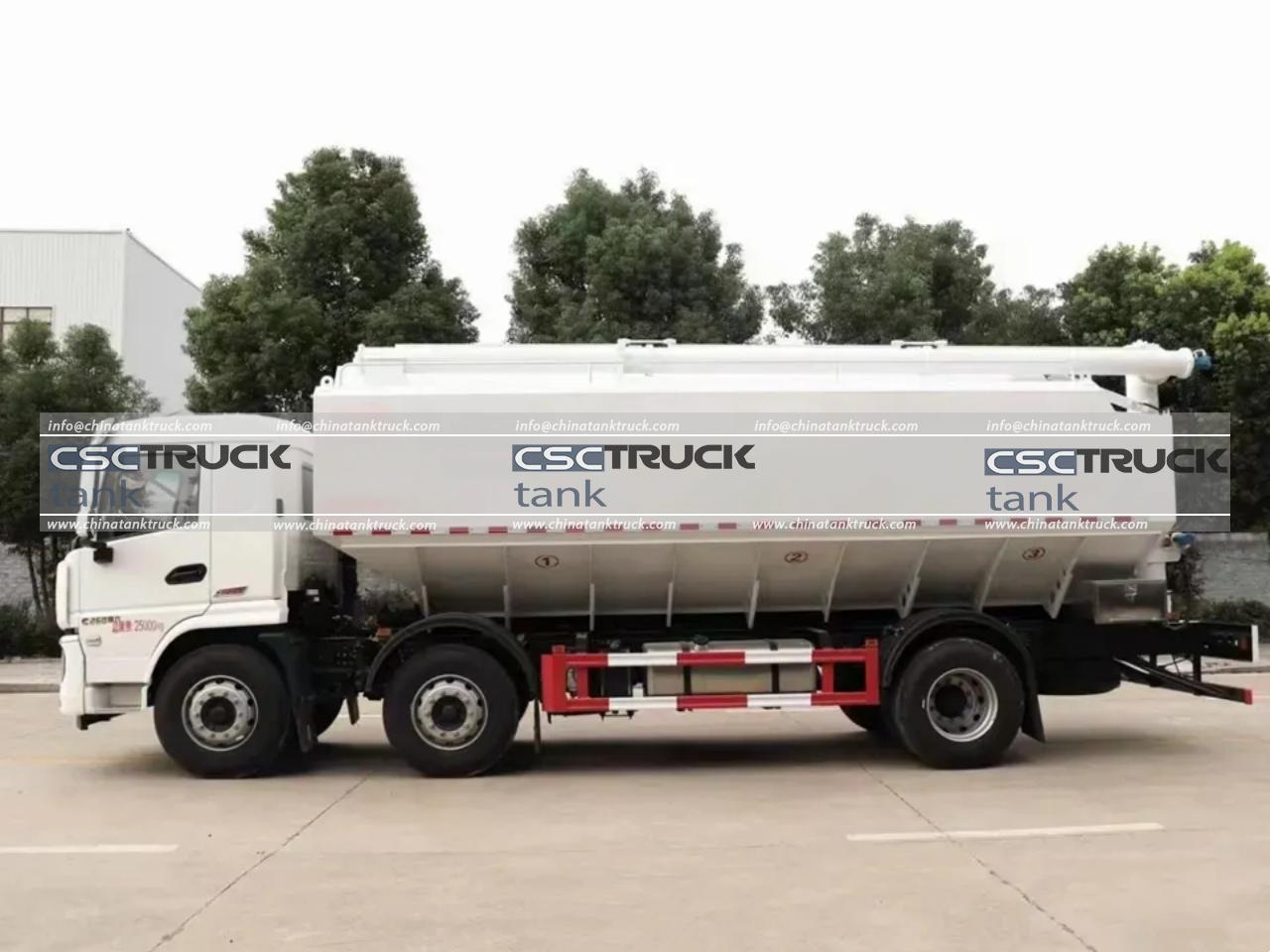
Tank Design Also Matters
Modern pneumatic tank trucks are carefully designed to minimize airflow resistance.
Important design features include:
- Cone-shaped hoppers
- Smooth interior walls
- Optimized air channels
- Proper discharge angles
- Efficient piping layouts
These features allow complete unloading while using less air pressure.
Typical Unloading Process
The unloading sequence generally follows these steps:
- Connect the discharge hose.
- Connect the airline if required.
- Start the PTO.
- Engage the blower.
- Build tank pressure gradually.
- Open the discharge valve.
- Material begins flowing.
- Monitor pressure gauges.
- Adjust airflow as needed.
- Continue until the tank is empty.
Operators continuously monitor pressure to maintain steady material flow throughout the process.
Signs of Incorrect Air Pressure
Several symptoms indicate pressure problems.
Pressure Too Low
- Slow unloading
- Uneven material flow
- Frequent blockages
- Product remaining inside tank
- Longer unloading times
Pressure Too High
- Excessive blower noise
- Safety valve activation
- Pipeline vibration
- Dust escaping from filters
- Increased equipment wear
Recognizing these warning signs helps operators correct problems before equipment damage occurs.
Factors That Affect Air Pressure Requirements
Several operating conditions influence unloading pressure.
Moisture Content
Wet powder is much harder to fluidize.
Higher pressure may be required, although preventing moisture contamination is always preferable.
Ambient Temperature
Cold weather can increase material stiffness, while extremely humid conditions may promote clumping.
Material Density
Heavier powders naturally require greater force to transport.
Filter Condition
Dirty air filters restrict airflow, causing pressure loss and reduced unloading efficiency.
Regular maintenance keeps airflow consistent.
Safety Considerations
Operators should never exceed the manufacturer’s recommended pressure limits.
Essential safety practices include:
- Inspect hoses before unloading.
- Check pressure gauges regularly.
- Verify safety valve operation.
- Never bypass pressure relief devices.
- Wear appropriate PPE.
- Secure hose connections.
- Follow unloading procedures carefully.
Proper safety practices protect both personnel and equipment.
Improving Unloading Efficiency
Several practices can improve unloading performance without increasing pressure.
These include:
- Keeping pipelines as short as possible
- Reducing unnecessary pipe bends
- Cleaning filters regularly
- Maintaining blower performance
- Using properly fluidized tank designs
- Preventing moisture from entering the cargo
- Monitoring pressure throughout unloading
Efficient airflow often produces better results than simply increasing pressure.
Conclusion
The air pressure required to unload a pneumatic tank truck generally falls between 0.15 MPa and 0.25 MPa (22–36 psi), although the exact value depends on the transported material, unloading distance, pipeline configuration, and tank design. Light powders require lower pressure, while denser or more cohesive materials may need pressures near the upper end of the range. Maintaining the correct pressure ensures smooth material flow, minimizes unloading time, reduces equipment wear, and enhances operational safety.
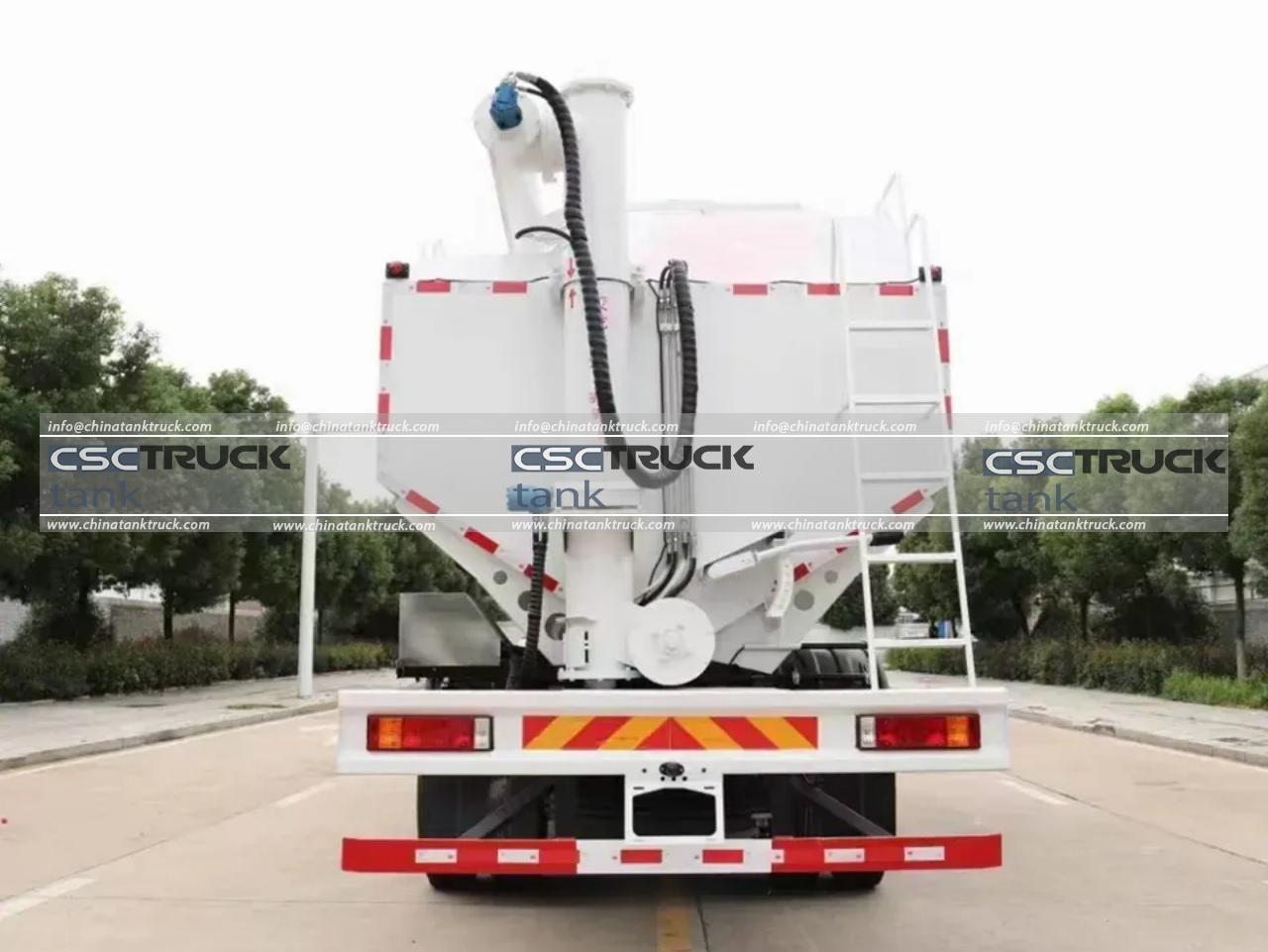
Modern manufacturers such as CSCTRUCK China Tank Truck equip their pneumatic tank trucks with high-efficiency blowers, optimized fluidizing systems, durable pressure vessels, and advanced safety components to deliver reliable unloading performance across a wide range of dry bulk transportation applications. With proper operation and regular maintenance, these systems provide fast, clean, and efficient unloading while extending the service life of both the truck and its pneumatic equipment.