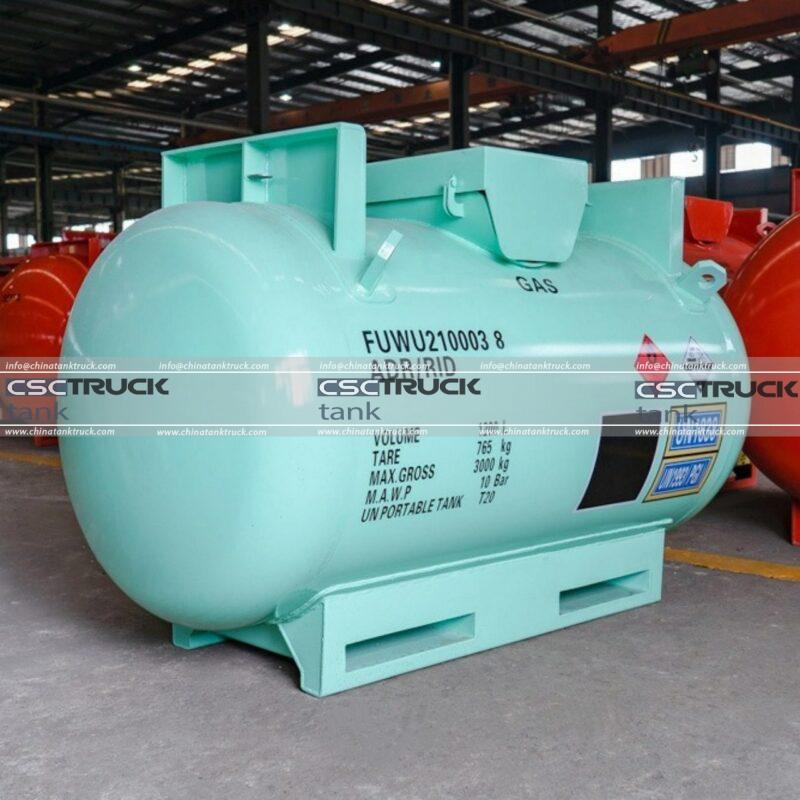
A UN Portable Tank is a standardized, internationally regulated container designed for the safe and efficient transportation of hazardous liquids, gases, and solids in bulk quantities across road, rail, and sea. Built in accordance with the United Nations Recommendations on the Transport of Dangerous Goods—often called the UN Model Regulations—these tanks ensure uniform safety, structural integrity, and environmental protection throughout global logistics operations. Their design, construction, inspection, and use are strictly governed to minimize the risks associated with dangerous materials, including flammable liquids, toxic chemicals, corrosives, and high-pressure gases.
UN Portable Tanks are identified by a “T-code” classification—such as T1, T4, T11, T14, T50, and T75—each specifying design pressure limits, allowable hazardous materials, required safety equipment, and testing standards. This universal coding guarantees compatibility between the tank’s construction and the unique properties of the material being transported, preventing chemical reactions, leaks, or catastrophic failure.
Definition and Key Features of UN Portable Tanks
A UN Portable Tank is a multimodal pressure vessel with a minimum capacity of 450 liters, mounted within an ISO-frame or equivalent supportive structure that facilitates lifting, stacking, and securement during transit. These tanks are engineered to be transported interchangeably by truck, train, or ship without unloading the cargo, making them a highly flexible solution in international hazardous material transport.
Key features include:
1. Robust Shell Construction
Depending on the T-code and cargo, shells are typically made of stainless steel or specialized alloys that resist corrosion, heat, and chemical attack. Some classifications require internal coatings or linings to prevent contamination and product degradation.
2. Pressure and Vacuum Resistance
Many UN Portable Tanks are designed for pressurized materials. Pressure relief devices (PRDs), safety valves, rupture disks, and vacuum breakers are incorporated to prevent over-pressurization or implosion due to temperature and atmospheric changes.
3. ISO Container Frame Integration
The outer frame conforms to ISO 1161 or comparable standards, enabling easy coupling with container-handling equipment such as spreaders, forklifts, and cranes.
4. Protective Equipment and Fittings
Tanks come equipped with manholes, bottom or top discharge valves, gauging instruments, thermowells, emergency shutoff systems, and fusible plugs, depending on material type.
5. Multimodal Safety Compliance
Because they are used globally, these tanks must also meet modal standards outlined by the IMDG Code (maritime), ADR/RID (road and rail in Europe), 49 CFR (U.S. hazmat transportation), and ICAO/IATA (air transport restrictions).

Hazardous Material Transport Uses
UN Portable Tanks are used extensively for bulk transport of dangerous goods across a wide range of industries, including petrochemicals, pharmaceuticals, agriculture, manufacturing, and energy. Their versatility makes them an indispensable asset for shippers needing consistent performance across diverse geographical and regulatory environments.
Below are essential applications categorized by hazard class:
1. Flammable Liquids (Class 3)
These include alcohols, ketones, gasoline additives, solvents, and industrial chemicals. T-codes such as T4, T7, and T11 are common choices due to their balance of pressure capability and chemical resistance.
2. Corrosive Substances (Class 8)
Acids, caustics, and chemical reagents require tanks with high-grade stainless steel or coated interiors. UN Portable Tanks eliminate contamination risks and protect during long-distance transport.
3. Toxic and Harmful Liquids (Class 6.1)
These materials require leak-proof, pressure-resistant designs equipped with emergency shut-off systems and enhanced valve security.
4. Oxidizers and Organic Peroxides (Class 5)
Some oxidizing liquids require specific materials and pressure controls to remain stable. T-coded tanks suited for elevated pressure resistance and temperature management are often used.
5. Refrigerated Liquefied Gases (Class 2 – Cryogenic)
T75 tanks are specialized insulated containers used for transporting liquid nitrogen, oxygen, argon, and other cryogenic gases at extremely low temperatures.
6. High-Pressure Liquefied Gases (Class 2 – Non-Cryogenic)
T50 tanks handle gases like ammonia, LPG, and various industrial gases stored under high pressure. These tanks have thick‐walled shells, advanced PRDs, and reinforced frames.
7. Environmentally Hazardous Materials
Certain UN Portable Tanks are used to transport environmentally harmful substances that may not be acutely toxic but pose long-term ecological risks if spilled.
Why Industries Prefer UN Portable Tanks
UN Portable Tanks are widely favored over traditional steel drums, IBCs, or fixed tank trucks for the following reasons:
• Multimodal Versatility
Cargo can be shipped by road, rail, and sea using the same container without unloading. This reduces handling risks and speeds up delivery.
• High Cargo Protection
The integrated pressure system, corrosion-resistant materials, and secure fittings ensure containment even in harsh marine or desert environments.
• Cost Efficiency
Because tanks are reusable and durable, companies save money over time compared to using disposable drums or transferring products at modal transitions.
• Improved Safety and Regulatory Compliance
Each tank undergoes rigorous UN testing to ensure it can withstand impact, pressure cycles, vibrations, drops, and thermal stresses.
• Reduced Environmental Risk
Versus smaller containers that may leak or rupture, UN Portable Tanks offer exceptional containment for hazardous goods.

Compliance Maintenance Requirements
Maintaining compliance for UN Portable Tanks is a continuous obligation governed by international law. Shippers, tank operators, and owners must follow strict maintenance and inspection protocols to ensure tanks remain in a serviceable condition and are legally transportable.
1. Initial and Periodic Inspections
Every UN Portable Tank undergoes:
- Initial inspection at manufacturing (including hydrostatic testing, pressure testing, and weld integrity examination).
- Periodic inspections at intervals typically every 2.5 years and 5 years, depending on the T-code and modal regulations.
Inspections cover:
- Shell thickness measurement
- Leak testing
- PRD certification
- Valve and gasket integrity
- Frame condition and corrosion
2. Pressure Relief Device Maintenance
Relief valves must function flawlessly to prevent explosions due to thermal expansion or chemical reactions. They require calibration, cleaning, and periodic replacement based on regulatory schedules.
3. Cleaning and Residue Handling
Before switching cargo types, tanks must undergo professional cleaning and degassing. Mismanagement can cause hazardous reactions or cross-contamination.
Cleaning must align with:
- Environmental protection laws
- Hazardous waste disposal rules
- Product-specific safety standards
4. Record-Keeping and Documentation
Owners must maintain all records related to:
- Inspections and tests
- Repairs and modifications
- Pressure vessel certifications
- Cleaning logs
- Hazardous material compatibility
Authorities can request these records during audits or cross-border transport reviews.
5. Repair Standards
Weld repairs, valve replacements, shell restorations, or structural frame repairs must be carried out only by certified technicians following approved procedures. After major repairs, the tank must undergo re-inspection to qualify for continued service.

Conclusion
UN Portable Tanks are an essential backbone of global hazardous material transport, providing unmatched safety, durability, and multimodal efficiency. Their standardized design enables industries to ship dangerous goods across continents without the risks associated with transfer operations or incompatible container structures. From flammable liquids and corrosives to cryogenic and high-pressure gases, UN Portable Tanks serve a vast spectrum of industrial needs.
Ensuring compliance through thorough inspections, proper maintenance, and accurate documentation is critical to safe operation. With ongoing adherence to UN regulations and modal codes, these tanks deliver reliable, long-lasting service while upholding global safety and environmental protection standards.
