
The pneumatic tank semi-trailer is primarily used to transport powdered materials with a particle diameter not greater than 0.1 mm. It is a common choice among transportation personnel. Though frequently seen in daily life, the design, manufacturing process, and internal structure of its tank remain relatively unfamiliar to most people.

▎Modern Computer-Aided Design and Stress Analysis Ensure Longer Service Life

The tank body of the dry bulk tank trailer is designed using a three-dimensional modeling approach. 3D design involves using computer software to build a 3D model of the actual product, which allows for better representation of real-world structural features and helps simulate both the construction and manufacturing processes.
At the same time, CAE stress analysis is employed to evaluate the structural mechanical properties of the tank. This computer-aided analysis helps optimize the structural design, ensuring more rational stress distribution throughout the tank body, which in turn extends its service life.
▎Exterior Design Should Be Both Aesthetic and Functional

▲ CNC Plate Rolling Machine
Once the tank design is complete, the manufacturing process begins. Laser cutting is used to increase precision up to 0.01 mm. The mirror-finish cut is formed in a single pass, minimizing the heat-affected zone during cutting, preventing material distortion, maintaining steel rigidity, and avoiding stress concentrations.
A CNC-controlled automatic plate rolling machine is then used to shape the cylinder in one go. This ensures internal integrity of the plate and delivers consistent, reliable forming quality.

▲ Frame-type Assembly Process
Next comes the assembly stage. This dry bulk tank adopts a frame-type assembly technique, aligning the left and right barrel halves. This method ensures no deformation during assembly and yields a clean exterior appearance.
The cylindrical tank matches the design dimensions exactly, enabling an ideal stress layout and minimizing the risk of cracking under pressure.
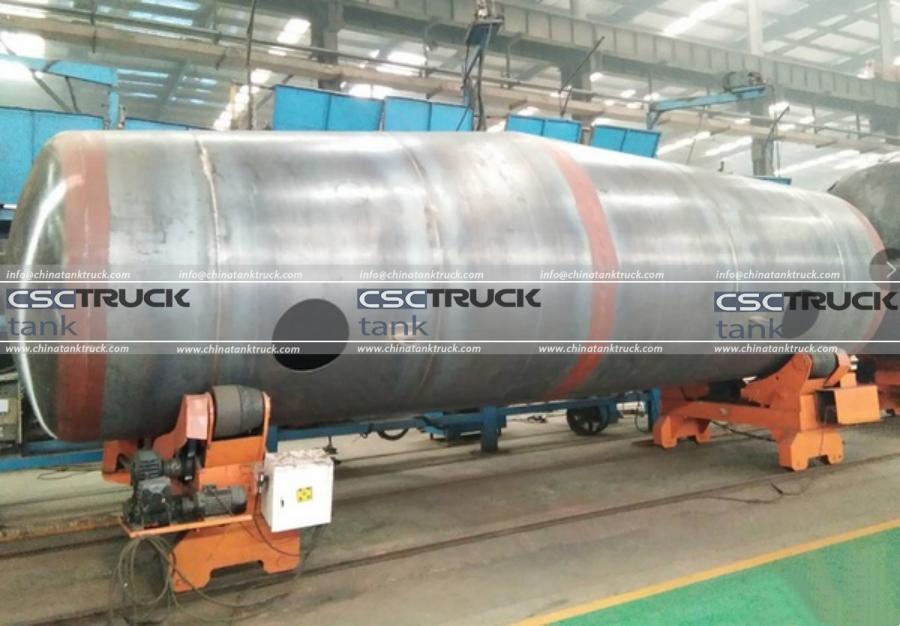
▲ Welding Technique
Following the assembly is the welding process. A solid welding method not only keeps the welds neat but also prevents stress concentration at the joints, preserving the strength of the tank’s steel plates.
An automatic welding process is used here, with single-sided welding and double-sided forming, enhancing the tank’s strength and durability.

▲ Chassis Horizontal Positioning Technology
Once the tank’s outer structure is finalized, accurate positioning is critical. Precise positioning helps prevent issues such as kingpin wear, suspension tire wear, trailer tail-sway, and center-of-gravity deviation.
This model uses a horizontal positioning platform with auto height adjustment, allowing it to adapt to different tractor fifth-wheel heights and ensuring perfect alignment between the trailer frame and the tractor saddle.
▎Fast Discharge and Minimal Residue—Professional Internal Tank Design
Let’s look at the internal fluidization bed structure of the tank.
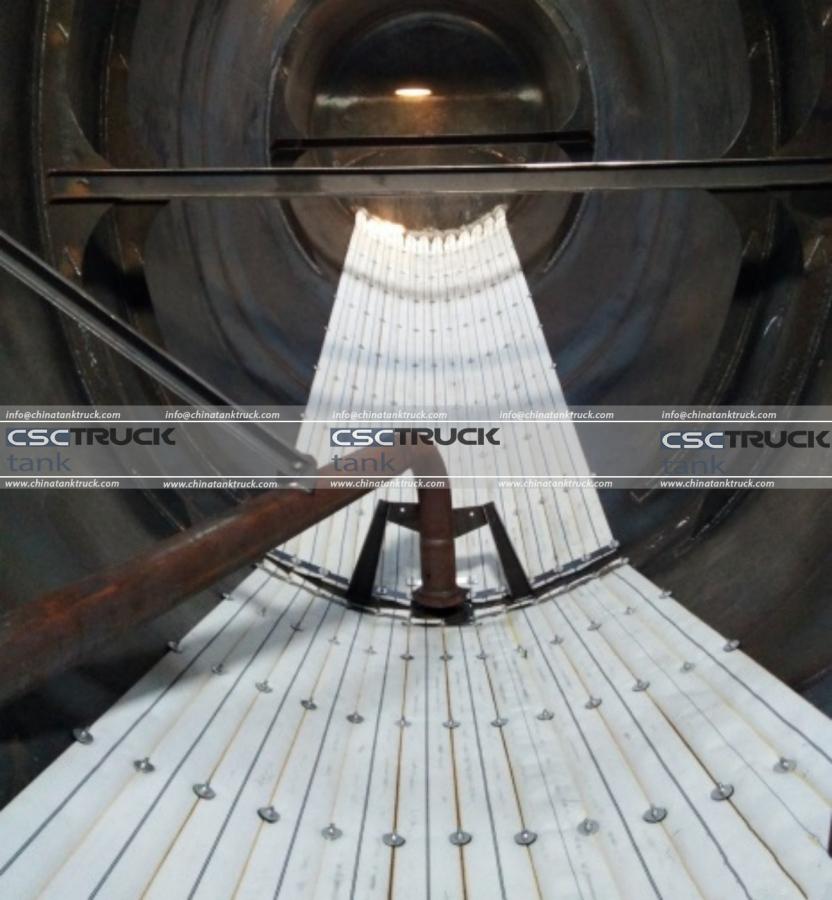
The angle of the tank cylinder and the side sliding plates is 2–3 degrees steeper than in comparable models, improving material flow and minimizing residue, enabling faster unloading. The maximum unloading speed reaches 1.5 tons per minute.

The enlarged discharge outlet ensures an abundant material supply during unloading, supporting the highest discharge speeds. The reinforced discharge pipe uses a triangular stability principle, which prevents displacement during unloading and maximizes stability.
▎Painting Process Matters—It Must Ensure Quality and Environmental Protection
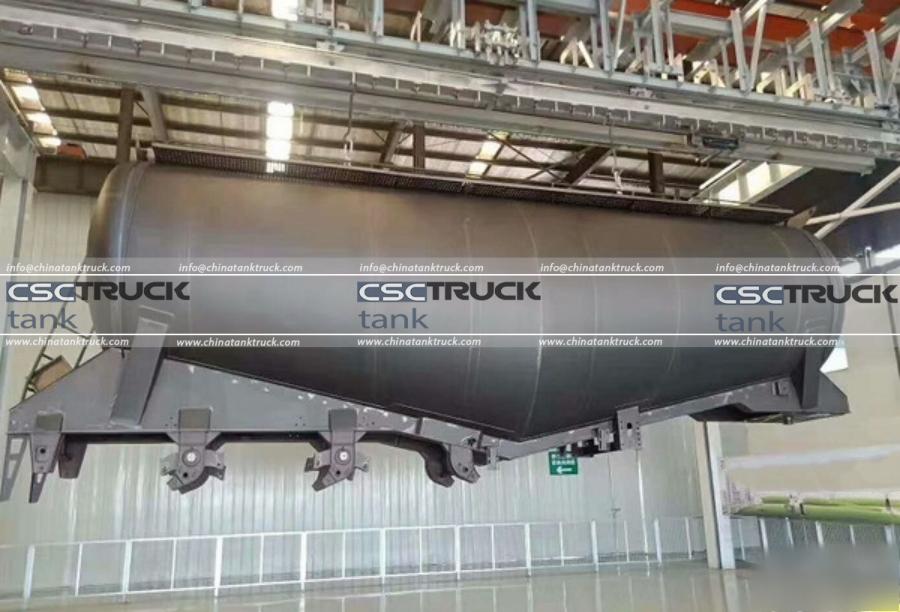
After exterior and interior designs are finalized, painting comes next. This tank uses a spray + powder coating process, resulting in a coating lifespan of 5–8 years without fading.
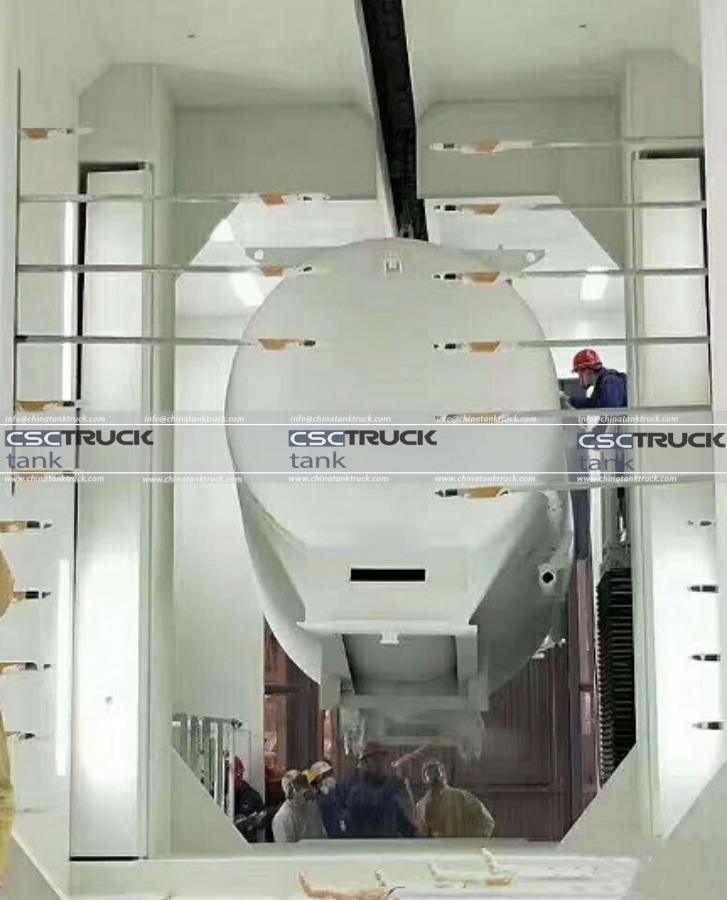
The paint used has twice the weather and corrosion resistance compared to standard paints. The coating reaches an H-grade thickness, making it more resistant to scratches. Pre-treatment avoids the use of phosphorus or heavy metals, making the process more environmentally friendly.
▎Pipeline Design—Details Make or Break the Product
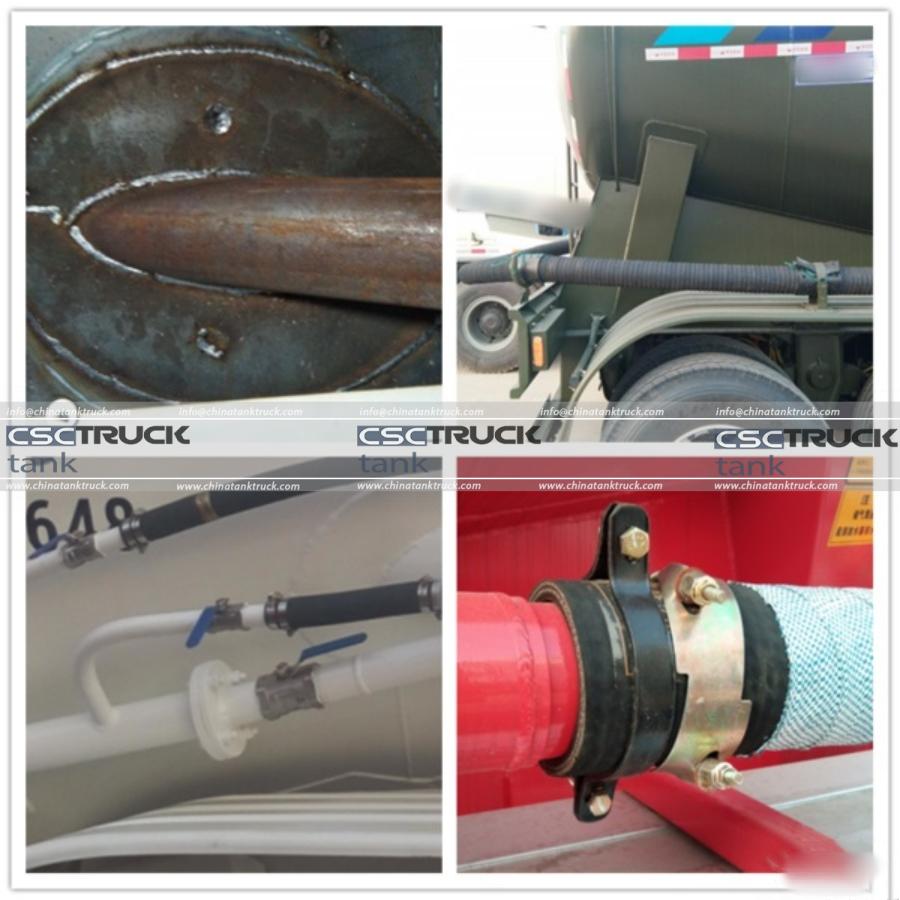
Finally, we come to the layout and assembly of external pipelines.
Special attention is paid to detail: ball joints are made of stainless steel, which enhances both aesthetics and durability. The reinforced outer brackets help the tank withstand greater forces. Laser-welded seams prevent stress concentration, contributing to a longer lifespan.
▎Rigorous Testing Is a Must—Only Compliant Vehicles Enter the Market
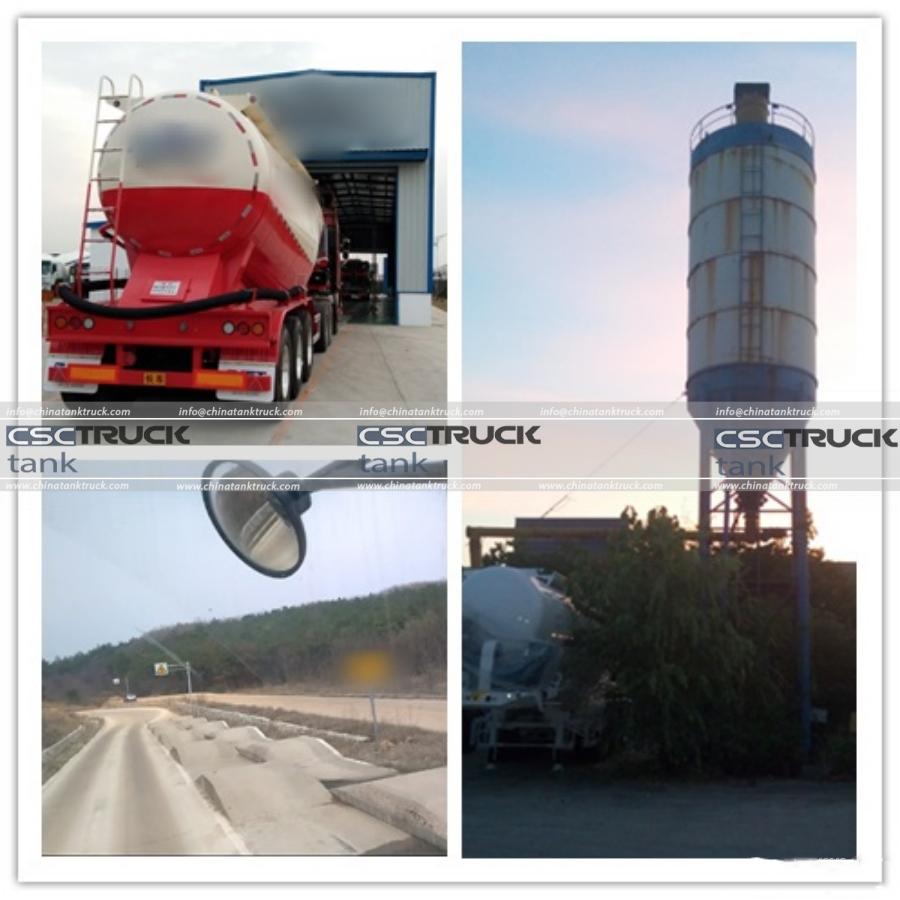
After production, the new vehicle must pass a series of strict tests before it can be considered a qualified product.
Test facilities include test towers, simulated road conditions, and vehicle testing grounds, which accurately measure unloading speed, residue levels, on-road stability, braking performance, and overall safety. Only when a vehicle meets all national standards can it be released to the market for end users.
▎After-Sales Service Is the Beginning of Sales—Even the Best Product Needs Support
A top-quality product requires not only professional design and high-end manufacturing but also satisfactory after-sales service. Only when these elements are combined can a complete ecosystem be formed.