
Introduction: The Moving Vanguard of Energy Distribution
Liquefied Petroleum Gas (LPG) has long been a staple in global energy consumption, serving millions for domestic cooking, industrial heating, and increasingly, as an automotive fuel (AutoGas). While the traditional method of LPG distribution involves fixed dispensing stations and cylinder exchanges, a more dynamic and flexible solution has emerged to address remote, temporary, or high-demand scenarios: the LPG Dispenser Truck. This specialized vehicle is essentially a mobile petrol station for LPG, bringing the fuel directly to the point of consumption with the same safety and metering precision as a stationary unit.
This comprehensive article will delve into the core meaning of an LPG Dispenser Truck, explore its vital uses in modern mobile LPG distribution, and outline the critical maintenance guidelines necessary to ensure safe, efficient, and compliant operation.
1. Defining the LPG Dispenser Truck: A Mobile Refuelling Solution
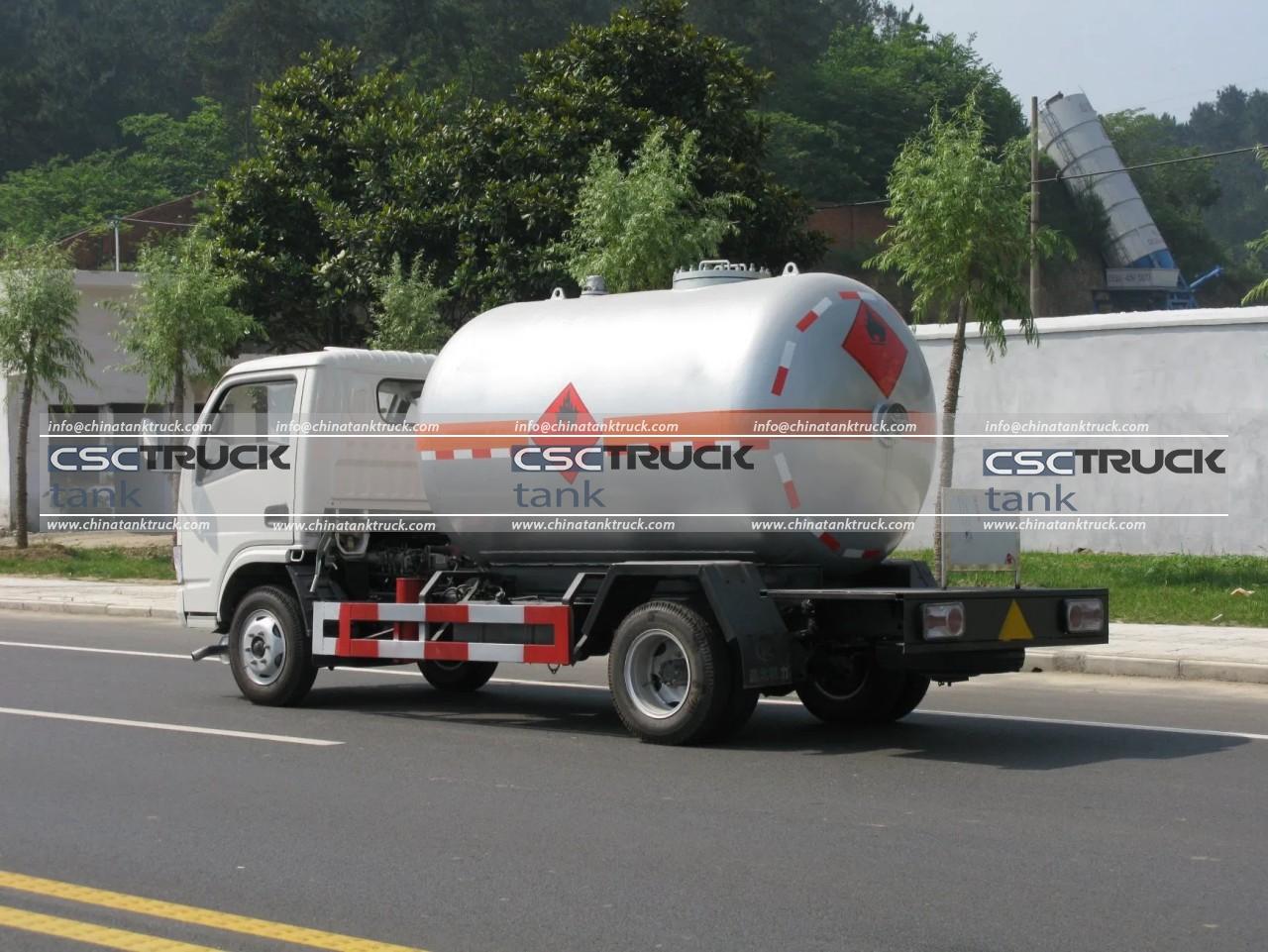
An LPG Dispenser Truck, often referred to as a Mobile Dispenser Unit (MDU), is a road-going vehicle—typically a truck or a tanker trailer—that is custom-fitted with the essential equipment required to store, measure, and dispense LPG into customer storage tanks, vehicle fuel tanks, or even large industrial cylinders.
Unlike a standard LPG bulk tanker that merely transports a large volume of the gas from one storage facility to another, the dispenser truck is designed for retail-level delivery and precise metering.
Key Components of an LPG Dispenser Truck:
-
Pressure Vessel (Tank): A robust, ASME-certified or similarly regulated steel tank built to safely contain LPG under pressure.
-
Dispensing Unit: This is the heart of the system, comprising a high-accuracy, calibrated flow meter, an electronic calculator/display, and a specialized nozzle and hose assembly. The meter ensures the exact quantity of LPG dispensed is measured, similar to a static pump at a conventional station.
-
Pumping System: A powerful pump, often hydraulically or electrically driven, is installed to transfer the pressurized liquid from the truck’s storage tank to the receiving container, overcoming any pressure differential.
-
Safety and Control Systems: These are non-negotiable and include emergency shut-off (ESD) valves, pressure relief valves, excess flow check valves, a fire suppression system, and essential grounding/bonding equipment to dissipate static electricity.
-
Chassis and Fittings: The truck chassis must be rated for hazardous material transport, and the entire assembly must adhere to stringent national and international regulations (like those from the World Liquid Gas Association (WLPGA) or national bodies like PESO, RRC, etc.).
In essence, the LPG Dispenser Truck is a self-contained, certified, and mobile retail station, capable of performing safe and accurate transactions on the move.

2. Mobile LPG Distribution Uses: Power on the Move
The flexibility and self-sufficiency of the LPG Dispenser Truck unlock several critical applications in the modern energy landscape, going beyond the limitations of fixed infrastructure.
A. AutoGas Refuelling in Remote or Developing Areas
In areas where establishing a full-fledged, permanent AutoGas (vehicular LPG) station is uneconomical, geographically challenging, or logistically premature, MDU trucks can provide crucial fuel services. They serve as interim solutions, testing the market demand before heavy investment is made, or catering to fleets operating in isolated locations like mining sites or construction zones.
B. High-Volume Commercial and Industrial Customer Servicing
Many commercial operations, such as large hotel resorts, industrial kitchens, poultry farms, or manufacturing units, rely on a dedicated bulk LPG tank for their energy needs. The dispenser truck allows the supplier to drive directly to the customer’s premises and refill their bulk storage tank on demand, offering a precise, metered delivery that standard bulk tankers may not be equipped for. This is often far more efficient than cylinder logistics for high-volume users.
C. Temporary or Emergency Refuelling
Events, disaster relief operations, or large-scale temporary construction sites often require a significant, immediate energy supply. An LPG Dispenser Truck can be rapidly deployed to provide fuel for generators, heating systems, or temporary vehicle fleets, offering energy security where traditional supply chains are disrupted or non-existent.
D. Ship and Marine Refuelling
LPG is increasingly being used as a cleaner marine fuel. In port environments, dispenser trucks can provide a flexible means of bunkering (refuelling) smaller vessels or servicing auxiliary systems on larger ships without the need for fixed pipelines or large storage facilities at the dockside.
3. Critical Maintenance Guidelines: Safety and Efficiency
Operating a vehicle that transports and dispenses a highly flammable, pressurized substance demands an uncompromising commitment to safety and maintenance. Adherence to strict guidelines is not just about extending equipment life; it is a fundamental regulatory and safety requirement.
A. Daily and Pre-Operation Checks
-
Leak Detection: Before and after every operation, operators must visually inspect all hoses, valves, flanges, and connections for signs of leakage. Using a certified leak detection spray is mandatory around pump seals and pipe joints.
-
Fire Safety Equipment: Verify that the fire suppression system (e.g., DCP extinguishers) is fully charged, accessible, and certified.
-
Grounding and Bonding: Check the integrity of the earthing wire and clamps. A proper electrical bond must be established before any dispensing begins to prevent static discharge.
-
Tire and Brake Inspection: Ensure tires are in good condition and correctly inflated, and that brakes (especially the parking brake) are fully functional.
B. Periodic and Statutory Maintenance
-
Metering Calibration: The dispensing meter is a revenue-generating component and a matter of consumer trust. It must undergo periodic, statutory calibration by licensed agencies to ensure measurement accuracy, conforming to standards like the Measuring Instruments Directive (MID) in Europe or equivalent national metrology standards.
-
Pressure Vessel Inspection: The LPG tank itself is subject to rigorous inspections, typically hydrostatic testing and ultrasonic examination, on a mandated schedule (e.g., every 5 years, depending on jurisdiction) to check for corrosion, cracks, or material fatigue.
-
Valve and Seal Replacement: All safety-critical valves (relief valves, excess flow valves, main isolation valves) must be periodically inspected, tested, and overhauled or replaced according to the manufacturer’s schedule to ensure they function correctly in an emergency.
-
Hose Integrity Testing: The dispensing hose is a high-wear component. It must be inspected daily and subjected to regular pressure testing to ensure it can withstand the working pressure without failure. The hose breakaway coupling should also be tested to ensure it operates as designed.
C. Operator Training and Compliance
The most sophisticated equipment is only as safe as the person operating it.
-
Certification: Drivers and operators must possess valid licenses and certifications for handling hazardous materials (often called HAZCHEM certificates).
-
SOP Adherence: Standard Operating Procedures (SOPs) for loading, driving, parking, and dispensing must be strictly followed. This includes crucial steps like switching off the engine, applying the handbrake, placing wheel chocks, and erecting warning signs during the entire refuelling process.
-
Emergency Response: Personnel must be trained in emergency protocols, including immediate shutdown procedures and effective use of fire-fighting equipment.

Conclusion: The Future of Flexible Energy Delivery
The LPG Dispenser Truck is more than just a piece of mobile machinery; it represents the critical shift towards flexible, customer-centric energy distribution. By seamlessly integrating the safety and metering precision of a fixed station with the mobility of a tanker, it is poised to expand the reach of clean-burning LPG into new markets and diverse applications. As global energy demand continues to fluctuate and decentralize, the proper meaning, strategic use, and meticulous maintenance of the LPG Dispenser Truck will remain pivotal to ensuring a safe, efficient, and reliable supply of liquefied petroleum gas.