
Introduction to CSCTRUCK China Tank Truck
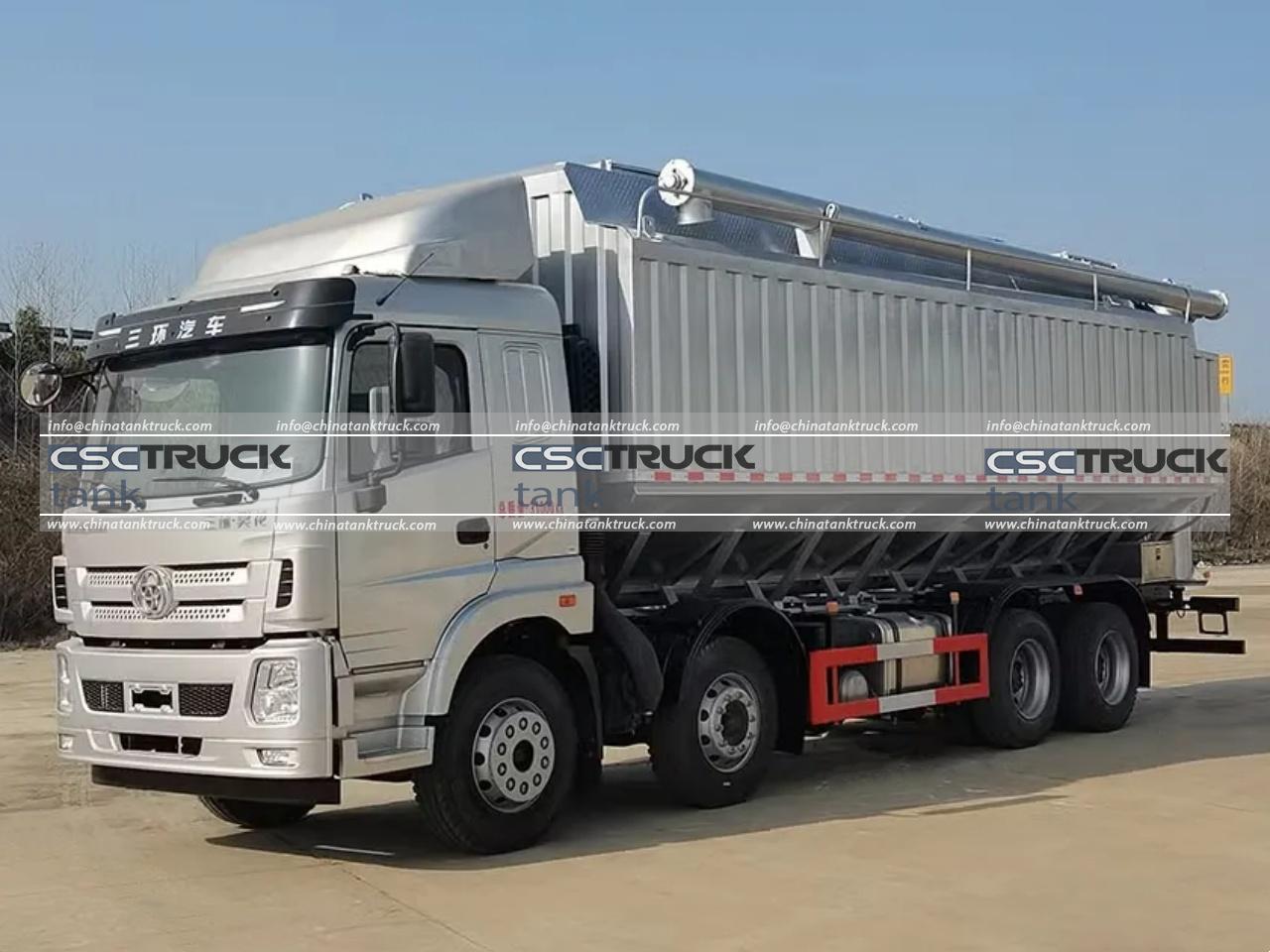
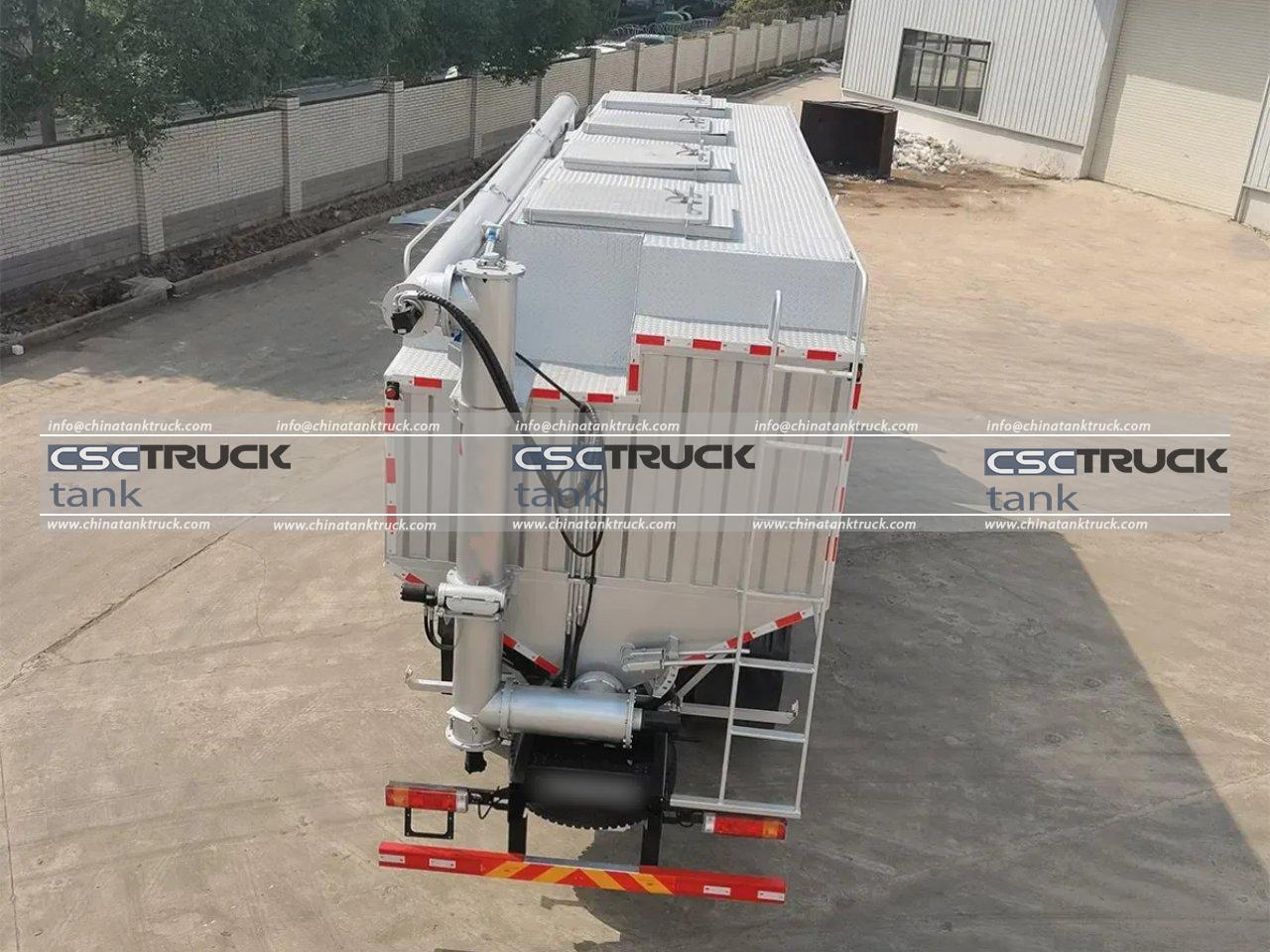
Pneumatic tank trucks are essential transportation equipment for industries that handle dry bulk materials such as cement, fly ash, lime, powder chemicals, alumina, and other granular products. Their unloading efficiency depends heavily on the reliability of the discharge system, especially the discharge pipes that transfer materials from the tank to the receiving facility.
As a professional manufacturer and supplier of tank trucks, CSCTRUCK China Tank Truck provides various transportation solutions, including pneumatic tank trucks, bulk cement tankers, fuel tank trucks, water tank trucks, and other specialized vehicles. CSCTRUCK China Tank Truck focuses on durable structures, efficient unloading systems, and customized truck designs to meet different industrial transportation requirements.
Among all components of a pneumatic tank truck, the discharge pipe system requires regular inspection because it directly affects unloading speed, material flow stability, operational safety, and equipment service life. A damaged or blocked discharge pipe can lead to pressure loss, unloading failure, material contamination, or even dangerous operating conditions.
1. Why Discharge Pipe Inspection Is Important
The discharge pipes of a pneumatic tank truck operate under continuous airflow and material friction. During unloading, compressed air generated by the onboard compressor pushes dry bulk materials through the pipeline at high speed. Over time, this process can cause:
- Pipe wall wear caused by abrasive materials
- Cracks or deformation from vibration
- Loose connections and air leaks
- Blockages caused by material buildup
- Damaged valves and seals
- Reduced unloading efficiency
Regular inspection helps operators detect problems before they become major failures. A small leak in a discharge pipe may reduce pressure and increase unloading time, while severe damage may cause sudden material leakage or unsafe pressure release.
For professional operators, discharge pipe inspection should be included in daily pre-operation checks and scheduled maintenance programs.
2. Prepare Before Inspecting the Discharge Pipes
Before checking the discharge system, operators should ensure the truck is parked safely on level ground and that the pneumatic system is completely depressurized.
The basic preparation steps include:
Shut Down the Air System
Turn off the air compressor and allow all compressed air inside the tank and pipes to escape. Never inspect or disconnect discharge pipes while the system is pressurized.
Clean the Pipe Exterior
Remove dust, cement residue, or accumulated material around the discharge pipes. A clean surface makes it easier to identify cracks, corrosion, and leakage points.
Review Previous Maintenance Records
Check previous inspection reports to understand whether the truck has experienced:
- Frequent blockages
- Pressure problems
- Pipe replacement history
- Welding repairs
A maintenance history helps identify recurring issues.
3. Visual Inspection of Discharge Pipes
The first step in inspecting pneumatic tank truck discharge pipes is a complete visual examination.
Operators should carefully check the entire pipeline from the tank outlet to the discharge connection.
Important inspection points include:
Check for Cracks and Holes
Look for:
- Small cracks
- Pinholes
- Surface damage
- Welding defects
A damaged pipe may allow compressed air to escape, reducing unloading performance.
Check Pipe Surface Wear
Dry bulk materials such as cement and sand create strong abrasion inside discharge pipes. Pay special attention to:
- Pipe bends
- Elbows
- Outlet sections
- Areas near valves
These locations usually experience the highest wear because the material changes direction and creates additional friction.
Check Corrosion
For trucks transporting chemically active powders or operating in humid environments, inspect the external surface for:
- Rust
- Metal thinning
- Corrosion spots
Severe corrosion can weaken the pipe structure and require replacement.

4. Inspect Pipe Connections and Fittings
Discharge pipes rely on multiple connections, including:
- Flanges
- Clamps
- Couplings
- Flexible hoses
- Sealing rings
These connection points must remain airtight.
During inspection, check:
Bolts and Fasteners
Loose bolts can cause vibration and air leakage. Tighten connections according to manufacturer specifications.
Gaskets and Seals
Damaged seals may allow compressed air to escape. Replace hardened, cracked, or worn sealing components.
Pipe Couplings
Inspect coupling areas for:
- Misalignment
- Wear marks
- Loose locking mechanisms
A poor connection can interrupt material flow and create safety risks.
Inspection requirements for pressurized discharge systems commonly include checking piping components, connections, and seals as part of regular maintenance.
5. Check for Internal Blockages
A pneumatic tank truck depends on smooth material flow through the discharge pipes. Internal blockages are common when:
- Moist materials enter the tank
- Material remains after unloading
- Air pressure is insufficient
- Pipes have damaged internal surfaces
Signs of blockage include:
- Slow unloading speed
- Unstable pressure readings
- Pulsating material flow
- The compressor is working harder than normal
To check for blockages:
- Open inspection points if available.
- Examine pipe openings.
- Remove hardened material deposits.
- Ensure the pipeline is completely clear before operation.
Operators should avoid forcing blocked material through the system by increasing pressure excessively, as this may damage the pipe or valves.

6. Perform Leak Testing
Air leakage is one of the most common discharge pipe problems.
A simple leak inspection method includes:
Air Pressure Test
After connecting the system correctly, pressurize the discharge system according to operating requirements and monitor pressure stability.
Listen for Air Escapes
Operators can check for:
- Hissing sounds
- Air escaping around joints
- Abnormal vibration
Use Leak Detection Solution
Applying approved leak detection fluid around connections can reveal small leaks through bubble formation.
New or repaired pressure-related components should be tested before returning to service. Some regulations require documented pressure tests and inspections for cargo tank delivery systems.
7. Inspect Valves Connected to the Discharge Pipes
Discharge pipes work together with several valves, including:
- Butterfly valves
- Ball valves
- Pressure control valves
- Air inlet valves
During inspection, check:
- Valve opening and closing operation
- Seal condition
- Leakage around valve stems
- Material buildup inside valves
A valve that does not fully open can restrict material flow and increase pressure inside the tank.

8. Inspect Flexible Discharge Hoses
Many pneumatic tank trucks use flexible hoses at the final unloading connection.
Inspect hoses for:
- Cracks
- Cuts
- Bulging
- Excessive bending
- Internal wear
Hoses should also be checked for correct pressure ratings and compatibility with transported materials. Proper hose handling and storage help prevent damage during operation.
9. Check Pipe Supports and Mounting
Discharge pipes experience vibration while the truck is driving and unloading.
Inspect:
- Pipe brackets
- Mounting clamps
- Support frames
- Rubber vibration isolators
Damaged supports can allow excessive movement, causing cracks at joints or weld areas.
10. When Should Pneumatic Tank Truck Discharge Pipes Be Replaced?
Replacement may be necessary when inspection finds:
- Severe wall thinning
- Large cracks
- Repeated leakage
- Damaged weld seams
- Permanent deformation
- Excessive internal abrasion
Temporary repairs may not be suitable for high-pressure pneumatic unloading systems. Using worn pipes increases the risk of operational failure.
11. Recommended Inspection Schedule
A practical inspection routine includes:
Before Every Operation
Check:
- Visible pipe damage
- Loose connections
- Hose condition
- Valve operation
Weekly Inspection
Inspect:
- Pipe supports
- Seals
- Couplings
- Signs of material leakage
Monthly Inspection
Perform:
- Detailed pipeline examination
- Pressure leakage checks
- Component tightening
Annual Maintenance
Carry out:
- Professional system inspection
- Pressure testing when required
- Replacement of severely worn components

Conclusion
Inspecting pneumatic tank truck discharge pipes is a critical part of safe and efficient bulk material transportation. Regular checks help prevent air leakage, material blockages, pipe failures, and costly downtime.
A complete inspection should include visual examination, connection checks, leak testing, valve inspection, hose evaluation, and internal cleanliness checks. By maintaining the discharge system properly, operators can achieve faster unloading, lower maintenance costs, and safer operation.
With advanced manufacturing experience and customized solutions, CSCTRUCK China Tank Truck continues to provide reliable pneumatic tank trucks designed for demanding industrial applications. Proper inspection and maintenance ensure these vehicles deliver long-term performance in cement, chemical, mining, construction, and other bulk material industries.
