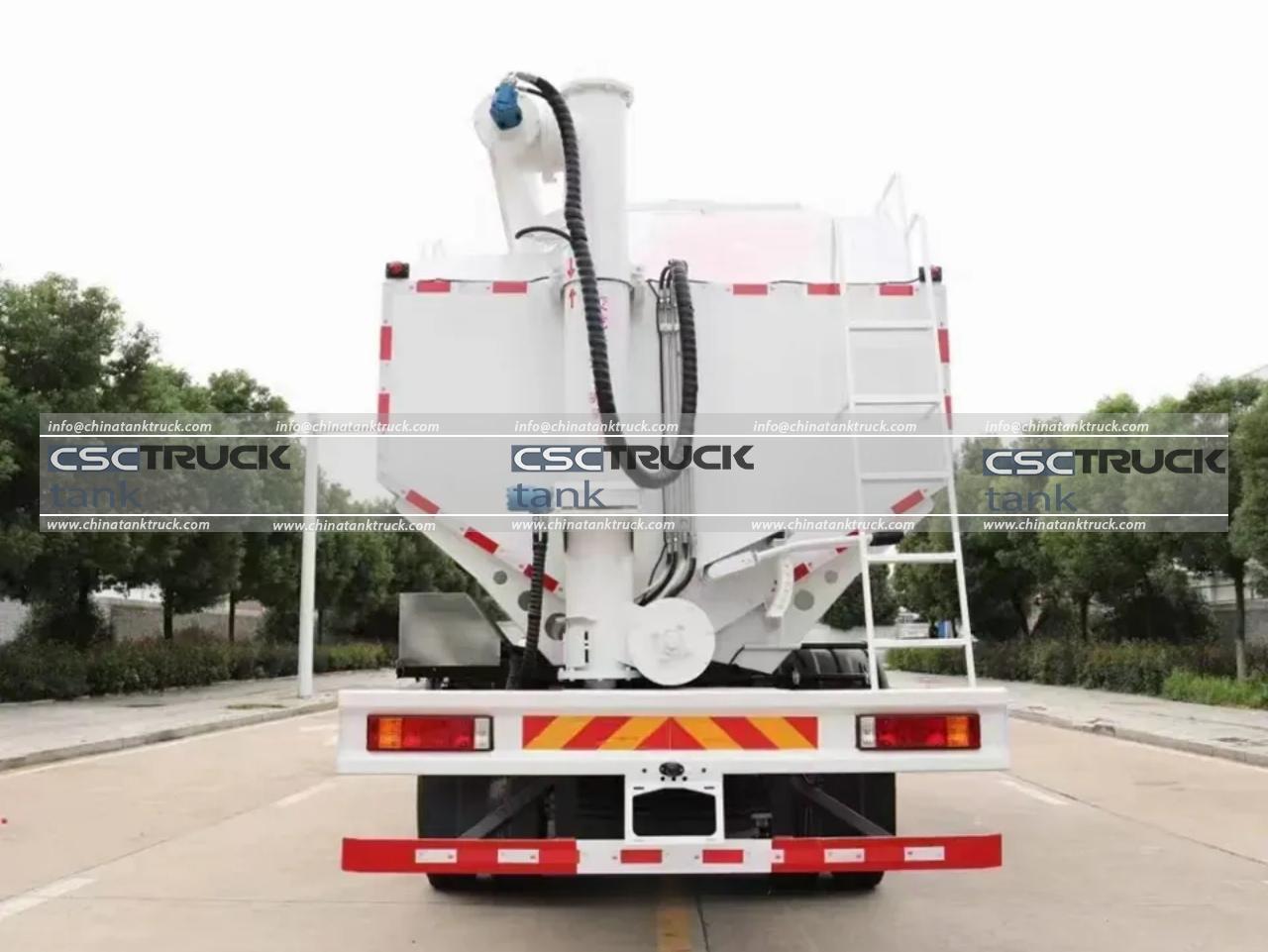

Pneumatic tank trucks are essential for transporting dry bulk materials, including cement, fly ash, lime, flour, plastic pellets, and other powders or granules. One of the most important decisions when purchasing a pneumatic tanker is choosing the tank material. The 2 most common options are aluminum alloy and steel. Each material offers unique advantages and limitations, making the “better” choice dependent on the application, operating environment, and budget.
As a professional manufacturer of specialized tank vehicles, CSCTRUCK China Tank Truck designs and manufactures a wide range of pneumatic tank trucks for customers worldwide. Founded in 2005, the company provides customized bulk powder transport solutions with strict quality control, advanced manufacturing technology, and international after-sales support. Its pneumatic tank trucks are available in multiple configurations, capacities, and material options to meet the requirements of industries such as construction, mining, chemical processing, and food manufacturing.
Understanding Pneumatic Tank Truck Materials
The tank body is the most critical structural component of a pneumatic tanker. It must withstand:
- High internal air pressure during unloading
- Heavy payloads
- Continuous vibration
- Corrosion from transported materials
- Thousands of loading and unloading cycles
Manufacturers typically use either:
- Carbon steel
- High-strength steel
- Stainless steel
- Aluminum alloy
For most dry bulk applications, carbon steel and aluminum alloy remain the 2 most popular choices.
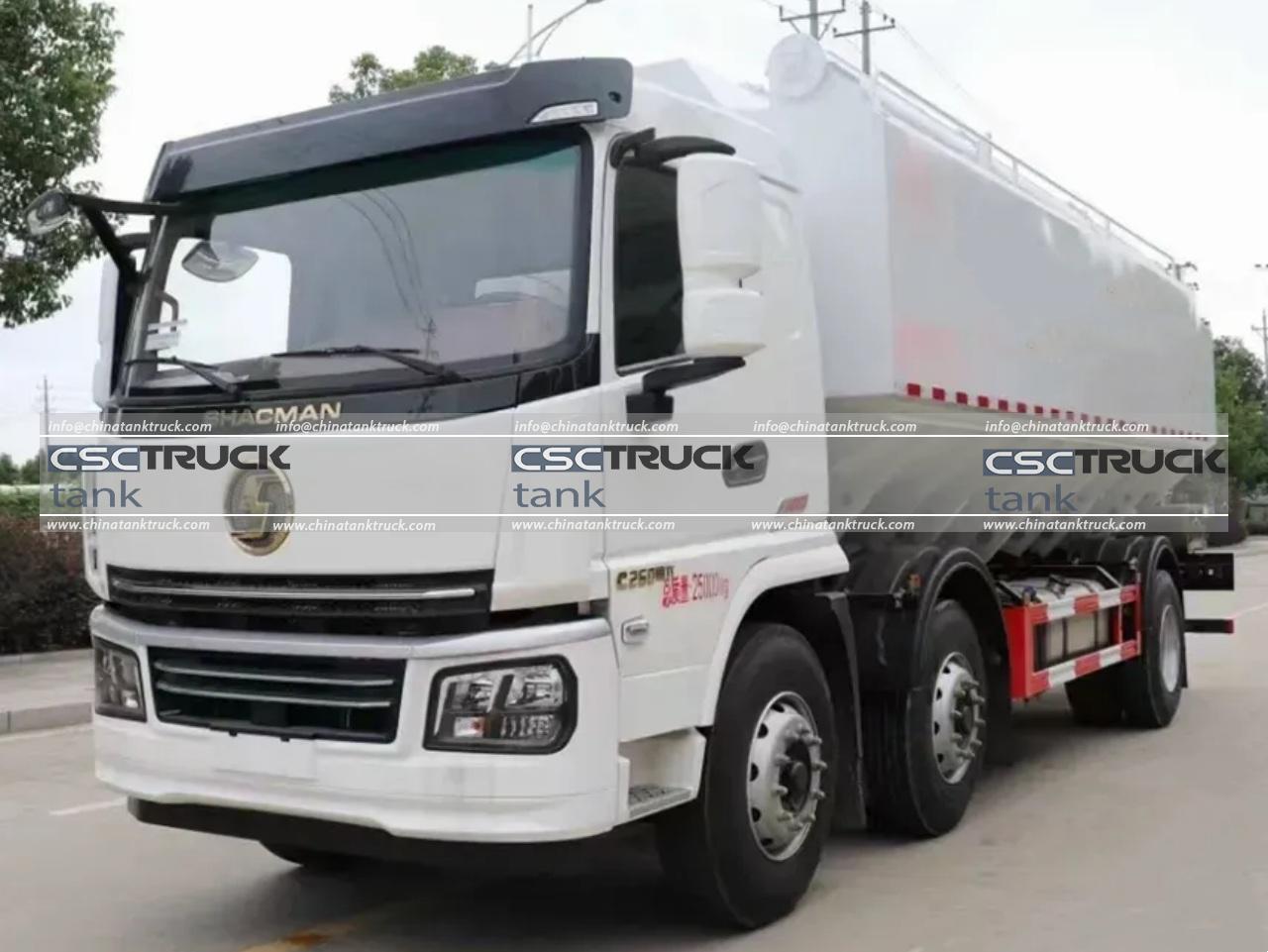
Advantages of Aluminum Pneumatic Tank Trucks
1. Significantly Lower Weight
The biggest advantage of aluminum is its lightweight nature.
Aluminum weighs approximately one-third as much as steel. Although aluminum tanks require thicker walls to achieve similar strength, the finished tank is still considerably lighter than a comparable steel tank.
Benefits include:
- Higher legal payload
- Lower gross vehicle weight
- Better fuel economy
- Reduced tire wear
- Less drivetrain stress
For fleet operators paid by weight transported, this extra payload can increase profitability over the truck’s lifetime.
2. Better Fuel Efficiency
A lighter truck requires less energy to move.
Even a reduction of several hundred kilograms can improve fuel consumption over long-distance operations.
This is especially valuable for:
- Regional cement delivery
- Cross-country bulk transport
- Frequent highway operations
- High-mileage fleets
Fuel savings accumulate over many years of operation.
3. Excellent Corrosion Resistance
Unlike ordinary carbon steel, aluminum naturally forms a protective oxide layer.
This provides excellent resistance against:
- Rain
- Humidity
- Road salt
- Atmospheric corrosion
The tank maintains its appearance for many years without extensive repainting.
For coastal regions where corrosion is severe, aluminum often offers a major advantage.
4. Attractive Appearance
Many fleet owners appreciate the polished appearance of aluminum tankers.
Benefits include:
- Modern professional look
- Higher resale value
- Less paint maintenance
- Easier cleaning
Food-grade pneumatic tankers frequently use polished aluminum for both hygiene and aesthetics.
5. Increased Payload Capacity
Because the empty vehicle weighs less, operators can legally transport more product without exceeding axle weight regulations.
For example:
- More cement per trip
- More flour deliveries
- Larger plastic pellet loads
- Improved logistics efficiency
Over thousands of trips, these additional payloads may significantly increase revenue.
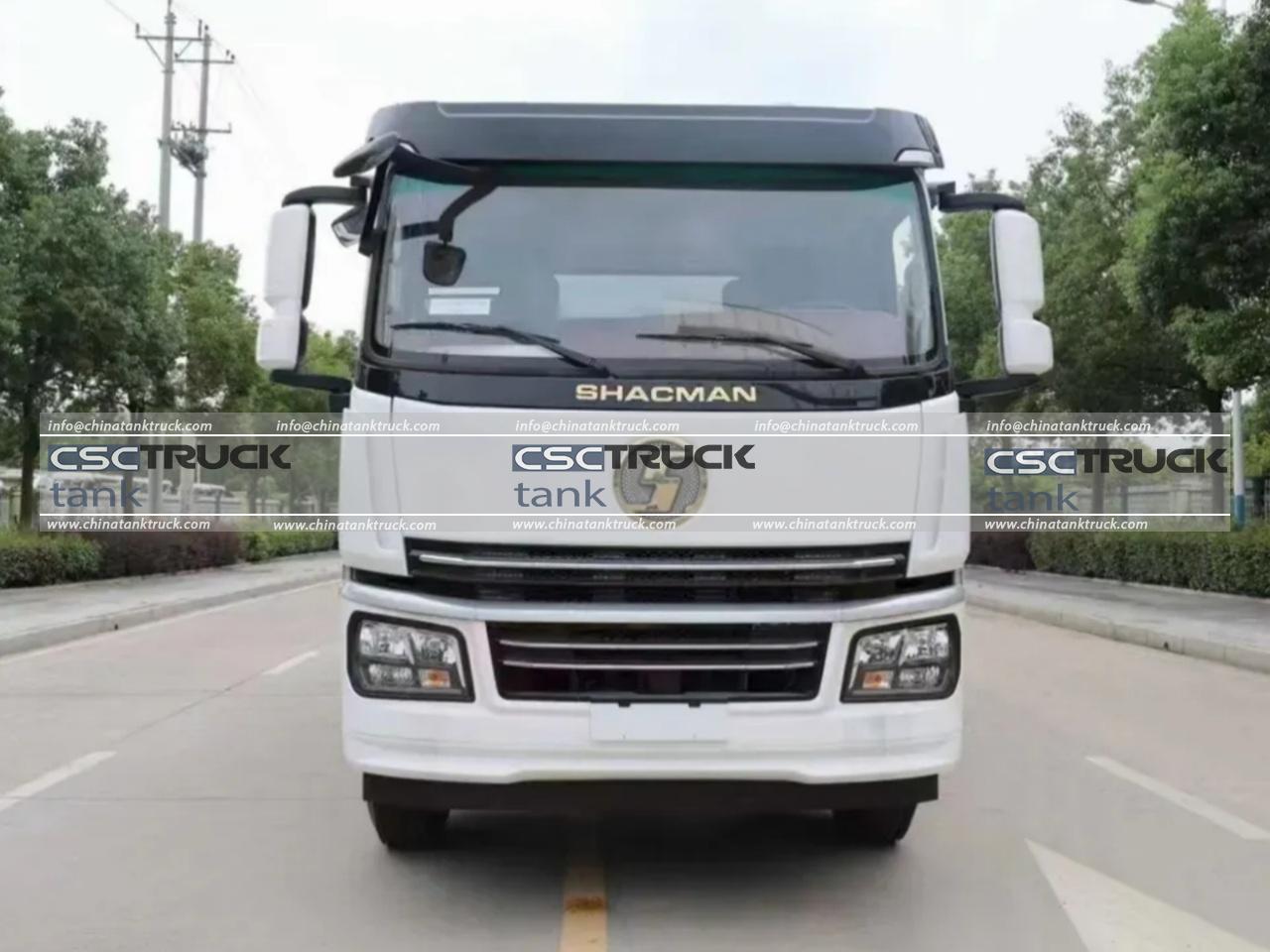
Disadvantages of Aluminum Pneumatic Tank Trucks
Despite their advantages, aluminum tankers also have several drawbacks.
1. Higher Purchase Cost
Aluminum is considerably more expensive than carbon steel.
Factors contributing to the higher price include:
- Material cost
- Specialized welding
- More complex fabrication
- Skilled manufacturing labor
Initial investment may be substantially higher than that of a comparable steel tanker.
2. Lower Surface Hardness
Although modern aluminum alloys are strong, they are generally softer than steel.
This makes them more susceptible to:
- Dents
- Scratches
- Impact damage
- Abrasion
Careful loading and unloading procedures are important to minimize damage.
3. Specialized Repairs
Repairing aluminum tanks requires technicians experienced in aluminum welding.
Repairs often involve:
- Specialized TIG or MIG welding
- Dedicated repair equipment
- Experienced welders
Repair costs may therefore be higher than those for steel tanks.
Advantages of Steel Pneumatic Tank Trucks
1. Lower Initial Investment
Steel remains the most economical choice.
Lower purchase prices make steel attractive for:
- Small businesses
- New fleet operators
- Budget-conscious buyers
- Developing markets
The lower upfront cost often improves return on investment.
2. Outstanding Structural Strength
Steel offers exceptional strength and rigidity.
Advantages include:
- Better resistance to impact
- High fatigue strength
- Excellent durability
- Long service life under heavy-duty conditions
This makes steel ideal for demanding industrial environments.
3. Easier Repairs
Steel is widely used throughout the trucking industry.
Most repair shops can easily:
- Weld cracks
- Replace damaged panels
- Repair structural components
- Reinforce weakened areas
Maintenance costs are often lower because repair services are readily available.
4. Better Resistance to Abrasion
Certain dry bulk products are highly abrasive.
Examples include:
- Silica
- Cement
- Fly ash
- Lime
- Mineral powders
Steel generally handles abrasive materials better than aluminum over an extended service life.
Disadvantages of Steel Pneumatic Tank Trucks
Steel also has several disadvantages.
1. Higher Vehicle Weight
Steel tanks are considerably heavier.
This results in:
- Reduced payload
- Increased fuel consumption
- Higher axle loads
- More tire wear
The weight penalty becomes more significant on long-distance routes.
2. Corrosion Risk
Carbon steel can rust if protective coatings become damaged.
Regular maintenance includes:
- Painting
- Rust removal
- Surface inspections
- Protective coatings
Failure to maintain the tank can shorten its service life.
3. Higher Fuel Costs
The additional weight increases fuel consumption over time.
For fleets traveling hundreds of thousands of kilometers annually, fuel expenses may become a high operating cost.
Which Material Lasts Longer?
The answer depends on operating conditions.
Aluminum generally lasts longer in corrosive environments because it resists rust naturally.
Steel often performs better in applications involving:
- Heavy impacts
- Rough job sites
- Frequent loading damage
- Abrasive products
Proper maintenance is essential regardless of material.
Which Material Is Best for Different Industries?
Aluminum is often preferred for:
- Food powders
- Plastic pellets
- Long-distance transportation
- Coastal operations
- Fleets prioritizing fuel economy
Steel is commonly chosen for:
- Cement transport
- Fly ash delivery
- Mining operations
- Construction materials
- Budget-sensitive fleets
Cost of Ownership
While aluminum trucks cost more initially, they may reduce operating costs through:
- Better fuel economy
- Higher payload
- Lower corrosion maintenance
- Better resale value
Steel trucks cost less to purchase and repair, but may incur:
- Higher fuel expenses
- More corrosion maintenance
- Lower payload efficiency
Fleet managers should evaluate total lifecycle costs rather than focusing only on purchase price.
Which One Should You Choose?
There is no universal winner.
Choose an aluminum pneumatic tanker if you prioritize:
- Maximum payload
- Fuel savings
- Corrosion resistance
- Premium appearance
- Long-distance transportation
Choose a steel pneumatic tanker if you need:
- Lower purchase cost
- Superior impact resistance
- Heavy-duty durability
- Easier repairs
- Operation in harsh industrial environments
Conclusion
Aluminum and steel pneumatic tank trucks each offer distinct advantages. Aluminum provides lighter weight, greater payload capacity, improved fuel efficiency, and excellent corrosion resistance, making it ideal for fleets focused on long-haul efficiency and lower lifecycle operating costs. Steel, on the other hand, delivers exceptional strength, durability, easier repairs, and a lower initial purchase price, making it well-suited for demanding construction and industrial applications.
The best choice ultimately depends on your cargo, operating environment, maintenance capabilities, and total cost of ownership objectives. Working with an experienced manufacturer can help ensure you select the right material for your specific transport needs.
CSCTRUCK China Tank Truck offers customized pneumatic tank trucks in a variety of capacities, chassis configurations, and material options. With advanced production facilities, strict quality management, and extensive export experience, the company provides reliable dry bulk transport solutions tailored to customers around the world.