Aviation fueling is one of the most safety-critical operations at any airport. Jet fuel must not only meet strict quality specifications, but it must also be stored, transported, filtered, tested, and delivered according to established procedures. A small error in fuel handling can result in contamination, equipment damage, operational delays, or serious aircraft safety risks.
For companies involved in airport fuel transportation and ground fueling operations, compliance should therefore be treated as an ongoing management process rather than a one-time inspection. Standards such as ASTM D1655 define minimum requirements for aviation turbine fuels such as Jet A and Jet A-1, while ICAO, JIG, EI, IATA, and other organizations provide guidance covering fuel quality control, storage, transportation, equipment, and into-plane fueling operations.
As a professional manufacturer of specialized tank trucks, CSCTRUCK China Tank Truck provides customized fuel transportation solutions for customers in different markets. Its product range includes fuel tank trucks and other specialized vehicles designed for applications where safe fuel transportation, reliable equipment, and operational efficiency are essential. You can learn more about its products and solutions at CSCTRUCK China Tank Truck.
Here are 10 practical tips for helping aviation fueling operations maintain compliance with applicable standards.
1. Understand the Applicable Aviation Fueling Standards
The first step toward compliance is knowing exactly which standards and regulations apply to your operation.
Depending on the airport, country, aircraft type, and fuel product, operators may need to consider ASTM fuel specifications, ICAO guidance, JIG standards, Energy Institute publications, local aviation regulations, and airline or airport-specific requirements. ASTM D1655, for example, specifies minimum property requirements for Jet A and Jet A-1, including characteristics related to composition, volatility, fluidity, combustion, corrosion, thermal stability, contaminants, and additives.
Do not assume that compliance with 1 standard automatically means compliance with every requirement. Establish a documented list of applicable standards and review it regularly.
2. Verify Fuel Quality Before Delivery
Fuel quality must be controlled throughout the supply chain, not simply checked when the fuel leaves the refinery.
Before aviation fuel is delivered to an aircraft, operators should verify relevant documentation, batch information, test results, and product identification. Fuel samples should be handled according to established procedures, and abnormal results should trigger an investigation before the fuel is released.
This is particularly important because ASTM D1655 itself does not provide all of the quality-assurance procedures needed to maintain fuel conformity after batch certification. Additional guidance is provided by documents such as EI/JIG 1530, JIG 1, JIG 2, API standards, and ATA-103.
3. Prevent Fuel Contamination
Contamination is one of the most important risks in aviation fueling.
Water, dirt, rust, microorganisms, incompatible fuels, and other foreign substances can affect fuel quality and potentially damage aircraft fuel systems. Operators should keep tanks, pipelines, hoses, pumps, filters, and other fuel-contact components clean and properly maintained.
Fueling equipment should also be dedicated or appropriately managed to prevent cross-contamination between different petroleum products. Particular attention should be paid to maintenance activities that could introduce particles, lubricants, cleaning chemicals, or other contaminants.
Industry guidance emphasizes cleanliness and contamination control throughout the aviation fuel supply chain.
4. Maintain Aviation Refuelers Properly
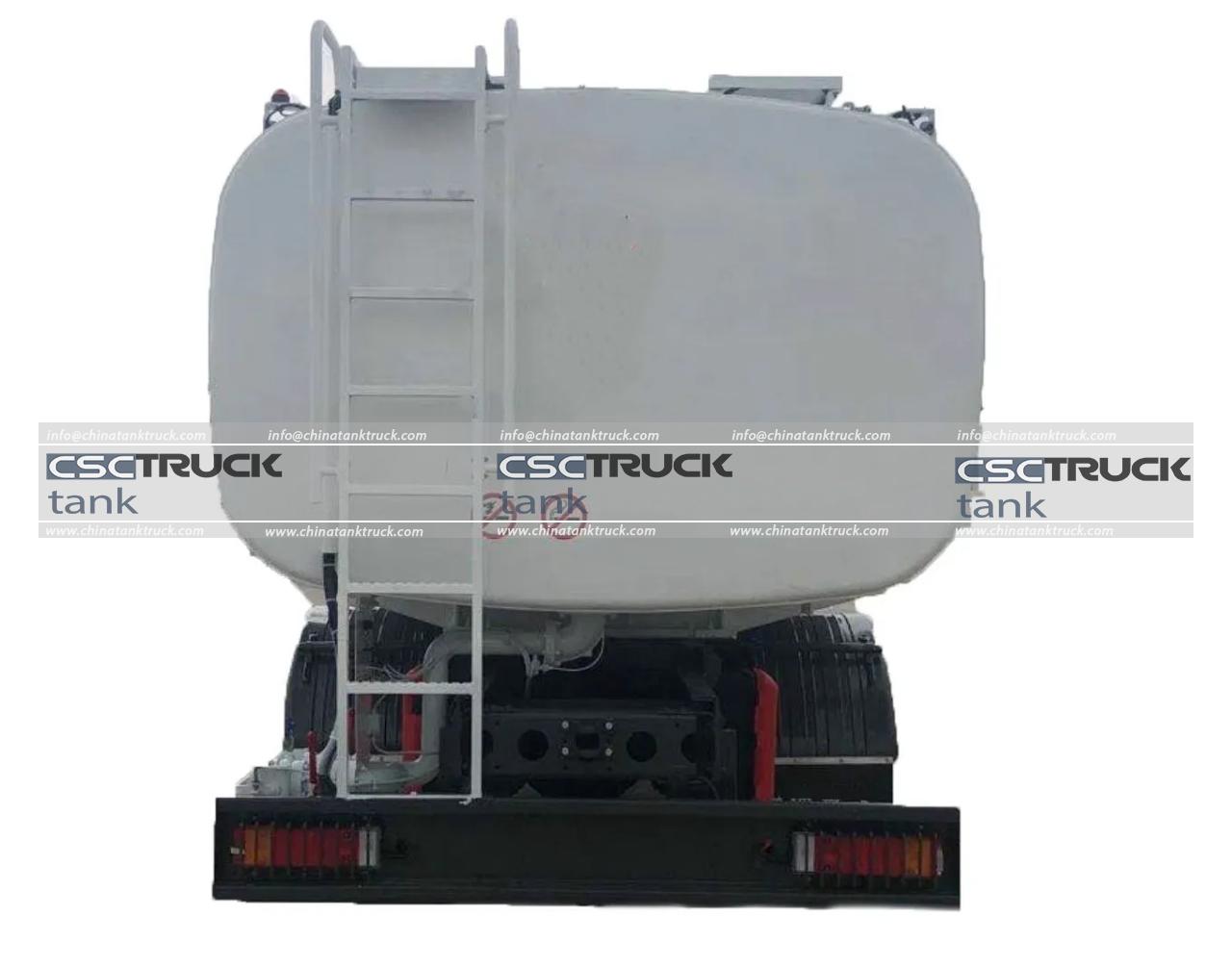
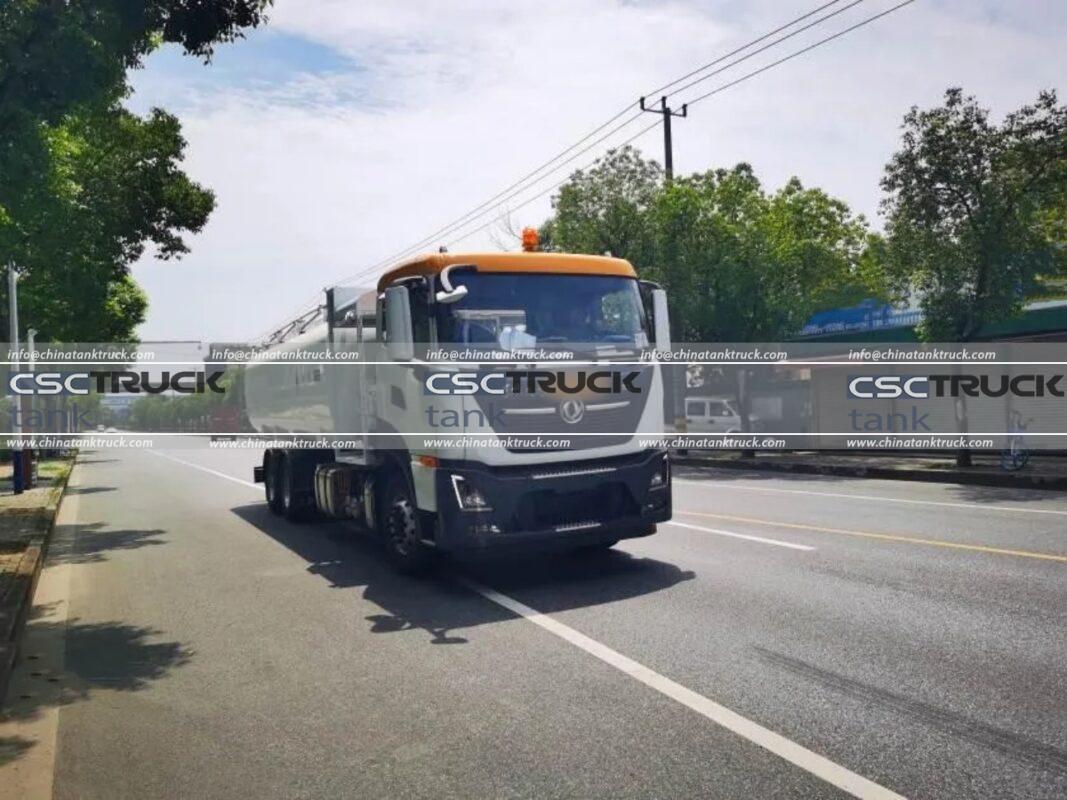
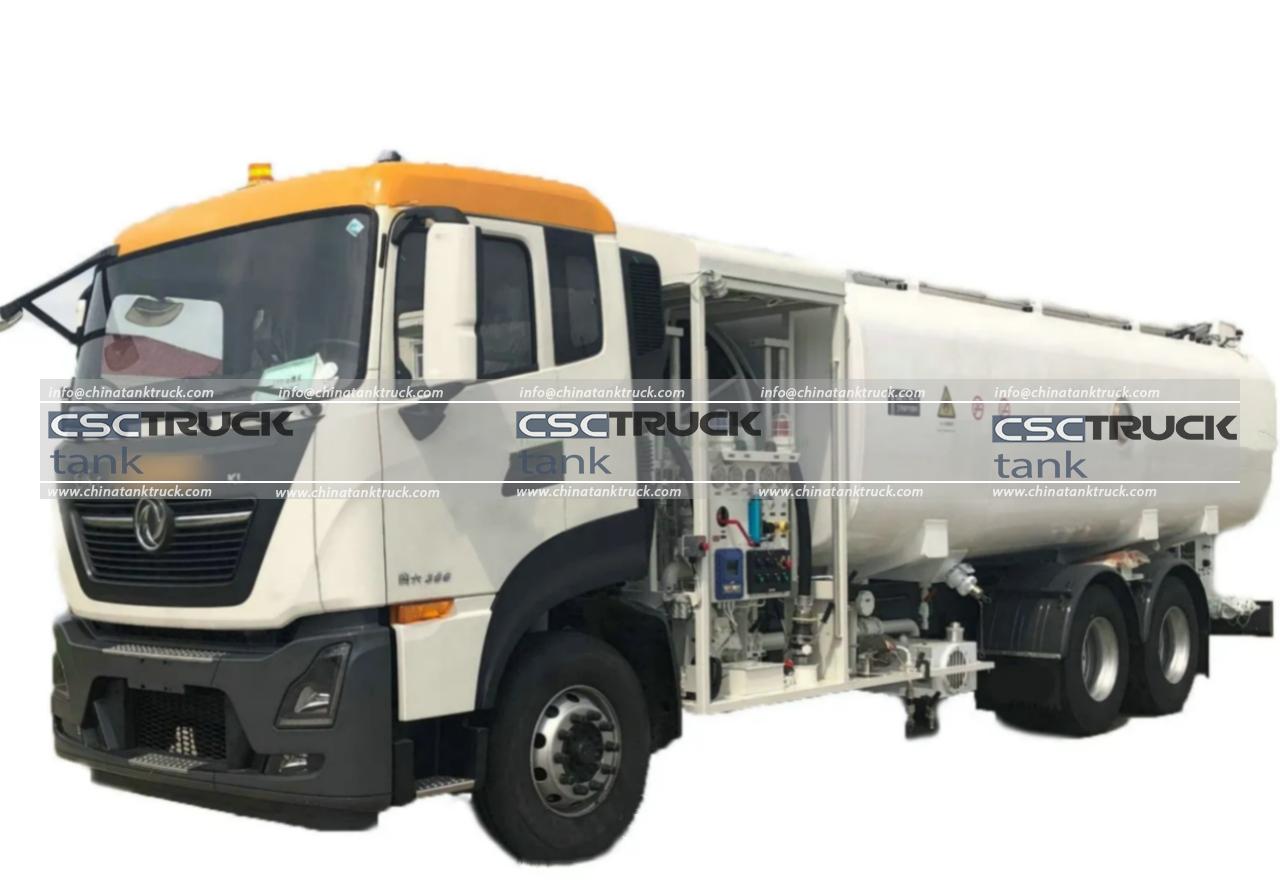
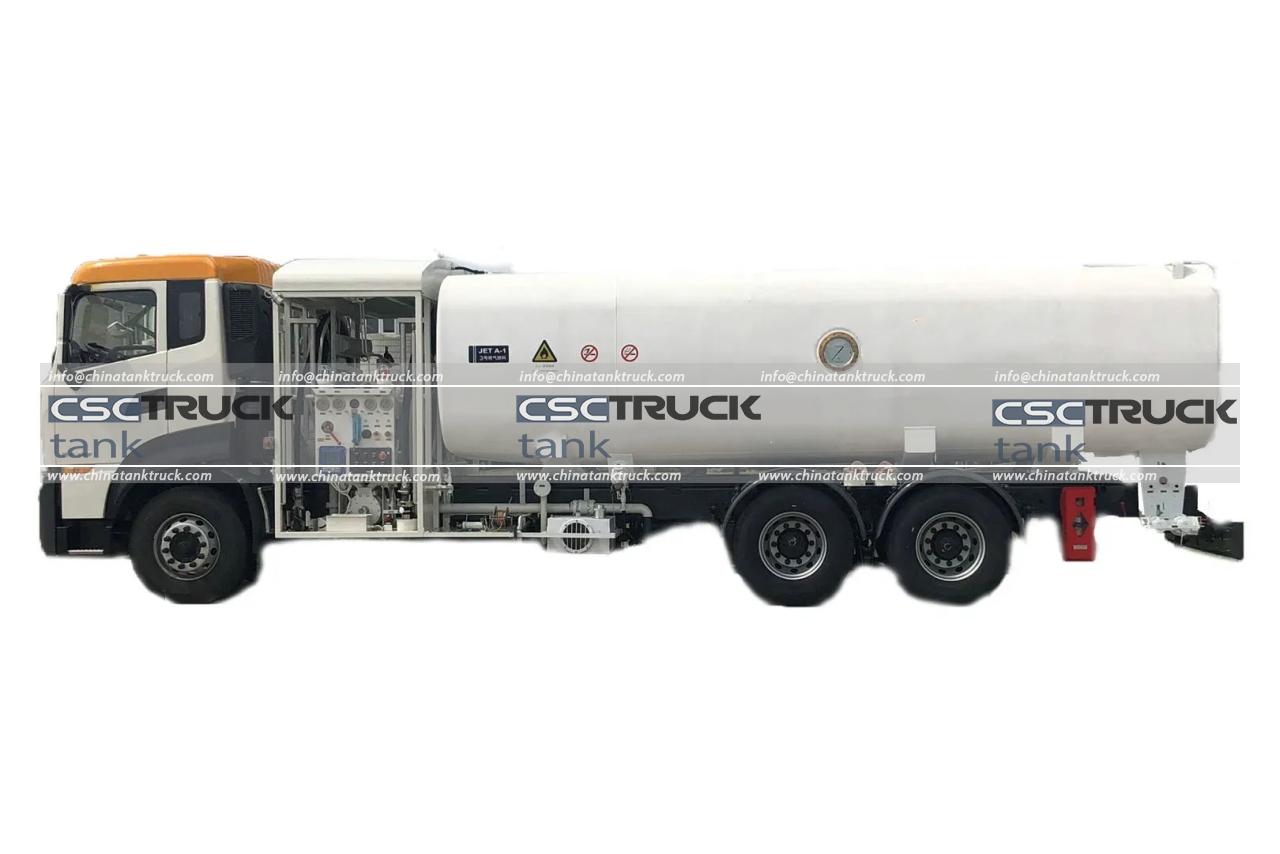
Aviation refueling trucks are complex systems consisting of a chassis, fuel tank, pump, filtration system, meters, valves, hoses, nozzles, control systems, grounding equipment, and safety devices.
Regular inspection and preventive maintenance are essential. Operators should check hoses for deterioration, inspect valves and connections for leakage, maintain filters, verify pump performance, and inspect meters and safety systems according to the manufacturer’s and applicable standards’ requirements.
Maintenance records should be retained so that every important inspection or repair can be traced. A well-maintained refueler is not only safer but also more reliable and less likely to cause fueling delays.
5. Use Appropriate Filtration and Water Detection
Clean fuel is fundamental to aviation safety. Filtration equipment should therefore be selected and maintained according to the fuel system’s operational requirements.
Operators should monitor filter condition and differential pressure, inspect filter elements when required, and ensure that water detection and removal procedures are properly implemented.
EI publications specifically address equipment and practices intended to maintain clean aviation fuel as it moves through the supply chain.
For an aviation refueler manufacturer, this means that filtration, pumping, piping, and fuel-delivery components should be integrated into the vehicle design as part of an overall fuel-quality-control system rather than treated as independent components.
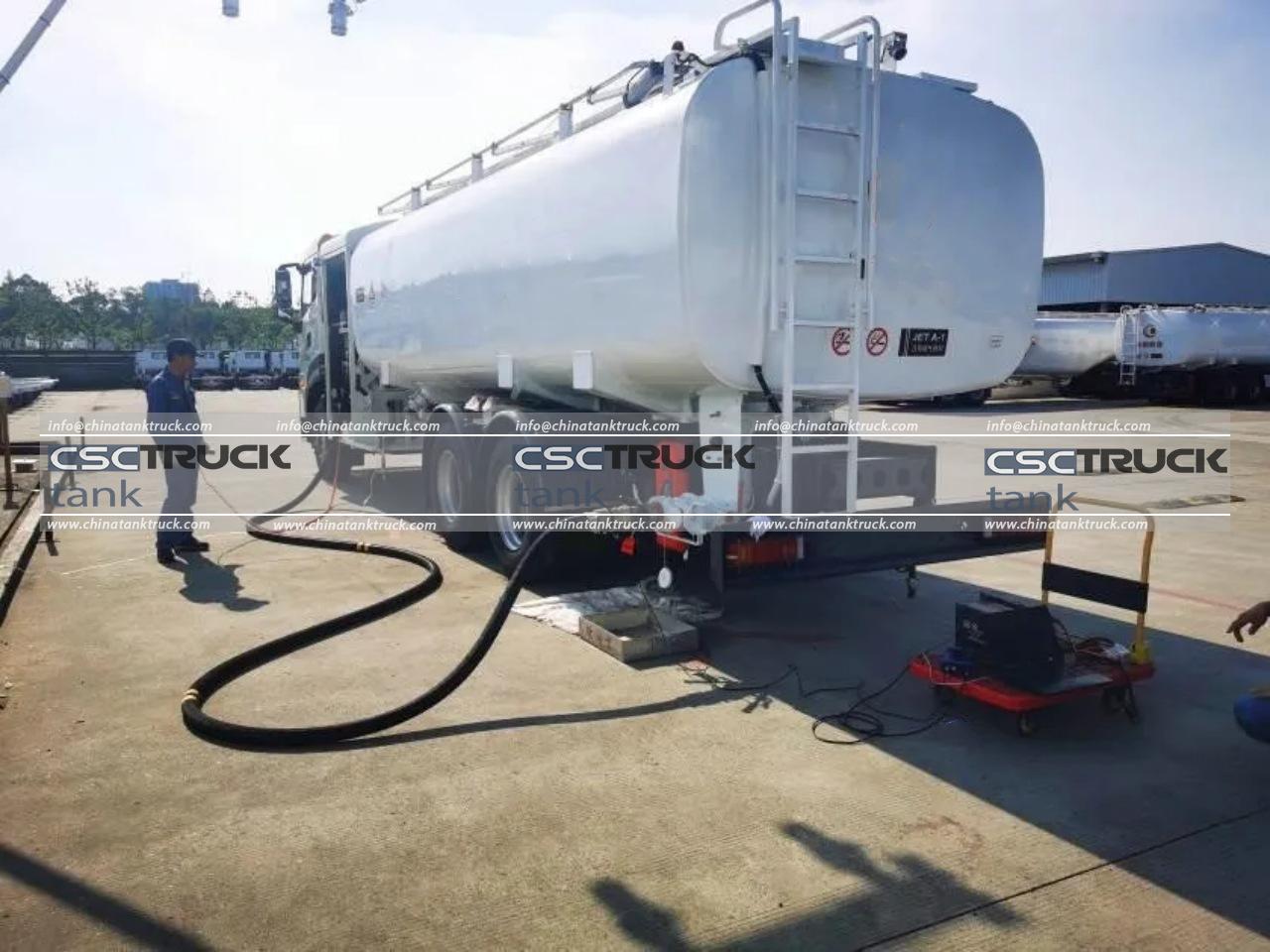
6. Follow Strict Bonding and Grounding Procedures
Static electricity presents a significant hazard during fuel transfer. Before fueling begins, appropriate bonding and grounding procedures should be followed according to the applicable operating standard and airport procedures.
Operators should inspect bonding cables, grounding connections, clamps, and related equipment regularly. Personnel should also be trained to connect equipment correctly and verify that required connections are established before fuel transfer begins.
Grounding and bonding procedures are particularly important because aviation fueling involves the movement of large quantities of flammable liquid in environments where ignition sources must be carefully controlled.
7. Train and Certify Fueling Personnel
Even the best-designed refueling truck cannot ensure compliance without properly trained operators.
Fueling personnel should understand fuel quality requirements, equipment operation, emergency procedures, contamination prevention, sampling procedures, spill response, bonding and grounding, and relevant airport rules.
Training should not stop after initial qualification. Refresher training, competency assessments, toolbox meetings, and practical drills can help operators remain familiar with procedures and respond effectively to abnormal situations.
JIG 1, for example, specifically addresses in-plane fueling operations and operator-related requirements.
8. Keep Accurate Documentation and Records
Documentation is an essential part of compliance.
Fuel operators should maintain records covering fuel receipts, batch certificates, sampling and testing, equipment inspections, filter maintenance, meter checks, vehicle maintenance, operator training, incidents, and corrective actions.
Good records provide traceability and allow management to determine what happened if a fuel-quality or equipment problem occurs. They also make audits easier and help demonstrate that established procedures are being followed consistently.
Digital maintenance and inspection systems can further improve traceability and reduce the risk of missing scheduled inspections.
9. Conduct Regular Audits and Inspections
Compliance should be verified through routine internal inspections rather than waiting for an external audit.
Managers can establish daily, weekly, monthly, and annual inspection programs covering the refueler, fueling equipment, documentation, personnel qualifications, fuel quality controls, and emergency equipment.
Audit findings should be documented and followed by corrective actions. If a recurring problem is identified, management should investigate its root cause instead of simply correcting the immediate symptom.
Regular auditing creates a continuous improvement cycle that strengthens both safety and operational reliability.
10. Keep Up With Changes in Standards
Aviation fueling standards and technical guidance can change as technology, fuel formulations, equipment, and operational practices evolve.
This is particularly relevant as sustainable aviation fuel (SAF) becomes increasingly important. IATA notes that aviation fuel specifications and quality-control practices apply across the distribution infrastructure, while SAF blends must meet the applicable fuel requirements before being used as aviation turbine fuel.
Operators should therefore monitor updates from organizations such as ASTM, ICAO, IATA, JIG, and relevant national aviation authorities. Equipment specifications, training programs, operating procedures, and inspection checklists should be updated when applicable requirements change.
Conclusion
Ensuring compliance with aviation fueling standards requires a complete approach that covers fuel quality, equipment, personnel, procedures, documentation, and continuous improvement. Operators should understand applicable standards, prevent contamination, maintain refueling equipment, control fuel quality, train personnel, maintain accurate records, and conduct regular audits.
For aviation fuel transportation equipment, choosing the right vehicle manufacturer is also important. CSCTRUCK China Tank Truck focuses on specialized tank truck manufacturing and customized transportation solutions, helping customers select configurations suitable for different fuel transportation applications. With appropriate tank design, pumping and filtration systems, safety equipment, and chassis options, a properly configured aviation fuel truck can become an important part of a compliant and efficient fueling operation.
Ultimately, aviation fueling compliance is not simply about passing an inspection. It is about building a reliable system in which every fuel batch, vehicle, component, operator, and procedure contributes to the safe delivery of clean and specification-compliant aviation fuel.