Aviation refueling is a critical ground-support operation where safety, accuracy, and reliability are essential. An aviation refueler must deliver the correct type and quantity of aviation fuel while minimizing the risk of contamination, leakage, fire, equipment failure, or operational delays. Because aircraft fueling takes place in a demanding airport environment, operators need to pay close attention to vehicle condition, fueling equipment, procedures, and regular maintenance.
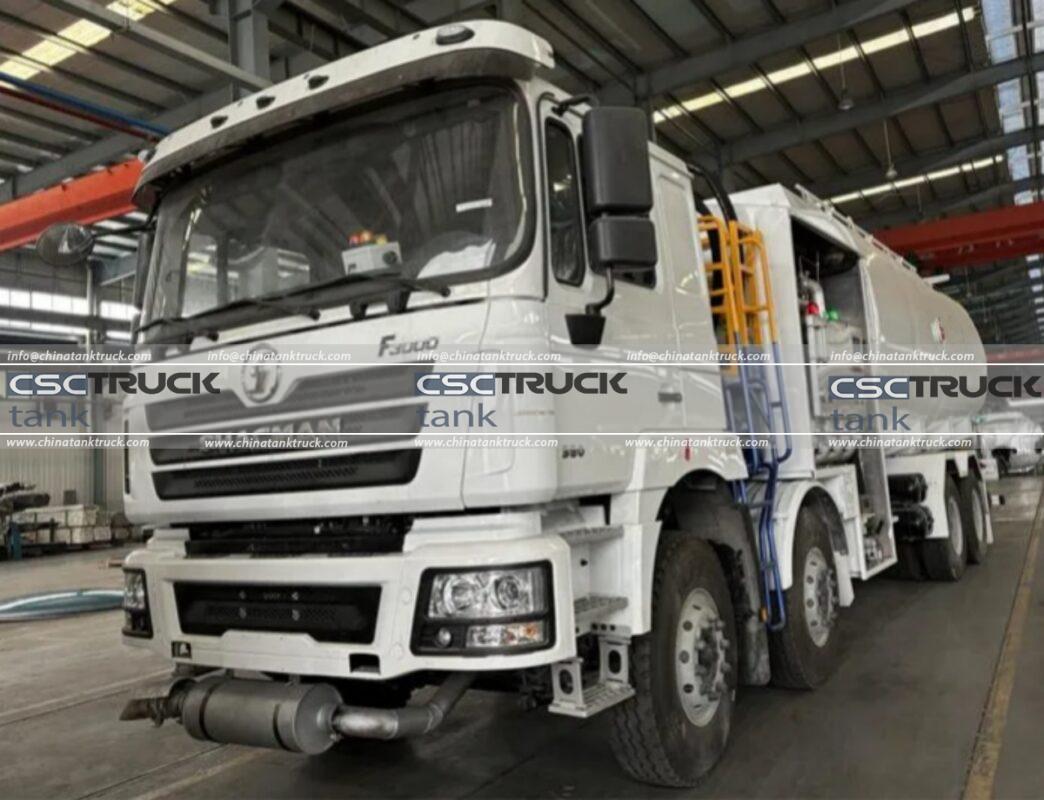
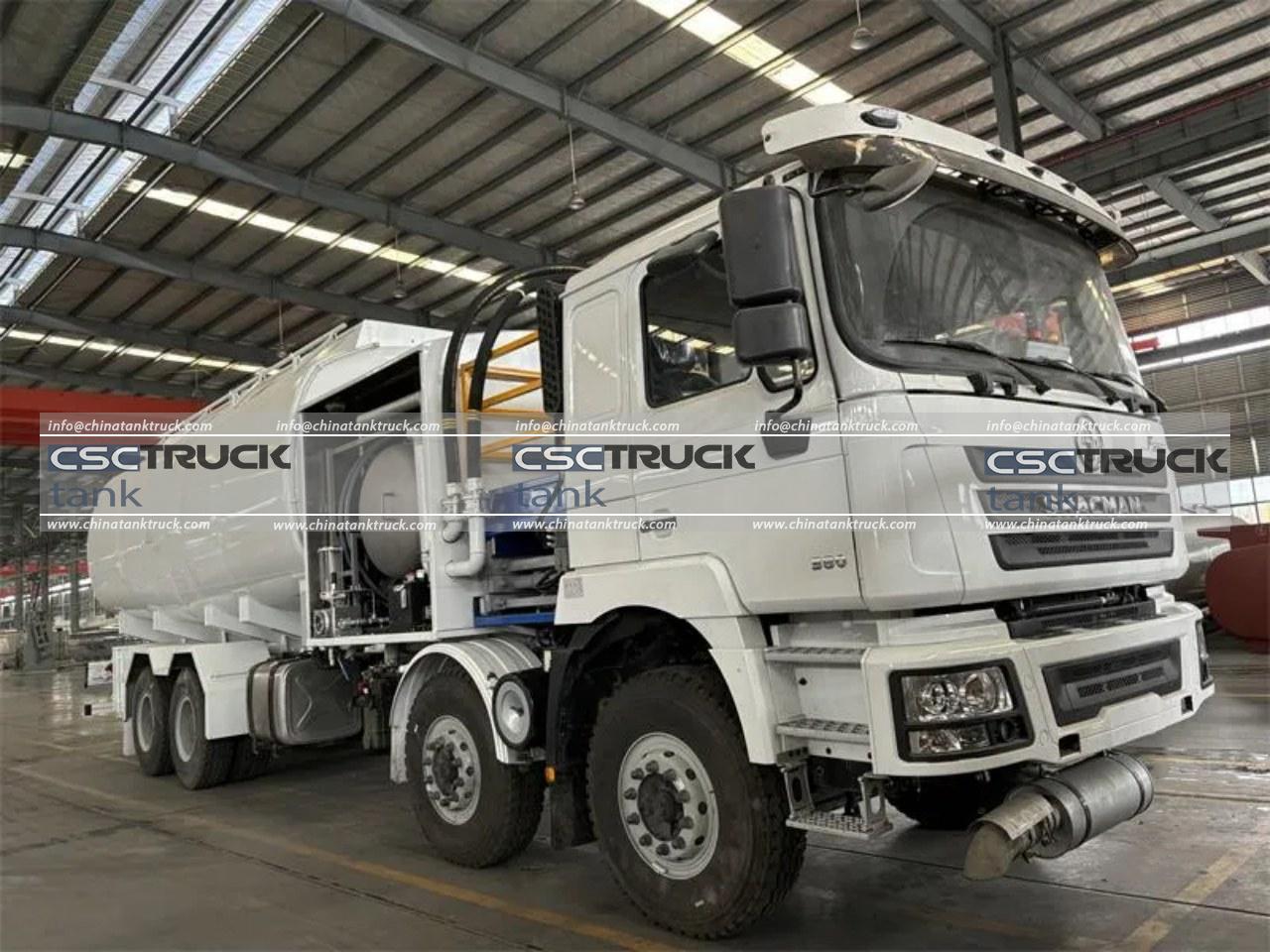
CSCTRUCK China Tank Truck is a professional Chinese manufacturer and exporter specializing in tank trucks, tank trailers, and specialized transportation equipment. Its product range includes fuel tank trucks and aviation refuelers, with models such as the SITRAK 12,000-liter Jet A1 Aircraft Refueller and Benz 18,000-liter Jet A1 Refueller. The company states that it integrates R&D, manufacturing, and after-sales service, while providing customized tank capacities, materials, equipment configurations, and chassis options for international customers.
For airport operators and fuel service companies, improving the safety and reliability of aviation refuelers should be an ongoing process. Here are 10 practical tips to help achieve that goal.
1. Perform a Thorough Pre-Operation Inspection
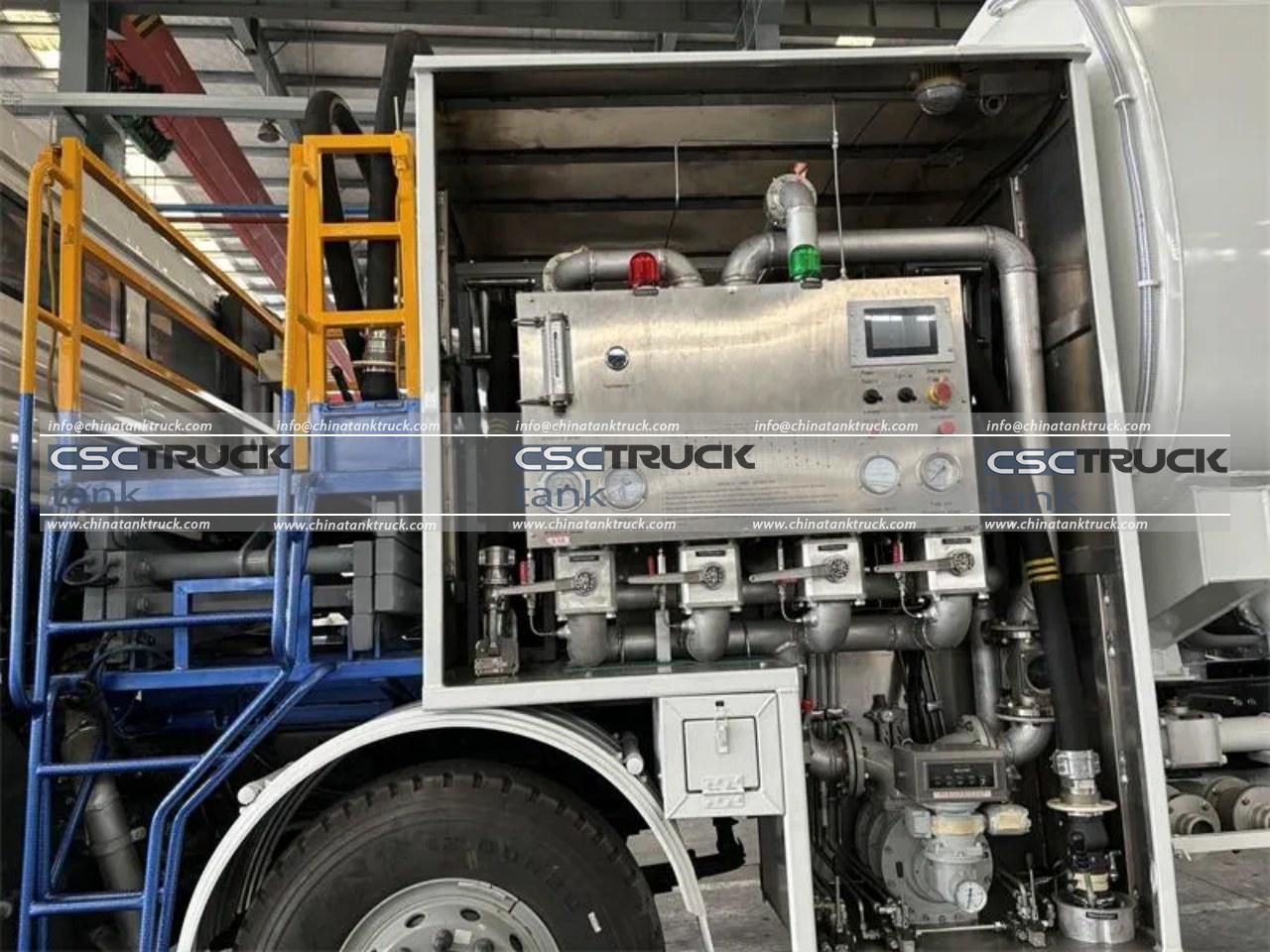
A proper inspection should be completed before every fueling shift. Operators should examine the tank body, hoses, nozzles, valves, couplings, pumps, meters, filters, emergency shut-off systems, tires, lights, and other important components.
Look for fuel leakage, damaged hoses, loose fittings, unusual wear, corrosion, or visible cracks. Check that emergency equipment is accessible and functional. Any defect that could affect safe fueling should be corrected before the refueler is put into service.
A consistent pre-operation checklist helps operators identify small problems before they become serious failures.
2. Keep the Fueling System Clean
Fuel contamination can have severe consequences in aviation. Water, dirt, rust, dust, microorganisms, or other foreign substances entering aviation fuel can affect aircraft fuel-system performance.
Operators should therefore keep tanks, pipelines, hoses, filters, couplings, and nozzles clean. Drain accumulated water and inspect filtration equipment according to the manufacturer’s maintenance requirements.
The refueler should also be protected from unnecessary exposure to rain, dust, and other contaminants when not in operation. Good housekeeping is one of the simplest ways to improve both fuel quality and equipment reliability.
3. Inspect and Maintain Hoses Regularly
Fueling hoses are among the most frequently used components of an aviation refueler. They experience bending, pressure, temperature changes, and repeated connection and disconnection.
Operators should regularly inspect hoses for cracks, abrasions, swelling, cuts, leaks, and damaged connections. Hose assemblies should be replaced when they reach the manufacturer’s service limits or show unacceptable deterioration.
Avoid dragging hoses unnecessarily across the ground or placing excessive loads on couplings. Proper hose handling can reduce wear and extend service life while lowering the possibility of fuel leakage.
4. Maintain Pumps, Valves, and Meters
The pump is essential for delivering aviation fuel at a controlled flow rate, while valves and meters help ensure accurate and safe fueling.
Regular maintenance should include checking pump performance, valve operation, seals, pressure levels, flow rates, and meter accuracy. Unusual vibration, noise, pressure fluctuations, or reduced flow may indicate an underlying problem.
Fuel meters should also be checked and calibrated according to applicable requirements. Accurate measurement is important not only for operational efficiency but also for inventory management and customer confidence.
5. Use Proper Grounding and Bonding Procedures
Static electricity can create a serious ignition hazard when handling aviation fuel. Proper bonding and grounding procedures help reduce the possibility of static discharge during fueling.
Operators should follow established airport procedures and verify that bonding connections and cables are in good condition. Grounding and bonding equipment should be inspected regularly for damage, corrosion, or poor connections.
Personnel should never bypass required safety systems simply to speed up the fueling process. In aviation ground operations, a few seconds saved should never come at the expense of safety.
6. Train Operators Thoroughly
Even a high-quality aviation refueler depends on trained operators. Personnel should understand the vehicle’s operating procedures, fueling equipment, emergency controls, fuel-handling requirements, and airport safety rules.
Training should cover normal fueling operations as well as abnormal situations, including fuel leakage, equipment malfunction, fire hazards, hose damage, and emergency shutdown.
Refresher training is also important. Operators who regularly use the same vehicle can become overly familiar with routine procedures and may overlook warning signs. Periodic training helps maintain safety awareness.
7. Follow a Preventive Maintenance Schedule
Waiting until a component fails is not an effective maintenance strategy for an aviation refueler. Preventive maintenance allows potential problems to be discovered before they cause operational downtime.
Create a maintenance schedule covering daily, weekly, monthly, and longer-term inspections. The schedule can include engine servicing, pump inspection, filter replacement, hose inspection, valve checks, electrical-system inspection, tire maintenance, lubrication, and tank inspection.
Maintenance records should be retained for each vehicle. A detailed history can help technicians identify recurring problems and determine when components should be repaired or replaced.
8. Monitor the Vehicle’s Operating Environment
Airport environments can expose refuelers to rain, snow, high temperatures, dust, strong winds, and other challenging conditions. These environmental factors can affect vehicle components and fueling performance.
During extreme weather, operators should pay additional attention to visibility, tire traction, electrical connections, hoses, valves, and fuel-system components. In cold environments, appropriate measures should be taken to prevent freezing or moisture-related problems.
When conditions become unsafe, fueling operations should be suspended according to airport procedures. Reliability does not mean operating regardless of conditions; it means knowing when equipment can be safely used.
9. Test Emergency Safety Systems
An aviation refueler should be equipped with effective emergency controls that allow fueling operations to be stopped quickly when necessary.
Emergency shut-off systems, valves, fire extinguishers, alarms, electrical systems, and other safety equipment should be inspected and tested according to applicable procedures.
Operators should also know exactly where emergency controls are located and how to use them. Emergency response training should include practical exercises so personnel can react quickly under pressure.
Regular testing ensures that safety systems remain functional when they are needed most.
10. Choose a Reliable Refueler and Configure It Correctly
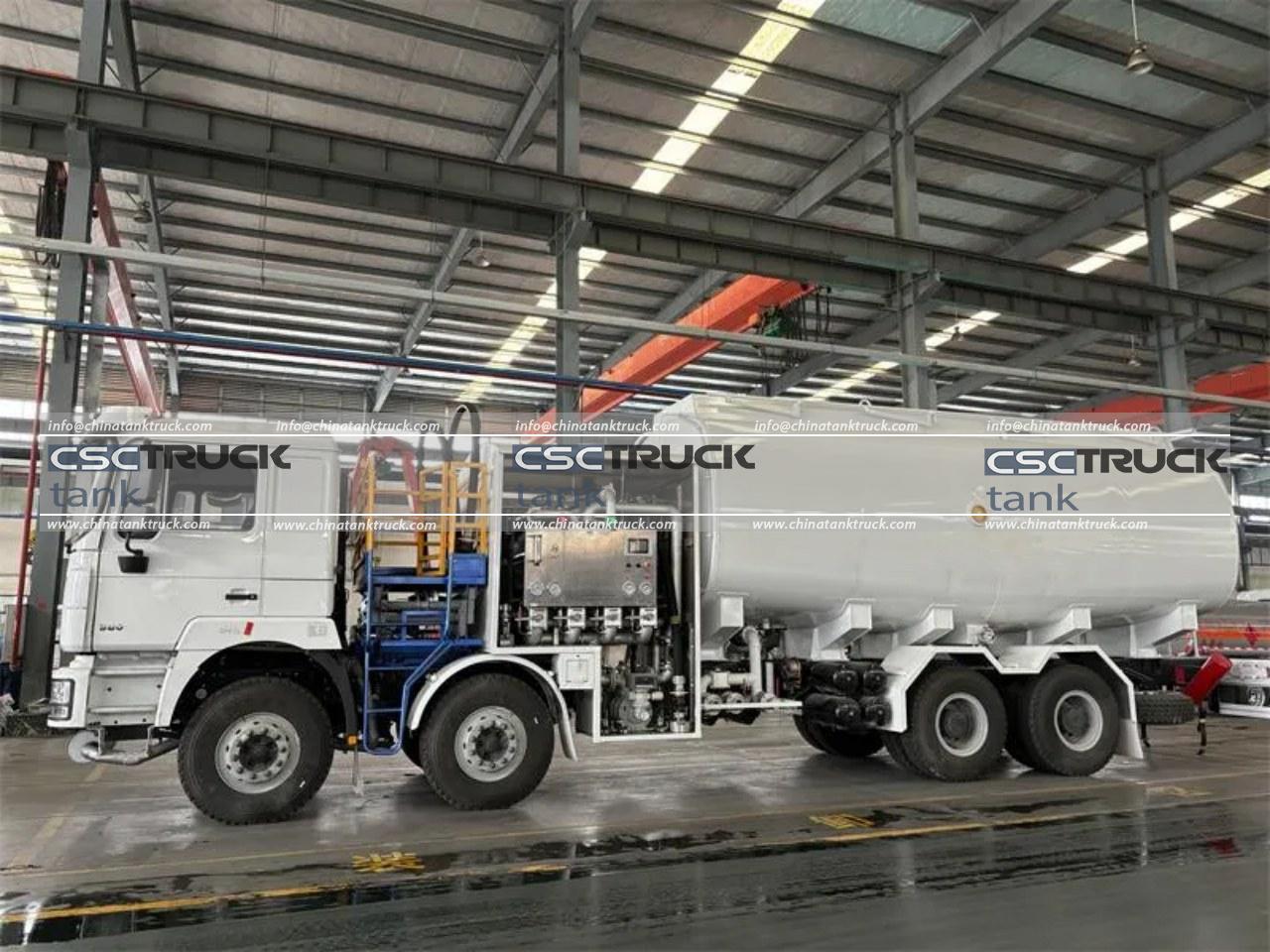
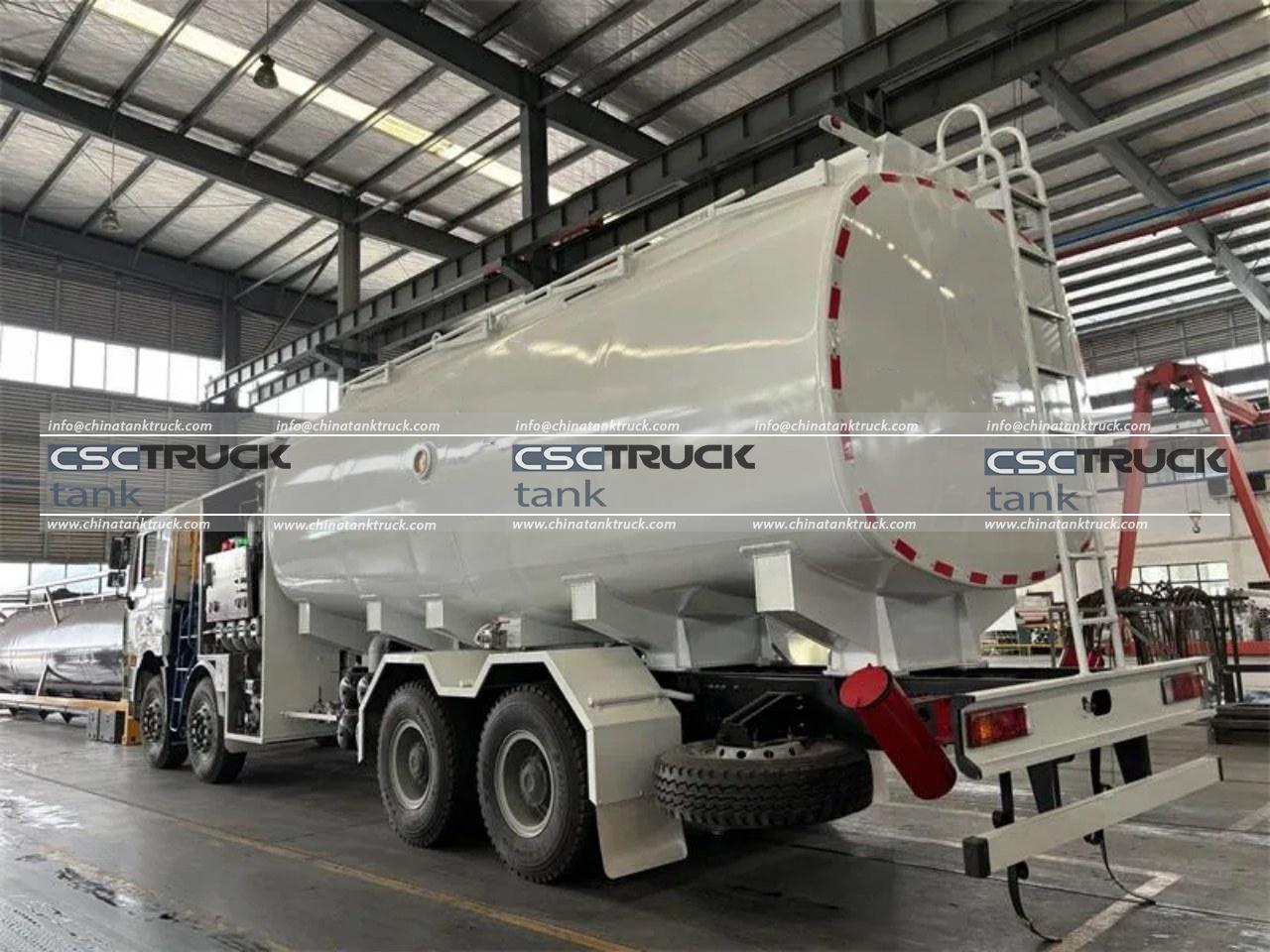
Long-term safety and reliability begin with selecting the right aviation refueler. The vehicle should match the airport’s fueling volume, aircraft requirements, operating environment, fuel type, and local regulations.
Important considerations include tank capacity, tank material, chassis performance, pump capacity, filtration, metering, hose configuration, emergency systems, and corrosion protection. The equipment should also be designed and configured according to the applicable aviation fueling standards and airport requirements.
CSCTRUCK China Tank Truck offers aviation refueler models and a broader range of fuel transportation equipment. Its website lists aviation refuelers among its specialized fuel-transport products, and the company indicates that it can customize tank capacity, material, compartments, pumps, and chassis brands according to customer requirements.
Conclusion
Enhancing aviation refueler safety and reliability requires more than simply purchasing a high-quality vehicle. It depends on a combination of careful inspection, clean fuel handling, preventive maintenance, trained personnel, accurate equipment, effective emergency systems, and disciplined operating procedures.
By implementing these 10 practices, airport fuel operators can reduce equipment failures, minimize contamination risks, improve fueling efficiency, and create a safer working environment. A well-maintained aviation refueler is not only more dependable but can also contribute to smoother airport operations and longer equipment service life.
For organizations looking for customized tank truck and aviation refueling solutions, CSCTRUCK China Tank Truck provides a range of fuel vehicles and international support. With its focus on manufacturing, customization, quality inspection, and after-sales service, CSCTRUCK China Tank Truck can serve as a potential equipment partner for aviation and fuel transportation projects worldwide.