
Introduction
Fuel delivery accuracy is one of the most critical aspects of aircraft refueling operations. Even small discrepancies in fuel quantity can affect aircraft performance, operational costs, flight planning, and regulatory compliance. Accurate fuel delivery not only ensures flight safety but also minimizes fuel waste, improves customer confidence, and increases the efficiency of airport ground operations.
Modern aviation refuelers are equipped with sophisticated metering systems, filtration equipment, pressure control devices, and digital monitoring technologies to deliver fuel precisely according to aircraft requirements. However, maintaining consistent accuracy requires proper equipment selection, regular maintenance, operator training, and adherence to strict operating procedures.
CSCTRUCK China Tank Truck is a professional manufacturer of aviation refuelers and specialized fuel vehicles. Established in 2005, the company designs and manufactures high-quality aircraft refueling trucks, aluminum fuel tankers, airport hydrant dispensers, and customized fueling solutions for airports worldwide. With advanced manufacturing technology, strict quality control systems, and customizable configurations, CSCTRUCK China Tank Truck provides reliable aviation fueling equipment that meets the demanding requirements of modern airports and aviation operators.
Below are 10 practical tips to improve fuel delivery accuracy in aviation refuelers.
1. Calibrate Flow Meters Regularly
The flow meter is the heart of any aviation refueler. Over time, wear, contamination, and environmental conditions can gradually reduce measurement accuracy.
Routine calibration helps ensure:
- Precise fuel quantity measurement
- Compliance with aviation regulations
- Reduced billing disputes
- Consistent fueling performance
Calibration should always be performed according to manufacturer recommendations using certified calibration equipment.

2. Maintain High-Quality Fuel Filters
Dirty or partially clogged filters restrict fuel flow and may affect meter performance.
Proper filter maintenance includes:
- Replacing filter elements on schedule
- Monitoring differential pressure indicators
- Inspecting filter vessels for contamination
- Using approved aviation-grade filtration systems
Clean filtration ensures both accurate measurement and high fuel quality.
3. Inspect Pumps for Consistent Performance
A worn or damaged pump can create unstable flow rates, pressure fluctuations, and inconsistent fuel delivery.
Regular pump inspections should include:
- Seal condition
- Bearing wear
- Pump efficiency
- Pressure output
- Leakage inspection
A well-maintained pump provides stable operating conditions for accurate fuel metering.

4. Monitor Fuel Temperature
Fuel expands and contracts with temperature changes.
Without proper temperature compensation:
- Warm fuel occupies more volume
- Cold fuel occupies less volume
- Volume-based measurements may become inaccurate
Many modern aviation refuelers incorporate Automatic Temperature Compensation (ATC) systems that convert delivered fuel volume to standard reference temperatures.
Using ATC significantly improves measurement consistency across different climates.
5. Eliminate Air from the Fuel System
Air trapped inside pipelines or hoses can cause incorrect meter readings.
Common causes include:
- Loose fittings
- Pump cavitation
- Improper priming
- Damaged seals
- Low fuel levels
Operators should always:
- Prime the system before fueling
- Inspect hose connections
- Remove trapped air
- Check suction lines
Air-free fuel systems provide much more reliable delivery measurements.

6. Use High-Quality Digital Metering Systems
Traditional mechanical meters remain reliable, but digital flow measurement systems provide superior accuracy.
Modern electronic systems offer:
- Real-time monitoring
- Automatic data recording
- Digital fuel receipts
- Error diagnostics
- Temperature compensation
- Remote fleet management
Digital systems also reduce human calculation errors and simplify maintenance planning.
7. Train Operators Thoroughly
Even the best equipment cannot compensate for poor operating practices.
Professional operator training should include:
- Proper fueling procedures
- Meter reading techniques
- Equipment inspection
- Emergency response
- Fuel quality management
- Daily maintenance checks
Experienced operators recognize abnormal readings before they become serious problems.
Regular refresher training helps maintain consistent fueling accuracy.
8. Perform Routine Preventive Maintenance
Preventive maintenance keeps every component working within design specifications.
Maintenance schedules should include inspections of:
- Flow meters
- Pumps
- Pressure control valves
- Hoses
- Nozzles
- Deadman controls
- Fuel filters
- Tank interior
- Electronic sensors
Waiting until equipment fails usually leads to larger measurement errors and expensive repairs.
Routine inspections significantly improve long-term accuracy.
9. Verify Meter Accuracy with Regular Testing
Periodic proving tests help verify that the entire fueling system delivers the correct quantity of fuel.
Testing may include:
- Certified proving tanks
- Master meters
- Volumetric verification
- Repeatability testing
- System performance reports
These tests identify gradual performance changes before they affect operational accuracy.
Many airports require documented meter verification as part of regulatory compliance.

10. Invest in High-Quality Aviation Refuelers
Equipment quality has a direct impact on fueling precision.
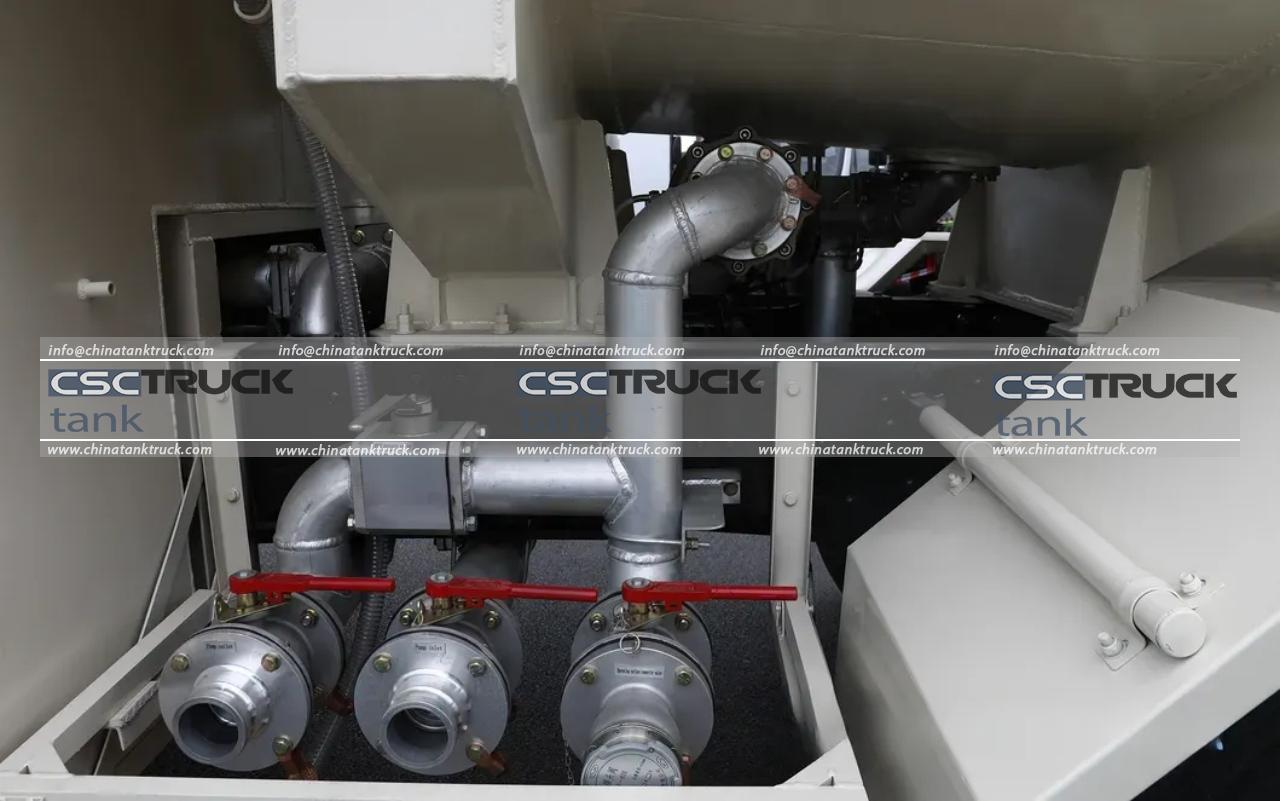
A professionally manufactured aviation refueler typically includes:
- Precision flow meters
- Reliable centrifugal pumps
- Aluminum alloy fuel tanks
- High-efficiency filtration systems
- Pressure control systems
- Electronic monitoring
- Ergonomic control panels
- Durable hose reels
Choosing a reputable manufacturer ensures better long-term accuracy, easier maintenance, and improved operational reliability.
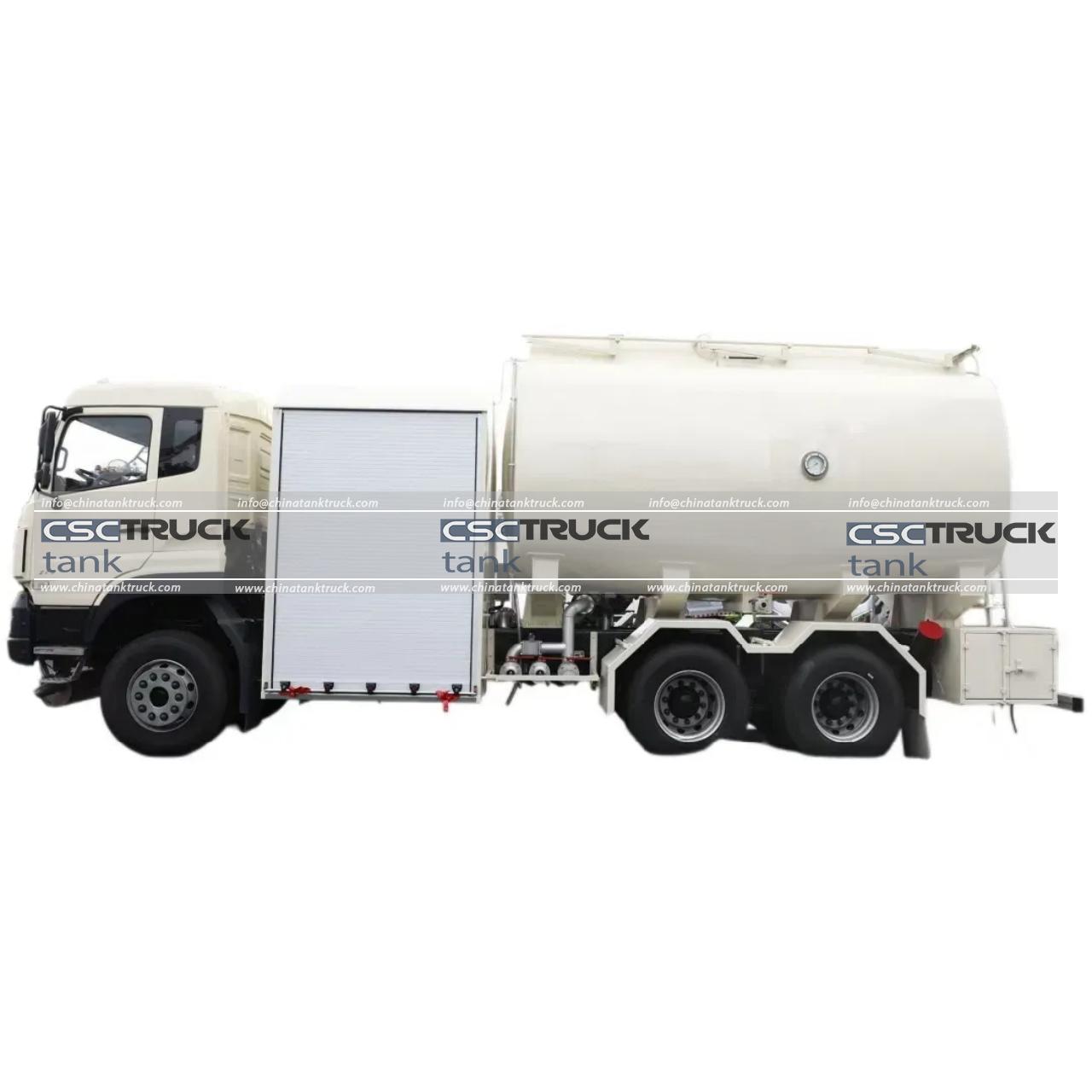
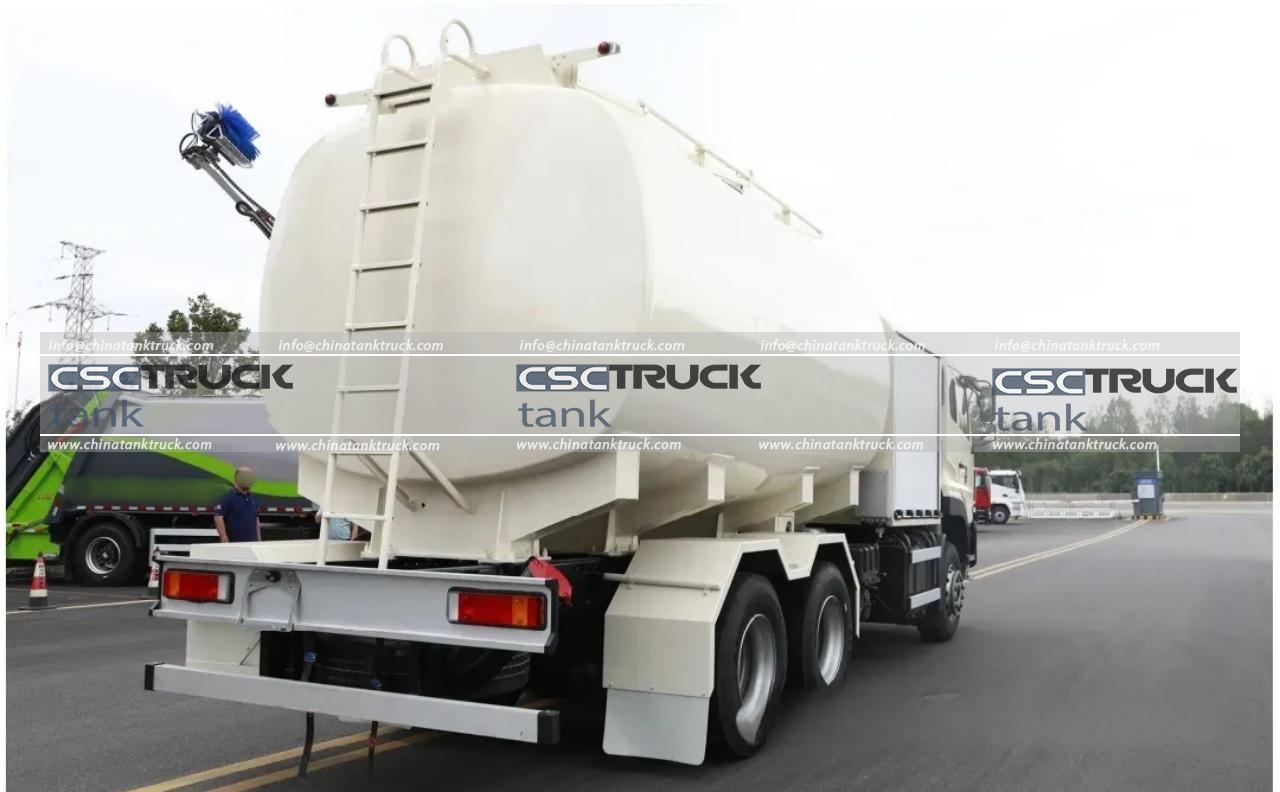
For example, CSCTRUCK China Tank Truck aviation refuelers are available in various capacities and can be equipped with premium components such as high-capacity pumps, aluminum alloy tanks, advanced metering systems, and customizable fueling configurations to meet airport operational requirements.
Additional Best Practices
Beyond these ten tips, aviation operators should establish a comprehensive quality assurance program that includes:
- Daily equipment inspections
- Fuel sampling procedures
- Meter calibration records
- Scheduled operator certification
- Internal audits
- Fuel inventory reconciliation
- Preventive maintenance documentation
- Compliance with international aviation fueling standards
Combining these practices creates a reliable fueling process with consistently high measurement accuracy.
Conclusion
Fuel delivery accuracy is fundamental to safe, efficient, and cost-effective aircraft refueling operations. Accurate fueling reduces operational costs, prevents fuel shortages or overfills, improves customer confidence, and helps airports comply with strict aviation regulations.
By regularly calibrating flow meters, maintaining filtration systems, monitoring fuel temperature, eliminating air from fuel lines, investing in digital metering technologies, training operators, and implementing preventive maintenance programs, aviation operators can achieve consistently precise fuel delivery.
Selecting a trusted equipment manufacturer is equally important. With years of experience in specialized tank truck manufacturing, CSCTRUCK China Tank Truck provides dependable aviation refuelers engineered for accuracy, durability, and operational efficiency. Their customizable aircraft refueling solutions, advanced manufacturing capabilities, and commitment to quality make them a reliable partner for airports, airlines, and aviation service providers seeking precise and safe aircraft fueling equipment.