
Introduction: Reliable Aviation Refuelers from CSCTRUCK China Tank Truck
Aviation refuelers are essential ground support vehicles responsible for safely transporting and delivering aviation fuel to aircraft at airports, military bases, and private airfields. Because they operate in demanding environments and handle highly sensitive aviation fuel, regular maintenance is critical to ensure safety, reliability, and long-term performance.
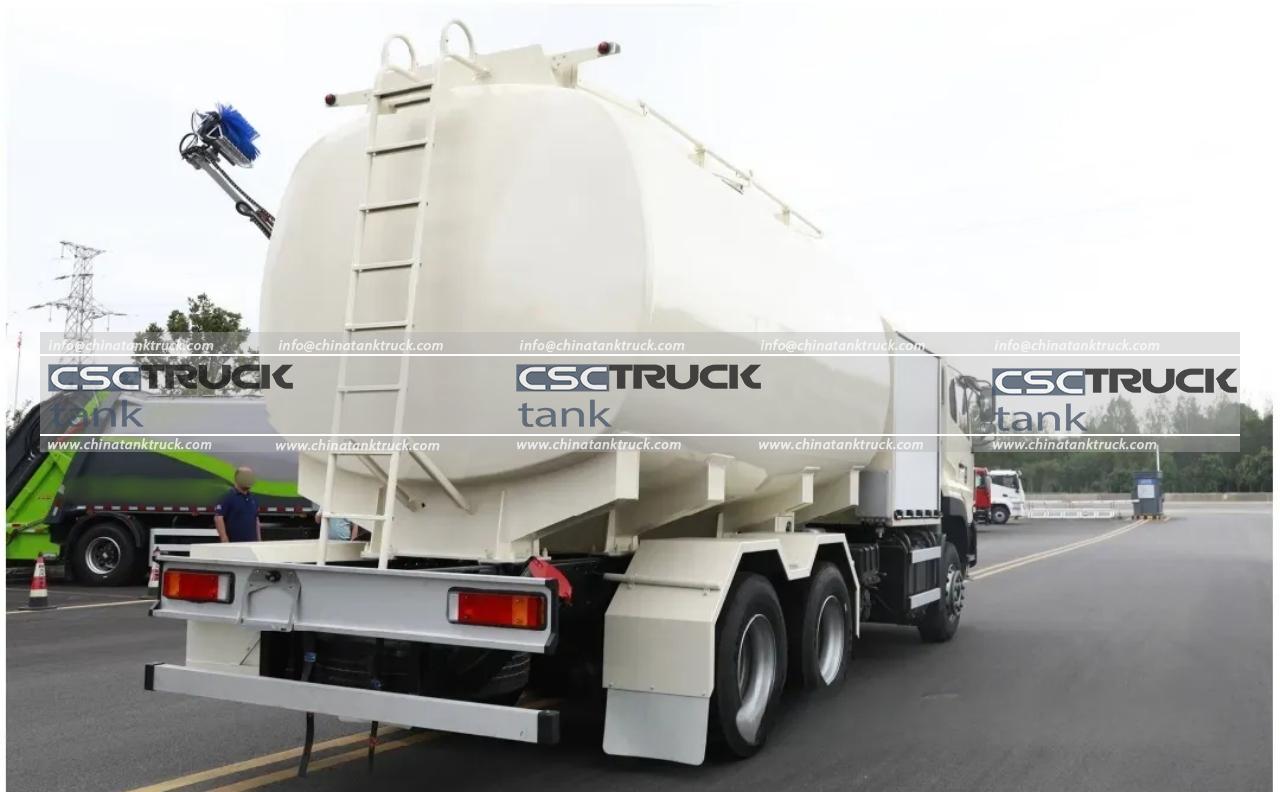
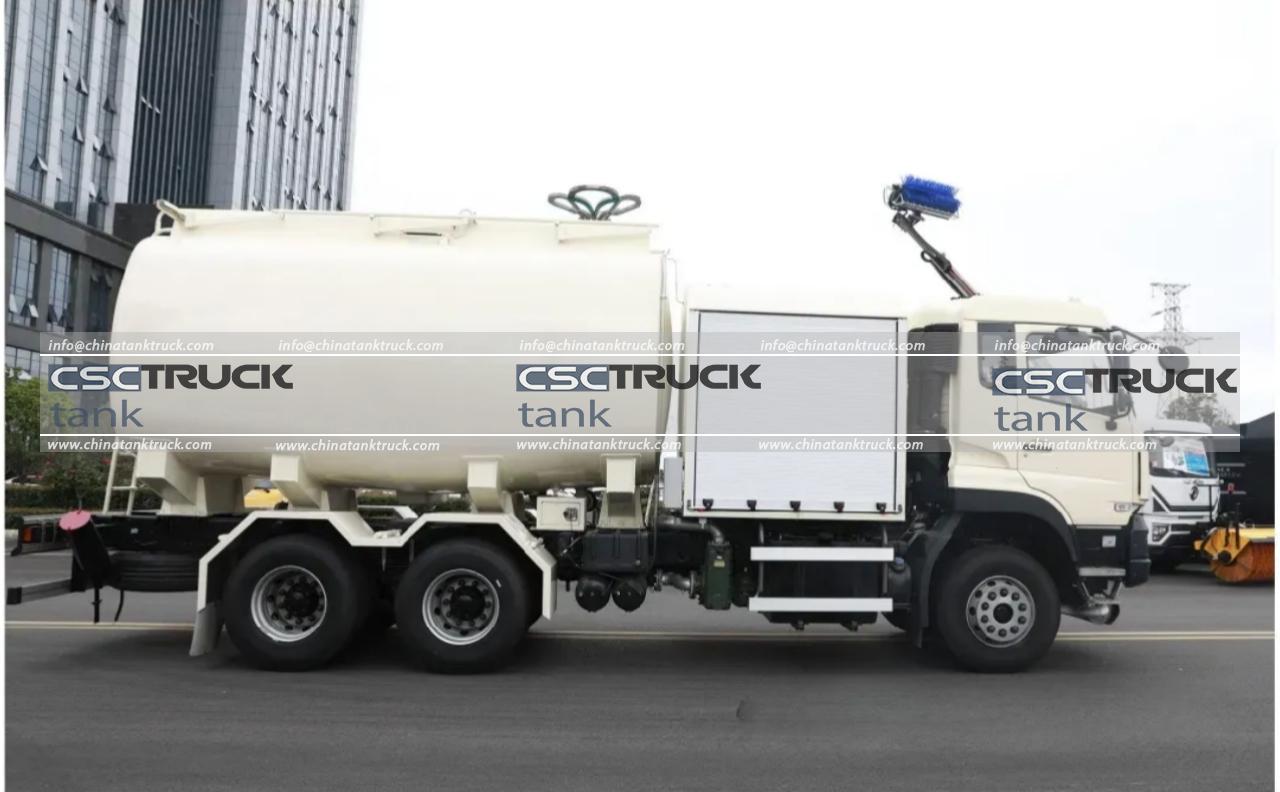
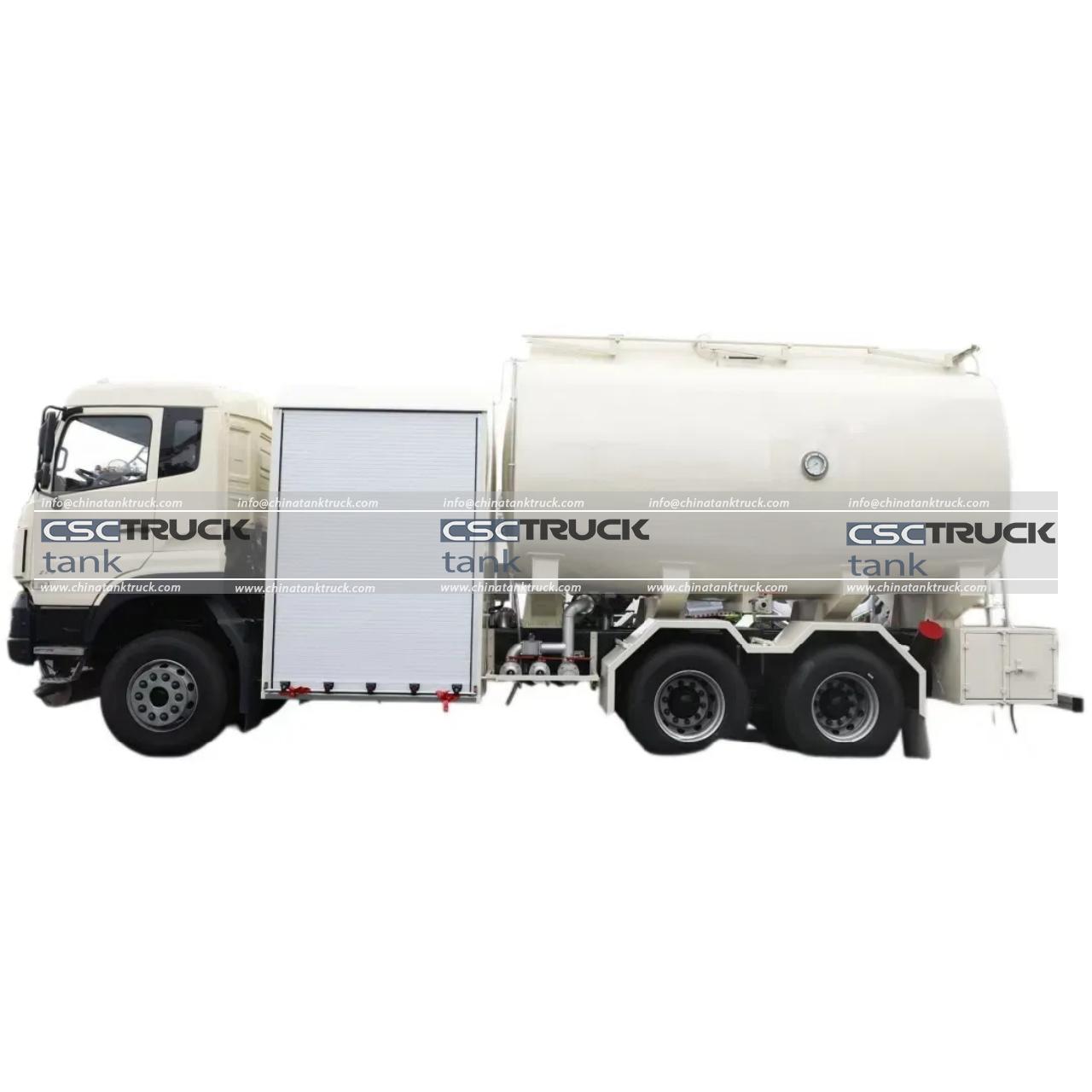
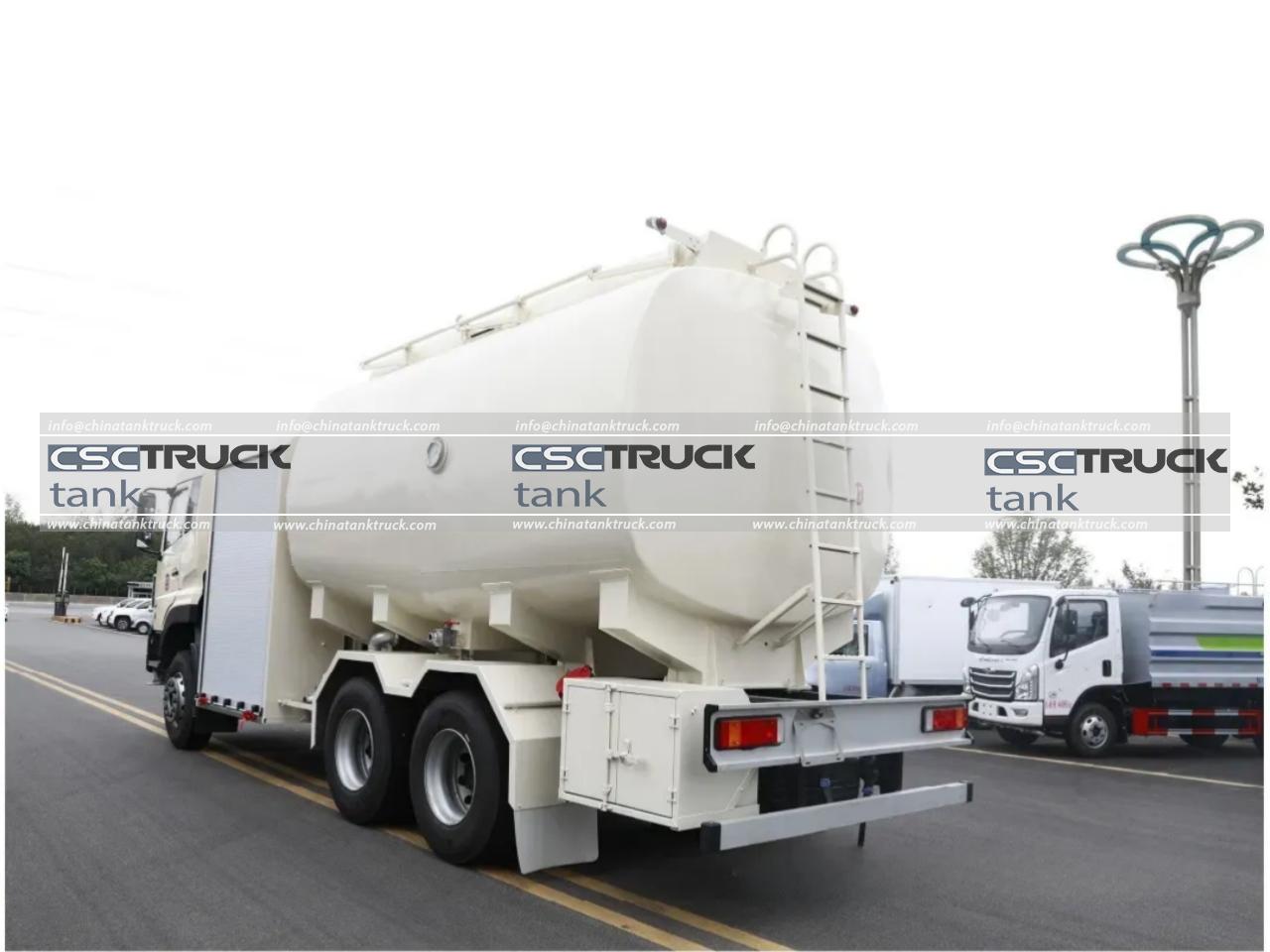
CSCTRUCK China Tank Truck is a professional manufacturer specializing in tank trucks and customized fuel transportation solutions. With extensive experience in designing and manufacturing fuel tank trucks, aircraft refuelers, and other special-purpose vehicles, CSCTRUCK China Tank Truck provides aviation refueling equipment designed for efficient fuel delivery, operational safety, and durability. The company offers different aviation refueler configurations, including small airport fuel trucks and high-capacity aircraft refueling vehicles equipped with advanced fueling systems, aluminum alloy tanks, pumps, filters, and safety devices.
Aviation refuelers often work under continuous operational pressure. Their fuel pumps, filtration systems, hoses, valves, chassis components, and control systems must remain in excellent condition to prevent downtime and ensure safe aircraft fueling operations. Proper preventive maintenance can significantly extend service life, reduce repair costs, and improve overall efficiency.
Below are 10 essential maintenance tips to extend the service life of an aviation refueler.
1. Perform Daily Visual Inspections Before Operation
Daily inspections are the foundation of aviation refueler maintenance. Before starting work, operators should carefully check the entire vehicle for visible problems.
Important inspection points include:
- Fuel tank exterior condition
- Fuel leaks or stains
- Hose damage or cracks
- Valve and pipeline connections
- Tire condition
- Brake system performance
- Warning lights and electrical components
- Fire extinguishers and safety equipment
Small issues such as loose fittings, minor leaks, or damaged hoses can develop into major failures if ignored. A quick inspection before each shift helps identify problems early and prevents unexpected breakdowns.
2. Maintain the Aviation Fuel Tank Properly
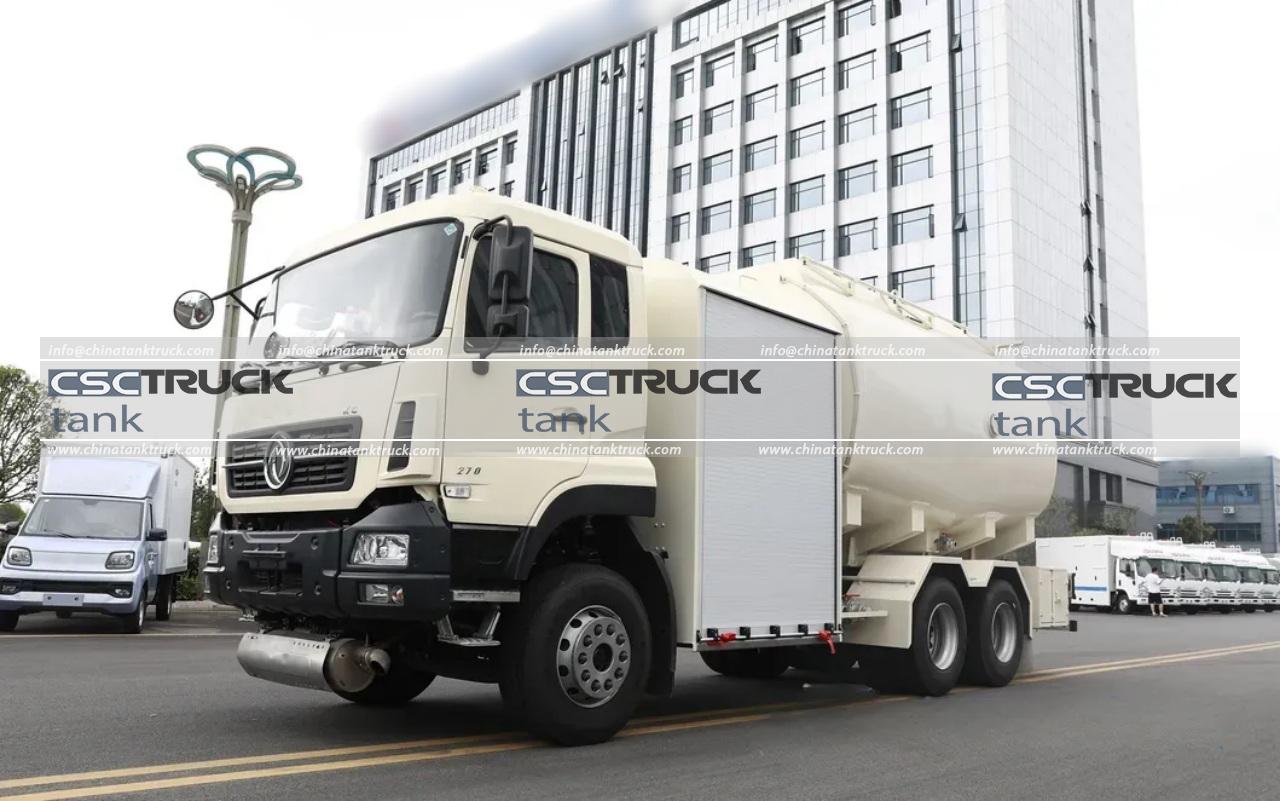
The fuel tank is one of the most important components of an aircraft refueler. Keeping the tank clean, corrosion-free, and structurally sound is essential for protecting fuel quality.
Maintenance practices should include:
- Regularly checking the tank body for corrosion
- Inspecting weld seams and joints
- Checking manholes and sealing gaskets
- Removing moisture and contaminants
- Cleaning the tank according to maintenance schedules
Many aviation refuelers use aluminum alloy tanks because they provide excellent corrosion resistance and reduce vehicle weight. For example, CSCTRUCK China Tank Truck aircraft refuelers commonly use aluminum alloy fuel tanks for improved durability and long-term operation.
A clean and well-maintained tank helps prevent fuel contamination and protects aircraft engines from impurities.
3. Regularly Replace and Inspect Fuel Filters
Fuel cleanliness is extremely important in aviation operations. Even small amounts of water, dust, or particles can affect aircraft fuel systems.
Operators should regularly inspect and replace:
- Primary fuel filters
- Water separators
- Microfilters
- Filter housings and seals
A clogged filter can reduce fuel flow efficiency and increase pressure on the pumping system. In severe cases, it may interrupt refueling operations.
Following a scheduled filter replacement plan ensures stable fuel flow and maintains aviation fuel quality.
4. Check Fuel Pumps and Pump Drive Systems
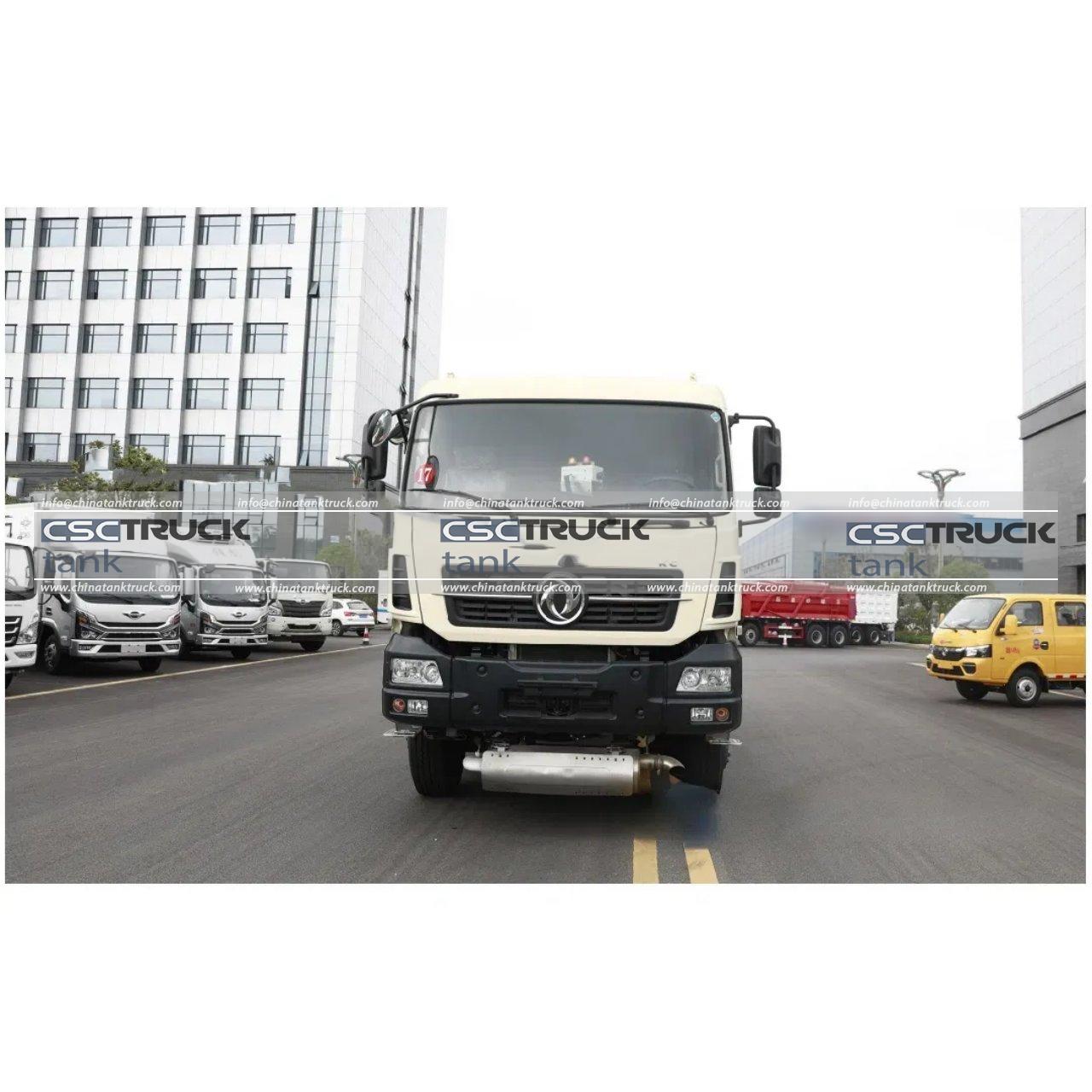
The fuel pump is responsible for transferring fuel from the refueler tank to the aircraft. A damaged or poorly maintained pump can reduce refueling speed and create operational risks.
Regular pump maintenance should include:
- Checking pump pressure
- Inspecting unusual noises or vibration
- Checking lubrication levels
- Inspecting seals and bearings
- Testing pump performance
For high-capacity aviation refuelers, efficient pumping systems are especially important. Some CSCTRUCK China Tank Truck aircraft refueling trucks are equipped with professional fuel pumps and high-flow fueling systems designed for airport operations.
Early detection of pump problems can prevent expensive repairs and extended downtime.
5. Maintain Hoses, Nozzles, and Refueling Equipment
Fuel hoses and nozzles experience frequent use and are exposed to pressure, weather conditions, and mechanical stress.
Operators should regularly check:
- Hose cracks or swelling
- Coupling connections
- Nozzle operation
- Sealing performance
- Hose reels and storage mechanisms
Damaged hoses can cause fuel leaks, safety hazards, and operational interruptions.
After each operation, hoses should be properly stored to prevent twisting, abrasion, or contamination. Keeping refueling equipment clean and protected extends its service life.
6. Inspect Valves and Pipeline Systems
Aviation refuelers rely on a complex network of valves and pipelines to control fuel flow. These components must operate smoothly and accurately.
Maintenance tasks include:
- Checking valve opening and closing functions
- Inspecting pipeline connections
- Checking for fuel leakage
- Replacing worn seals
- Cleaning valve components
Operators should never ignore small leaks. A minor fuel leak can become a serious safety problem, especially in airport environments.
Regular valve maintenance also ensures accurate fuel delivery and prevents unnecessary fuel loss.
7. Keep the Chassis and Engine in Good Condition
Although the fueling system is critical, the truck chassis is equally important. A reliable engine and chassis ensure that the refueler can safely move around airport areas.
Routine chassis maintenance includes:
- Engine oil replacement
- Air filter cleaning
- Cooling system inspection
- Brake maintenance
- Tire pressure checks
- Suspension inspection
- Battery testing
Aviation refuelers often carry thousands of liters of fuel, making chassis reliability extremely important. Proper engine and vehicle maintenance improves safety and reduces operating costs.
General truck maintenance practices such as regular inspections, fluid checks, tire maintenance, and brake inspections also apply to specialized vehicles like aviation refuelers.
8. Test Safety Systems Frequently
Safety equipment is a critical part of every aviation refueler. These systems must always remain functional.
Important safety components include:
- Emergency shutdown systems
- Static grounding devices
- Deadman control systems
- Fire extinguishers
- Overfill protection systems
- Pressure monitoring devices
Before operation, operators should confirm that all safety devices work correctly.
Static electricity control is especially important because fuel transfer can create ignition risks. Proper grounding procedures and regular inspection of anti-static equipment help reduce hazards during refueling operations.
9. Protect Electrical and Control Systems
Modern aviation refuelers use electrical systems and control panels to manage fueling operations.
Maintenance should include:
- Checking wiring connections
- Inspecting control switches
- Protecting electrical components from moisture
- Testing indicator lights
- Checking emergency buttons
Corroded wires or damaged controls can affect fueling accuracy and safety.
Operators should keep control boxes clean and closed when not in use to prevent dust, water, and environmental damage.
10. Follow a Preventive Maintenance Schedule
The best way to extend aviation refueler service life is to create a professional preventive maintenance program.
A typical schedule may include:
Daily Maintenance
- Visual inspection
- Leak checks
- Safety equipment inspection
Weekly Maintenance
- Hose and valve inspection
- Tire and brake checks
- Electrical system testing
Monthly Maintenance
- Pump inspection
- Filter replacement review
- Pipeline system checks
Annual Maintenance
- Complete vehicle inspection
- Tank examination
- Calibration of fueling equipment
- Replacement of aging components
Preventive maintenance reduces unexpected failures and keeps the refueler operating safely for many years.
Conclusion
An aviation refueler is a high-value specialized vehicle that requires careful maintenance to deliver reliable performance throughout its service life. From fuel tanks and pumps to hoses, valves, chassis systems, and safety equipment, every component plays an important role in safe aircraft fueling operations.
By following these 10 maintenance tips, airport operators can reduce downtime, improve safety, maintain fuel quality, and maximize the investment value of their aviation refuelers.
CSCTRUCK China Tank Truck provides customized aviation refueling solutions designed for airports and aviation industries worldwide. With professional manufacturing capabilities, strict quality control, and experience in special tank vehicle production, CSCTRUCK China Tank Truck continues to supply reliable aircraft refueling trucks for customers seeking efficient and durable fueling equipment.