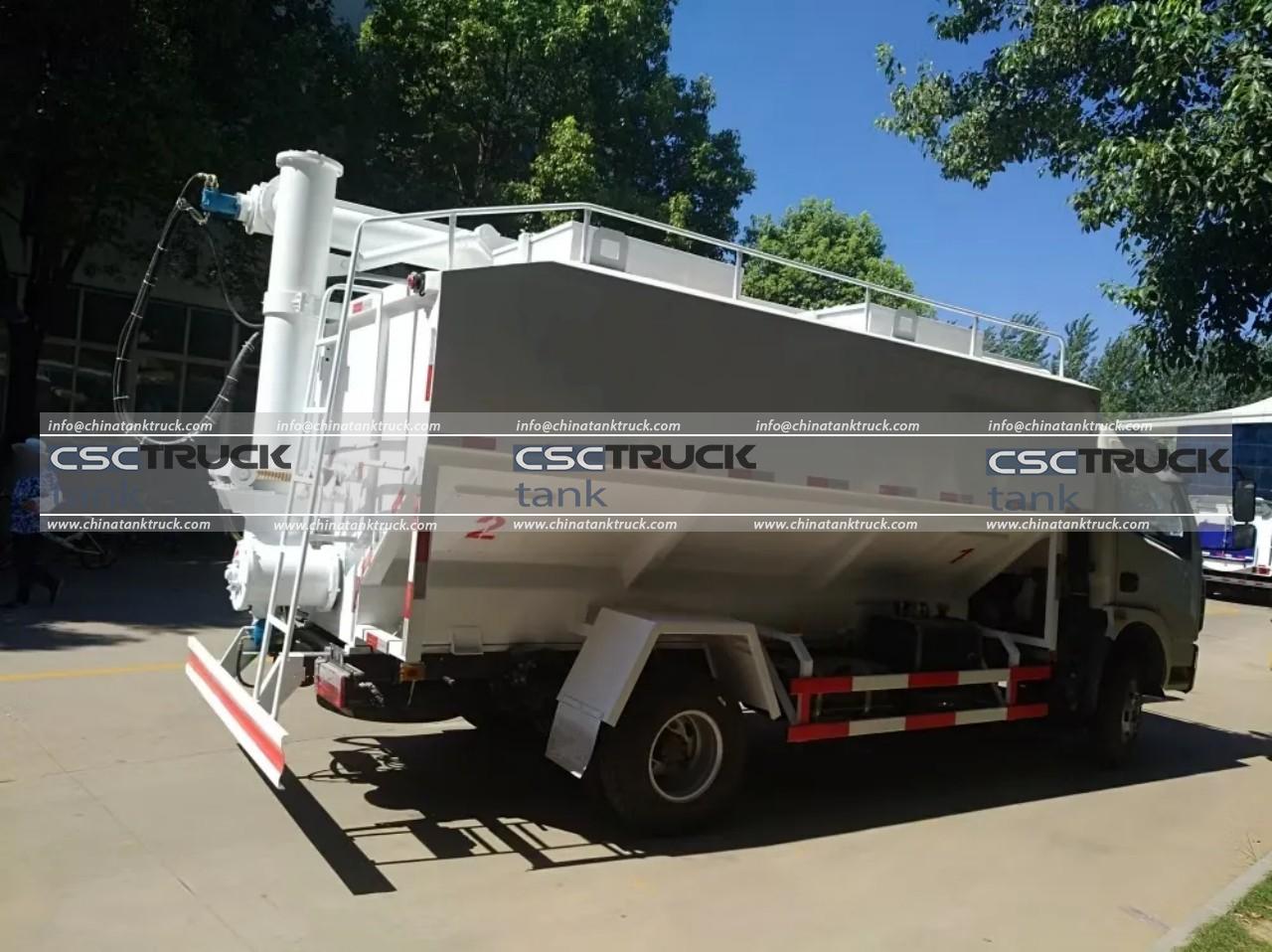

Pneumatic tank trucks are widely used to transport and unload dry bulk materials, including cement, fly ash, lime, flour, and other powdered products. By using compressed air to fluidize and discharge cargo, these trucks provide fast, efficient, and controlled unloading. However, pneumatic unloading also involves stored pressure, moving equipment, airborne dust, and potentially hazardous materials. For this reason, workplace safety must be carefully managed.
CSCTRUCK China Tank Truck is a professional manufacturer of specialized tank trucks and transport equipment. Through CSCTRUCK China Tank Truck, the company provides a range of tank truck solutions, including pneumatic tank trucks designed for dry bulk transportation and unloading applications. For operators using this type of equipment in the United States, understanding the relationship between OSHA requirements and pneumatic tank truck operations is essential.
Does OSHA Have One Specific Pneumatic Tank Truck Standard?
The short answer is NO. OSHA does not have one single regulation titled “Pneumatic Tank Truck Safety Requirements.” Instead, several OSHA standards may apply depending on the work activity, the material being handled, and the hazards present at the workplace. OSHA‘s General Industry standards are organized across multiple subparts, including walking-working surfaces, personal protective equipment, hazard communication, and compressed gas and compressed air equipment.
It is also important to understand the scope of 29 CFR 1910.169, Air Receivers. OSHA specifically states that this rule does not apply to compressed-air machinery and equipment used on vehicles such as automotive equipment. Therefore, operators should not automatically assume that 1910.169 is a direct design standard for a pneumatic tank truck. Instead, OSHA requirements generally focus on the workplace hazards created during loading, unloading, operation, inspection, and maintenance.
1. Employers Must Identify and Control Workplace Hazards
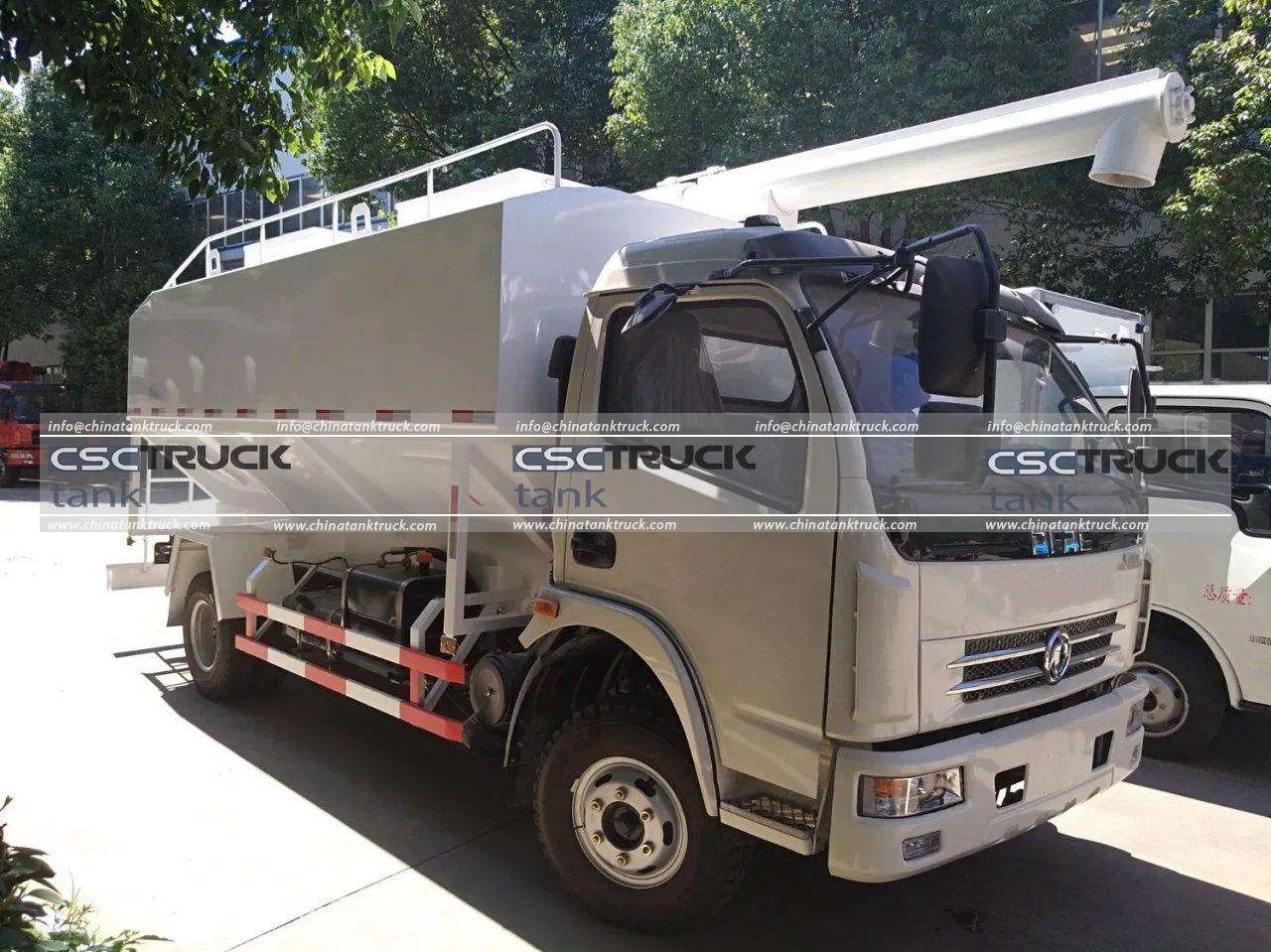
The first major OSHA principle is hazard control. Before workers operate or unload a pneumatic tank truck, the employer should evaluate the specific hazards associated with the job. These may include high-pressure air, hose failure, dust inhalation, chemical exposure, noise, slips, trips, and unexpected release of stored energy.
OSHA‘s PPE standard requires employers to conduct a workplace hazard assessment when hazards may require personal protective equipment. The employer must select appropriate PPE, communicate the selection to employees, and ensure that the equipment fits properly. OSHA also requires a written certification of the hazard assessment.
For a pneumatic tank truck, a typical hazard assessment may consider the product being transported, the unloading pressure, the condition of hoses and couplings, and the layout of the unloading area.
2. Proper PPE Is Required Where Hazards Exist
Pneumatic tank truck unloading can generate significant dust and noise. OSHA does not simply prescribe 1 universal PPE package for every pneumatic tanker. Instead, PPE must be selected based on the documented hazard assessment.
Depending on the material and job conditions, workers may need safety glasses or goggles, protective gloves, protective clothing, hearing protection, and respiratory protection. For example, cement, lime, and other powdered products can create airborne dust during the connection or disconnection of the unloading system.
The key requirement is that PPE must be suitable for the actual hazard. Employers are also responsible for ensuring that PPE is maintained in a sanitary and reliable condition.
3. Hazard Communication Must Be Followed
If the pneumatic tank truck transports a hazardous chemical or a material classified as hazardous under OSHA‘s Hazard Communication Standard, 29 CFR 1910.1200 becomes especially important.
OSHA requires employers to inform employees about chemical hazards through a hazard communication program, labels and warnings, Safety Data Sheets, and employee training. Employers must also maintain an SDS for each hazardous chemical used in the workplace.
This means that workers involved in pneumatic unloading should understand the material inside the tank and the hazards associated with exposure. They should know what to do in the event of a spill, hose failure, dust release, or accidental contact.
A pneumatic tank truck should never be treated as simply a “powder truck.” The safety procedure must reflect the characteristics of the specific cargo.
4. Stored Pressure Must Be Treated as Hazardous Energy
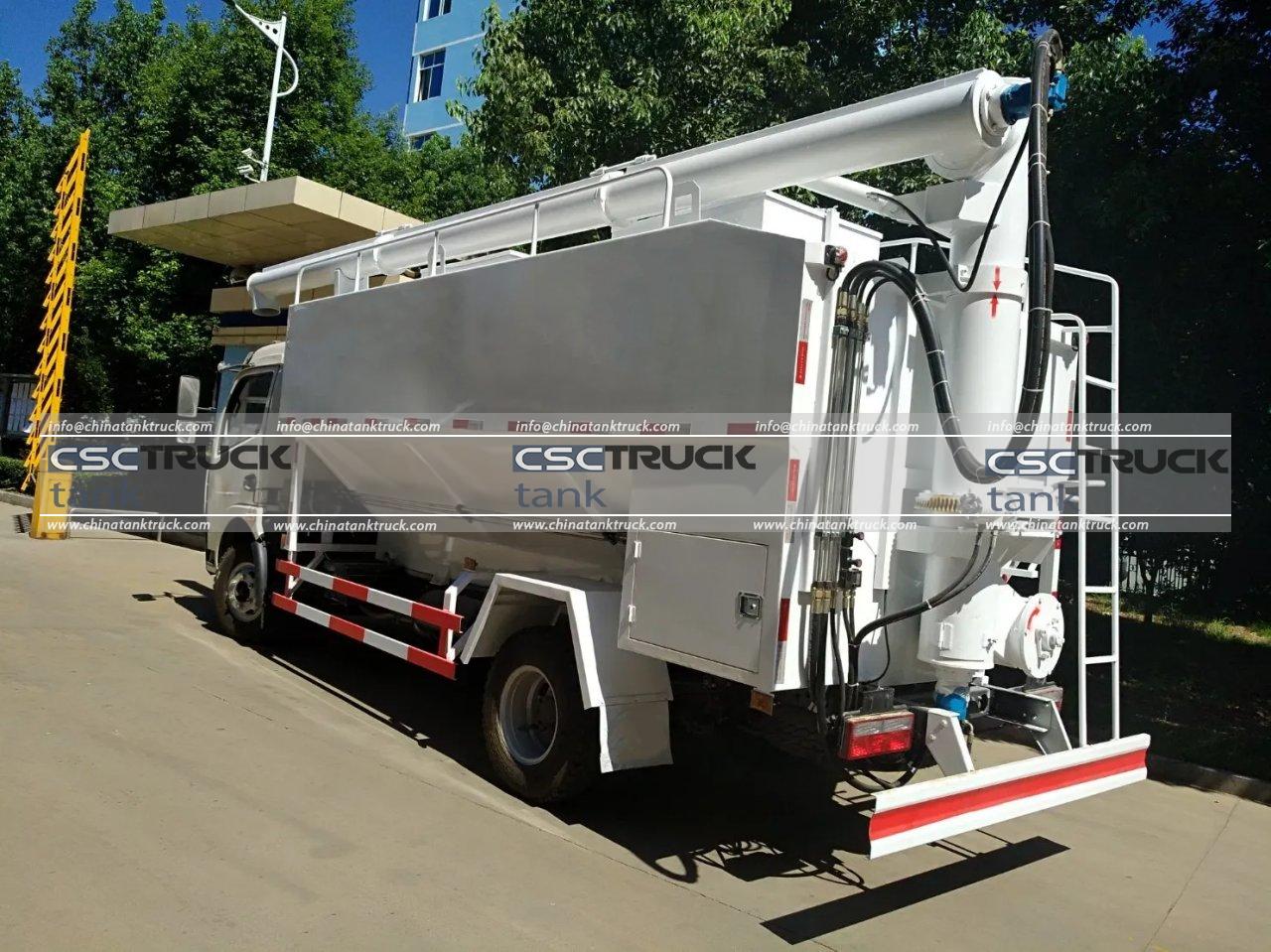
Compressed air is one of the most important hazards in pneumatic tank truck operations. Even when the compressor is turned off, pressure may remain in the tank, air lines, or unloading hose.
OSHA‘s Lockout/Tagout requirements are designed to protect workers from unexpected energization, startup, or release of stored energy during servicing and maintenance. OSHA explains that equipment must be shut down, isolated from its energy source, and protected against the release of potentially hazardous energy when maintenance work is performed.
For a pneumatic tanker, this means maintenance personnel should follow a documented energy-control procedure where applicable. The procedure should address the compressor or PTO system, compressed-air lines, tank pressure, and any other energy source that could create a hazard. OSHA‘s guidance on energy-control procedures emphasizes specific steps for shutdown, isolation, blocking, securing, and verifying the effectiveness of energy-control measures.
Never begin maintenance simply because the pressure gauge appears to be low. The system should be properly isolated and pressure safely relieved according to the equipment and the employer’s procedure.
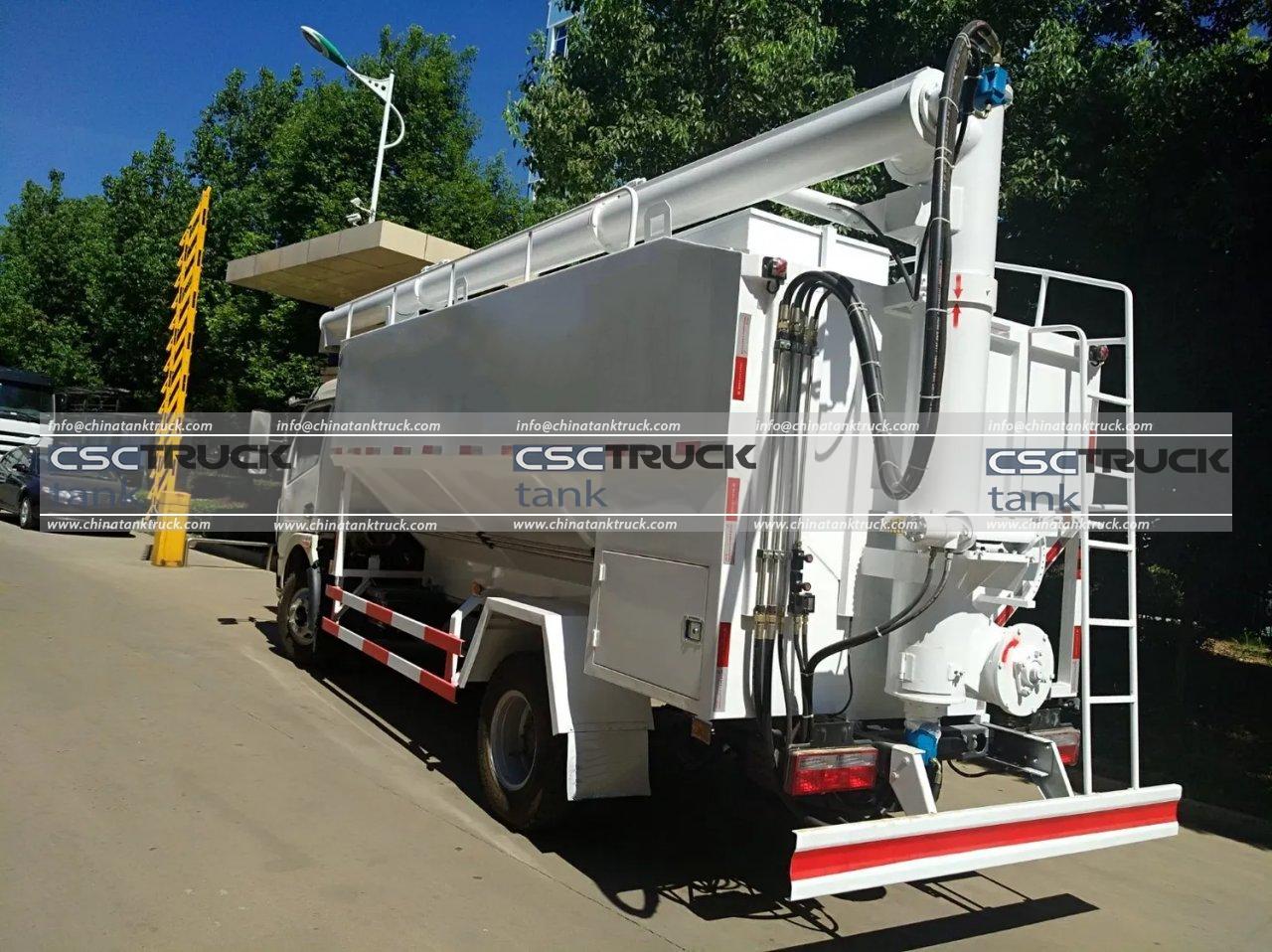
5. Safe Walking and Working Surfaces Are Required
Pneumatic unloading areas must also meet OSHA‘s general requirements for walking-working surfaces. OSHA requires workplaces and passageways to be kept clean and orderly. Surfaces should be maintained free of hazards such as leaks, spills, corrosion, and other conditions that could cause injury. Employers must also inspect walking-working surfaces and correct or guard hazardous conditions.
This is particularly relevant around pneumatic tank trucks because powder residue can accumulate near unloading connections. A leaking hose or coupling may create both a material exposure hazard and a slip or visibility problem.
Good housekeeping is therefore not merely a matter of appearance. It is part of the overall OSHA safety program.
6. Training and Written Procedures Are Essential
OSHA requirements are not satisfied by simply placing warning labels on a truck. Employers must provide employees with the information and training necessary to perform their work safely.
A written pneumatic tank truck unloading procedure should ideally cover vehicle positioning, parking and securing, hose connection, compressor operation, pressure monitoring, emergency shutdown, dust control, disconnection, and post-unloading inspection.
Operators should also be trained to recognize abnormal conditions, including unexpected pressure changes, unusual hose movement, air leaks, damaged couplings, or material blockage.
Conclusion
OSHA safety requirements for pneumatic tank trucks are best understood as a combination of workplace safety standards rather than one single tanker regulation. Employers must assess hazards, provide appropriate PPE, communicate chemical risks, control stored energy during maintenance, maintain safe working surfaces, and train employees in safe operating procedures.
For companies selecting or operating pneumatic tank trucks, equipment design and workplace procedures should work together. Manufacturers such as CSCTRUCK China Tank Truck contribute by providing specialized pneumatic tank truck solutions for dry bulk transportation, while the operating company remains responsible for implementing a workplace safety program that complies with applicable OSHA requirements and other relevant transportation regulations.
Ultimately, safe pneumatic unloading depends on controlling pressure, dust, energy, and human exposure before they become accidents.