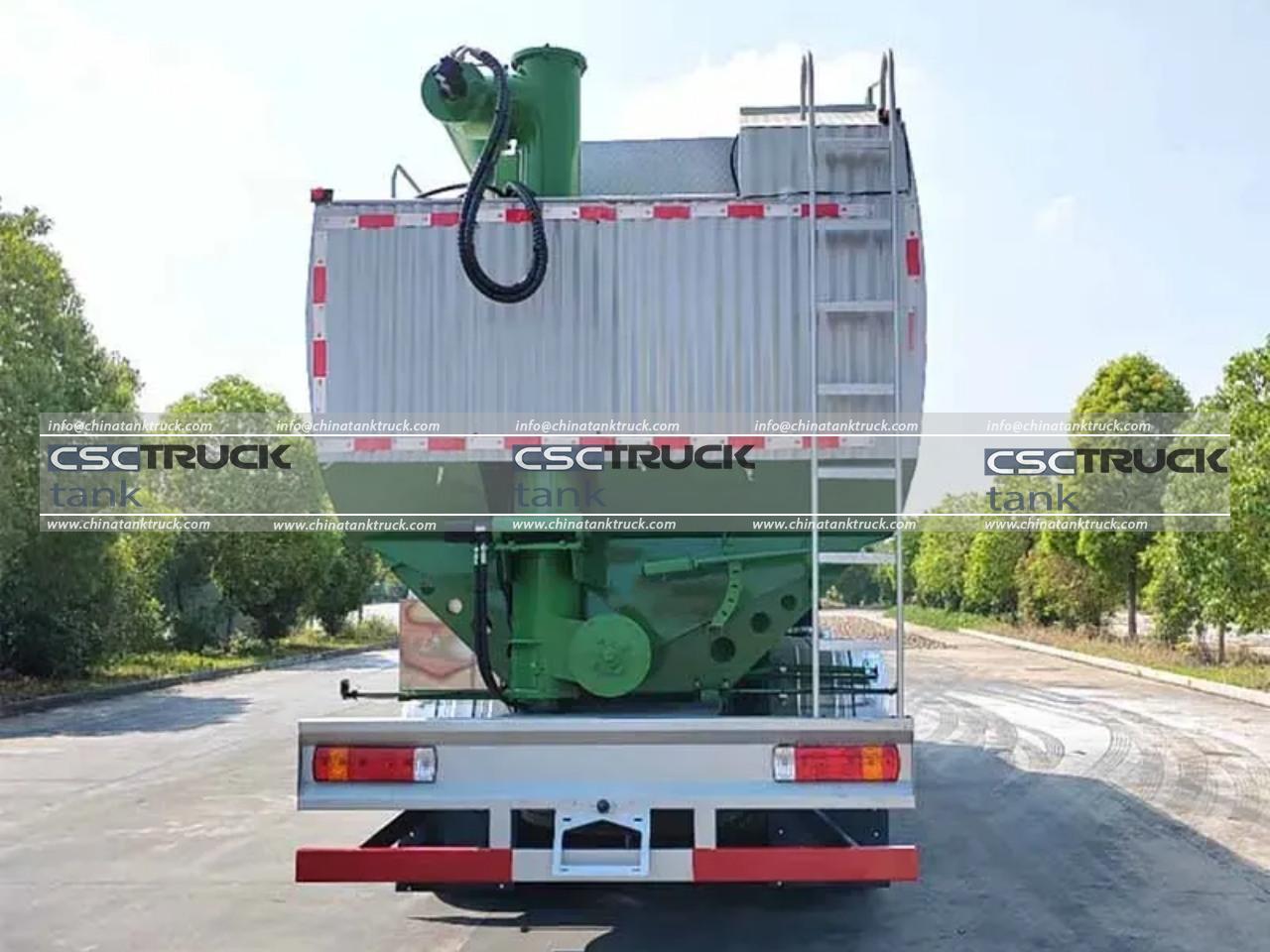

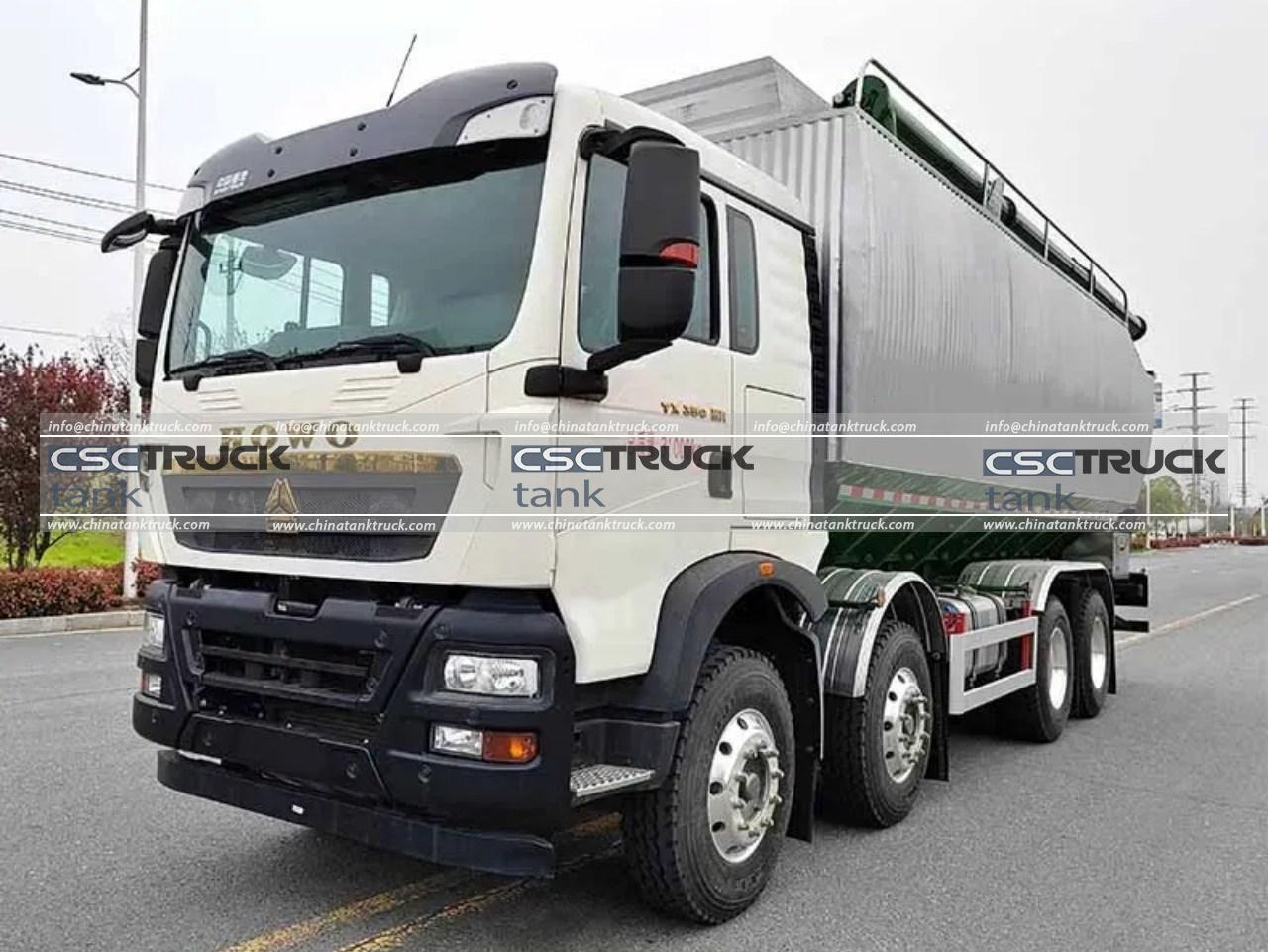
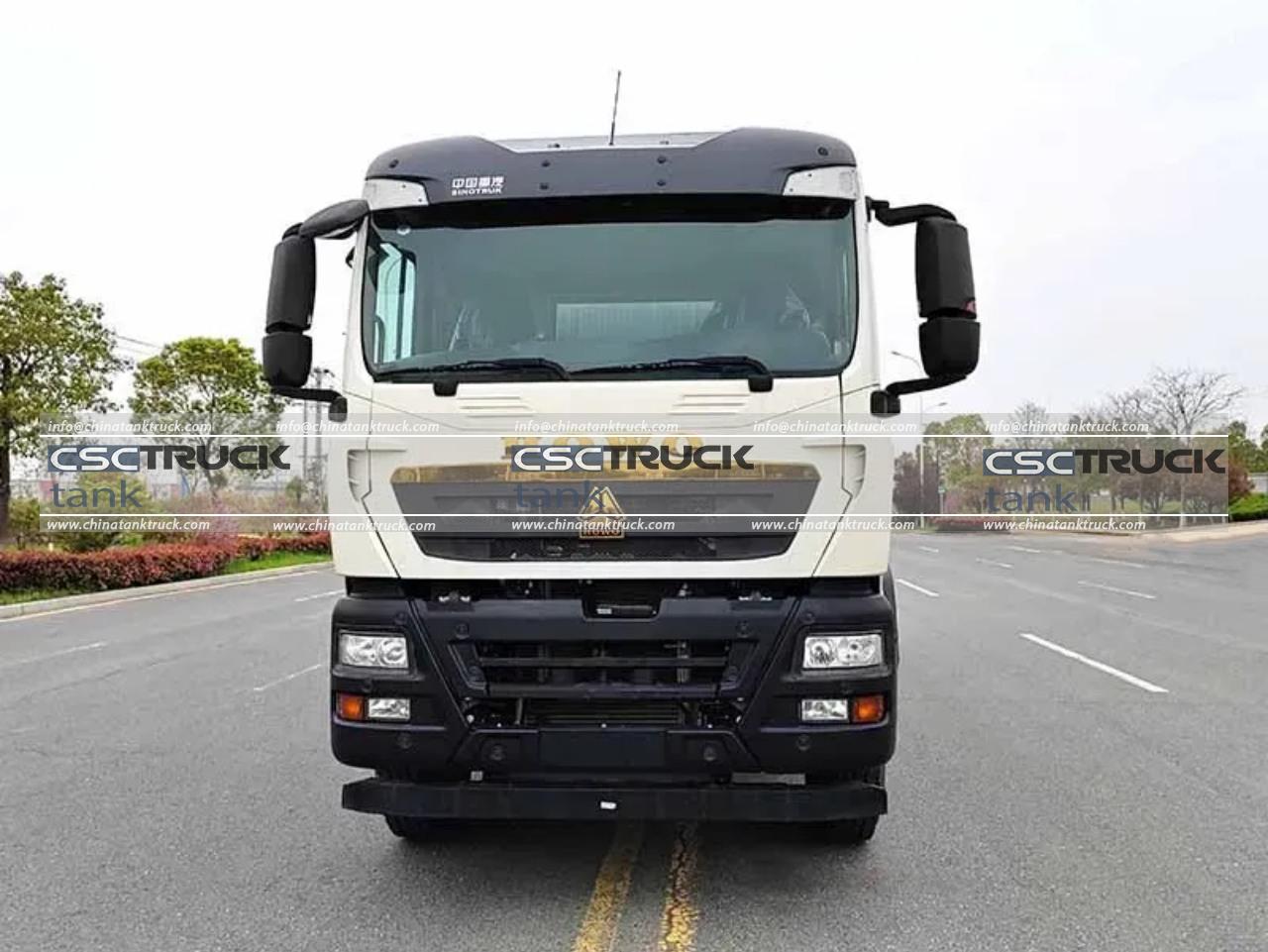
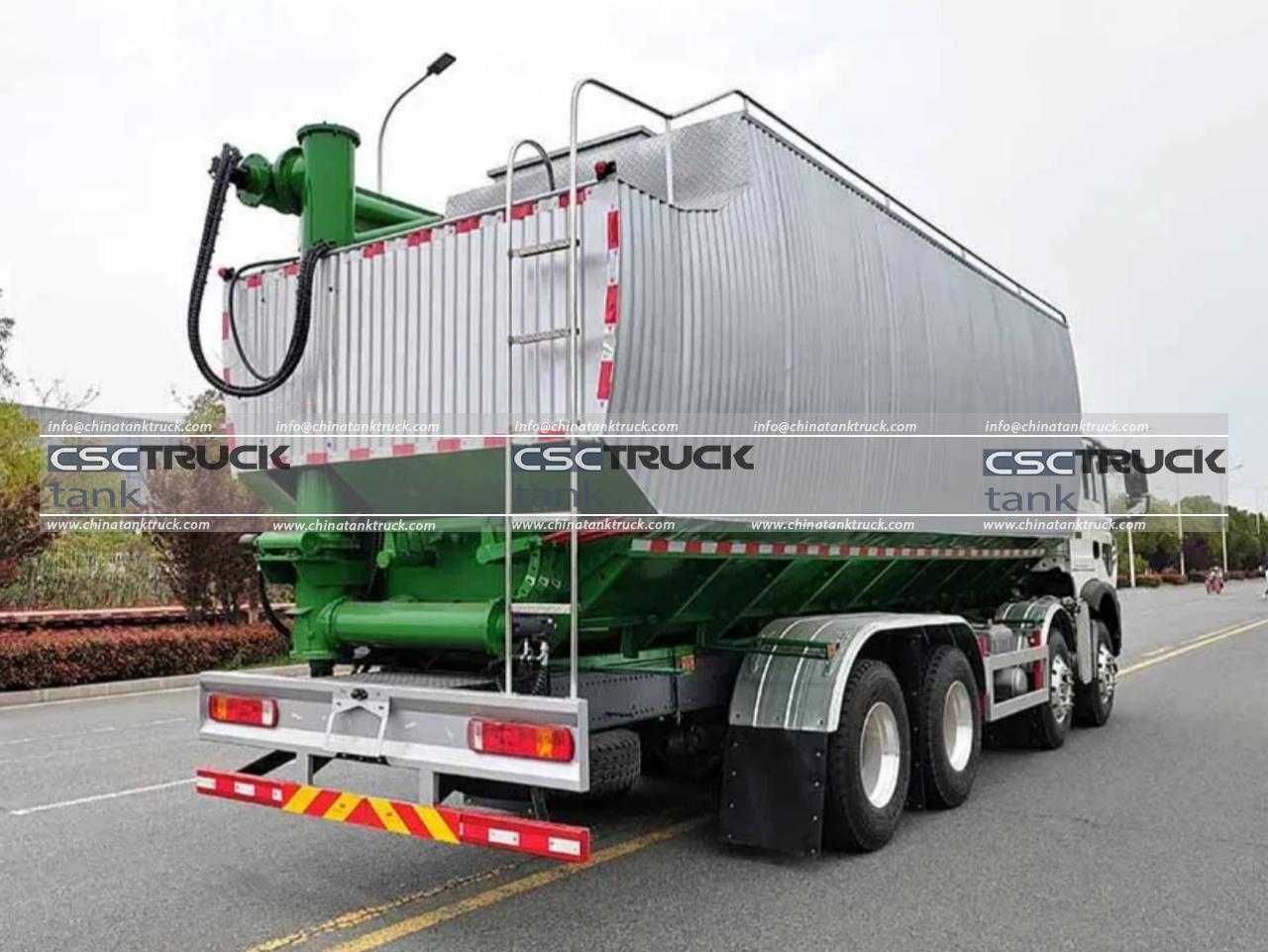
Pneumatic tank trucks are widely used to transport and unload dry bulk materials, including cement, fly ash, lime powder, flour, and other powdered products. Instead of relying on gravity alone, these vehicles use compressed air to fluidize the material and push it out of the tank through a discharge pipeline. This process is fast and efficient, but it also raises an important safety question: Can pneumatic unloading of a pneumatic tank truck cause explosions?
The short answer is YES, explosions are possible under certain conditions—but pneumatic unloading itself does not automatically cause an explosion. The real danger comes from the combination of combustible dust, oxygen, ignition sources, static electricity, and improper operating conditions.
As a professional manufacturer of special-purpose vehicles, CSCTRUCK China Tank Truck develops tank truck solutions for different liquid, gas, and dry bulk transportation requirements. The company has been manufacturing specialized vehicles since 2005 and offers customized tank truck solutions supported by production and quality-control systems. Its product range includes pneumatic tank trucks designed for the transportation and unloading of dry bulk materials.
Why Can Pneumatic Unloading Create an Explosion Risk?
To understand the risk, it is useful to look at the basic conditions required for a dust explosion. Generally, a combustible material, oxygen, and an ignition source must be present. When combustible dust is suspended in the air at a suitable concentration, the risk can increase significantly.
During pneumatic unloading, compressed air moves through the tank and discharge system. This airflow can disturb and suspend fine particles. If the transported material is combustible, the resulting dust cloud may create an explosive atmosphere in certain parts of the system.
For example, some organic powders, food powders, plastic materials, and other fine combustible substances may present a greater dust explosion risk than non-combustible materials such as many grades of cement. Therefore, the material being transported is one of the most important factors in determining explosion risk.
A pneumatic tank truck carrying cement is not exposed to the same explosion hazards as one transporting combustible powder. Operators must always evaluate the material properties before selecting the truck, unloading method, and safety equipment.
Static Electricity Is a Major Concern
One of the most common potential ignition sources during pneumatic unloading is static electricity.
When dry powder particles move rapidly through pipes, valves, filters, and other components, friction and particle contact can generate electrostatic charges. If the charge accumulates and then suddenly discharges as a spark, it may ignite a combustible dust-air mixture.
This is especially important when handling very dry and fine powders. A small electrostatic discharge may be enough to create a serious hazard if the dust concentration and oxygen level are within the appropriate explosive range.
For this reason, proper grounding and bonding are essential. The truck, unloading equipment, receiving system, and other relevant components should be properly connected according to applicable safety requirements. Operators should also regularly inspect grounding connections and avoid assuming that a grounding cable is working simply because it is physically attached.
Can Excessive Air Pressure Cause an Explosion?
Excessive pressure can cause a catastrophic tank failure, but it is not normally the same thing as a dust explosion.
If a pneumatic tank truck is over-pressurized, the tank, manholes, valves, or pipelines may be subjected to forces beyond their design limits. In an extreme situation, the tank could rupture, or components could fail violently.
However, pressure-related failure and combustion-related explosion are 2 different hazards. A tank rupture may release a large amount of powder and compressed air very quickly. If the released dust forms a combustible cloud and an ignition source is present, the initial mechanical failure could potentially be followed by a dust explosion or secondary fire.
This is why pressure control is so important during unloading. The operator should never attempt to increase pressure simply to speed up unloading. The working pressure must remain within the vehicle’s specified operating limits.
What Other Ignition Sources Should Operators Watch For?
Static electricity is not the only possible ignition source. Several other hazards can exist around pneumatic unloading operations.
Hot surfaces are one example. An overheated compressor, engine component, bearing, or mechanical part may provide enough heat to ignite combustible dust under the right conditions.
Mechanical sparks can also be dangerous. Damaged valves, metal-to-metal contact, worn components, or foreign objects in the system may generate sparks during operation.
Electrical equipment is another consideration. Improperly selected electrical devices, damaged wiring, or poor maintenance may introduce ignition sources into areas where combustible dust is present.
Even smoking and open flames around the unloading area can create an obvious but preventable hazard. A safe unloading zone should be strictly controlled and free from unauthorized ignition sources.
How Can Explosion Risks Be Reduced?
The first step is to identify the characteristics of the material being transported. Operators should understand whether the powder is combustible, how fine the particles are, and whether the material has known dust explosion properties.
The second step is to use properly designed equipment. The pneumatic tank truck, compressor, discharge pipeline, valves, and filters should be selected for the intended material and operating conditions. A truck designed for ordinary non-combustible bulk powder should not automatically be assumed suitable for every combustible powder.
Pressure control is also critical. The unloading process should follow the manufacturer’s operating instructions. Pressure gauges should be monitored continuously, and pressure-relief or safety devices should be maintained in good working condition.
Regular inspection is equally important. Operators should check hoses, pipelines, valves, filters, grounding connections, and compressor components before operation. A small leak may seem minor, but it can affect unloading performance and create an uncontrolled dust release.
Finally, personnel training plays a major role. Operators should know how to start and stop the pneumatic unloading system, recognize abnormal pressure behavior, respond to leaks, and stop the operation if unsafe conditions develop.
Does Pneumatic Unloading Always Cause Explosions?
No. Pneumatic unloading does not inherently cause explosions.
Thousands of pneumatic tank trucks are used in industrial transportation and bulk material handling. When the correct vehicle, operating procedures, and safety controls are used, pneumatic unloading can be performed safely and efficiently.
The real danger appears when several risk factors come together: A combustible powder, a suspended dust cloud, oxygen, and an ignition source. Poor maintenance, excessive pressure, inadequate grounding, or improper material selection can significantly increase the risk.
For businesses purchasing a pneumatic tank truck, safety should therefore be considered during the initial vehicle selection—not only after the truck is delivered. Tank capacity, pressure rating, material compatibility, unloading system design, and operating environment should all be carefully evaluated.
With its experience in specialized vehicle manufacturing and pneumatic tank truck solutions, CSCTRUCK China Tank Truck provides customized tank truck options for different dry bulk transportation requirements. Buyers can work with the manufacturer to select a suitable configuration based on the material, unloading method, and operating conditions.
In conclusion, pneumatic unloading can contribute to explosion hazards in specific circumstances, but the process itself is not automatically explosive. Proper material assessment, pressure control, grounding, equipment maintenance, and operator training are the keys to reducing risk. Safe unloading begins with understanding the hazards before the compressor is switched on.