
For bulk cement transportation, choosing the right pneumatic tanker size is one of the most important decisions for fleet owners, construction contractors, and logistics companies. A tanker that is too small may require more trips and increase transportation costs, while an oversized tanker may not comply with local weight regulations or may be impractical for certain delivery locations. The ideal pneumatic tanker size depends on factors such as payload requirements, road regulations, unloading efficiency, and operating costs.
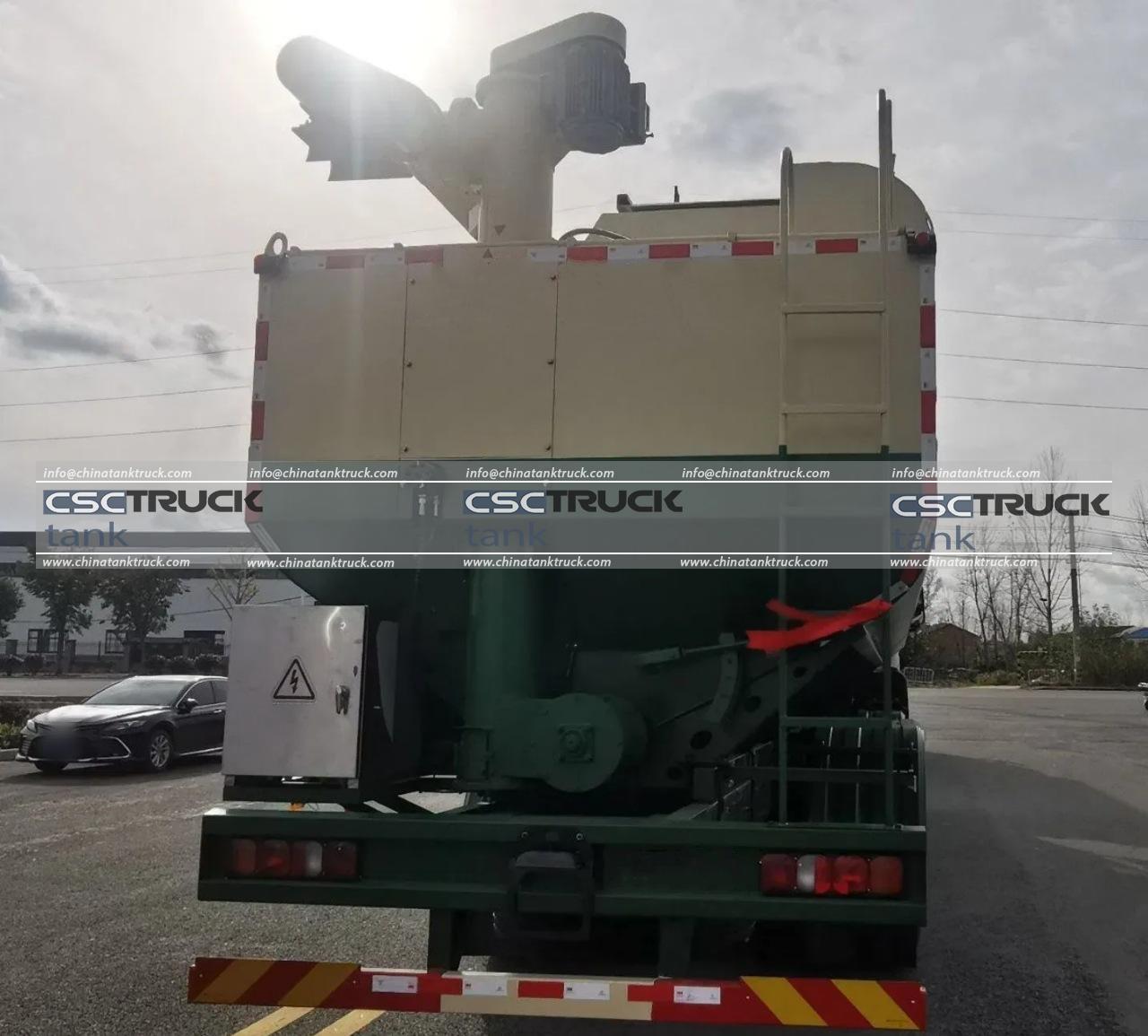
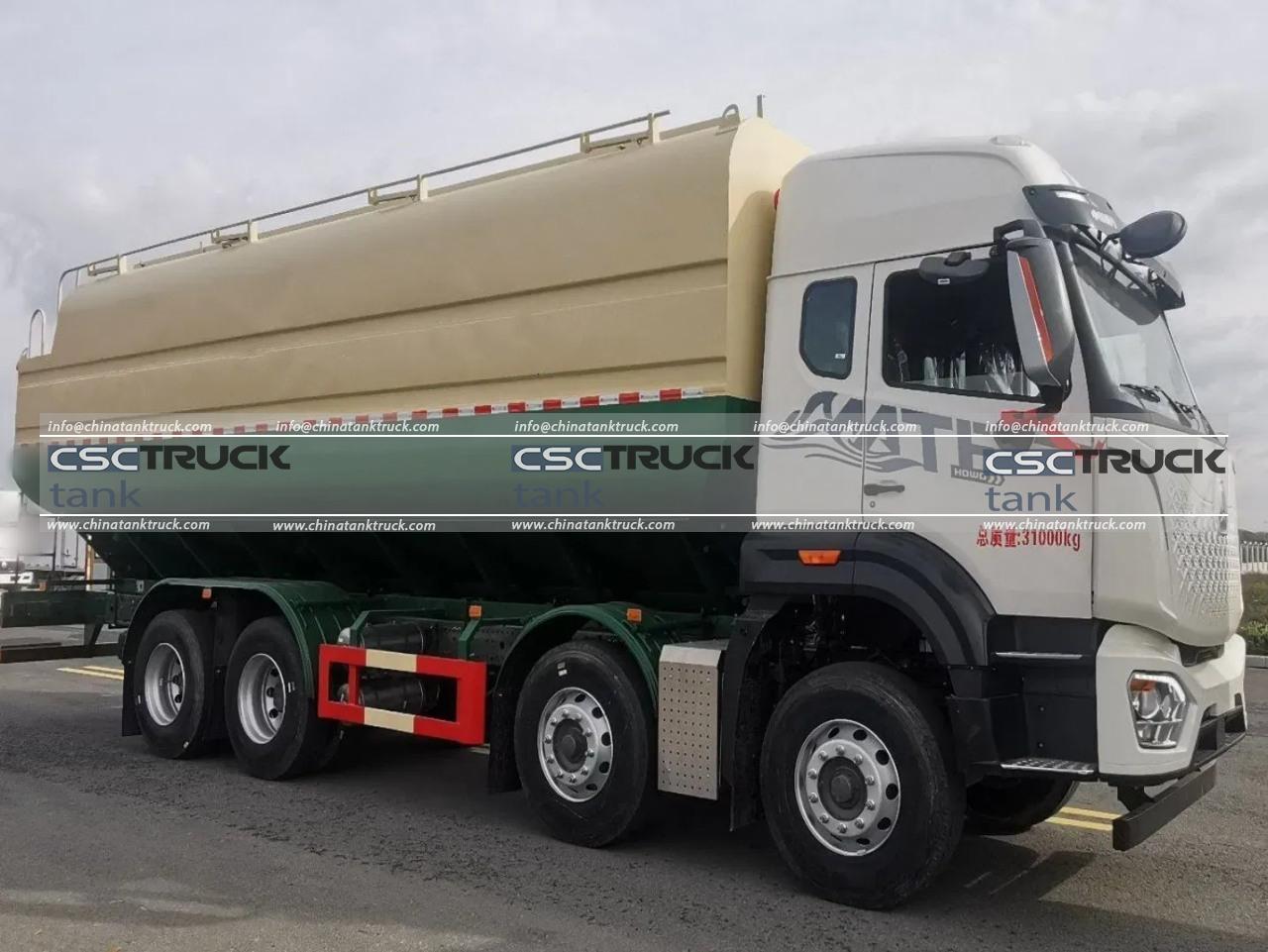
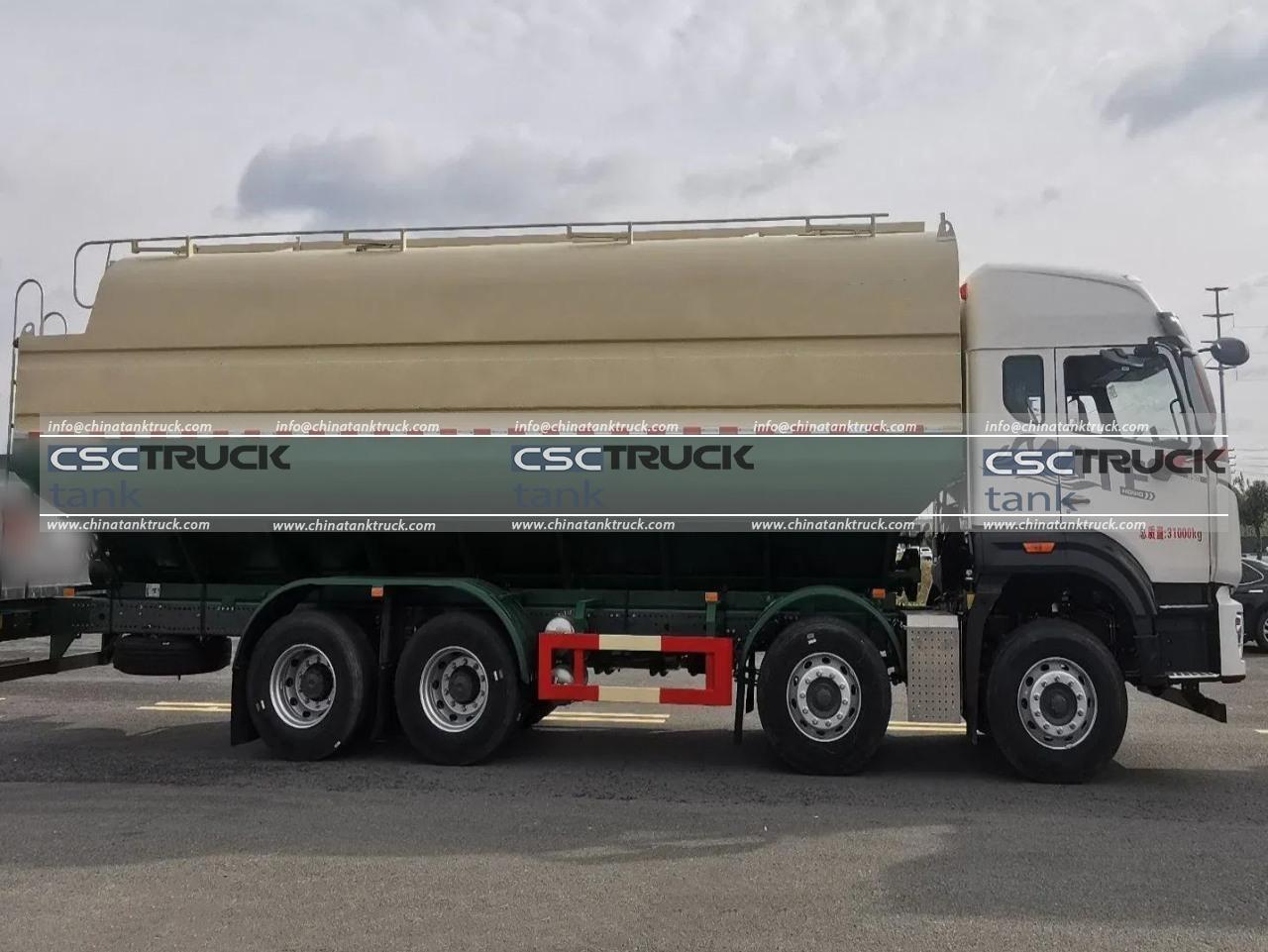
As one of China‘s leading manufacturers of specialized bulk transport equipment, CSCTRUCK China Tank Truck designs and manufactures a wide range of pneumatic tank trucks and semi-trailers for transporting cement, fly ash, lime powder, flour, and other dry bulk materials. Their vehicles feature efficient pneumatic conveying systems, durable tank construction, and reliable unloading performance for demanding industrial applications.
Why Tanker Size Matters
Bulk cement is a relatively dense powder that requires specialized equipment for safe transportation. Pneumatic tankers use compressed air to fluidize the cement during unloading, allowing it to be transferred directly into storage silos without contamination or excessive dust.
Selecting the correct tanker size affects:
- Transportation efficiency
- Fuel consumption
- Number of trips required
- Loading and unloading time
- Operating costs
- Compliance with highway weight limits
- Vehicle maneuverability
Instead of simply choosing the largest available tanker, operators should balance payload capacity with legal weight restrictions and operational needs.
Common Pneumatic Tanker Sizes
Manufacturers typically offer pneumatic tankers in several capacity ranges.
Small Tankers (20–30 m³)
These trucks are ideal for:
- Urban deliveries
- Small concrete batching plants
- Local cement distributors
- Narrow construction sites
Advantages include:
- Better maneuverability
- Easier parking
- Lower purchase cost
- Suitable for shorter routes
However, they transport less cement per trip, making them less economical for long-distance hauling.
Medium Tankers (30–40 m³)
This size is often considered the industry standard for rigid pneumatic tank trucks.
Benefits include:
- Excellent balance between payload and maneuverability
- Lower operating cost per ton
- Compatible with many national road regulations
- Suitable for regional distribution
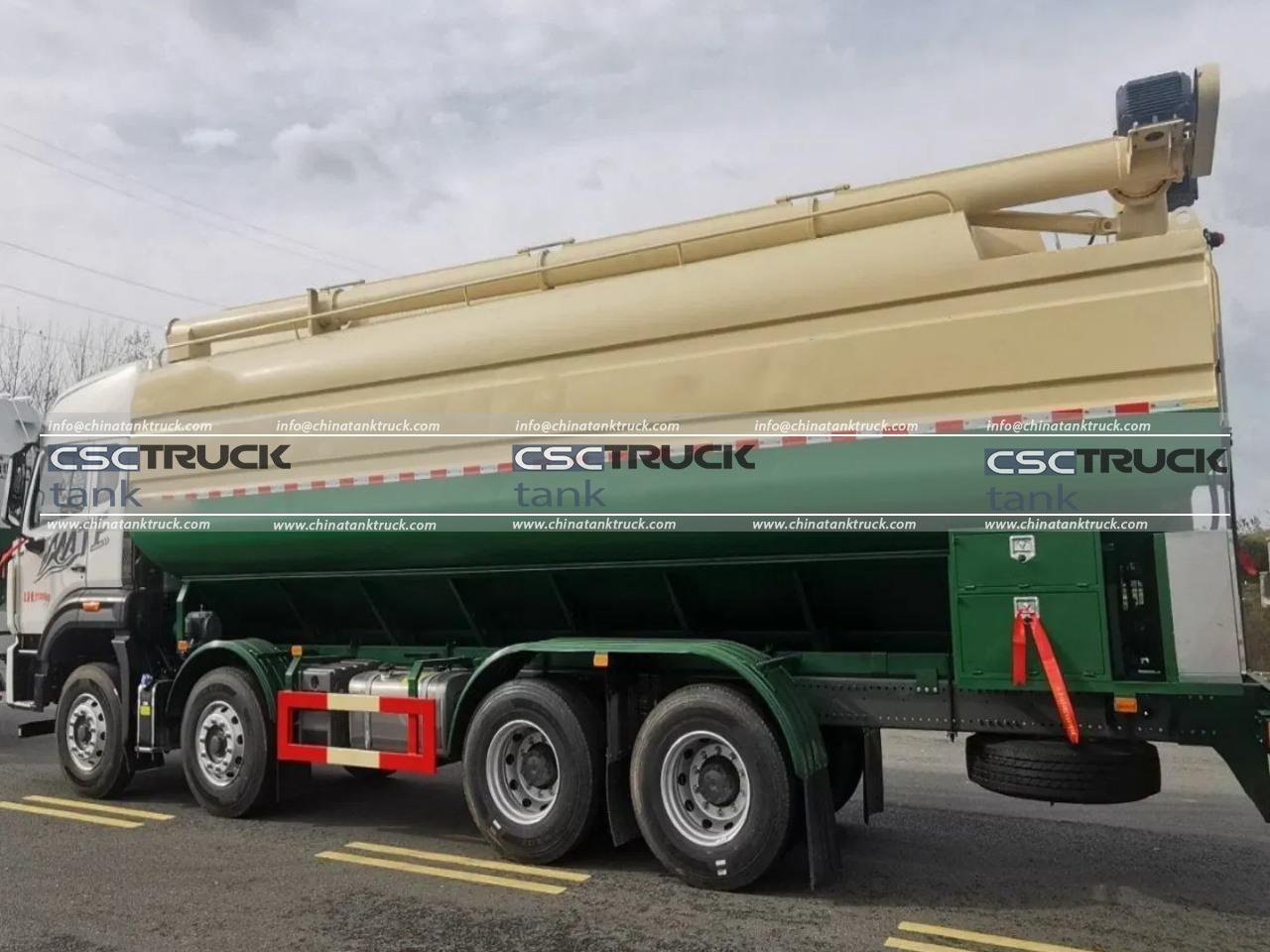
Many operators choose models around 35–38 m³ because they provide strong productivity without becoming excessively large. CSCTRUCK China Tank Truck offers pneumatic tank trucks in this capacity range for medium-duty cement transport.
Large Tankers (45–60 m³)
Large-capacity semi-trailers are commonly used for:
- Long-distance transport
- Cement manufacturing plants
- Bulk distribution centers
- High-volume logistics
Advantages include:
- Maximum payload
- Fewer trips
- Reduced transportation cost per ton
- Higher fleet productivity
The tradeoff is reduced maneuverability and the need to comply carefully with axle load regulations.
How Cement Density Affects Capacity
Many people assume a larger tank always carries proportionally more cement. In reality, the payload is often limited by weight before the tank reaches its full volume.
Bulk cement generally has a bulk density of approximately 1.1–1.5 tonnes per cubic meter, depending on moisture content and product type.
For example:
- 25 m³ tanker → roughly 28–35 tonnes
- 35 m³ tanker → roughly 38–45 tonnes
- 50 m³ tanker → may reach legal weight limits before being full
Therefore, selecting the largest tank does not always increase legal payload.
Factors to Consider When Choosing Tanker Size
1. Local Road Regulations
Every country has maximum limits for:
- Gross vehicle weight
- Axle loads
- Trailer length
- Vehicle height
A tanker that performs well in 1 region may exceed legal limits elsewhere.
Fleet managers should always verify national transport regulations before selecting a tanker size.
2. Delivery Distance
For short-distance deliveries:
- Smaller trucks may complete multiple trips daily.
- Faster loading and unloading can offset smaller payloads.
For long-distance transportation:
- Larger semi-trailers usually provide lower transportation costs per ton.
- Reduced fuel consumption per unit of cargo improves profitability.
3. Customer Storage Capacity
Not every customer has a large cement silo.
Some ready-mix plants only accept moderate deliveries.
Delivering a full 50–60 m³ load to a facility with limited storage may create scheduling problems or require partial unloading.
Understanding customer demand helps determine the optimal tanker capacity.
4. Site Accessibility
Construction sites vary greatly.
Small urban projects often feature:
- Narrow roads
- Tight entrances
- Limited turning space
Large pneumatic semi-trailers may struggle to access these locations.
Smaller rigid tank trucks are often more practical.
5. Fleet Utilization
A company transporting cement nationwide may benefit from multiple tanker sizes.
For example:
- 28–30 m³ trucks for city deliveries
- 35–40 m³ trucks for regional transport
- 50–60 m³ trailers for long-distance bulk shipments
A mixed fleet provides flexibility while maximizing vehicle utilization.
Which Size Is Best for Cement?
There is no single “best” size for every application. However, the following recommendations work well for most operations.
25–30 m³
Best for:
- Urban construction
- Small batching plants
- Local distribution
- Frequent deliveries
35–40 m³
Best for:
- Regional cement transport
- Medium-distance logistics
- General construction supply
This size offers an excellent compromise between payload, operating cost, and maneuverability, making it one of the most popular choices worldwide.
50–60 m³
Best for:
- Long-haul transport
- Cement manufacturers
- High-volume logistics companies
- Large infrastructure projects
These tankers maximize efficiency where road conditions and regulations permit.
Additional Features That Improve Performance
Besides tank size, several design features significantly influence productivity.
Efficient Air Compressor
A high-quality compressor reduces unloading time while maintaining stable air pressure throughout the discharge process.
Lightweight Tank Construction
Aluminum alloy tanks reduce vehicle weight, allowing higher legal payloads, while carbon steel tanks provide excellent durability for heavy-duty operations.
Optimized Tank Geometry
Proper internal cone angles and aeration systems improve material flow and reduce residual cement left inside the tank after unloading.
Reliable Pneumatic System
Quality valves, pipelines, pressure gauges, and safety devices ensure smooth, efficient, and safe unloading operations.
CSCTRUCK China Tank Truck integrates advanced pneumatic conveying systems, durable tank designs, and dependable unloading components across its range of pneumatic tank trucks and semi-trailers, helping operators transport cement and other dry bulk materials efficiently.
Final Thoughts
The best pneumatic tanker size for cement depends on your transportation requirements rather than simply choosing the largest available vehicle. Small tankers are ideal for urban deliveries and restricted job sites, medium-sized 35–40 m³ models provide the best all-around performance for regional transport, and large 50–60 m³ semi-trailers offer maximum efficiency for long-distance, high-volume operations.
When evaluating a new pneumatic tanker, consider not only the tank volume but also legal weight limits, delivery routes, customer storage capacity, operating costs, and unloading efficiency. By selecting the right combination of capacity and design features, fleet operators can reduce transportation costs, improve productivity, and ensure reliable cement delivery. Manufacturers such as CSCTRUCK China Tank Truck provide a broad selection of pneumatic tank trucks tailored to these varying operational needs, enabling businesses to choose the most suitable solution for their specific applications.