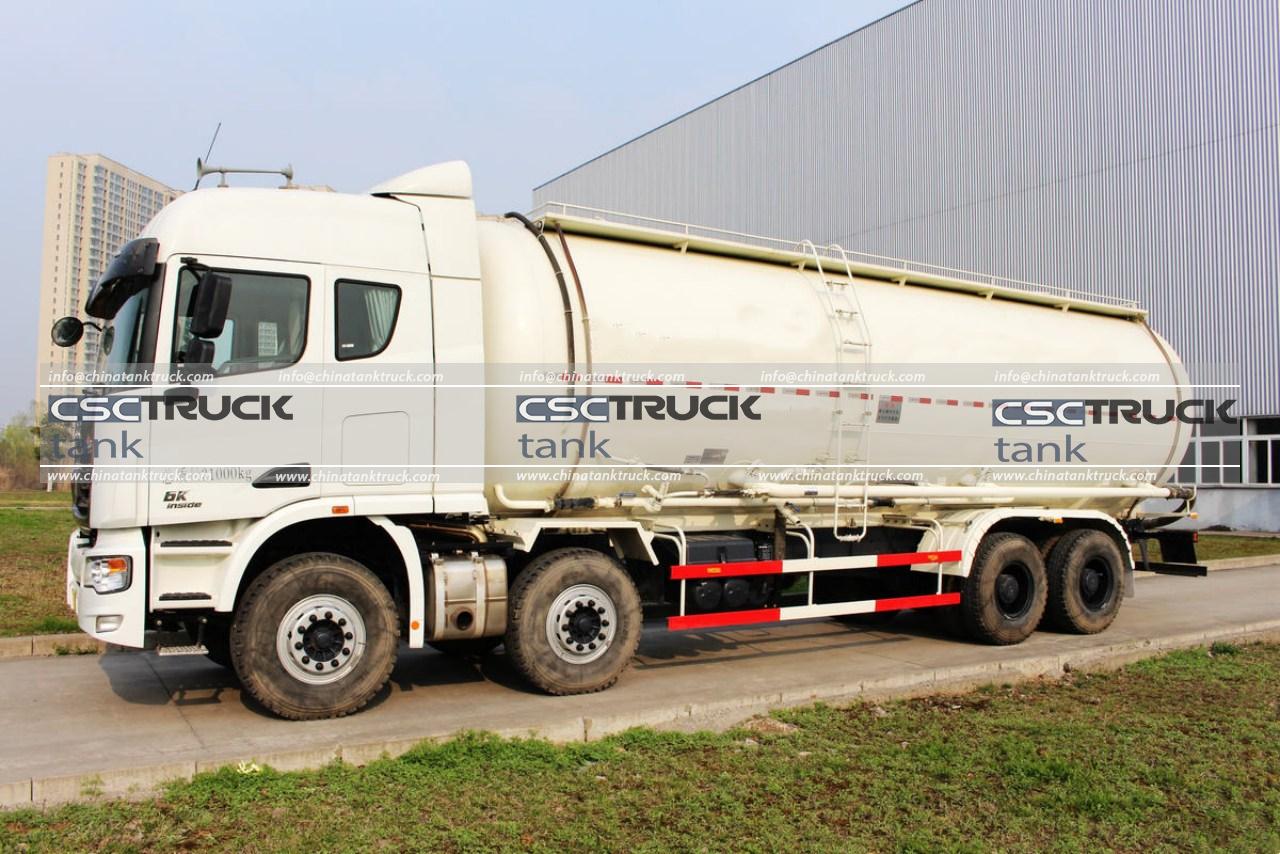

The transportation of cement is one of the most common applications for pneumatic tank trucks worldwide. Whether supplying ready-mix concrete plants, precast manufacturers, construction sites, or cement distribution terminals, these specialized vehicles provide a fast, clean, and efficient method of moving large quantities of dry bulk cement.
As a professional manufacturer of specialized tank trucks, CSCTRUCK China Tank Truck has been designing and manufacturing high-quality tank trucks since 2005. Based in Suizhou, Hubei, China, the company offers a comprehensive range of tank trucks for transporting liquids, gases, and dry bulk materials. With advanced manufacturing facilities, strict quality control, customized engineering solutions, and exports to customers across Africa, the Middle East, Southeast Asia, South America, and many other regions, CSCTRUCK China Tank Truck has become a trusted supplier of reliable transportation equipment for various industries.
Among its extensive product lineup are pneumatic tank trucks specifically designed for transporting powdered materials such as cement, fly ash, lime powder, and mineral powders.
The Simple Answer: Yes
Yes, pneumatic tank trucks are specifically engineered to transport cement safely and efficiently.
Unlike conventional dump trucks or open trailers, pneumatic tank trucks use compressed air to unload dry bulk materials without tipping the trailer. This enclosed unloading system minimizes product loss, prevents contamination, and significantly reduces dust emissions.
Because cement is a fine, dry powder that must remain free from moisture, pneumatic tank trucks are considered the preferred transportation solution throughout the construction industry.
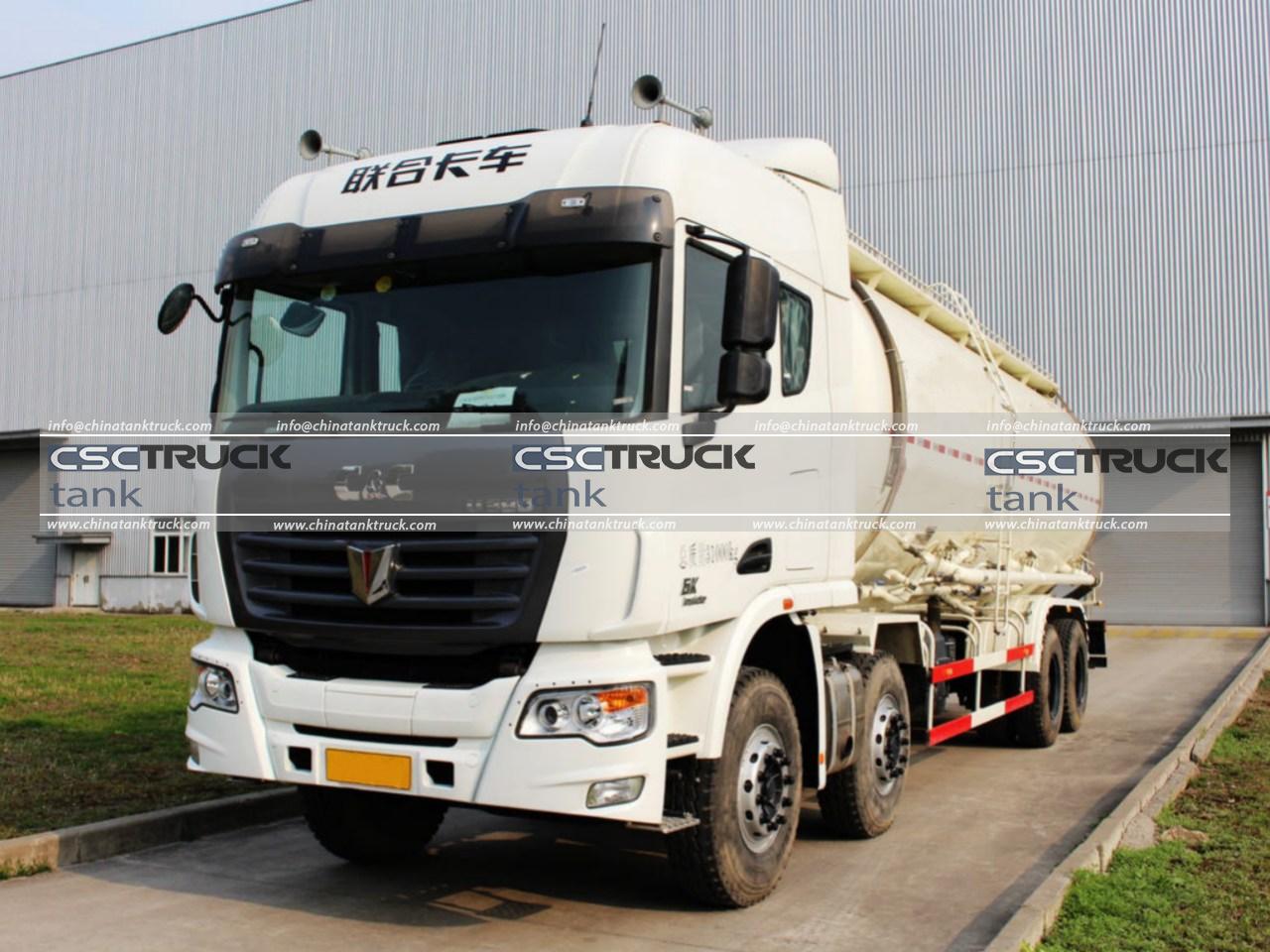
Why Cement Requires Specialized Transportation
Cement is highly sensitive to moisture. Even small amounts of water can initiate hydration, causing the powder to harden and become unusable.
During transportation, cement must be protected from:
- Rain
- Humidity
- Contaminants
- Dirt
- Foreign materials
Pneumatic tank trucks provide a completely sealed environment that keeps cement dry from the loading point until final delivery.
How Pneumatic Tank Trucks Work
A pneumatic tank truck consists of several major components:
- Pressure vessel (tank)
- Air compressor
- Fluidizing system
- Air pipelines
- Discharge valves
- Safety valves
- Pressure gauges
The tank is filled through loading hatches located on top. Once loaded, the cement remains inside the sealed vessel throughout the transportation process.
At the delivery site, the truck’s compressor generates compressed air. The air passes beneath the cement through fluidizing pads installed inside the tank. These pads introduce low-pressure air that transforms the compact powder into a fluid-like state.
The compressed air then pushes the fluidized cement through discharge pipes into storage silos or receiving systems.
This process eliminates the need to tip the truck, allowing for unloading even in locations with limited overhead clearance.
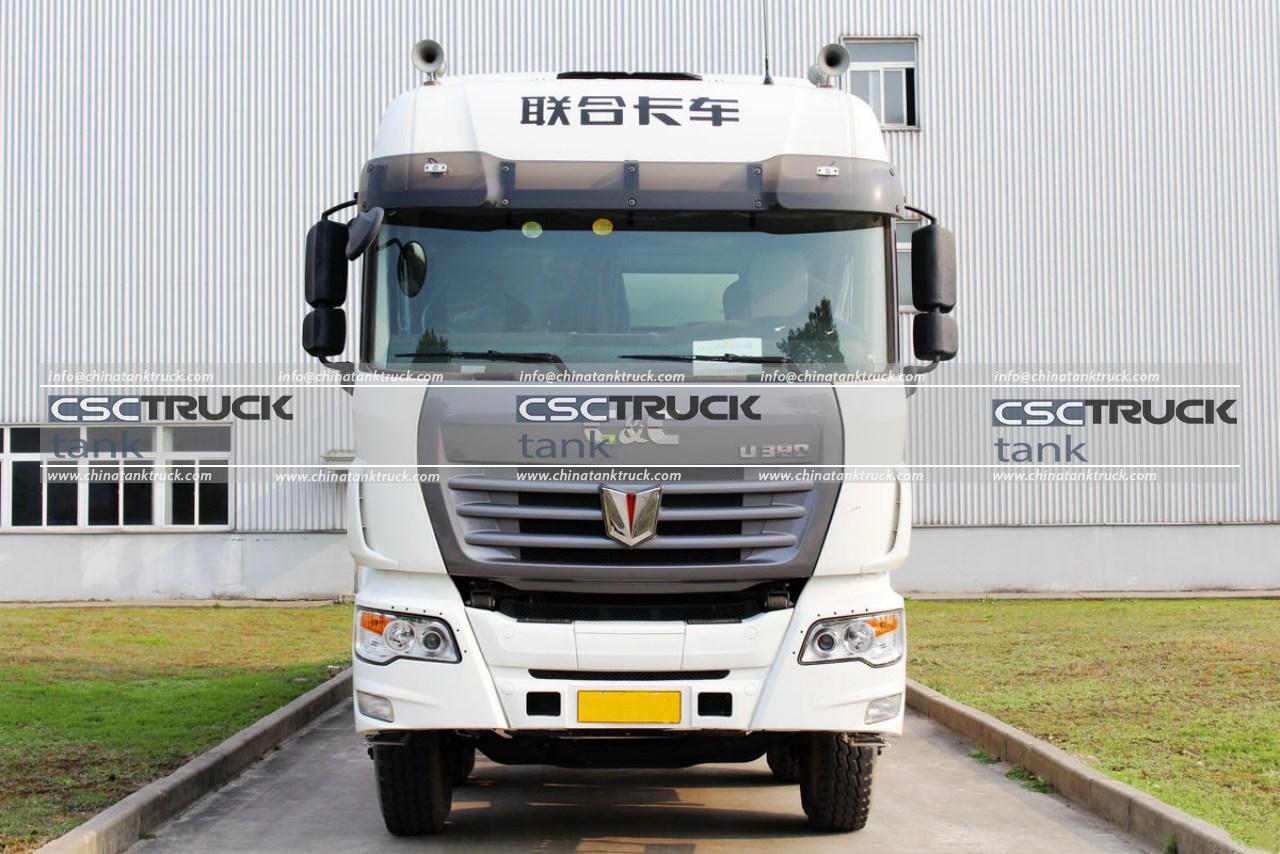
Advantages of Using Pneumatic Tank Trucks for Cement
1. Dust-Free Transportation
Traditional unloading methods often release significant amounts of cement dust into the environment.
Pneumatic unloading occurs inside a completely enclosed pipeline, greatly reducing airborne dust and improving environmental compliance.
2. Moisture Protection
The sealed pressure vessel prevents moisture from entering during transportation.
This is essential because cement loses its quality once exposed to water.
3. Fast Unloading
A properly designed pneumatic system can unload an entire tank much faster than manual handling methods.
Depending on compressor capacity, pipeline length, and material characteristics, unloading typically takes between 30 and 90 minutes.
4. Reduced Product Loss
Because the entire unloading process occurs inside closed pipelines, nearly all transported cement reaches its destination.
There is minimal waste caused by wind, spills, or handling.
5. Safe Operation
Modern pneumatic tank trucks include numerous safety features, such as:
- Pressure relief valves
- Emergency shutoff systems
- Pressure gauges
- Secure manholes
- Reinforced pressure tanks
These features help ensure reliable operation under working pressure.
Typical Cement Capacity
Pneumatic cement tank trucks are available in multiple sizes depending on local regulations and customer requirements.
Common capacities include:
- 20 m³
- 25 m³
- 30 m³
- 35 m³
- 40 m³
- 45 m³
- 50 m³
- 55 m³
- 60 m³
Actual payload depends on:
- Tank volume
- Chassis configuration
- Local axle weight limits
- Cement density
Most trucks operate on 6×4 or 8×4 chassis, while larger semi-trailers are commonly paired with tractor units for long-distance transport.
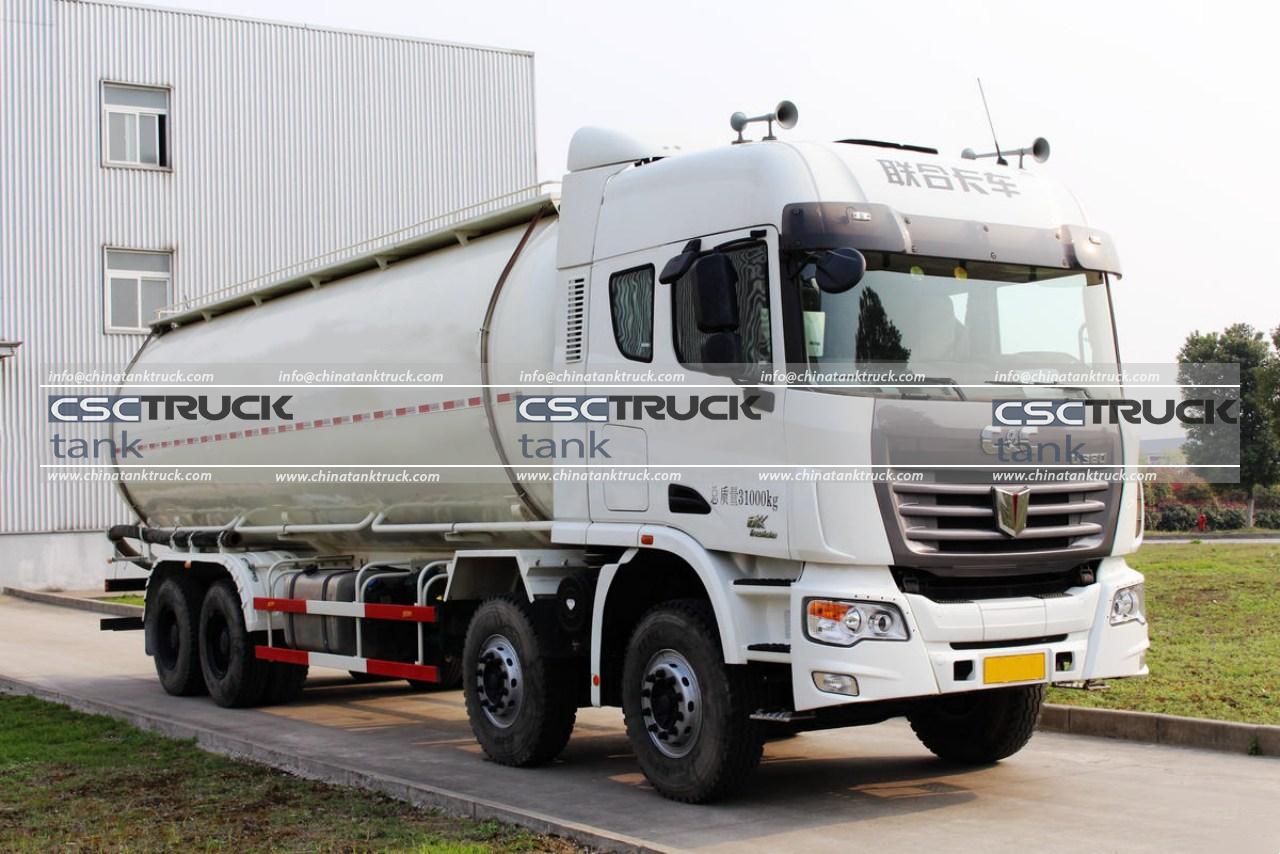
Air Compressors Used for Cement Transport
The heart of every pneumatic cement truck is its air compressor.
Common compressor types include:
- Screw compressors
- Rotary lobe blowers
- PTO-driven compressors
- Diesel engine-driven compressors
- Electric motor-driven compressors (stationary applications)
The compressor generates sufficient airflow and pressure to fluidize the cement and move it through discharge pipelines.
Typical operating pressure ranges from 0.18 to 0.25 MPa, depending on system design.
Can Pneumatic Tank Trucks Transport Other Materials?
Yes.
Although cement is the most common cargo, pneumatic tank trucks can transport many dry bulk materials, including:
- Fly ash
- Lime powder
- Silica powder
- Alumina
- Calcium carbonate
- Barite powder
- Flour
- Starch
- Plastic resin pellets
- Soda ash
- Bentonite
- Gypsum powder
However, operators should thoroughly clean the tank before switching between different products to prevent cross-contamination.
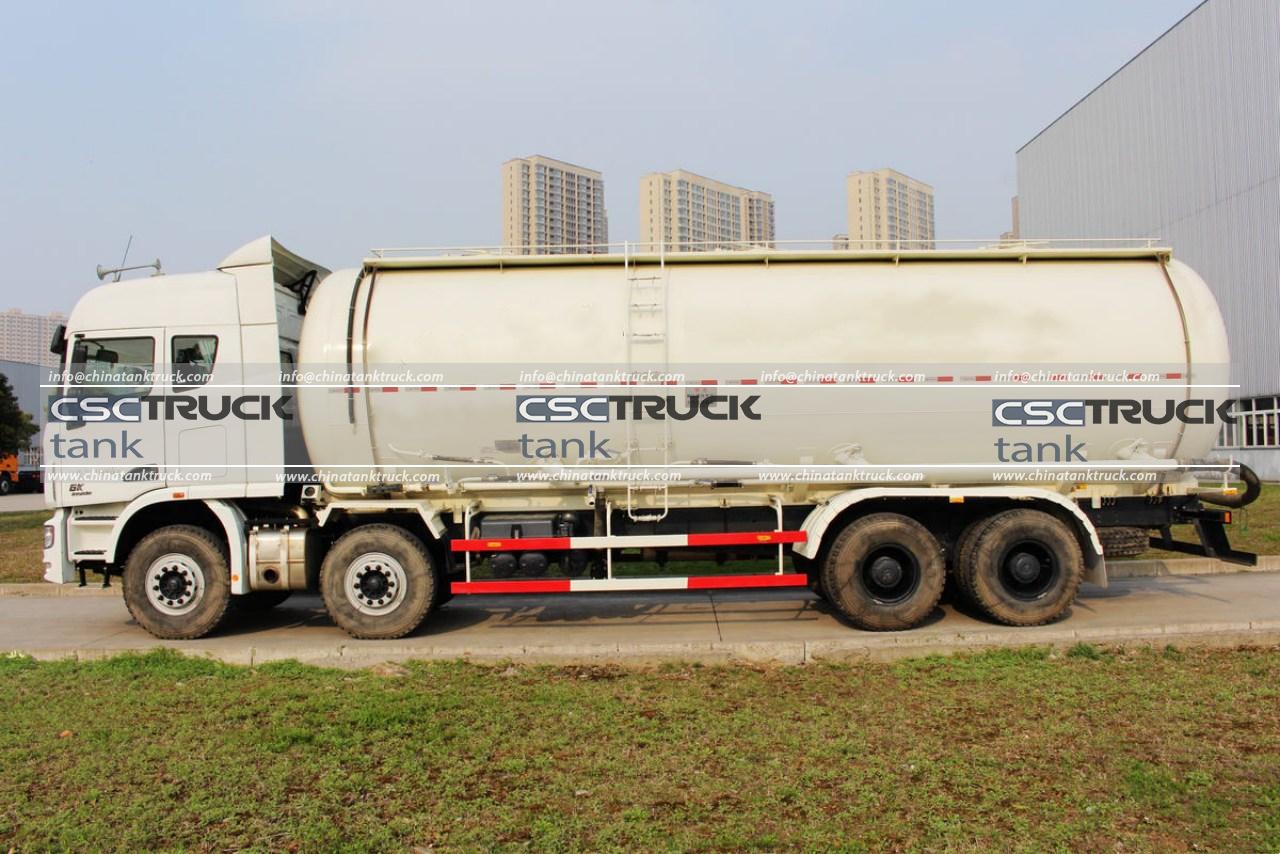
Factors Affecting Cement Transport Efficiency
Several factors influence unloading performance.
Compressor Performance
Higher airflow generally results in faster unloading.
Pipeline Length
Longer discharge pipelines require more air pressure and increase unloading time.
Cement Quality
Dry, free-flowing cement unloads much more efficiently than damp or compacted material.
Fluidizing System
Well-maintained fluidizing pads ensure smooth material flow throughout the tank.
Tank Design
Modern V-shaped or W-shaped tank designs improve discharge efficiency by minimizing residual material.
Maintenance Considerations
Regular maintenance is essential for reliable cement transportation.
Operators should routinely inspect:
- Air compressor
- Fluidizing membranes
- Pressure gauges
- Safety valves
- Discharge hoses
- Air pipelines
- Manhole seals
- Tank interior
Replacing worn seals and cleaning filters helps maintain efficient unloading while preventing air leaks.

Conclusion
Pneumatic tank trucks are unquestionably one of the best solutions for transporting cement. Their enclosed pressure vessel design protects cement from moisture and contamination while allowing fast, clean, and efficient unloading through compressed air.
Compared with conventional bulk transportation methods, pneumatic tank trucks offer superior product protection, lower environmental impact, reduced material loss, and improved operational efficiency. These advantages have made them the standard choice for cement manufacturers, construction companies, and bulk material logistics providers around the world.
For businesses seeking dependable pneumatic cement transport equipment, CSCTRUCK China Tank Truck provides a wide range of customized dry bulk tank trucks engineered for durability, safety, and high unloading performance. With advanced manufacturing capabilities, rigorous quality assurance, and global export experience, CSCTRUCK China Tank Truck continues to deliver reliable transportation solutions that meet the evolving demands of the construction and bulk materials industries.