

Pneumatic tank trucks rely on onboard air compressors to transport bulk powders, such as cement, fly ash, lime, and grain, through sealed pipelines. These compressors are the heart of the unloading system—without stable compressed air, the entire discharge process fails. However, one of the most common operational issues in the field is compressor overheating, which can lead to shutdowns, reduced efficiency, and even long-term damage to equipment.
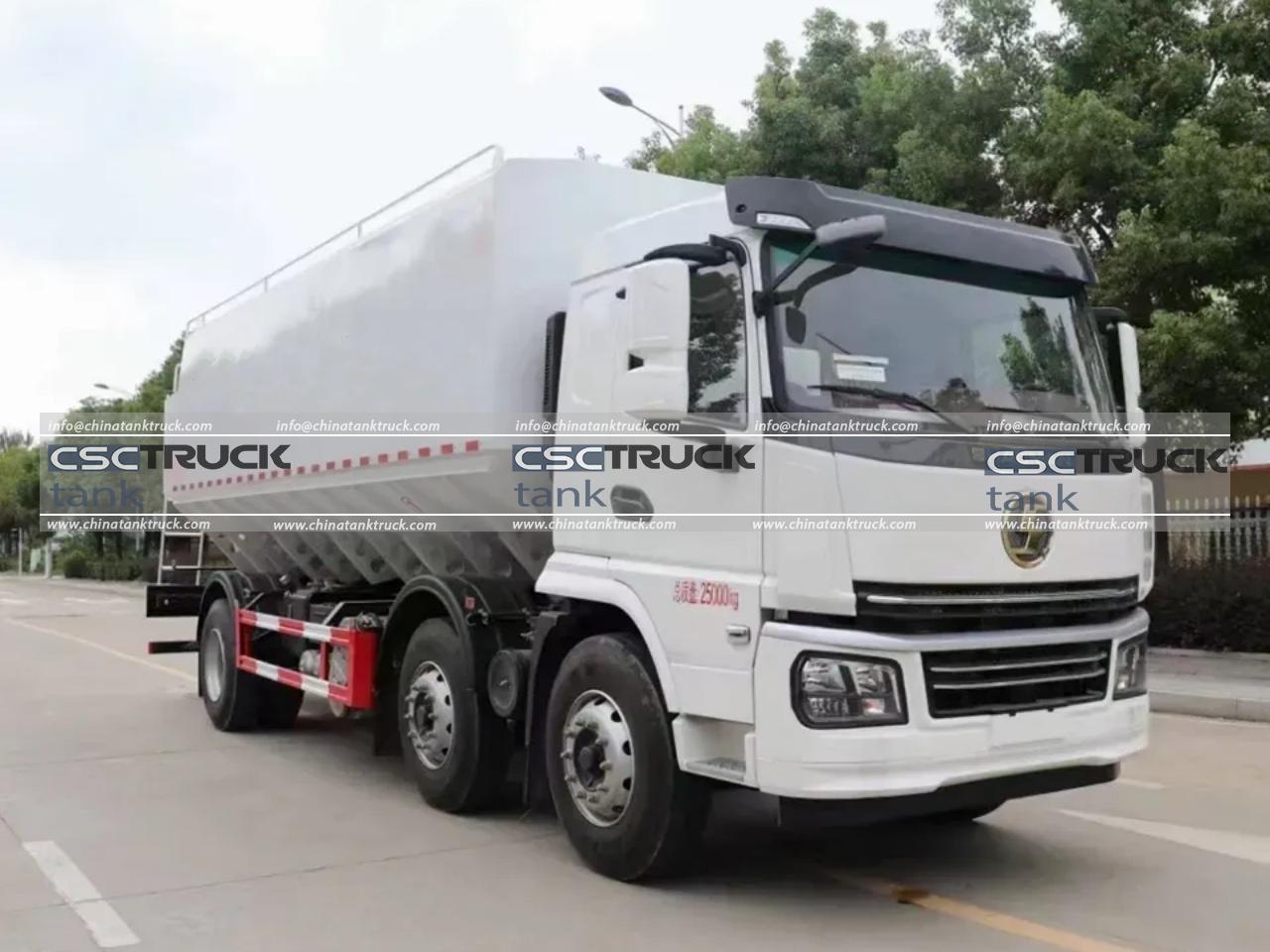
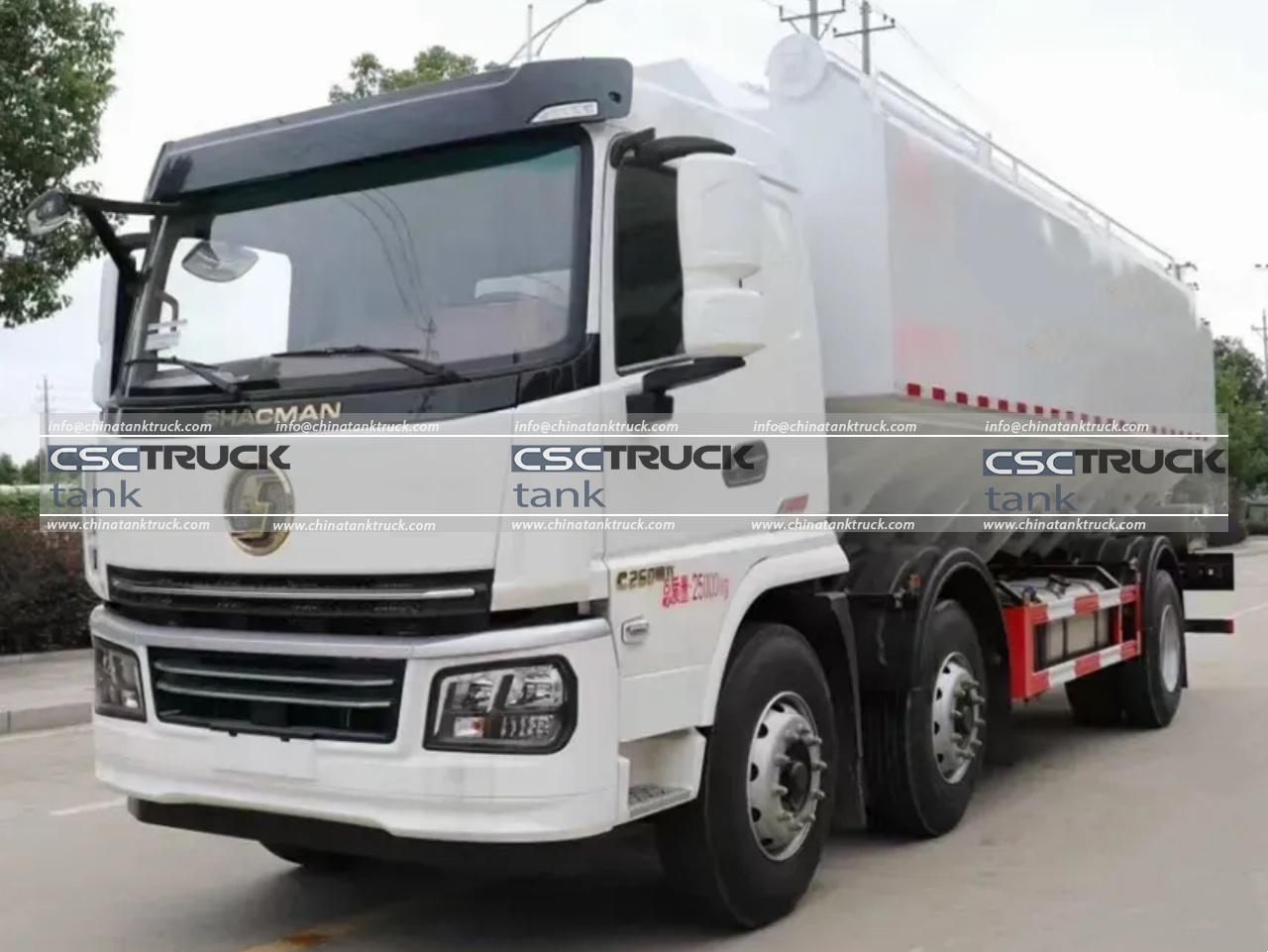
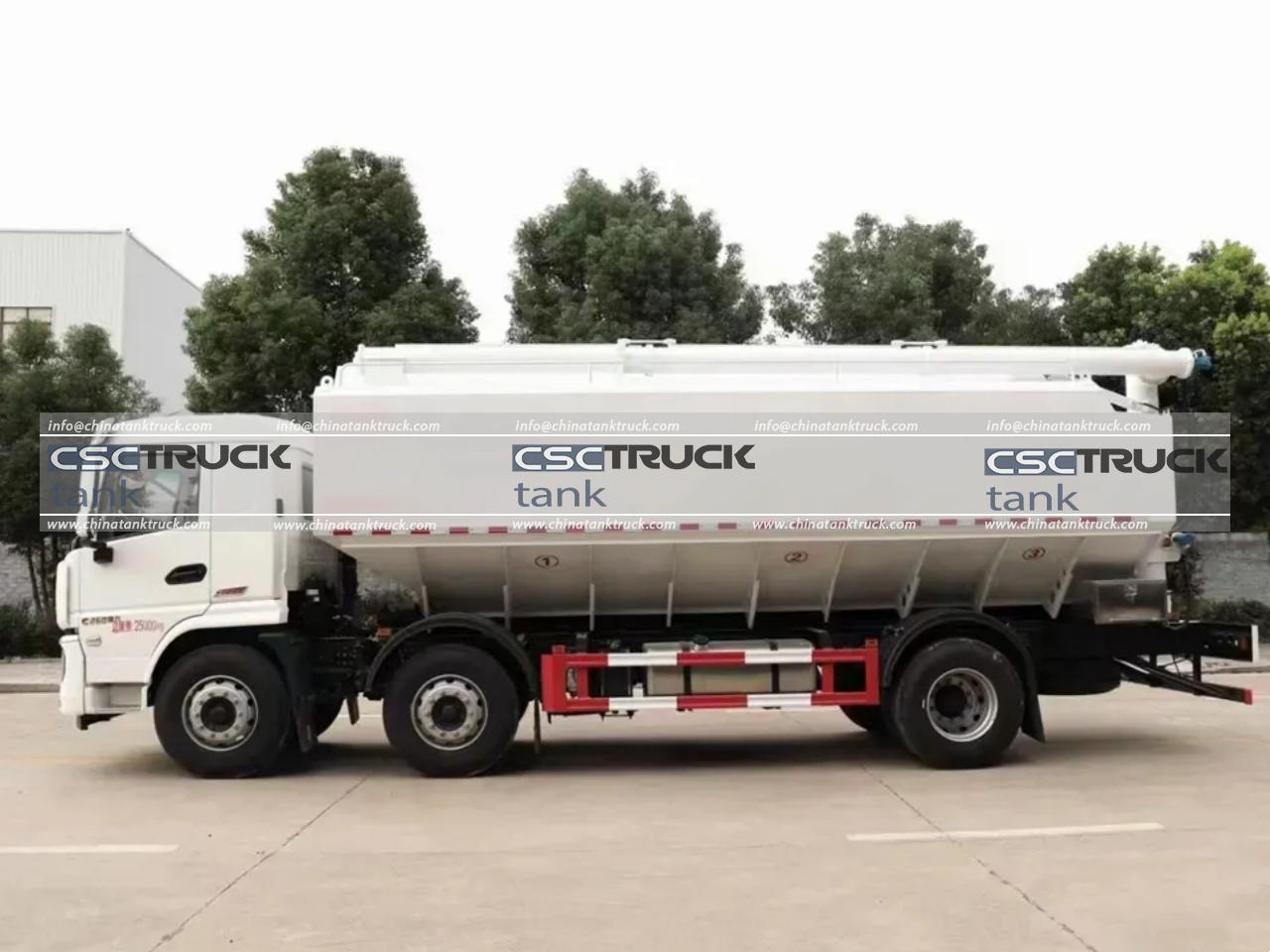
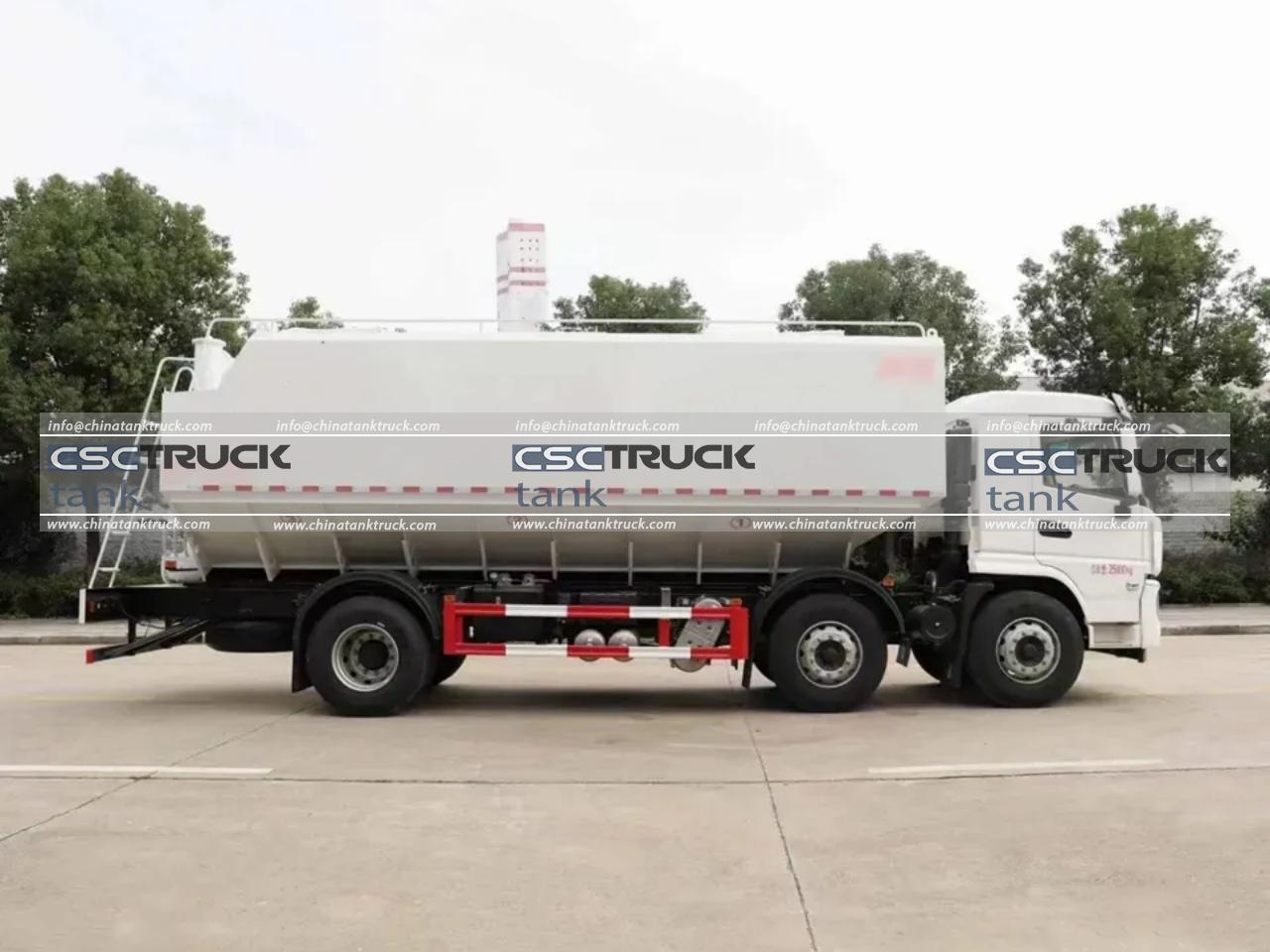
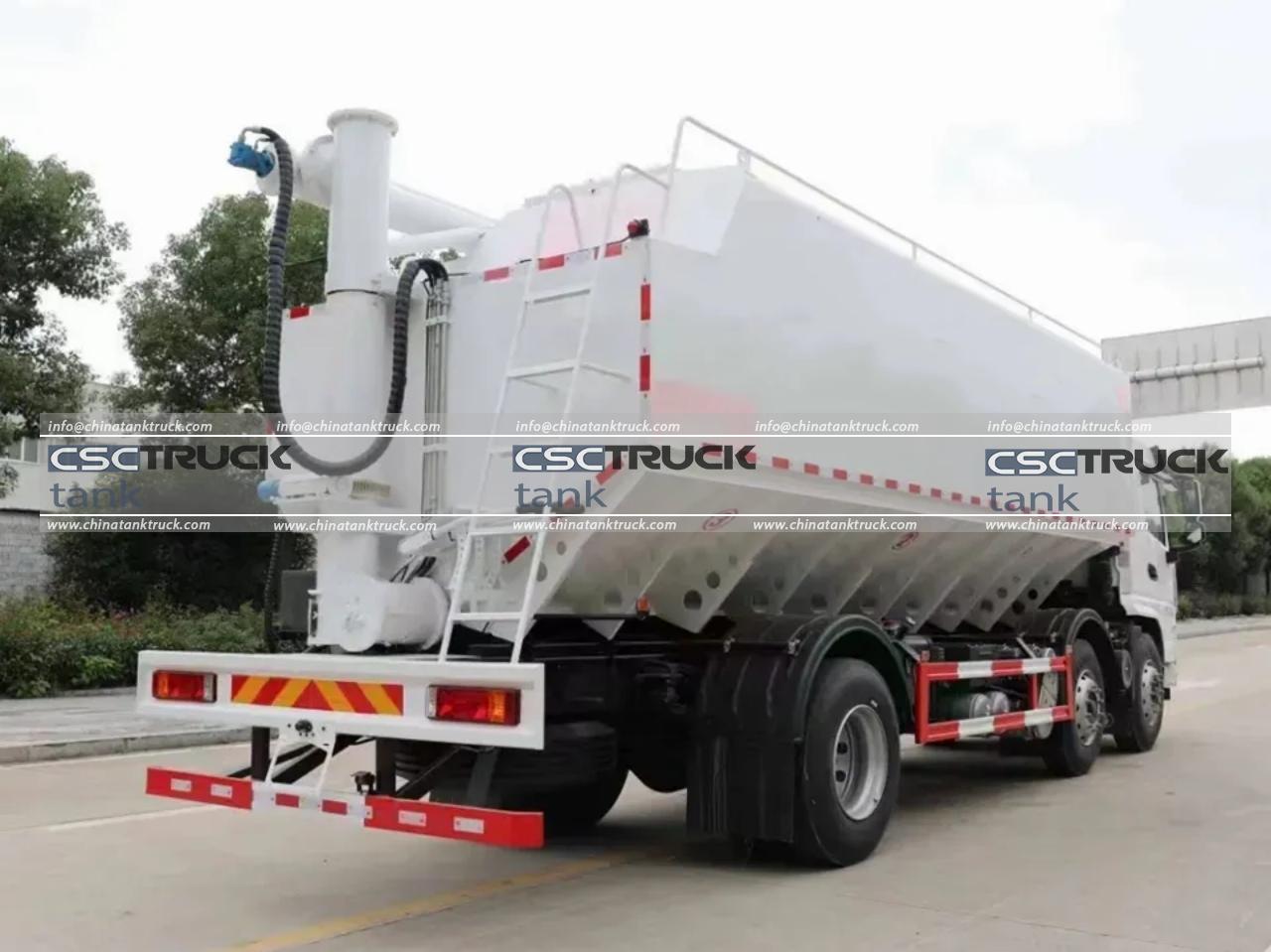
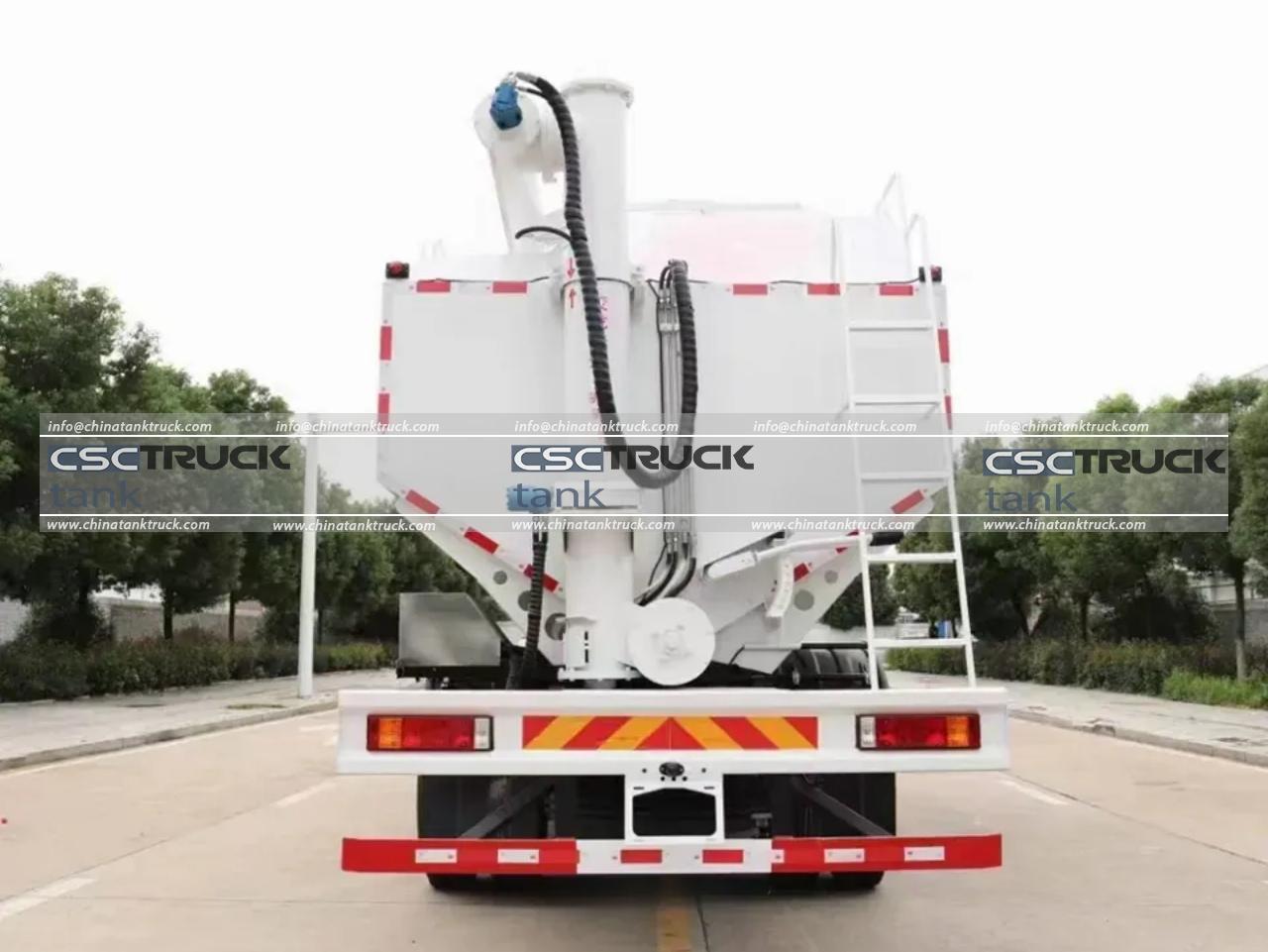
Before diving into the causes, it’s worth noting that manufacturers like CSCTRUCK China Tank Truck specialize in designing pneumatic tank trucks and bulk transport solutions with integrated air systems built for demanding industrial use. Their vehicles are widely used in construction, mining, and logistics sectors where continuous unloading performance is critical. Proper compressor thermal management is therefore a key part of reliable tanker design.
1. What “Overheating” Means in a Pneumatic Tank Truck Compressor
In pneumatic bulk systems, compressors naturally generate heat because air is being compressed to high pressure. Under normal conditions, cooling systems (oil cooling, air ventilation, and aftercoolers) remove this heat.
A compressor is considered overheating when:
- Discharge temperature exceeds safe operating limits
- Oil temperature rises beyond the design range
- The unit triggers thermal shutdown
- Lubrication begins to degrade
When this happens, the compressor is no longer just inefficient—it is under thermal stress that can shorten its service life significantly.
2. High Ambient Temperature and Poor Ventilation
One of the simplest yet most common causes is environmental heat buildup.
Pneumatic tank truck compressors are often mounted:
- Near engine compartments
- Inside compact equipment bays
- In poorly ventilated chassis spaces
When hot engine air circulates through the compressor, it reduces cooling efficiency. If airflow is restricted or the truck is operating in hot climates, the compressor may struggle to dissipate heat.
As external studies on industrial compressors show, insufficient ventilation and high ambient temperature are leading contributors to overheating in air compression systems.
3. Low Oil Level or Degraded Lubrication
Lubrication oil is not only for reducing friction, but it also acts as a heat transfer medium.
When the oil level is low, or the oil quality is degraded:
- Heat is not effectively carried away from the compression chambers
- Internal friction increases
- Temperature rises rapidly
Over time, overheated oil can oxidize and lose viscosity, further accelerating thermal buildup. This creates a cycle where poor lubrication leads to more heat, and more heat destroys lubrication even faster.
4. Dirty Air Filters and Restricted Intake Flow
Air compressors need a steady, unrestricted air supply. If intake filters become clogged:
- The compressor must work harder to draw air in
- The compression ratio increases
- Internal temperature rises
This is one of the most overlooked issues in the field. Even a partially blocked filter can significantly increase operating temperature, especially during continuous unloading cycles.
In real-world maintenance reports, intake restriction is often described as a “hidden cause” of overheating because symptoms appear downstream while the root cause is upstream.
5. Excessive Discharge Pressure During Unloading
Pneumatic tank truck compressors are designed for a specific pressure range. When discharge pressure rises too high:
- The compression ratio increases
- Mechanical load increases
- Heat generation rises sharply
This condition may occur due to:
- Blocked pipeline or discharge valve
- Moisture or material clogging in the tank line
- Incorrect system settings
High compression ratios are a well-known cause of compressor overheating in industrial systems.
6. Oil Cooler or Heat Exchanger Problems
Cooling systems are critical in pneumatic compressors. If the oil cooler or air cooler is:
- Dirty
- Clogged with dust or cement particles
- Damaged or poorly ventilated
Then the heat cannot be removed efficiently.
This leads to a rapid temperature rise even if the compressor itself is functioning normally. In bulk cement trucks, this issue is especially common because fine powder particles can accumulate on cooling fins.
7. Continuous Overloading or Long Duty Cycles
Pneumatic unloading often requires sustained compressor operation. If the system is:
- Running beyond the recommended duty cycle
- Operating without cooling breaks
- Working under a heavy load continuously
Then, internal heat accumulation becomes unavoidable.
Even well-designed compressors have thermal limits. Continuous operation without recovery time can push them beyond safe temperature thresholds.
8. Mechanical Wear and Internal Efficiency Loss
As compressors age, internal components such as:
- Bearings
- Seals
- Valves
- Rotors
begin to wear out. This reduces efficiency and increases internal leakage. The compressor must then work harder to maintain pressure, producing more heat in the process.
Worn mechanical components also reduce volumetric efficiency, meaning more energy is converted into heat instead of useful air compression.
9. Incorrect Operation or System Settings
Operator-related issues are also a major factor:
- Running at incorrect pressure settings
- Frequent start-stop cycles
- Ignoring maintenance schedules
- Operating with partially blocked discharge lines
Small operational mistakes can significantly affect thermal balance in pneumatic systems.
10. Moisture and Contamination in the System
Moisture or foreign particles inside the air system can:
- Increase resistance in pipelines
- Cause partial blockages
- Lead to uneven compression load
This forces the compressor to work harder, increasing heat generation. In extreme cases, moisture can also damage internal lubrication systems.
11. How Overheating Affects Pneumatic Tank Trucks
If left unresolved, overheating can lead to serious consequences:
- Automatic shutdown during unloading
- Reduced airflow capacity
- Accelerated oil breakdown
- Increased wear on compressor components
- Complete compressor failure in severe cases
This directly affects delivery efficiency and increases operational downtime.
12. Preventing Compressor Overheating
To ensure stable operation in pneumatic tank trucks, operators should:
- Clean air filters regularly
- Maintain proper oil levels and change intervals
- Ensure cooling systems are free of dust and blockage
- Avoid continuous overload operation
- Monitor discharge temperature during use
- Inspect the ventilation around the compressor unit
Preventive maintenance is significantly more cost-effective than repairing a failed compressor.
Conclusion
Pneumatic tank truck compressor overheating is rarely caused by a single issue. Instead, it usually results from a combination of environmental conditions, airflow restrictions, lubrication problems, excessive pressure, or mechanical wear.
Understanding these factors helps operators diagnose problems early and maintain stable unloading performance. With proper maintenance practices and well-designed equipment—such as those developed by CSCTRUCK China Tank Truck—operators can significantly reduce overheating risks and ensure long-term reliability in demanding bulk transport operations.